More Cartoons in the Time of COVID-19 for October 2020
A number of people didn’t receive the cartoon yesterday. I now know why and am always happy to resend upon request. Also, all Homemade Cartoons since April 1st when I began posting them are available for viewing on my blog
I now begin my 7th month of doing this and if you have friends who might be interested in being added to my distribution list have them contact me at peter.imber@gmail.com
By the way I have lost several subscribers along the way who have disagreed with my points of view. I have no problem with that and in addition if you are simply instantly deleting these cartoons and commentaries everyday when they arrive in your mailbox, I won’t mind at all if you ask me to stop sending them.
I want to thank all of you who do read them and often respond to me with comments, insights and stories of your own. In the time of COVID-19 we all need to find ways to cope and create routines for ourselves that fill our days and lift our spirits… Your responses raise mine.
Happy October 1st! Here in Maine it looks like it’s going to be a nice day and I hope where you are it will be too.
Peter
“I intend to leave after my death a large fund for the promotion of the peace idea, but I am skeptical as to its results.” –Alfred Nobel
Nobel was of course the Swedish chemist, engineer, and industrialist who invented dynamite and other more powerful explosives and who also founded the Nobel Prizes.
I didn’t watch the “debate” and apparently am the better for it. I have been telling people for months that Biden should not have agreed to do this and needed to have demanded there be a mute button for the moderator and instant fact checkers as well as Trump’s releasing his tax returns as a precondition. Trump would have never agreed and there would not have been this debacle.
I didn’t see the point of giving Trump the opportunity to do exactly what he did. There is no law that mandates presidential debates. After the first Nixon–Kennedy debates in 1960 it was 16 years before presidential candidates agreed to participate in them again. Will America have to endure two more of these in 2020? Can a country flog itself? I bet Vladimir Putin enjoyed seeing this… “This is Vladimir Putin and I approved this menagerie.”
I have a new moniker for Trump
The Bully Puppet!
—————–
Ok, so people take sides– Democrat or Republican, Dodgers or Yankees, Coke or Pepsi and as I perceive things you’re either a Mickey Mouse or a Donald Duck fan. I’m a Duck man.
If Mickey was salt, then Donald was pepper. Mickey may have misbehaved in the employ of the Sorcerer and gotten whacked in the butt with a broomstick but really? He was a goody two ears. Did he ever get in Donald Duck spitting fire kind of trouble? You bet he didn’t. I’ve found a list of some of Donald’s most egregious misdeeds.
He:
–Looted his nephews’ piggy bank to pay for taking Daisy out
–On another occasion destroyed her living room in a fit of rage when he couldn’t open a window
–attempted to kill a cow with a hatchet
–wrecked a Christmas display because he couldn’t stand the repetitious caroling
–put lit firecrackers in Huey, Dewey and Louie’s Trick or Treat bags
And I could keep going.
One of my best friends does a spot on angry Donald Duck imitation when he hits a bad golf shot. But like Donald he may sound vicious but he’s not malicious. I haven’t mentioned the other Donald who’s both and there’s no need to. I’m a Duck man and the president has just tested positive for COVID-19 and will be quarantined from my cartoon world while we all gasp at the irony of this development. Seemingly, just one more event in a year that had already blown the circuit breakers of history off the wall months ago.
Anyway, I’m here to talk about Disney and having been grandfathered into the Walt Disney Company when ABC was acquired by it in 1995, my accrued service time ended up totaling 26 years in both mouse and human years.
At year 20 I received my first employee appreciation award which was a standard practice then. The item was a Mickey Mouse watch, not a cheap one either. It was to be engraved with my name. I tried to change that. You see, my son went to work at Disneyland as soon as he could drive and even decided to attend college at UC Irvine nearby (and become the only Phi Beta Kappa in our family) so he could continue to work at the park. I asked to have his name put on my watch but was told that was not allowed. No big deal. My son has a nice watch.
At year 25 I was up for another award and this time it was a statue– a statue of Tinkerbell and spell check just informed me that it’s Tinker Bell and not Tinkerbell.
The statue didn’t appear to have any utilitarian value until I realized it might make a good doorstop (and doorstop is one word and not two.). That’s what I did with it but shortly afterward I bumped into it and cut my ankle seriously. I’m not making this up, Tink’s wings are sharp. No big deal.
What I really would have liked is the statue of Donald Duck. You only get him after 40 years of working for the Mouse which means if I were still at ABC News I’d have four years yet to go. Who gets to work for 40 years for one company anywhere anymore? You’d have to be a cartoon character.
Maybe I should put my Tinker Bell on eBay. Somebody’s asking $700 for one identical to mine. No, I think I’ll keep her. We’ve patched things up. I don’t even have a scar.
—————–
Don’t know much about astrophysics but enough to understand that a light year is the distance light travels into space in the course of one calendar year on earth and that’s about six trillion miles. If that doesn’t resonate as fast or far, consider that by using this measurement of speed it takes about eight minutes for light to get from the sun to us. Traveling at such a clip in your car would definitely get you pulled over and a significant bump up on your insurance premium but hardly anywhere out into the universe.
We are a small fry here on our planet but we certainly have a lot of big problems and we’re not doing a very good job at tackling most of them. Since the debate a few days ago and the president’s subsequent coming down with the coronavirus, earth’s insignificance in the incalcuable scheme of things is something I’ve been thinking about. Robert Crumb, whose comics I have collected and keep in a brown paper bag, may have pretty much nailed it over 50 years ago.
Are there levels of despair that can be delineated? Is it all or nothing? How about if we no longer are actually capable in America of solving our problems and whoever is the president may matter about as much as who wins baseball’s World Series? Where does that rank?
I know this is a bleak outlook but let me offer my evidence and let you decide if I’m just standing on the Tallahatchie bridge and actually considering jumping off or just despairing at others in far more distress than I am who may be ready to leap at any moment.
Exhibit A– On my first day of sheltering in place because of COVID-19 last March 16th the DOW closed at 27,682. Yesterday, almost six months later the DOW closed at 27,682.
That’s a weird coincidence to be sure but what it tells me is that for those of us fortunate enough to have the wherewithal to be invested in the stock market, we may not have made any money but we are far more likely to have been unscathed by the pandemic thus far. We’ve stocked our pantries and can pay our mortgages.
The coronavirus deaths, the political chaos, government dysfunction, job losses and, unless we live in California and the Far West, ominous episodes of climate change have only impacted us marginally. Life may be inconvenient right now but it has not become terribly difficult or totally overwhelming.
We who angst but are still receiving our social security and pension checks plus drawing on our investment income should be giving thanks. In major ways we are insulated from the country’s trauma at least in the short term.
Do we really believe a different president will be able to accomplish anything at this point other than to slow our nation’s decline? Will he or she remedy injustice and end racism? Will he or she end the inequities of the Electoral College and gerrymandering? Will he or she have any chance of convincing companies and corporations to value their employees at least as much as their stockholders? Will he or she improve the lives of everyone, fix healthcare, our public schools and decaying infrastructure? Will he or she get us to really take meaningful steps to confront climate change?
Our problems are obvious but are their solutions attainable? I wish I knew.
—————–
—————–
This week a respite from the news, instead, some stories that have absolutely no connection to what’s going on in the world. We all need a break. At least I know I do.
Maine has a state motto– The Latin word “Dirigo” which means I lead. But just as recognizable as the official motto is the unofficial one you see a few miles up the road on a sign by the side of l-95 after you cross the Piscataqua River Bridge from Portsmouth to Kittery– “Maine… The Way Life Should Be.”
I came here 10 years ago and Maine has been mostly the way life should be for me. Although I’ll always be “from away” I can deal with that. If Maine won’t adopt me, I’ll adopt it and since my wife was born here, doesn’t that give me some kind of special consideration with benefits? No? Ok, I guess not and that’s fine, but what about this guy I’m going to tell you about?
The main character in our story today was born and grew up in Maine almost on the New Hampshire border. He had lived all his life– 90 plus years –on the family farm. His had been a quiet life in which he minded his own business and became a respected, if not prominent, member of the community. But with the introduction of GPS (global positioning systems) and EDM (laser electronic distance measuring) little did this Mainer know that these new tools were about to pose a threat to his very identity.
You see, a few years ago the state of Maine decided to resurvey its borders and using the latest technology at its disposal, there were some surprising findings. Mapping errors were discovered that would need to be corrected. One of them involved the property line of our Mainer’s farm. The new Maine–New Hampshire boundary put his farm in the Granite State and not just by a little bit. No, it seems the farm was and had been entirely in the wrong state since 1776.
When this information was reported to the town office there was shock and concern. How would the news be broken to someone who had assumed he had been a Mainer for nearly a century but now had been revealed to have lived a lie? He was a stranger in their midst.
A lot of thought and planning went into how to break the news. The town leaders decided they would go together and take a social worker and an MD with them. An ambulance with EMTs would park outside the farmhouse.
The day to break the news came and the wary procession arrived at the farm and was greeted as you would expect with puzzlement by our about to be former Mainer.
The farmer’s small living room was crowded when a member of the board of selectmen opened the conversation.
Selectman: “I’m afraid you don’t know why we’re here today.”
Mainer: “No, I don’t.”
Selectman: “Well, I’m sorry to say I have some bad news. A new survey of the border found that your farm is in New Hampshire and you no longer and never have been a Maine resident.”
Total silence ensued as the farmer took in what he had just been told. A minute or two went by before he shrugged and spoke.
Mainer: “OK.”
Selectman: “Whew, you are taking this so great. We were all very worried.”
Mainer: “Nah, I’m fine with it. It’s actually a relief. I couldn’t have taken another one of those Maine winters.”
Is the story true, false or just apocryphal? Does it matter? What is for certain is that one of those Maine winters will soon be upon us.
Peter
—————–
Did you know that Dr. Benjamin Spock’s ashes were buried in Rockport, Maine? At least some of them were but not all. Spock’s second wife Mary Morgan also took a few with her to California and paddled out into the Pacific Ocean in a canoe to scatter them there. Spock was 94 when he died. Is it surprising that she had the energy to do that? Not at all, she was 40 years younger than he was and today’s Maine story is about her and not him.
The Spocks spent winters in Arkansas and summers in Maine and even though they had a house in Camden they liked living on their sailboat. One evening they came ashore to go to the movies in Rockland where the following conversation took place between Mrs. Spock and the owner of the Strand Theatre.
Mrs. Spock: “You know, when we are down south in the winter the movie tickets there don’t cost as much as they do here in Rockland.”
Theater owner: “Well, all I can tell you is that we think we charge a fair price.”
Mrs. Spock: “Hmmm… You know, when we’re up in Bar Harbor the movie tickets there don’t cost as much either as they do here at the Strand.”
The “up in Bar Harbor” is a glaring tipoof that someone is “from away.” Mainers say they’re going down to Bar Harbor and up to Boston. It’s not up east, it’s Downeast for a reason. Apparently, it’s sailing terminology and maybe the good doctor just bit his tongue when he heard his wife mis-Maine-speak but then again he was born in New Haven, Connecticut and not North Haven, Maine.
Mrs. Spock: “Tell me is there a reason why your tickets are more expensive than they are in Bar Harbor?”
The theater owner thought for a moment and then responded to her.
Theater owner: “You know, the only one I can think of is that the theater owner in Bar Harbor must be from the South.”
That theater owner was my late father-in-law Meredith Dondis. His parents built the Strand in 1923. My wife Jo, the third generation of the Dondis family devoted to the Strand’s existence, became the chair of its board of directors when the theater became a non profit business in 2013 and is still chair to this day.
Tickets to the movies at the Strand pre COVID-19 were $9 and $8 for seniors. In New York City movie ticket prices range from $13 to $20. I don’t know what tickets cost in the South or Bar Harbor for that matter.
—————-
When you’re a district attorney for 35 years, you’re bound to have been faced with some delicate, outlandish or just plain odd situations. So a phone call after midnight from the police chief asking for advice was nothing this D.A. hadn’t dealt with before. Or was it? The D.A. listened to the police chief’s predicament and quickly made a decision.
“Just let the guy go and I’ll handle it in the morning,” was what Michael Povich decided.
Mike Povich was the long serving district attorney for two Maine counties– Hancock and Washington. Together they are larger in size than Connecticut but have a population just barely more than that of Maine’s largest city, Portland. Povich is the relative of my wife Jo so this story comes from the source. But let me tell you a little about Mike before going any further.
I was a big fan of the television series Columbo where Peter Falk played a homicide detective who always tripped up his suspects by allowing them to think he was a bungling pest. No, Mike Povich wasn’t by any means Columbo but he could easily be taken for granted. He has a strong Maine accent and a folksy manner more befitting a used car salesman than a razor sharp Harvard educated lawyer and classical pianist. So, with that information we’re ready for the tale.
It was a summer night on Mt. Desert Island (Is it pronounced desert or dessert? You hear both but it was French explorer Samuel de Champlain who gave it the name originally so skip desert but if calories are an issue, skip dessert.) and some kids from the nearby Hancock County seat of Ellsworth were about to precipitate the trouble that would wake up Mike Povich.
They had rented a limo owned by a local man who they’d hired to drive them in it. Destination: Mt Desert Island and the homes of the rich who far out number the famous there. Things were going fine until the kids told the limo owner/driver that they wanted to get closer to one of the stately homes that had a circular driveway– which should perhaps be more accurately called horseshoe driveways since they form only part of a circle– to get a closeup look.
The owner/driver who was known to be more of a pushover than pushy wasn’t willing to accede to the request at first but, pressured to comply, then made an unfortunate choice of driveways. It was the house belonging to Martha Stewart.
Stories about Stewart in Maine that I’ve heard have not been flattering. One of my favorites, which in fairness may be apocryphal, involved her attempt to buy a boat, not just any boat but one from the Hinckley Company, one of Maine’s premiere boat builders that’s been in business for nearly 100 years. After Stewart was told she could place an order but the boat would not be delivered for about two years, she threw a fit and demanded to see the owner. It was a short encounter…
Stewart: “Don’t you know who I am?”
Hinckley Company’s owner: “Yes, you’re number 28.”
So, the limo has now entered the Stewart estate– a 35,000 square foot stone mansion –and when Martha hears it moving on her gravel she immediately orders her caretaker to shut the gates. Her next move is a phone call to the police…
Stewart: “I have trespassers on my property and I want them arrested. Send your officers here pronto.”
Some time elapses and the limo and its occupants keep their cool but when the police arrive Martha does anything but. Her rage is more directed at the driver than the kids and she insists that he be jailed and the proverbial book be thrown at him.
Now, we’re at the point in the story where the police chief has phoned D.A. Mike Povich and gotten the directive to let the limo driver go home.
The next morning before Povich even sits down at his desk Martha Stewart has already called and is put through to him. She’s still infuriated and demanding prosecution…
Stewart: “The driver trespassed on my property and I insist that the full force of the law be brought to bear.”
Mike listened to her tirade and then in a calm and very Maine voice…
Povich: “Well, Ms. Stewart I could do that but it seems we might have a situation here.”
Stewart: “What kind of situation?”
Povich: Let me ask you a question. When you saw the limo in your driveway did you then close the gates?”
Stewart: “Yes, I ordered my caretaker to do that. I didn’t want them to escape.”
Povich: “Did you warn them that they were trespassing on your property before the gates were shut?”
Stewardt: “No, I didn’t have to, that was obvious. They were already inside my driveway.”
Povich: “So, you then kept them there and called the police?”
Stewart: “Yes, that’s exactly what I did. So what is this “situation” you’re referring to? They trespassed on my property and I caught them doing it.”
Povich: “Well, here’s how I see it. Yes, they might have trespassed but you didn’t warn them that they had and then detained them. That’s illegal and one might even call it kidnapping. Now, what would you like me to do?”
The sound of a phone slamming was probably heard in both Hancock and Washington counties that morning.
—————–
My son was born in Southern California and has never lived anywhere else. To him snow is something you visit. I grew up in Pennsylvania and then went to college in New Hampshire. I knew snow but avoided it for nearly 40 years by residing in Mediterranean climates. I’ve been in Maine now for a decade and in winter snow visits me again regularly and hangs around way too long.
I’m not a skier or a snowboarder. I don’t skate or toboggan. I’m not shaken by a snowstorm nor am I particularly stirred. I’m happy to just look out the window with a martini in my hand that was prepared either way (with apologies to James Bond).
Blizzards are not a good time to be outside and I have first hand experience with one actually coming inside. A number of years ago we had a nor’easter– a big one. Nor’easters are actually classified meteorologically as cyclones. This one dropped two feet of snow on our area but it was the wind that woke us up in the middle of the night. I thought a tree had fallen and gashed a hole in our roof.
Instantly, the bedroom turned frigid and snow was blowing in my face. It wasn’t a tree through the roof, although we had that happen a few years later. No, the wooden and glass insert from a window in the room that I use as an office had been blasted out of its frame and onto the floor. Miraculously, It hadn’t broken and I was able to snap it back in place. I figure the wind gusts that dislodged it must have been well over 50 miles an hour.
So, the Maine story today is about being caught in and then rescued from a blizzard. It’s a tale of friendship formed between a good samaritan and the man he may have saved from death and who really should have saved him in another sense. By way of explanation let me draw you a picture.
Cushing is a town in Knox county about 20 miles from where I live. Its population is closer to one thousand than two. It has a Zip Code but no grocery store or gas station. There’s no downtown or uptown. It’s a location with houses. I have good friends there and I don’t think I’m offending them by saying that Cushing is a bit out of the way. If you get stranded in your car in a snowbank, that’s not a good thing to have happen there.
And so it was fortunate that our good samaritan arrived upon the scene and saw this particular car that had slid off the road. He retrieved its occupant before that person’s luck might have possibly run out. Seeing that the driver was pale and shivering, the rescuer took him home with him to warm him up.
Good Samaritan: “How long do you think you were stuck there?”
Rescued Man: “An hour or so. Maybe longer. Good thing you found me.”
Good Samaritan: “It’s wicked cold and snow’s still comin’ down. I’m glad I did.”
The two men talked for a while until the rescued man’s wife showed up to take him home. Their brief encounter led to more get-togethers between them and they struck up a friendship.
What did they have in common or talk about? Hunting and fishing perhaps? Who knows? They spent time together and enjoyed each other’s company. This is something I identify with. I play golf and have made wonderful friends through the most devilish game man has ever created. Invariably, when I get home Jo asks me how I played and sometimes also what I and the guys talked about. Occasionally, I’m able to say I played well but I shrug off the other question with a “nothing” or a “I don’t remember” and that’s the truth, I don’t. Although we spend many enjoyable hours together on the golf course my friends and I don’t often ask the kind of questions of each other that I’ve been assured are ones women consider all but required.
So back to the story. A few years have passed since the rescue and the good samaritan is at a bar with a different friend. It was just after the Holidays.
Good Samaritan: “You know a few winters ago I saved my friend Andrew, pulled him out of his car in a snowbank. He was about to freeze to death.”
Friend: “Yeah, I remember you told me about that. You still see him sometimes, right?”
Good Samaritan: “Yeah, but I think there’s something about him I don’t get.”
Friend: “What’s that?”
Good Samaritan: “Well, every year now I get a note from him wishing me a Merry Christmas but instead of it being on a Christmas card. It comes with a drawing. I know he has the money to buy a card.”
Friend: “Are they good drawings?”
Good Samaritan: “Yeah, they are. This time I got one of a man sitting on a log. But there’s always something strange about them.”
Friend: “What’s that?”
Good Samaritan: “They’re never completely finished.”
Friend: “So, what do you do with them?”
Good Samaritan: “I give them to my four year old. She likes to color in the parts that aren’t done.”
—————–
I honked my horn a few days ago. We have an intersection near our house where the main street which happens to be U.S. 1 has a stop sign and the side street our house is set back from does not and has the right of way. It’s unusual and understandably confusing. A driver of a car in front of me coming from that side street stopped and didn’t realize he could just go through so I honked. Not right away mind you and only for an instant. And not out of impatience like I would have reacted in Los Angeles to having to wait unnecessarily. Actually, I think I get the oil changed in my car as often as I honk its horn.
Driving in Maine is stress free for me. So is the post office, the town office, the Social Security office and the Bureau of Motor Vehicles office. Lines pretty much for everything are short up here in the Midcoast. We don’t complain about the bureaucrats, we even know some of them. It’s good to be able to recognize the faces behind the counters, the checkers at the supermarket, the person who delivers your mail, the mechanic who works on your car. But I digress.
Maine, you might already know, is the oldest state in America demographically. It edges out Florida at this point with just over 20% of its population 65 or older. The whole country is predicted to reach that percentage of 65 plussers in the next 30 years as we move from the Baby Boom to the Geezer Gang.
I was 63 when I arrived here in 2010 so I didn’t bring Maine’s elderly numbers down for very long. Little known fact: When I was a member of my college fraternity it had the highest grade point average of any on campus. That was an instance where I did lower the curve. But I digress again.
Jo and I moved here from California and in accordance with Maine law we registered our car and got new drivers licenses. Things went very smoothly at the local Maine Bureau of Motor Vehicles office until we needed to have our pictures taken. The machine that was supposed to that was being repaired and so, we had to wait.
It was late morning and we were the only people in the office besides the staff until an eldery man entered the room. By the front door there was a ticket dispenser from which you took a number like you might in a delicatessen for your pastrami sandwich. It took a minute or two for the elderly man to figure this out but he did and then sat down.
It only took another minute or two for a bright light to start flashing with the number he had drawn but the man did not move. The light kept flashing and the man kept his seat until finally a voice shouted from the otherside of the plexiglass partition.
Bureau of Motor Vehicles person: “Sir, are you 89?”
The elderly man: “What did you say?”
BMV person: “I said are you 89?”
The elderly man: “Older.”
I knew from that moment I was going to like being in Maine.
According to Wikipedia, the phrase “A picture is worth a thousand words” originated at the turn of the 20th century and the Norwegian playwright Henrik Ibsen gets credit for almost owning it– “A thousand words leave not the same deep impression as does a single deed.” is what he wrote and shortly after that “deed” became “picture.”
But it probably wasn’t until the advent of television that the expression had real consequences in American politics– The Nixon-Kennedy debates in 1960 may still be the most heralded example. Nixon looked like Willy Loman in Death of a Salesman compared to JFK’s Sir Lancelot in Camelot in their first debate and although many of those who only heard the debate on radio thought Nixon had won, the consensus was resoundingly the opposite by others who watched it on TV. There was a visceral reaction to how the two candidates appeared and its impact may not have determined the outcome of that election, but it’s clear that viewing the debate on television was a different experience than hearing it on radio and helped Kennedy while hurting Nixon.
I’m not sure many voters give a gnat’s ass about a fly sitting on Vice President Pence’s head on Wednesday night but what’s pretty certain is that the fly who wouldn’t say goodbye has become and will likely remain the most memorable takeaway from the evening. The moderator, Susan Page, said she didn’t notice the fly at all and perhaps that’s because she was further away from Pence and Senator Harris than she might have been due to abundant caution in the time of COVID-19.
I think we can conclude that those who were watching at home (I wasn’t.) had the closer, if not better, vantage point than those in the room. This is not the first time in American politics that what others saw or heard at home was something different than what those actually present at the event may not themselves have seen or heard.
It became forever known as the “Dean Scream” and led to Democratic candidate Howard Dean’s being mercilessly ridiculed on late night television talk shows in 2004. It didn’t single handedly doom his campaign which was failing on its own by his third place finish in the Iowa Caucus, but the scream heard on TV that unleashed such mockery of him hastened his candidiacy’s demise. The irony in this instance was that the “Dean Scream” was barely noticed above all the noise in the room where Dean and his supporters were gathered.
Dean was whipping up his troops who were disheartened by his poor showing in Iowa and as he got louder and more emotional so did they. The device he was speaking into for amplification and broadcast was what’s called a unidirectional microphone. It’s designed to separate the sound of what is closest to it (in this case Dean’s voice) from whatever other noise is in the background. The microphone did its job and the crowd that was screaming along with Dean was actually as loud or even louder than he was in that room but that wasn’t what reached viewers and listeners at home. Like the fly on Pence’s hair that wasn’t even seen by the moderator, those not present in the room weren’t hearing the same thing as those who were.
I had a boss once who said to me that perception is more important than reality. She was talking about television news but surely it also often applies to life in general. How we look doesn’t signify who we are but it serves as the starting point in forming an impression if we don’t have anything else to go on. The expression “Clothes make the man” goes all the way back to the Greeks. Bright colored dyed tunics indicated you had the drachmas to buy them.
Whether we accept it or not, physical attractiveness can be a benefit or a detriment in the course of one’s life. In politics today how you look and sound on a screen is important if not crucial. The short article in Scientific America I’ve pasted in a link to below offers evidence that “The look of a winner” is something that we sense and respond to already as children.
It’s said that Abraham Lincoln could never have been elected president now. He had a face the camera didn’t love. I hope I would have voted for him anyway. There were no flies on Abe.
—————–
“The more things change the more they stay the same.”
–Jean-Baptiste Alphonse Karr
“History doesn’t repeat itself but it rhymes.”
–Mark Twain
“So why bother to study history?”
–Peter Imber
Ok, I’m a cynic. I think I’ve told you that already. Yes, I know the George Santayana quote: “Those who do not remember the past are condemned to repeat it.” And that’s my point. What has our species learned from its history? Seems to me we keep going down the same paths making the same mistakes over and over.
So, maybe we should accept the fact that human nature actually isn’t capable of learning from history and that won’t ever change. If in fact we avoid extinction by way of nuclear war, catastrophic pandemic or flooding and heat stroke from climate change, history will eventually be written about our period of time on earth. And if there are historians, anthropologists and sociologists to analyze and hypothesize centuries from now about who we were and how we lived what will they study? The atomic bomb? COVID-19? Hurricanes and wildfires? Cabbages and kings? The momentous of the moment?
I have a different idea for what they should.
How about television commercials? It’s been estimated that the average American who lives to be 80 (That’s average life expectancy today.) will have spent four years of his or her life watching television commercials. I think hundreds of years from now their content may reveal just as much about our times as the usual stuff.
What does this have to do with today’s cartoon? Well, this is something I’ve thought about for a long time and it has everything to do with side effects. I’ve watched thousands of commercials for prescription drugs. Why? Because commercials always reflect who is sitting at home seeing them. If it’s sports then it’s beer, pickup trucks and deodorant. If it’s network news they’re aimed at my demographic and our aches and pains and ailments and diseases. As part of my job I watched 22 minutes of news on the evening news and eight minutes of commercials interspersed within that news nearly every night for 28 years.
Virtually every prescription drug commercial speeds up near the end to warn viewers of all the unfortunate things that might happen to you if you ingest, apply, inject or however else you use the drug being hawked. The pharmaceutical companies are required to tell you about the side effects and we’ve been so bombarded with “stop taking immediately”, “if symptoms persist call your doctor”, “may cause bleeding, cancer or death” that the lists of side effects have no effect.
Has any generation before us been lulled into passivity and obliviousness in this way? I think there are a lot of our commercials that will be fascinating to those looking at them in the future and could provide genuine insight into what life was like for us. I wish I could be around to hear the reaction to one commercial in particular. Imagine the conversation…
Researcher #1: “What the hell is that?”
Researcher #2: “I think the announcer called it a salad shooter.”
Rearcher #1: “They shot people with salad?”
Reacher #2: “I don’t know. Maybe just the vegetarians.”
—————–
Rush Limbaugh is our modern day Socrates. Think about that. An intellect and talent superior to anyone in his industry slandered by enemies to such a ridiculous extent that it is jaw-dropping to hear what ordinarily rational people will say about him.” –Sheldon Agonson
“I am wiser than this man, for neither of us appears to know anything great and good; but he fancies he knows something although he knows nothing; whereas I, as I do not know anything, so I do not fancy I do.” –Socrates
—————–
A late post today after a scheduled visit in Boston. Here’s the post appointment interview with me…
Interviewer: “So, Peter when did you learn you had cancer?”
Me: “Almost four years ago. It was the morning after the election. I woke up late and was feeling depressed already and there it was.”
Interviewer: “There was what?”
Me: “A message on something called My Chart that shares your medical stuff with you. I had had an ultrasound because my GP discovered enlarged lymph nodes in my neck during my yearly physical. After I saw the result she called within an hour and got the ball rolling on the first of three biopsies that confirmed a diagnosis of lymphoma.”
Interviewer: “How did you take the news?”
Me: “I didn’t know what to think other than this wasn’t good news and in the course of the next week the news got worse because I was told I was stage 4 and needed to start chemotherapy right away.”
Interviewer: “And did you?”
Me: “Fortunately no. As Humprhy Bogart said in Casablanca, I was misinformed. Not to get into too much detail, Jo and I decided immediately to get a second opinion and got the name of a doctor at Dana-Farber in Boston who was highly recommended. We scored an appointment and a few weeks later I got dressed up like I was going for a job interview because I wanted this doctor to take me as a patient and he did.”
Interviewer: “What kind of lymphoma were you diagnosed with?”
Me: “My lymphoma is called small lymphocytic lymphoma, known as SLL and under a microscope it is identical to a leukemia called chronic lymphocytic leukemia or CLL. The difference between the two as I understand it is that SLL presents in the lymph nodes whereas CLL is just in your blood.”
Interviewer: “So, that was four years ago and you’re alive and active. What are your symptoms and prognosis?”
Me: “Actually, I was probably living with SLL for several years before it was diagnosed. Now, this may sound strange but other than my blood tests that have shown a slow but steady progression of the disease I haven’t had any symptoms and I have not had any treatment either. And as for a prognosis, there are some people with my cancer that never get treated.”
Interviewer: “Ok, but aren’t there drugs that can treat the disease that you could be taking?”
Me: “Here’s the thing. Both SLL and CLL are incurable and a patient’s outcome hasn’t been shown to be ultimately any different if treatment is started before his or her symptoms warrant intervention. As for a prognosis, in the four years I have lived with this I have seen amazing new drugs be introduced to help those whose lives have been adversely affected by this disease. The drugs can knock it back– not cure it but prolong how long people live with it.”
Interviewer: “So is there a good chance you will never be treated?”
Me: “That would be great and right now I’ve never felt better actually. I’ve lost 20% of my body weight since the beginning of the year and I exercise more and eat less and better. What will change things for me would be if my energy level drops precipitously or I begin to suffer from infections. If either of those things happen, I’ll be prescribed something. Right now I have bloodwork done every three months and see my hematologic oncologist every six months.”
Interviewer: “Sounds like you’re a lucky guy.”
Me: “I am indeed but I’m also aware that cancer is like a jack-in-the-box. The box may be closed right now for me but it could pop open anytime. Of course that’s kind of true of almost anything bad that happens in life and as you get older there sure seem to be more jack-in-the-boxes popping up all around you.”
Interviewer: “Is that your final thought?”
Me: “Just this… My blood work may be messy but my doctor at Dana-Farber is a mensch.”
—————–
—————–
—————–
You spend years wishing your parents would get off your back.
And you may spend a lot of money telling someone about it while on your back
But ultimately, you could come to realize that your parents were the only ones who ever really had your back.
If you had asked me on April 1st if I thought I’d be doing the cartoons, commentary and storytelling for the 200 straight days I have, I would have said no. I’m surprised that I’ve stuck with it and that it has become so important to me.
And if you had asked on April 1st if COVID-19 would still be requiring us to live with the restrictions and uncertainty that we are and will be for who knows how much longer, I would have said no. What surprises me about the pandemic is that I wasn’t more apprehensive about how serious and disruptive it would turn out to be. My default position on things is usually to see the dark side.
So, if you were to ask me this morning if Donald Trump stands a chance to be reelected on November 3rd, I will say once burned twice shy.
Early on election day 2016 I drove up to the Mt. Battie overlook. In my opinion it’s one of those rare vistas where man and nature complement each other. From the mountain you look down on the town of Camden, Maine and its harbor, a view that used to be printed from countless rolls of film and is now stored, uploaded and shared on countless smart phones. It’s a New England version of what you see from the hill on the Marin County side north of the Golden Gate Bridge that looks back on San Francisco Bay and the city and the bridge –man’s handiwork –that enhances both.
Four years ago I was nervous and worried about Hillary Clinton’s chances. I wasn’t an enthusiastic supporter. My premonition that she would lose was correct but just like I didn’t foresee the longevity of my cartooning and the consequences of the pandemic, I only vaguely imagined how awful a Trump presidency would be. How about you? We’ve been living in a scenario that’s the adage “Just when it can’t get any worse, it gets worse.” If Trump remains in office, some of us will need antidepressants as much as a vaccine. Big pharma wins either way.
What Joe Biden has going for him that Hillary Clinton did not is that Trump’s and the GOP’s efforts to demonize him have not made much headway. It’s kind of amazing he doesn’t have more baggage for someone in politics and the public eye for so long. RBG didn’t make it across the finish line. Joe Biden must.
I had my blog– pawnedaccordion.com –four years ago and the day after the election I wrote this…
A reminder– It certainly doesn’t feel like it right now but those of us who oppose what Donald Trump has espoused and represents are still the actual majority in this country. Yes, it may not be by as much as we thought but it is still the case.
When I lived in California I learned about wildfires and something called a controlled burn which was exactly what it sounds like– a fire started intentionally to either fight a larger fire by meeting and stopping it from the opposite side or a fire set to prevent a more catastrophic fire from happening in the first place by burning off an area that is considered a fire danger with crews present to make sure things don’t get out of control.
The Republicans have been doing controlled burns for generations now. Think Willie Horton and Swift Boats. But what they never expected was that an arsonist like Donald Trump would come along and they’d have a conflagration that would threaten to burn down even their own homes.
Those of us who are watching this fire right now have to make sure it won’t spread any further. We need to work together to put it out.
There are certainly enough of us. We need to support the best of us who run for school boards and local office, state legislatures and Congress.
Most of all we need to speak up for what we believe in. No matter the legitimate grievances of those who elected Donald Trump there are more of us who are disgusted and outraged by his character and his beliefs.
And yes, there are still more of us than them.
Well, four years later it’s soon to be D-Day in America again and we’re about to find out if there still are more of us than them and if our flawed and fragile election system will withstand the attacks by an astonishingly deficient president and those who blindly support him if he loses.
And let me offer you a story I did about a guy who one day decided to do something he felt necessary after 9/11 and then just kept doing it. It involves the Golden Gate Bridge and an appreciation for an America we will hopefully be able to reset and restore.
In 1970 just days before her death Janis Joplin recorded Me and Bobby McGee. I’ve always been puzzled by the song’s most memorable lyric written by Kris Kristofferson…
“Freedom’s just another word for nothin’ left to lose Nothin’, don’t mean nothin’ hon’ if it ain’t free…”
What kind of freedom is Kristofferson referring to and what kind of loss? After I composed today’s cartoon the song popped into my head. My intention was and still is to expound on the conflict between individual freedom and the common good but I found sort of an amazing explanation of the meaning of the lyric in Me and Bobby McGee from Kristofferson himself…
“For some reason, I thought of La Strada, this Fellini film, and a scene where Anthony Quinn is going around on this motorcycle and Giulietta Masina is the feeble-minded girl with him, playing the trombone. He got to the point where he couldn’t put up with her anymore and left her by the side of the road while she was sleeping. Later in the film, he sees this woman hanging out the wash and singing the melody that the girl used to play on the trombone. He asks, ‘Where did you hear that song?’ And she tells him it was this little girl who had showed up in town and nobody knew where she was from, and later she died. That night, Quinn goes to a bar and gets in a fight. He’s drunk and ends up howling at the stars on the beach. To me, that was the feeling at the end of ‘Bobby McGee.’ The two-edged sword that freedom is. He was free when he left the girl, but it destroyed him. That’s where the line ‘Freedom’s just another name for nothing left to lose’ came from.”
La Strada is a great film if you’ve never seen it. Not exactly uplifting but in a way the polar opposite of my favorite movie, Akira Kurosawa’s Ikiru. This is probably too simple a comparison but La Strada ends with remorse over a selfish act while Ikiru, about a dying man’s mission to accomplish something good, concludes with redemption.
So, back to the cartoon and what I’m trying to express. We Americans, or at least a significant number of us, conflate freedom with the idea that our own individual right to behave as we want trumps (a more fitting use of the word escapes me) anybody else’s right to not be endangered or harmed by our actions.
There’s a continuous observable history of this attitude which I believe is not one of our species’ finer traits. Take the implementation of no smoking ordinances and mandatory car seatbelt and motorcycle helmet laws. And as the comedian Henny Youngman would add, PLEASE!
We know smoking is hazardous to one’s health and secondhand smoke is a hazard to anyone in its vicinity. We know that car seatbelts save lives and that motorcyclists who decline to wear helmets are at higher risk of suffering serious head injuries in accidents that then actually drive up health insurance rates for everyone else. The Centers for Disease Control and Prevention says this is fact but don’t tell the president. The anti-vaccine movement is not a new development, there have always been skeptics and naysayers, but without a doubt vaccines protect the general population and we’d still have smallpox and polio without them.
What drives people to smoke where you are not permitted to, to not wear a seatbelt when you are required to, to ride a motorcycle without wearing a helmet and refuse to get vaccinated? It’s a witch’s brew of selfishness, irresponsiblity, fear and ignorance. Sure, it can be argued that these are issues of personal freedom but that’s a weak justification. What good is freedom in instances of health and safety when there is no consideration for or acceptance of what’s good for everybody else? You can’t convince me that smoking, seatbelts, helmets, vaccines and, in our present pandemic, masks are anything but sensible and effective.
The politicization of wearing or not wearing masks during COVID-19 is in my opinion going to rank right up there with the most misguided, unfortunate and tragic events in United States history. It may well be seen as the seminal act and moment when the decline of the United States proved to be irreversible and a fractured country could no longer pull together and unite to save itself. Some say Trump is the symptom and not the cause of our current divisions. He’s certainly the accelerant.
Anthony Quinn in La Strada played Zampano, a man who turns out to have a conscience that leads him to suffer for his cruelty. A conscience is apparently something Donald Trump lacks and likely will never be haunted by. I know I’m mostly preaching to the choir but if Trump is reelected I fear I will be left with Kristofferson’s tune in my head and a society with nothing left to lose.
—————–
Some time ago Jo entered the room in our house I have commandeered to be my “office.”
Jo: “You know this is a little eerie.”
Me: “Really? How come?”
Jo: “It’s awfully similar to your office at ABC.”
She was right of course. Just like my office in Los Angeles I have two bulletin boards with layers of stuff thumbtacked on them. On one side of my desk is a filing cabinet and on the other a chest of drawers. Around the room there are lots of incongruous things to look at from a wooden moose and a cardboard penguin to 15 movie posters in foreign languages on the walls. Once the pandemic is behind us I should give tours.
One thing I don’t have anymore here in my Maine office is a box of Easter Peeps. I had them on one of my shelves for years at ABC News because of something I’d heard that I now know didn’t turn out to be true but just as easily could have been.
I’m sure most of you know Peeps are a confectionary shaped like baby chickens and made of soft marshmallow rolled in colored sugar. They have eyes of edible wax. As far as I know all Peeps come from one company and one factory located in Bethlehem, Pennsylvania. You’d think that connection would have made them a Christmas thing and not an Easter thing. The facility is capable of producing two million Peeps a day.
There is an annual Peeps eating contest. The world record was set in 2017 by a guy who consumed 255 Peeps in five minutes. I wasn’t there so this feat needs verification if any of you witnessed it or attended the guy’s funeral. And again I think Peeps are out of position with being an Easter tradition because the 4th of July could have been a better fit for Peep gluttony in tandem with the Nathan’s Hot Dog eating competition. Capital One could sponsor both– “What’s in your stomach?”
But anyway what I had heard was that Peeps had been launched into outer space by NASA for scientific observation. They were thought to be indestructible. It didn’t happen. Instead, what did was that about 20 years ago two scientists at Emory University took it upon themselves to see if Peeps were really as durable as many believed. They performed a series of experiments but ran into a shortage of Peeps when the Peeps manufacturer denied their request for 25 crates more of them for their study. I’m not making this up but yes, it was all a prank on the part of the researchers.
Not knowing any of this 20 years ago I kept on with my own Peeps inquiry. I checked them periodically. Over the years the Peeps petrified and any human attempt to have eaten them would have been a boon for a dental clinic. When I cleaned out my office at ABC in 2010 I threw out the Peeps which may today still be immaculately preserved in a landfill.
Boy, did I get off subject!
This week I want to share some stories from my career at ABC News that are about things– I guess I should have done one about Peeps. Each of these things are represented in today’s cartoon: a slide rule, a lightbulb, a labyrinth, confetti and today’s piece is about a yoyo.
World News Tonight often had a story at the end of the broadcast that was called a “show closer.” They were my favorite stories to do. Breaking news got my adrenaline going and was often a challenge to complete for an east coast deadline from Los Angeles but I did like meeting the challenge. Investigative stories sometimes meant asking people questions they didn’t want to answer and over simplifying or amplifying their answers when they did. Television news was Ok at black and white, it didn’t do gray well. Not all issues can be covered reasonably or sensibly in less than two minutes on TV.
But show closers were stories I loved to find. They were straightforward. Usually, they were just about something that piqued my curiosity that had been prompted by almost anything. I figured if it was something interesting that I didn’t know but wanted to, others might also be interested. It wasn’t news you needed, it wasn’t news you could use. It was news that I hoped after you watched it you said to yourself, “Hey, I didn’t know that.”
Once while stopped at a railroad crossing, my son asked why the train that passed in front of us had no caboose. I wanted to know why, too. I turned that into a story about why trains don’t have cabooses anymore. Another time Gil asked if he could get a yoyo because all his classmates had them. That became the story I’m linking you to today about a craze created by technology taking yoyos to places no yoyo had ever spun before…
Remember Y2K? It was predicted to be and dreaded as a possible punch out of all computer systems world wide. Instead it turned into a punchline for late night talk show hosts. It was the threat to global security that wasn’t but our anxiety about what we thought it might have been was real.
On the night of December 31, 1999 I wore my pager to a New Year’s Eve party. There was a jet plane on standby for me and an ABC News correspondent at Van Nuys airport in Los Angeles in the event cyberspace had turned into an exploding pumpkin at midnight. I have no idea where in hell we would have flown if the world’s computers had crashed and when nothing happened at the witching hour I went to bed confident that the only story I might be doing the next day was how Y2K had ended up being a non story.
But some months before I had decided that I needed to come up with a Y2K piece of my own that wasn’t doomsday scary or brazenly dismissive. I wanted to do something about Y2K that didn’t involve computers. So, I typed two words into a search engine that at that time might have been a new website called Google and those words were “slide rule.”
I had learned to use a slide rule in high school and even still had one– a momento from my first job in television news working at CBS News when I had been designated as the backup to the network’s first all electronic election night coverage in 1970 and was told to purchase one and reacquaint myself with how it worked by Walter Cronkite’s producer. Nothing blew up that night either.
For my story in 1999 a Googled stroke of luck was finding Walter Shawlee and his store in Kelowna, British Columbia called Slide Rule Universe. Correspondent Brian Rooney and I traveled there to see his inventory of pretty much all the remaining unsold slide rules in the world. I have no doubts that the story we did two decades ago and the travel expenses involved to do it would never be possible to get green lighted today on the TV evening news and that’s sad and a whole other story.
Watch Rooney in this one when he does what we call his “on camera” where he demonstrates how to use a slide rule. We first taped an extreme closeup of his hands manipulating the slide rule as he read the words in his script. Then we projected that closeup on a monitor in back of him as he spoke those words again while he was visibly in front of the camera and using the slide rule. He matched the pre taped closeup of his hands being played in the monitor behind him with his movements in the wide shot perfectly. Both shots were perfectly in sync– no small feat. It was a brilliant idea for a “standup” and I’m not sure who thought of it.
Sometimes the stories I liked to do literally were served up at cocktail parties. The first one I remember was at a host’s house when he complained to me about rush hour traffic making it difficult for him to even back out of his driveway in the morning.
Host: “It wasn’t like this until that damn book.”
Me: “What book?”
Host: “These two guys wrote a book about getting around Los Angeles taking shortcuts and my street is one of them.”
The host lived just off of Laurel Canyon Boulevard, a major thoroughfare that goes over the hills between Studio City in the San Fernando Valley and West Hollywood in the Los Angeles Basin. His predicament turned into a nice “show closer” story.
Another cocktail party led me to do a piece about confetti. It was 2008, the presidential primaries were underway. A wire photo picture of John McCain celebrating an early victory had caught my attention. The red confetti falling all around the candidate matched his tie and his wife’s dress. “What’s up with that,” I thought. “That had to be choreographed.”
I sometimes say on the golf course that I’d rather be lucky than good but I don’t really mean it. I’d like to be really good and let luck take care of itself. But nevermind, I’ll take luck anytime and when at this party I was introduced to a couple who owned a confetti company I learned that it was their confetti that had surrounded the McCains.
One other note about this piece. The closing shot of confetti being pushed with a broom directly at the camera that had been placed on the floor in its path resulted in a phone call from the higher ups in New York. Their question? Had I “staged” that shot? Staging is or at least used to be a no no in the television news business. What is it? Well, my own definition is when you ask someone who you are videotaping to do something for the camera that they don’t or wouldn’t normally do or worse you set something up to shoot yourself that misrepresents any aspect of your story.
It’s tricky because if you want to be totally scrupulous about examining what we do producing a news piece, you can make the case that we stage things all the time to one degree or another. For example, we’re interviewing someone in their office and after the interview is over we ask that person to let us shoot them working at their desk. Sure, that’s what I assume they do at their desk but at that moment we’re asking them to do it when they’ll only be going through the motions for the camera.
Certainly, that’s not blatant staging like an NBC News producer was guilty of years ago when he had incendiary devices placed in a General Motors pickup truck so there would be a fiery explosion in the crash test he was about to film. That dearly cost NBC credibility and the producer his job.
Our shot of the broom pushing the confetti was made after we were finished shooting everything else and the floor at the location was being cleaned up. If we hadn’t put the camera on the floor, there wouldn’t have been an issue. How much of a difference did our doing that make to the validity of our piece? I wasn’t reprimanded when I explained how we did what we did but what do you think? Should I have been?
Today’s story is about labyrinths. I was led to it by way of a San Francisco Chronicle newspaper article. Reading about something like a labyrinth can help you imagine you are experiencing walking one yourself, a still photo can show a frozen moment of someone who is, but only moving imagery can let you see someone actually doing it.
The first thing to always consider when coming up with an idea for a television news story is to ask yourself “Is there video we can shoot that will convey the story visually. A story about labyrinths wouldn’t work too well on the radio. On the other hand a conversation with a philosopher might likely be much better on radio than on television.
During my career we were increasingly tasked with doing stories about computers. They were tough to make visually interesting. Shots of people sitting in front of them and looking at their screens are deadly dull. So, a story about labyrinths and people using them is much more of a natural fit for television. But then there’s rule number two for television or basically any kind of storytelling.
Me: “I”ve found a story about labyrinths.”
ABC News New York: “Labyrinths? Labyrinths have been around since the Greeks. WHAT’S THE SECOND LINE?”
Ah ha! The second line. Of course there had to be a reason beyond the longevity of labyrinths and there was. Two decades ago there was a resurgence of interest in labyrinths in America. I was particularly keen on labyrinths installed by hospitals for the spiritual/psychological benefits they might provide for patients. I pitched the story and got to do it with ABC’s beloved San Francisco correspondent Ken Kashiwahara.
After we completed it the story sat on the shelf in New York for months until one morning the New York Times ran a labyrinth piece on their front page. That same day World News Tonightaired mine. It was not the first time this exact same thing had happened and wasn’t the last.
It was a pet peeve of mine that ABC News would want to ride the coattails of the Times and be a close second on a story where we could have been first nationally. I may have taken it too personally in thinking it was a reflection on me or the other producers that might have had the same experience. Were we not good enough or respected enough that we needed our stories to be validated by other news entities?
Now, I know we’re not talking about news of any great consequence in the case of a labyrinth revival but I was left wondering whether or not ABC and perhaps NBC and CBS as well might have had inferiority complexes to some degree about their own original reporting. We relied on newspapers for story ideas, the Times and the Washington Post in particular for major developments but many other papers, magazines and wire services for others. There used to be more of them to choose from.
America’s newspapers have lost half of their newsroom employees in the last 12 years. When I took a buyout of my contract in 2010, ABC News was in the process of shedding one quarter of its staff. Today 20% of all the country’s newsroom personnel work in either New York, Los Angeles or Washington D.C. Digital news operations have not come close to replacing the number of other journalism jobs lost elsewhere.
I don’t think anyone can say he or she knows how we will be getting our news in the future. I now subscribe to more newspapers and magazines than I ever have and do so to support the ones that I want to see survive. I’m happy to pay for my news. My fear is that the day we no longer have to pay at all we’ll be living in a country where the “news” will be free but we won’t be.
Here’s a link to the labyrinth story which was the last one by Ken Kashiwahara to be broadcast on ABC before he retired.
Did you know that Ripley’s Believe It or Not and the Guiness Book of World Records have been owned by the same company since 2008? I didn’t and I’m not calling for a Congressional investigation. Nobody has a monopoly on the absurd and peculiar these days. But I do know of one world record and incredibly rare feat that is recognized by both Guiness and Ripley’s. The arrow in today’s cartoon is pointing to it and yes, it’s a lightbulb.
What has come to be known as the Livermore Lightbulb was installed in the town’s firehouse in California in 1901. It has burned continuously since then except for its being moved a few times to newer firehouses and most recently was out for 10 hours due to a power outage in 2013. But the total length of time it’s been burning is well over a million hours. No lightbulb has ever lasted this long and this one has become a tourist attraction.
Lightbulbs that we grew up with may well have been the poster children for planned obsolescence– products that are designed to fail after a certain period of time so consumers will need to buy them again and again. In fairness the Livermore Lightbulb originally shined at 60 Watts. For decades it has remained functional at 4 watts which is the brightness of an average nightlight. So, when compared to how it was meant to illuminate a firehouse over a century ago, it would be useless for that purpose today.
It is true however, that in the early part of the 20th century lightbulb manufacturers like General Electric and Phillips colluded to make inferior lightbulbs that would burn out more quickly than what they could have offered to the public. They sold a lot more lightbulbs that way. That strategy changed when World War ll created both production issues and competition from small lightbulb makers.
Today we buy bulbs that are advertised to last for years. Maybe that’s true, but I put one in a few years ago that claimed it would outlive me and recently had to replace it so, who knows? Ah, but how about a product that has always been an example of unintended longevity? Something that you may buy once and may never have to again. I believe that that would be a bottle of Tabasco Hot Sauce.
I have always liked Tabasco and when I make my chili it’s a featured ingredient. My daily routine now includes a late afternoon Bloody Mary with a few drops of both Worcestershire Sauce and Tabasco. A little goes a long way with both of them and I thank their makers for the narrow openings in their bottles so I can control what I use. I have a two ounce Tabasco bottle and according to the product’s fact sheet that’s good for exactly 720 drops. By my consumption pattern that little bottle will last for about eight months.
The two ounce bottle costs less than $2 on Amazon. I consider myself a reasonably heavy user and I’ll be buying fewer than two of them a year even if I continue to enjoy my Bloody Mary every day. Doesn’t seem like a great business model but what do I know? You can also think of it this way. How many people around the globe have bottles of Tabasco sauce in their kitchen cabinets and have used them much less than I do? It could be a long time until they buy that second bottle but they did shell out for one.
And Tabasco has done some very clever advertising to appeal to those who haven’t yet bought that first bottle…
But I’ve gone off course, gotten sidetracked, turned this post into one that may be giving off more heat than light. I do love my Tabasco though.
The Livermore Lightbulb piece with a great script by Brian Rooney and videography by Ken Day was nominated for a News Emmy in 2001. We didn’t win but we still thought we were hot stuff…
I have a leaf blower. I like using it. Essentially, it doesn’t do anything to the leaves differently than if I just raked them into piles without using it but I admit there is a childish pleasure I feel when I’m operating a leaf blower. It reminds me of when I had an electric train set and the excitement of being in control of something sort of powerful but harmless. And that just reminded me of my very first train set.
It was 1952 and I was four years old and we had moved from a small apartment on one side of town to a postwar housing development on the other. My brother had just been born and brought home from the hospital and my father took me upstairs to my parents’ bedroom to meet him for the first time.
As we entered the room a little train was doing tiny circles on its track on the floor. I’m pretty sure my eyes went to it first before seeing my mother in bed with our new addition to the family.
My father: “This is your new brother Jonathan. He picked this out for you in the store.”
I was four years old but I swear I remember clearly that I thought to myself, “That’s impossible. He’s a baby!”
This is one of my earliest memories and was the first instance in my life where I realized that adults can be shamelessly wrong and try to play others for suckers. A few years later a friend of my parents cemented this observation. I was using a bottle opener and lifting off the cap of a carbonated soda very slowly.
My parents’ friend: “Don’t open it that way! It will spill all over the floor.”
I knew I was opening it “that way” to avoid exactly that. I didn’t say anything to her and this turned out to be the same woman who wouldn’t let me or her kids get back in the swimming pool until an hour had gone by after we had eaten lunch. Of course everybody’s mother back then believed that, too and claimed you’d get a cramp and drown if you disobeyed. Yeah, I guess drowning was possible but I and none of the kids I knew was washing meals down with martinis at that point.
This obviously has gotten way off track. I was talking about my leaf blower and SORRY! Now, I’m reminded of another device which makes a leaf blower seem like a lawfully required piece of equipment for any homeowner. Do you recall or do you own a trash compactor? I see Kitchen Aid sells one for $1500 so they’re still around. I get the principle. The thing rams your garbage into something smaller so you make fewer trips to the dump but the result is that there will be heavier lifting involved so big deal! And, bottom line, doesn’t a trash compactor just take 25 pounds of garbage and turn it into 25 pounds of garbage?
At least a leaf blower has recreational benefits for me. But WAIT! Leaf raking and thus leaf blowing is now considered an optional exercise. A gaggle of gardening and lawn management gurus contend you should leave the leaves on your grass and go over them with your lawnmower a few times to turn them into mulch. Leaves have organic matter in them that’s good for your soil. Who knew? Although that does seem kind of obvious. Of course up here in Maine the window for our soil’s receptiveness to nourishment closes fast in autumn and that organic matter won’t matter much once the ground freezes as hard as a rock.
That means I’ll still get to use my lawnmower this week. Hey, I like it as much as my leaf blower!
—————–
When I was a videotape editor at the outset of my career at ABC News I had to worry about levels… levels that consisted of things called luminance, pedestal and hue and of course audio volume. The stories I was editing were seen by millions of people watching network television news on any given evening and not being an overly technical person, I learned what I needed to and that included adjusting the video and audio to make both suitable for broadcast.
So, it was a surprise when I went to fix my parents’ television’s color that I was ordered to stop in my tracks.
My mother: “Don’t touch the set!”
Me: “Why not?”
My mother: “Because the man was here and he did it.”
Me: “Did what?”
My mother: “Fixed it.”
Me: “Fixed it? People look green. Mom, I adjust the color for millions of people every night…”
My mother: “Don’t touch it. The man fixed it.”
And so I didn’t push any harder. “The man” obviously, wasn’t someone I could compete with.
I certainly can’t claim to be Mr. Fix It or an accomplished do-it-yourselfer but I get by. I look at it this way. In baseball when hitters get to see the same pitcher a couple of times through the batting order on that third at bat they’re more likely to be capable of getting a hit because they have familiarity with what he’s throwing to them. And that’s how I see how I fix things or put things together. The first time might be a bit rough but if I could only get a few more tries I feel sure I’d have it down. Of course that’s dependent on there not being too long an interval of time elapsing in between attempts– like maybe less than a day.
The elliptical exercise machine we bought a month ago is something I could never have assembled myself. Alright, if my life depended on it I probably would have figured out a way, but I’m sure root canal without novocaine would have been less painful. So, I had help and I helped him.
I believe a great mechanic is up there with a great doctor in terms of the trust and confidence you feel when you have one. People that have specialties in fixing stuff are to be admired and valued. They can also be expensive to employ.
About five years ago I was at a party. We were outside in the host’s backyard and it started to rain so we all went inside the house. There were more people than there were chairs but I spotted one in a corner that had a stack of magazines on it. I didn’t remove them and started to sit down…Oops! There turned out to be a plate underneath the pile of magazines and I broke it. Here’s a picture of it after the mishap.
The host was a bit distraught since this plate had great sentimental value I was told. I immediately offered to get it fixed and from the picture you might agree that it looked like a relatively easy task and a job for Super Glue. But I thought before I would do the repair myself I’d see if I could get someone who restores such things for a living to do it for me. I called around to get estimates and was a bit shocked when they ranged from a high of over a thousand dollars to a low of two hundred. I figured I’d done my due diligence since this was an accident. After all, the plate hadn’t been in plain sight. How could I have even known it was there? In my view this was a case of involuntary man-squatter. And so I Super Glued it together and realized immediately what a difference a thousand dollars or even two hundred can make. The plate was whole again but I guess my work could have been compared to a botched plastic surgery. Only in this case the offending lines were now visible and not stretched smooth and erased. I returned the plate and said I did the best I could but now I realize I should have gotten some gold lacquer and mended it in accordance with the Japanese practice called kintsugi which would have turned it into something different but still beautiful. In Japan the flawed and imperfect object is accepted and embraced and sometimes I think I’ve honored that philosophy myself on occasion or at least I hope I have. Scars can be precious. Nothing remains the same forever. Everything is vulnerable. Things, just like people, should grow from and reflect their experience.
Maybe that’s what my mother was up to with her television… Nah.
Most days I feel very lucky. I took this picture today (yesterday if you’re reading this on Wednesday) and it was a stunning reward at the summit of a hiking trail Jo and I walked not all that far from where we live here in Maine. Lobsters may be the state’s iconic edible emblem but I think blueberries that grow in barrens like this one are a close second. Add the trees and mountains and a cloud filled sky and why wouldn’t I feel lucky to be sitting on a rock taking this in?
Jo had read that our hike had a payoff but until we reached this vista we weren’t sure what it was. Surprises can be good or bad of course and the bad ones are often not something you have the power to control. But the good ones you can sometimes if you’re willing to take the risk that you might also be disappointed.
Years ago I’d read a movie review before I’d decide if I’d go see a film and by doing so would often eliminate any element of surprise. I don’t do that anymore. I just want to know if the movie might be worth seeing. Sitting on that rock today looking at the spectacular view that I had not expected, I realized that this approach applies to more than movies. Not all surprises are bad and if you don’t take a chance sometimes on being surprised you won’t be.
—————–
The Magnavox console with phonograph and radio is offered for sale on eBay for about $250 dollars today. That’s pretty much what it sold for when my parents bought one in the early 1950s. An awfully bad return on their investment but that’s only if you’re evaluating its purchase financially.
It may have looked like a piece of furniture when it was buttoned up but it brought the world inside my house. One of the radio options was shortwave and listening to languages I didn’t understand, especially if they were accompanied by music, was a discovery I enjoyed. And I used the phonograph a lot, playing records on its turntable– there’s a word you don’t hear anymore. Some of those records, I imagine, are still in the house where my ex wife lives.
Although the first two albums I ever bought were rock and roll– the greatest hits by the Everly Brothers and Paul Anka –I listened mostly to classical music and the work that was the equivalent of love at first sight for me was Rimsky-Korsakov’s Scheherazade.
Recently, I heard a discussion among a group of classical DJs about that first piece of music that drew them to the genre. I expected it would be something by Bach or Beethoven, Strauss’s Blue Danube or Vivaldi’s Four Seasons. Instead, a couple of them said it was Scheherazade.
I don’t know what my son might recall but when he was very young I’d play Scheherazade for himand we’d sit on the couch pretending to be sailing a boat across the ocean. At times the seas were calm and the breezes gentle and then suddenly we’d be tossed violently about struggling to remain afloat in a typhoon. We’d encounter fire breathing sea serpents and friendly blue whales. I wonder if Gil remembers this at all?
Doing a daily cartoon has led me to compare myself to the namesake of Rimsky-Korsakov’s symphony, the Persian storyteller who had to come up with a new tale– a thousand of them –every night until her life was spared. Of course the stakes for her were a lot more consequential than what I face. My goal is 365 Homemade Cartoons which would take me to March 31st of next year and be a complete twelve months worth of daily posts. I think I can do it. Apparently, I’ll have the time since I don’t expect we’ll really be traveling anywhere until further notice other than to pick up groceries and takeout plus going to medical appointments and the dump.
But back to my son and his own connection to music which I hope I nudged and nurtured. Gil took piano lessons through high school but when they stopped he didn’t. He bought an electronic keyboard and hooked it into his computer and figured out a way to make his playing sound as if he was the organist in a baseball stadium.
Gil graduated Phi Beta Kappa from college– the only one I’m aware of in our family –and he got a job with the Los Angeles Dodgers. Yes, the freshly minted 2020 World Series champions with or without an asterisk. He became the dispatcher for stadium security and after the games were over and he was off the clock he’d go to the organist booth and practice. He didn’t tell his boss he was doing this and when he was found out, he lost his job.
Shortly, after that he had an amazing piece of luck. From his clandestine organ sessions at Dodger Stadium, Gil had befriended the organist for the Los Angeles Kings of the National Hockey League. The other Southern California hockey team, the Anaheim Ducks, had contacted him for recommendations for an organist of their own. The Kings’ organist mentioned Gil to the Ducks and he was invited to try out. The Ducks’ organ hadn’t even been turned on in years but after Gil got it up and running and played it he was hired on the spot five years ago.
But speaking of the Dodgers, Gil held a Dodger Stadium record until it was tied in 2018 during the longest game in World Series history between the Dodgers and the Boston Red Sox. That game lasted 18 innings. But a few years before Gil had been hired to fill in for a stretch as organist by the Dodgers and in another game that had lasted 14 innings he accomplished a rather arcane achievement.
What was it? In the bottom of the 14th inning, Gil decided it called for a repeat “7th inning stretch” he played Take Me Out to the Ballgame for a second time. The AP beat writer mentioned it in his account of the game and proclaimed it a Dodger first.
There is a Yiddish word kvell which comes from a German word that means to gush. Yiddish may be written on the page using Hebrew letters but it is basically derived from German and infused with Hebrew. Kvelling, whether it’s German or Hebrew, is a trait shared by parents of all faiths and ethnicity. We delight in the accomplishments of our kids but some of us may take it an extra step and brag outrageously about them as well. Please, excuse me for being one of those.
There’s a joke I heard about two neighbors, pride and progeny. One is informing the other that her son has just been awarded a Nobel prize.
Neighbor #1: “You know, our son couldn’t stop thanking me and his father when he got his Nobel and along with the honor he’s getting a million dollars. Isn’t that something that he would thank us!”
Neighbor #2: “You think that’s something? I don’t want to make you feel bad but my son pays $500 to lay on a couch a couple times a week and he does it just so he can talk about me.”
I have friends I can still golf with. I have friends I hope someday to again go to concerts and plays with. I have friends I used to meet in person who I now Zoom with. But I have one friend who, pandemic or no pandemic, I will continue to eat Chinese food with– Eat lousy Chinese food with.
David Jacobson is one of the most talented people I know. When he moved to Maine he transitioned from a career as a newspaper and magazine cartoonist to become an artist– a master glassblower.
We got started with our Chinese lunches together after discovering we had both grown up in families for whom eating Chinese takeout on Sunday nights was a considerably more frequent ritual than going to synagogue. But what really sealed the deal was our agreeing that the Chinese food we had eaten then and still were seeking out all these years later… well, was pretty awful. Yet despite that we loved it anyway.
And hence began our “Chow Maine” saga. Did you know there are over 40,000 Chinese restaurants in America? That’s more than McDonald’s has franchises and Chinese restaurants do $17 billion in sales annually which is about what all the Mickey D’s bring in from burgers and fries.
Maine, with only about a hundred Chinese restaurants, is not overrepresented in this sector and there’s something strange about all of the Chinese restaurants here with only one exception that I’m aware of. In fact if I were doing
investigative reporting, I’d try to pull together a story that would prove that the reason almost all the Chinese restaurants outside of large cities in America seem identical is because there is likely a Chinese syndicate that must supply them all with the same foodstuffs for the same menus as well as instructions for the same preparation of the dishes they make.
My exhibit A is sweet and sour chicken. Have you tried it up here? It can easily be mistaken for a corn dog you get at the fair. Only corn dogs are better. The chicken is heavily battered– I don’t know if the chickens themselves were abused when they were still alive but what’s served to you is encased in a dough so thick it could be mistaken for pastry. It comes with a sauce that looks like used motor oil that the recipient applies of his own volition and at his own risk. It’s not the sweet and sour chicken you get in New York or LA but it’s the one you get here everywhere.
Check out the menus for Chinese restaurants at least fifty miles from a large metropolitan area. You’ll see what I’m talking about. I know I might be sounding like a conspiracy theorist but I’m basing this on our own empirical research. The Chinese restaurants from Caribou to Kittery are all the same. David and I have tried enough of these places to support our conclusions. We haven’t lost our noodles, we’ve been eating them! And happily I might add.
I mentioned that there was one Chinese restaurant in Maine (in Portland) that is outside the box– Actually, it does have takeout and uses the traditional little boxes with the pagodas on their sides so let me rephrase that…
Empire’s food is different. My wife and my other friends will gladly eat it and that should tell you something. But here’s the thing, Empire has an interesting backstory. The co-owner, Theresa Chan, is a second generation Chinese American. Her father escaped Mao Zedong’s Cultural Revolution by swimming to Macau and got to emigrate to New York City. His daughter worked in the family restaurants he opened and her menu at Empire is unlike any of the other Chinese restaurants in Maine in both concept and realization. She’s the rare child of Chinese immigrants to America who has stuck with the family business and taken it to a new and successful level. Many other Chinese American kids have moved on to pursue higher paying, less grueling careers. Their parents became cooks so they wouldn’t have to.
So, where do David and I go to eat Chinese? Well, we’d gladly go to Empire but that’s a two hour drive each way from where we live. So, we revert to what we remember– egg rolls with skins like leather, fried rice the color of a Maine winter lawn, boneless ribs with the mysterious pink tinge on the edges. It’s food coloring, don’t ask why.
In the picture David is at one of our go-to spots in Belfast on the right and on the left is what was left of one of my favorite’s after a fire that closed it forever. The food served at Ming’s wasn’t even Hunan. Ever had real Hunan? Once in San Francisco I did and an empathetic waiter brought me a pitcher of water not once, not twice but three times.
Oh, and what about the headline in today’s cartoon? What’s totally a coincidence and ironic is that before even reading the article in the San Francisco Chronicle, David and I were already set to eat Chinese together today (yesterday if you’re reading this on Friday). We did and here’s the article about the woman who put the sizzle in sizzling rice soup…
I hope you don’t think today’s cartoon is in bad taste. Immigration both illegal and legal is just one of the contentious issues our country is divided over as we are surely about health care, abortion and guns. All have passionate advocates and opponents and serious consequences for those whose lives these matters actually impact.
I guess this cartoon can be seen as a joke– ICE and the Trump administration have run out of places to physically detain or metaphorically restrict immigrants and so they have resorted to using tupperware to store them. But there’s really not a lot to laugh about here so let’s just call Homemade Cartoon #214 a misfire and I’m going to tell you a story about why I’ve posted it anyway.
The biggest social event of the year at Dartmouth College is Winter Carnival. It takes place smack dab in the middle of it and has been held for over a hundred years. To my knowledge snow has never needed to be imported but when I matriculated in Hanover dates, if you wanted to have one, had to be or you didn’t have one. Of course the college is now coed but with the speed at which climate change may well be taking place, things may soon be in reverse. The song Let It Snow could shift from being a jolly sing along to a lament.
Winter Carnival was also the time when the college newspaper, The Dartmouth, changed editors. I was the new sports editor, although I’d actually been the acting sports editor for most of the previous year but that’s another story. So, we were taking over the reins and got off to a bad start, an embarrassing start. It was totally unintentional. We didn’t report anything wrong or libel anyone or publish something obscene. No, we screwed up the front page layout.
Dartmouth back then anointed a Winter Carnival Queen who was somebody’s date. That was going to be the picture most prominent on the front page of our inaugural issue and it was, but instead of a headline underneath the picture that referred to our queen’s crowning achievement there was a different one and it read…
Student’s Date Arrested on Drug Charges
And indeed somebody’s date had been but it wasn’t Her Majesty. The picture of the Queen which had a caption beneath it and the article about the drug bust directly below it had not been separated by the thick bar that had needed to be placed there to make it clear that they were not linked together. Not a good first look for us back in 1968 or for any editorial staff at any time in any year.
So, with my cartoon today I was trying and tying together two legitimate stories– Tupperware stock is up almost 300% this year attributable to people cooking more at home and needing to stash their leftovers and ICE making that raid and those arrests recently. It was an attempt to play off two very disparate stories, mush them together like what happened unintentionally a half century ago at Dartmouth. Yeah, I know… Nevermind.
At ABC I did a number of pieces about immigration and our border with Mexico but I want to link you to my favorite that was a different take. It’s about a Mexcian town called Los Algodones and if you think all stories dealing with our southern border are about Mexicans attempting to cross into the United States, this one is definitely not. In fact it’s just the opposite…



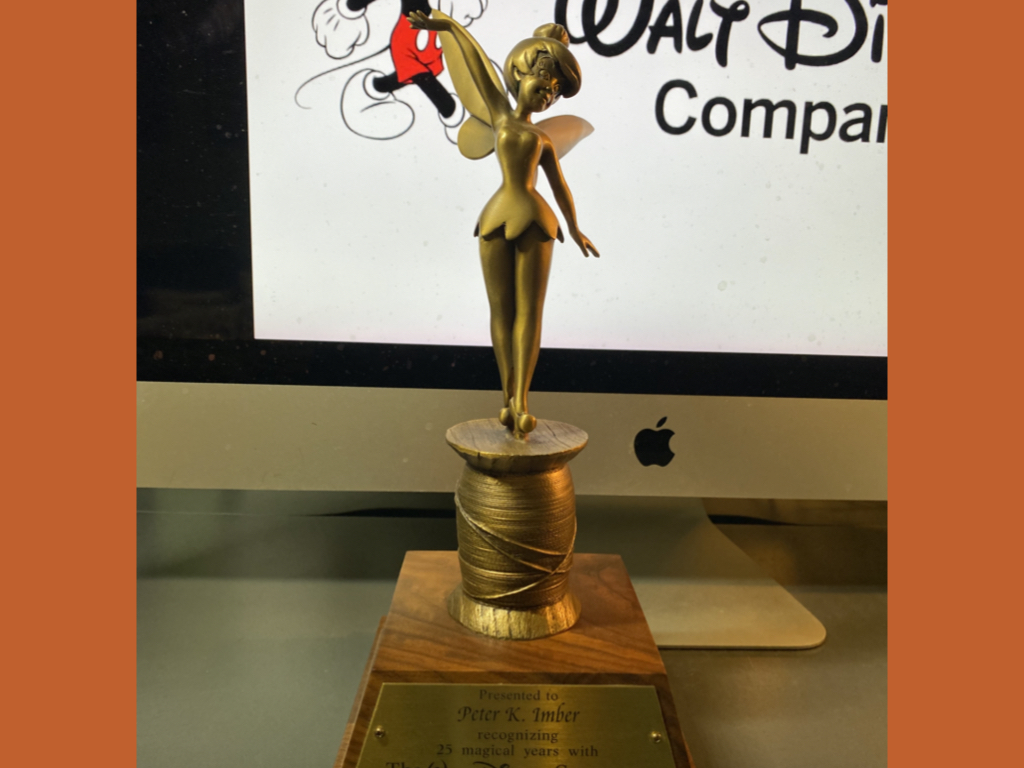
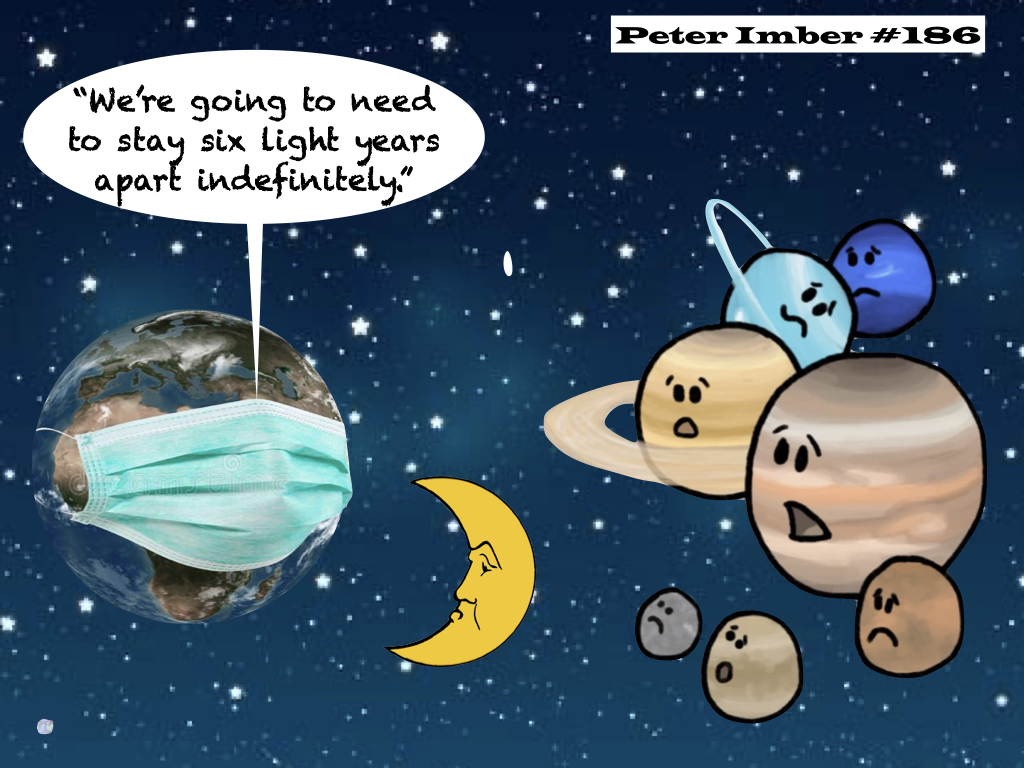






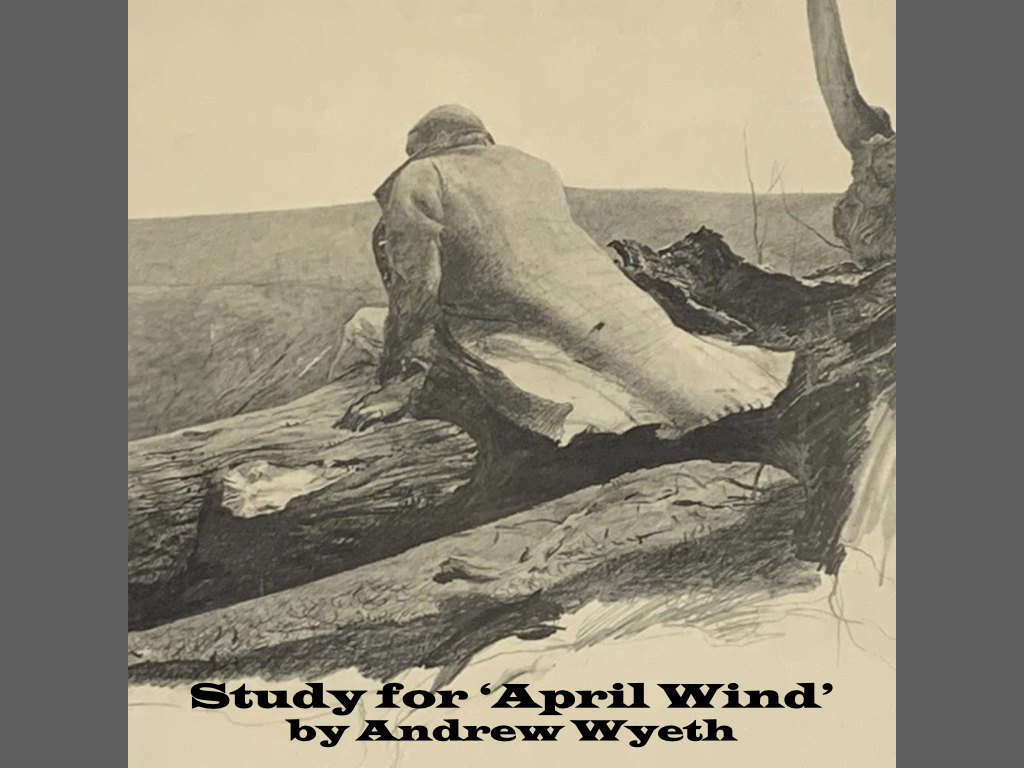

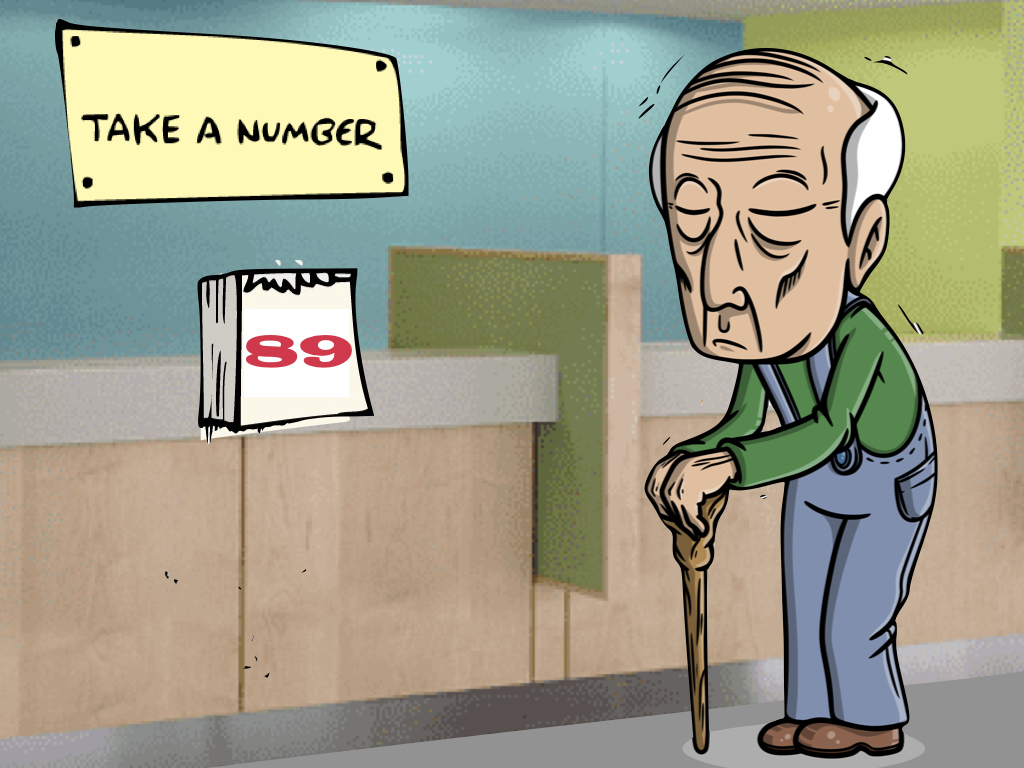

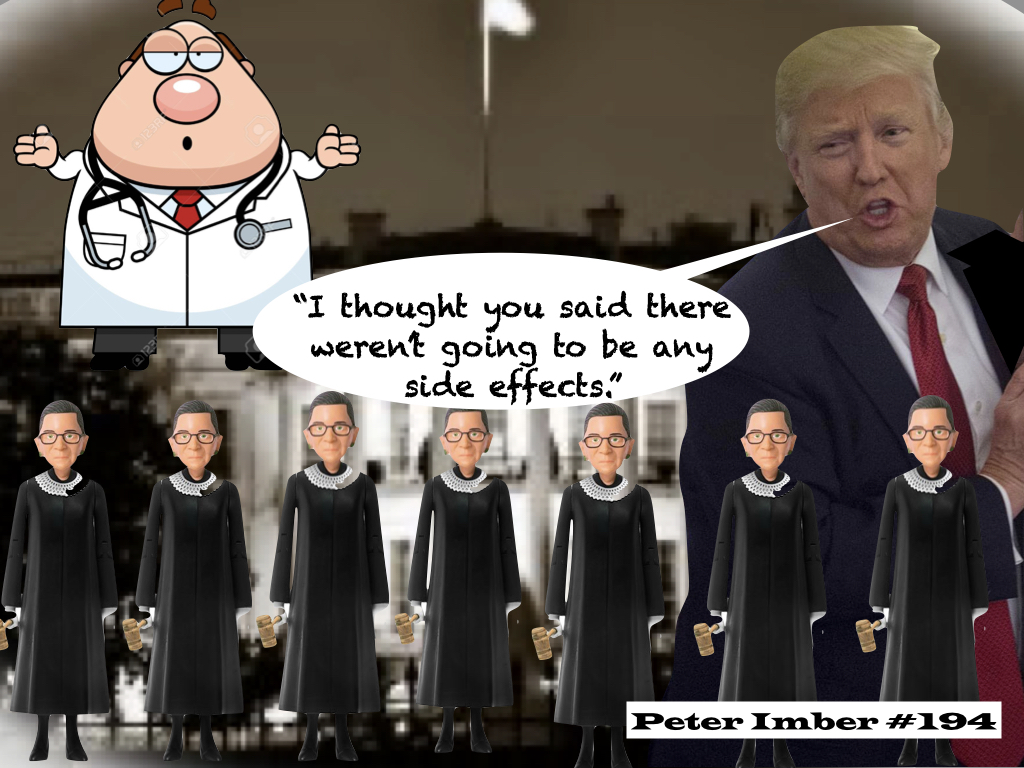





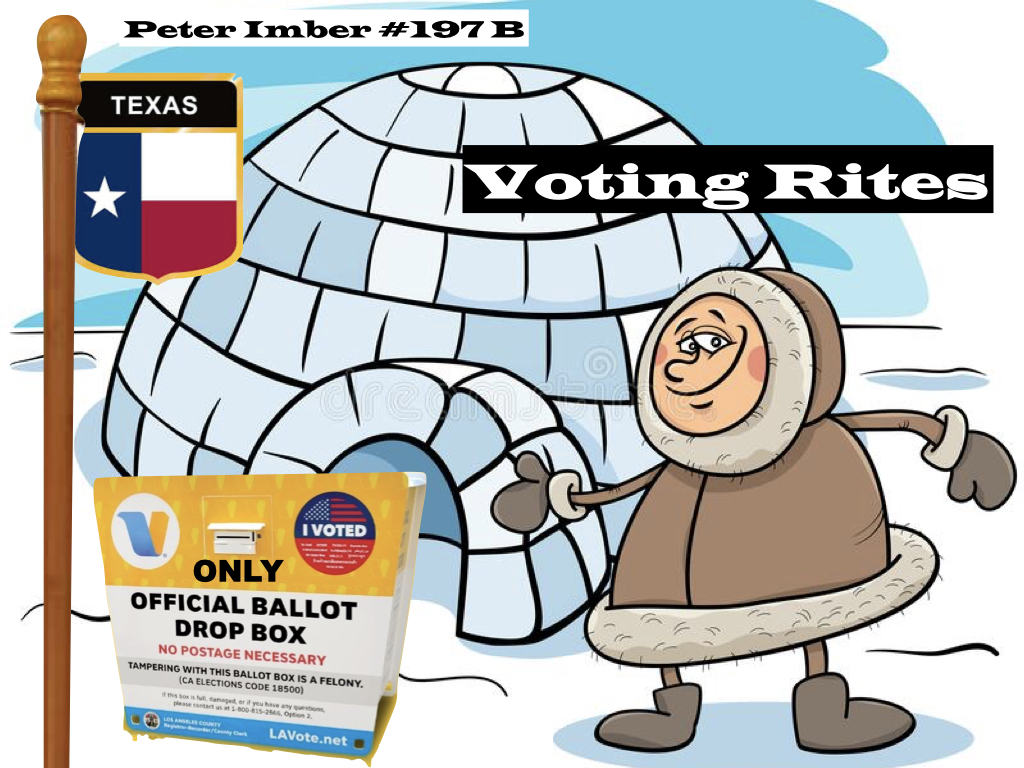
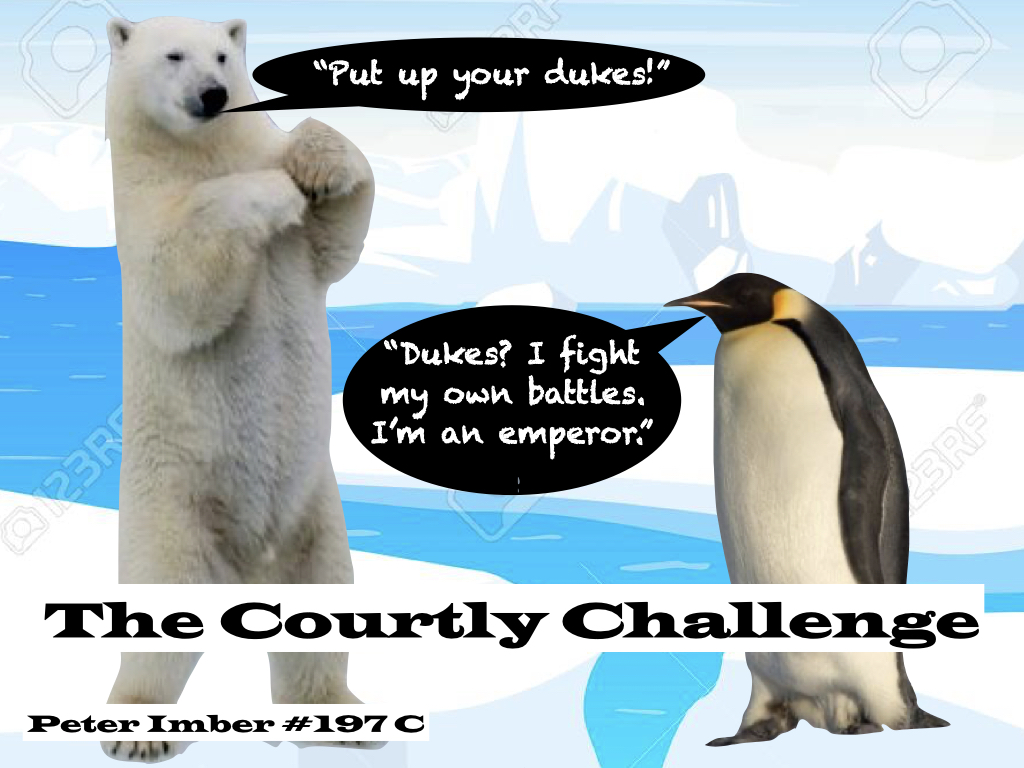

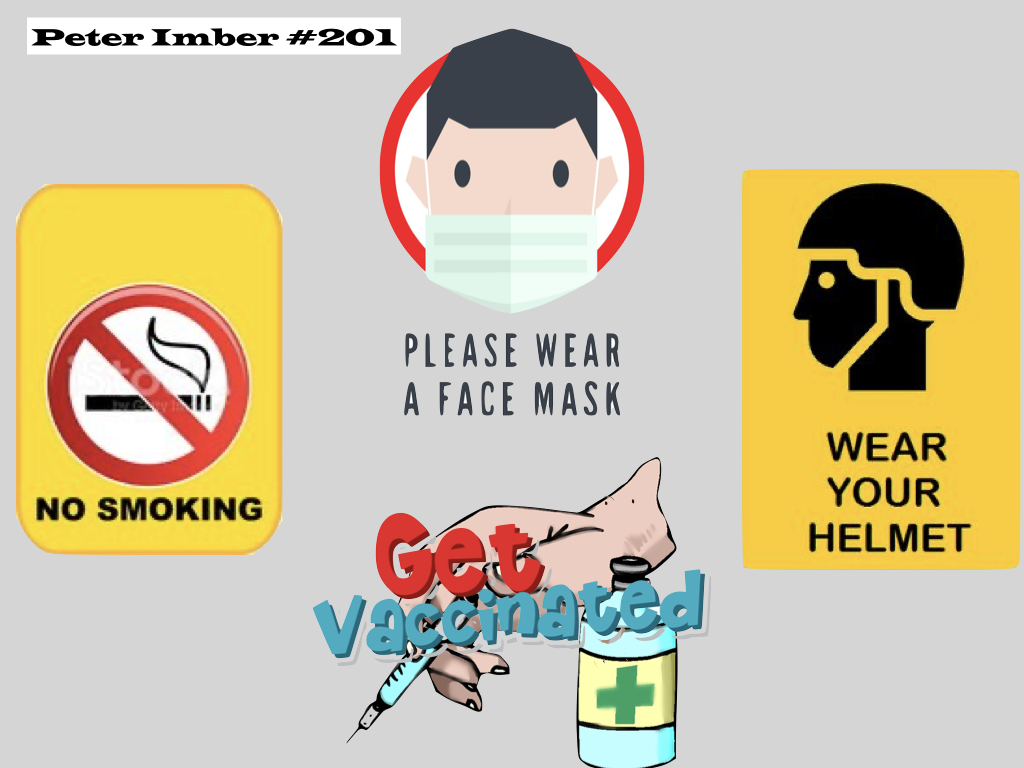





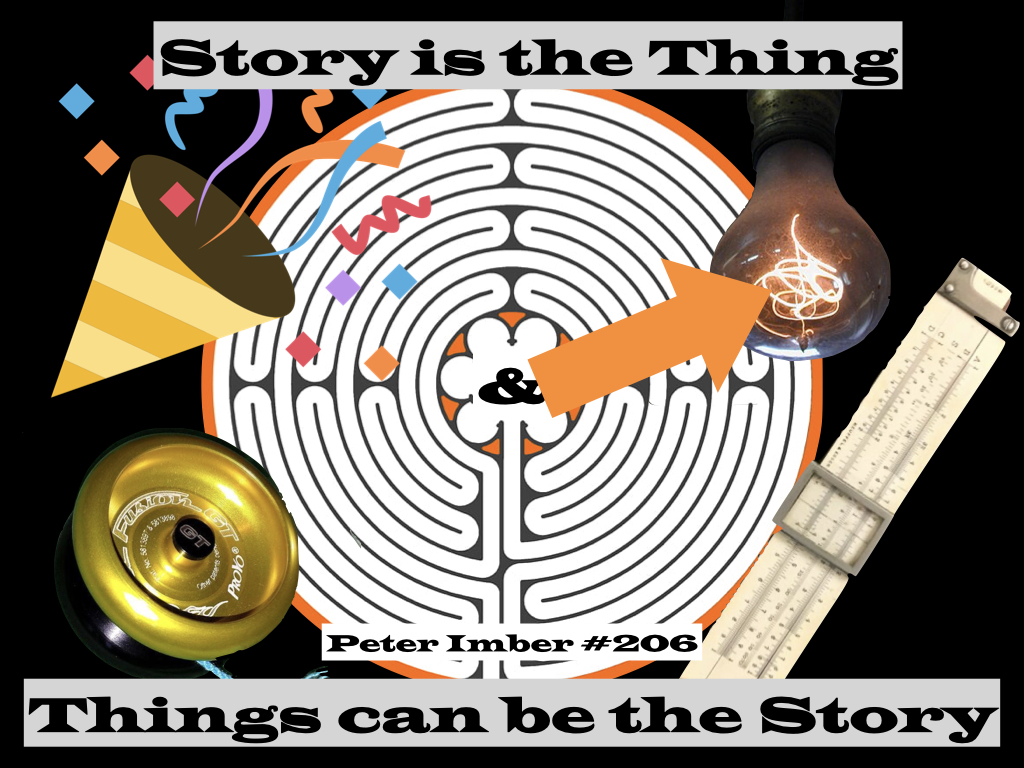
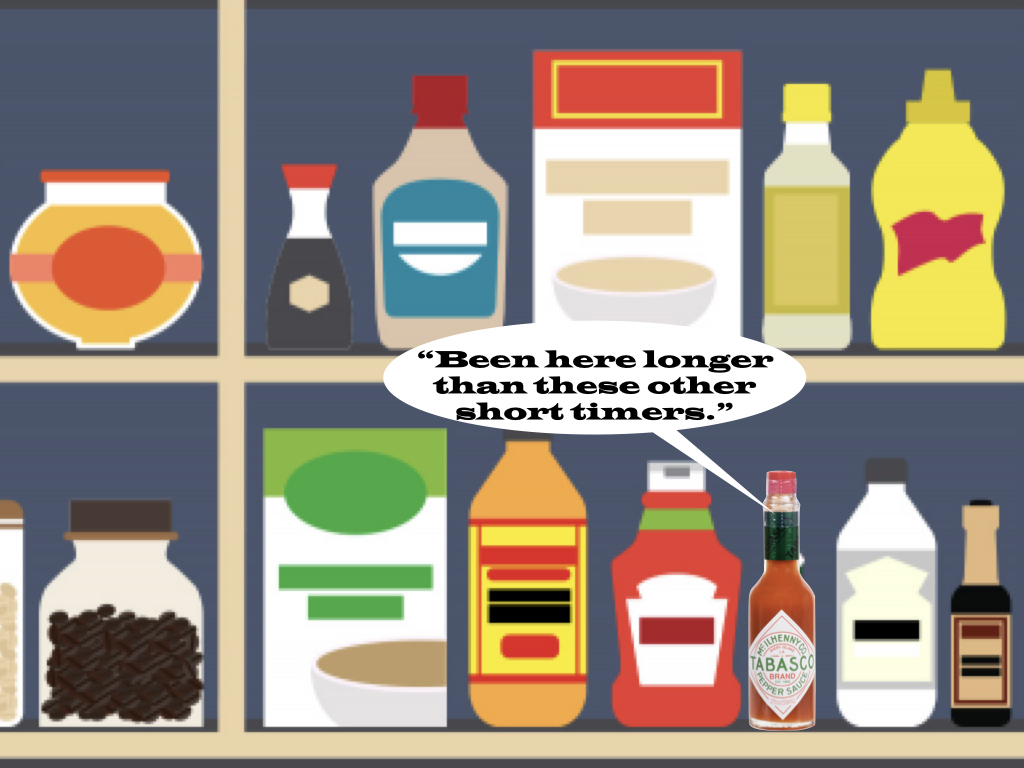

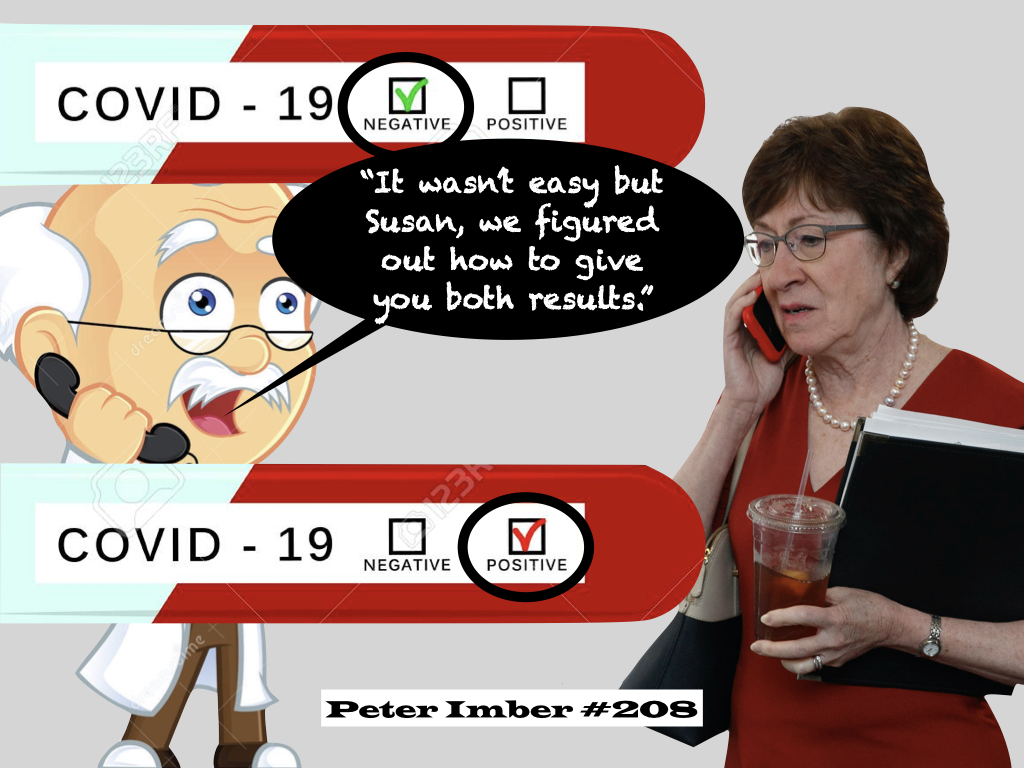
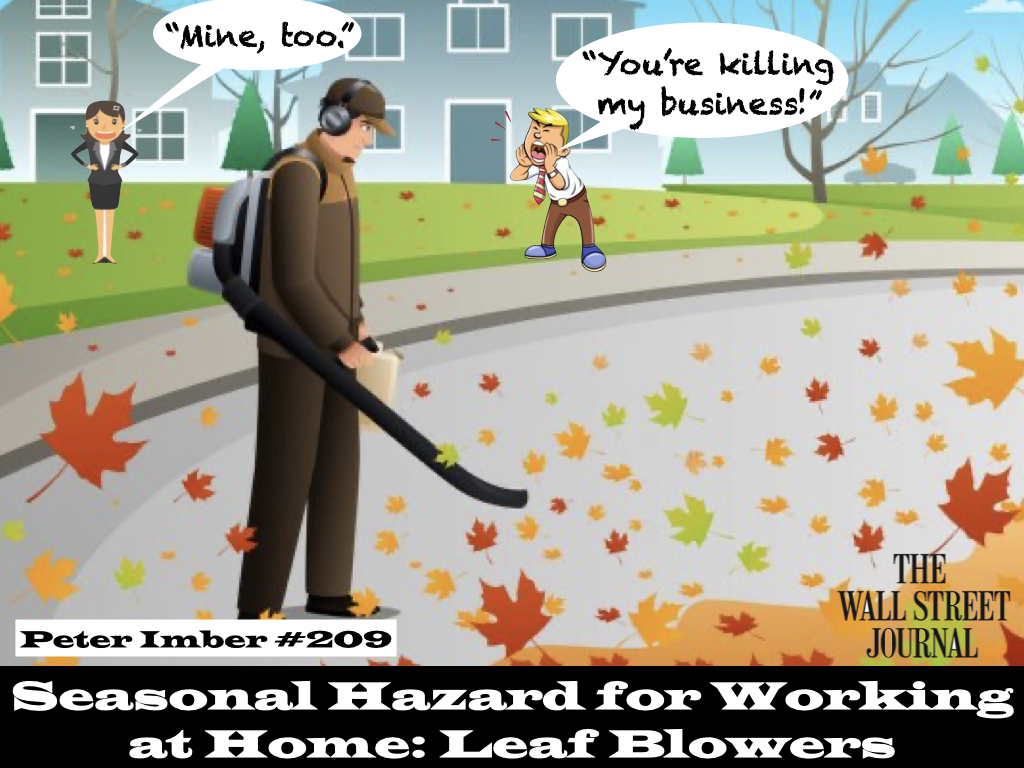

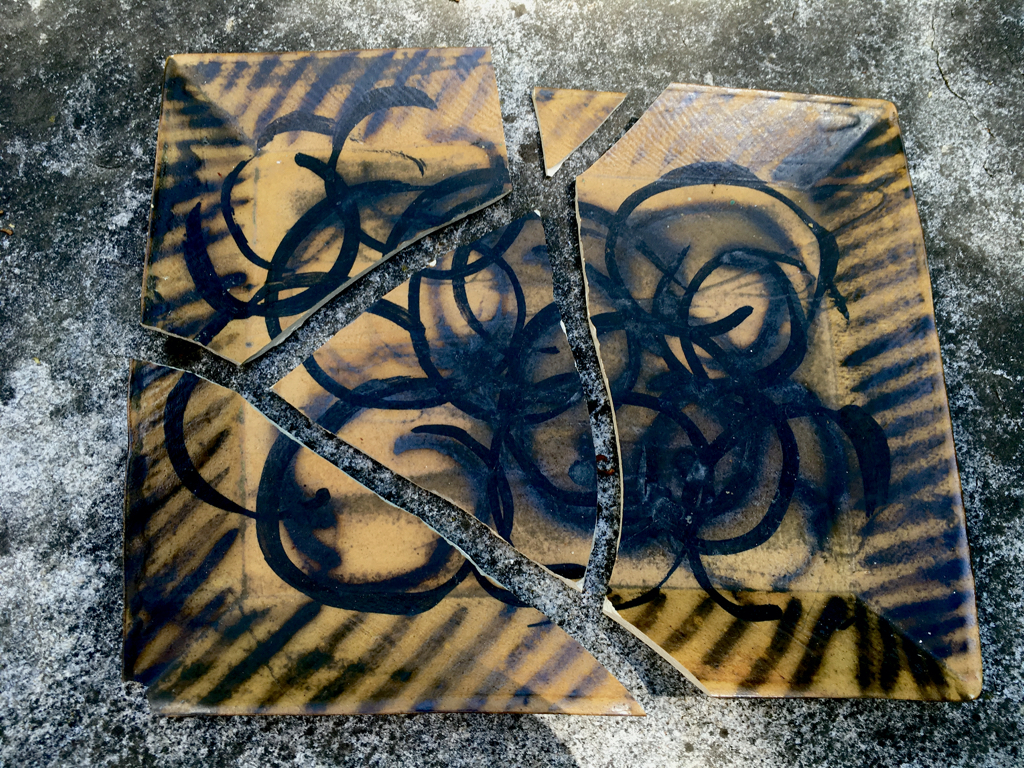
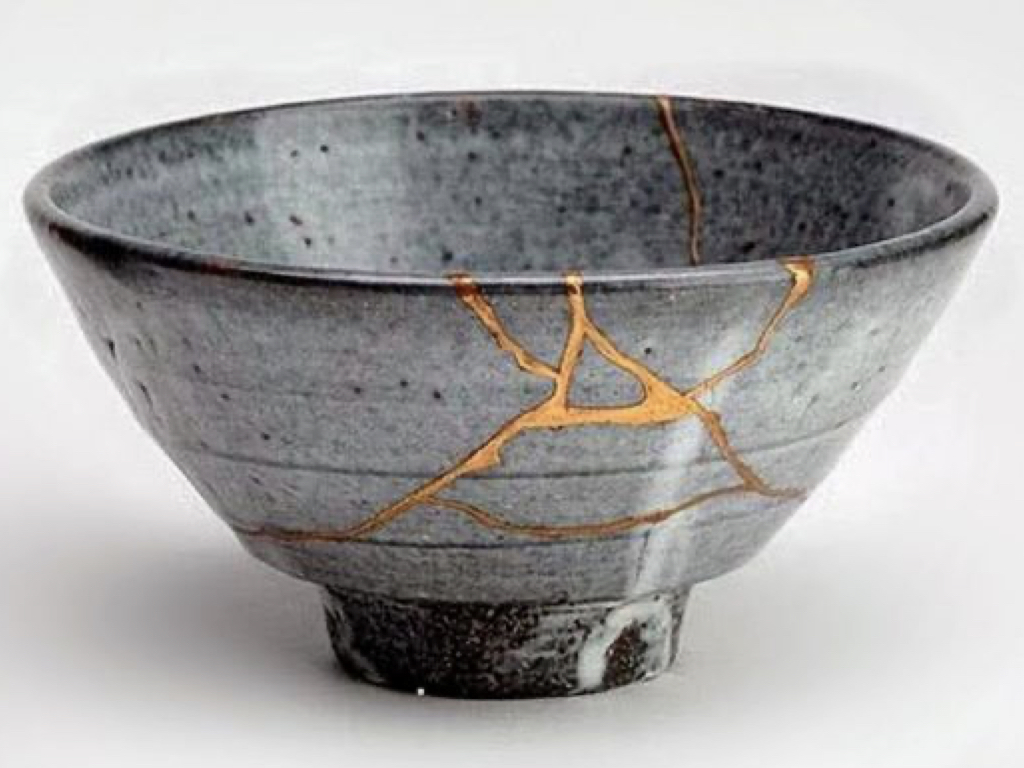
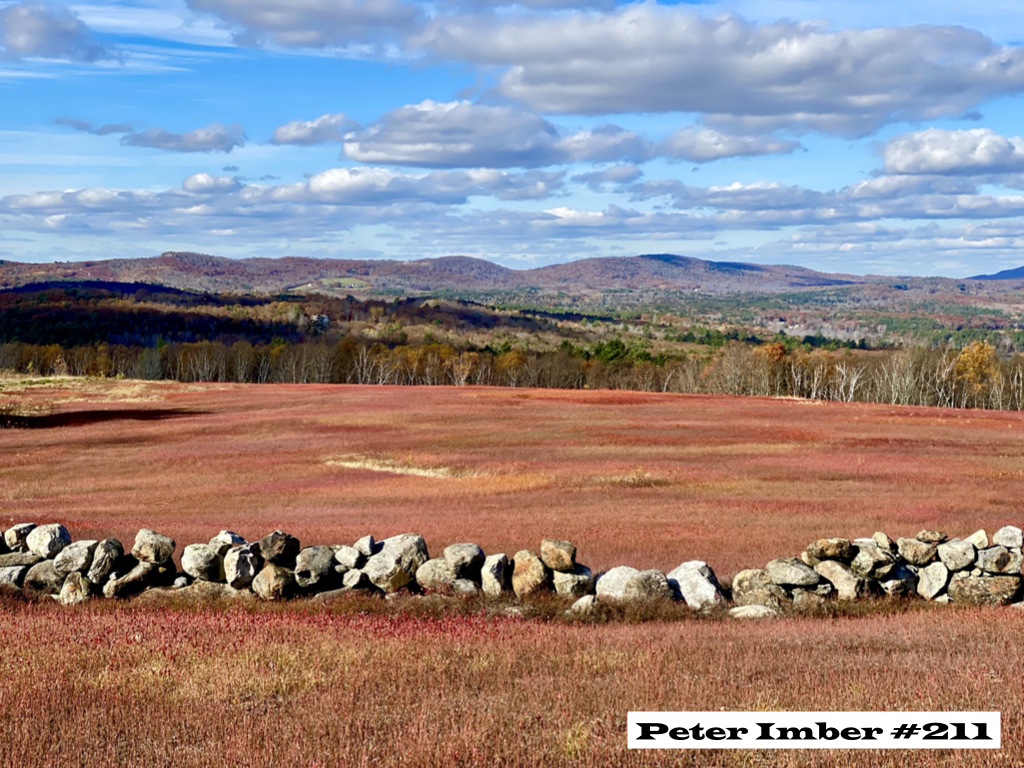

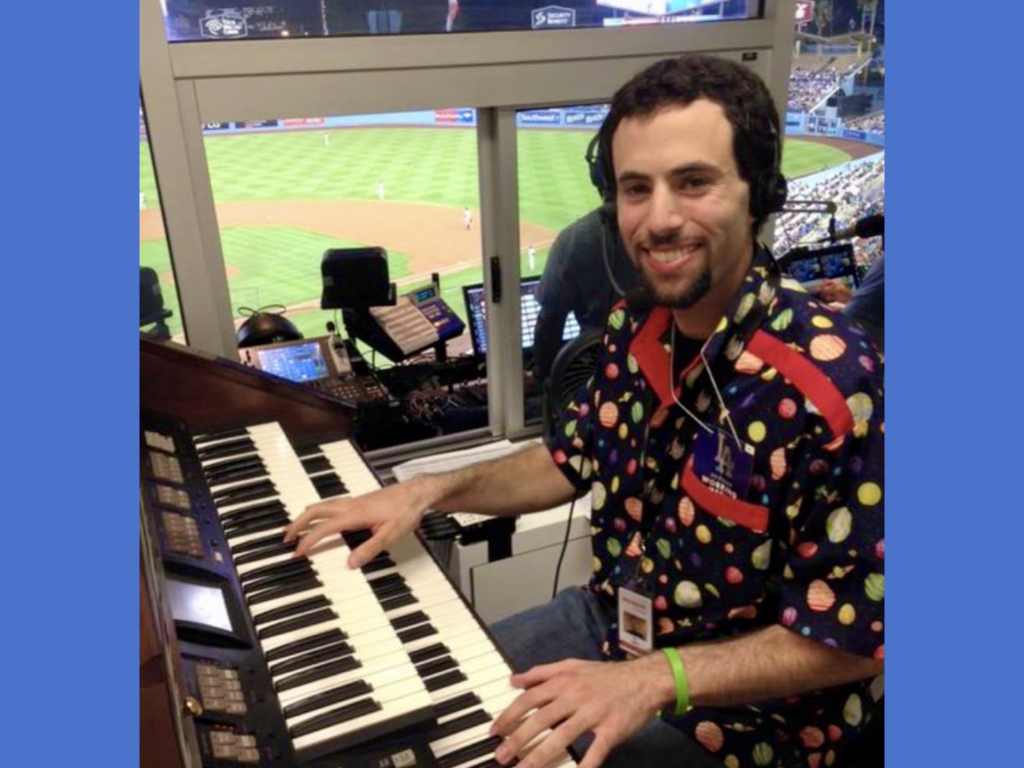
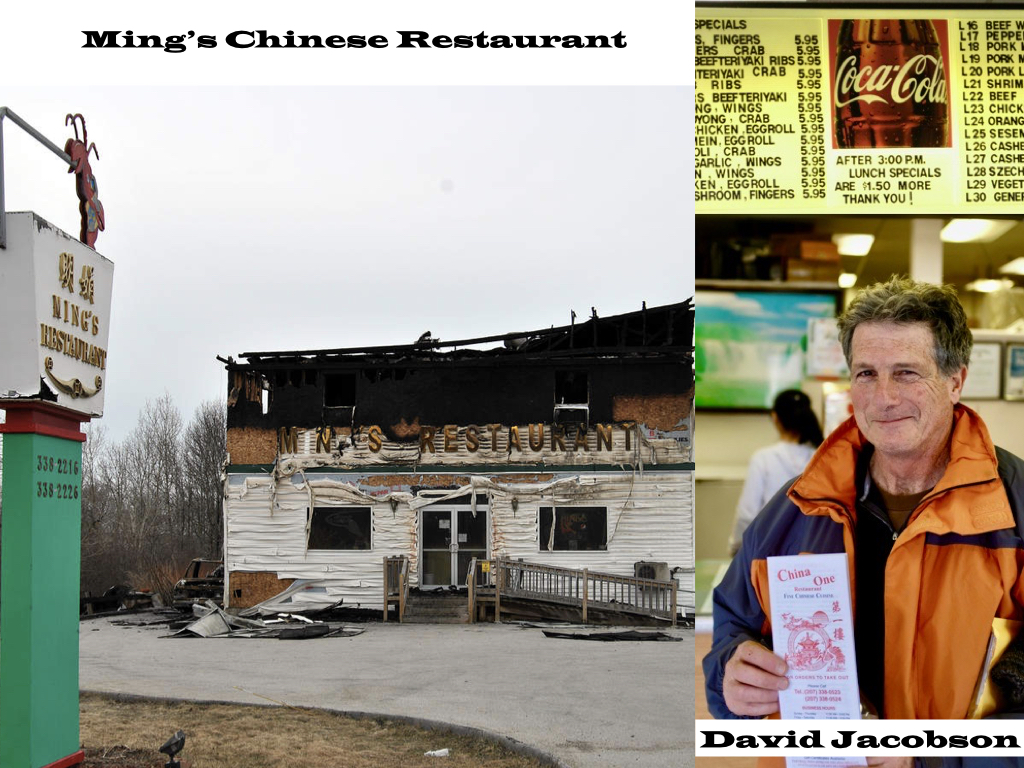


 pawnedaccordion
Tank you, dear Peter, for lifting me up!
Sent from Xfinity Connect App
LikeLike