
—————–
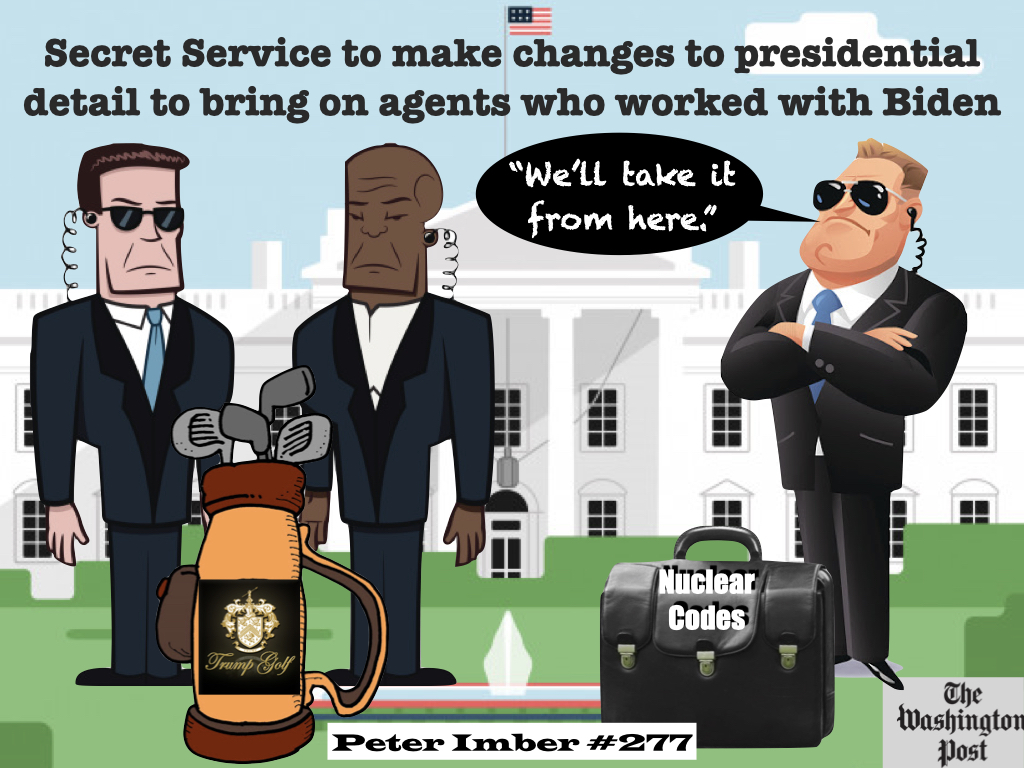
The “nuclear football” is a metal briefcase carried in a black leather jacket. It weighs around 45 pounds. There are four things in the”football”…
–The “Black Book” contains options for retaliatory strikes and has 75 pages of them.
–A second book has a list of classified site locations and places around the country where the president could be taken in an emergency.
–A manilla folder with descriptions of the procedures to activate the Emergency Broadcast System.
–A three-by-inch index card with the nuclear authentication codes.
Inside Trump’s golf bag in addition to 20 golf clubs (six over the limit that one is allowed to play with according to the rules of golf) are six dozen golf balls– monogrammed with his initials, a large bag of white wooden golf tees, a half dozen golf gloves and a bunch of pencils with erasers. None of the pencils have ever been used to write a number above five.
The golf bag weighs considerably more than the nuclear football but cannot be used to destroy the world.
—————–
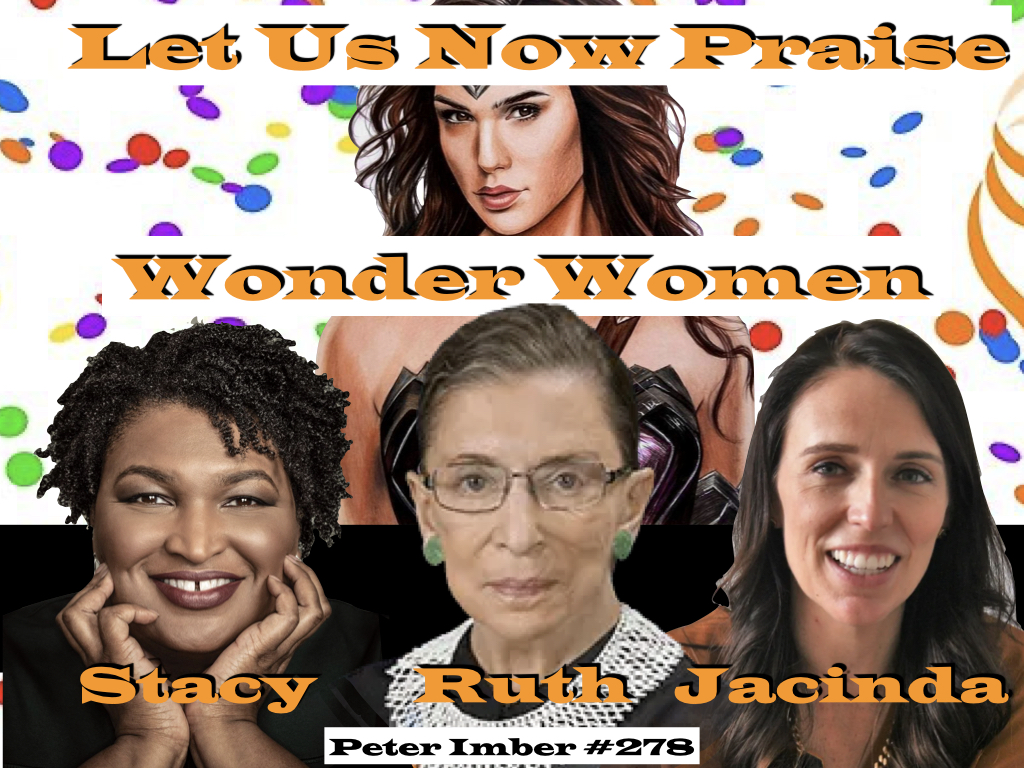
The three women in today’s cartoon should be examples to all of what we have gained now that women are able to be more than homemakers and bargain basement shoppers.
Stacy Abrams is the woman behind the movement to expand the voting power of people of color in Georgia which delivered the state’s electoral votes in last November’s election to Joe Biden and Kamala Harris– the first time Georgia has voted Democrat in a presidential election since 1992.
As they say Ruth Bader Ginsburg needs no introduction. The “Notorious R. B.G.” made a critical impact as a Supreme Court Justice on issues of gender equality and discrimination and when she died last September became the first women and Jew to lie in state at the Capitol.
As prime minister of New Zealand Jacinda Ardern has set an example for the world of how to handle the COVID-19 pandemic and has been widely praised for her nation’s swift and firm response. On Friday New Zealand was the first country in the world to welcome in the new year COVID free.
I didn’t have a male teacher until the seventh grade. That year I had two and predictably, in 1959 they were for math and science. One was also the coach of the baseball team and the other of basketball.
In the 1950s women in the workforce who weren’t teachers or secretaries were still the exception even when they were exceptional. Kids like me benefited but America’s labor force, medical and legal professions, our country’s full potential and leadership suffered.
I was still taught by women in high school but fewer of them and at the all-male college I attended I had only one professor who was a woman in four years. The college is now coed and a third of the faculty are women.
The best managers I ever worked with were both women who gave me opportunities to stretch myself for which I’ll be forever grateful.
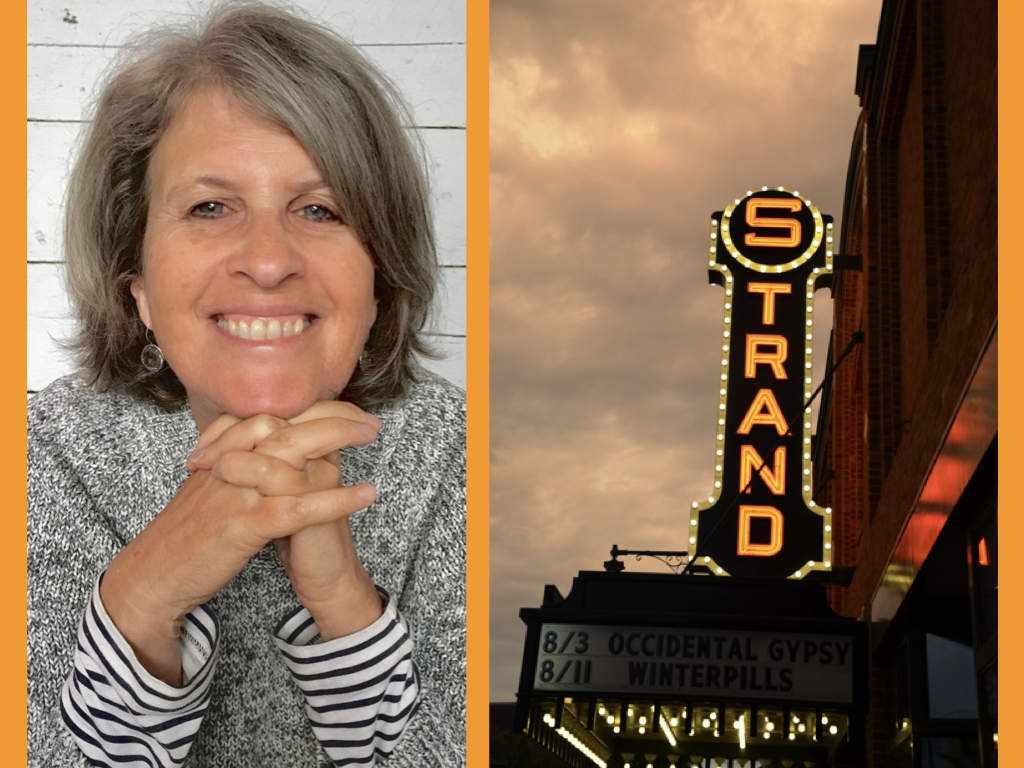
And then there’s my wife Jo Dondis who has been the chairperson of the board that runs a nonprofit movie and performance theater in Rockland, ME. The Strand Theatre was built by Jo’s grandparents and eventually run by Jo’s father. It closed and stood deserted and dilapidated until a local philanthropist restored and reopened it 11 years ago.
When Matt Simmons died unexpectedly the community picked up the ball and it was handed to Jo who has built its board, raised much of its funding and devoted herself to its flourishing in our community since 2012. This winter she will relinquish the chair but the Strand has weathered the pandemic well and will be in great hands. Jo is my Wonder Woman.
The glass ceiling may still exist to some extent but we’re about to have a woman vice president of the United States and that’s worth raising a glass to toast Kamala Harris and wish her and president-elect Biden every success.
In a salute to her and all women who accomplish amazing things here’s a short concert for a Sunday afternoon and the New Year ahead provided to us by some additional wonder women…

“So what are we going to do here folks? I only need 11,000 votes. Fellas, I need 11,000 votes. Give me a break… The people of Georgia are angry, the people of the country are angry and there’s nothing wrong with saying that, you know, that you’ve recalculated.” — Donald J. Trump 1/3/2021
You know what I’m really looking forward to? Not doing anymore cartoons about Donald Trump.
—————–
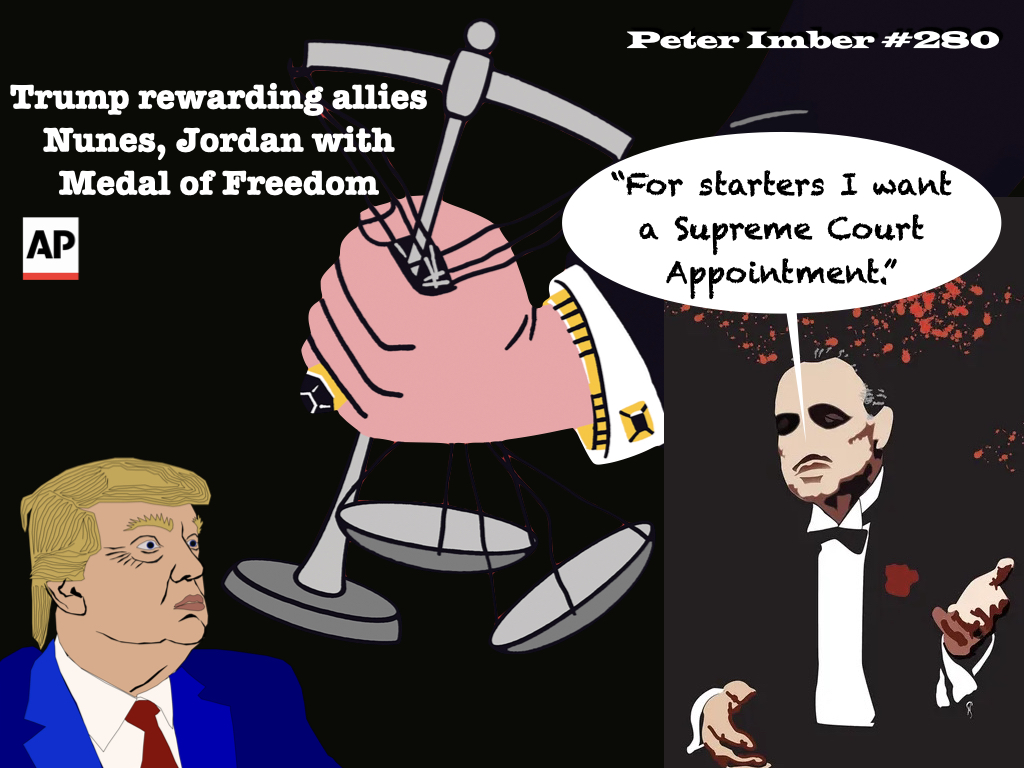
“But I will just say, one of the things you can do, if you’re healthy, you and your family, it’s a great time to just go out, go to a local restaurant, likely you can get in, get in easily.”
— Rep. Devin Nunes 3/16/20
“Dr. Fauci says Americans should avoid travel over the holidays. What will he cancel next? Saying Merry Christmas?”
–Rep. Jim Jordan 12/4/20
“Now you come to me and you say, Don Corleone, give me justice. But you don’t ask with respect, you don’t offer friendship.”
–Don Corleone 1/4/21
—————–

Georgia on My Mind
Georgia, Georgia
The whole day through
So we got one
We’re hopein’ to get two
I said Georgia, Georgia
My hats off to you
How sweet and near
Havein’ Mitch on the sidelines
All the Trumps reached out to you
The Donald even threatened too
Still despite his crazy schemes
The vote’s a dream come true
Georgia, Georgia
The Republicans will surely whine
Thanks for standing strong
I’m keepin’ Georgia on my mind
“Georgia on My Mind” was written by Hoagy Carmichael and Stuart Gorrell in 1939 and recorded that year by Carmichael. Ray Charles, a native of the Georgia, recorded it in 1960 and in 1979 the State of Georgia designated Charles’s version the official state song.
—————–

Biden is President Countdown
—————–

Even before Donald Trump was elected in 2016 I was worried he might be. I’ve written before that I believe I have a split personality. Although I’m optimistic about me and see myself as already having won life’s lottery, I’m pessimistic about the future of the world in which I’ve been so fortunate to have lived that life.
Sometime before the 2016 election I remember expressing my fears about what a Trump presidency might mean for the country at a meeting of the board of a volunteer organization I once headed. There was silence in the room after I had finished saying that a president Trump would mainstream radical views that stoke bigotry and hatred. I may have stunned some with my vehemence but likely convinced no one.
Right after the election I erupted in a restaurant when a conservative friend said something that gave credence to a view of an alt right media personality and again triggered my fears that such views would become widespread during a Trump presidency.
Yes, I was right and go ahead accuse me of claiming to be prescient as well as a braggart. But didn’t you see this coming, too during these inexorable four years of the country being led by a clinically ill person?
I’ve been afraid all along that there would be a violent incident even worse than what took place two days ago. But I think what shocks me the most about what happened at the Capitol is how much it looked like a twisted tailgate party. Nobody seemed concerned about hiding their participation or that their actions would result in any consequence to them. Trump told them to do it and therefore it was alright that they did.
In the hours since this shameful event some Trump supporters have changed their tune and there have been denouncements and resignations. Rats have left the ship but I don’t see an exterminator on the horizon. America is still endangered and deeply radicalized. Trump may have less of a political future in America than he did just two days ago but take my word for it there are other Trumps who are eager to step over his wounded body.
There is so much that needs to change.
Biden is President Countdown
—————–

“At this point you’re not resigning, you’re just taking the rest of your vacation days.” –Bakari Sellers
Biden is President Countdownhttps://gifcdn.com/1h68s3echd6cpj8d1o.gif
—————–
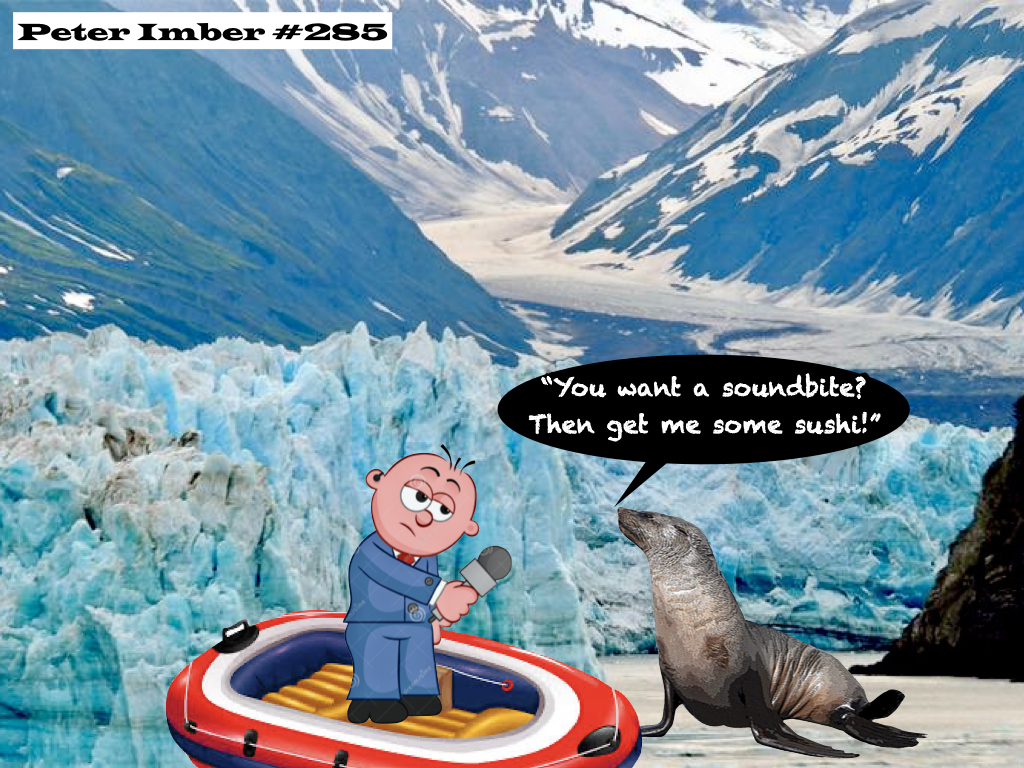
One of the Top Ten Places I’ve Ever Been
First a word from our sponsor…
I saw plenty of Aqua Velva commercials growing up but the idea that its scent would send girls my way never convinced me to buy a bottle. The ads did reinforce my association with the color blue being cool but not in the way they were intended to. Blue has always meant to me that one is freezing his or her ass off and not being a stud on the playground of life and of course it also is a color associated with being sad just as red is with anger, yellow with cowardice, green with envy, brown with UPS, orange with Howard Johnson’s… Sorry, I haven’t had my coffee yet this morning.
Thirty five years ago blue surprised me. Glaciers are blue or at least the one in Alaska I got to stand on top of was and they aren’t a place to go if you’re looking for tranquility. Glaciers moan and groan as if they’re kvetching (Yiddish for complaining as in all the time!) and with global warming melting them they have every reason to sound off.
Glaciers also move and that’s how I came to scale one named the Hubbard glacier in 1986. Part of it had decided to dislodge itself and create an ice dam that turned a fjord into a lake. The mammals who became trapped inside were endangered as their saltwater habitat now filled with freshwater and if they remained cutoff from the ocean indefinitely they were doomed.
While we were there we witnessed what I consider a lesson in survival that our own species needs to emulate. A number of the harbor seals didn’t wait to be rescued and crawled their way by land and instinct around the blockage figuring out their own route fin over fin back to the sea. The others were saved a month later when the ice dam ruptured and the lake reverted back to being a fjord.
We kicked ass for ABC News on the story and I knew it after the crew covering it there with us from CBS asked to see our first piece. They’d apparently received a call from New York of the heat seeking missile variety and after screening what we had produced left our workspace in silence. Yes, network news may not be a contact sport but it’s as competitive as if it were.
Here are links to three stories from that trip including one about the town in which we stayed called Yakutat. The name means “the place where canoes rest” and the native people had the area to themselves until the 18th century. The last story I’ve included is one we put together when we got back to Los Angeles and I’ll point out in advance that the car I rented that you’ll see in it only turned in one direction. That didn’t really cause a problem since Yakutat’s main street and virtually only road was maybe a half a mile long and wide enough that I could just make a loop if I needed to literally drive around.
My experiences in Alaska until now have only been for work and all very different. I got to cover the start of the Iditarod dogsled race, the Exxon Valdez oil spill, and made a visit early in Sarah Palin’s candidacy for vice president. It’s a place like no other I’ve been where the front lawn at someone’s house we interviewed was as long as a par five hole on a golf course and a restaurant hamburger cost as much as a pizza or a filet of salmon. In fact every entree on the menu was the same price in Yakutat and that was exorbitant. It was also my impression that Alaska is a place where if you don’t really really want to live there, you don’t.
—————–

During the awful times we have endured the past week something else occurred that escaped my awareness. The son of Maryland Democratic Representative Jamie Raskin committed suicide on New Year’s Eve. Despite this his father was at the Capitol last Wednesday to be present for Congress to accept the result of the Electoral College. He brought his daughter with him and they were among those forced to take cover under a table as rioters attempted to enter the room where they had taken shelter.
Tommy Raskin was 25 and outwardly appeared to have everything going for him. He suffered from depression and his parents described it in their tribute to their son as “a kind of relentless torture in the brain for him” that became “overwhelming and unyielding and unbearable.”
I know about this.
Jo says that one of my better qualities is that I always think I have the best of everything. I don’t disagree but I certainly haven’t always felt this way. In fact in 1995 I had a serious depression and a couple less serious ones years afterward that have made me an antidepressant user for life. Just like I put on a seatbelt in the car every time just in case, I take a dose of Zoloft every morning just in case.
My serious bout with depression came at a moment in my professional life that others might have envied. I was one of two lead producers of the daily evening news coverage for ABC News of the O.J. Simpson story. It was an assignment that if performed well, I likely could have leveraged for career advancement. The problem was that after a year of working on almost nothing else, I was despondent and nearly incapacitated. I finally asked off and got help.
When depression takes hold of you it’s paralyzing. One day after driving home from work I couldn’t get out of the car. Every waking moment was a struggle. I remember my doctor saying, “We’ve got to get you through the next twenty years to retirement.” I felt like a bloodied athlete who needed to be patched up so he could return to the game and I did thanks to him and the Zoloft .
The big discovery for me was that I had been mildly depressed as far back as college but didn’t realize I was. I had no frame of reference until experiencing the real thing and I’ve never been ashamed to talk about it.
We are all the sum of our heredity, upbringing and consequent experiences. Our challenges and successes and failures shape us. There’s no brilliant insight here, only my belief that one must keep his or her head above the surface of life’s sea of unpredictable currents. After my bouts with depression I decided I would try to learn something new on my own every day. What I can’t control will always teach me plenty of other things.
Below are links to the Raskins’ tribute to their son and an article from The Atlantic.
—————–
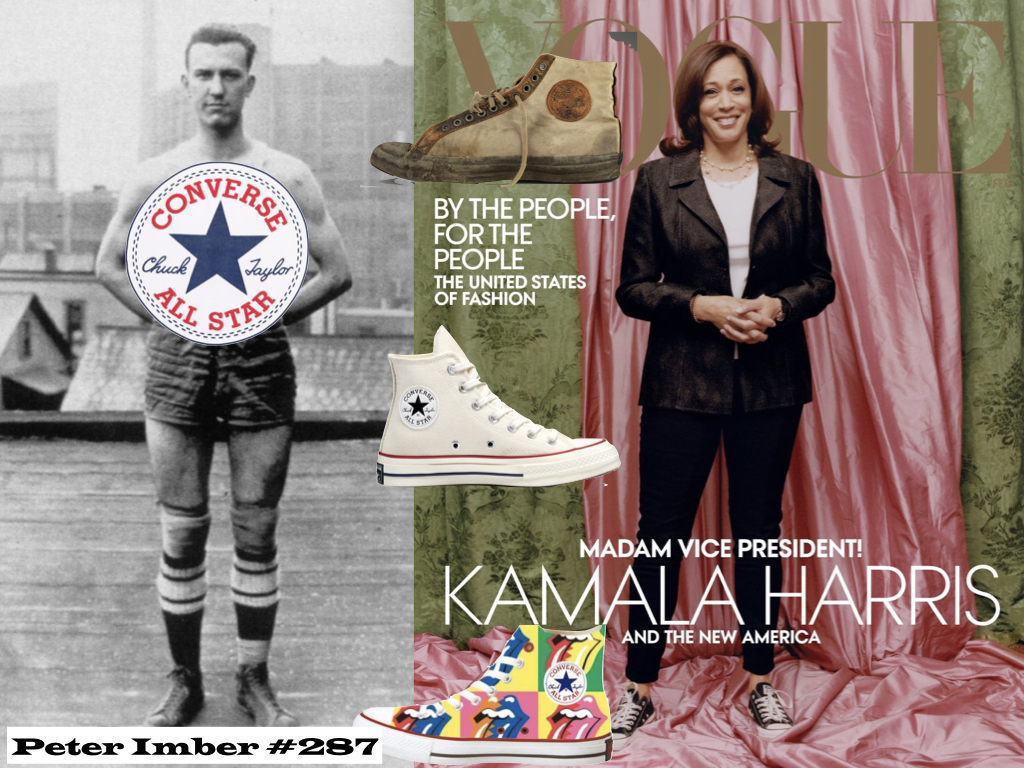
Much Ado About a Shoe
The nation or hopefully, the majority of us who comprise it are still reeling from last week’s attempt at insurrection and the incitement for it by the President with additional support from members of Congress within the very building that came under siege. Now, less than a week later our media circus is already showcasing a new act on its sideshow stage.
Kamala Harris is on the latest cover of Vogue magazine and somehow, despite all that we are trying to absorb and assess about the damage to the very foundation of the country we thought we lived in, this has become a controversy. It is so trivial that I have no time to give it any. Instead, let’s talk about the shoes she’s wearing that made Chuck Taylor famous. We deserve a break today.
Chuck Taylor wasn’t anything special as a basketball player when the sport was still in its infancy and so were the shoes that players wore to play the game. In 1921 he was hired as a salesman for the Converse Rubber Shoe Company and within a year his suggestions for improving their nascent basketball footwear called Converse All-Stars were adopted. The signature logo patch was also added and eventually so was Taylor’s name on it and the shoes became known as Chuck Taylor Converse All-Stars. Taylor himself never received a commission for his contributions– not a nickel. To date over a billion of the sneakers he helped design have been sold. Yes, as in 1,000,000,000.
I loved playing basketball and I was pretty good as a kid. I made my high school varsity as a sophomore but got sent back to the junior varsity after the JV’s lost a game by 40 points. We then finished in a tie for first place in our league that season. When I went off to private school I was co-captain and we won our league championship. I’ve saved the letter from Dartmouth’s basketball coach who recruited me and no doubt helped with my admission to the college but before you label me a jock I will say in my defense that my SATs were higher than the class average.
Good thing, because once I matriculated my basketball accomplishments pretty much ended and even though during my years at Dartmouth we were one of the worst college basketball teams in America, I didn’t even make the freshman squad. I had been courted and now wasn’t good enough to be on the court. I wasn’t tall enough, I wasn’t quick enough but I could shoot and pass and in the interfraternity league I was an allstar in those same Converse All-Stars that Kamala loves to wear.
But enough about me, what about those shoes? Well, if you played basketball in the 1960s you could have worn Keds but if you were really serious you suited up in Chuck Taylors. Back then 90% of all college and professional basketball players wore them.
There was only one store in Reading, Pennsylvania that sold All-Stars when I bought my first pair at least 60 years ago. I remember they cost $10 then which today would be almost $90. Kamala Harris’s All-Star oxfords right now go for $50 so if you want an example of an item that has beaten back inflation over the years, this is a good one. But know also that Converse All-Stars are not made in the United States anymore. You’ve already guessed where, right? Half right– China and Vietnam.
As for helping Chuck Taylor’s creation become as dominant a product in its category as Google, I did my share. I bought two pairs of his sneakers every season. I had a habit of dragging my left toe as I drove for the basket and would ruin my left shoe way before its time. At today’s price for a pair I could just about buy two “Chucks” for what I paid for one when I was a kid.
Even though no player in the NBA has worn a Converse All-Star shoe since 1979– star players now have shoes named for them and you may have heard of Nike’s Air Jordans –they have turned into a fashion statement and as with Kamala Harris, women in Converse have become women in Congress. Certainly, they still find their way around the basketball floor and haven’t missed a step. Somewhere in the world a pair of Chuck Taylor Converse All-Stars are sold every 43 seconds. If they were an actual star in the universe, they’d still be burning the brightest.
—————–

An About Face On Facebook
Dear Facebook friends and followers,
This is just a note to say I’ve decided to deactivate my Facebook and Facebook Messenger accounts around the end of the year. After that, I won’t be posting here, or reading what you post. I will be deleting the apps from my devices. I’ve already quit Facebook-owned Instagram and erased its app.
I am doing this – after being on Facebook for nearly 12 years – because my own values and the policies and actions of Facebook have diverged to the point where I’m no longer comfortable here.
Shortly, after reading this two years ago I quit Facebook. I quit Instagram, Twitter and Linkedin as well. I had been a regular poster on Facebook but hardly ever made use of the other three.
Walt Mossberg left Facebook because he believed it was necessary for the government to begin to take action to protect the internet and to require social media companies to stem what he saw was the proliferation of fake news– the real fake news –on their websites. Facebook was derelict in dealing with this then and we as a nation are paying the price for that now.
Mosberg is the retired technology correspondent who had that position at the Wall Street Journal for 22 years and when he quit Facebook I concluded that my own uneasiness about being there was legitimate.
Knowing that Facebook algorithms were learning so much about me and selling it to the highest bidders was also something that was bothering me. I sensed my cyber contrail was becoming so easily distinguishable that FBI profilers were going to be out of a job. You may not post anything and can think you’re a lookie lou but you still leave your fingerprints at the scene of every place you visit on the internet with every Google, every Amazon, with every click you make, every link you take… And to further paraphrase The Police– Sting’s band — somebody’s possibly watching you.
I’m sure there are still people in America who are so far off the grid that they may have no fingerprints in cyberspace but finding one of them might be as difficult as procuring a replacement typewriter ribbon for an antique Underwood. For the majority of us who are not self sufficient and generating our own electricity and growing our own food we may finally be beginning to think we may have struck a deal with the devil.
A Pew Research poll taken three weeks before last November’s election found that nearly two thirds of Americans believe that social media is having a negative effect on the way things are going in the country. And there’s a sad irony about the spiraling of our separation into silos. Even before the pandemic studies showed that we are becoming increasingly isolated from each other. The percentage of people in the United States who live alone almost doubled from 7.6% in 1967 to 14.3% in 2017 and social media has been a tool many of us use to cope with isolation and fend off loneliness.
Social media may allow us to connect with kids we went to first grade with and live thousands a miles away from now but it creates and sustains what I contend is a separate and unequal community for us compared to the one we can have (or used to have) by merely walking out our front door. I once asked my son, “Is that an internet friend or someone you actually see in person?”
Mea culpa! I am gratified to be able to pontificate daily to you but I’m completely aware as well that my cyber megaphone wouldn’t have been available to reach you a generation ago. And one other mea culpa. I have consciously curated my distribution list to include people who I sense have similar views and allegiances when it comes to how we see the world. I’ve lost several of you along the way who see things differently.
Frankly, I have found attempts at conversation with people who have been supporters of Donald Trump to be unproductive and unnerving. How can one find common ground with those who are often inflexible, intolerant and inaccurate?
Hey, I hope I don’t lose a few more of you today.
Peter
—————–
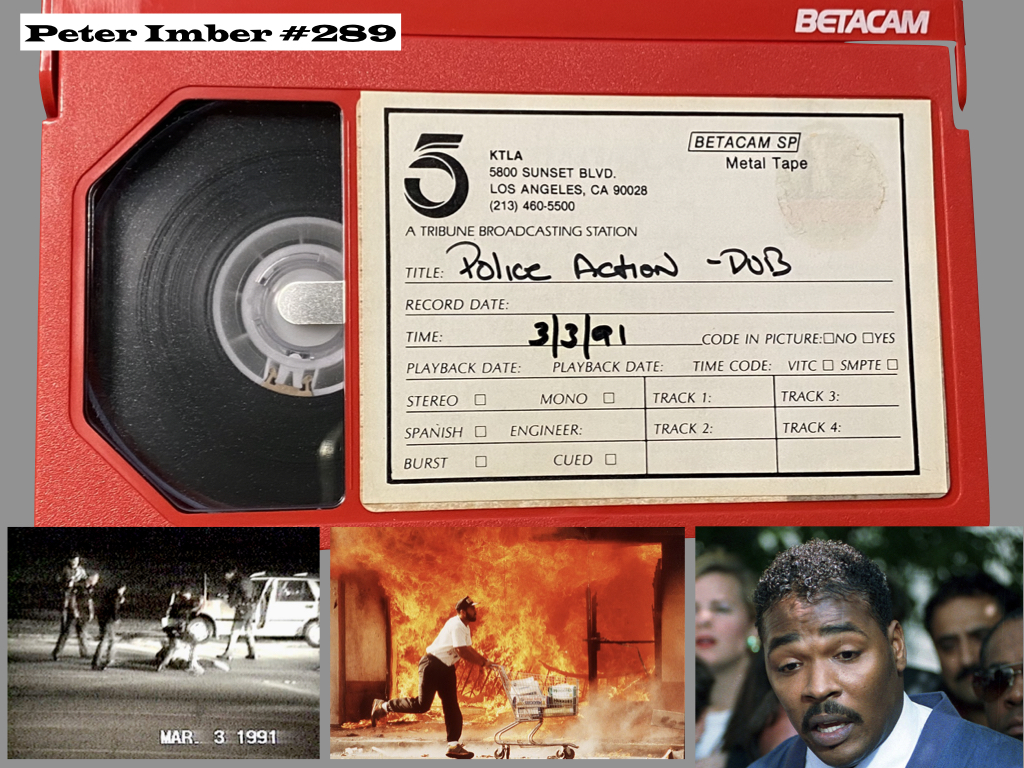
Along with whatever else happened in my life in 1992 I remember it as “The Year of the Two Curfews.” I’ll start with the second one which was in place in August when I arrived in Miami after Hurricane Andrew. I rented a car and on the way to the ABC News Bureau stopped and got out and stood for a moment before turning myself around in a circle. For the first and only time in my life that I can recall I saw 360 degrees of damage and debris– broken trees and traffic signs, storefronts without glass in their windows and houses without shingles on their roofs.
I don’t remember how long I stayed in Florida but my hotel room was at the Doral golf resort now owned by the Trump Organization. Every night when I returned the bed was made, towels replaced and my bottled water replenished since tap water was not safe to drink.
But there was also a bizarre touch. Even though virtually every tree had been uprooted on the golf courses and their fallen trunks on the fairways looked like vanquished chess pieces, each day I was left a small bag of golf tees and another of golf ball markers on the nightstand in my room. I took them home and was supplied for years afterward so I guess I was in Miami for a while.
The other curfew that year I experienced wasn’t in the aftermath of an act of nature, it was during the riots that took place after the verdict in the Rodney King beating trial that had acquitted the police officers involved.
The rioting lasted six days. Many referred to it as a spontaneous uprising after a grave injustice. But as we know all too well one person’s angry cry of injustice is seen by another as a wholly unjustified reaction to whatever was being looked at by both. As one King trial juror said after the verdict…
“Time and again, Rodney King controlled the action. He could have stopped the action. He could have stopped it.”
I have to wonder if that’s true but of this I’m more certain. If there hadn’t been a man who recorded the beating on his video camera from the balcony of his apartment, there would not have been rioting in Los Angeles. The power of pictures, especially moving ones is a 20th century development that changed the world. As he was videotaping, George Holliday has been quoted as saying later…
“I thought to myself, what did that guy do to deserve that?”
The tape that Holliday made may well have been the world’s first viral video. It was aired the next day by a local Los Angeles television station KTLA where Holliday had taken it. It took a few days more for the national news media to glom onto the story.
In today’s cartoon there is a video cassette which is a copy of the copy KTLA made from Holliday’s original tape that we received and then used at ABC News whenever we wanted to show footage of the Rodney King beating. I keep it in a drawer near to where I’m seated now. Be assured ABC has plenty of other copies of this copy.
To be in a city when law enforcement is unable to quell violence looting and arson is scary. Police in Los Angeles were not prepared for what took place in the hours and days after the King verdict.
There are parallels and comparisons that can be seen and made between what took place in Los Angeles nearly 30 years ago and what happened in the nation’s Capitol last week. In fact the title of a book that was written about the Los Angeles riots by a reporter named Lou Cannon could work for an account to be written in the future about the Washington insurrection– Official Negligence.
LA’s police chief at the time was a man named Daryl Gates who was missing in action on the day of his officers’ acquittal. He and LA’s black mayor Tom Bradley didn’t like each other and couldn’t work together. After the rioting Gates resigned a month later under pressure.
A short time after the riots Nightline did a one hour broadcast in prime time that focused on the hours preceding and following the verdict in the Rodney King beating trial. I edited the opening third of it and out of 168 hours in that week, I worked over 100 of them. I’ve put a link to it at the bottom of this post. I think we did a good job of showing how quickly protest fueled by anger can turn into chaos and how inadequate preparation for what should have been anticipated led to tragedy.
Six years after the riots I produced a story for Nightline at the time of the publication of Cannon’s book. It took some effort but I got Rodney King to do an interview as well as one of the police officers who had been acquitted but was subsequently fired from the Los Angeles Police Department.
King was sober and affable that day. He had received a $3.8 million settlement from the city for the injuries he suffered, bought homes for himself and his mother and was most proud of a rap album he had recorded. He gave me a CD. Whatever his demons were they were not present that day.
In 2012 King drowned in his swimming pool. The coroner’s report stated he had cocaine, PCP and alcohol in his system.
Timothy Wind had been in the LAPD less than a year at the time of the King beating. After his acquittal in the state criminal trial he was also acquitted in the subsequent federal trial where he was accused of violating King’s civil rights. On the day of his interview with us he was bitter and appeared depressed. In 2000 he was admitted to law school at the University of Indiana and since graduation has lived in Kansas where he grew up.
Here’s the link to the opening of the Nightline program that was titled Moment of Crisis: Anatomy of a Riot…
—————–
—————–

My father brought home trophies from the war he fought in– Nazi helmets, German ammo pouches and binouculars. That last one I have and one like it is being offered right now for $1500 on ebay. Mine will never see the light of day in anyone else’s possession. My father rarely talked about his experiences during the war and I grew up with so little connection to it, it might as well have been the Civil War.
WWll was arguably America’s greatest moment since the nation’s founding but initially, our country’s participation was widely opposed. In May of 1940 when Germany invaded the Netherlands, Belgium and France a Gallup poll asked Americans…
Do you think the United States should declare war on Germany and send our army and navy abroad to fight?
Only 7% of the country said yes, but by March of 1941 when Gallup asked…
Which of these two things do you think is the more important for the United States to try to do–to keep out of war ourselves, or to help England win, even at the risk of getting into the war?
Public opinion was changing dramatically and by then fully two-thirds of the nation favored helping the Brits. Later that same year and the day after the Japanese attack on Pearl Harbor on December 7, Franklin Roosevelt declared war and over 90% of Americans supported his decision. World War ll united the United States like no other event in our history and that unity was fully intact when the nation faced a health crisis soon after the war.
I was in the second grade in 1954 when I got my polio shot. I remember that a few years earlier I had been sent home from my first sleep away summer camp because of a polio outbreak. It was a disease that had literally paralyzed America. I was too young to fully comprehend the fear parents must have felt that their children might become its victims. There was no known prevention or cure for polio.
There was also next to no opposition to the vaccine that was discovered to eradicate its threat. Medical science was respected then and Jonas Salk became a national hero. Within two years of the introduction of the Salk vaccine cases of polio dropped by 85%. Americans celebrated this achievement and vaccines became a normal part of pediatric care.
The country’s unity was tested with the indeterminate outcome of the Korean War and the great moral reckoning demanded by the Civil Rights Movement but I don’t think it was seriously frayed until the Vietnam War.
Protests against that war began to grow in size and frequency in 1967. In October of that year an estimated 100,000 people turned out in Washington to oppose United States involvement in Vietnam. Two months earlier disapproval of President Lyndon Johnson’s handling of the war had increased to 60% and four years later a Gallup poll asked…
Looking back, do you think the United States made a mistake sending troops to Vietnam?
Over 60% of the responses were yes. The purpose for going to war in Vietnam was never articulated convincingly or accepted by a great majority in the country. The disagreement over whether or not the United States should have sacrificed so many American lives wasn’t just a matter of politics, it divided those who served from those who didn’t and split friends and families apart. I opposed the war myself but in all honesty after I got a deferment I merely avoided it and in no significant way protested against it.
That brings us to our present crisis… well, almost.
To Be Continued
—————–

When I came across the picture in the the lower right panel of yesterday’s cartoon (posted again above) I had to rerstrain my brain from imploding– a woman protesting that she be asked or required to wear a mask in the time of COVID-19 and coopting the slogan of abortion rights activists “My body, my choice.”
Not knowing her position on a woman’s right to terminate an unwanted pregnancy, I’m not able to be sure what it might be. If she supports one and not the other, then her poster gets my ignobel prize in cynicism. It’s also Imber Court Exhibit A of how disassociated the concept of individual freedom has become from concern and responsibility for the common good among so many in our society. It’s the logical extension of Donald Trump’s America First. It’s always been just as much a personal credo that “I come first.”
But for me the key in the ignition of our journey from selflessness to selfishness and the unraveling of American unity was turned a long time ago by a pair of quotes.
“Government is not the solution to our problem, government is the problem.”
— President Ronald Reagan (January 20, 1981)
“The nine most terrifying words in the English language are: I’m from the Government, and I’m here to help. “
— President Ronald Reagan (August 12, 1986)
About the time Reagan uttered the latter I had started my career with ABC News and was on an assignment in Arizona. At the motel where I was staying were a group of scientists from the United States Geological Survey. I overheard them talking about their work and thought to myself that they were competent and dedicated and the government and I were lucky to have them doing what they were doing.
Ronald Reagan didn’t plant the seeds of distrust of government by so many in this country. He watered them and helped them grow. It’s been a current– I know I’m really mixing metaphors here –that has ebbed and flowed throughout our history. But Reagan demeaned the very people and institutions he had been elected to sustain and improve. He made it acceptable to view government as an impediment and those who worked within it inept.
Ronald Reagan wasn’t a mean man. In fact his amiable nature along with his leading man presence undoubtedly were a large driver of his appeal. And although his vision of our being a shining city upon a hill has taken a beating since his time in office Reagan is still widely esteemed.
Reagan was a moderately popular president while in office but his reputation morphed into reverence after he left. Recent polls have recorded that increase to be over 20% and that’s more of a gain in retirement than has been measured for any other president.
With the passage of time Ronald Reagan has become as legendary as the football coach he once played in Knute Rockne, All American. Could it be that “The Great Communicator” is idolized at least as much for how he acted the part of president as he is for his actions as president?
Public trust in government had already eroded by the 1980s and Reagan’s tenure. According to surveys done in the late 1950s by the National Election Study, about three-quarters of Americans then “trusted the federal government to do the right thing almost always or most of the time.” The Vietnam War, Watergate and a flagging economy undoubtedly played a role in harming that support but for me a significant part of Ronald Reagan’s legacy is what he nourished with his disparagement of government and his criticism of the role it played in Americans’ lives.
Reaganomics and Trumpism may seem pretty different but I see them as Marie-Antoinette meets the Queen of Hearts from Alice in Wonderland and they jovially gossip about the cakes they’ve eaten and heads they’ve offed at a tea party or make that with the Tea Party. As much as I might like to see it, I don’t think this will ever become a Disney movie.
So, where do we stand now? How much do all of us, no matter what our political affiliations, trust our government. The picture as you would probably expect is not a pretty one. Here are the findings of the Center for American Progress from 2018. Overall 14% of voters say they trust the government in Washington to do what is right just about always or most of the time, 65% trust the government only some of the time and 21% say they trust the government none of the time.
The diminished trust for those who govern us and the institutions they oversee and disdain for the people who staff them coupled with the presently irreconcilable views of how we even see each other made Donald Trump possible. In hindsight his rise was no surprise.
Trump looks dorky riding a golf cart and we’ll never get to watch him hoist himself onto a horse. Unlike Reagan, Trump has a seething threatening tone anytime he speaks unless he’s reading from a teleprompter which makes him sound like a Zombie. He’s Bela Lugosi from a different Notre Dame than Knute Rockne. But imagine if he’d been played by a Ronald Reagan.

Now, that Trump’s presidency has taken things a giant step further than we thought possible Joe Biden and his administration face a daunting challenge. In today’s cartoon above I liken it to a 7-10 split at the bowling alley with the Reagan damage on one side and Trump’s on the other. You don’t want to know the odds to convert the spare but I’ll give them to you anyway. It’s a 1 out of 145 attempts probability or 0.7%. Maybe I should have chosen a different challenge for Biden. We’ll see.
One of the phrases I’ve heard a lot recently is that Donald Trump is or was the symptom and not the cause of our present woe. This is something I really can’t completely agree with. When someone has cancer and they die, the cause was not their symptoms, the cause was the cancer. Trump is a cancer and with his election defeat the United States may go into remission but the cancer could come back.
In reading about the history of the polio vaccine I found an interview with Jonas Salk’s son Peter, who is also a medical researcher, and something he said about social media back in 2014 and the growing opposition to vaccines. I think it works as a starting point for what President Biden will have to accomplish.
“I don’t know quite how to put this, but it’s like there’s an epidemic of misinformation, and we’ve got to inoculate the public against it.”
We’re in the time of COVID-19 but of all the vaccines being developed there’s this other one that’s left to be discovered that may just be even more important for our future.
—————–
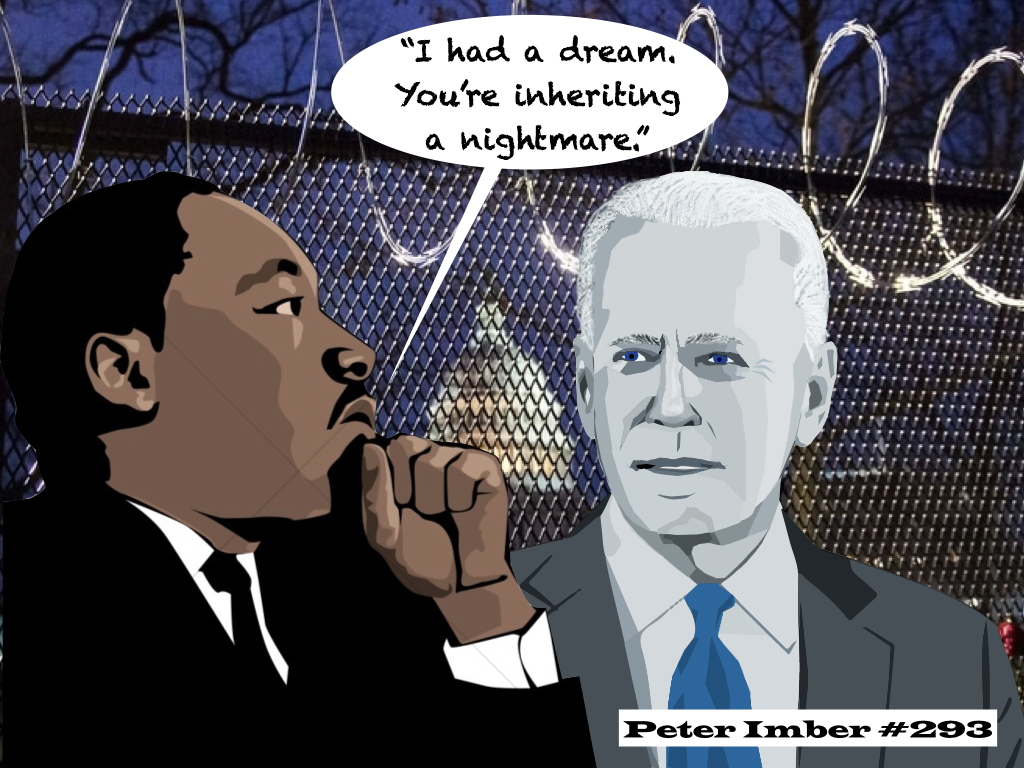
Correction: I mistakenly wrote yesterday that Ronald Reagan played the part of football coach Knute Rockne in the movie Knute Rockne All American. He didn’t. In the film Pat O’Brien was Rockne. Reagan was cast as the star player George Gipp, who died of strep throat in 1920. The real Rockne claimed that the famous line “Win one for the Gipper” was said to him by Gipp on his deathbed.
Here’s a link to that scene…
—————–
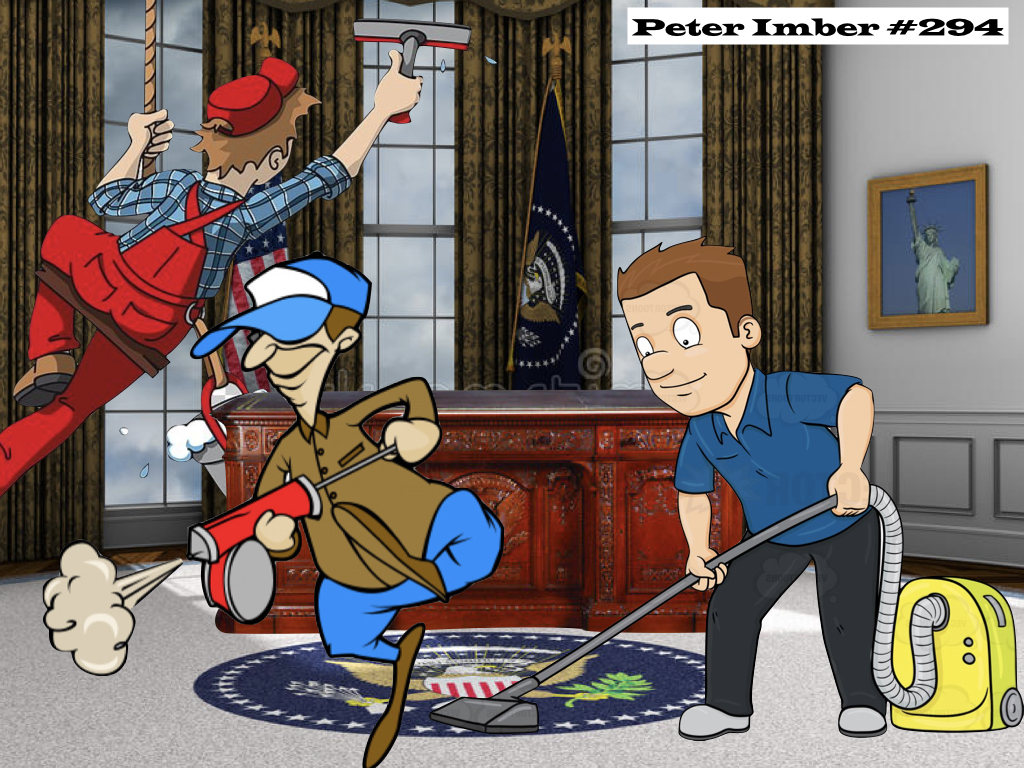
With apologies to Stephen Sondheim and his lyrics to Something’s Coming from West Side Story…
I know…
There’s something due in one day
Trump is done, flies away, don’t care where he goes…
He’ll be fuming while he’s up in the sky, wish I could spy
Not a tear in my eye, good bye…
I know…
He may think he’s out of reach
If the Senate wants, they’ll impeach, they hold the key…
Hope he’s reeling and there’s a miracle due
Gonna come true, no copping a plea…
Get all the blue states and a few of the red to quiver
Come on deliver for me…
Could it be? Yes, it should
Biden’s coming, gonna to be good and worth the wait…
Biden’s coming, and we know who he is
Let’s just hope he’s not too late…
It won’t change with one speech
Or even if Trump gets impeached, he’ll be bad news…
The nation’s broken, can’t tell truth from lies
Worst president ever gets the prize
Still has his feckless allies…
The air needs clearing
At least we’ll have an adult steering…
Joe, take the oath, sit at the desk, unpack your stuff
Then get some rest, tomorrow night… tomorrow night…
Biden is President Countdown
—————–
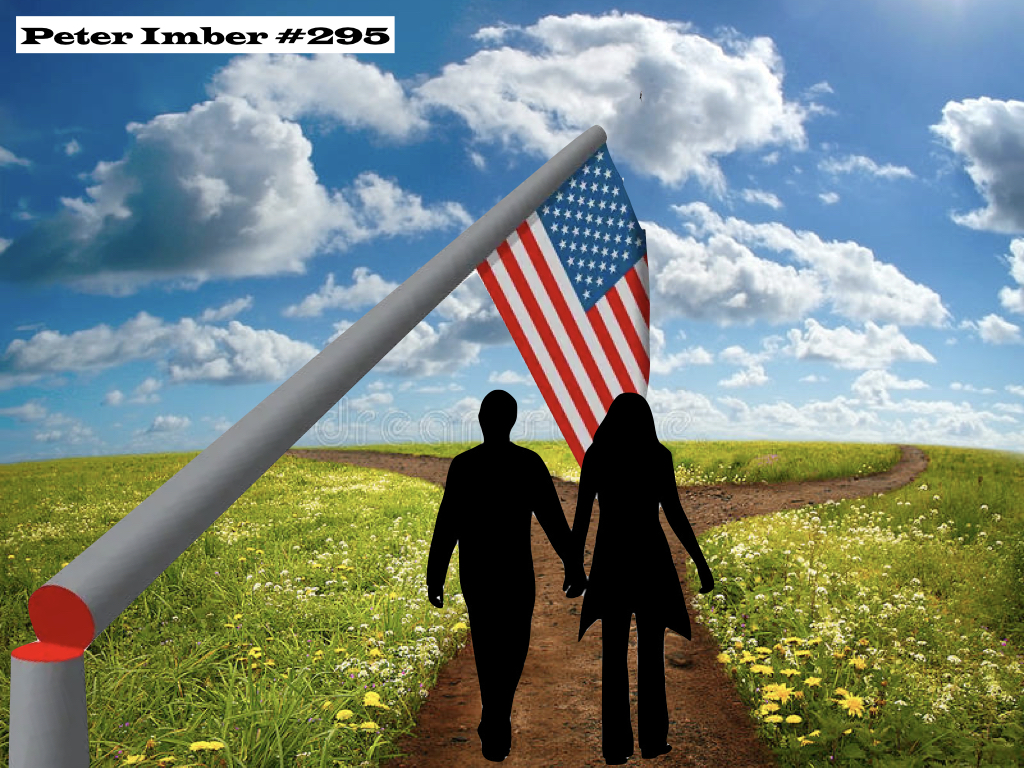
With apologies to Robert Frost and his poem The Road Not Taken…
Two roads now diverge in a nation’s future
With no opportunity to travel both
And being one citizen my choice is clear
But looking down it as far as I see
I am not sure where my road might lead
Down the other the view is certain
That road is unbending and its end is bleak
Because many have walked it before me
And others had watched them in silence
Knowing it led straight to hell
I am telling this with a sigh
So many have lost their way
And drunk with poison
They worship idols
I doubt they will change their path
Both roads lay before us
There is no avoiding the other for another day
Two roads diverge in a nation’s future
Their difference is certain
But I cannot see into the distance
—————–

I like to divide things into three. Therefore with full awareness that what follows may seem arbitrary, simplistic and incomplete I’m going to offer my opinions on what I believe are the most crucial issues facing the world, the country and the Biden administration.
And to add to my chutzpah and your skepticism I’m going to equate our challenges to diagnosing a patient with a serious illness. Yesterday, I fulfilled a promise I had made to myself and if you live anywhere near my house, the car horn you heard blaring for a full minute seconds after the new president was sworn in was mine. Jo and I toasted Joe and Kamala last night but today I’m offering a dose of reality and it will take the very best team of doctors utilizing all their knowledge and skills to treat what ails us.
So, let’s get started and right off the bat I will stretch each of my three crucial issues into two parts:
Racism and Populism
Economic Inequality and The Future of Work
Climate Change and Overpopulation
Here’s the diagnosis for Racism and Populism
Stage: Malignant
Prognosis: It’s an incurable disease but with the right care can be managed.
I am afraid in most of the world historic prejudices will never be wiped out. Unless, but perhaps not even if the earth faces the threat of an alien invasion from outer space, we will always have racial animus, islamophobia, antisemitism, homophobia and whatever else indiscriminately feeds on a rejection of otherness that leads to bias, anger and hate.
Researching for which countries are the more or the less tolerant provides little agreement among the studies I’ve found. The United States has made important strides but we’ve just suffered a relapse and endured a presidency that inflamed and spread America’s endless bout with this illness. It’s been a congenital condition that has erupted throughout our history.
Grievance craves scapegoats and breeds despots. We’re just lucky we had a tiny tyke as president instead of a grownup tyrant to stoke the resentment of those who feel left behind. When people see their world changing too fast and are resistant to moving with it, they are primed to be baited to aim their ire at the familiar targets. The rise of populism is akin to when cancer metastasizes. We didn’t quite get there ourselves this time and can only hope that we won’t.
Here’s the diagnosis for Economic Inequality and The Future of Work
Stage: Chronic
Prognosis: Can be controlled but symptoms are often ignored
During my career as a television news producer, I had occasional days where I felt like I was in a firehouse. Unless there was a fire I could choose to sit around and wait for one. I rarely did that. Finding stories I could produce on my own was what gave me the most joy from my work.
But on one day of inactivity I must have raised the point about feeling like a firefighter when a colleague said, “Peter, you’re not being paid for what you do, you’re being paid for what you can do.” That made sense at the time and it still does but how many people actually get paid like that?
I’ve had many different jobs, including ones involving manual labor for which I was paid for what I could do with my body. ABC News compensated me generously for what I could do with just one part of it– my brain.
Should being a plumber or an electrician be as financially lucrative as being a lawyer or a surgeon? Don’t answer that. I’m sure there are plumbers and electricians who make more than some lawyers. Not so sure they do better than hedge fund managers though.
So, we’re always going to have people who are paid more for what they know and can do and that can involve completing years of specialized education or the athletic ability to pitch or hit a baseball. It becomes a problem for a society when the Disney CEO makes $50 million a year (He does.) and the person who cleans houses in his neighborhood can’t afford to take the kids to the movies. To Bob Iger’s credit at least he didn’t take his payout in 2020.
In America and the rest of the industrialized world I don’t see this situation getting any better unless we recognize its unfairness and the need to actually do something about it. That will require a word that at present you’ll never hear a politician utter– sacrifice.
The future of work is already with us. I’m not referring to the impact of COVID-19 on people being able to do their jobs remotely, I’m thinking about robots and autonomous trucks and all the other jobs that are going to be gone that don’t require above average IQs and an advanced degree.
There are those who think the solution to our increasing income inequality is a universal guaranteed income. I don’t agree with that. I think one’s work is crucial to one’s identity, dignity and self-esteem. How we deal with this worsening disorder is a huge challenge that will take more than handing out stimulus checks.
Here’s the diagnosis for Climate Change and Overpopulation
Stage: Aggressive
Prognosis: Major lifestyle changes
I am probably not going to add anything about climate change that you don’t already know. I do think it is happening exponentially and its impacts will be seen and felt sooner and more seriously than we might perceive.
Did you know that according to the YouGov-Cambridge Globalism Project only Saudi Arabia and Indonesia (both oil producing countries) have a higher percentage of climate change doubters in the developed world than the United States?
Thanks to propaganda campaigns funded by the fossil fuel industry, climate change denial still holds a lot of sway in America. Conversely, the green movement has not managed to convince most of us that the threat to big oil’s profits from alternative energy sources needs to be the lesser consideration than confronting climate change’s existential challenge starting immediately.
Perhaps just as worrisome to human survival and international stability today is controlling the numbers of us who inhabit the planet. In 1990 there were 10 cities in the world with populations of over 10 million people, today there are 36. A future with less arable land to farm and freshwater to irrigate it will be the certain consequence of not dealing dramatically with climate change. Birth control is a fraught human rights issue and tied optimistically to economic well being and education encouraging smaller families but that can only be a goal and not an edict. Adequate food and water in the future are dependent on the choices we make now.
Diagnosing these maladies is easier than treating them and perhaps I’m too pessimistic about our ability and willingness to do so. But did you hear President Biden say the word sacrifice in his inaugural address? I didn’t.
It’s a word that’s been taboo in politics for a long time. Until it isn’t, we’re going to be flying through turbulence and even after we’re no longer wearing masks to get past the pandemic, we’d better fasten our seatbelts unless of course we choose to do nothing. I’m pretty sure there weren’t any seatbelts on Noah’s Ark.
—————–

—————–

When I was in film school 40 years ago I made a documentary about an Israeli film director named Menachem Golan. Many years later selling the rights to five minutes from it paid for a brand new car but that’s another story.
Golan was born too late. I have no doubt he would have been one of the early movie moguls if he’d been around at the turn of the 20th century. As it was he and his cousin made their own mark for a time when they bought a failing Hollywood studio and started making as many films as MGM and Paramount in the 1980s. Most of their productions were “schlock”– a Yiddish word for junk.
I spent a week with Golan filming anything I wanted except anything that had to do with how he and cousin were financing their venture. Despite that restriction it was a memorable (and later profitable) experience and among the many moments from it that have stuck with me was when Golan told me how he saw himself as a movie maker.
“Directing movies is the closest thing to godliness. You create a whole world. You create life.”
This has been an awfully long way round to making the point that before hearing Golan make that claim I thought only doctors felt that way about themselves. Just change “create” to save or prolong. We trust doctors with our lives. Of course we do the same with airline pilots or did and hopefully will have the chance to do so again. But doctors are in a category of their own.
I’ve had some arrogant doctors. After minor surgery years ago at my followup visit the surgeon didn’t even bother to make eye contact. He looked at my scar and said, “I do good work.”
Great athletes are legends. We just lost one in Hank Aaron yesterday. Rock and Roll performers sometimes become idols and actors can be elevated to stars. Like those in the universe itself that designation has become so cluttered as to have become uncountable. But doctors? I think some can still be discerned up there sometimes without even using a telescope. That’s the way I feel about the doctors I’ve encountered in dealing with my cancer.
Anthony Fauci didn’t win 2020’s poll as the most admired man in America. Like just about everything else that begs an opinion these days, such a distinction is now more of a political choice, a whose side are you on more than a who actually deserves your admiration.
Here’s a little drill for you today. Go to Google and type in the words “most trusted man in America.” You won’t be surprised but you might feel nostalgic.
—————–

An organization I never heard of sent me a large packet in the mail that I received yesterday. The Arbor Day Foundation wants me to fill out its 2021 Maine Tree Survey. If I do, I’ll be eligible to receive some Norway Spruce trees to plant around the house. Of course there’s a catch. I have to send in a donation. I haven’t decided if I will but am mulling over the fact that I was sent paper that if I send it back, I receive something that way down the road after I’m decomposing in the ground will produce more paper that could turn into another letter appealing to my descendents to plant more trees.
I did a story once about the science of dendrochronology. That sounds like a diary one keeps to track the progress of his or her dandruff but it’s actually the study of tree rings. Those rings provide accurate information about the history of rain and drought and even fire where trees grow. Trees are archivists and now I’ve learned that they even communicate with each other. If a tree gossips in the forest, does somebody hear it?
If trees are apparently on speaking terms, why aren’t we as a nation? Why can’t we disagree to disagree like two revered members of the Supreme Court who couldn’t have been more opposed ideologically but weren’t just friends, they were buddies.
Antonin Scalia was confirmed in 1986 as an Associate Justice of the Supreme Court by a vote of 98-0. Ruth Bader Ginsburg was confirmed as an Associate Justice of the Supreme Court seven years later by a vote of 96-3.
Those were decisive bipartisan acts by the United States Senate. But we’re in a different place today. Partisanship in Congress is as clear as a freshly painted center line down a highway and the division is just as absolute and unbending among the public. A recent article in Science claimed that Americans now dislike, even hate, those on the other side of the political fence from themselves more than they actually feel affinity toward their own brethren. The research claimed that’s a first for the country.
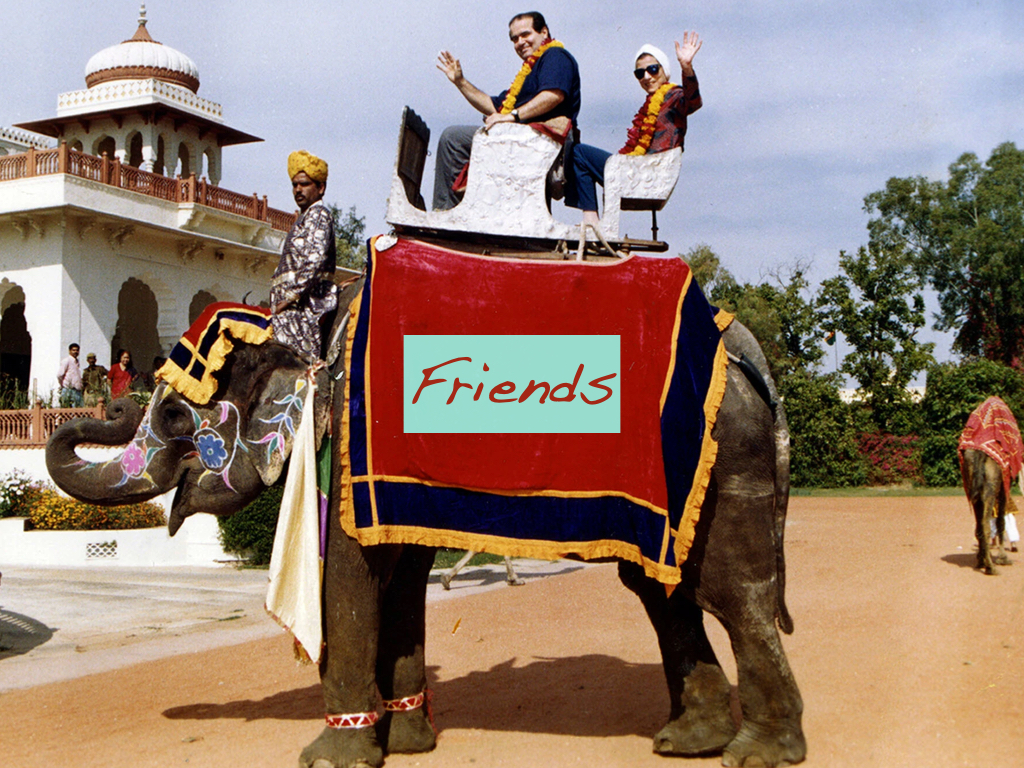
Scalia and Ginsburg were good friends. He bought her roses on her birthday. They traveled to India together and after riding that elephant she didn’t insist there be a quid pro quo and they also backpack somewhere on donkeys. So how did Scalia and Ginsburg do it? Well, they found that they loved some of the same things– opera for example and the law certainly. And they had in common that they grew up in the same city— New York. But I am sure they also shared the same basic reality from which they could have reasonable and even strong disagreements.
In an earlier post I described my experience after the Northridge earthquake in 1994 when I pitched a tent outside. We had our own plan in the event of the Big One which is how Californians refer to the future earthquake that’s predicted that will be way stronger than any in recent centuries. Although Northriudge wasn’t it, we put our plan into action.
It was the middle of the night and I rolled out a sleeping bag inside the tent and put my ear to the ground. I could feel and hear the earth below vibrating and humming like a tuning fork. The last four years which climaxed with the events of January 6th are now among the darkest in our nation’s history but seem like that memory I have from my backyard. The metaphorical ground under us is still shaking.
Too often when traumatic events happen in America we move on quickly from them. Some would call that resiliency, but depending on the event we often deceive ourselves into thinking, like in the case of school shootings, that it’s finally the last straw. Now, something is going to change because it has to.
Biden’s election gives us hope but unless we and he can change at least some of the things that need to be, we’re going to be like Californians waiting for the Big One and just hope it doesn’t happen on our watch. Meanwhile, the trees will continue to whisper among themselves that we’re fools.
—————–

Three hundred Homemade Cartoons ago I had an alligator playing golf wondering why nobody else was out on the course. I didn’t imagine that I’d still be coming up with these nearly ten months later.
Rummaging around in my head for the significance of the number 300 I could think of only two things. Three-hundred is a perfect score in bowling and a lifetime batting average of .300 or higher is usually but not always a ticket to baseball’s Hall of Fame.
And there are a few other arcane places where the number 300 pops up. A FICO credit score of 300 is as low as you can go. A 300 feet per second shot out of a paintball gun is as fast as is legally permissible. And there are 300s in the Old Testament, Islamic tradition and Greek history and of course mathematics where the number can be parsed at least 300 ways if not infinitely.
Did you know that 300 is the sum of a pair of what are called twin prime numbers (149 + 151), as well as the sum of ten consecutive primes (13 + 17 + 19 + 23 + 29 + 31 + 37 + 41 + 43 + 47)? If you did, I’ll hire you as our accountant.
How would I sum up my year of cartooning and commentating so far? That’s easy. As a sportswriter in college I covered a Dartmouth–Harvard football game in 1967 that my writeup afterward had the best opening line in any article I’ve ever written or at least in my own opinion.
Let me set the scene. With Harvard leading by a point and less than a minute left to play, Dartmouth was well within field goal range and a successful kick would have given the Big Green the lead and, barring a miracle, won the game. Dartmouth’s kicker missed and Harvard stadium rejoiced but then fell silent when the Crimson were called for being offside. Dartmouth’s second try was good and mangling the phrase from ABC’s Wide World of Sports, the agony of defeat turned into the thrill of victory for my team. I broke with sacred pressbox protocol by cheering.
What was my lead sentence in my game account that I’m still kevelling about? Simply this: It was more like trauma than drama.
And that pretty much sums up the past ten months don’t you think?
I’ve got 65 more cartoons to go before calling it quits. Wouldn’t it be nice if the next two months turn out to provide less drama and no trauma?
—————–

My friend John is a professor emeritus of linguistics who has spent a lot of time in Liberia and is a leading expert on pidgin and creole languages spoken there.Years ago he told me a story of how he was hired to help a European country determine if political asylum seekers who claimed to be Liberians actually were.
John said it was an easy task because of a song Liberian kids learned in elementary school in which the names of the former presidents of the country make up the lyrics. If someone could sing the song, that was all the proof that was needed to verify his or her Liberian nationality.
But consider learning such a tune in Italy where updating it is like downloading software fixes. Since the end of World War ll there have been 30 Italian prime ministers with sixteen of them lasting less than a year. To put this revolving door in perspective Angela Merkel has seen Italy change prime ministers eight times since becoming German chancellor in 2005.
In Italy presently there are six major political parties and more than two dozen minor ones. Italy’s parliament has 400 members in its Chamber of Deputies and 200 members in its Senate and that’s after a reduction of members of both by over a third last year. Coalitions are fragile and a simple majority can pass a vote of no confidence and bring down a government which helps explain why there have been 70 different ones since 1943. I haven’t counted but I’m guessing that’s more governments and prime ministers than there are pieces of pappardelle in a box from the grocery store.
No, I’m not suggesting the United States would be better off today if we were more like Italy. But looking at how hard it has been to hold a president to account here I think our two party operating system could certainly use an upgrade.
Don’t know if the country has the appetite for that but anyway, I wish us all Buon Appetito!
—————–

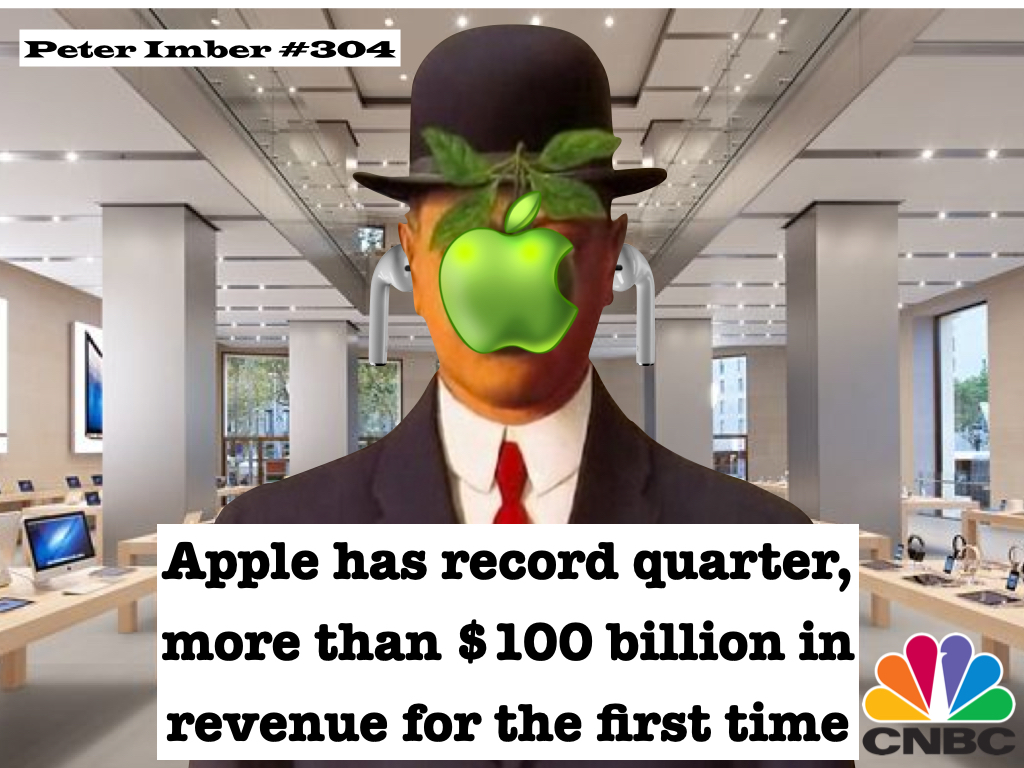
How much do I love thee Apple? Let me count the devices…
I’m sitting in front of my iMac (Retina 5K, 27-inch)
To my left is my iPhone (11 Pro)
To my right my an iPod (Pro, 9.7-inch)
In my desk drawer are a pair of Airpods
In the living room is a Home Pod and our television has an Apple TV streaming device attached to it but I admit Roku is the one we use most often
What does this say about me? Is the decision to go Apple or PC merely like choosing between Coke and Pepsi at the supermarket? Or is it more telling about who you are in the extreme like your being either a Tea Party or a Black Lives Matter supporter or less dramatically, a geek or a hipster?
During my working days, all the computers supplied to me were PCs– HP, Toshiba, Lenovo… I had a Dell at home but when the 20th century ended I bought my first iMAC and as the saying goes, “Buy a Mac, never look back.”
What’s been the difference? For me it was like trading in a car that was in the repair shop too often for one that has been low maintenance ever since. I’m a Toyota buyer by the way– the champions of low auto maintenance. Our Prius has been my all-time favorite car to drive and– crossing my fingers –in nearly 120,000 miles we’ve only changed the oil and had a brake job.
To me the genius of Steve Jobs, in addition to making the physical opening of Apple products from their packages like uncorking a memorable bottle of wine, was that he made the Apple universe one that is inside out and not outside in.
I’ll call it a philosophy of design and decline. Design elegant and intuitive devices and how they operate and then decline to let others have the access to mess with them.
As Sam Cooke might have sung, “I don’t know much about cosmology” but I do know that Jobs insisting that Apple keep total proprietary control of its software and hardware earned him a permanent seat at the Apple Genius Bar. It’s had everything to do with the Apple brand being so user friendly. Maybe PC’s have improved in reliability since I last touched one but before I abandoned them installing updates for all the software applications that had free reign to come through the Microsoft Windows operating system was like going to the track and betting on a horse simply to finish without breaking its leg.
Do you remember when home video gave us a choice between VHS and Beta? Beta machines played tapes that looked better on TV screens but VHS tapes could play and record for a longer duration. That was deemed more important by American consumers who were already used to an inferior television signal compared to the rest of the world but that’s another story. We wanted the longer recording times and accepted the crummy imagery. Sony’s Beta didn’t make it because of quantity, not its quality.
At the dawn of the home computer era Apple wasn’t exactly riding high in the sky either. PCs and Windows offered many more home software applications and especially video games and just as importantly, Apple computers were considerably more expensive. Today, they still are but you’re buying an entire ecosystem that connects all its devices seamlessly. OK, enough shilling let’s do some drilling down into who uses Apple and who uses PCs.
PCs and Windows still clearly dominate the world’s computer operating system marketplace against Apple and Mac OS but I’ve found a couple interesting recent surveys that have attempted to characterize who uses which. Let’s start with this. The younger you are the more likely you use or would prefer to have a Mac. College students polled chose Mac by two to one. And the A’s give it straight A’s as well– authors, artists and architects are way more likely to use Macs.
Another study revealed that Mac users are more educated, prefer modern art and indie movies and eat more humus than PC devotees. No, I’m not kidding about the chickpeas and yes, that last finding certainly includes me and probably most convincingly explains why I’m a Mac user. Do I feel smug about it and a touch superior? No, not a bit but if that changes I’ll upload an update.
—————–

Many years ago at a time when Russian and American relations were better a cosmonaut visited the United States and attended a college football game. His reaction was at first bewilderment and when he mumbled something in Russian his host asked an interpreter to translate…
“All fall down. All get back up. What is this?”
The story is likely apocryphal but it succinctly describes my knowledge of the stock market. My investments go up and they go down. I watch and occasionally make a substitution but as long as my team’s winning I sit on my hands in the stands. I don’t know the difference between a margin call and a stick of margarine except that the latter is oily and I suspect the other may be too.
Another story that applies to my investing acumen involves a golfer named Lee Trevino who grew up dirt poor and was picking cotton when he was five years old to support his family. Trevino became a caddy at a country club where he took up the game and became among the best ever to compete and one of the great champions of professional golf.
He was once asked what kind of pressure he felt when he knew that making a putt on the final hole could be the difference between winning a tournament and a lot of money or missing it and earning less.
“Pressure? Listen, pressure is when I used to have to sink a putt for twenty bucks and only had five in my pocket.”
Trevino’s story very much describes who he is. I, on the other hand, am pretty risk averse in addition to being undereducated when it comes to making money with money.
I’m not much of a gamber although the first and just about the last time I put money in a football pool many years ago, I won enough to buy a watch. Well, we’re not talking Rolex. Mine has Bullwinkle the Moose on its dial and it’s in a box in our attic.
The first time I played a lottery was years ago when I produced a story for Nightline on the day California started its own. I needed to buy some tickets so we could show them on the screen in our story and I won enough for Chinese takeout. Want a good definition of chutzpah? I could have expensed the tickets but didn’t. If I had disclosed my purchase, I guess I would have also had to hand over the winnings and in addition to being laughed at, I might have been admonished or worse by ABC’s HR department for gambling on the job. If you ever worked in corporate America, you probably know what I’m talking about.
I traveled to Las Vegas multiple times to do stories but never gambled and even made it a point to stay in one of the few hotels there that had no opportunities to do so on the premises– they’re much quieter. Ok, except once I played a dollar slot machine and yes, I won enough to buy everyone’s dinner but didn’t get to because my correspondent was a sportswriter and mensch named Dick Schaap. It was his birthday and he insisted on paying for all of us himself.
That dollar coin for the slot looked an awful lot like a Bitcoin. There’s another new way to roll dice or play roulette that I have no understanding of at all.
So, what’s this Game Stop controversy about? Is it a battle of the monarch’s soldiers trying to put down an uprising by the kingdom’s serfs? Is it hedge fund hogs versus the street urchins? And doesn’t the app making this showdown possible– Robinhood –seem too ironic for this to actually be happening? I’ll stop and admit I am not the one to listen to for understanding the Game Stop play or what’s going to happen if and when the game that is being played right now on Wall Street ever stops.
—————–
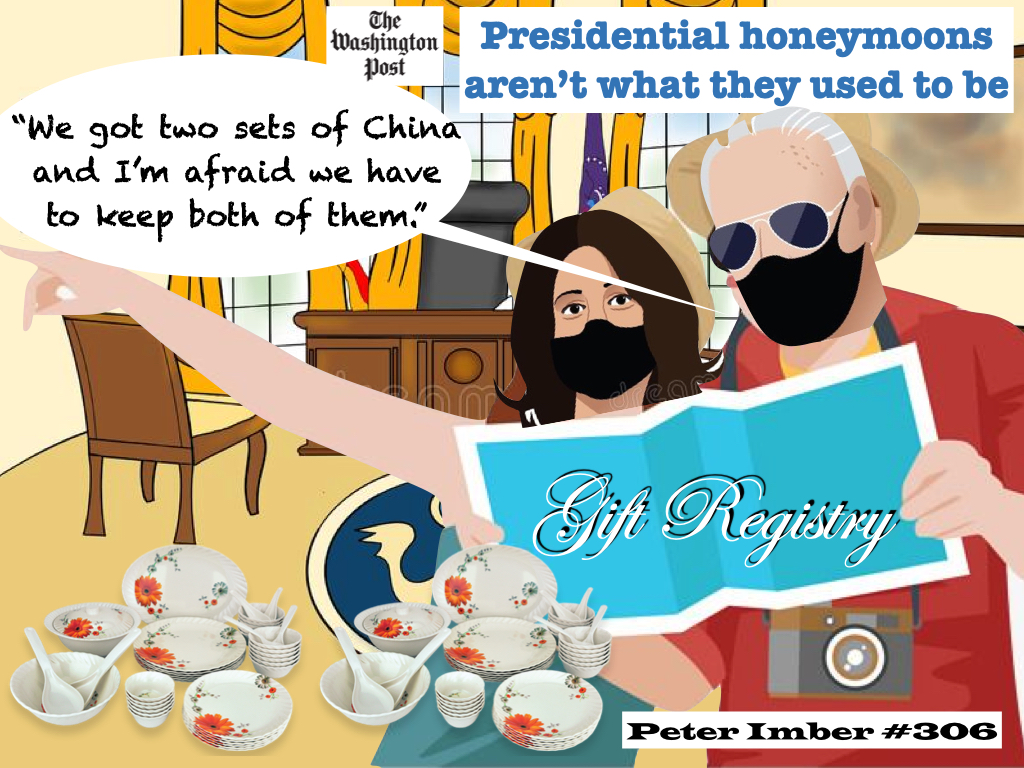
I started to make a list of all the challenges Joe Biden faces but have decided to prepare my income taxes instead and then I’m going to schedule a root canal.
—————–


 pawnedaccordion
