It was the best of times; It was the worst of times. — A Tale of Two Cities by Charles Dickens
What a revoltin’ development this is! — Chester A. Riley in The Life of Riley
So, how are you doing? It’s May 1, 2020 and a hell of lot different than a year ago. Here in Maine it’s spring in the manner that Maine has spring. It’s still pretty cold, it’s muddy but what’s supposed to grow is starting to do that despite the lack of a human welcoming committee.
Those of us retired like I and my wife are pretty much sheltering in place. The most risky adventure we or I should say my wife makes is a biweekly shopping trip to a supermarket. Other supplies and occasional take out meals are picked up curbside.
We know we’re lucky! I am completely aware that being born in America as part of the Baby Boom generation I’ve been lucky for 73 years so far. But this is a time of misfortune for my country and without further amplification of my own opinions why beyond the pandemic I’ll get to the point.
“What did you do during the pandemic?” I doubt I’ll live so long to be asked the question by someone who didn’t live through it their self. But if I were asked I’d say, “You know, I created cartoons.”
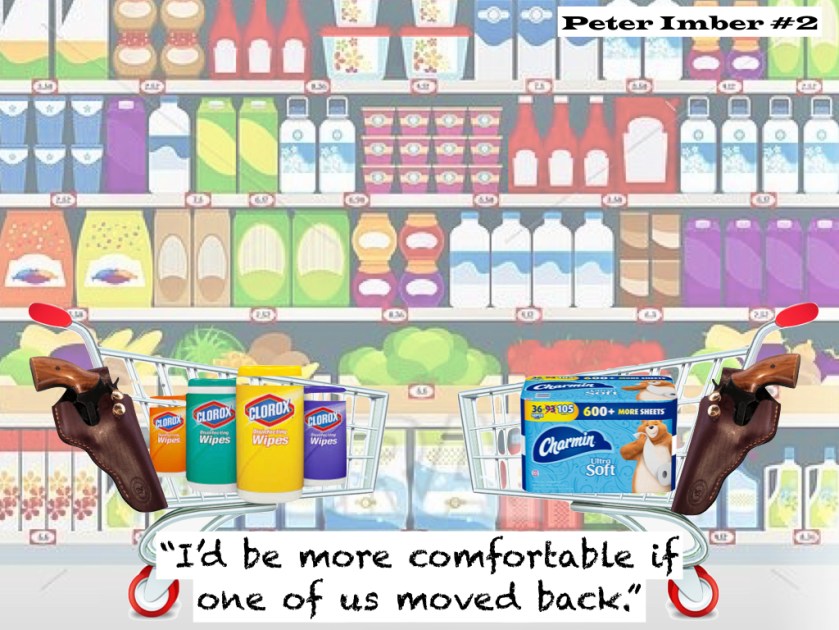
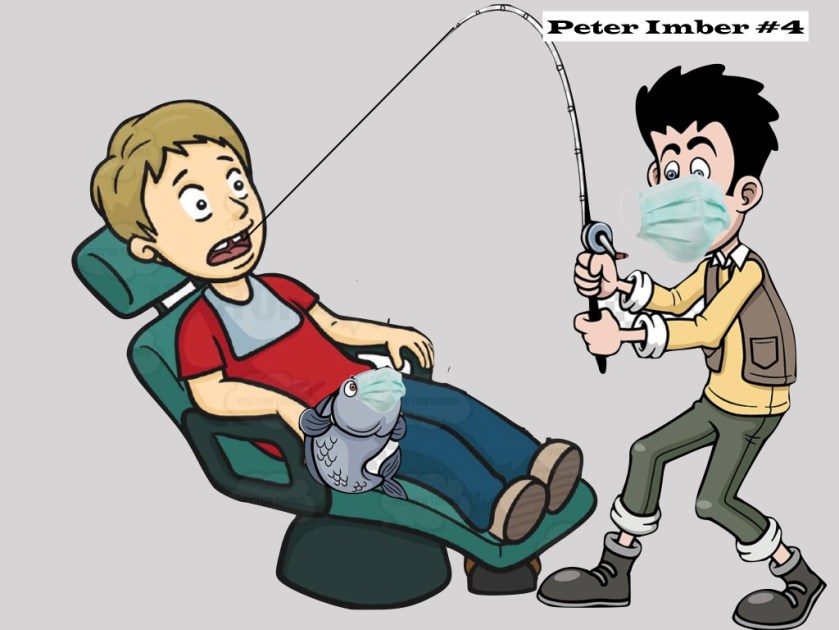
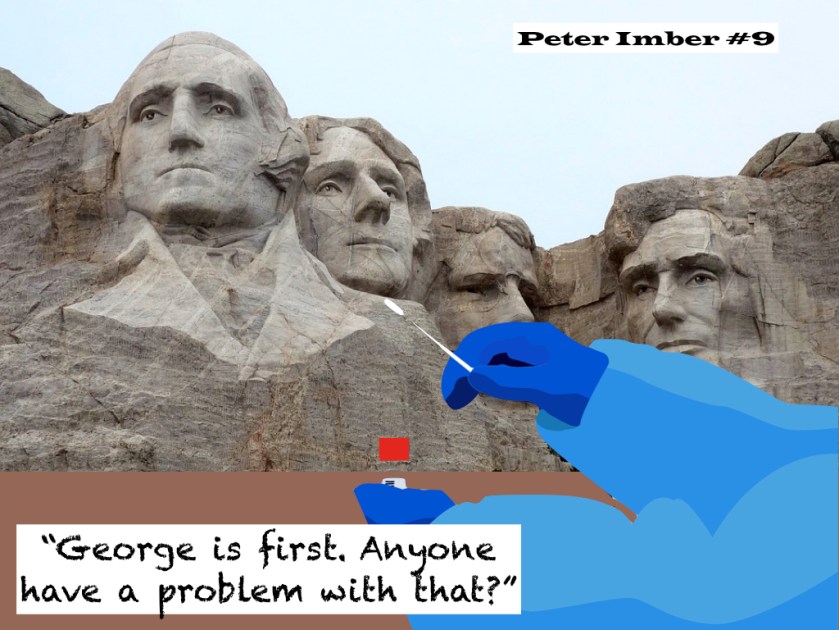
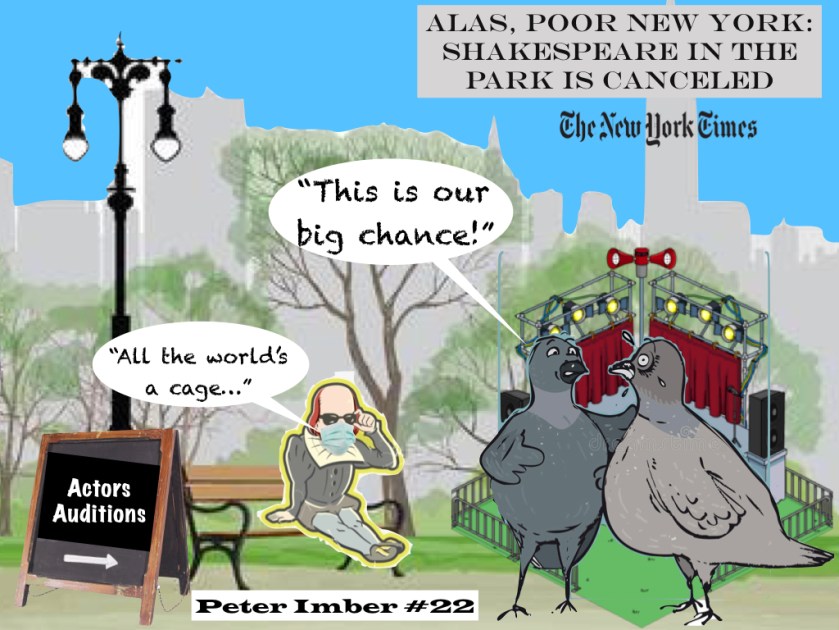
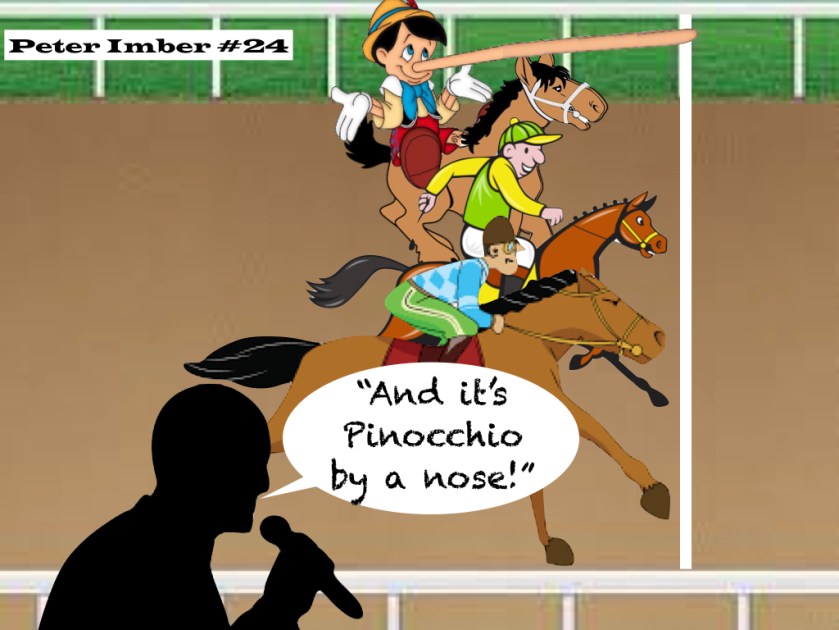
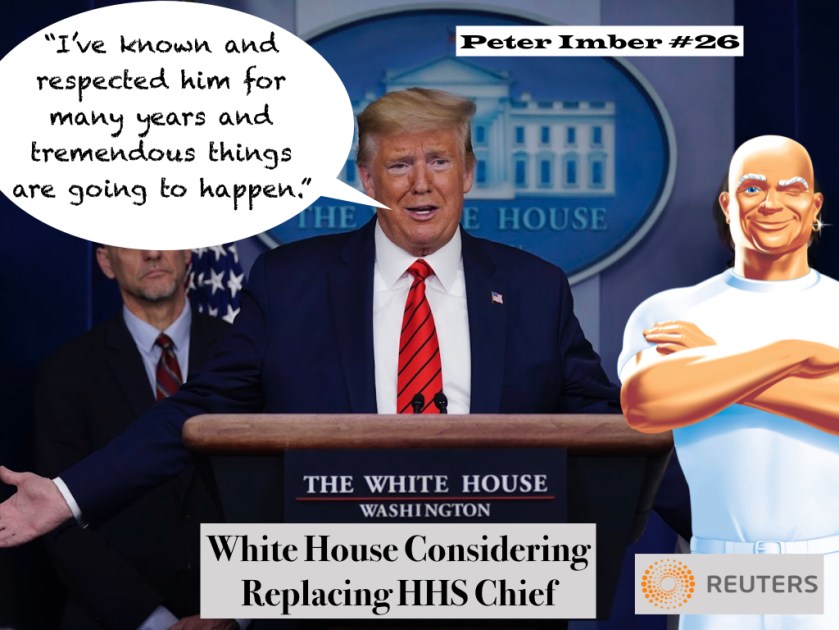
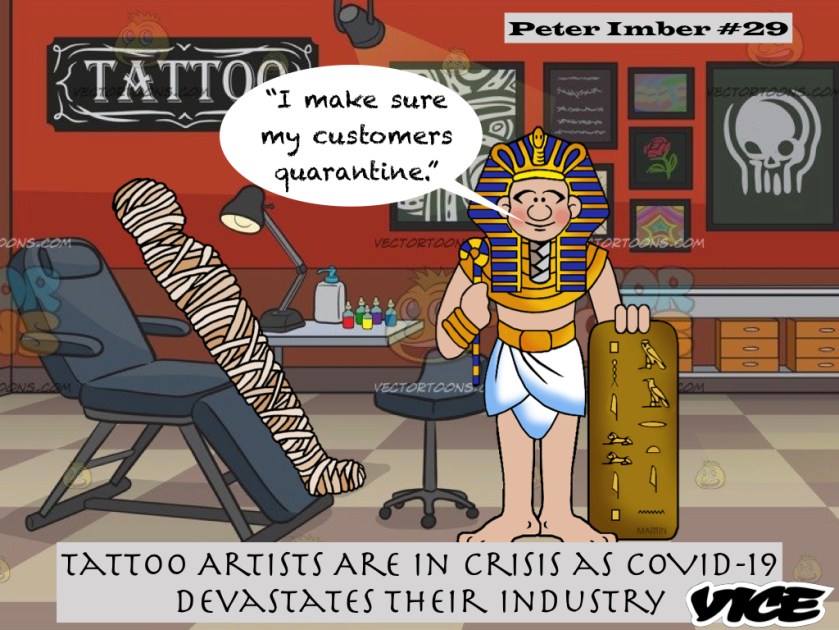
So here’s my output for the month of April. I intend to keep doing these every day until life returns to normal. When will that be? I think I have a lot of cartoons to create!
Cartoons for April 1 through 30April 15 was Jackie Robinson Day, baseball’s annual tribute to him that marks the day in 1947 when Robinson became the first black to integrate the major leagues. I got to see Robinson play for the Brooklyn Dodgers in Ebbets Field when I was a kid and he had to leave that game after colliding into the wall chasing a foul ball.
The game was against the Chicago Cubs and their Hall of Fame shortstop Ernie Banks hit the winning home run. Some 40 years later I met Banks in Los Angeles.
Ernie Banks was famous for his love of baseball and a quote that encapsulated that. “Let’s play two,” is what he would say, meaning his desire was to play a double header and not just a single game. That day in LA he also displayed a fantastic memory after I told him I’d seen him hit the game winning homer on the night Jackie Robinson was injured in Brooklyn so many years ago. He thought for just a moment and then looking me in the eye said, “Yeah, I remember that game.” I have no doubt that he did.
Normally, baseball season would be well underway and I miss it. But I miss even more the example of courage and integrity that was the life of Jackie Robinson.
It was a phone call from an ABC World News Tonight senior producer in New York that did it although It began routinely.
“Hey, we want you to do a story about bears.,” he said.
“Great,” I said. “What’s the story?”
That’s often how I got assignments. My bosses in New York had read or seen something somewhere and now they wanted me to turn it into a story for us, but in the next instant everything felt as if it had changed.
“Find one!” he said.
Let me explain. I worked in the Los Angeles Bureau of ABC News from 1983 until 2010 and until that day in the spring of 2001 had produced hundreds of stories for all the ABC News broadcasts
I had been instructed to find them before but invariably they’d been connected to some larger event happening in the country or the world at that moment like “Get an interview with someone who claims to have been sexually abused by a priest,” or “Show us what it takes to purchase an assault weapon.”
I didn’t ever recall being told to find a story on something as unrelated as bears to anything else newsworthy going on in the world that I could think of. So I asked.
“Why bears?”
And was told.
“Because bears are hot. Our research and our focus groups are telling us that people want to see and hear about bears right now.”
So, I took my marching orders and discovered that bears were indeed the flavor of the month on Madison Ave. They were taking a star turn in advertising and especially on television in commercials.
I did the story and at a ranch where wild animals are rented out for the movies even discovered how you get a bear to charge after an actor on the screen— just drag a dead chicken on a rope in front of it and run like hell.
And what I also realized was that in my world of television news journalism it was no longer going to be a bunch of mostly white men with newspaper backgrounds deciding every night what viewers ought to know. From then until I retired what we thought viewers wanted to know became just as, if not more, important.
How did it happen? There are a bunch of reasons. One big one would be the swallowing of the three formerly independent television network companies along with their news divisions by larger corporate entities in the 1980s.
The famous quote by CBS’s William Paley, “You guys cover the news, I’ve got Jack Benny to make money for me,” no longer applied after that. Network news once viewed as a flagship symbol and excused as a financial loss leader was now expected to pay its own way and become a profit maker as well.
When Disney bought ABC in 1996 I became just another “cast member” as Disney employees are addressed in official communications. I thought of myself as a journalist but in Disney’s eyes I believe I might as well have been dressed up as Snow White roaming about Fantasyland.
The fragmentation of television from how we had grown up with it preceded the rise of the internet and with competition from alternative news channels— CNN was the first in 1980 — network television news had begun its decline which has only accelerated.
At the peak of Walter Cronkite’s popularity in the 1970s he averaged nearly 40 million viewers an evening. Today, all three network evening newscasts combined garner only half that number of viewers in an entire week.
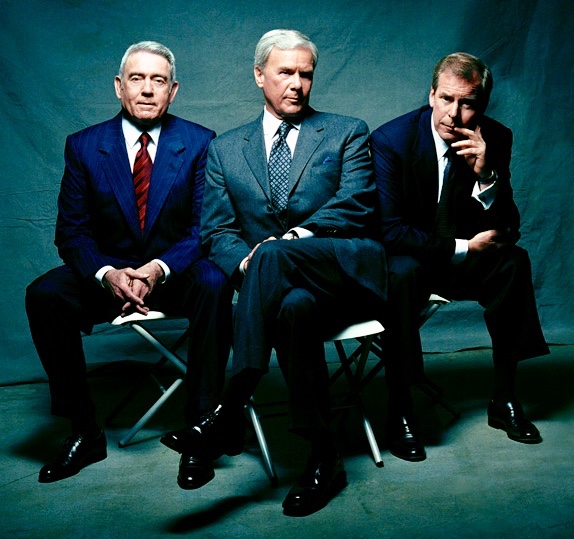
Eyeballs— read that ratings —became everything. Good Morning America and the Today Show, considered parts of their networks’ news divisions, almost stopped doing news but got better ratings than Peter Jennings or Tom Brokaw did in the evening. The morning shows became where the money was made and where it was spent.
When I had started at ABC I never had to do a budget for a story. I even flew on chartered Learjets to breaking news events like school shootings and natural disasters. Increased competition, diminished viewership followed by the impact of the internet with its immediacy and its addictive hold turned us in the TV news kingdom from princes into paupers in what seemed like the blink of an eye.
The jets disappeared. When I produced for Peter Jennings when he came to the West Coast a New York retinue, including his own makeup lady no longer accompanied him. By the end I had to itemize and account for everything I was going to need to spend before I was allowed to spend anything that wasn’t for breaking news.
In the last years of my career I traveled much less even when breaking news happened. There just weren’t enough eyeballs anymore to justify an advertiser paying hundreds of thousands of dollars for a nightly commercial and so we became a little like farmers paid not to grow anything. One of our bureau chiefs even tried to get rid of our coffee machine to save money.
Understand that hard news could be hard. Trying to get people to talk to a camera who had lost loved ones in an airplane crash or all their earthly possessions in a wildfire was not pleasant duty. The pressure to put together a story in just a few hours was enormous and with what we had left at our disposal and also with what became added on to our plate it didn’t just become harder it was also less fulfilling.
We were given new responsibilities that along with the budget cuts further eroded our ability to actually cover the news. We were filing our news for multiple “platforms.” Our correspondents became tethered to satellite trucks so they could be shown live on the scene at any moment. And if the truck wasn’t there they were asked to go live on their cell phones. They didn’t get to report what they saw as much as just what they heard. The technology that provided instant coverage made us hostages to it. Pictures and human emotions are a big part of what TV news provides best and trying to serve all platforms simultaneously— the network, the affiliate stations, radio, the webcast and website —sacrificed our gathering them.
But what’s gone missing most from network news is the depth and the craft we were once empowered to pursue and avail ouselves of to produce it. Are there exceptions? Sure, 60 Minutes is one. It has survived and thrived because it exemplifies the line in the commercial where Orson Wells crooned the words, “We will serve no wine before its time.” 60 Minutes rarely airs a story until it’s the best that it can be. And beyond broadcast media there are many more good independent documentaries being made today that are filling the space that network news has abandoned.
Most television news has continued to deteriorate both quantitatively and qualitatively. Survey after survey now show that people, especially younger people, get their news online. We may still look at a screen but it’s not on a TV we tuned in to watch at 6:30 p.m. It’s in our pockets and purses and available whenever we want it.
I need to confess that the thing I loved most to do during my career wasn’t hard news. Many of my favorite stories often began with the same introduction from the anchorperson— “Finally, tonight…” We called them show closers and they were about things that were more “Gee whiz!” and not “Oh, my God!” There was the guy in Canada who had cornered virtually all the remaining slide rules in the world, and the lightbulb in a firehouse in California that has burned continuously for over a hundred years. I loved finding and sharing these.
I got John Updike to play golf for me as part of an entire show on my beloved sport I produced for Nightline. I had the author Tom Wolfe ask me during an interview if there was anyway I could show the outrageous socks he was wearing on television. I met the surviving Munchkins from the Wizard of Oz. I had a great ride.
My favorite stories were best when I had the best people working with me —video shot by a skilled cameraman, an editor who could cut it together so it turned a great script by a correspondent into something better. My work was collaborative. “The best idea wins” was my philosophy.
In an age of short attention spans, easy access to video from “citizen journalists” as a substitute for being there yourself the opportunity to do the best work possible is rare now. In today’s “spend as little as you can” environment the talent I was able to utilize to do my stories would not likely be available and, even worse, appreciated by those curating the news and counting the beans. The bar isn’t just lower I fear it may be falling to the ground. Our country’s news infrastructure has been hallowed out. It’s more than sad, it’s happening at a time when we need the best journalism to be louder and more pervasive, not silenced and less available.
If I sound bitter, I’m not. Perhaps I’m merely feeling what countless before me have felt about their jobs after they had finished doing them, that their work and workplace had changed almost beyond recognition from what they remembered when they had begun. And it’s hard not to argue that we baby boomers experienced more change in our lifetimes than we could have imagined. But maybe I’ll get one last assignment.
“Hey, we want you to do a story about the future.”
This Christmas day I’m picking my sister-in-law up at the airport. She has insisted that upon her arrival I take her to a Chinese restaurant so she can buy takeout to bring for dinner for everyone else at our home.
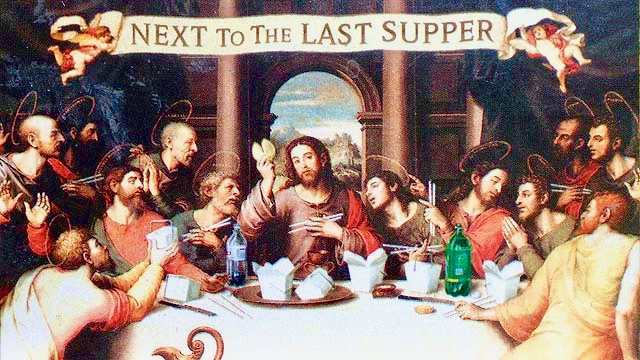
Yes, it’s true of all the restaurants likely to be open on Christmas the odds are heavily weighted that they’ll be Chinese and yes, it’s also true that of all the customers buying and eating Chinese food on Christmas the odds are also heavily weighted that they’ll be Jewish. We are. So, you can accompany the rest of what I’m about to write with Zero Mostel wailing Tradition from Fiddler on the Roof. But how did this happen?
My favorite explanation for why Jews eat Chinese on Christmas and at many other times during the year involves a debate between two old men.
“Chinese culture is at least 4,000 years old and we are the civilization that has been in the world the longest,” said Zhang.
“I’m sorry but the Jews have been around for over 5,000 years so we have been here at least a 1,000 more,” replied Abraham.
“Ok”, said Zhang. “But if that’s true, I need you to answer one question.”
“So, ask.”
“What did your people eat to survive for that extra 1,000 years?”
The real answer is actually pretty logical. In the early 20th century Jews and Chinese were the two largest non Christian immigrant peoples in America. Many from both groups lived in close proximity especially in urban centers like New York and Philadelphia. For Jews Chinese restaurants were conveniently located and affordable and— and this was most important —they didn’t use dairy products.
Jews who keep kosher won’t eat dairy and meat at the same time— that’s the most defining feature of the kosher laws which also rule out shrimp, clams and lobster —but if the wontons had pork filling, they sure resembled kreplach (dumplings) from the old country and hey, does God have X-ray vision? Many Jews were becoming flexible in their new country. Many still kept kosher in their homes but weren’t going to ask about what might be in the fried rice when they ate out.
As Jews moved to the suburbs Chinese restaurants moved with them and I grew up eating takeout from the only Chinese restaurant in Reading, PA on nearly every Sunday night. In fact a woman I know who grew up orthodox and kosher told me her family had four sets of dishes. One was for dairy, one for meat, one especially for the week of Passover and a fourth for their weekly Chinese. I’ve known more than a few Jews who will fearlessly eat bacon for breakfast at home but are terrified by the thought of ham in their refrigerators. Bacon is a threshold that can be crossed. Ham is a bridge too far.
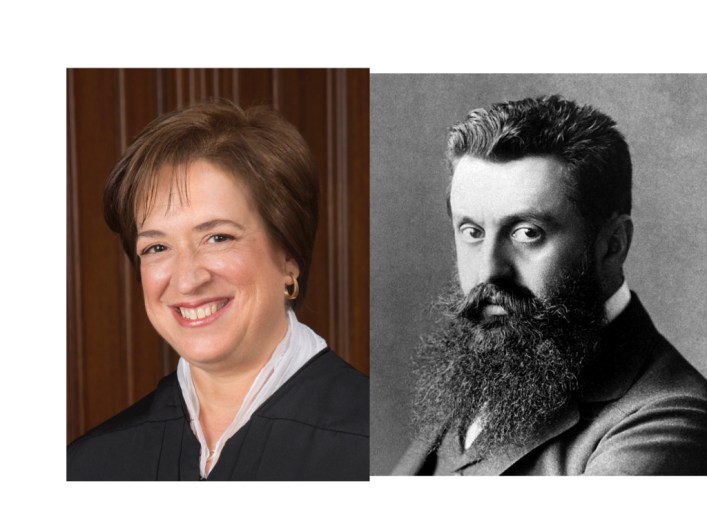
The matter of Jews and Christmas, however is more complex than just food. Take the issue of having or not having a Christmas tree. The founder of Zionism himself, Theodore Herzl, lived in Austria and had a Christmas tree in his house and this was before anybody thought of calling it a Hanukkah bush. After the chief rabbi of Vienna once came to visit him during the holidays he is alleged to have written in his diary, “I hope the rabbi doesn’t think less of me because of this. Then again what do I care what he thinks?” Herzl was a secular Jew like the majority of Jews in the United States today.
And herein lies the question, is having a tree or sitting on Santa’s lap an indication of Jews’ security or insecurity in their identity? Is it a sign of assimilation that’s harmless or harmful. I’m not sure many of us grapple with divining the answers. We do what feels right and that can be different for everyone. As a kid I got to sit on Santa’s lap but my son never did. My parents didn’t have a tree but insteadscattered blue and silver ball ornaments meant to hang from a tree in bowls around our house. As a parent myself there were no Christmas decorations. As I said we all do what feels right.
In the meantime many of us can give the same answer that Supreme Court Associate Justice Elena Kagan did when asked at her confirmation hearing where she had spent Christmas.
“You know, like all Jews, I was probably at a Chinese restaurant.”
Let me admit right off the bat that I prefer to watch movies that have happy endings. Sure, there are exceptions. My favorite film is one and so is my next favorite.
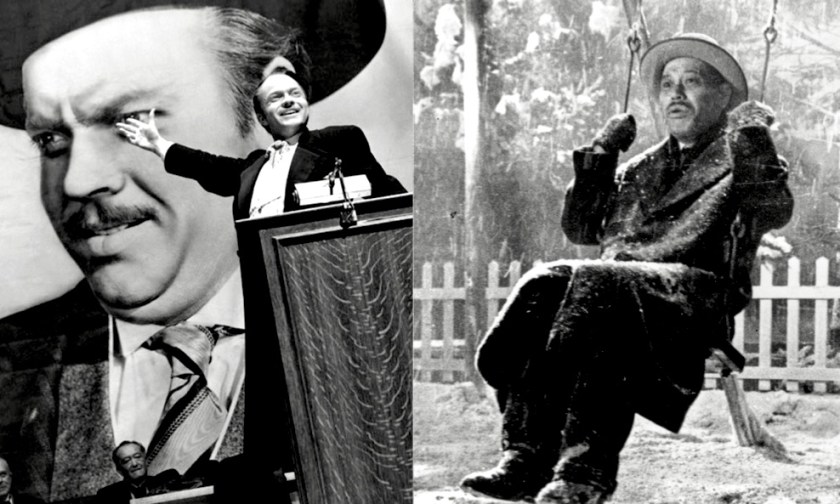
Ikiru, in English “To Live” and directed by Akira Kurosawa, is the story of a man confronted with his own imminent mortality and how he chooses to spend his remaining time on earth and Citizen Kane is Orson Wells’ tour de force that chronicles the rise and fall of an egomaniac— Neither pass for feel good movies. Neither would be a likely choice to snuggle up with Christmas eve.
Since my wife Jo and I have moved to Maine in 2010 Holiday Affair has been the movie I’ve asked her to watch with me every December 24th. The night before Christmas is my favorite night of the year actually. Nobody’s out and nothing is open. I sense a stillness and peace like at no other time.
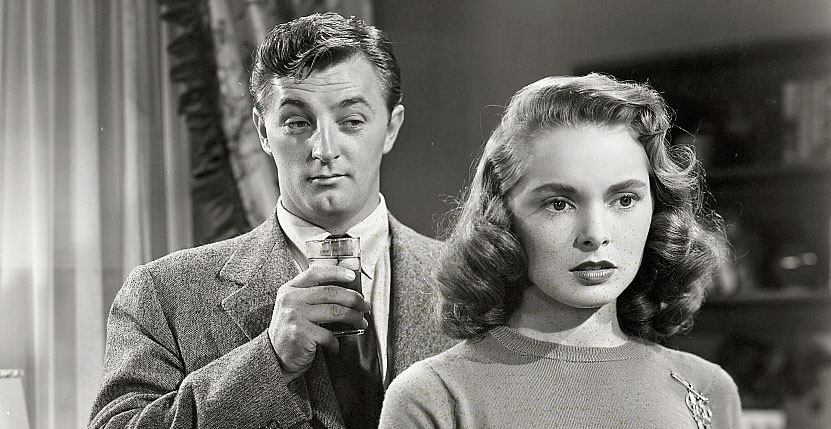
Holiday Affair is, no surprise, a Christmas movie and Turner Classic Movies has to be the reason it pops up now on some lists of favorites in the genre. Come December it’s shown a number of times but when it was released in 1949 it was less than a success. In fact it lost $300,000 for its studio, RKO, which in today’s dollars is over three million.
The plot is cute and uncomplicated. A war widow with a young son played by Janet Leigh, a decade before her shocking demise in Alfred Hitchcock’s Psycho, has not been able to move forward with her life. Wendell Corey plays a lawyer who wants to marry her but can’t get past being the patient boyfriend who is unable to exorcize the ghost of her dead husband. Robert Mitchum in an role twist for him isn’t the tough guy but a nice guy also trying to make his way after the war and when he and Leigh meet in the deparmaent store toy department where he works the sparks fly and you know what’s going to happen.
I’ve never teared up watching Holiday Affair. The end of Frank Capra’s It’s a Wonderful Life does that for me. It hasn’t ever caused me to laugh out loud like Jean Shepard’s A Christmas Movie. But what it does do is make me think that in the post war years of the 40s and early 50s America must have been full of hope and optimism and as well as the desire to get back to normal. There seemed to be a bright future and it was possible to chase dreams.
Corey’s character wanted to take Leigh and her son from the big city to the suburbs and a house with a yard. It would have been a safe life. Mitchum on the other hand wanted to take a risk. He was saving his money with a goal of designing and building boats.
I grew up in one of those newly minted suburbs. The houses weren’t Pete Seeger’s “Little Boxes.” They were well built and are still standing. The neighborhood was full of kids and parents never supervised our pickup games of whatever sport was in season.
My father, unhappy that with his Harvard Business School education his father and uncle still wouldn’t listen to him, bought into and then bought outright someone else’s business and grew it. My mother volunteered and became the county head of the March of Dimes. I wasn’t coerced into eating TV Diners and watching Ozzie and Harriet, I wanted to.
If I sound guilty of romanticizing so be it. I was lucky to be a kid then. I’ve been pretty lucky all along. Most of my generation has. Did I chase my dreams? Yes, I think I did.
The final scene of Holiday Affair is on a train leaving the east coast for the west with Mitchum, Leigh and the boy on board on their way to the future to pursue their dreams. That was a happy ending. That’s maybe why I love the movie because I got to have one and wish the world were really like that for everyone else.
So here I am at the Maine Mall. My wife is shopping and a guy and his wife were sitting next to me and just got up a minute ago.
I wasn’t intentionally eaves dropping and could only hear the husband’s half of their conversation. It mostly went like this…
“Yep, yep… yep, yep.”
It’s actually a good feeling to just be here and not worrying about buying anybody anything.
Of the seven of us sitting here six of us are using our phones. Social interaction may be transpiring but not among us. I’m trying to imagine what this same “waiting around” environment might have been like 50 years ago. Would we all have been just as alone with our thoughts back then instead of our phones like now?
Straight in front of me is the Apple store. It’s long and narrow with large tables with small things propped up on them. Fifty years ago it would have looked very strange, maybe like a Russian supermarket with almost no food. The place has a sort of Maitre ‘d/traffic officer stationed in its center. I’m reminded of Jacques Tati’s film Playtime. He opened that film by tricking the audience into thinking people were sitting dolefully in silence in a hospital but when the camera pulls back you see it’s actually an airport.
Here’s Tati in another scene from Playtime which he directed and starred in 51 years ago showing that he was most prescient in seeing how modern society was moving even then toward “alone together.” Tati would have had even more fun with our world today. So would have Buster Keaton.
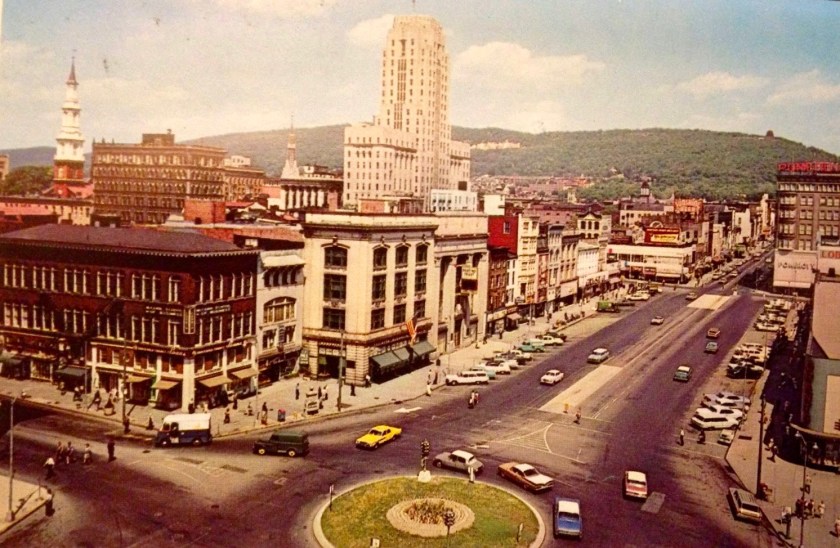
There was a time when downtown Reading, Pennsylvania had everything. Of course I’m thinking of long long ago when it also helped to be a kid to believe that.
Reading’s Penn Street was like a theme park to me back then in the 1950s. I grew up in a post WWll suburb of the city and could ride the bus downtown by myself and not worry that my mother would call the police to form a search party.
As soon as I hopped off, I’d head for the soft pretzel cart in Penn Square and the vendor with the horn-rimmed glasses and a smile who hardly ever said a word. His pretzels cost a nickel apiece and some days were fresher than others.
Occasionally, I came downtown to fold cardboard boxes at Imber’s— my grandfather’s store. At a nickel a box he vastly overpaid me. Mostly my trips were just to have fun and wander into the “Five and Dimes”— Woolworths and Kresge’s —the shiny precursors to today’s dull discount stores.
From baseball gloves at Kagan’s to Boy Scout uniforms at Croll and Keck, Penn Street was the place that had something for everyone and offered special attractions for me unlikely to be found anywhere today.
Take the fluoroscope at Farr’s shoe store at 5th and Penn, a tool intended to show how the store’s shoes fit. This was a device that allowed you to look down and actually see the bones in your feet as you stood under its beam in your new penny loafers.
Turned out that it was as unsafe as it was entertaining, maybe as bad as having a load of X-Rays at once but who knew? And who sued years later after they found out?
The only escalator in town was at Pomeroy’s, Reading’s multi story department store. It was wooden and wonderful to ride. Unlike today’s smooth metal stairways, it bumped and shook as its moving stairs made their orbits between floors. When its stairs flattened out and disappeared there was a gap large enough between the moving wood and the stationary terminus that you could fit your hand in it if you didn’t know any better. One boy I went to school with did just that and lost pieces of several fingers. If it had happened today, I bet he might not have had to work a day in his life.
And there was the treasure chest at the Crystal, the biggest restaurant in town. What a smart bit of marketing by the owners who filled a trunk full of small rewards for kids who had urged their parents to bring them to eat there. I got my first baseball cards out of the Crystal’s “Treasure Chest,” including an early one of the great Red Sox slugger Ted Williams. Too bad I have no idea what I did with it.
A kid could entertain himself up and down Penn Street. You could watch the trains as they squealed across the tracks that crossed at 7th and Penn eating a Coney Island hot dog while waiting to get a haircut if the barber let you.
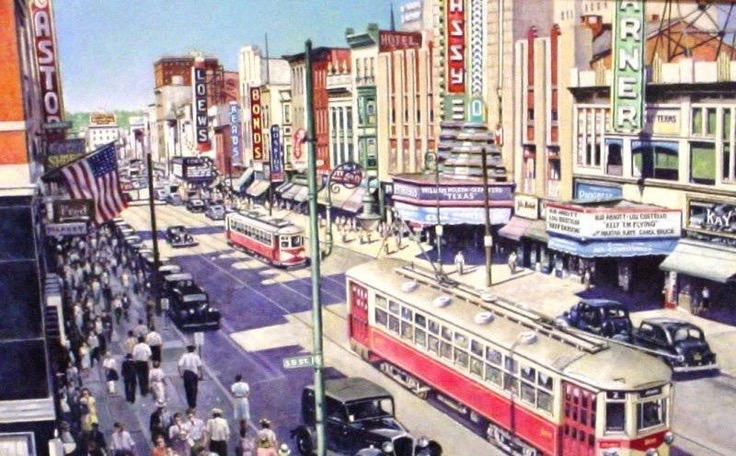
But some of my best times downtown as well as what turned out to be my worst were at the movies. Reading once had its fair share of movie palaces with the names of that era—Astor, Embassy, Loews and Warner. All are now gone along with the experience that came from buying a ticket to a grand theater as well as a movie.
And there was also the Park which was off limits to kids. If Penn Street had everything from A to Zeswitz— the music store where I bought my first record albums —then the Park Theater covered X. It was Reading’s home to the final years of burlesque as well as the early ones of Bridgett Bardot and later unadulterated very adult rated porn.
My first memories of going to the movies include “Mr. Roberts” starring Henry Fonda and Jack Lemon and “Guys and Dolls” with Marlon Brando and Frank Sinatra. My parents took me. But what they never heard about was the time I missed a day of 6th grade to go to the movies without them.
Two friends of mine talked me into it although I can’t claim it took much more than asking me if I wanted to join them. We were all Jewish and it was a minor Jewish holiday and so obscure and insignificant an observance that only the most devout regulars at Kesher Zion synagogue showed up for morning prayer joined by us, three kids playing hooky.
Our absence from school and appearance at the service was a sham. We were on our way to a double feature. On the theater marquee was a pairing that wasn’t exactly biblical. We had skipped class and bluffed God to watch “Frankenstein” and “Dracula” and I’m talking the classic hall of fame horror genre versions starring Boris Karloff and Bela Lugosi. Scary movies indeed!
That night as I lay in bed I knew falling asleep would be tough. Frankenstein and Dracula were either going to show up in my dreams or in my bedroom and I was powerless to choose. I was grateful for the street light down on the corner. At least I wasn’t totally in the dark. But suddenly a shadow streaked across my bedroom wall and I couldn’t move. I almost couldn’t breathe. Several more times the shadow seemed to lunge at me until I realized that it was created by each car that passed along the street outside my window. Nevertheless I was spooked for days.
Yes, I paid for more than just the two movies that day and I’ve never dared to watch either of them again. This particular wayward adventure downtown will always remain my Nightmare on Penn Street.
If clothes make the man, then I have never made it. Not that I didn’t have the opportunity. My father was a retailer–women’s ready-to-wear. My mother was fashionable and fashion conscious. Both my parents always dressed well. Our home movies show me in a camel hair coat as a toddler. I puked all over it on my first road trip. That could not have been premeditated but it did foreshadow my relationship with clothes for most of my life.
After college where nobody seemed to care about what they wore I lived on a kibbutz for seven years where even white collar job holders often wore blue collar work clothing– blue shirts, blue pants and black work boots. My entire kibbutz wardrobe could have fit in a shopping bag.
Afterward during my career in television news I was based in Los Angeles where Levi’s and sports shirts were almost de rigueur at the office and in the field and I happily followed suit so to speak. Costco became my outfitter and just how much so was apparent one day in a phone call to a Costco executive I wanted to arrange an interview with. I told him I was a Costco member.
“How many things are you wearing right now that you bought from us?” he asked.
“Hey, my pants, my underwear, my socks, my watch… maybe my shirt,” I answered. Yeah, I was a walking advertisement for the brand.
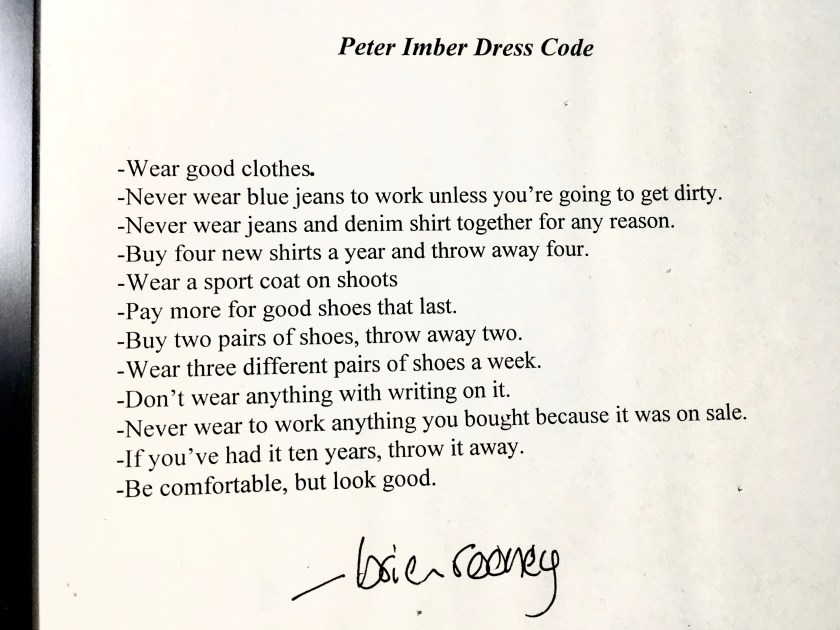
My colleague at ABC News Brian Rooney was my polar opposite when it came to apparel. Of course he was also an on camera correspondent and I was an off camera producer so how he looked really mattered but how I looked eventually must have mattered to him, too. It started with shoes after I was diagnosed with a foot injury called plantar fasciitis. The orthopedist’s office had another description for it– “Topsiders Disease”, named after the shoes I had been wearing for years that had no arch and as a result had likely inflamed mine. “You’ll never regret buying good shoes,” Rooney advised me at the time.
The next day he came into my office and threw a piece of paper in front of me with a more comprehensive set of guidelines. Its title was “Peter Imber Dress Code” and although it didn’t instantly change my life, it did immediately change my footwear buying habits. I purchased my first $200 pair of shoes. They were for golf and at the time the most comfortable shoes I had ever owned.
I left Costco behind in 2010 when my wife Jo and I moved to Maine. Actually, Costco left us behind as well since the closest one to where we live now is about a four hour drive. But when one retailing door closes another one opens and in Maine that’s abundantly clear which one. Maine’s state tree is the pine. Maine’s state clothes tree is L.L. Bean and quickly, I was all in. Free shipping, a generous return/replace policy and a flagship store open 24/7, what’s not to like?
L.L. Bean had it all. Shirts and pants and sweaters… But was I again falling into my previous Costco mode? So, at my wife’s urging I branched out. I bought a pair of dress khakis from Orvis that I even dry-clean. I have a beautiful shirt and tie from Brooks Brothers and three handsome sweaters purchased at Bloomingdale’s. As for shoes, I buy Ecco and Merrell and just discovered Hoka. I value comfort and quality now and pay for it. And I own not one but two parkas from The North Face. Wearing the same parka six months of the year gets boring even for me. Have I finally evolved as someone with a sense of or at least an appreciation for style?
Hmm… I guess I’m not all the way there yet. Yesterday, my wife pointed out and not for the first time that I have an abundance, no make that a preponderance of plaid and stripped shirts hanging in my closet. So, there’s work yet left to be done and before coming up here to my computer I realized my clothing choices may just have narrowed once again.
As I write this I am wearing what might be called the “Full Carhartt”– sweatshirt, jeans, socks… And yes, I’m quite comfortable. The wind is whipping and it’s cold outside.
I guess for now, if I’m not a fashionista, I’m at least a Fashion Nor’easter!
The summer before entering Dartmouth College my class was sent books to read in advance of our matriculation. One was by José Ortega y Gasset, the other I don’t remember. I do remember that I didn’t read either one so the lecture about them upon our arrival in Hanover was wasted on me.
Quickly though, I discovered that Dartmouth was not a place where I could blow through assignments and skate by. My professors were demanding and my classmates smart and during my four years I remember only one student who I felt didn’t have the brains to be there.
Maybe I’m being harsh about him but it was after midnight night in rural Virginia when he bridged a car in which I was a passenger on a railroad track. Missing the turn was forgivable and fortunately, there was a bar adjacent to our predicament and its customers streamed out to help lift our vehicle back on the road we had strayed from.
As we got back in the car the good and drunk samaritans started banging on the hood demanding money.
“What should I do?” asked our driver. “I can’t run over them.”
“No, but you can back the fuck up and get the hell out of here!”
I’m not sure I was the first to shout this but you get the picture.
That close call occurred during the spring of my sophomore year. I was on the golf team and we were on our spring trip having worked our way north from South Carolina. A place called Fripp Island had been our starting point. It was a newly completed golf course and had all the hazards you tried to avoid and an extra one that seemed more like a matter of life and death.
In addition to the usual sand traps and ponds there were alligators and our rounds took longer to complete since when we spotted a gator on the fairway none of us knew how to ask it to let us play through.
The final match of our tour was at the University of Maryland. I was playing as last man on our team but I ended up paired against Maryland’s best golfer who was being punished for showing up late. He was mad about that and in golf, unlike football, anger is not usually going to work to your advantage.
I had a great day. The Maryland number one had a bad one and I beat him. That night my teammates and I celebrated and I vaguely remember at one point making a hazy trip to the men’s room.
When I arrived back in Hanover I was faced with a decision I had to make. In order to enroll in the fall I needed to declare a major. I had considered sociology but a baffling encounter with a department professor who assigned us Jane Jacobs’ The Death and Life of Great American Cities to read squelched that idea.
It was a Tuesday when she announced that we were supposed to have it read by Friday– all 458 pages. I approached her after class.
“Professor, I’m not sure I can read the book that fast.”
“Look, let me tell you something,” she said. “Most people only have one idea they’re trying to get across. If they’re great they might have two and if they have three they get the Nobel Prize.”
She was out the door while finishing her last sentence and I decided that I’d explore a different subject for a major.
And so it was shortly after our return from the golf trip that I walked across the Dartmouth Green to the English Department offices. The afternoon tea at Sanborn House was for prospective English majors and I had put on a jacket and tie for the occasion that I presumed was expected if not required. If I had been holding my tea cup and saucer correctly, I might have avoided what happened next.
As I listened and nodded while circulating around the room in front of the nattily dressed professors of the department I soon became aware that none were making consistent eye contact with me. They were more focused on the center of my chest. As soon as I lowered my head to see why, I understood the attraction. It was my tie– The same tie I had worn into the men’s room the night after my big win on the golf course.
Puke does not exactly enhance a repp tie and in seconds I concluded that English was not going to be the best choice for my concentration of studies either during the next two years.
When we returned to school that fall I still hadn’t made up my mind about a major. History seemed an option and I went to the bookstore to see what courses I would be signing up for but while checking them out I saw a class on Africa that was being taught by a government professor who I had liked… Yep, in that instant I became a government major.
After graduation when I went looking for my first job I was asked by an interviewer what I had studied in college. I told him the story I’ve just related here, vomit stained tie and all… He almost hired me!
I heard a story a while back about a couple who hired a realtor to look for a house in Maine. They were elderly, both in their 80s and wanted to move from Florida to Maine year round. Their realtor was incredulous. “I have to say that it’s mostly the other way around. I’m often […]
I heard a story a while back about a couple who hired a realtor to look for a house in Maine. They were elderly, both in their 80s and wanted to move from Florida to Maine year round. Their realtor was incredulous.
“I have to say that it’s mostly the other way around. I’m often trying to sell a house for an older couple who want to move to Florida,” he confessed.
“No,” said the husband. “Our minds are made up we want to live here.”
“Well, you know the winters in Maine are long and often hard, but if you’re sure, I’m glad to help you find a place…Excuse me if I ask what’s your reason for doing this?”
The wife answered, “We’ve been traveling all over the country and reading the obituaries in the local newspapers wherever we’ve been. In Maine we’ve discovered people live to be the oldest. That’s why we’re here.”
In my career with ABC News I got to travel to some pretty small and remote places and I’d read the obituaries in the local papers where there were still local papers but I wasn’t that interested in the longevity of the deceased. I was looking for stories about interesting lives. More often than not the obits I came across were perfunctory but sometimes I’d find one that hinted at a lot more than a life of convention or quiet desperation– A life I could imagine as accomplished and admired or intrepid and inspiring.
I realized years ago that everybody has a story but most of the time (mea culpa) we’re more interested in telling our own than listening to theirs. I got the chance to tell stories for a living as a television news producer and sometimes that meant crafting someone’s obituary. Almost always it was somebody famous of course. Network News rarely ever did fanfares for the common man or woman.
My first paying job in journalism when I was a teenager was at the Reading Times where I grew up in Pennsylvania. I was a copy boy running teletype wire rolls (gone) to the editors, taking reporters’ articles typed on sheets of carbon paper (also gone) to the linotypists (so gone Spell Check doesn’t even recognize the word). And I had a few other responsibilities. One of them was reconfiguring the obituaries that appeared in the evening paper so that they weren’t identical in the next morning’s edition. It was a mechanical task. I just switched the order of the sentences around and substituted similar words wherever possible. It was actually a lot like doing a lazy term paper, trying to avoid both any original thinking and the suspicion I was plagiarizing.
College newspapers don’t have an obituary section and only now as I’m past 70 do I realize how unlike real life that bubble of time was. Real life includes death and as I began a career in journalism certain deaths that were unexpected as well as those that were inevitable were always going to be news. I went to work at CBS News in New York after graduation and was low man on the totem pole on the Evening News with Walter Cronkite. This also made me the youngest person on the staff. In the summer of 1971 Cronkite’s lead editor asked me for advice.
“This singer Jim Morrison who just died in Paris. Have you heard of him? Should we mention him tonight?”
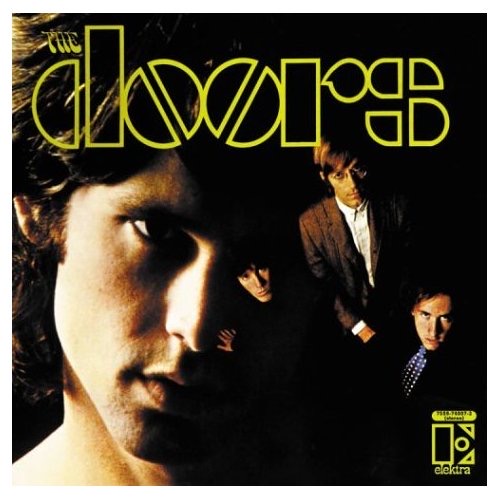
I told him yes and was dispatched to buy a Doors record album that was used as a picture behind the anchorman that evening. As far as I know I was the only one consulted about Morrison’s importance and for a brief moment I felt like I was a spokesman for my generation.
When I got to the ABC News Bureau in LA in 1982 we’d work up selected obituaries in advance for notable Hollywood stars whose health might be failing or were simply getting old. I worked on one for Katharine Hepburn that makes me smile even three decades later.
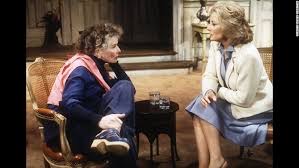
Hepburn did a number of interviews with Barbara Walters through the years and as we watched them I noticed something undeniable. Hepburn aged gracefully. If she was having any plastic surgery, it was not detectable. On the other hand Walters kept getting better looking as time went by. When the final tributes are paid to her and she’s shown doing the weather when she was the “Today Girl” 50 years ago, see if you agree with me.
During my career I learned a few things about when not to die if you’re famous. You don’t want to die on the weekend for instance when hardly anybody’s watching the news and skeleton news staffs don’t have the resources to put together something you’d consider worthy of your status and accomplishments. And you don’t want your demise to be competing for space with some other big event. Take Richard Burton, he had the misfortune of dying during the 1984 Los Angeles Summer Olympics and on a Sunday to boot. He may have played King Arthur in Camelot and been married twice to Elizabeth Taylor but he was upstaged by the athletic heroics of Michael Jordan and Mary Lou Retton. ABC which was the network of the Olympic Games back then barely granted him a last curtain call.
And there’s another situation that you want to avoid if you’re a celebrity and at all able to put off knocking on heaven’s door. On October 10, 1985 Orson Wells and Yul Brynner died on the same day and got equal time on ABC’s World News Tonight with Peter Jennings. This was probably half the amount of recognition they each might have gotten otherwise had they each died on different days.
Actually, despite Welles having starred in and directed Citizen Kane, one of the greatest films of all time, Brynner might have garnered a bit more coverage because there were powerful television public service announcements he made before his death about the dangers of smoking that caused his lung cancer.
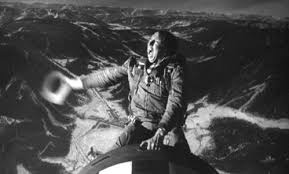
For a posthumous TV tribute sometimes you only needed to be cast in a memorable moment occurring in a movie to make it into millions of homes. Take Slim Pickens. He might not have had the career of an author like say Grahame Greene but Slim rode a nuclear bomb into oblivion at the end of Dr. Strangelove which for TV is a picture worth infinitely more than the 500,000 words Greene produced with his work on the page. Greene’s acclaimed literary trove where the visuals he created could only be imagined inside one’s head was indeed slim pickings for television in comparison and his closing chapter went unread by any TV newsperson.
I got to do Roy Rogers’ obituary the day he died and was faced with a surprising challenge. It was a no brainer that we’d use Roy and Dale Evans singing “Happy Trails to You” in our remembrance. It was heard at the end of every episode of their TV series that my generation watched growing up. And that was the problem. “Happy Trails” was sung over the closing credits but you never saw Rogers and Evans actually singing it on camera.
Fortunately, we found a guest appearance by Rogers on a variety show where he performed his signature tune mounted on his horse Trigger so that we could have Roy ride off into eternity serenading us.
The business of doing an obituary before a person actually dies is certainly prudent journalistically but it occasionally upset those asked to participate in the effort. Case in point— Bob Hope. He warranted extensive preemptive preparation and I was assigned to work up a story on how he had influenced comedy as well as his peers.
I had no problem lining up contemporary comedians like Bill Maher (unpleasant but gave us a good soundbite) and Arsenio Hall (nice guy who gave us an even better soundbite). But I also wanted some of Hope’s contemporaries and was getting no where. In fact at one point I thought I might be heading for big trouble after I had this exchange with Sid Cesar’s agent.
“So, let me get this straight. You want Sid to talk about Hope as if Hope is already dead?” said the agent.
“Well, not exactly. We’re preparing a story about Hope that will be broadcast when he dies but we want to do it ahead of time.”
“So, Hope will be dead when you show this, right?”
“Yes,” I admitted.
“So Sid will talk now but Hope may as well be fucking dead!… I know Roone Arledge and you should be ashamed of yourself.”
A few years later I did a much better job convincing no other than George Lucas to do an interview for me well before the death of another filmmaker Akira Kurosawa. I knew Lucas revered the Japanese director above all others and had credited Kurosawa’s film “The Hidden Fortress” as an inspiration for “Star Wars.”
After making a request for Lucas’s help I received a phone call from his representative.
“As you know George is a great admirer of Kurosawa but he feels uncomfortable speaking about him now and says he would be glad to do so if you ask him upon Kurosawa’s death,” she told me.
“I’m afraid on the day when Kurosawa dies, we won’t have time to get a camera to you. Please tell Mr. Lucas that giving us his thoughts ahead of time would be the surest way for him to have a chance to pay tribute to Kurosawa when that day comes.”
I usually don’t think quite as quickly on my feet but I had this time and got a call back the next day telling me George Lucas would be available for us to interview within a week.
Akira Kurosawa passed away six years later. It was on a Sunday and there was no other earth shattering news breaking on the planet. The obit I had produced, written and edited was in moth balls somewhere in the vaults of ABC News headquarters in New York. I phoned there to make everyone aware of its existence but by thenKurosawa had through no fault of his own committed the ultimate dying gaffe that conspired against my homage and George Lucas’s salute to him ever getting on the air. For our perceived audience he had outlived his success and fame.
I’ve tacked on that obituary here for you to see now. I hope you will watch it. I think he might have liked my opening line…
I grew up in the Pretzel Capital of the World— Reading, PA. Pretzels were a part of our education. We learned about the origin of the pretzel in elementary school and were taken on a field trip to a pretzel factory.
Although Reading is in what’s called the Pennsylvania Dutch Country– from the German (Deutsch) not the Netherlands (Dutch) –it is believed that the pretzel was invented in Italy about a millennium ago. The story goes that a monk there baked pieces of dough that he fashioned in the shape of a child’s folded arms while saying his prayers. The monk’s treats for children who did a good job praying became known as “pretiolas” or little rewards in Italian and actually passed along their heritage when they morphed from the Latin brachiatus (having branches like arms) into the German word brezel and eventually pretzel.
Over time Germans have certainly been the people more associated with pretzels so as a youngster in a town where every store had at least one employee who could speak “Pennsylvania Dutch” and one of the local radio personalties was “Professor Schnitzel” we never heard about the pretzel’s Italian roots in our history lessons.
Reading had a lot of pretzel makers when I was a kid. Bachman pretzels were sold nationally but locally, I remember Quinlan, Sturgis and Billy’s, the latter were called Billy’s Bretzels. These were all what are known as hard pretzels, the kind you buy at the store.
However, the very best pretzels weren’t at the supermarket. They were street food sold out of carts in Reading’s main square for a nickel apiece— delicious soft pretzels that if you were lucky were still warm from the oven. The carts have been gone for decades but somewhere I have a picture I took of one of the pretzel cart men who I frequently bought mine from but with whom I doubt I ever exchanged a word.
In summer at our local public swimming pool the snack bar sold pretzel rods and like hot dogs they were refined by slathering them with mustard. Pretzels were even a part of local sports, not good for cheering but handy for jeering …
“Pretzels and beer, pretzels and beer, Ach du lieber, Reading’s here!”
And maybe the height of the pretzel’s status in our city took place for years at the local college which annually dubbed one of its football team’s home games “The Pretzel Bowl.” I attended one and at half time— and I’m not making this up —a small plane dropped pretzels on the stands.
In the beginning all Reading pretzels were handmade and the average worker could twist 40 a minute. By the 1930s the first automated pretzel machinery enabled bakeries to make six times as many a minute and with most of the country’s pretzel production being done in the Reading area its reputation as the pretzel capital was unchallenged.
Even today 80 percent of pretzels produced in the United States are made in Pennsylvania but I still was amazed when I moved to Maine to find my favorite Reading pretzels for sale here. I’d never seen this particular brand— Unique Splits —sold outside of Berks County.
I wondered how that happened and as a recovering journalist it didn’t take me long to find out. Morse’s Sauerkraut and European Deli is about a half hour drive to North Waldoboro from where I live in Camden. If you don’t know it’s there, you’ll never find it.
Morse’s improbably has the most food items in their store that you won’t find anywhere else in Maine. Turned out the owners were told about Unique pretzels by a customer and ordered some. The pretzels did so well other food and fish markets nearby had Morse’s order for them, too.
This revelation gave me an idea. The other exceptional and exceptionally unhealthy food speciality that Reading is famous for is its potato chips. Not just any chips but potato chips fried in lard. So, revise famous to read notorious. The best of these chips in my opinion are made by Dieffenbach’s in Womelsdorf but there are competitors like Good’s who make two types of lard chips— Good’s Blues and Good’s Reds. The two used to be made by separate members of the same family but they called a truce a few years ago and merged. Within 25 miles of Reading there are probably a dozen potato chip companies.
After complimenting one of the owners at Morse’s about his great taste in pretzels I told him about my favorite potato chips and suggested they’d be another hit from the calorie unconscious countryside where I grew up if he chose to offer them.












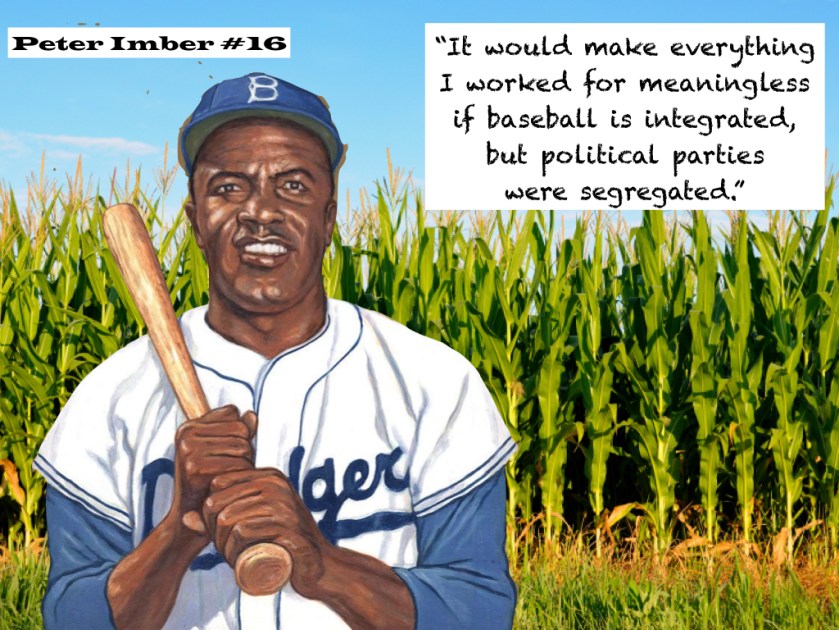 April 15 was Jackie Robinson Day, baseball’s annual tribute to him that marks the day in 1947 when Robinson became the first black to integrate the major leagues. I got to see Robinson play for the Brooklyn Dodgers in Ebbets Field when I was a kid and he had to leave that game after colliding into the wall chasing a foul ball.














 pawnedaccordion