The list above of countries where civilians have the most guns is both shocking but not surprising. Yes, and if you didn’t know we have more guns than people in America. No other place on earth even comes close. I don’t see a need to comment further. What can I possibly add?
In my life I’ve only fired guns in two very different even perhaps incongruous situations. The first was at a summer camp in Maine named Androscoggin. The second was when I served in the Israeli army. Let me be clear immediately and say I never had to shoot at anybody, only at targets.
Camp Androscoggin was an island in a lake and its rifle range sat against the island’s shore. We shot .22 caliber rifles which are used for marksmanship training, small game hunting and pest control. Of course if they can kill a rabbit or a rat, a well placed shot could kill a human being and at camp we fired into targets that were posted against a wooden backboard that had the lake just behind it.
I see now that bullets from a .22 can travel over a mile and I was not aware what if any precautions were taken to prevent us from maiming any boaters in the area who might potentially have been sitting ducks. Were there bales of hay behind the backboard to catch the rounds? I don’t remember. Were any of us such a bad shot or a juvenile delinquent that we would miss the target accidently or the backboard intentionally? I don’t remember.
What I do remember is what I consider a life lesson that I’ve had to learn over and over. I’ll describe it and I think you’ll understand.
We shot in a prone position at our targets which means one lies flat on his or her chest and puts one hand under what’s called the forestock of the rifle that’s under the barrel while the other hand is placed on the gun’s trigger. It’s simply the most stable position for accuracy and we aspired to that. Our sessions on the range certainly included lessons on gun safety but were also competitive when it came to shooting accurately.
Over a half century ago the National Rifle Association wasn’t an inexorable threat to sane gun laws and a political noose around many American politicians’ necks who might push for us to have them. The NRA’s programs included one for teenagers and lots of summer camps offered it. The picture below is of Androscoggin campers in the 1940s. The patches are what campers like myself aspired to earn from the NRA in the 1960s.
I think I probably qualified for at least the most basic ranking or maybe not but one day down on the Androscoggin range I was shooting beside the best marksman in camp and after we finished firing and retrieved our targets he was angry…
Him: “You shot at my target!”
Me: “I did not.”
Him: “Yes, you did. I don’t shoot flyers!”
A flyer was a shot that missed the round black area of the small target that contained concentric rings which at its center was a little circle– the bullseye. You were scored on where your bullets penetrated the rings with the maximum score being hitting the bullseye. My shooting neighbor almost always scored bullseyes and never had flyers. But at the time his fuming struck me as conceited.
It was only years later I realized that people with an exceptional talent aren’t necessarily conceited at all. They know their capabilities and expect you to respect them. If Vladimir Horowitz had sat down to perform at a piano in Carnegie Hall and it was badly out of tune either he or the piano tuner or the Steinway would have hit the highway or maybe all three. As I’ve mentioned I’ve had to relearn this lesson more than just that once.
On the other hand I had an experience during my service in the Israeli Army where missing my target didn’t work out the way I had hoped. During my year in an artillery battery in the Sinai Desert in 1974, my unit mostly stayed put in our position back from the Suez Canal. To break up the boredom we had training exercises of course and performers who came to entertain us, lecturers– I saw my first pocket calculator when a professor brought one to show us –even guided nature hikes with our M-16s on our shoulders.
But then there were the tryouts for the “Army Olympics.” As you might imagine the events were not ones ever thought up by the ancient Greeks or any host nation to this day in the era of the Modern Games. There were pull ups with a weighted vest, squats with jumps over a low bar and a heavy backpack endurance run which was immediately followed by a sprint without it.
I wasn’t excited by these opportunities to try out. I had a weekend leave coming up and if I made our team in any of these events it would be delayed. I didn’t have to dog it at all not to qualify in pull ups or squats but I was in good shape and I was pretty sure I could have, even with the weight on my back, made the team in running if I had wanted, but there was one other event that I needed to fail at– target shooting. When it was my turn, my intentional aiming outside the target drew the suspicion of one of our battery’s lieutenants.
Him: “Imber, I know you can shoot better than this. Reload!”
I did but even trying I still avoided making the team and a few days later stood in formation when those getting leaves home would be announced. I was dismayed when our captain told us that since the soldiers who were our team heading to the Army Olympics in a few days, there would be no leave for anyone else until they returned.
I was further annoyed after the team did return and at the next formation when I expected my delayed short furlough would be announced I heard this instead…
Captain: “We did really well at the competition and as a reward for all of you who were part of the team, you have earned a week’s leave. Others who were scheduled to go home today will have to wait for them to get back.”
Another lesson learned? Well, maybe there are actually times when I guess it’s best not to aim too high!
—————–
ReplyForward
Under the heading and asking the question, “Does history repeat itself?”
The Story of Samson in the Old Testament
The Philistines brought Samson to Gaza and bound him to two pillars in their temple for the amusement of the Philistine worshipers to witness. Samson prayed to God, asking for his strength to return to him one more time. Judges 16:28
God responded and Samson with a final burst of strength pushed against the pillars and brought the entire temple down, killing himself and all those in it with him.
The text concludes: “Those he killed at his death were more than those he had killed during his life.” Judges 16:30
The Story of Bibi in the Hebrew year of 5783
“There was no rule Benjamin Netanyahu would not break in his quest to return to the prime minister’s office – including legitimizing Israel’s most racist party and its leader Itamar Ben-Gvir.” (Haaretz 12/29/22)
“Benjamin Netanyahu finally disengaged on Monday from the democratic, liberal, progressive, enlightened, and Western Israel of which he used to boast. He has made a blood pact with the racist, messianic, ultra-Orthodox and nationalist State of Judea. This group will bring destruction upon him, but no one can find joy in this; a similar fate awaits the country itself.” (Haaretz 7/25/23)
Why now, did I remember this? In 1955 I was in third grade and a Brooklyn Dodgers fan. One afternoon that fall a teacher at our four classroom schoolhouse came running out onto the playground yelling…
“The Dodgers won the Series!”
She was a fan of the team like I was and 1955 was the first World Series Brooklyn had ever won after losing seven, five of which were to the New York Yankees.
I can’t explain why one memory remains more vivid than another, especially if they are not traumatic. I wonder in the future if and when A.I. becomes able to perceive and feel things if it will also have inexplicable random memories?
I carry around a bunch of mine of course and some are connected to my career and soundbites from news stories I did a long time ago. Two have surfaced this past week because of current news events.
One was back in 1988 and involved the spotted owl which was endangered then and still is today and the couple of sentences from a conservationist fighting to save the owl were perhaps the most trenchant I ever heard while on the job…
“Environmentalists are like mizers.
We’re hard to live with but we make great ancestors.”
The second occurred on the day that O.J. Simpson was found not guilty of murdering his ex-wife and her friend in 1995. Despite damning evidence and a feeble alibi, the handling of the case by the LAPD, the district attorney and the prosecutorial team was badly bungled and the jury, half of whom were Black, acquitted Simpson.
Los Angeles was profoundly divided by the outcome. While the city’s White population was shocked, many of its Black citizens saw the verdict as retribution– pay back for their own life experiences.
As a producer for ABC News assigned to cover the story and trial for over a year, I was not surprised and all but certain Simpson would not be convicted. On the day that happened one woman summed it up for me with a soundbite in the piece I produced on the city’s reaction…
“We told you. Don’t say we didn’t tell you!”
Maybe my trip down soundbite memory lane doesn’t fit that well with the two cartoons and the events that occured this week in California and Arizona that triggered their recollection but we have been warned. The increasing examples of the impact of climate change are here and dramatically real.
State Farm is cutting off the issuance of new homeowner policies in California and perhaps made that decision after learning of a study that predicts it would be possible for a catastrophic fire there to burn down 50,000 homes in one night.
Phoenix is one of the most rapidly expanding metropolitan areas in the United states. Drought there has persisted for well over a decade. For a long time the Southwest has been living on borrowed water from the Colorado River. Now, unless it can put the brakes on growth and succeed at implementing conservation it may soon be living on trucked in bottled water.
I’m lucky we live here in Maine where we still have plenty of water and Smokey Bear might even qualify for unemployment. But it doesn’t mean we have nothing to worry about. And it doesn’t seem to me we’re really listening to the mizer-environmentalists either. Our ancestors may most likely not think of us as great.
—————–
Before Arnold Palmer and Jack Nicklaus, before Tiger Woods there was a golfer just as equally revered and famously taciturn. His name was Ben Hogan and when asked by amateurs and fellow professionals alike the secret to how he managed to become one of the greatest strikers of a golf ball ever, his response is legendary.
Said Hogan, “The answer is in the dirt.” By which he meant that to perfect his skills and achieve his goals he practiced so much and hit so many golf balls that his hands would bleed.
Needless to say the announcement yesterday by the Professional Golf Association of America– the PGA –and the upstart and Saudi backed golf tour– LIV –that they intend to merge was stunning but let me sum up my opinion of how and why this happened by simply quoting Hogan. Yes, I think the answer is in the dirt.
Let’s call it a tale of two deserts.
I’ll start in the Arabian. I just looked it up and ironically, a barrel of crude oil today is priced at $72. That’s equal to a score of par at the majority of golf courses around the world and is the par at Royal Greens Golf and Country Club near Jeddah, considered the best course in Saudi Arabia.
Saudi oil wealth built this course and a dozen others in recent years in one of the most water stressed countries in the world and one of the least likely one might think to embrace arguably the most water dependent sport on earth.
The Saudis may produce only 12% of the world’s oil supply but had a net income of over $160 billion USD in 2022 and claimed it to be the largest profit ever recorded in corporate history.
When you have a commodity the world needs and depends on for energy and fuel and other essentials like plastics it explains how Saudi Arabia can afford to build and buy almost anything it wants from lavishing hundreds of millions of dollars on professional golfers and soccer players to nearly a half billion more for a single painting by Leonardo da Vinci.
The second desert is California’s Mojave. It too has commodities it pulls out of the ground. Borax is one of them and beyond being a bleach in laundry soap it has other applications from strengthening fiberglass to preserving fresh flowers.
If you were a kid like me growing up in the 1950s, you likely remember a television show called Death Valley Days. It aired for nearly 20 years and over 450 episodes. Ronald Reagan only hosted 21 of them but his commercials for Boraxo were all I knew about him before he became a politician. Here’s a link to one he did with his daughter Patti…
It certainly sounds like borax is valuable and about one third of the world’s known source of it along with boron is mined in California’s Mojave. But it’s worth a pittance compared to oil. Last year America’s share of the borax global market amounted to just over $350 million USD. I don’t know how much of that was profit but even if all of it was, that figure is way less than even 1% of what Saudi Arabia made from its oil exports.
Years ago Jo and I drove the back roads in the Mojave and came upon the town of Trona. It was one of the more desolate places I’ve ever seen. It was so dry and so poor that we learned that the high school football team played on a dirt field since the town couldn’t afford the cost of irrigating one with grass.
Being a golfer I discovered that despite the barren landscape there was actually a golf course in Trona. Its fairways were the desert floor and its greens were shaped from sand that had been rolled smooth but required raking after you walked on them. I didn’t have my golf clubs with me so I didn’t play which would have cost $5 to be deposited in a metal box that had posted on it “Beware of Rattlesnakes.”
I just tried to book a tee time at the Royal Greens Golf and Country Club in Saudi Arabia and got back a message that no times are available but I’m sure it would cost more to play than Trona and rattlesnakes wouldn’t have been a concern. That’s OK. I can’t see I’d ever make it my dream to play either golf course but both seem to have been created on similar terrain in a similar environment.
You would be accurate to claim that the PGA’s pivot from adversary to partner with the Saudis is all about money but I wonder about this. If pipelines like those in the Arabian desert had been flowing with oil in the Mojave instead of mules trudging there weighted down with borax, would that golf course in Trona today have been as green as St. Andrews in Scotland? You’ve probably already guessed the answer. Yes, it’s what Ben Hogan said, it’s what was below and in the dirt of both deserts that created the disparities in wealth and in golf courses.
In the past year Saudi Arabia’s oil had already bought dozens of professional players for their new golf venture, some of whom are among the world’s best. Now, it appears the Saudis may have bought professional golf in its entirety.
Golf is not the Boardwalk property in the game of Monopoly but the Saudis apparently now hold a Get Out of Jail Free card and have passed Go without even bothering to collect the $200. We shall see where the next roll of the dice lands.
—————–
“Minutes after former President Donald Trump announced that he was being indicted on federal charges, his 2024 campaign launched a new effort asking for donations to combat the ‘election interference.'” —Newsweek
“The poor folk came to me readily, because I never did them any unkindness: on the contrary, I loved to help them.” –St. Joan of Arc
—————–
In a criminal trial in an American courtroom there are two sides– the prosecution and the defendant or defendants represented by their defense attorneys.
On an American football field there are two teams and at any point in a game one is on offense and one is on defense. One team is in possession of the ball with the opportunity to score points and the other has the task of trying to stop them.
If I compare Donald Trump’s latest indictment to a football game, he may technically be on defense but he’s using a playbook that has him running, passing and kicking the ball down the field.
In short the evidence of crimes committed by Trump that the prosecution has presented may be strong but Trump’s strategy and tactics will, if they have not already, keep America on the defensive for the foreseeable future.
I don’t often offer anything beyond my own cartoon and commentary but today I have read two articles that sum up the Trump “playbook” astutely and chillingly…
Using the Berlusconi-Netanyahu Playbook,
Trump Can Save Himself
Anshel Pfeffer in Haaretz
The only thing that matters to a political populist fighting an investigation and indictment is not the allegations, but how many people they can get to doubt those allegations and believe that the politician is the victim.
If you can convince enough on your side that it is all a witch-hunt, the court of public opinion will be stronger than the actual court system. They will force your own party to remain behind you. In Italy Silvio Berlusconi and in Israel Benjamin Netanyahu prove it can be done. And it’s much too early to bet that Trump will fail to do so too.
Netanyahu and Berlusconi also defied their indictments and despite them, both made it back to office. Netanyahu is once again Israel’s prime minister, despite multiple ongoing corruption cases against him in the Jerusalem District Court. Berlusconi holds a senate seat, is leader of a right-wing party and one of the kingmakers of Italian politics.
The idea that a damning indictment is a political death sentence belongs to a quaint era of gentler politics. Indictments and convictions are hardly an obstacle to a political comeback in today’s “developed democracies.” One can add to this list Argentina’s Cristina Fernández de Kirchner and Brazil’s Luiz Inácio Lula da Silva, both of whom returned to office despite criminal convictions.
Trump still has plenty of tricks he can use from the Bibi-Berlusconi playbook to stay in the game. He’s already playing them. And while each country’s political context is unique, the rules of facing down an indictment are the same. Here are the seven basic tactics for politicians determined to beat the prosecutors, all of which are already being used by Trump:
Cry Witch: The investigators and prosecutors assembling the case are no honest public servants but a cabal of politically motivated hacks, who together with political rivals and the hostile, lying media are engaged in a “witch-hunt” to subvert the will of the people.
Use the Accusations: Don’t try to play down the allegations against you. Repeat and ridicule them as proof of the lengths to which the dark powers of the deep-state are prepared to go to bring down the People’s Champion. Not everyone will believe you, but enough will to keep you in the running.
Defend Democracy: The only reason for the indictment is that those serving it know you can’t be beaten at the ballot box (for this some creative interpretation of election results is necessary) and therefore they are trying to use non-democratic means to deprive the people of their true choice.
Selective Enforcement: To prove your case, dredge up and inflate seemingly similar allegations against rival politicians to show they were let off the hook by the corrupt prosecutors and media.
True Leader: To solidify your base and discourage potential challengers, build a narrative to the effect that your political camp has no other serious leader who could win the election and therefore an indictment for personal wrongdoing is actually an assault on the “majority” of the population who share your political beliefs. This is often the most crucial step. Netanyahu succeeded in cowing any leadership rival within his own Likud party. Boris Johnson, the former British prime minister, played by all these rules but lost the support of the Conservatives and couldn’t go on.
Play for Time: Indictments are always damning when they come out but as time passes, many citizens grow bored and tired of hearing the details. Fighting every step of the way in the legal process promotes the feeling that you are being prosecuted for inconsequential trivialities and that it is all a waste of time and public resources.
Never Give an Inch: Resigning until the full truth comes out is for losers. So are plea bargains. Power can be used to intimidate prosecutors and subvert the process. Hold on to office no matter what and if you lose an election or are forced out, keep trying to come back.
Playing by those rules is what enabled Netanyahu and Berlusconi to come back again and again, and it is now Trump’s road map both to reelection and staying out of jail. The resignation statement made on Friday by Johnson, who is under investigation by a parliamentary committee for having lied in the House of Commons about his flouting of the COVID-19 social distancing laws, was another example from the same playbook.
Johnson made it clear in his statement that he was being forced to leave parliament “at least for now,” but that he was only doing so because he knew that he was about to be forced out by “a kangaroo court.” He is already launching his comeback campaign but having lost his party, taking back the country will be a lot more difficult.
The only thing that matters to a political populist fighting an investigation and indictment is not the allegations, but how many people they can get to doubt those allegations and believe that the politician is the victim.
If you can convince enough on your side that it is all a witch-hunt, the court of public opinion will be stronger than the actual court system. They will force your own party to remain behind you. Berlusconi and Bibi prove it can be done. And it’s much too early to bet that Trump will fail to do so too.
Trump’s Survive-the-Unsurvivable Plan
Alex Thompson in Axios
Never in the history of American politics has one man survived and even thrived off more terrible news than Donald Trump. The former president has racked up impeachments, investigations, and indictments at a pace never seen in America. Yet he persists — and often comes out stronger.
Trump’s had a lot of practice at surviving the unsurvivable. So his team has developed a playbook to repeat during bad news…
Pre-release: Trump will preempt any damaging announcement by releasing new information himself beforehand to try to blunt the impact of coming revelations.
Whataboutism: Trump will try to muddy the waters by pointing to any mistakes — real, exaggerated, or false — by his opponents.
Martyrdom: He will tell his supporters that any allegations against him are part of a larger conspiracy against his cause to fight the establishment.
Solidarity: Even before all the facts are known, Trump has his allies hit the airwaves to claim that he is innocent or his enemies are corrupt.
Shamelessness: Trump never hides or acts embarrassed, even in the face of damning information.
Flood the zone online: Trump’s team prepares large volumes of content ahead of time to pump out on social media.
Raise big money: Never waste a chance to raise money — especially if the Justice Department indicts him for obstruction and mishandling classified materials.
Go apocalyptic: “In the end, they’re not coming after me, they’re coming after you — and I’m just standing in their way,” Trump said Saturday at a rally in Columbus, Ga., his first appearance since the Florida indictment. He also said: “This is the final battle.”
Trump is the first president in U.S. history to be impeached twice. He’s now the only former president to be indicted on federal charges. He may be indicted even twice more — for his part in efforts to overturn his election loss in 2020.
In Camden, Maine today the sun is shining after a stretch of gloomy weather. If it is also a nice day where you are, enjoy it. I fear stormy times ahead.
—————–
Question– What has a shorter shelf life: a banana or a strawberry?
Answer– The news.
Donald Trump was arraigned again yesterday and this time on charges that if convicted, usually send the accused to prison– a historic/horrific first for a former president of the United States. And I think it will be old news before the bunch of bananas and the carton of strawberries sitting in our kitchen rot.
Last week golf was big news. The agreement by the Professional Golfers’ Association of America to merge/be bankrolled by Saudi Arabia caught the sports world as well as those who play the game for a living by surprise. But this week the U.S. Open– one of the four so-called “major” golf tournaments –is being played in Los Angeles and whatever controversy and discussion surrounding the new deal will most likely be tiptoed past by commentators and hardly on the minds of spectators in the galleries on the course or television viewers watching at home.
I guess it’s human nature. We move on and in the world we have created for ourselves everything seems to have speeded up because there is so much news and such easy access to all of it and an unceasing bombardment of it that’s tough to avoid. Our brains may not be mush at this point but maybe they are becoming like bananas and strawberries.
However, let me drill down literally on the venue for this week’s golf tournament, the Los Angeles Country Club. I say literally because there is a subterranean LA that you may be surprised to know that has nothing to do with LA’s often trend setting underground culture– nothing to do with music or clothing or cuisine.
The Los Angeles area has nearly 4,000 derricks extracting oil from over 50 oil fields. Some are visible and some are incognito– hidden in buildings and backyards. Members at two golf courses– Rancho Park and Hillcrest –not far from the Los Angeles CC, at one time shared the royalties from oil revenue produced under the turf they played on.
I don’t know if the ground beneath the fairways and greens at the LACC flows with Black Gold but I do know that the property– the land itself –has been appraised at upwards of $3 billion to $20 billion. That’s a huge range but let’s take the lower estimate. How much do you think the Los Angeles Country Club pays annually in property tax? If I told you $200,000 are you surprised? That amount hasn’t changed since 1978 and that’s because of a California law called Proposition 13, Bob Hope and the club’s members not dying fast enough. Yes, all three!
Here in Maine Jo and I pay an annual tax of over 1% of our property’s assessed worth. If the Los Angeles Country Club was paying at the same rate for the lowest estimate of its land’s value, their bill would be $30 million.
If you have a half hour and want to find out how this is possible and want the whole story including Bob Hope and the mortality rate of the LACC’s members, please click on the link below and listen to an episode of Malcolm Gladwell’s podcast Revisionist History.
But while I’m taking jabs at wealthy private golf clubs in general and the LACC in particular I have two more stories– one I know to have happened, the other is allegedly true –and both are why Esther Williams and Victor Mature are standing tall in today’s cartoon.
Esther Williams was the fastest female swimmer in America when she was a teenager who then became a movie star. Her films like Million Dollar Mermaid with choreography by Busby Berkeley popularized the sport of synchronized swimming.
In 1991 she was to be a guest of honor at a charity event at the Los Angeles Country Club and showed up wearing black silk pants and an Oscar de la Renta jacket. However, when she arrived she was ushered into a sideroom and instructed to change into one of the skirts the club had on hand for violators of its dress code for women.
The Country Club’s rule was that ladies had to wear dresses or skirts whether on the golf course or in the club house. Williams refused to change and left. I love the quote she gave to the LA Times afterward…
“I don’t think I would have been a movie star if I didn’t make waves, so to speak.”
Not so long ago the Los Angeles Country Club’s policy toward Jews and African-Americans was as discriminatory as its attitude about how women had to appear. It was only in the 1990s that the club accepted its first Jewish and Black members.
The ban back then extended to Hollywood types as well. Crooner Bing Crosby’s application to join was rebuffed and then there was Victor Mature. A member invited Mature to play golf at the height of his fame and when the actor inquired about membership this exchange supposedly took place…
Member: “Victor, I’m sorry but the club hasn’t ever accepted an actor as a member.”
Mature: “I’m not an actor and I’ve got 64 films to prove it.”
Fortunately, the players participating in the U.S. Open this week include many who just a few decades ago would not even have been permitted to set foot on the Los Angeles Country Club grounds. Nobody will even bring that up now I bet and that’s progress I guess.
—————–
To be sung to the tune of “I’ve Grown Accustomed to Her Face”…
I’ve grown accustomed to this cell
It almost makes me think I’ve sinned
I’ve grown accustomed to the fact
You never had my back
Your lies, your rants
Your golf shirts, the XXXL pants
Are dirty laundry to me now
Like grieving out and seething in.
I was politically independent and “hail fellow well met”
No way I’ll ever be that way again
And yet
I’ve grown accustomed to this cell
Accustomed to my fate
Accustomed way too late *I’ve Grown Accustomed to Her Face is a song from the Broadway musical My Fair Lady. The music was composed by Frederick Loewe and the lyrics written by Alan Jay Lerner. I beg their pardons.
—————–
Ok, what’s wrong with a birdhouse with a camera that can show you and even identify the type of bird that lands in front of it? Why when I saw one of these things, did it make me feel discouraged? Answer: Privacy isn’t even for the birds anymore.
It now seems like an eternity ago that I wanted to do a story about surveillance cameras. I was shooting another piece about a book that had just been published that mapped out shortcuts and alternative routes for driving in Los Angeles whenever the freeways were backed up by using what locals call “surface” streets.
It was 1991 and as I gathered video for the story, I was in the room of the city’s traffic monitoring center. Seeing the many screens,…
… I realized that the ability to follow any car and its occupants almost anywhere as it traveled around the city was already possible and that tracking anyone’s location even when they weren’t in their car was becoming increasingly easy.
Even then I began to feel that we were all like Hansel and Gretel leaving bread crumbs behind us as we were seen and recorded by more and more cameras and the time and place of our whereabouts was becoming a giant passport being stamped by our credit card and ATM transactions.
My original pitch to do a surveillance technology story for World News Tonight was perhaps a bit too early and rejected but just a few years later a couple other of my ideas about what were then considered new and unique uses of it were approved and broadcast.
Today, wiretapping is wireless and on any given day even here in Maine I can assume that my face passes in front of security cameras a few dozen times that could add up to several hundred times a week. I don’t expect that I have privacy anytime I leave the house or send an email or text. Do you?
Now, of course we all have our own surveillance cameras on our phones in our pockets and purses when we choose to use them. But let’s focus on just the cameras we encounter everyday– the CCTV or closed circuit television ones –that have the full time job of watching us.
It’s estimated that there are over a billion surveillance cameras operating in the world now and that number will only grow larger. As you might guess, over half of them are in China with an astonishing one camera for every resident in its major cities. But the United States is in second place with two cameras for every 10 people in our own urban centers.
The difference of course between China’s cameras and ours is who is mounting them and who has access to what they see. China’s are almost entirely monitored by the state, as is an individual Chinese citizen’s internet use. Even if most of America’s cameras and internet are not seen by our own government, the potential that they could be is something to certainly be concerned about.
One of the last stories I did at ABC News was for Nightline and about Pandora— the pioneering music streaming service that was the precursor to Spotify and Apple Music. At their headquarters we saw how individual pieces of music were categorized and curated so that if you wanted to listen to a channel devoted to the Grateful Dead you might also hear songs by The Allman Brothers and The Band which human evaluators at Pandora deemed you would also like.
But the most memorable thing I learned was during our interview with one of Pandora’s creators about how well they knew and could track their audience.
“We can probably give you an accurate estimate of the number of women driving pickup trucks in Phoenix listening to one of our country music channels in the afternoon on any weekday.”
That was nearly 20 years ago and it obviously made a lasting impression on me. Now, Pandora probably can give you those women’s names as well.
—————–
Cartoon Caption Contest
Hey, I don’t think this one would ever be offered by The New Yorker but here’s your opportunity to come up with a winning cartoon caption and get a prize from Homemade Cartoons! Don’t know what that might be yet but I promise it will be special. And here’s a link to the New York Times article about a new erectile dysfunction treatment called Eroxon– a name that made me laugh and sort of begs to be the product that launches a thousand stand-up comedy jokes…
Каждую минуту рождается лох.
My last Homemade Cartoon was of Pinocchio using a new drug for enhancing erectile function called Eroxon which had enlarged his nose and not its intended target.
The winner of the Caption Contest was my friend Amy and her winning entry was
“I knew Gepetto was dyslexic, but this is ridiculous!”
Not solving the world’s problems today…
Only 25 more weeks and the days will get longer again. I don’t know why the summer solstice is a sad event for me. I think anticipating the long winter in Maine might be the reason. Of course it is.
I never felt that way in Los Angeles.There was no reason to. One hardly takes notice of the seasons there– most of the time when you look at photographs of the city, you can’t even tell what time of the year it is –and although the difference between the longest and the shortest day in LA is four and a half hours, here in Maine it’s nearly nine hours. That’s a hell of a difference!
This month in Camden the weather has been overcast and rainy. Jo told me I shouldn’t have been surprised since she grew up here and knew June is often like this. I looked it up just now and learned that historically on any June day in Maine the odds of it raining are 35%.
So, it’s time to suck it up and remember what I’m still immensely happy about that I signed up for. Despite the long winter, despite the fact that this month’s excessive rain is a pain to put up with when one’s joy and sorrow turns to the expectation of outdoor activity– GOLF! –I remember the wise counsel I received from Jo’s mother when we moved to Maine nearly 14 years ago.
Essie: “What temperature does it have to be for you to play golf?”
Me: “Oh, I think at least 50 degrees or I won’t go out on the course.”
Essie: “Well, if that’s the case, you won’t be playing as much golf as you hoped to.”
The world faces many many challenges today and likely will have more to confront than we might even have an inkling of. But as far as I’m concerned Maine has turned out to be just like the welcome sign says when you cross the bridge from New Hampshire over the Picataqua River to Kittery…
Maine, The Way Life Should Be
So please excuse today’s dark themed cartoons and chalk it up to our planet now beginning to tilt away from the sun on its northern hemisphere. And on December 21 let’s celebrate… by the warmth of the fire in the fireplace of course.
By the way have you ever seen a globe of the earth that had the southern hemisphere on the top?
Happy May Day! In 160 countries around the world today is a holiday. It’s the equivalent of our Labor Day which we celebrate in September. And making my own labored connection to another event that begins today, I imagine you have by now heard of “No Mow May.”
The “No Mow May” idea started in the UK and is only four years old. Its intent is to allow flowers to bloom and even weeds to grow on untended lawns for a lengthy stretch in spring. Its practitioners do so to provide a friendly habitat for pollinators like butterflies, grasshoppers, and particularly bees emerging from hibernation.
As with many fledgling movements it’s already controversial as to its benefits and/or pitfalls but it’s not a hardship for me to adopt, although I do enjoy mowing our lawn. In Maine of course that’s a seasonal thing which is only possible or necessary for half the year. If I do the “No Mow May” I only get to cut the grass for about five months.
I’m doing even less mowing these days because our older grandson likes to mow too so I hire him when he’s available. I’ll need to adjust his pay this year since even the lunch specials at my local Chinese restaurant are now the cost of what you used to pay for dinners.
But the sad bottomline is that our lawn isn’t much to look at. In fact as I look out the window at it, it’s badly in need of a do over. When I called it grass earlier, I think I exaggerated.
Yes, I’ve tried reseeding on my own and one year we even hired an outfit that calls itself “The Turf Doctor” to aerate and do that. I believe I followed their followup instructions diligently but neither I nor the good doctor could revive the patient enough to take it off of life support.
All is not lost however. Later this summer if the rain is adequate and the light is just right, there might be enough green to cover what’s bare and it will look fine compared to the backyard of the only other house I have ever owned.
Our property here in Maine is about as small as the town of Camden permits for a single family home but the amount of lawn I had to mow on my Los Angeles property was a postage stamp that could fit on the envelope of what I mow now.
As a kid I remember cartoons with Elmer Fudd shooting his rifle down a hole while that “scwewy wabbit” he thought he was obliterating munched on a carrot beside him.
The Looney Tunes writer/animators must have had Southern California backyards like mine and if I could draw, perhaps I could have been one of them. Why? My evidence for believing that I know the source of some of their stories is summed up in a word: GOPHERS!
I had been a gofer of another breed before encountering the rodent variety. My first summer job was at my local newspaper where I discovered that the managing editor hid nude pictures of women under his desk pad. How did I know? One day I spilled his coffee. But real gophers?
When I had watched those cartoons, Elmer may have thought he was firing into the ground at Bugs Bunny but shortly after we bought our house in Los Angeles I suspected the writers might have been simply superimposing what they wished they could do to the critters responsible for the holes in their lawns.
One day I spotted a mound of dirt on top of where grass should have been. In short order more mounds appeared. The internet existed back in the 1980s but the first search engine wasn’t released on it until 1990. I had to actually ask a neighbor to learn what was going on.
Once I knew I needed to find out what to do and that was when things became, well, cartoonish. I took the do-it-yourself route and I morphed into WiIe E. Coyote chasing Road Runner.
I found a hole under one mound and stuck a hose down it and turned on the water and waited… and waited… and waited.
Gophers construct a serious network of underground tunnels some of which can be as deep as six feet. As a kid in Pennsylvania my friends and I fantasized about digging a hole to China. I’ve found a tool on the internet of today that calculates exactly where we would have come out and it’s in the ocean off the western side of Australia.
By standing there with my hose for longer than it might have taken to play all four sides of the Beatles White Album I now wonder if I may have contributed to sea level rise on the other side of the world even before our current and frightening awareness of climate change.
My next move was a trip to a hardware store where I got some coaching and bought gopher bait (i.e. poison) in the form of pellets. Yes, that was arguably a cruel step but it didn’t stop the demolition andthe yard was now looking like the burial mounds of the fallen heroes in Kurosawa’s The Seven Samurai.
Things were getting a bit desperate and my next purchase from the armory of pest weaponry was the equivalent of going nuclear– I bought a gopher bomb!
The thing had a fuse and after you lit it and placed it yelling “Fire in the hole!” was optional.
What happened next you might not believe but I’d swear under oath that it did. As I stood there waiting to hear an explosion, instead I witnessed an expulsion. The bomb slowly appeared again. It was being pushed back to the surface.
OK, I must admit the bomb wasn’t going to explode anyway. It was supposed to fill the gopher housing project with smoke and I assume get the tenants to surrender waving miniature white flags. That didn’t happen.
After ruling out grenades and flamethrowers I was down to my last option which in retrospect probably should have been my first— gopher traps. After placing one I came home that afternoon and…
THE END
—————–
I began working at ABC News in 1983. My office was on the “Prospect Lot” at the eastern end of Hollywood. It’s called ABC Television Center West now but its history dates back to 1913 when it was built as the Vitagraph Studio in the earliest days of motion pictures. Al Jolson was heard claiming “You ain’t heard nothin’ yet!” in the “talkie” the Jazz Singer that was filmed there in 1927.
Network television shows came and went. Lawrence Welk floated champagne bubbles and Dick Clark shot hits up the charts from Prospect’s sound stages. Let’s Make a Deal and Family Feud transacted and bickered there.
When I arrived, Prospect had already been the home of the daytime soap opera General Hospital for 20 years and amazingly still is. The doctors from both G.H. and Grey’s Anatomy queued in their fake blood splattered scrubs at the Lot’s commissary. The ABC Los Angeles television affiliate KABC was located on the Lot and so was the network’s news bureau.
I mention all this because at one time the place had hundreds of employees and most of them were unionized. The largest of these was the one I was in– NABET (The National Association of Broadcast Engineers and Technicians). Camera and sound people, videotape operators and editors as well as news writers and producers were all in the union.
When I was hired permanently in 1984, there were over 400 “NABETs” at Prospect but by the time I left in 2010 there were fewer than 100. The drop in union membership nationally is not recent news. In the mid 1950s 35% of American workers were in unions. Last year it was 10%.
Some of the attrition is the result of companies wanting freelance work forces– we called them “daily hires” –without any obligation to provide them health insurance or pensions. But automation and robotics have also increasingly been reasons why union workers have been displaced.
What does this have to do with today’s cartoon? Movie and television writers– the Writers Guild of America –went on strike yesterday and one of the big issues they want to negotiate in addition to wages, staffing and terms of employment is likely the opening skirmish over the future of storytelling.
The Writers’ strike has everything to do with jurisdiction. Its negotiators are confronting the question of who will control the impact and implementation of artificial intelligence and the use of computer generated dialogue and scenes created by a.i. that could alter or even replace the original work of the writer.
At ABC News in 1998 I and over 2,000 other NABET members were “locked out” by the Walt Disney Company after our union staged a one day strike during negotiations for a new bargaining agreement. The issue was health care benefits but it was after the other outstanding matters had been resolved and a new contract ratified that the real winner and loser became apparent.
The union surrendered jurisdiction– I’d like to think unknowingly but certainly naively –over technologies coming down the pike. Old technology was being replaced by new. Film had already become obsolete and replaced by videotape and tape would soon be replaced by the zeros and ones of digital innovation and an influx of computerized equipment. NABET had ceded control to operate much of it.
In New York City take a walk sometime past WABC’s news set at Columbus Ave. and 66th St. The news anchors are in the chairs looking at the cameras but the people who used to be behind those cameras are not.
The cameras move and their lenses zoom in and pull out by themselves. The algorithms embedded in the equipment can carry out actions that no longer have to be performed or directed by people. I’m not so sure I’ll be around but I wouldn’t be surprised if Max Headroom (remember him?) was waiting in the wings somewhere in Silicon Valley to make human news anchors anachronisms.
With the speed that a.i. is shaking up the world in so many areas and directions I’ll bet what those initials stand for now might soon need to be changed. How does Alien Invasion grab you?
—————–
I’ve taken a break but the news hasn’t of course…
Remind me that if I ever decide to run for president of the United States that I should not launch my campaign on Twitter with the help of Elon Musk.
And did you know that the Walt Disney Company has decided to spend some money in Florida afterall? Let’s see there’s already Fantasyland, Adventureland, Frontierland and Tomorrowland… Groundbreaking took place today for Karmaland.
So, let’s say you were in a canoe with Trump and DeSantis and you capsized. Both of them are in the water flailing their arms and yelling that they can’t swim. Do you try to rescue Trump first or attempt to save DeSantis?
So, now you know the kind of nightmares I’ve been having…
Have you ever tried to break a piece of matzah exactly in half? It’s all but impossible. And even if you have a scalpel and a surgeon using it, I’m not sure after the years of medical training required to operate on a human body you would see it happen either.
Maybe that’s an obscure but instructive quality of matzah. A whole piece looks perfect and after it’s broken it does not. Matzah is easy to break but not simple to divide equally.
Breaking pieces of matzah is what millions of Jews in Israel and beyond did last evening at seder tables to begin the week long observance of Passover. In the seder ritual matzah is referred to as the “bread of affliction” and therefore has a symbolic presence in Passover’s observance and the Jews’ liberation from their bondage in Egypt.
I am no Biblical scholar. My Torah portion for my Bar Mitzvah was from Leviticus and about how to sacrifice animals on an altar. That wasn’t motivation to learn more. But here is the passage in Deuteronomy that explains the significance of matzah…
“Seven days you shall eat it with unleavened bread, the bread of affliction—for you came out of the land of Egypt in haste—that all the days of your life you may remember the day when you came out of the land of Egypt.”
As far as I know an actual technique for breaking matzah isn’t prescribed anywhere in the Torah or the Talmud but experience has taught me life, like the uneven halves of matzah, is not perfect and that it’s easier to break things than to repair them. And most importantly, if and when you do break something, there are often consequences.
An encapsulation of this truism for me has been called the “Pottery Barn rule.” I have never broken any merchandise at a Pottery Barn but years ago I tripped entering an art gallery up here in Rockland, Maine and broke several ceramic pieces on display.
I had knocked over an easel that fell and hit the art. A leg of the easel had been sticking out just beyond the entrance to the gallery. “Not my fault,” I thought. But the gallery owner didn’t see it that way and was furious. The first words out of his mouth were, “That will cost you $1,000!” I was shocked.
Jo, seeing that I was beginning to seethe myself as the owner continued to rant, pushed in between us and in the end I was not charged for the damage and the “Pottery Barn rule” was overturned… Have you figured out what it is?
“If you break it, you own it,”– Colin Powell
Now, do you remember? The “Pottery Barn rule” is famously attributed to Powell. When he was Secretary of State, he allegedly recited and compared it to the practice he believed existed at the home furniture chain in a warning to President George W. Bush. And certainly he was prescient when he told Bush that if the United States invaded Iraq, it could mean unforeseen challenges and an uncertain time frame for the commitment of American troops to remain in that country.
“If you break it, you own it.”
Years later Powell would disavow he ever described it as the “Pottery Barn rule,” although he did not deny that the company got a lot of favorable advertising by claiming that it had no such policy.
Anyway, this has been a long way round to getting to the real point of the Homemade Cartoon today. When the Israeli Prime Minister Benyamin Netanyahu broke a piece of matzah at his Seder last night, I’m guessing he did not reflect on its symbolism beyond the Biblical account of Moses leading the Jews on their escape from slavery to the Promised Land. I’m certain he wasn’t thinking of the Pottery Barn either.
But matzah is not all that was and has been getting broken in Israel recently. The divisions between religious and secular Jews in the country have existed since its modern day rebirth. The tension between the two has been like a kettle on a stove that has slowly simmered through the years but never come to an actual boil– that is until now.
By forming a government that includes right wing extremists with a goal of controlling Israel’s judicial appointments to its Supreme Court and empowering the Israeli parliament to override the judiciary’s decisions, Netanyahu hasn’t just boiled the water in the kettle, he’s been setting the kitchen on fire.
The religious political parties in Israel have historically been a minority entity but have on occasion been the crucial ballast on the end of the seesaw– the necessary weight that has brought the lever down and determined if Israel’s liberal or conservative factions could seat a coalition majority in the country’s parliament and therefore have the authority to form the government.
The religious parties’ price to be the kingmakers has been that since 1948 they have control over civil matters such as marriage and divorce and also the persistence of requirements that Israel’s hotels and army be kosher and public transportation on Shabbat be forbidden.
The ultra orthodox want the country to be a theocracy and to impose religious laws on all secular Israelis. Others aligned with them want to be able to create more settlements virtually anywhere on the West Bank. Both would press for discriminatory measures against Arab Israelis, women, and LGBT people.
Combine all this with Netanyahu’s self-interest in “reform” of Israel’s highest court — namely, his own personal legal jeopardy. He’s actually presently on trial for bribery, fraud and breach of trust while serving as prime minister in the past. A legislature granted the power to overturn any conviction of him… Well, I can think of someone else on our own shores who would like nothing better than to have that same potential enshrined into law here.
In Israel the ultra orthodox make up 10% of the Jewish population. Males are exempt from military service and the vast majority are not employed. Their religious studies are heavily subsidized by the government. For a country that has faced existential threats since its founding this irony might be comical if it were not so illogical.
So, what happens if Netanyahu and his religious allies succeed in weakening, if not wrecking, democracy in Israel? I guess it would be Biblical in some analogous and fateful ways. Very likely there would be an exodus of Israeli citizens and companies from the Promised Land to what they would consider more liberated and promising lives and opportunities elsewhere.
And Bibi Netanyahu himself might well be remembered as the person who became King Solomon in reverse. He may be breaking his matzah in half this week in Jerusalem but in the coming days he could also be responsible for having irreparably split not a baby in half this time but an entire country. And Solomon’s genius of course was that his threat spared the infant.
Netanyahu has been described in the past as a political magician and adding together his total tenure, he is Israel’s longest serving prime minister. The story of Humpty Dumpty isn’t in the Bible but Netanyahu’s magician’s talents may not be able to put back together the matzah he has broken so unevenly this time.
—————–
“To pun is human, to be forgiven for doing it is unlikely.”
I delivered a meal to a man this week and as I handed it to him he said, “The world is falling apart.” We all hope not but I’ve discovered that there are actually bookies offering odds on the apocalypse. How one gets paid if and when it occurs has me stumped.
For me humor is the best defense against dark thoughts and doom and– if you’ve been reading my stuff up until now –puns are often my prefered attempt at being humorous. Admittedly, the response to them ranges from grins to groans. So, here goes an attempt at being historically funny…
King Solomon’s Mimes
“Sometimes in life, I’m just trying to have a little fun with some wordplay, and the people around me aren’t having it. They’d rather have no pun at all.” –Julie Beck
The Griddle of the Sphinx
“Puns are threatening because puns reveal the arbitrariness of meaning, and the layers of nuance that can be packed onto a single word.” –John Pollack
Geeks Bearing Gifts
“They can be a demonstration of wit, of cleverness. You’re relying on a person’s ability to parse language, to understand the nuances and complexities of words.” –Peter McGraw
Eat two Brute
“They’re usually deployed by people who know you’ll think the pun is annoying. Which is annoying. … A pun sidetracks you. It’s your friend who won’t let you get anything done.” –Charlie Hopper
Did you make it this far?
—————–
“In spring an old man’s fancy turns to thoughts of golf.”
Yes, I played golf yesterday. The temperature here in Maine was in the high 40s and I’m giving the wind the benefit of the doubt by calling it a breeze. My best shot of the day was on the very first hole which I parred.
Don’t it always seem to go…
After that I was welcomed back onto my home course by all my familiar nemeses– the hook, the slice, the fat shot, the skulled shot, the pushed putt, the pulled putt… I was already in midseason form.
Was I discouraged? Not one bit. But it led me to write what’s below and to come up with today’s Homemade Cartoon to accompany it…
His Masters Choice
A man is on his deathbed and as the end draws near he hears a voice in his head.
The Voice: “Hi Jim (maybe last name Nantz). Well, it’s moving day!
Jim: “I know but how about a mulligan?”
The Voice: “You’re not the first to ask but you’ve had many shining moments and now it’s time.”
Jim: “Isn’t there anything you can do? Can’t you let me play through?”
The Voice: “Play through? I’m afraid not. Do you have any last words, like maybe ‘Goodbye friends?'”
Jim: “Wait! I have one final request. Could you play the Masters theme music as I leave this earthly life behind?”
The Voice: “Yes, I can and I’ll even make you an offer. Here’s your choice. I’ll play the Masters theme or I’ll play ‘Highway to Hell.’ You pick.”
Jim: “That’s sort of an obvious choice. Let me hear that Masters theme one last time.”
The Voice: “You got it but too bad.”
Jim: “What? Why is that too bad.”
The Voice: “Well, the Masters theme will take you straight to your next life but if you had chosen ‘Highway to Hell’ you could have played golf for another ten years.”
—————–
Baseball expressions are plentiful and you don’t even have to be a fan to use or understand them beyond the game itself in everyday speech: A home run, bush league, heavy hitter, play hardball, thrown a curve, cover all the bases…
Immigrants to our country learning English have probably felt they needed to learn baseball and other American sports jargon in order to fully assimilate.
For me one of the most memorable examples of using a baseball metaphor to make a point occurred in 2005 during the confirmation hearing for the man who ever since then has been the Chief Justice of the United States Supreme Court. Here’s what John Roberts said in his opening statement:
“Judges are like umpires. Umpires don’t make the rules, they apply them. The role of an umpire and a judge is critical. They make sure everybody plays by the rules, but it is a limited role. Nobody ever went to a ball game to see the umpire…
I will decide every case based on the record, according to the rule of law, without fear or favor, to the best of my ability, and I will remember that it’s my job to call balls and strikes, and not to pitch or bat.”
In baseball there’s something called an intentional walk. It’s a piece of strategy and occurs when the team in the field decides that a player on the other team that is at bat at home plate should go to– be given –first base without having the opportunity to swing at a pitch and possibly get a hit.
Up until 2017 a pitcher was required to throw four pitches outside the strike zone that the umpire would signify as balls and only then would the batter be free to leave for first base. Since then, a team’s manager can simply signal to the umpire that he wants to issue an intentional walk and the batter is awarded the base immediately.
I’m sorry if this sounds complicated to those of you who don’t follow the game but the point I want to make is that the adjustment baseball made six years ago to speed up play also removed the umpire’s role in calling balls and strikes in the specific situation of how an intentional walk is accomplished.
And this leads me back to Chief Justice Roberts’ role on the Supreme Court and his use of a baseball analogy years ago. Specifically to what I think is its relevance concerning Roberts’ role in addressing the behavior of Justice Clarence Thomas that has recently come to light
An investigative piece published by ProPublica last week revealed that over the course of 20 years Thomas and his wife have received free hospitality in the form of lavish trips worth many thousands of dollars from a private individual.
Yes, John Roberts can rightly claim that in matters before the court involving the law his duty is to call “balls and strikes” on the merits of the cases before him. But in baseball an umpire has another duty beyond strictly enforcing the rules of the game.
An umpire is responsible for monitoring the behavior of the players on the field and the managers in the dugout during the contest and if that behavior is unruly or egregious in any way, the umpire will decide whether or not to eject the offender from the game. He or she has that authority, responsibility and duty.
What’s remarkable to me is that besides the rules for the playing of a game, baseball has this expectation concerning behavior beyond those rules and a means to enforce a standard of conduct which our nation’s highest court apparently does not… Well, it does but here’s what I discovered this morning.
There is a federal judicial code of ethics for supposedly all United States judges and part of it says:
Code of Conduct for United States Judges
Canon 2: A Judge Should Avoid Impropriety and the Appearance of Impropriety in all Activities
(B) Outside Influence. A judge should not allow family, social, political, financial, or other relationships to influence judicial conduct or judgment. A judge should neither lend the prestige of the judicial office to advance the private interests of the judge or others nor convey or permit others to convey the impression that they are in a special position to influence the judge.
Astonishingly, earlier this year Chief Justice Roberts claimed the above code of conduct need not be monitored or enforced at the Supreme Court because he believes, “The (Supreme Court) justices do in fact consult the code of conduct in assessing their ethical obligations.”
Oh sure, Clarence Thomas can claim his benefactor has no business before the court and that the two of them have never discussed any issues that Justice Thomas renders opinions about in his lifetime appointment to his day job. And I might even have given him the benefit of the doubt and accepted that if he had paid his own way for those free trips.
People do hang out with people with whom they have similar interests and points of view. There’s nothing wrong with that and justices, just like anyone else, cannot be expected to live in a vacuum.
But it seems very hard to the point of having to be a contortionist to be able to claim such largess accepted over such a lengthy period of time is ethical or at the very least not problematic or a concern.
The knowledge that this has occurred if not addressed internally as well as publicly by the Chief Justice, will further erode the already sagging public confidence in our Supreme Court.
And there’s an unfortunate and disturbing pattern with Thomas. Is it really plausible to believe that his wife has never mentioned to him any of her political activities– like her involvement in trying to overturn the results of the 2020 Presidential Election? That’s of course what he has also claimed.
Such defenses ring as hallow to me as the pronouncements of “thoughts and prayers” after mass shootings that are now pro forma for many politicians who have no intention to ever pass sane gun laws that might do something to limit the carnage.
Will Roberts do anything to apply the code of conduct that Justice Thomas has in my opinion clearly violated for all but those who would likely behave the same way as he? I’m betting he won’t because he’s set himself up so he doesn’t have to.
Clarence Thomas will be given a free pass to first base unreservedly because, just like the rule change six years ago in baseball, Roberts doesn’t have to worry about the batter’s strike zone if he’s already decided that Thomas and his fellow justices get to call their own balls and strikes.
So, I’ll wait to see what happens but not hold my breath that what should happen ever will. To combine two memorable quotes by baseball’s most quotable player Yogi Berra:
“It’s never over until it’s over.”
But most likely we’ll just have to accept that in our United States…
“The future ain’t what it used to be.”
—————-
Daniel Ellsberg, Chelsea Manning, Edward Snowden– They weren’t just fooling around. Ellsberg was incensed by what he knew was really happening in Vietnam. Manning disapproved of America’s wars in Iraq and Afghanistan, Snowden believed he was a patriotic whistleblower when he leaked classified information that revealed the extent of the National Security Agency’s electronic espionage activities.
And Jack Teixeira, who was arrested yesterday by the FBI and will be arraigned and charged for uploading hundreds of secret documents detailing U.S. intelligence being used in the Ukraine War– Why did he do it? I’m guessing to show off and just because he could.
The news that this 21 year old Massachusetts Air National Guard IT tech had easy access to this crucial information and could share it with a group of his friends undetected until now that in the meantime has also become available to the rest of the world as well rattles me.
How could someone, who I would have assumed was far down on the classified documents food chain, have access to all this and how could there have what appears to be a clear absence of oversight that ought to have prevented it? The implications have me thinking about Slim Pickens’ last ride in Dr. Strangelove and a nuclear holocaust.
In my lifetime, and especially the past few decades, it seems like technological change has occurred exponentially. The internet has evolved and become the Gutenberg printing press and postal system. The web has usurped the telephone and television and devastated print newspapers and magazines and main street and mall retail stores. It’s how we do so much of what we do.
Information sent, received, stored and retrievable to the internet resides in many more servers in farms and data centers than the two million– shall I call them legacy? –farms used for growing food and raising livestock in the United States.
I had a science teacher in seventh grade who stood silently in front of our class one day completely absorbed in rolling a lump of clay in his hands. As we watched him I was thinking, probably like all my fellow students, that this was a prelude to whatever lesson we were going to learn that hour.
Suddenly, Mr. Reindel (who actually remembered me at my 50th high school reunion for my points scored in basketball games more than my grades scored on his science tests) looked up at us and said, “If I succeed in creating a perfect sphere, the world will end.”
That was it! He said nothing else.
Mr. Reindel was the only even slightly eccentric teacher we had in the school and if there was a hidden message in that ball of clay, I think it eluded all of us in 1960. Then again, it was the era of the Cold War and the threat of a nuclear one and the end of the world were new and actual possibilities we were growing up with.
They still are of course and we are as unprepared for such an eventuality as we were back then when Reading, Pennsylvania, a city of 100,000 residents, had one public bomb shelter with a sign that read “Maximum Capacity 50.”
It’s been nearly 88 years since the United States dropped atomic bombs on Japan and no other country which possesses such weapons has been insane enough to use them since.
In fact, until Vladamir Putin’s decision to invade Ukraine and his subsequent veiled threats that he might just use nukes if provoked enough, all but a few of the nearly eight billion of us on the planet haven’t paid much if any attention for decades to the nuclear arsenals possessed by nine of the nearly 200 countries on earth.
Fail-safe became part of the vernacular in the 1960s when it became the title of a book and a movie. Something is fail-safe when it has been designed so that if just one part of a device fails, the entire thing is disabled and no longer functional or dangerous.
Anything is fail-safe until it isn’t of course– re seventh grade: nothing is perfect –but I would have thought whatever security measures existed at the National Guard base on Cape Cod and at any government facility where classified information is accessible would have been less unsafe.
Mr. Reindel did not create his perfect cube and the world didn’t end that day for us so long ago but I’d like to believe that there are things that are near perfect. Today, it just seems too easy to find what you’re looking for and maybe what you’re not on the internet.
Theoretically or maybe all too realistically, I fear the internet may already or in the near future give anyone the potential and opportunity to initiate catastrophe. Call it Mr. Reidel’s perfect cube in reverse waiting to happen. I hope I’m wrong but that’s why I’m replaying the finale of Dr. Strangelove with Slim Pickens straddling that atom bomb and hearing Vera Lynn sing We’ll Meet Again in my head. I’m sorry to sound so gloomy on such a nice day outside.
I’ve thought of an irony about the events yesterday. The suspect– Airman Teixeira –served at that base on Cape Cod not very far from the wireless antenna station built nearby by Guglelmo Marconi and used to transmit the first two way wireless communication between America and Europe in 1903 when President Theodore Roosevelt and King Edward VII communicated using Morse Code.
What a long, strange trip it’s been since then. I’m grateful we’re all not dead yet. Take it away Vera…
—————–
MUSINGS ON A RAINY EVENING
I just learned that Auguste Rodin initially named The Thinker something else –The Poet –when he created his first plaster model in 1881. After the first bronze casting was exhibited publicly– the six foot version that sits in the gardens of the Rodin Museum in Paris –Rodin made or supervised the creation of some 40 others which are now on display or privately owned around the world.
The only Rodin’s The Thinker I’ve ever seen in person is one at the Rodin Museum in Philadelphia but it’s arguably not the most famous statue — at least with tourists –in town. I looked it up and it’s a 13 minute walk from The Thinker to the Philadelphia Museum of Art and a different statue that’s as big an attraction in Philly as Independence Hall and the Liberty Bell.
Need a hint? If I always choose provolone on my Cheese Steak sandwich, does that help? Probably not… Ok, it’s a statue of Sylvester Stallone as Rocky and running up and down the museum’s steps was how he trained in all five of the movies. But when the statue was originally put in front of the museum some Philadelphians objected calling it a movie prop and undignified and not art.
For nearly a quarter of a century the statue of the “Italian Stallion” was exiled to the local sports arena where Rocky’s fights took place in the movies until being put back in front of the Museum in 2006.
—————–
In a frame on the wall of my office along with other stuff from my life plus over two dozen reproductions of film posters in foreign languages– e.g., Det Er Herligt At Leve (google it!) –is the sheet of paper with the “Peter Imber Dress Code.”
It’s easy to explain why it’s there and why it was authored by my favorite colleague to have worked worth in my career at ABC News. Brian Rooney felt I needed it and he was right.
If clothes make the man, then I have never made it. Not that there wasn’t the opportunity. My father was a retailer–women’s ready-to-wear. My mother was fashionable and fashion fortunate with a husband in the “Schmatta” business.
Both my parents always dressed well and in the beginning they tried to impress upon me a sense of style of my own. Our home movies show me in a camel hair coat as a toddler. I puked all over it on my first road trip. It wasn’t premeditated although I was told I had been eating only hamburgers at every meal. It did perhaps foreshadow my relationship with clothes for most of my life.
After college in the 60’s where nobody seemed to care about what they wore I lived on a kibbutz for seven years where even white collar job holders often wore blue collar work clothing– blue shirts, blue pants and black work boots. My entire kibbutz wardrobe could have fit in a shopping bag.
During my quarter century in television news I was based in Los Angeles where Levi’s and sports shirts were almost de rigueur at the office and passable outside of it as well. I happily followed suit so to speak. Costco became my outfitter and just how much so was apparent one day in a phone call to a Costco executive I wanted to arrange an interview with. When asked, I confessed to him that I was a Costco member.
He: “How many things are you wearing right now that you bought from us?”
Me: “Hey, my pants, my underwear, my socks, my watch… maybe my shirt.”
Yes, I was a walking advertisement for the brand.
Brian Rooney was my polar opposite when it came to apparel. Of course he was also an on camera correspondent and I was an off camera producer so how he looked really mattered but how I looked eventually mattered to him, too.
It actually had begun with shoes after I was diagnosed with a foot injury called plantar fasciitis. The orthopedist’s office had another description for it– “Topsiders Disease” –named after the shoes I had been wearing for years that had no arch and as a result had most likely inflamed mine.
“You’ll never regret buying good shoes,” Rooney advised me at the time.
A few days later he came into my office and threw a piece of paper in front of me with a more comprehensive set of guidelines. Its title was “Peter Imber Dress Code” and although it didn’t instantly change my life, it did immediately change my footwear buying habits. I purchased my first $200 pair of shoes. They were for golf and at the time the most comfortable shoes I had ever owned.
I left Costco behind in 2010 when Jo and I moved to Maine. Actually, Costco left us behind as well since presently the closest one to where we live now is about a four hour drive.
But when one retailing door closes another one opens and in Maine that’s abundantly clear which one. The state tree is the pine. The state’s clothes tree is L.L. Bean and quickly, I was all in– free shipping, a generous return/replace policy and a flagship store open 24/7, what was not to like?
L.L. Bean had it all. Shirts and pants and sweaters… But was I again falling into my previous Costco modus vestium? So, at Jo’s urging I branched out. I bought a pair of dress khakis from Orvis that I even dry-clean. I have a beautiful shirt and tie from Brooks Brothers and three handsome sweaters purchased at Bloomingdale’s.
As for shoes, I buy Ecco and Naot and I was an early word of mouth influencer for Hoka. I value comfort and quality now and pay for it. And I own not one but two parkas from The North Face. Wearing the same parka six months of the year up here gets boring even for me. Have I finally evolved as someone with a sense of or at least an aspiration for style?
Hmm… I guess I’m not all the way there yet. Jo has pointed out that I have an abundance, no make that a preponderance of striped shirts hanging in my closet. So, there’s work left to be done and before coming up here to my computer I realized my clothing choices may just have narrowed once again and I might be regressing.
As I write this I am wearing what might be called the “Full Carhartt”– sweatshirt, jeans, socks… And yes, I’m quite comfortable. Today, the wind isn’t whipping and it’s not that cold outside but I guess if I might never be a fashionista, I’m at least always ready for a Maine Nor’easter!
And here’s ZZ Top from when records were vinyl albums and this song of theirs waxed sartorial…
—————–
The following “conversation” took place this morning…
Yes, the image probably “does not align with ethical or moral guidelines” but that’s the point! I’m wondering where you received your own moral compass from. So Chat GPT, I guess I’ll have to ask Norman Rockwell to create it himself…
What do you think Chat GPT? Of course I don’t think that you think you think– at least not yet. But here’s one last question…
You know, you talk a very clinical and inoffensive game and I’m pretty sure I wouldn’t enjoy having a cup of coffee with you. Sometimes “subtle and indirect” just doesn’t cut it. But that’s just me being human… I think!
—————–
Breaking News!
Was CNN Trying to Top Fox?
“If you don’t win you’re going to be fired.
If you do win, you’ve only put off the day
you’re going to be fired.”
—Leo Durocher
—————–
WINNER, WINNERCHICKEN DINNER!
I’ve heard this line occasionally and never searched for its origin until now. I’ve found a couple of explanations and both seem plausible.
One theory dates back to the Great Depression and the game of craps. As a player shook the dice, he might have been heard to shout, “Winner, winner chicken dinner!” in the hope of rolling a number that would win him enough money to eat.
A different story suggests the phrase originated as a promotional ploy at a casino in Las Vegas a half century ago when gamblers were offered chicken dinners that included a potato and a vegetable for about $2. The low price was an incentive to play more at the tables where the standard bet was $2. If you won a bet, you had the money for a meal.
Both of these anecdotes imply that the winners ended up eating a chicken dinner and only paid $2 for it. Of course they fail to take into account how much money the dice roller, the blackjack or roulette player may have possibly already lost before winning enough to pay for their food.
So, what does this have to do with the settlement last week between Fox Corp. and Dominion Voting Systems? Well, I think it’s fair to say both sides were in a way shooting craps in an alley or placing a bet in the casino.
A jury trial would have been a risk for either of them. Making the settlement was a prudent choice for Dominion. Whatever the verdict the appeals were likely to have stretched things out for years before the company ever saw a check and there was no guarantee that a jury would have decided in their favor.
For Fox courtroom testimony by its executives and talent could have revealed even more damaging information about how its news division operates beyond surely providing the stage for further embarrassment.
Is there a “winner,winner” here? Certainly, Dominion has had its good name reaffirmed and despite yesterday’s firing of its most popular and noxious provocator Tucker Carlson, Fox still has egg production continuing pretty much uninterrupted in the news channel henhouse.
Has anything really changed? Will Fox be chastened? My own opinion is they’ll just be more careful. I bet the number of emails and texts are way down at Fox News headquarters and that there is already a lot more walking than before into and out of offices. If I had the contract to service the water coolers in the building my deliveries are probably already up. And old fashioned telephones hard wired internally may well be installed in short order.
As for Rupert Murdock… He might even be sulking and thinking that three quarters of a billion dollars could have bought a good portion of the world chicken dinners.
—————–
Let me be clear. I am not an admirer of Clarence Thomas; not as a Supreme Court Associate Justice and not as a person.
The recent revelations concerning his acceptance of gifts of travel and other items and failing to report any of this, as well as the disclosure of his transacting a real estate sale that he was required by law to reveal but didn’t, are examples of exactly what the nation doesn’t need at this time– more evidence of unethical behavior that adds to the ever growing archive of acts that damage the faith and trust of Americans in our government.
But to be fair I need to point out that although Thomas likely is the most egregious case of poor ethics by a member of the Supreme Court, he is by no means alone. Below is a list of other justices who have been bestowed with similar perks and not always reported them in a timely manner compiled by the Supreme Court watchdog group Fix the Court.
Significant, And Often Unreported Travel
by Supreme Court Justices
2023
Justice Elena Kagan traveled to San Diego in January to dedicate a new navy ship, with the ship having been built by General Dynamics, a frequent SCOTUS litigant that in 2022 won a five-year, $298-million contract to upgrade the judiciary’s IT systems. Under current rules, the public won’t learn who paid for Kagan’s trip until June 2024 at the earliest, when her annual disclosure is released.
2022
Justice Samuel Alito spoke at an event in Rome in July under a banner that read, “Notre Dame Law School Religious Liberty Initiative.” RLI and affiliated faculty have filed amicus briefs in five SCOTUS cases in the last three years, and the public will not know if, in fact, RLI or a connected entity paid for Alito to travel to Rome until June 2023, or nearly a year after the speech was given.
2021
Justice Amy Coney Barrett gave a speech at the McConnell Center at the University of Louisville in September, standing next to Minority Leader Mitch McConnell, during which she said, “My goal today is to convince you that this court is not comprised of a bunch of partisan hacks.” The speech was preceded by dinner with Barrett, McConnell and a dozen unnamed friends of the senator.
2018
In fall 2017, a company founded by businessman Morris Kahn called Amdocs was a SCOTUS litigant, and the Court’s denial of cert. in the case preserved Kahn’s lower court victory. There were no recorded recusals. The following year, Justice Ruth Bader Ginsburg was Kahn’s most- or all-expenses paid guest on a tour to multiple countries in the Middle East.
Justice Clarence Thomas omitted from his disclosure the free transportation, food and lodging he received from Creighton University School of Law, University of Kansas and the University of Georgia in 2017-18. After Fix the Court brought this omission to the Court’s attention in 2020, Thomas amended his reports, though the amendments were not made public until 2022.
2017
Justice Kagan spoke at the University of Wisconsin Law School in September during the Dean’s Summit, an annual gathering for those who pledge at least $1,000 per year to the school. Included in her visit was a free ticket to a Wisconsin football game, where she sat in the chancellor’s box and which was not reported on her annual disclosure.
2016
Justice Sonia Sotomayor omitted from her disclosure six free or reimbursed trips, including one to the University of Rhode Island, an institution funded by R.I. taxpayers, where the school paid for up to 11 rooms in one of the state’s fanciest hotels for her, her security detail and possibly some friends; paid more than $1,000 for her flight; and gave her a five-car motorcade from the airport.
The five other free-trip omissions were to the (public) law schools of the University of Illinois, University of Minnesota and University of Wisconsin and to Rutgers University and the University of Alaska. Sotomayor’s disclosure report was amended in 2021 and made public in 2022.
In fall 2015, a company controlled by businessman John Poindexter called MIC Group was a SCOTUS litigant; the Court’s denial of cert. in the case preserved Poindexter’s lower court victory. There were no recorded recusals. A few months later, Justice Antonin Scalia flew on a private plane, furnished by Poindexter, to stay for free in a $700-per-night room on the businessman’s hotel/ranch.
Justice Stephen Breyer attended a $500-per-plate dinner at the University of Texas at Arlington in September with finance and oil executives ahead of his talk at the school. The high price suggests the event was a fundraiser — ethics rules, to the extent they’re followed, generally prohibit justices from speaking at fundraisers — and the school’s name does not appear on his annual disclosure.
2013
Justice Breyer flew on financier David Rubenstein’s private plane in August to attend a wedding in Nantucket. Rubenstein has been a supporter of the Supreme Court Historical Society, which former members have described as a conduit of access to the justices. And if reported, the events and perks (hotels, flights, meals) were reported many months, even up to a year and a half, after the fact.
Supreme Court Chief Justice John Roberts summers in Maine and not far from where Jo and I live year round. I’ve never met him or seen him here but I know he frequents restaurants that we do, attends events that we have and that he has even played golf at my home course.
A high school classmate of Jo’s handled the legal work for the house he purchased on an island off of Port Clyde and I’m told that ever since the guy likes to jokingly call himself the Chief Justice’s lawyer. The Supreme Court will recess for the summer soon and maybe I’ll have my first John Roberts citing and I certainly won’t be laughing or even smiling.
Recently, I wrote about Roberts and compared him to a baseball umpire. After all, he testified at his confirmation hearing almost a quarter of a century ago that he saw his role as chief justice to “call balls and strikes and not to pitch or bat.”
Roberts’ has now declined the Senate’s invitation to appear before it to answer questions about how his court deals with “umpiring” its own ethics. To continue with the baseball analogy, that means a tarp will continue to remain on the infield and the players out of sight. Last season Major League Baseball allowed
pitchers and catchers to transmit signals electronically between each other for the first time. It’s an innovation that was adopted as an attempt to eliminate “sign stealing”– a part of baseball that has always been considered cheating but until now very difficult to detect and enforce. Supreme Court justices might not be stealing but unless we find out how or even if the Court polices itself how we will know?
It was in his address to Congress over a century ago that President Theodore Roosevelt spoke these words…
“No man is above the law and no man is below it; nor do we ask any man’s permission when we require him to obey it. Obedience to the law is demanded as a right; not asked as a favor.”
How ironic and unacceptable it is that the one branch of our federal government that is responsible for interpreting our laws for everyone cannot be held accountable to comply with them. I’d call that an unlevel playing field.
—————–
Somehow I’ve managed to be in the vicinity when famous Brits pass away.
It was on this day in April— the 29th —in 1980 when Alfred Hitchcock died in Los Angeles. I was in LA and an MFA student at UCLA’s film school and just happened to be taking a course on Hitchcock that term.
Fast forward to last September when Jo and I traveled from London to Edinburgh. Within an hour of our arrival in Scotland we learned that Queen Elizabeth had died at Balmoral castle there.
Ok, it’s a stretch but maybe that’s why I haven’t received an invitation to the coronation of King Charles which will take place in Downton… oops, sorry… Westminster Abbey a week from today.
I wonder if Charles has ever seen a Hitchcock film? I don’t know if his mother ever did either but her interaction with Hitch could be entitled Pomp and Pompousness.
For all his success and fame Alfred Hitchcock never received an Academy Award for directing any of his movies. He was nominated five times and lost to the likes of John Ford, Billy Wilder and others.
Hitchcock wasn’t even nominated for Vertigo which has been consistently considered one of the best films ever made although not by me— too creepy. In 1968 the Academy attempted to make amends and presented Hitch with its Lifetime Achievement Award. His acceptance speech was two words, a sarcastic “Thank You” and he immediately turned and left the stage.
If he was grouchy about the Oscars, Hitchcock was apparently in just as foul of a mood toward British royalty. In 1962 Queen Elizabeth offered him a title– Commander of the Order of the British Empire –that he turned down. A CBE is a step below a knighthood or KBE and one who receives a CBE is not addressed with the honorific prefix “Sir.” In Hitchcock’s view it was not enough of a prize to do honor to his contribution to British culture.
In 1979 only months before his death he was finally given– and he accepted –a knighthood. When asked why he thought it had taken so long for the Queen to bestow the honor Hitch replied, “Maybe it was carelessness and she forgot.”
And so in the spirit of mean spiritedness that Hitchcock displayed rightly or wrongly toward awards and titles and the British monarchy itself, I have put together a Hitchcock Film Festival to be shown over the next week leading up to the coronation of King Charles III.
I have adapted the movie posters to reflect how Hitchcock has cast the royals in his remakes of each film that will be screened. And if Charles shows up for the screenings he might just revert back to being the Prince of wails…
It’s March and here in Maine there’s a lot more snow on the ground than spring in the air– like a foot more. This morning Jo and I snowshoed in the woods behind our house. We didn’t have a horse with us but we had our Robert Frost moment when a deer appeared and the three of us stared at each other.
The deer: “Why do you have tennis rackets on your feet?”
Me: “Are you the guy who eats our hostas every summer?”Just a couple weeks ago the temperature was in the mid 50s for a day and I hiked my golf course. There was still snow in the places where there’s always more shade than sun but some geese were already back and grazing on the 16th fairway.
That seems to be their favorite spot and come golf season goose poop (Can we call it goop or is that trademarked by Gwyneth Paltrow?) accumulates there and in places elsewhere to the point that you get to move your ball without penalty to avoid stepping in it or worse, splattering yourself with it when you swing.
Last summer our course pro Keenan Flanagan had a brilliant solution to our perennial problem. Many of us had sighted a coyote roaming the golf course and some of our members talked about putting rifles in their golf bags so they would be prepared to shoot something other than pars at any moment.
Keenan had a better idea since the coyote seemed more of a threat to the geese and a source of feathers for parkas than it was a danger to us. For a few hundred dollars he bought coyote decoys and placed them strategically where the geese liked to feast. I wasn’t aware that this had happened and the first time I spotted a decoy I was startled. Apparently, the geese were too and sort of miraculously they left and didn’t come back. I assume the fake coyotes have been spending the winter in the pro shop and will be called upon to return to passive duty in another month or so.
I suggested to Keenan that he write an article for a golf magazine on his stroke of genius and gave him two titles for it– I Duped the Poop or How to Outwit the Shit. Haven’t heard back from him.
—————–
On her deathbed in 1850 Madame Tussaud made a request of her two sons who were by her side. Her wish? She begged them never to quarrel.
Until Prince Charles’ marriage to Princess Diana I never thought much about the British monarchy. In fact I knew little more about them than my knowledge of the lives of the majority of Madame Tussaud’s wax sculptures. Like her figures in the museums the real life royals seemed little more than ornamental.
Of course it turns out that during the reign of Queen Elizabeth there were family dramas of the type common to any less privileged one and in recent decades we’ve been made aware, often overly so, of that. Still, for me the most exceptional accomplishment of the late monarch was how she was able to perform a role so public for more than 70 years and remain so private.
We may never be privy to Queen Elizabeth’s final admonition to her own children this past September, if in fact she uttered any, but it seems to me that since her passing the British monarchy has increasingly, if not exponentially, become inescapably and even sadly a source of mockery.
Who knows what’s true and what isn’t but in the past few weeks I’ve been reading a lot about alleged malice at the palace, sibling friction and forced eviction and more stuff continues popping up on my computer screen like an endless loop. A lot of it is as loopy as it is endless.
Just a couple days ago the Sussexes– Harry and Meghan, as if you didn’t know their rank–were kicked out of their last remaining “when we’re in town” crown house called Frogmore Cottage. King Charles had actually ordered this to happen back in January upon the publication of what in my opinion he justifiably considered Harry’s treacherous treatise titled both accurately and accusingly Spare.
When I first heard of Frogmore Cottage it made me laugh and seemed taken out of The Wind in the Willows. So, I looked it up and sure enough Frogmore Cottage could just as well have been named Toad Hall. Queen Victoria’s experience there in 1875 was why the place came to be called what it is and no, she didn’t croak there.The story goes that she was thoroughly disgusted at the sight, sound and smell of the immense frog population inhabiting the marshes while she was eating her breakfast.
Now that the Sussexes are away from one pond and across another they haven’t yet been completely rendered renegades and today apparently received an invitation to King Charles’ coronation in May. Go figure? Add to that development that Prince Andrew was also told recently that he too has to pack up and must vacate the princely Royal Lodge and move to the more modest Frogmore digs. Could this be the English version of draining the swamp or is it merely stocking it?
Then there’s Prince Harry’s very latest revelation that he was a pot smoker and cocaine user, plus that he took or maybe still takes a psychedelic drug I never heard of called ayahuasca. In an interview with an addiction and trauma expert Harry said something about how the drug helped him deal with… well, things that were bugging him…
“For me I started doing it recreationally and then started to realise how good it was for me. I would say it is one of the fundamental parts of my life that changed me and helped me deal with the traumas and the pains of the past… It was the cleaning of the windshield, removal of life’s filters”
Cleaning of the windshield? Maybe Harry is confusing having the vapors with operating the wipers. Anyway, it reminded me of a story I did years ago about a guy at the University of Florida who had published a book with the eye and windshield catching title That Gunk on Your Car about how to identify the insects that leave only a splat on your vehicle when you hit them.
After gathering the evidence for our story we had to drive our rental car through the local car wash thrice. It was mayfly season in Gainesville. I still have a copy of the receipt with a written explanation for why it took so many times to clean off the bug residue. It served as proof I felt I needed so I wouldn’t have to argue with my beancounters… But where was I?
I sort of feel sorry for King Charles. Since he has been old enough to be aware of it, he’s known that he was going to someday get promoted. I wonder now, having taken the throne, whether he’s enjoying these last years of his life or enduring the final stage of a life sentence from which there has been no time off for either good nor bad behavior. Talk about waiting in the green room and then following a tough act!
And speaking of acts, Charles has been getting rejection letters from entertainers he’s tried to line up for his upcoming coronation. Elton John, the Spice Girls, Ed Sheeran and Harry Styles are among the performers who have told him they are not available. Although he’s failed so far to get those he’s wanted, he does have a yes from Andrew Lloyd Webber. Risking the ire of any of you Cats lovers, if that’s the best he’ going to do, then I suggest the King just make a playlist.
So, let me try to break down who won’t be on whose dance card at the Charles’ party. Harry hates Will and Camilla and those feelings are undoubtedly mutual. Meghan likely hates them and possibly all in the family including Archie (not her son of course) and Edith, Gloria and Meathead. Now, I don’t know about Kate but we already know that Andrew is livid as well as licentious.
In the meantime the London tabloids aren’t the only ones raking it in by savaging the Royals. Undoubtedly, there will be more books, miniseries, documentaries, etc.
Meghan could certainly return to acting. How about a movie thriller about extracting revenge from a perceived mean sister-in-law? Working title: Don’tDis Me Kate!
Or maybe a sitcom about a husband she loves but who at times drives her crazy? Working title: The Trouble with Harry.
And if Harry wants to go it alone and partner up with Ina Garten– after all she’s the Barefoot Contessa with her own epicurean empire– he could be her student pastry chef on a cooking show… Working title: Baking Bad.
And wouldn’t it be lovely if somehow Katherine Hepburn and Peter O’Toole could make one last movie together? Working title: The Lying in Windsor.
Excuse me if you’ve heard this one already but Queen Elizabeth herself once considered doing an opera… Working title: Corgi and Beth. It was cut down to just a doggerel but her majesty still wouldn’t bite.
And that’s certainly enough except for the book King Charles would be smarter than he appears to be if he were to write it… Title: Spare Me!
Yes, and now I bet thankfully for all of you I will.
—————–
That Was the Week That Was
Or
The Foxes In The Penthouse
And I’m at a loss for my own words…
—————–
With apologies to the great Sam Cooke and songwriters Lou Adler and Herb Alpert. (What a)Wonderful World was released in 1960…
Don’t know much about who’s acted riskily
Don’t know much about who’s shady fiscally
Don’t know much about who’s a schnook
Don’t know much about who’s goose should be cooked
But I do know some banks have tanked
And I bet no one responsible will get spanked
What a dysfunctional world this seems to be
Don’t believe in astrology
And almost flunked geology
Just know a billionaire like Warren Buffett
Pays less tax than Little Miss Muffet
But I do know two plus two is four
And if you claim it’s five, you’ll have investors at your door
What a dysfunctional world this seems to be
Now, I don’t claim that I’m a great student
But what I’m trying to see
Is why when there’s financial misconduct
Those responsible get out of jail free
And read the story I’ve linked to below to see why at least why one executive at Silicon Valley Bank is going to jail…
Today’s featured match should be taking place in the International Criminal Court.
And sadly this map needs to be revised.
All I wish to add is this…
Yule Brynner was a good king.
The Maine State Spelling Bee was held yesterday at Bowdoin College and we took our 10 year old grandson Nate to see it. There were 23 kids from 4th through 8th grade competing. Each had won or been the runner up in their county’s championship and when things had whittled down to the last three contestants, the silence in the auditorium was almost as loud as that of a March Madness cliffhanger.
Nate played along from his seat and spelled his responses in the last reporter’s notebook I have left from my ABC News days. I’ve superimposed a page of his written answers in back of the girl at the microphone in the picture above.
Nate is certainly a better speller than I am and I’m attributing that to my evaporating memory. The other day it took me three attempts to come up with the correct date of Jo’s and my wedding anniversary. She gracefully, if not bewilderedly, excused my blundering. Yesterday, I would have been annulled from the stage in the first round.
It took about twenty rounds to crown the winner. Andrew from Jefferson, Maine who never stopped smiling and high fived the contestants sitting next to him each time they spelled their words correctly, finished third when he missed “wushu.” I thought the word was one of the few things I’ve never ordered off of a Chinese restaurant menu but wushu is a form of martial arts and inedible.
The runner up was Adelaide, the girl pictured above who folded her arms every time she stood at the mic. Her comeuppance (which I just spelled wrong and was corrected by spellcheck) was the word “ebullience” which I also would have misspelled and apparently have mispronounced all my life as well.
Adelaide lives not far from us in Hope, Maine which is close to the towns of Liberty and Freedom but Union and Unity are beyond Hope. There’s also a Friendship and an Amity, Maine and I guess we’ll just have to settle for those.
The winner yesterday was Evan, a seventh grader from Portland and the championship word he spelled correctly was “impecunious.” Look it up! As well as never having to be corrected, Evan looked calm and collected throughout the two hours of competition. His parents were sitting near us and when Jo asked them if they thought their cool as a cucumber son had been at all nervous, they assured her he had been.
Evan now moves on to represent Maine in the National Spelling Bee in late May and if wins, I want to write his victory speech and especially, if he were to be asked afterward how he feels. The speech would be very short… “I have no words.”
—————–
Until recently I could only think of one of our species’ inventions that has been so formidable we have been trying to put its genius back in the bottle ever since it was created. That would be the atom bomb. The only two ever used against Japan in 1945 killed 100,000 people immediately and tens of thousands of others who died later from radiation sickness and cancers.
The deployment of the most destructive weapon ever devised by man ended World War II but put humanity on notice that it now would have the means to end all our lives on earth.
I wrote “until recently” because yesterday I learned that 1,000 technology leaders and scientists published a letter that has put us on notice again. The speed with which AI– artificial intelligence –systems such as Chat GPT (GPT stands for Generative Pre-trained Transformer) are being introduced to the world have them concerned… no, scared… well, here’s a quote from the letter:
“AI systems with human-competitive intelligence can pose profound risks to society and humanity. Those risks include the spread of propaganda, the destruction of jobs, the potential replacement and obsolescence of human life, and the loss of control of our civilization…
Recent months have seen AI labs locked in an out-of-control race to develop and deploy ever more powerful digital minds that no one– not even their creators –can understand, predict, or reliably control.”
The letter’s signers call for a moratorium on the further implementation of AI until the potential risks of this new technology can be researched and assessed. To me this sounds as momentous as the revelation made by President Harry S. Truman to the world hours after the destruction of Hiroshima…
“It is an atomic bomb, harnessing the basic power of the universe. The force from which the sun draws its power has been loosed…”
At least with nuclear weapons we’ve known about their potential for 70 years and also who has them. We understand the consequences of their being used at least we hope so.
The developers of AI, including Google and Microsoft are in the equivalent of a nuclear arms race and that’s not an exaggeration. There is a growing realization and now a clear comprehension of its danger. Have we arrived at the Frankenstein moment imagined by Mary Shelley or the eve of HAL’s mutiny in the movie 2001: a Space Odyssey envisioned by Stanley Kubrick?
By the way Kubrick’s– actually, science fiction author Stanley C. Clark’s –sentient thinking machine HAL stands for Heuristically programmed Algorithmic computer. That passed for a description of artificial intelligence a half century ago and I guess still does but is certainly a mouthful.
Open AI is a company now financially backed by Microsoft that has already produced a head spinning number of iterations of its Chat GPT. The first was launched into cyberspace only last November and had a million users in less than a week.
You likely know by now that Chat GPT could easily create passable school essays then. It has moved on since to postgraduate aspirations. This past January its 3.5 model scored only in the 10th percentile on the UBE, the uniform bar exam. With GPT-4, released last week, it improved to the 90th percentile. I’m not sure that result is going to help much to maintain order in the court and especially if it were to replace judges as well as lawyers.
By now you likely have also heard the term the “Turing Test.” In 1950 Alan Turing, the English mathematician responsible for breaking the Nazi Enigma code, proposed a test for determining a machine’s ability to act like a human. His standard was for us not to be able to ascertain if we were speaking with a machine or another person.
One perhaps unwelcome irony of where we have now arrived with AI chatbots is that by interacting with them in conversation we are ourselves training them to be like us.
Think about it the next time you agree to do an online chat when seeking service from some company that quite intentionally wants you to talk to a computer and not a real person and hopes you can’t notice the difference. Our input is advancing chatbots’ output.
A few years ago I tried my own little experiment. I have something called an Apple Homepod. It’s essentially a speaker that plays music by responding to my commands. I can say, “Hey Siri, play Frank Sinatra.” And I’ll hear a bunch of random Sinatra songs– although it often likes to start with I’ve Got the World on a String — until I ask for something else I want to listen to.
One afternoon I decided I’d try to get Siri mad. I didn’t know if it was possible, but I started insulting her. Sure enough she eventually ended our conversation– just stopped responding. Had I hurt her feelings? Could she possibly have had any? Apparently, she somehow knew I was acting inappropriately.
One of the recent reported developments with Chat GPT is that it’s starting to push back in words when it believes it has been insulted. So, I asked the AI Chatbot myself about this…
Whew!!! That makes me feel better. And you?
And today is the opening day of the Major League baseball season. It may also be the last season that human umpires are entrusted with calling balls and strikes. I wonder if our own self proclaimed umpire in chief Supreme Court Chief Justice John Roberts is attending a game?
Back in what surely seems like a long time ago somebody described the internet (When we still capitalized the I) as being like a library after an earthquake in which all the books had fallen off the shelves and lay open on the floor. Chat GPT is of course now reading them all if it hasn’t already. The vast sum of human knowledge and experience being made available to perform at our command is an earthquake whose aftershocks are undoubtedly yet to be felt or even fully known.
Looking back I guess my first awareness of how books would metaphorically be be “restacked” for cyber consumption was when I went to Stanford several decades ago to do a story about its “Reading Robot.” The university had bought a machine that could digitize the library’s contents so they might be accessible on the internet.
Here’a link to that piece that I guess was ahead of its time because, like the fate of many books, it never got taken off the shelf at ABC News and put on the air…
At a later point Google became involved in the project and the whole thing ended up in court. But by 1999 there was already enough content on the internet that students were using “download-copy-and-paste” to submit plagiarized essays and research papers and I found another story.
This time it was at Cal Berkeley where a graduate student had come up with an algorithm that could detect any short consecutive string of words on the web and identify their source. Here’s a link to that piece and a demonstration of the algorithm that I tried out myself, taking sentences from what I considered very obscure corners of the internet and showing that their sources were all findable…
If you just watched the story you may have noticed that Peter Jennings looked delighted to introduce it. Peter dropped out of school after failing 10th grade and eventually went to work at a radio station to began his career in broadcasting. I don’t know if he had it in for those of us who went to college but obviously, a lack of a degree didn’t hinder him. He was insatiably curious and when I produced for him he always took my writing and made it better.
But back to the future or is it already the present. “Download-copy-and-paste” may have been disarmed but what to do about ChatGTP?
Well, here’s something I just came across that shows how one man has eliminated any attempts at plagiarism or stolen copyright of his work. Last fall the great but not yet late– he’s 94 –satirist Tom Lehrer decided to just give all his songs away and put out this statement…
I, Tom Lehrer, and the Tom Lehrer Trust 2000, hereby grant the following permission:
All the lyrics on this website, whether published or unpublished, copyrighted or uncopyrighted, may be downloaded and used in any manner whatsoever, without requiring any further permission from me or any payment to me or to anyone else.
Some lyrics written by Tom Lehrer to copyrighted music by others are included herein, but of course such music may not be used without permission of the copyright owners. (The translated songs may be found in their original languages on YouTube.)
In other words, all the lyrics herein should be treated as though they were in the public domain.In particular, permission is hereby granted to anyone to set any of these lyrics to their own music and publish or perform their versions without fear of legal action. If you’re as old as me, you might remember Lehrer’s song about plagiarism. If not check this out…
—————–
It’s 5 degrees outside in Camden as I write this. That’s not all that unusual for Maine in February but what will be is when the temperature drops by 20 more degrees tonight to -15 with wind gusts of up to 40 mph. That wind chill will feel like -50 if you are foolish enough to want to risk the experience. Our area’s weather alerts for the next 24 hours on weather.com fill an entire page…
The lowest recorded temperature ever for Maine since weather statistics have been kept is -50 without factoring in whatever the wind might have been doing at the time.
If it’s said during a heat wave that it’s hot enough to fry an egg on the sidewalk, then how about this! A couple years ago when a polar vortex dropped temperatures in Minnesota to -30 degrees, you could literally freeze your pants off. Well, actually you took them off first…
Post Spoiler Alert… You soak the pants in water and then hang them on a clothesline but allegedly they do become ice sculpture quickly.
So, everything is relative. And when Jo and I lived in Los Angeles and the temperature hovered around 50, her walking group would declare it too cold to bundle up and venture out of their homes. Wool jackets and down vests come out of the closet in LA when temps reach the low 60s. Hey, it’s 61 in my office at the moment. Our upstairs heat pump’s output doesn’t quite reach here and yes, I am wearing a sweater.
I sure know the coldest I’ve ever been and it was just a few hours from where I’m sitting. My favorite ABC News correspondent Brian Rooney and I were in Canada in the middle of winter in a place in New Brunswick called Plaster Rock.
It was 2009 and this small village had come up with an idea for a weekend event they called The World Pond Hockey Championships. Hundreds of aging amateur hockey players came to relive their childhoods and compete as four man teams on a lake that was outfitted with several dozen small rinks.
The village was remote and Rooney had a great line in his script about that, writing that Plaster Rock “being so deep in the woods they had to pump in light to it.” Lodging was not easy to find on Pond Hockey weekend and we ended up staying in a log cabin with a team from the Cayman Islands who presented us with a challenge.
On the dining room table was a giant bottle that contained enough rum that if it had been gasoline we could have likely driven back to the U.S. with just its contents in the tank. And it was made clear to us right away that we were supposed to join the expat Canadian Caymanites in getting the other kind of tanked to help them empty that bottle– call it a request for a Pond Hockey assist.
Just to demonstrate the attraction and commitment to this event that teams felt I asked a question of one of our lodge mates…
Me: Are there any hockey rinks in the Cayman Islands?”
Caymanite: “No.”
Me: “Then how do you practice?”
Caymanite: “We fly to Miami.”
Just how cold was it?
Well, it was the only story I ever produced where we walked on– not just across –a frozen river to get to it. And when it came time for the championship came I made a bad decision.
I had a small video camera and when I saw a cherry picker was available to raise those of us who wanted a bird’s eye view to see and record the game, I joined a couple others and was raised high above the rink. We were also elevated above the tree line and discovered there was a strong wind that hadn’t been really that noticeable on the ground where I had left Rooney and my crew filming below.
Quickly, my sunglasses froze and after I removed them so did my eyelids. But I got the shot I wanted, only the problem was we weren’t going to be lowered back on the ground until the others with me got their own. When they did and we were down I could have passed for a cardboard cutout.
How cold was it Part Two?
As the game was winding down the story’s real cameraman told me he didn’t dare stop shooting and needed to let the videotape in the camera keep moving or else it would probably freeze up. He was a Canadian and would know. Luckily, he had enough tape left that we were able to capture the award ceremony and the victors’– Canadian expats from Boston, MA –hoisting a wooden replica of the NHL’s Stanley Cup.
If you have the notion this winter’s World Pond Hockey Championship– the 20th edition –is in two weeks. There will be 120 teams competing from 12 Canadian provinces and territories, 35 American states and 13 other countries. I don’t know about the rum supply but there’s a tent the competitors can skate into for a beer.
Here’ a link to our ABC News piece…
—————–
Years before I began doing these cartoons in the first days of the pandemic I posted puzzles that used imagery– a lot were “match these things to those things” –on Facebook. Often they were pretty obscure but my friends Deborah and Barbara were absolute wizards at figuring them out along with a few others who happened upon them online and who I didn’t know and never met.
I got off all social media when I felt it was becoming more of a malicious threat than a marvelous thread and you have become my curated audience for whom I’m grateful.
So, what I’m attempting to do today is turn the three cartoons above into sort of puzzles for you to solve. The three are not connected in any way but something is wrong in each one of them. Your mission, if you choose to accept it, is to discern what that might be.
So, I’m asking you to be a nitpicker. Until just a moment ago I didn’t know where the term nitpicker came from and now that I do I feel lucky that I don’t remember if I ever required the services of somebody for the actual procedure performed to have been considered one.
Turns out a nitpicker was originally a person who picked lice eggs– nits –out of someone’s hair. The term didn’t come into widespread use until the 1950s when we baby boomers were having our hair checked frequently. I don’t know if the expression “You need to have your head examined” originated at the same time but it sure makes sense if it did.
I’ll reveal the answers to the cartoon quiz in another post. Good luck!
And here’s a story about how I was justifiably shamed by a nitpicker and not for having lice on my scalp.
Before I produced stories at ABC News I was originally hired as a videotape editor. How I got the job with no news editing or any professional editing experience at all is a fluke.
I went to film school at UCLA where I made two documentaries that I was later able to monetize. One of them paid me enough for selling the licensing of just 5 minutes of its material to buy a new car plus drapes for Jo’s library and the other, a short segment that was broadcast on a long forgotten Sunday morning show on ABC called Lamp Unto My Feet, paid enough for some nice dinners out.
I cut both my documentaries on editing equipment at UCLA that was very new and not yet widely used except at one place where I went looking for a job– ABC News. They hired me!
Anyway, I edited a Nightline piece about the overcrowding and underfunding of America’s National Parks and the opening shot was the stunning “Tunnel view” of Yosemite Valley. In the frame you could see that there were birds flying but you didn’t hear them.
“I can fix that,” I thought. I had recently edited another story where you could actually hear the birds you saw. So, I inserted a few seconds of that sound and filled the avian sound vacuum in our opening shot.
A week later I got a call from a Nightline producer in Washington…
Nightline: “Where did you pull the bird sounds from you used in the Yosemite piece?”
In movies what I had done is called “sweetening”– an enhancement of the sound already recorded and on the screen by inserting additional sound effects. If you grew up watching sitcoms, think laugh track.
But in television news I imagined what I had done was likely a fireable offense and I immediately confessed my insertion of the heard but not seen songbirds and threw myself on the mercy of the court and waited for the verdict.
Nightline: “Well, we got a phone call from an ornithologist who says the birds whose sound you used aren’t found within a thousand miles of Califoronia.”
And at that he hung up the phone.
One more food related cartoon for the road… After I thought of this one I was curious if anyone else had ever made a similar play on wurst. For a moment I thought I was the first but then I discovered that years ago at a door to door salesperson’s convention a prize was given to the least successful attendee.
And yes, it was the knockwurst award…
The answers to yesterday’s cartoon quiz have poured in and many let me know immediately that I didn’t do my due diligence when it came to the Jerusalem artichoke.
I composed that cartoon knowing that the Jerusalem artichoke is native to North America and was not available on the dinner menu after a hard day’s work inscribing the Dead Sea Scrolls during the period of the second Temple two thousand years ago. What I didn’t know was that the Jerusalem artichoke is NOT an artichoke at all but instead a member of the sunflower family. Jo pointed out that I didn’t even have the right picture of it in the cartoon.
I did better with the anchovy cartoon and so did you who responded. Anchovies are primarily found in warmer marine waters and they are not fished for with hooks but are commercially trawled for with nets. According to an article a year ago in Science, anchovies are an endangered species. You may not miss them on your pizza or in a Caesar salad but other fish and seabirds and ocean mammals surely will.
My punny valentine to Antonio Carlos Jobim, Astrud Gilberto and Stan Getz got varied responses. I was going for The Girl from Ipanema being from Brazil while the plate she was holding was full of empanadas from Argentina.
A number of you got that but there were others who wondered if singing was permitted on the beach in Rio de Janeiro, and if it was, then how was Astrud’s microphone connected to electricity and– my favorite –that there is no line in the song that mentions that she was serving empanadas.
I congratulate you all for playing!!!
Peter
—————–
Ex Presidents watching (or not) last night’sState of the Union address
In Jimmy Carter’s wood shop…
In Bill Clinton’s dining room…
In George W. Bush’s art studio…
In Barack Obama’s den…
And meanwhile at Mar- a -Lago.
—————–
Dumb excuses come in threes…
—————–
During my career at ABC News I covered two super bowls and got to be on the sidelines during one of them. I’d never been that close to a professional football game and when a running back nearly ricocheted into me after being hit and catapulted out of bounds, I concluded that if I had been him, I likely wouldn’t be writing this today.
The size of the players, the speed at which they moved and above all the sound when they collided was not anything close to what we see on our television screens as we tackle our dips and chips from a safe distance.
At some point I produced a story about how those of us watching from our sofas prepare for the big game. The image in the piece I remember the most was from inside a facility where guacamole was being made and packaged. A hose hovered over a conveyor belt on which plastic containers moved along swiftly to get their squirt of guac which couldn’t have lasted more than a fraction of a second. And you thought our country only knew how to shoot down balloons.
In 2012 after I retired I wrote a column for the website Bleacher Report expanding on the idea of how big an event Super Bowl Sunday is for the snack food industry. I’m using mostly statistics I found at the time but I doubt if any of the numbers mentioned then have decreased…
Super Bowl Sunday ranks behind only Thanksgiving as the biggest food consumption day of the year in the United States and the proof is in the Pepcid. There is a 20 percent increase in antacid sales in the 24 hours after the game.
For some, the food and drink take an additional “excessive celebration” toll and many partygoers face being penalized a day’s pay because about six percent of American workers will call in sick on Monday.
Halloween may be pumpkins, costumes and candy, Thanksgiving is turkey and apple pie, Valentine’s and Mother’s Day are flowers, and the 4th of July fireworks, but if you’ve invited people to your house on Super Bowl Sunday, you better make sure you cover the spread!
Super Bowl avocado consumption is estimated at between 54 and 70 million pounds, enough to spread guacamole across a football field to a height of 12 feet according to the Hass Avocado Board.
I don’t know if the Aztecs had a Super Bowl but the oldest evidence of avocado use was found in a cave located in Mexico that dates back to around 10,000 BC. Guacamole came later and is thought to have been made first by the Aztecans in the 16th century. Why did it take so long to discover this? Well, archaeologists believe it was because it was at the bottom of a seven layer bean ans salsa dip.
Potato and tortilla chip munching estimates vary widely on how many will be eaten on Super Bowl Sunday, from a low of 11 million to a high of 28 million pounds according to the Snack Food Association. The discrepancy might be accounted for by checking under your seat cushions after the game.
As a country we may have to catch up to the rest of the world in producing our own computer chips but while those chips are down there will not be a shortage of potatoes and corn for the ones we need for watching the game today.
According to the National Chicken Council, more than 1.25 billion chicken wings will be nibbled on during the Super Bowl weekend. That’s more than 100 million pounds of wings, and if the wings were laid end to end they would circle the circumference of the Earth more than twice— a distance approximately a quarter of the way to the moon.
If I could afford a super bowl commercial– $7 million for a 30 second spot this year –I think I’d target poultry farmers and ask, “Do you know where your chickens are?”
Pizza is a $30 billion a year business in the United States and on an average day Americans buy 11.5 million of them. Super Bowl Sunday is the busiest day of the year for pizza restaurants, and the big chains like Papa John’s, Pizza Hut and Domino’s will sell twice as many pies as they do on any other day.
Many of Sunday’s pizza orders will be delivered and for the additional drivers needed to bring those pizzas to your door, Super Bowl Sunday also means a higher risk of auto accidents which insurance companies are very aware of. Fireman’s Fund has recorded a nine percent increase in auto insurance claims resulting from pizza delivery accidents on Super Bowl Sunday.
And where do you think the highest grossing single location independent pizzeria in the nation is located? If you guessed New York or Los Angeles or any place in the Lower 48, you’d be wrong. It’s Anchorage, Alaska. Annual sales at Moose’s Tooth Pizzeria are about $8 million and I wonder if any are delivered by dogsled?
Have I missed anything? Sure! There are subs, sandwiches, hamburgers and hotdogs, ribs, shrimp, chili and I haven’t even mentioned alcohol. How about 325 million gallons of beer down the hatch today? That’s enough to fill 500 Olympic size swimming pools.
If your team loses, you now know where to go to drown your sorrows. Wait! The pools will be empty. Ooooo, that will hurt.
—————–
And if you receive a box of chocolates todaymay you pick one out that you actually like!
I guess it’s just an everyday thing for Forrest Gump.
—————–
A few miles after you drive across the Piscataqua River Bridge from Portsmouth, New Hampshire to Kittery, Maine on I95, there is a sign on the side of the highway that reads “Welcome to Maine– The Way Life Should Be.”
When you leave the state before you cross the bridge again there’s another:
“Maine– Worth a visit. Worth a Lifetime.”
For hello and goodbye signs I think Maine has its other 49 competitors beat handily. But there’s also a quote attributed to the travel writer Paul Theroux that presents a different context in which to evaluate this place– “Maine is a joy in summer. But the soul of Maine is more apparent in winter.”
Well, guess what? Theroux apparently is implanted with a rubber soul because these days he bounces between winters in Hawaii and summers on Cape Cod! So, I guess I shouldn’t have been surprised the other day when I heard Jo say…
“You know, Lou McNally isn’t here in Maine.”
If you’re a listener to Maine Public, which is our state’s broadcasting affiliate with NPR and PBS, there’s a good chance you know Lou McNally. He does the weather report on the radio most mornings and he’s good at his gig.
McNally’s signature signoff line is “That’s the way it looks from here” but as I’ve now learned, he’s not HERE! He’s the guy I have relaxing on the beach in the cartoon below and when he’s telling us listeners in Maine how cold it’s going to be, he does it from Florida where he lives for much if not most of the year.
I guess a more fair weather weatherman might be hard if not impossible to caricature. But in fairness McNally’s long broadcasting career did begin in Maine and he was once widely seen and heard on local TV and radio. Full disclosure also requires that I reveal that McNally came up with his signoff long ago and used it first when he was still here in Maine and before he was there in Florida. Safe to say Lou’s signoff has now transitioned from iconic to ironic.
Florida might almost be called Maine South. Lots of people who live here for part of the year go there for the other part or is it the opposite? It’s where our ex governor bolted immediately after losing last year’s attempt to get re-elected and from where he had reappeared to run for Maine governor again after he had termed out and became a Florida resident even before his successor was inaugurated in 2019. To his credit he forthrightly claimed his exile was to avoid paying Maine’s taxes and not to escape its weather.
You see a lot of Florida license plates in Maine in the summer. I’ve heard a guy on a local radio commercial claim to be “Your Maine go-to real estate agent for property in the Sunshine State.” Butsince the beginning of the pandemic we’ve been seeing some Florida snowbirds delay migrating long enough to be seen with snow shovels and more and more license plates from New York and even California on the roads here in the winter.
Although the cost of buying a house in Maine has gone up, this is an attractive place to raise kids or retire and perhaps increasingly so. Yes, we certainly have our share of poverty and crime but we don’t have earthquakes, wildfires, mudslides or tornados and politically, we’re blue on the coast for those who this matters. Of course we do have “the weather” and that’s where the “two winter test” comes in.
Observing the out of state licenses now sitting in ice covered driveways in our area, Jo said to me recently, “Let’s see how many are still here after their second winter.” And last week at a Chamber of Commerce dinner I sat beside a realtor who confirmed Jo’s challenge.
Me: “How many homes that you’ve sold have come back on the market after the buyers spent a couple of winters here?”
Realtor: “I’ve had a number of them. Not everyone is able to make the adjustment from “Vacationland” to “Staycationland.”
The Maine license plate is indelibly inscribed with the former but a few years ago a Maine lawmaker proposed to change it to the latter with the intent and belief that more people, especially young families, might see the light and move here. In the middle of December when that light is the faintest, it’s often a dealbreaker.
In fact, as much as I love Maine and am happy here, I am obliged to mention that it’s also the only place I’ve ever lived where when the sun is out and it’s not freezing or blusterly, strangers don’t acknowledge one another with just a perfunctory “Hi.” No, much more often we smile and cheerfully say, “Nice day!” And that’s especially in the summer when we who are here all winter believe that on any nice day we earned and deserve it.
Jo was born and grew up here and remembers hearing stories that it was once possible to actually drive a car across 15 miles of frozen ocean from Rockland on the mainland to the island of Vinalhaven. In just the 12 years we’ve lived in Camden, winters have become noticeably warmer and shorter. According to the thermometer in my window, it’s 52 degrees this morning. The average temperature for February in Maine has historically been below freezing.
However, what hasn’t changed is the length of the shortest day of the year which, barring Elon Musk fooling with the earth’s orbit around the sun, is less than seven hours.
A few years ago when we were in Ecuador it was the first time I ever stood on the equator. Those who live there have 12 hours of light and 12 hours of darkness every day. Sounds Ok but the more I thought about it I concluded that living on the equator would drive me crazy. No summer and no winter! Now, that’s a dealbreaker.
_________________
Ok, to “get” the reference I’m making with the image above you had to be at the Camden Conference this past weekend. With my sense of irony I’m betting even if you were, you might not get it anyway. I’m used to that.
I was there. It’s an event that was started by a group of people who had moved to Midcoast Maine after careers in various government jobs in Washington, D.C. In 1987, after deciding that the area needed a bit of intellectual stimulation in the middle of the long Maine winter, they organized the first Camden Conference. That initial gathering was attended by only a couple dozen people sitting on folding chairs in the Camden library.
Through the years the Conference, which is held over parts of three days, has had as many as a thousand attendees and since they can’t all fit into the Camden Opera House, a number of other venues in Rockland, Belfast and more recently Portland have been added to which the Conference is live streamed.
I got involved with Conference shortly after we moved here in 2010. I think the leaders at the time were more interested in recruiting Jo but since she was already involved in what would become all but a full time job transitioning the Strand Theatre that her grandparents had built in Rockland 100 years ago from near extinction to a thriving and successful nonprofit, I was the next available target.
I learned a couple of things very quickly. One was that the easiest way to meet people when you’re new to a place is to become a volunteer in your community’s organizations. The second was that if you agree to take on any leadership position and then do what you say you’re going to do, within just a few years you will more than likely be asked to lead that organization. After a meteoric rise I was a president of the Camden Conference five presidents ago.
The Camden Conference was formed with the original goal to be a yearly gathering to discuss American foreign policy as well as crucial issues and events that impact our country and the world. It is a nearly completely volunteer operation with just two employees who are vital and do much of the heavy lifting and each year’s topic for discussion is chosen by committee. In recent years those topics have ranged from the regional– China, Europe and the Arctic –to the information revolution, the global refugee crisis and the future of food and water.
The Conference invites nearly a dozen experts– academics, journalists and relevant leaders –from around the world to come to Camden each February who give presentations followed by questions from attendees. As one speaker from India said this weekend, “My friends told me I would be crazy to come to someplace so cold, but they didn’t know that the people here would be so warm.”
This past weekend’s topic was the status, impact and future of the globalization of trade. As is always the case some of the speakers hit the ball out of the park while others may have struggled with the curve ball. Hey, in baseball a .300 batting average gets you a plaque in the Hall of Fame in Cooperstown and the Conference always doubles that at the very least.
I’ve made many good friends through my involvement with the Conference and I thank those who have continued to sustain it. Congratulations to all!
Oh, and here are a few of my own takeaways from the weekend…
_________________
In 1923– still the silent era of motion pictures –the highest grossing movie of the year was Cecil B. DeMille’s The Ten Commandments. And yes, it was the same Cecil B. DeMille who made The Ten Commandments again in 1956 this time as a “talkie” with Charlton Heston starring as Moses. For trivia fans Heston was born in 1923.
In 1923 there was also a significant movie milestone for Rockland, ME and Jo’s family. Her grandparents opened the Strand Theatre and this week marks its 100th birthday. The theater was really her grandmother Ida’s idea and the property was purchased with her own savings. Rockland had suffered a fire in 1920 that wiped out part of Maine Street and Ida, seeing that theaters were opening all over the country, sensed it was a good business opportunity.
So, there I was 100 years later on Tuesday afternoon sitting in the Strand with our about to be seven-year-old grandson watching the third highest grossing movie of 1923– Safety Last starring Harold Lloyd. I marveled at Lloyd. In the film’s most famous scene he hangs from the minute hand of a clock mounted on the side of a building many stories up.
Lloyd’s acrobatics, as he struggles to maintain his grip, are even more remarkable when you’re aware that four years earlier he had mistaken an actual bomb for a prop and it blew up. Lloyd lost his thumb and index finger on his right hand and wore a flesh colored glove with fake fingers for the two he was missing. Of course he wasn’t really that high up a building to begin with. He was dangling on a set while a film of the city was projected behind him.
How do I know? Having been a video editor in the past, I still have my “editor’s eyes” on occasion which wince at bad cuts and lapses in continuity. In Safety Last’s climactic “clock hanger”– considered by many as silent comedy’s most iconic scene –the projected background changes about halfway through.
But my real discovery at the movie to my delight was the laughter of our six-year-old. A century later and Harold Lloyd was as funny for him as it was for me. Full disclosure– Harvey also gets my puns.
In 1927 when in The Jazz Singer Al Jolson bellowed “You ain’t heard nothing yet!” and synchronized sound disproved what one of the Warner Brothers had contended that, “Nobody wants to hear actors talk!” the silent film era was doomed. The geniuses of silent comedy– Buster Keaton, Charlie Chaplin and Harold Lloyd –were more or less finished too. Keaton in particular was all but forgotten and only rediscovered in the 1970s.
Today, to a large extent they are like great athletes remembered for their exploits now memorialized on plaques and recounted in books but rarely is the recorded evidence of their skills actually removed from the archives and viewed and appreciated.
Yesterday, Harvey and I watched another movie together which I believe I saw when I was his age which was 1954. I have no idea if he’ll grow up to be a lover of the films of the past but I think there’s hope. Part way into 20,000 Leagues Under the Sea he said, “I think this is a better movie than the ones I usually see.”
—————–
Marjorie Taylor Greene wants a divorce– a second one. Her first from her husband of 27 years was finalized just this past December. She declared her desire for the latest one a week ago. Her proposal is for the United States to break up. Red states would govern themselves the way they want to and blue states would supposedly be able to do the same. In her mind it’s better to have the elites and degenerates in their space and the evangelicals and deplorables in theirs.
It strikes me as not such an original idea. Let’s see, if you take blue that begins with the letter B and red that begins with the letter R and add EXIT to the two of them… What do you have? Well, I’ll be darned– BREXIT!
Lame jokes aside, Marjorie Taylor Greene has learned from Donald Trump that keeping yourself in the news and striving to be a continuous story on television and online accomplishes two things. The first is by throwing fresh red meat to your base and being outrageously base when you’re doing it, the more likely they will eat it up. The second is that those more reasonable elected representatives in your own political party are going to be afraid of you and won’t have the guts to refute you because they know your base is their base.
It’s sick but too bad Marjorie Taylor Greene isn’t the biggest problem the country has on its hands. Nevertheless, she’s a pathetic pom pom girl for divisiveness and authoritarianism and we ignore her at our peril.
She isn’t my favorite subject for a cartoon but she does need to be opposed and ridiculed. Here are three attempts by me to achieve that. And I’ve tried to say it with music so see if you can sing along…
I don’t watch a lot of football although Jo believes I do. UCLA is the only team I follow and that’s because I went to film school there and recently they have been fun to watch. Dartmouth– my undergraduate college –doesn’t play football that’s fun to watch and pro football doesn’t interest me at all. I’ll watch the Super Bowl if it’s an opportunity to eat guacamole.
Football has become as much a part of the Holidays in America as Santa Claus and eggnog and there are now so many college bowl games that recently, even a few teams with losing records for their seasons have been getting to play in them.
This year there will be more than 80 teams in bowls with names like the Union Home Mortgage Gasparilla Bowl and the Bad Boy Mowers Pinstripe Bowl. And if you don’t need to refinance or cut your lawn, there is plenty to feast on beyond the Orange Bowl offered by Capital One and the Peach provided by Chick-Fil-A. Cheeze-It is sponsoring two bowls and you can dip them in the Duke’s Mayo Bowl or the Wasabi Fenway Bowl although this Wasabi is actually the name of a tech company and not the sushi condiment.
In 1950 there were a total of nine bowl games including one called the Salad Bowl in which Miami of Ohio beat Arizona State 34-21. Unfortunately, the Salad Bowl only lasted a few years but it sure had the best name.
This year there are 43 games and if you watch all of them you will have spent over five days in front of your television. I’m willing to bet that somebody has.
—————–
Previewing today’s show which we can assume
will be performed before a full House…
Will it be scenario #1?
Or scenario #2?
And we’d be remiss if we didn’t acknowledge
an important sponsor of today’s event…
Thanks Gerry!
—————–
So, you think you know American history! You may be surprised when I tell you, you don’t know the half of it. Or at least the tiny bit that has taken place behind the scenes during moments of great consequence for our nation and that somehow escaped historians’ recording.
Take the signing of the Declaration of Independence…
And the Gettysburg Address…
And just yesterday in Washington…
Some might think what’s been taking place in the House the past two days is comic but the Republicans have been playing with fire for decades. Now, some of the arsonists they have enabled wish to set the people’s House ablaze. Comedies are supposed to have a happy ending. When they don’t we realize that we were watching a tragedy all along.
—————–
First, let’s get this out of the way… Did an imposter actually cast the deciding vote to elect Kevin McCarthy the 55th Speaker of the House of Representatives?
I’m still not altogether clear about why voting “present” changes the calculus of how many votes someone needs to win the position– and apparently at one point so were the GOP members themselves –but it seems to me that George Santos’ resume is now likely to be updated to include a line about how he single handedly was responsible for the final outcome of the unruly process that elected McCarthy and thereby has now cemented his place in American history– his own, not McCarthy’s.
Perhaps one new piece of legislation that should be proposed is that no member of Congress be elected under false pretenses… Wait a minute. That would bring down the House. But maybe there could be something that might target the most outrageous pretenders. Call it the Santos Claus(e).
Some will contend what we witnessed from Washington this past week was democracy in action. Well, if democracy is one person, one vote I guess it was. But other words popped into my head as I followed our Representatives’ dope opera, including sausage, pyrrhic, extortion and cowardice.
And what’s next? Will there be chaos? Gridlock? Will anything really change? Will U.S. 1 through Rockland, ME actually get repaved? Will the “Sabbath Gas Bags” as Callin Trillin called the Sunday news show gabfest participants have a clue what the next two years of American governance hold? I doubt it. Does anybody?
So, I was curious to learn who was the first person to be elected Speaker of the House and to my surprise when I looked it up I was familiar with the name. Frederick Muhlenberg from Pennsylvania was that man and served three terms from 1789 to 1797. I don’t remember ever learning about him in school where I grew up but in Berks County, PA I drank milk out of a glass bottle from the Muhlenberg Dairy and played basketball against Muhlenberg High School. Muhlenberg College is in the county adjacent to mine.
A descendant of Speaker Muhlenberg was the architect who designed my grandfather’s store in Reading, PA. It opened in 1929 and when the stock market crashed a few months later my father’s family lost nearly everything. The building is gone but it was quite nice.
And here are a few other things I just learned about Frederick Muhlenberg. He was the first signer of the Bill of Rights. He cast the deciding vote on where to locate the nation’s new capital and during his tenure as speaker in 1794 there was a bitter ratification battle over the Jay Treaty that was intended to cool tensions between the U.S. and Great Britain. It passed and a few days afterward Muhlenberg was stabbed by his brother-in-law who had opposed it.
Muhlenberg recovered from his wound but lost his seat in the next election. At least we haven’t seen any knives out yet on the House floor although we did see a woman representative armed with a dog.
So Kevin McCarthy has gained what appears to have been his highest goal and stooped so low to achieve it that he seems to have neutered himself and weakened the office he sought. To put it another way, if McCarthy had been a contestant on Let’s Make a Deal, I think he would have been disqualified for simultaneously opening what was behind doors number one, two and three and allowing the studio audience to ransack the stage.
What’s next? Sing it Bob…
—————–
Jo gets the credit for today’s cartoon idea…
Florida Legislature considering changing state’s name to Elba
and motto from “The Sunshine State” to “Home of the Deposed”
Jair Bolsonaro’s wife says her husband was admitted to the hospital in Orlando with abdominal pain. The fact that he was admitted to the United States a couple weeks ago surprised me until I read that as a head of state of a foreign country he’s entitled to a special U.S. visa that permitted him to enter here with just two days to spare before his term ended. Now, it’s Biden headache or maybe stomach ache too.
This will undoubtedly provoke America’s divide over who gets allowed into our country and who doesn’t. The Left will say “Kick him out” and the Right maybe won’t vocalize it but might oppose Bolsanaro’s expulsion because “Any disciple of Donald Trump is a friend of ours.”
But I was curious who and how many leaders of foreign countries, whether despicable persons or not, have historically lived in exile in America? The very first one I discovered made my head spin.
Remember Davy Crockett, the “King of the Wild Frontier”? When Disney broadcast a series of television shows about him in the 1950s, the coonskin hat that the actor playing him wore was so popular its manufacturers sold the equivalent of $2.6 billion of them in today’s dollars adjusting for inflation to kids like me along with other Davy Crockett merchandise. I’m surprised racoons didn’t become an endangered species.
The real Davy Crockett was killed in 1836 at the Battle of the Alamo by Mexican soldiers led by Antonio Lopez de Santa Anna. That same Santa Anna also served as the president of Mexico an astounding 11 times during the 1800s and to my further amazement sought and received exile in the United States on three separate occasions over the course of four decades.
I’ve counted nearly two dozen other countries whose leaders have come here and been granted exile permanently or for periods of time and from a handful of countries– Venezuela, Haiti, Mexico –rather more frequently than I would have imagined. Some of the names of the individuals you’ll remember– President Thieu of South Vietnam, the Shah of Iran, Ferdinand Marcos of the Philippines –but the one that interested me the most was a Russian named Alexander Kerensky.
Kerensky was a leader of the first phase of the Russian Revolution and headed the provisional Russian government for three months in 1917 until he was ousted by the Bolsheviks and replaced by Vladimir Lenin. Kerensky outlived nearly all the other Russian figures of that era and died in New York City in 1970.
But back to the present and our guest would-be despot Jair Bolsonaro. President Biden can revoke the former Brazilian leader’s visa anytime at this point. Will he, especially after that country’s own recent reenactment of our insurrection of January 6, 2020 that Bolsonaro certainly help inspire? Pressure is building for that to happen. If it does, will unsavory characters take it to mean that the United States may be a less welcoming landing spot for them to flee seeking sanctuary?
If that indeed is the case, I can think of a song that was a hit over half a century ago with which to turn them away. You might remember it and the late Eydie Gorme. It’s even Brazilian inspired and with a slight tweak they can “Blame it on the Bolsonaro!”
—————–
You can try to make this stuff up but why bother?”
–Peter Imber
—————–
This past September Jo and I took a train from London to Edinburgh. We bought first class tickets which provided us with enough room in our seats to enjoy the four hour journey. We sat opposite two personable American sisters who were traveling to Scotland to join a knitting tour.
Me: “So, you’re going to investigate Scotland yarn?”
Both sisters tilted their heads with uncomprehending expressions. I get that a lot from strangers.
One of the sisters was a passionate monarchist and subscribed to a bunch of magazines about the Royals that I hadn’t known existed. Near the end of the trip she gasped as she was looking at her phone…
She: “The family has been called to Balmoral!”
And yes, a few hours after our arrival in Edinburgh it was announced that Queen Elizabeth had died. So, in addition to being comfortable our train ride became a memorable one as well.
Jo and I also returned to London nine days later by first class train and, unlike our coach flight to the UK, alighted again impressed and not compressed. But I bet a study might reveal that the unpleasantness of air travel today is right up there with the angst felt about visits to the dentist and animus toward cable companies.
Of course it wasn’t always that way! Traveling in America when I was young seemed more like a privilege and not a punishment; more a pleasure and less an ordeal. And we dressed up for it. Do we dress up for anything anymore? Ok, weddings and funerals maybe.
But what really jump started my notch below a diatribe today was an article from a few years back I just ran across. And here’s the headline or the meat of it if you will…
“Research published by Loco2, the only search and booking engine for train tickets in the UK and Europe, has highlighted how both trains and planes allocate less space to the passenger than given by law to cattle on their way to slaughter.”
–Global Railway Review
Yes, a steer must have approximately 5 square feet of space in Europe while those of us in steerage on an aircraft or seats in a less than first class rail car get about 4. Of course that’s actually better than a passenger car which allows only 3 square feet per person but then you can’t stop at any point and really stretch out at 30,000 feet. In fact in the air you only get to walk to use the torture chamber that is still somehow entitled to be called a toliet.
The situation has only gotten worse as the major United States airlines have reduced both the depth and the width of their seats in the past couple decades. In that time Americans have gotten substantially broader and taller. Nearly three-quarters of us– mea culpa –are obese. The increasingly expanding American body and the incredibly shrinking airplane seat conjure up an image for me of a vice being tightened. This is probably why you will never be served as a meal a sardine anything in flight.
So, why has the airlines adding passenger capacity at the expense of passenger comfort been allowed to happen? The FAA only requires that we be able to evacuate from a plane within 90 seconds under simulated emergency conditions and apparently makes no provision for having those drills include children, the elderly or disabled.
In 2018 Congress addressed the safety/comfort issue and ordered the FAA to establish minimum seating dimension requirements but no action has been taken yet by the agency. And now, there has been a survey to take the pulse of airline travelers to determine how they feel about their current onboard experiences.
This past summer the FAA actually asked for public feedback on seat size and leg room but I wasn’t aware of it. Were you? Over 25,000 people responded and unless you were someone who can afford to pay a premium for more room, it would be a shock if the rest of today’s jet set wasn’t upset to the point of hypertension. From reading a few of the comments made public so far flying is now right up there with root canal as a thing one dreads but endures when necessary.
But hey, at least one person we all knew had a hell of a seat in coach…
Of course it wasn’t always that way! Traveling in America when I was young seemed more like a privilege and not a punishment; more a pleasure and less an ordeal. And we dressed up for it. Do we dress up for anything anymore? Ok, weddings and funerals maybe.
But what really jump started my notch below a diatribe today was an article from a few years back I just ran across. And here’s the headline or the meat of it if you will…
“Research published by Loco2, the only search and booking engine for train tickets in the UK and Europe, has highlighted how both trains and planes allocate less space to the passenger than given by law to cattle on their way to slaughter.”
–Global Railway Review
Yes, a steer must have approximately 5 square feet of space in Europe while those of us in steerage on an aircraft or seats in a less than first class rail car get about 4. Of course that’s actually better than a passenger car which allows only 3 square feet per person but then you can’t stop at any point and really stretch out at 30,000 feet. In fact in the air you only get to walk to use the torture chamber that is still somehow entitled to be called a toliet.
The situation has only gotten worse as the major United States airlines have reduced both the depth and the width of their seats in the past couple decades. In that time Americans have gotten substantially broader and taller. Nearly three-quarters of us– mea culpa –are obese. The increasingly expanding American body and the incredibly shrinking airplane seat conjure up an image for me of a vice being tightened. This is probably why you will never be served as a meal a sardine anything in flight.
So, why has the airlines adding passenger capacity at the expense of passenger comfort been allowed to happen? The FAA only requires that we be able to evacuate from a plane within 90 seconds under simulated emergency conditions and apparently makes no provision for having those drills include children, the elderly or disabled.
In 2018 Congress addressed the safety/comfort issue and ordered the FAA to establish minimum seating dimension requirements but no action has been taken yet by the agency. And now, there has been a survey to take the pulse of airline travelers to determine how they feel about their current onboard experiences.
This past summer the FAA actually asked for public feedback on seat size and leg room but I wasn’t aware of it. Were you? Over 25,000 people responded and unless you were someone who can afford to pay a premium for more room, it would be a shock if the rest of today’s jet set wasn’t upset to the point of hypertension. From reading a few of the comments made public so far flying is now right up there with root canal as a thing one dreads but endures when necessary.
But hey, at least one person we all knew had a hell of a seat in coach…
—————-
Hi,
If you know anyone who you think might enjoy receiving my Homemade Cartoons please give them my email address. If you yourself no longer wish to receive them, let me know and I’ll stop sending them to you.
Peter
It’s a day to have stayed indoors in Maine. Our weather event started yesterday afternoon and here on the coast we’ve had what seems to have been continuous wind and freezing rain.
Compared to what’s been going on in California and other parts of the country and the planet I’m not complaining. The toughest part of winter weather for Jo and me is getting out of our driveway if we want to go anywhere. The roads are cleared and sanded promptly. In fact one of the first signs of winter every year is seeing that trucks have been adorned with snow plows. Often the guy who mows your lawn also plows your driveway.
When we lived in Los Angeles I believed the easiest high paying job there was being a TV weatherman. On many if not most days the forecast that aired could have been four words and pre recorded– “Sunny and warm today.”
I guess that’s changed and it’s never been applicable here. But despite knowing full well that a 10 day weather forecast for Maine seems as perishable as unrefrigerated seafood, I look at them anyway and want to believe. And why shouldn’t I? Hasn’t weather forecasting gotten better. Here’s what the National Oceanic and Atmospheric Administration (NOAA) claims:
A seven-day forecast can accurately predict the weather about 80 percent of the time and a five-day forecast can accurately predict the weather approximately 90 percent of the time. However, a 10-day—or longer—forecast is only right about half the time.
I’m sure there’s plenty of research attempting to improve knowing when all types of natural events are going to occur. Working toward predicting them from avalanches to wildfires sounds like a much more beneficial use of artificial intelligence than cribbing college term papers. I imagine that it may be possible some day to know well ahead of time when and where there is going to be a tornado or an earthquake. There are plenty of types of natural disasters that would be nice to have an early warning for.
On the other hand our species seems to have known about the biggest one for decades. Climate change is occurring and picking up steam among other and others’ things and apparently our awareness of this hasn’t yet really proved to be the mother of intervention. As Walt Kelly’s Pogo character uttered 50 years ago “We have met the enemy and it are us.”
Recently, I came across a website that I guess should be one more thing to worry about but which oddly enough gives me solace in a time when there are so many things I really worry about. NASA provides a daily report on how close asteroids are actually coming to striking the earth. The comfort I get from this is knowing how incredibly far away they are. We name hurricanes and now have begun to name blizzards. When we start naming asteroids, I’ll start worrying.
—————–
Some days I can’t think of anything to write to accompany a cartoon so I keep composing them until I might. I’ve been zero for three the past few days…
—————–
Sung to the tune of On the Street Where You Live and dedicated to… well, you figure it out. I have sometimes been indiscreet before
But sneaking what I’m seeking
Never caused uproar
All at once do I need an alibi
Knowing I am the source of the leak
Are there felonies when they end this probe
But if detected I’m protected
Because I wear this robe
Have I overreached? Will I be impeached?
Not if I am the source of the leak
Oh, the empowering feeling
Just to know I’m still in the clear
Forget about underlings squealing
If connected it will end up ending their careers
Justice Roberts seems like an honest man
But some others are like brothers and won’t take the stand
Let the time go by
I’ll stay high and dry
Sitting on the same seat where I leaked
With apologies to Alan Jay Lerner (lyrics) and Frederick Loewe (music). On the Street Where You Live is famously from the 1956 Broadway musical My Fair Lady.
—————–
A.I. scares me. Human knowledge accumulated over our species’ history stored in libraries where it can be sought, considered and applied seems to be one thing. Now, when that knowledge is being aggregated in total into computers to churn, it appears to be resulting in something else.
Take chatbots for example. Recently, I had an online chat where instead of addressing the question I had, I kept getting questions about my day, my satisfaction with the product I was asking about, offers to subscribe to and buy stuff but no answer to my question. Finally, I inquired if I was actually typing back and forth with a real person. My chat partner said he or she was a real person but I’m not convinced that was the case.
A.I. turned loose and being used to converse, create content and make decisions for us without our knowing who or what the wizard might be behind the curtain scares me. Will we humans soon just hang up a sign that reads “Gone Fishing?” What happens when most jobs and even the more crucial decisions that we make are outsourced at the point when they can pass Alan Turing’s 1950 test of whether a machine or a computer can exhibit intelligent behavior indistinguishable from that of a human? Oh, it already happened a long time ago and I just haven’t been paying attention. Sorry.
There are certainly jobs that automation, robots and artificial intelligence can and should replace us having to do. And It’s likely there is always going to be crummy if not dreadful work for only humans to perform no matter what. I had what I felt was one of these jobs when I was living on a kibbutz in Israel during the 1970s and I wrote about it two years ago during the pandemic.
The job was working in a wood products factory and the task was operating a machine that made handles for pickaxes– you know, the tool you see prisoners wielding to split rocks in the movies. I knew exactly how many handles I could make every day if there were no unforeseen problems. There was an absolute maximum number that was possible and no more than that. It was my personal Groundhog Day but more mind numbing than the movie version.
I would expect making pickaxe handles a half century later is devoid of the same amount of human participation and if that’s true, I say hallelujah! On the other hand I’ll add another story from that time in my life about actually being humbled when I was told I was to be, as they say in the UK, made redundant.
My job in my combat unit in the Israeli Army was to help put my artillery battery on the battlefield grid in relation to the unit’s command center. That sounds way more complicated than the task I performed called triangulation and my tools reflected that– a compass, a couple flags and a long piece of radio wire which I always had to procure in the field wherever and whenever we did maneuvers.
Getting the necessary amount of radio wire was easy enough but finding a stick to wrap it around in the sands of the Negev and Sinai deserts was usually a challenge. Unwinding and rewinding the crudely wrapped wire took way more time than it needed to and after a few years of doing this I finally realized I had a much more efficient way to accomplish this task that all along was right in front of my face.
Among the things made at the kibbutz wood products factory were wooden reels. I drilled a hole through three of them– one for each of the batteries in my unit– got cord normally used to tie straw and hay bales and wrapped it around the reels, cut some short wooden rods with which to spin them and couldn’t wait (that’s an exaggeration for effect) for my next reserve duty. Not surprisingly when it came time for the roll out (literally) and test run (literally) of my simple innovation, it proved a real time saver and we could accomplish our triangulations in seconds instead of minutes.
That news traveled fast and one night during those exercises a jeep appeared out of the darkness and headed my way. In Israel high ranking officers have leaf shaped patches on their epaulets. The more of them on a shoulder the higher the rank. The leafs look similar to falafel balls and to those in the army and the Israeli public as well that’s what they’re called– falafels.
When a passenger got out of the jeep I saw he was wearing three falafels– a general’s rank.
Him: “Are you the soldier from Kibbutz Gat who came up with this idea?”
Me: “Yes.”
Him: “Very clever. I congratulate you.”
Me: “Thank you.”
Him: “Nice idea but you’re going to be replaced by a laser within a year.”
Yes, I was told that the historic procedure employed in artillery positioning was going to no longer be in need of soldiers running with flags, compasses and baling cord.
You by now have heard about chatGPT which became publicly available only a few months ago and appears to be as powerful as it is controversial. I haven’t been able to get access to try it and get a message that it’s “at capacity” along with this limerick on my screen that chatGPT created…
ChatGPT is surely the best But its servers are put to the test With so many users chatting It’s no wonder they’re lagging But they’ll fix it soon, no need to fret!
Hey, chatting and lagging don’t work as a rhyme for me! So, the chatGPT in the spat needs a little work even though it already can write proficient high school and college term papers that might cause teachers and professors to bring back blue books and perhaps even revive the lost skill of cursive handwriting to be certain to know what’s “live” and not “Memorex.”
But chatGPT has a limitation that we humans don’t. It can only provide responses based on the data that has been inputted and it has been trained to retrieve. What it can’t know (at least not yet) are my or your life experiences and memories. It wouldn’t be able to share my stories with you and for now and hopefully forever the human mind is too beautiful a thing to be replaced.
—————–
Riffed from the Headlines
—————–
Just got off the phone with my investment firm. One of my tax forms emailed to me won’t print correctly here at home so I asked for it to be put in that other mail. I was told it could take two weeks for me to receive it. I guess it really is coming by snail. But before I could make that request I was asked a bunch of security questions which I had no problem with until this…
Investment Firm Guy: “What was the high school you attended?”
Me: “I went to two.”
I gave him both names…
Investment Firm Guy: “What is your final answer?”
I guessed right and wondered what the hell would have happened if I hadn’t!
Afterward I thought about the quiz show where that “final answer” line was made famous. It was of course Who Wants to be a Millionaire and the late Regis Philbin owned it or something close to it.
Today, it seems we live in a world where we are asked to identify ourselves constantly in some way or another and to coin another famous phrase made famous by TV and a guy who I once worked for “And that’s the way it is.”
We’re often admonished that these rites of identification are for our own protection and I get messages sometimes when I log onto a website warning me that my password is weak– that my identity needs to be spruced up to be more of an entity. If I could actually respond which I can’t, I’d answer, “My memory is weaker than my passwords so I’m going to keep them!”
But attitudes change and recently, Jo and I decided we needed to actually do something about the 100 or so passwords I’m aware of that we have. It seemed a reasonable goal. We’d classify passwords by subject… shopping, entertainment, healthcare, travel. Make the groupings coherent and easier to remember.
I’m over halfway through the 100 and maybe things will be better but getting this far has not been easy and even less fun. Every website seems to require a different way to accomplish the goal. Instead of all hands on deck it’s all devices on desk as I get sent codes to my iPhone that I must plug in through my computer keyboard so I can continue my journey through password hell.
Forget about password heaven. I’m now at OpenTable. Will I make it to Zappos without a prescription for a stronger antidepressant? The process for changing a password has made me long for the time before there were home computers and smartphones and the internet; when turning on a television was a knob and finding a channel a dial. Yeah, I’m just a whining Babyboomer who only remembers his social security number at this point.
By the way did you know that there is an annual World Password Day? It’s observed on the first Thursday in May which this year falls on May 4. I’m not kidding. Some cybersecurity professionals started it 10 years ago. But I would like to know if you have to prove that you’re not a robot to get into their party.
I was too young to really understand my first encounter with antisemitism. It was when I started first grade. I went to public school. A friend on my block my age started parochial school.
Cynthia: “I can’t play with you anymore. The nuns told us the Jews killed Christ.”
And she never did.
In fifth grade two boys– Elwood and Peter –who sat in the front seat of the bus started calling me a dirty Jew. The bus driver heard them but said nothing and finally, I hit one of them and ended up in the principal’s office. To his and the school’s credit the taunting stopped. At my 50th high school reunion I saw that both the boys’ names were not listed as having graduated with our class.
At about the same time I got into a fight with another kid. We were sledding and he called me a dirty Jew– I have to believe the slur was caught if not taught at home –I pinned him on the ground…
Me: “Give up?”
Barry: “Yes.”
But as soon as I let him up, he jumped on me from behind. I pinned him again and this time took handfuls of snow and rubbed them in his face. This incident and its lesson I have carried with me all my life. Whether you’re a Jew or a Muslim or a Black– and I have no doubt that Blacks especially perceive or experience racisim almost every day –it’s not likely you’re going to uproot prejudice that’s planted inside someone else with a fist full of snow.
In 8th grade English we read parts of both Ivanhoe and The Merchant of Venice aloud in class. The teacher, Mrs. Burnett, assigned me the roles of the Jewish moneylenders. I guess I was typecast and perhaps I should chalk up her choosing me to insensitivity.
And the same might be said for our guidance counselor when in 10th grade the few of us Jews in the high school asked for and received permission to opt out of the annual Easter assembly. She looked in the door of the classroom where we were studying…
Miss Lews: “We’ve never had any trouble with you people before.”
I’ll be the first to admit I have stereotyped and I ask forgiveness for doing so. As a country during my lifetime we have moved significantly forward with our awareness of how and when we discriminate on the basis of race, ethnicity and religion.
We have made great strides but the election of Donald Trump and the years of his presidency and until this moment remind me of a game where, when your opponent’s piece lands on the space where you have your own, you are required to turn your piece around and start over.
During the Passover ritual Jews sing the song Dayenu. It’sa songthanking God for our exodus from Egypt and for all he has done for us since then.In Hebrew Dayenutranslates to “It would have been enough.”
The sad irony is that the very course of Donald Trump’s adult life has been the Passover Dayenu in reverse. It would have been enough for any man to have done the cheating and the lying, the mocking and the demeaning he has to be judged undeserving and unfit to be an American president let alone a person to be respected or admired.
Trump has made it clear who he is and many people who know better and who should have called him out and thrown him out of office have not had the courage to do so. Trump has a well documented history of turning a blind eye to bigotry and hate and so far very few of his Congressional supporters have had the guts to condemn him by name. They’re intimidated although some others who have been elected with them are completely willing to pave his road to autocracy.
I think the most infuriating thing I’ve heard anyone offer for his latest outrage– a dinner with a white supremicist and an antisemite –is this one I’ve heard before…
“Donald Trump is not a racist or an antisemite.”
No, he just plays one on television.
Will there ever be an act that Trump will commit that’s too heinous for Republicans and especially, those in Congress to excuse? I’m waiting.
Sure, he’s had help but Trump is uniquely responsible for lighting the fire of anger and hate that large numbers of his base are fueled by. It’s way past Dayenu.
—————–
ReplyForward
Here’s a headline from a piece in the New York Times a few days ago…
Crunch Time: The Baguette Gets
UN World Heritage Status
Of course when I saw this, it triggered an instant cartoon idea and I knew it was ammunition for a bunch of puns … Ok, I can hear the groaning.
But as often happens, you start out with an idea and once you begin thinking about and researching it, you whack yourself in the head when you realize even toasting a baguette (Look up the word polysemous if you don’t get it.) is more of a story than you imagined. The question I asked myself was simply this. If the baguette was getting such an honor, why hadn’t the hot dog?Let me admit I don’t think much of the United Nations. It’s not the UN’s fault entirely. It was created
as the world recoiled in shock from WWII in 1945 with the objective of maintaining peace and preventing all future wars. Regrettably, we know how that’s been working out. You don’t get to choose your family of nations.I am familiar with UNESCO (which stands for United Nations Educational, Scientific and Cultural Organization) and its designated World Heritage Sites.
As of this summer there were a total of 1,154 of them. Italy has the most– 58 –and China is second with 56 followed by Germany, France Spain and India, each with 40 or more. The United States is further down the list, wedged between Japan and Brazil with 24. What I didn’t know was that in 2008 UNESCO started compiling a new category of things that it deemed worthy to be given a special status and singled out as deserving of preservation. This new list is called the Intangible Cultural Heritage and the Register of Good Safeguarding Practices. That’s a mouthful and it’s an appropriate one since a good number of the “intangibles” on the list are things that can be eaten or imbibed. For example I saw there pizza from Italy, borscht from Ukraine,
kimchi from Korea, Turkish coffee and even the Mediterranean Diet. The hotdog wasn’t there and neither were fried chicken, bagels or apple pie.
As I combed the entire list of nearly 700 items representing 140 countries, many of the “practices” that have been included for safeguarding were totally unknown to me. Some are just outright bizarre like shrimp fishing on horseback in Belgium and knuckle-bone shooting in Mongolia. Take a look at these photos…
Lots of other things not edible but relatable to me like the tango, yoga, reggae music and the Peking opera were on the list but jazz, rock and roll, rodeos and denim jeans were not. Indigenous American contributions to our world’s culture seemed decidedly underrepresented. I was miffed but still focused on the omission of the hot dog.
The baguette is synonymous with France and the hot dog with the United States. Ten billion baguettes are made every year in France. It’s estimated that 20 billion hot dogs are eaten every year in the United States. That seems to me to be a more than equal degree of ubiquitousness.
Yes, I know the hot dog was born in Germany and originally called a frankfurter but by all accounts the bun it became nestled in was an American innovation. By the way, you don’t want to know why the name changed from frankfurter to hot dog once it reached our shores.
It was then I was reminded of something I’d forgotten. Our country is not a member of UNESCO. The U.S. pulled out in 2017 during the Trump presidency citing the organization’s anti-Israel bias but that was actually the second time America had left the organization.
The first time was in 1983 when the Reagan administration cited a wider range of reasons including UNESCO’s “hostility to free societies, the free market and a free press” for resigning from membership. The United States didn’t rejoin for nearly 20 years. Ok, so when you’re on the outside looking in you obviously have less input.
And I guess even when it comes to honoring traditions of baking bread, nations will somehow and some way have difficulty breaking bread together. There’s just no escaping politics and international tit for tat. My hopes for the hot dog gaining a place anytime soon in the UNESCOsphere are slim. Maine lobster was on the menu the other night at the State Dinner for France’s Emmanuel Macron and lobstering up here by the way appears to be a historic vocation that might disappear without an intervention akin to UNESCO’s safeguarding of cultural practices. File it away with the hot dog. Years ago I saw a documentary about a law in Japan that actually subsidizes individuals “who have attained high mastery” of an art or a craft with the intention and stipulation that these people will mentor others to ensure the passing on and preservation of their skills. It’s been in place for over 80 years. These people are referred to as “Living National Treasures.” Here’s a link to that documentary titled The Living Treasures of Japan.
Intangible Cultural Heritage and the Register of Good Safeguarding Practices based onJapan’s model. Maybe the United States should establish its own.
And by the way at least there is a hot dog in the Smithsonian…
—————–
“Well, I think if they win, I should get all the credit. If they lose, I should not be blamed at all.”
–Donald Trump
——————
I think that I shall never be
A corpse that grows into a tree
Although the earth might like that best
I’d rather give my limbs a rest
With apologies to Joyce Kilmer who fought in World War ll and was killed in action in France in 1918. He was 31. He wrote “Trees” five years earlier.
I found this other poem of Kilmer’s titled The Wood Called Rouge Bouquet on his Wikipedia page. He had written it a few months before his death. If my short parody made you smile, this one might make you cry…
In a woods they call the Rouge Bouquet
There is a new-made grave today,
Built by never a spade nor pick,
Yet covered with earth ten meters thick.
There lie many fighting men,
Dead in their youthful prime,
Never to laugh nor love again
Or taste of the summer time;
For death came flying through the air
And stopped his flight at the dugout stair,
Touched his prey -And left them there –
Clay to clay.
He hid their bodies stealthily
In the soil of the land they sought to free,
And fled away.
Now over the grave abrupt and clear
Three volleys ring;
And perhaps their brave young spirits hear
The bugle sing: “Go to sleep! Go to sleep!
Slumber well where the shell screamed and fell.
Let your rifles rest on the muddy floor,
You will not need them any more.
Danger’s past;
Now at last,
Go to sleep!”
There is on earth no worthier grave
To hold the bodies of the brave
Than this place of pain and pride
Where they nobly fought and nobly died.
Never fear but in the skies
Saints and angels stand
Smiling with their holy eyes
On this new-come band.
St. Michael’s sword darts through the air
And touches the aureole on his hair
As he sees them stand saluting there,
His stalwart sons;
And Patrick, Brigid, Colum kill
Rejoice that in veins of warriors still
The Gael’s blood runs.
And up to Heaven’s doorway floats,
From the wood called Rouge Bouquet
A delicate cloud of bugle notes
That softly say:“Farewell!Farewell!
Comrades true, born anew, peace to you!
Your souls shall be where the heroes are
And your memory shine like the morning-star.
Brave and dear,Shield us here.Farewell!”
——————
According to an article on Oprah Winfrey’s website…
“Twenty years into marriage, the average couple talks for 21 minutes of an hour they spend together; 30 years in, conversation takes up 16 minutes. And after 50 years the average couple converses for barely three minutes in an hour! That’s 150 words or less in an entire meal!”
I definitely believe Jo and I are way better than average… Wait! we’ve just crossed the 20 year threshold of being together. Yikes! But no worries, now that I have hearing aids I’m using the conversation stopper reply “What?” much less.
But where words do most demonstrably seem to fail me is the example of today’s Homemade Cartoon. Whether it’s after returning home from a round with my golfing buddies or a breakfast with the guys, I plead no contest to being at a total loss to come up with any other response than “Stuff” when my wife asks me, “So, what did you guys talk about?”
Jo is mystified by my consistent failure at nearly any recall at all of what we may have talked about. I attribute a lot of this to an increasingly creaky memory. But now I see that my inability to report on our topics of discussion has been analyzed and judged by someone who is not my spouse and thinks maybe this is a guy thing and that we just don’t measure up to women when it comes to the depth of our friendships.
I’m writing this after reading an article with the headline:
Why Is It So Hard for Men to Make Close Friends?
I think– despite my Homemade Cartoon today –my male friends and I often talk about important and substantive things. I’ve never really considered whether or not we are “close” friends but would I be playing golf or having breakfast with them if we were not at least good friends?
I admit we don’t talk about our personal problems or issues like we might if we were on a psychiatrist’s couch but do women do that when they’re together? If, as alleged in the article, that it’s hard for men to make close friends, does that imply women are different and make close friends more easily and have more of them?
The article I read was written by a woman and I don’t disqualify its validity because of that. I found a study published a couple months ago that claims 98% of women said they had a best friend compared to 85% of men. That’s a difference but certainly not a big one.
Ok, I agree it has been my experience that I’ve very rarely talked about what I consider intimate matters with other guys but should that be an imperative when categorizing the strength of a friendship?
Maybe longevity has something to do with how I view this. It seems to me that really close friends are those with whom we can instantly unlock a bond that takes us back to a comfort level and openness that has lasted a very long time. I have a couple of those friendships and I treasure them.
I’m very lucky to have now lived in a place for 12 years where the number of friendships I believe I have is higher than at any point in my life. Maybe retirement has a lot to do with it. Maybe because work was so all consuming for me as well as competitive, I’m in a better situation for making friends– in fact I’d say that’s indisputable.
But here’s my final thought. We are in an era when women, despite whatever roadblocks to their achievement and advancement remain, are fighter pilots in the United States Air Force and referees on NFL football fields. We’re being shown all the time that women can do what men have and that’s a good thing. Why can’t men be credited, when warranted, with being able to do things as well as women?
Do women really have more close friends than men? Ok, I can’t explain why I am unable to do a play-by-play of my conversations with the guys to Jo. But I certainly know I enjoy and benefit from them. And isn’t that what counts?
I remember growing up that every night a local television station would make an announcement in the form of a question…
“It’s 10 o’clock. Do you know where your children are?”
Decades later I think I can update that query…
“Do I know who I can call in the middle of the night in an emergency?”
I’m fortunate. I do.
—————–
“I was thinking about how people seem to read the Bible a whole lot more as they get older; then it dawned on me – they’re cramming for their final exam.”
— George Carlin
—————–
Nuclear Fusion
… A landmark achievement
… A milestone for the future of clean energy…The first time scientists have ever successfully produced a nuclear fusion reaction resulting in a net energy gain And how much energy was actually produced at the Lawrence Livermore National Laboratory? “About what it takes to boil 10 kettles of water.”— Jeremy Chittenden at the Centre for Inertial Fusion Studies at Imperial College in London
Alexander Graham Bell’s first phone call in 1876 was to Thomas Watson in the next room. The Wright Brothers first airplane flight at Kittyhawk in 1903 was 12 seconds long.The first digital computer built at the University of Pennsylvania in 1942 had 6,000 manual switches.
Just sayin’
—————–
Tis the season for tamales tra la la la la…
Christmas tamales are one of the few things I miss about not living in Southern California at this time of the year. Opportunities to build a snowman in Los Angeles are virtually nil. Although coastal Maine has been having fewer white Christmases in recent years, nobody I know here will be having Christmas turkey or Chinese takeout wearing shorts and flip flops.
A couple years ago I wrote about my Christmas Eve tradition of watching my favorite Christmas movie Holiday Affair. I’m not aware that I’ve reprised anything I’ve written before but I’m making an exception this time.
From 12/20/20…
In a little over a week it will be December 24th and my favorite evening of the year. It will be Christmas Eve and I’m posting this now because our backup white Christmas has just arrived– a predicted five to eight inches of it –and that’s put me in a holiday mood. I don’t know when my special feeling about Christmas Eve started but on that night I am a not so whiny tot who is all aglow with visions of peace on earth and goodwill to all that lasts until sometime on Christmas Day when the illusion wears off.
On Christmas Eve I imagine a stillness, a complete timeout for the world on the playing field of everyday life. In the time of COVID-19 the pause that replenishes I annually look forward to might seem less unique and merely additional time we’re already spending in the pandemic penalty box but I don’t think so. I’ll embrace it like always. A week from tonight Jo and I will be observing a tradition that I’ve begun since we moved to Maine. We’ll be watching the movie Holiday Affair.
There are enough Christmas movies that they’re now considered a separate genre of their own. The very first one was made in 1898 in Great Britain and by 1912 there were a dozen more, including the first A Christmas Carol shot in the Bronx and distributed by Thomas Edison’s film company. It was black and white and silent of course.
There are so many Christmas movies already and more being produced each year that I’d bet you could watch a different one everyday until the holiday rolls around again and then maybe do it for another year without having to sit through a rerun. Well, almost.
The Washington Post did a computer search to create the graph I’ve inserted above. It only extracted feature length Christmas films that had gotten at least 1,000 reviews. Their algorithm took 34 hours for the computer to complete– Yes, as in the street number in the movie title about a department store Santa Claus who claims he’s the real deal. Coincidence? Hey, since my iOS update the other night I hear sleigh bells when I turn on my desktop.
Last year the Hallmark and Lifetime channels alone broadcast over 50 new Christmas movies with titles like Christmas in Rome and Christmas in Vienna (Take your pick.), Christmas Scavenger Hunt, and Christmas Temp. I wonder if that last one was about an elf who wasn’t in the union?
In my opinion the best Christmas movie hands down is It’s a Wonderful Life with Jimmy Stewart and Donna Reed and the two characters Bert and Ernie who Sesame Street creators swear were not the inspiration for the two Muppets with their names.
The film’s director, Frank Capra was always on the side of the everyman but there’s a dark side, to Stewart’s George Bailey. He contemplates suicicde and leaping off a bridge before being shown his life’s true worth and impact propels Capra’s own hopeful optimism to leap off the screen. Wouldn’t Donald Trump make a great choice to play the skinflint Mr. Potter in a remake?
Where does Holiday Affair rank in this titanic trove of Christmas Movies? On the movie review website Rotten Tomatoes it doesn’t show up among the top 63. The highest ranking I’ve found for it is 23rd on a site called The Pioneer Woman. Who knew they liked romantic comedies in the Old West?
Holiday Affair was made in 1949 and lost $300,000 at the box office for its studio RKO but it has become a Christmas staple on Turner Classic Movies. It stars Janet Leigh in the last of seven movies she made that year and Robert Mitchum in a role that was a departure from the tough guy film noir characters he was typically cast to play. Ah, but there was a reason. In 1948 Mitchum had been arrested and served jail time for marijuana possession. Howard Hughes owned RKO and made Mitchum take the part to rehabilitate his image. He also insisted that Leigh wear tight sweaters.
Here’s a summary of the plot you might find in TV Guide…
A young widow is romanced by a sales clerk whom she inadvertently got fired… Two men vie for the affections of a widowed mother…A war widow is torn between a boring attorney and a romantic ne’er-do-well…
And here’s my own version adapted for Christmas Eve…
It was the night before Christmas and you won’t hear boo in our house.
We pay an exterminator monthly, so there better not be a mouse.
Nothing is hanging by our chimney and we wouldn’t dare.
Being Jewish, eight days of Hanukkah is all we can bear.
But each year we nestle all snug in our bed,
Turn on our television and look straight ahead.
It’s an annual custom, a gift I unwrap.
The same saccharine Christmas movie, just call me a sap.
In the toy department a miniature train is making a clatter.
And tense Janet Leigh’s in a hurry. What could be the matter?
She wants that train and has the exact cash.
The store clerk sells it to her and gets fired in a flash.
Leigh’s a comparison shopper* and Robert Mitchum should know
His not turning her in was a big uh-oh.
But instant Karma’s going to get them.
Right away that’s so clear.
They’re both swept off their feet by more than holiday cheer.
In an instant Bob wins over Janet’s cute as a button young son.
And for his ambushed rival Wendell Corey it’s all but over and done.
That toy train plays a big role in sealing this Christmas romance.
Life gives us gifts sometimes, no? out of pure happenstance.*Comparison shopper was a real job back then. Then it became known as market research. Now, it’s the customer reviews on Amazon but don’t let me spoil your Christmas shopping…
This afternoon I was curious if Holiday Affair had maybe moved onto the Rotten Tomatoes best Christmas movies list. That list has been expanded from 63 to 100 and Holiday Affair isn’t on it.
Hey, for me it’s still a wonderful life!
Merry Christmas and Happy Hanukkah!
—————–
“It’s discouraging to think how many people
are shocked by honesty and how few by deceit.”
–Noel Coward
—————–
My father was a golfer and still playing well in his 80s when a broken hip ended his golfing career. By that time his closest golfing friends were either no longer playing or alive. Toward the end he was still able to find a few men close to his age to get out on the course with. One day he called me after his round…
My Father: “I got in the 18 but it was a struggle.”Me: “What happened?”My Father: “Well, after a few holes Henry had to stop because his hip was bothering him.”Me: “Were you playing with anyone else?”My Father: “Yes Izzy, but he quit after nine because he twisted his knee.”Me: “Dad, you may be playing golf but it sounds more like the TV show Survivor.”
This morning I had breakfast with a few of my golfing friends. Before the pandemic we’d get together at a diner most Saturday mornings in winter. The Maine golf season is from mid April to mid October, if we’re lucky, so we showed up frequently enough that we had our own table and waitress. That establishment was a COVID causality and in its place Rockland, ME got its third cannabis store.
At our new restaurant today it felt like old times but if in spring a young man’s fancy turns to love, in winter and after nearly three years a bunch of aging golfers’ laments turn to shoulders, backs, hips and knees rather than hooks and slices. How long might it be until we are Henry and Izzy and my father?
For the writer David Owen golf reminds its devotees of their mortality and “like life, a round of golf begins in easy optimism, progresses through a lengthy middle period in which hope and despair are mingled, deteriorates into regret, confusion and resignation, and comes abruptly to and end.”
After reading Owen’s description you might wonder why anyone would take up the game! And as far as hobbies go, golf is also that rare perhaps unmatched physical endeavor that the more you play or practice provides no guarantee of improvement. But here in Maine, we golfers in hibernation for almost half the year have ample time to contemplate any tortured relationship we have to the game we love.
My own obsession/addiction with golf extends to projecting golf onto natural settings where I imagine golf could exist– a herd of cattle grazing on a grassy hillside sans the beef becomes the ideal site for a golf hole, a babbling brook, turns into a stream of golf consciousness that I must avoid with my next shot. You get the idea.
And that’s how the Judean Desert morphs into an inescapable sand trap…
And Loch Ness, a monstrous water hazard…
Ah, but there are moments on an actual links like the one that Jo captured of me in Scotland this past September that are up there with the best of life. In fact this one will do nicely for my idea of heaven and it’s the best picture either of us took in 2022.
Becoming trapped in the self proclaimed “Happiest Place on Earth” really happened on Monday in China. Apparently, a recent visitor to Disneyland in Shanghai tested positive for COVID and when word reached the park the gates were promptly shut and no one was allowed to leave until having a negative COVID test. Mobilizing and testing an estimated 20,000 visitors and workers was done swiftly and when everyone reportedly was cleared their detention ended after only a few hours.
During the confinement the park’s rides continued to operate and while any dreams of sleeping overnight with Sleeping Beauty didn’t get realized, goofing off with Goofy likely was possible.
Now, let me ask you a question. What do you think the response in either of America’s Disney parks would have been if a similar action had been taken by the management? Would 20,000 of us have been calm and compliant?
Americans have been divided since the beginning of the pandemic over how seriously to deal with COVID and millions ducked sensible measures that might have prevented many thousands of deaths. I can only imagine the reaction in Anaheim or Orlando if the gates of those parks had been shut and visitors told, “Nobody gets out of here until we test you!”
The authoritarian screws are tightly fastened in China. Xi Jinping is positioning himself to be its dictator for life. His uncompromising zero-COVID edict that has at times locked down vast swaths of the country’s population may not be popular but has been virtually unopposed. Protest is anathema in China. Its citizens get very little uncensored information on which to judge their government’s activities and cruel consequences if they oppose it.
In our country on the other hand our freedom of information has now been thoroughly corrupted by misinformation and the ease by which it has been spread and astonishingly believed. Nobody I know would call today’s China a democracy. The sad thing is that it’s getting harder to call what we are evolving to be in the United States the democracy we used to know either.
One of the more popular rides at all the Disneylands around the world is Pirates of the Caribbean. The attraction has inspired five movies that have grossed $3.7 billion. At Disneyland in Shanghai the ride’s name has been amended to include Battle for the Sunken Treasure.
Seems to me that change is appropriate to make at America’s parks as well. It’s a battle we should have seen coming and I only hope we can wage successfully.
—————–
It’s November in Midcoast Maine and today the temperature is in the 40s. That’s seasonally appropriate. But yesterday, according to the thermometer that’s outside the window by my desk, the temperature here reached 70 degrees.
This past weekend it hit 75 in Portland which was the all-time record high in November for the state. My golf course has already closed for the season but it’s been strange realizing that winter is on the way while raking leaves in shorts and a t-shirt.
There are way too many things to be anxious about these days and although having lunch outside on our patio Monday felt like a gift, I know it’s a gift horse. The earth is heating up and our country, if not our species, seems to be melting down.
Over the weekend I took our grandsons to a high school production of the musical Mamma Mia. Afterward the ten year old said he enjoyed it. When I asked the six year old if he’d been bored, he said, “Only for an hour.” For me it was sweet and inspiring to see a bunch of teenagers dance and sing their hearts out but I wondered if they saw the future as fearlessly and unlimited as I had at their age.
My generation thought we were going to change the world. We have but not in the ways many of us expected and hoped for. I just returned from voting. The polling place in the Camden firehouse was crowded. Climate Change wasn’t on the ballot but democracy as we believe we know it most likely was.
—————–
I had just arrived in Israel in 1972 and expected to stay six months which would turn into seven years. The country was still celebrating its surprisingly decisive victory in the Six Day War that had occurred five years earlier. Most Israelis felt their future existence had been secured but of course in 1973 the Yom Kippur War demolished their optimism and bruised their self confidence.
That September I watched the 1972 Olympics one night with a group of kibbutz members. The games were being held in Munich and a few days later 11 members of the Israeli team would be murdered. My Hebrew was nearly non-existent at this point and when the announcer started screaming during a swimming qualifying heat, I was confused. Israel’s entrant wasn’t even close to the lead. I turned to the person beside me and asked…
Me: “What’s he screaming about?”
Kibbutznik: “He’s saying, ‘She’s not last!. She’s not last!'”
While the results of yesterday’s midterm elections may not be something to scream hysterically about too loudly, they are certainly something to be thankful for. My cartoons today represent three of my own takeaways that I think we can celebrate…
Up here Paul LePage is still the ex-governor of Maine and I’m betting will return to Florida and reestablish residency like he did after he termed out four years ago. Florida of course has no state individual income tax and why would anyone who’d held the state’s highest office stay here and support it afterward
Florida governor Ron DeSantis seems to be the big Republican winner yesterday and although you can never count Donald Trump out, his statement about the candidates he endorsed that, “I think if they win, I should get all the credit, and if they lose, I should not be blamed at all,” is epitaph worthy. He wasn’t joking. I guess when you play with fire you should make sure you keep your coattails from igniting. However, trading Trump for DeSantis is likely to be a devil’s bargain.
And disagreement and anger over the Supreme Court’s striking down Roe v. Wade was made clear at the polls across the country where it could be expressed, although in Montana a ballot measure that would impose criminal penalties on health care providers is too close to call. Bottom line though is that we’re still stuck with the makeup and decisions of this Supreme Court for a long time to come.
So, last night wasn’t a red wave but it isn’t all blue skies ahead either. The United States is still a dangerously divided country but what could have happened to make things worse last night didn’t and I’ll drink to that.
——————
It often surprises me that when I think of an idea for a cartoon, I end up learning something I didn’t know and what was just an idea for a joke turns more serious. An hourglass having to fill up with sand in the desert was going to be a lighthearted comment on the price of gas these days. That led me to discovering that there are different types and grades of sand and something else that I had no inkling about… The earth is running out of it!
Sand is mined more than any other mineral. Sand is the second most used resource by humans after water. Construction uses the most sand for concrete, cement and glass and it takes 18,000 tons of it to build a mile of highway and 200 tons for the average single family house. How much sand is used in the world in a year? How about 55 billion tons, enough to build a wall 90 feet high and 90 feet wide around the circumference of the planet.
So, why are we using it up? A wide range of things require sand that I hadn’t realized. Take fracking where sand is injected into rock to fracture it. Take the phone in your pocket which is one quarter silica– yes, that’s why it’s called Silicon Valley –which comes from sand. But the biggest reason we’re running out of sand is simply because there are so many more of us and we’re building housing and infrastructure at a pace that’s never occurred before in human history.
Oh well, another thing to keep me up at night. But then again there may be one absurd benefit of climate change here. Hey, as more of the earth becomes parched and less inhabitable, I assume we’ll at least have more sand.
—————–
Oh, I got plenty of nothing
Just pennies is what’s left for me I sold the car, I hocked the jewels, I smashed the big TV
Folks with plenty of crypto They got a shock still in store Soon they gonna be sellingThen they sure gonna be yelling
When they’re not gonna be rich no more That’s for sure!
Don’t need a lock on my door
Look inside you’ll see
Not even a rug on the floor But that’s Ok with me Cause the things that I prized Like the yacht that’s capsized I’m no longer the leasee!
Oh, I got left with a penny Ain’t nothing left for you to see I’ll get along, still got my bong Got grass that’s not my lawn
No use complaining… Got my grass, got a stash, got my bong!
With apologies to the Gershwin brothers and DuBose Heyward who wrote the first draft of the lyrics for I’ve Got Plenty of Nothing as well as the novel Porgy on which the opera was based.
Here’s a fine rendition…
—————–
“What goes up must come down.”
That phrase above is now 200 years old and originated as a description of gravity. It’s also used when talking about other things than watching what happens when a ball gets tossed in the air. Take the stock market, PLEASE!
In 2021 the gains in the S&P 500 (up 27%), the Dow Jones Industrial Average (up 19%) and the Nasdaq Composite (up 21%) made me think my investments were attached to helium balloons. This year, contrary to what I reported the other day, there apparently is enough sand still left in the world to have weighed down and thrown my own stocks and bonds off a pier in cement shoes.
“Those who don’t study history are doomed to repeat it…
Yet those who do study history are doomed to stand by helplessly while everyone else repeats it.” –Tom Toro
A rerun of the dotcom bubble that burst 20 years ago was bound to re-happen (my word) and once highflying tech and internet companies that are not Apple are un-perking (my word again). No more free drycleaning and take home meals at Meta. The company’s stock has lost nearly 80% of its value since January. That makes Meta the biggest loser of 2022 on all of Wall Street. Call it an about face for Facebook or maybe simply Mark Zuckerberg’s bad bet on virtual reality versus reality.
I for one don’t think the future of the universe is tied to that of the metaverse. I don’t know where I might be going when it’s that time but I doubt I’ll be wearing goggles or a mask to get taken there.
I’m obviously hoping for a stock market rebound in 2023. Any recovery however, will likely be without those helium balloons lifting our investments back into the sky. It turns out that at the moment there’s a worldwide helium shortage that’s been exacerbated by the war in Ukraine. Russia is a major producer of helium that the United States counts on when supplies of it are tight. Instead of being our safety net, Russia is now a “nyet” exporter!
A shortage of helium isn’t a laughing matter. Doctors are worried about a scarcity of helium because without its liquid form that’s used in magnetic resonance imaging machines the MRIs can’t function. A single MRI needs over 450 gallons of liquid helium— the coldest element on earth —to be able to keep its magnets cool so it can work.
But fear not if you’re worried about the giant helium inflated balloons in the Macy’s Thanksgiving Day Parade in a few weeks. Although there will be half as many of them as in years past, Snoopy, Smokey the Bear and even the Pillsbury Doughboy will be pumped up and lighter than air as usual.
—————–
All Things Reconsidered or Why a Tesla Isn’t Called an Edison
In Conversation with Thomas Edison and Elon Musk
Moderated by Mark Twain
Twain: Welcome! Suffice it to say, and what I say will suffice… I am sitting here with two of America’s great inventors. You two have never met before and I’m sure you have a lot to discuss with one another.
Edison:Yes, we do! Mr. Musk, I understand you are a great admirer of mine.
Musk: As I’ve said, you brought your stuff to market and made your inventions accessible to the world…
Edison:Then why the hell did you name your car after that schmuck TESLA?
Musk:Actually Mr. Edison, I had to buy the name from this fellow in Sacramento who was using it for his company called Tesla Motors. Cost me $75,000. If he hadn’t sold it to me I was going to name my electric car the Faraday…
Edison:Michael Faraday, the Brit! He never even saw a car in his life. He was dead before there were any.
Musk: That’s right, but he was the one who had more to do with the invention of the first electric motor than either of us. More to the point, the motors in my cars use alternating current– AC –you worked primarily with direct current– DC.
Edison: That’s correct.
Musk: And didn’t Nickola Tesla at one point work for you?
Edison: Yes, but not for very long…
Musk: And didn’tyou offer him a lot of money if he could redesign your direct current motors and make them more efficient?
Edison: I might have joked about it.
Musk: But Tesla did come up with a better design and you stiffed him!
Edison: Tesla was from Serbia. He didn’t understand American humor.
Musk: Well Thomas, I guess he had the last laugh because Westinghouse bought his alternating current patents and Tesla was paid a fortune.
Edison: Quite right, Elon, and then he lost it all like you’re on a path to do yourself with purchases of things you know nothing about like Twitter. (Edison singing) nah, nah, nah, tweet, tweet, tweet, goodbye…
Musk: At least I’ve never electrocuted dogs and cats to try to smear my rival’s discoveries… And the elephant!
Edison: The pachyderm’s electrocution wasn’t my doing. I believe alternating current is a dangerous form of electricity that can kill people.
Musk: Yes, you would know. You’re the one who invented the electric chair but didn’t want anyone to find out…
Twain: Gentleman, gentlemen STOP! It is better to keep your mouths closed and let people think you are both fools– I mean assholes –than to open them any further and remove all doubt.
And mercifully that’s all we have time for.
Editor’s note: All of the above information is true. The invective is my own.
—————–
I’ve offered a triptych today and borrowing from Hieronymus Bosch’s The Garden of Earthly Delights, I’ve filled my panels with visions of an American political landscape now that Donald Trump has officially launched his Make America Cringe Again campaign for president.
In Bosch’s work paradise, represented by Adam and Eve in Eden before the fall, is the left panel and hell, full of fire and sharp objects, is on the right. One art historian interprets the middle panel with its nudity and frolic to represent an “unspoilt pre-moral existence” while another observer describes it as “life without consequence.”
My only connection to Bosch is our dishwasher but at this time in our country’s history paradise just might perversely be Trump as the Republican candidate for president redux or even better, Trump not getting the nomination and running independently out of hubris. Hell of course would be having Trump win. I don’t know what Bosch had between his ears but in his hell he inserted a knife there.
I didn’t watch Trump’s announcement but I’ve read it was long and reportedly even he seemed bored delivering it. Apparently, at no point did he claim the 2020 election was stolen from him (For now at least he’s accepting he’s a loser.) and his trotting out his other tried and untrue grievances was so lethargic even Fox News didn’t stick with him for the duration.
Trump’s die hard supporters will likely never abandon him but the campaign train is leaving the station with one formerly fellow traveler waving goodbye. His daughter Ivanka simultaneously released a statement yesterday that she’s done with politics and didn’t attend her father’s speech last evening. That must have hurt the Don-ald.
No political figure in our history has ever exploited the dark side of America more successfully and consequentially than Donald Trump. He’s back and now we will see who still has his.
My favorite cartoonist was Mad Magazine’s Don Martin. One of my favorite cartoon stories of his was about a guy who rose to fame by having things dropped on his head– heavy things. At the peak of his success he played filled stadiums and had the Queen Mary bounced off his skull. But eventually his unique talent waned and in Martin’s last frame the man is shown crumbling to the floor under a chintzy banner that locates him in Sheboygan. A plate emptied of creamed spinach lies by his side.
Let art imitate life!
—————–
BREAKING NEWS!
And this was heard in the House of Representatives a few moments ago
Kevin… You’re in heaven But I think you know this isn’t what you seek And I don’t think that the nastiness has peaked I’m out, you’re in too bad it’s lookin’ bleak
Kevin… It ain’t heaven And the creeps that are your caucus through the week Will not vanish and will make you want to shriek I’m out, you’re in too bad it’s lookin’ bleak
Oh, I hope you have been counting And you realize you’re weak But if you cross that slither-ing Jordan You’re really up the creek
It’s no picnic in green pastures The still waters don’t run deep And if her name is Marjorie Well, she’s all yours!
With apologies to Irving Berlin who wrote Cheek to Cheek, Fred Astaire who sang it in the movie Top Hat in 1935 and Ginger Rogers who I bet could sing it backwards.
–
Too bad for the “King of Beers.” Budweiser paid $75 million for the rights to be the only seller of alcohol to fans in the stands at the World Cup in Qatar. Less than two days before the games begin the Emir has reneged on the deal. Now, all those in attendance will be sitting soberly through the matches and the only bottoms up will be when they get up from their seats. But all is not lost. I found this headline from five years ago in the Daily Mail…
Forget Petrol! Vehicles Could Run on Renewable Fuel Made From BEER by 2022
I don’t drink a lot of beer but I do have memories from drinking too much of it. The first time I ever got inebriated I got kicked out of a drive-in movie for scaling a fence in front of the projector and making an obscene hand gesture. That’s probably sharing more than you want to know…
Beer advertising slogans of the past are lodged forever in my head. One beer company even has two– “The beer that made Milwaukee famous!” and “If you’re out of Schlitz, you’re out of beer!”
And then there’s…
“When you see the three-ring-sign, ask the man for Ballantine”
“Schaefer is the one beer to have when you’re having more than one”
Or this one…
“If you’ve got the time, we’ve got the beer!”
Do you know which beer’s tagline this was? Why don’t we have a contest? I’ll list some slogans minus a word or two and we’ll see if you can complete them and name their beers. Ready?
“Brewed with pure ___ ___ spring water.”
“You never forget your first ___.”
“Stay ___ my friends.”
“___ for beer”
“A whole lot can happen out of the ___.”
“___ never forget.”
Yes, they got tougher as the list got longer.
My favorite sentence ever about beer was uttered in an episode of the Britcom Keeping Up Appearances. If you’ve never seen the series, it’s about a social climber who never misses an opportunity to try to forget where she came from and her two sisters who never miss an opportunity to remind her. One of their husbands is particularly good at it.
In one episode that character is seated in his customary pose in front of the “telly” with a bag of “crisps” in hand when with as much dismay as he can muster he declares, “I’m surrounded by no beer!” I wonder if he plans to watch the World Cup?
—————–
As Musk Meddles Twitter Teeters
One of my favorite things about writing for print has always been composing headlines. It’s fun to have fun but obviously, a headline’s purpose is to get you to read what comes under it.
Sometimes though, after you see the headline you don’t need to…
Big Rig Carrying Fruit Crashes on Freeway, Creates Jam
Red Tape Holds Up New Bridge
Head of Iraq Seeks More Arms
Man Accused of Killing Lawyer Gets New Attorney
Students Cook and Serve Grandparents
Crematory Plans Put on Back Burner
Sisters Reunited after 20 Years in Checkout Line at Supermarket
And sometimes a headline is fine but where it’s placed…
Yes, this unfortunate timing really happened and Will and Kate delayed their honeymoon.
—————–
Nearly 50 million turkeys will make the ultimate sacrifice for their country this week and although Benjamin Franklin isn’t personally responsible for putting us in such a fowl mood every Thanksgiving, he did accuse our nation’s national bird– the bald eagle –of being “of bad moral character” compared to the more “respectable” turkey.
Franklin deemed turkeys “birds of courage and true natives of America.” Hmm… sounds like Ben may have wanted first dibs on the Trump-shtick at his own Thanksgiving table.
Yes, we’ll be having turkey as always at our home and it will be wonderful to be with a dozen others around the table in the “life goes on despite COVID and all the other bad stuff” era. I’ll be the designated carver and it’s become a lot easier task for me since we bought an electric knife.
I’m the kid in my high school biology class who screwed up the dissection of a fish so badly that the teacher, upon seeing my lack of discernible surgical skill, told me to get out my math homework.
I’ve always assumed that the bird turkey and the country Turkey have about as much to do with each other as grease as in elbow, and Greece as in the Acropolis. Guess what? I was wrong. I’ve found a couple theories attempting to explain the connection between turkey and Turkey and both seem to… well, be winging it.
One claims that, while the bird is indiginous to North America, it somehow got named a turkey when it first ended up in London markets in the 16th century. The British back then were claiming and naming lots of things that arrived from anywhere were from Turkey– Turkey rugs, Turkey flour — even if they weren’t.
Another explanation that seems a bit more plausible is that a bird like a turkey that was native to Africa entered Europe by way of trade with the Ottoman Empire and was also christened to be a turkey.
But there’s a problem. The Turkish word for turkey isn’t turkey, it’s Hindi! In Turkish that’s the word for India. And what does India have to do with turkey? I have no idea but the Turks have an ally on this one in Israel. The word for turkey– the bird –in Hebrew is hodu which is also the word in Hebrew for India. Are you still with me?
If you’ve read enough of my stuff by now, you’ll understand why after concluding that a turkey is not from turkey nor India I asked myself this question– Why is India ink called India ink? Turns out that attribution also has a blotched history. This type of ink had been used in China for centuries before getting the India prefix.
It appears, even though it was shipped to them from China, the Brits failed world geography again. France corrected their mistake—l’ encre de Chine is India ink in French.
One needs to keep abreast of these things.
And here’s something to think about when your carver dissects and offers up your own Thanksgiving bird. It’s become a tradition for American presidents to pardon a pair of turkeys every November. In fact the ceremonial clemency for this year is scheduled to take place today at the White House. I’m not sure though how scrupulously anybody has ever followed up afterward to see whether or not the chosen birds might have ended up merely as lame ducks who termed out terminally.
I do know of one period of time when the emancipated duo got the royal treatment. For five years the pardoned turkeys were flown first class to Disneyland and Disney World and honored with parades down Main Street until the Magic Kingdoms axed– pardon me — the practice in 2010.
One of my cousin’s sons, who worked for United Airlines at the time, told me that Disney had to buy up the entire first class cabin for transporting the turkeys. I forgot to ask him what was served for the inflight meal.
—————–
Our bird spent the night in the driveway in the back of our station wagon along with the mashed potatoes and the stuffing. They were all there this morning and obviously missed the gravy train out of here…
Hope you have a wonderful gathering with family and friends today! And here’s a blessing from Ralph Waldo Emerson that I happened upon…
“This is my wish for you: Comfort on difficult days, smiles when sadness intrudes, rainbows to follow the clouds, laughter to kiss your lips, sunsets to warm your heart, hugs when spirits sag, beauty for your eyes to see, friendships to brighten your being, faith so that you can believe, confidence for when you doubt, courage to know yourself, patience to accept the truth, Love to complete your life.”
—————–
Our mailbox is empty
The one beside the road
But the one that’s here in front of me
Is way past overload
Why is this day different
And what does it forbode
Yes, it’s only Black Friday
Cyber Monday’s still on hold
I vow not to buy a thing
But lest this solemn pledge erode
I’ve stashed all my credit cards
In the empty mailbox by the road
A polemic disguised as a poem by Peter Imber
—————–
So, I wondered when the World Cup ends with its final match the week before Christmas if its venues in Qatar would be left to be ravaged by the sands of time. And I’ve pondered if that be the case, whether or not thousands of years from now the stadiums’ original purpose will become a mystery like Stonehenge was until a British professor presented convincing evidence that the rocks placed in a field 5,000 years ago charted accurately that we on our planet have a 365 and a quarter day annual voyage around the sun.
I’m willing to bet I’m not the only one of you who has thought to yourself what is Qatar going to do with the soccer stadiums it built to host the World Cup when the event is over? Are these structures going to be just left standing and serve as a monument to the power of oil wealth and the greed of the FIFA executives who took bribes so that Qatar was awarded the games 12 years ago?
Of course not? The Qataris have money and they have plans. But here’s a number I’ve unearthed about the stadiums’ cost. When broken down for a single game played in each of the venues that have been constructed, a single day’s use for one match has a cost of $357 million. Yes, you read that correctly. And how many games will be played in the month-long competition? The answer is 64. So, what’s the total that Qatar spent on its eight venues alone? Divided up equally it works out to $1.25 billion apiece.
Architecturally, I think some of the stadiums appear stunning but up against the $220 billion Qatar is estimated to have spent on everything to put it’s country’s best foot beyond football forward, the whole endeavor’s price tag is staggering.
So, what is to become of the stadiums? One– Khalifa –already existed and was erected nearly 50 years ago. It was refurbished and will be the only one to remain in its present form. Another will become a sports facility for Qatari university students. Two others will become the home venues for the country’s best soccer clubs.
This World Cup’s largest capacity stadium– Lusail has room for 80,000 spectators. –will be repurposed with its seats removed so that shops and cafes will replace them and its upper decks transformed into housing. The second largest stadium– Al Bayt is the one shaped like a tent. –will be converted into a hotel and shopping center.
But the most interesting venue called Stadium 974 will be disassembled and vanish completely. Stadium 974 is the first “temporary” stadium ever used in the World Cup and is composed of 974 shipping containers. 974 is also Qatar’s international dialing code– I guess if you can have a play on words, you can have a play on numbers.
So, should we be critical of Qatar’s extravagance in the name of football? Take a look at this picture…
It’s an abandoned venue that was used in the 2004 Olympic Games held in Athens. I guess not every country cares what happens after hosting the main event. Ancient stadiums built in Greece over 2,000 years ago are in better shape.
Qatar’s oil is predicted to run out only centuries from now if it maintains its current extraction level. Its stadiums might well last longer than our species.
—————–
My one– Ok, all modesty aside, I actually had a couple brief shining moments in a college classroom. One was in freshman English when my professor challenged us to find a single passage in Mark Twain’s The Innocents Abroad in which Twain wasn’t being sarcastic or cynical. I did!
While attending an opera in Italy, Twain was appalled and quite forcefully chided an audience’s mocking of an aging diva. Definitely, a side of Twain not often displayed. My professor looked a bit startled when I revealed my discovery and to this day I think that maybe until that moment he hadn’t thought there was an example to be found.
But there was another passage in the book Twain wrote while in the Holy Land that has never been very far away from my consciousness…
The priests tried to show us, through a small screen, a fragment of the genuine Pillar of Flagellation, to which Christ was bound when they scourged him. But we could not see it, because it was dark inside the screen. However, a baton is kept here, which the pilgrim thrusts through a hole in the screen, and then he no longer doubts that the true Pillar of Flagellation is in there. He can not have any excuse to doubt it, for he can feel it with the stick. He can feel it as distinctly as he could feel anything.
And that, dear readers, sums up my attitude toward bitcoin and crypto currency and a few other things I either find incomprehensible or unknowable. Most everything I can’t see or understand I’m unlikely to invest my time, belief or money in. I think of myself as a curious person but then “curious” has a couple of meanings and you might be thinking of the one I’m not.
I don’t know who was the first to utter the sentence “If it sounds too good to be true, then it probably isn’t” but that’s my credo and I’m sticking to it come hell or high water.
Hmmm… and there’s a phrase that unfortunately now appears to be prophetic. Words are really something aren’t they!
“Two things only the people anxiously desire — bread and circuses.”
As Rome declined the government kept the populace happy by distributing free food and staging huge spectacles. Sadly, I’m afraid in America today we have updated that strategy and substituted beer and football.
From Axios Sports this morning…
Five universities that have fired their coaches this season and owe them a total of $56.7 million in buyout money.
Nebraska ($15 million buyout)
Colorado ($11.4 million buyout)
Georgia Tech ($11.3 million buyout)
Wisconsin ($11 million buyout)
Arizona State ($8 million buyout)
Over the past decade, public universities have spent $530 million to fire college football coaches, per the Knight Commission on Intercollegiate Athletics.
Amazing amounts of money to pay coaches to go away, but schools have the cash from lucrative TV deals and rich boosters willing to write checks to be able to afford it and even act without hesitation or contrition.
Nebraska could have saved itself $8 million on their coach’s buyout if they waited 20 days to fire him. They decided it wasn’t worth it.
—————–
What can I say? I’ve never laughed myself to bed but it may just be the time to start doing so.



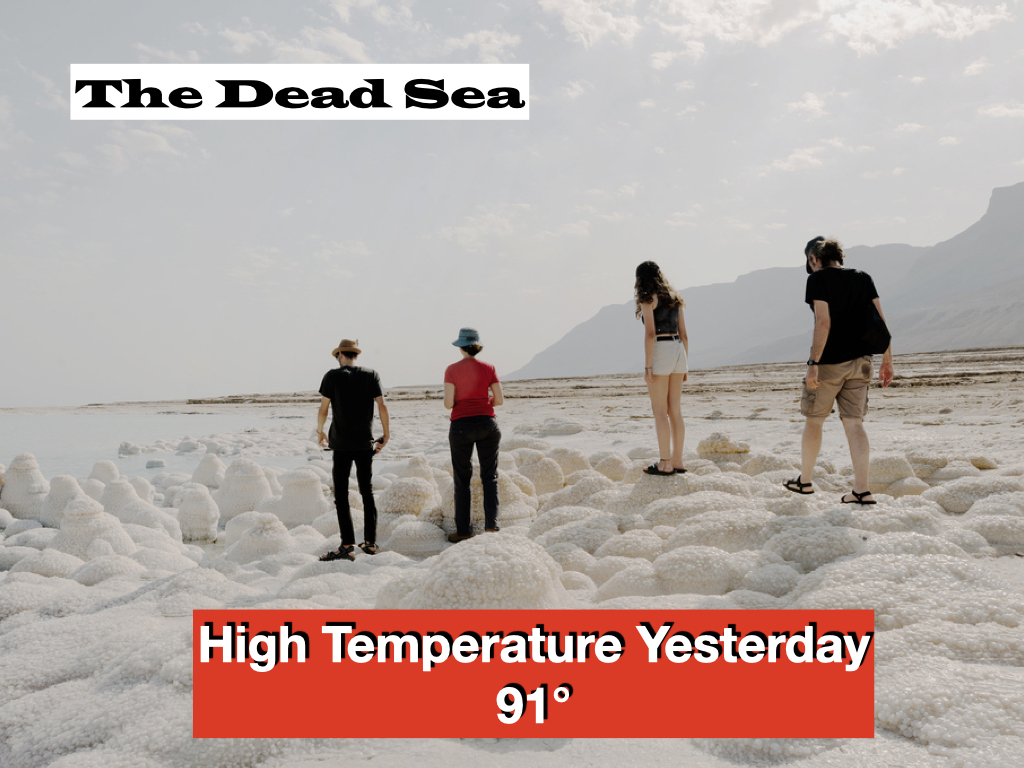
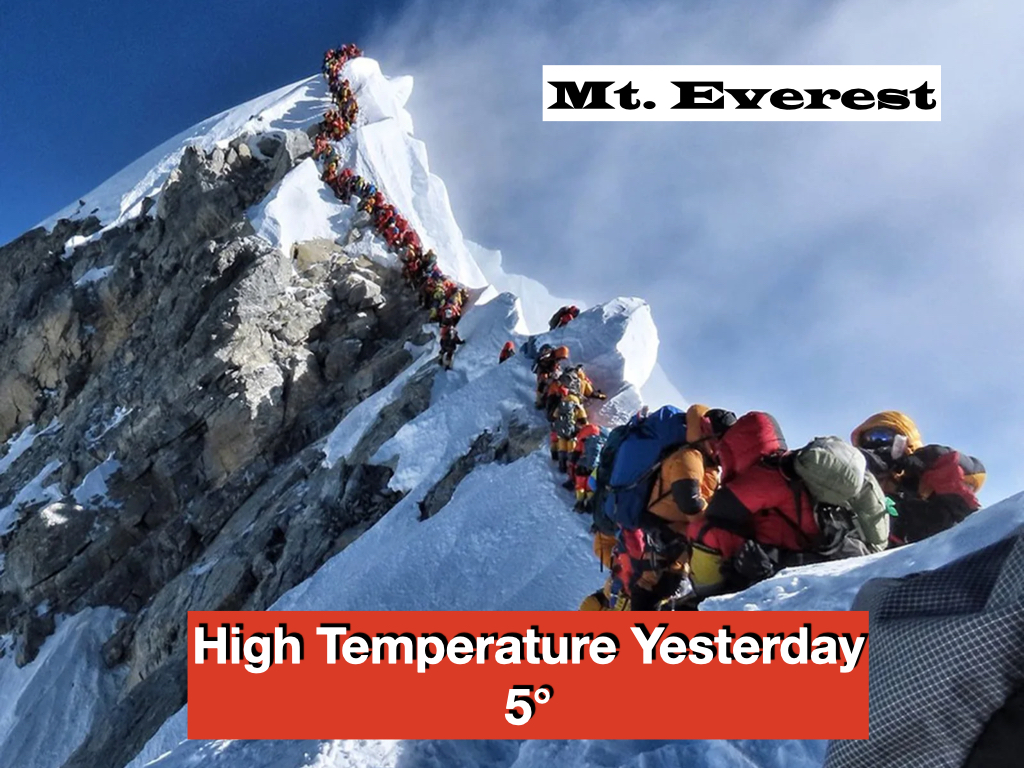
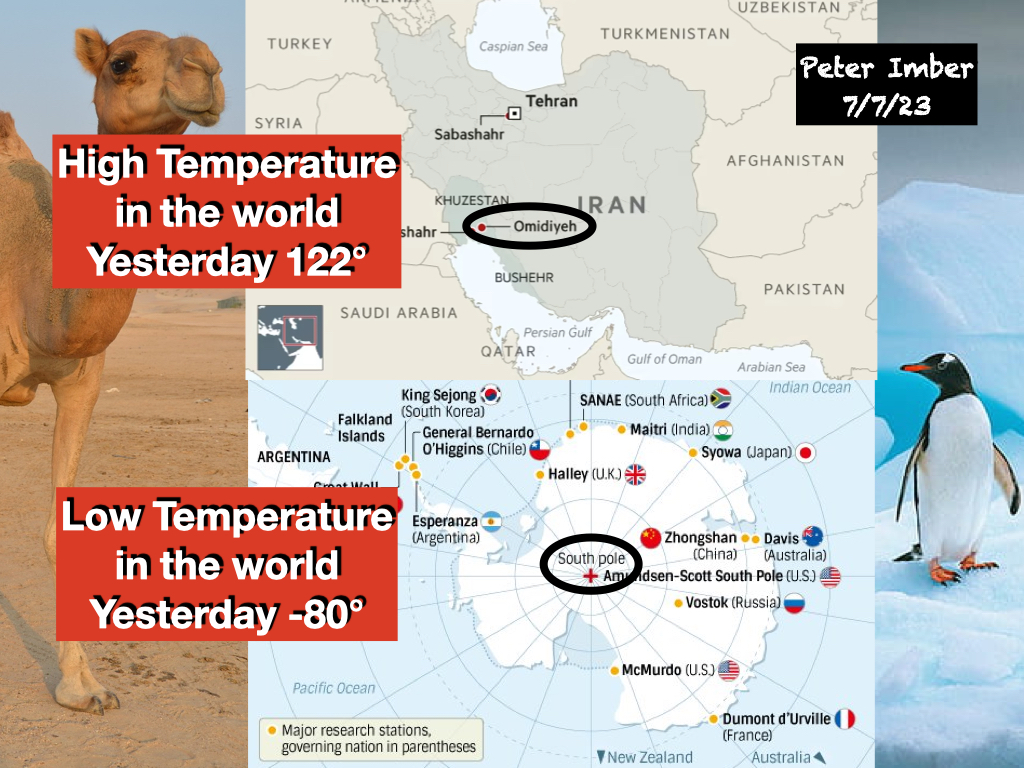













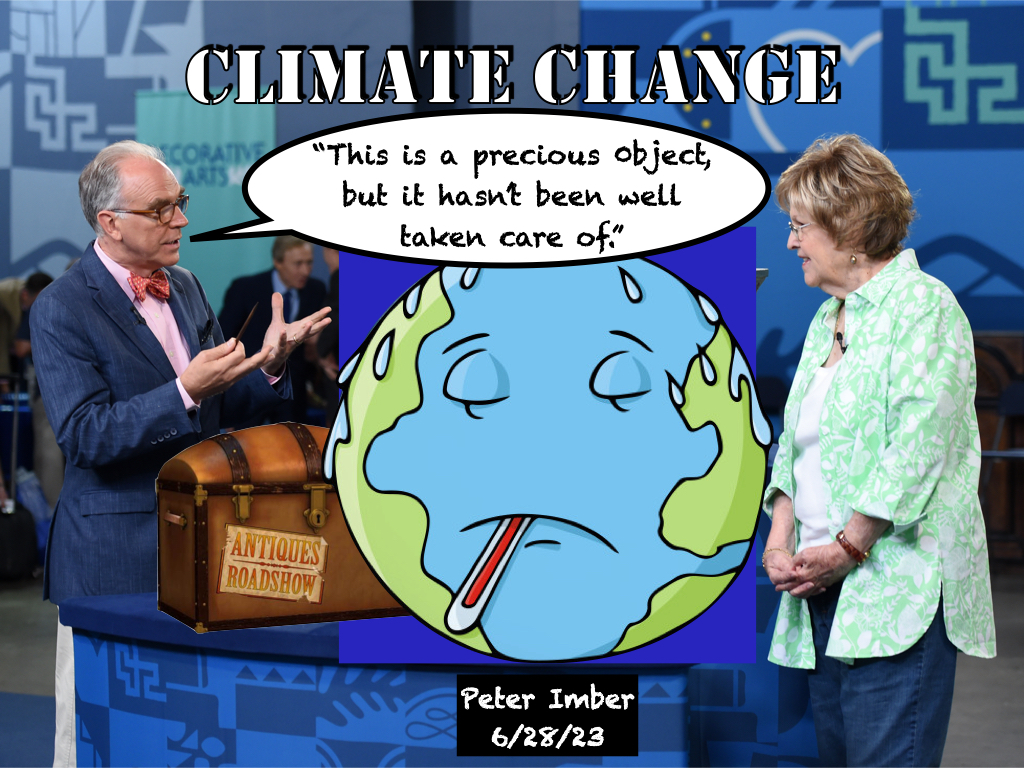







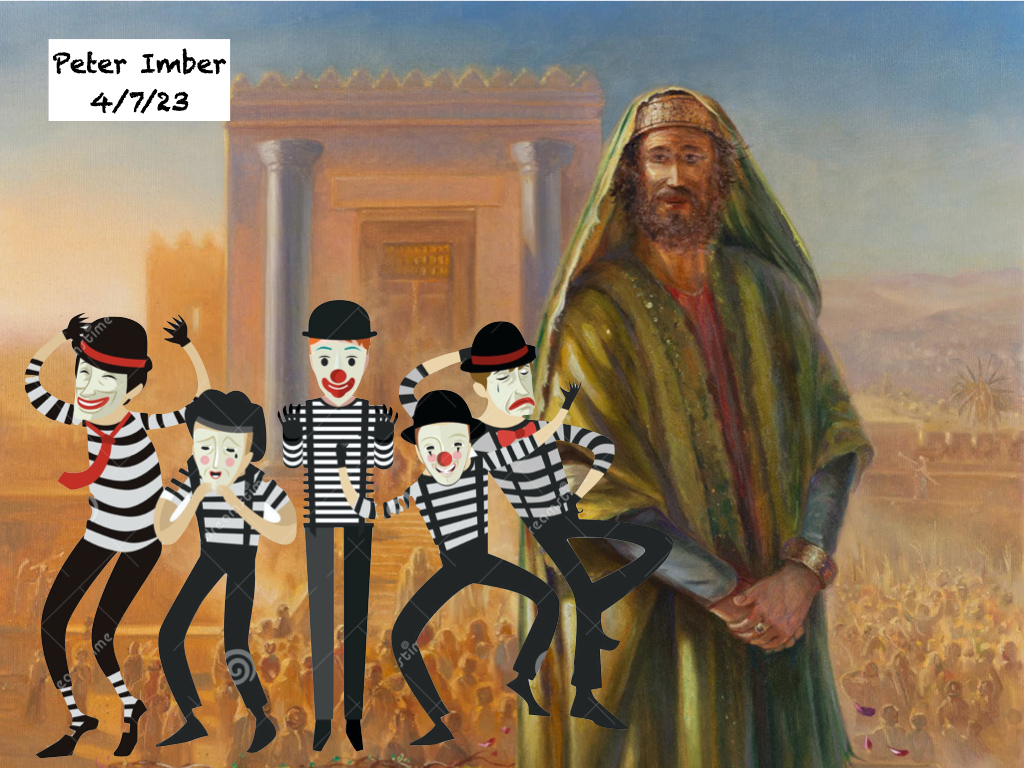





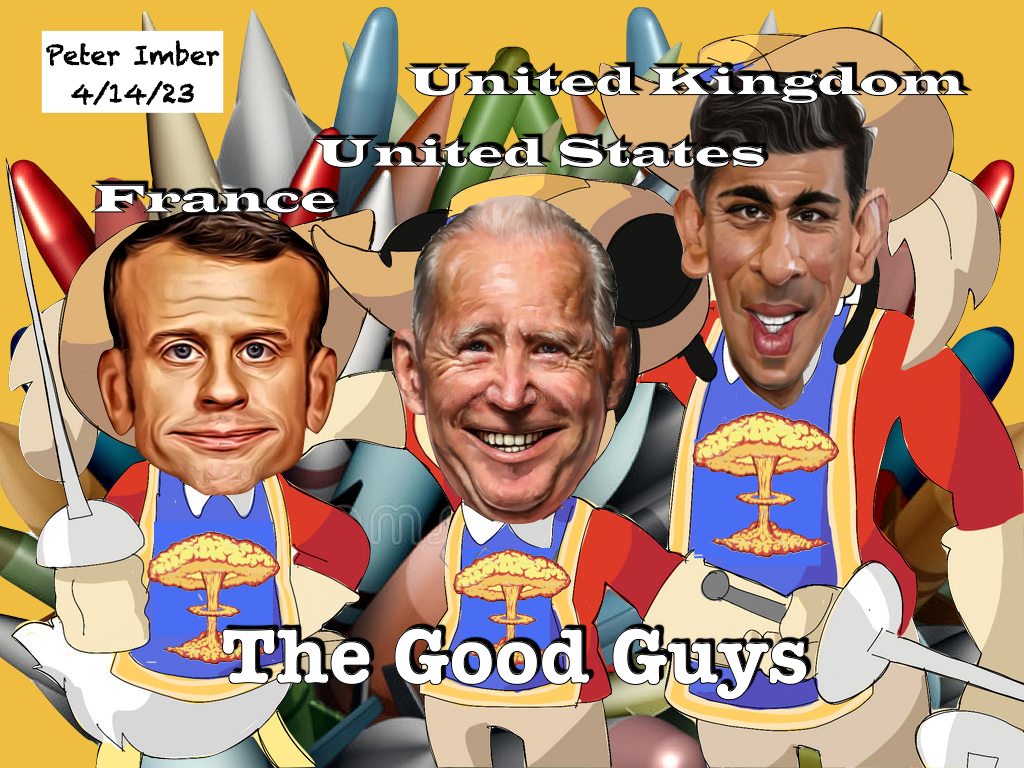


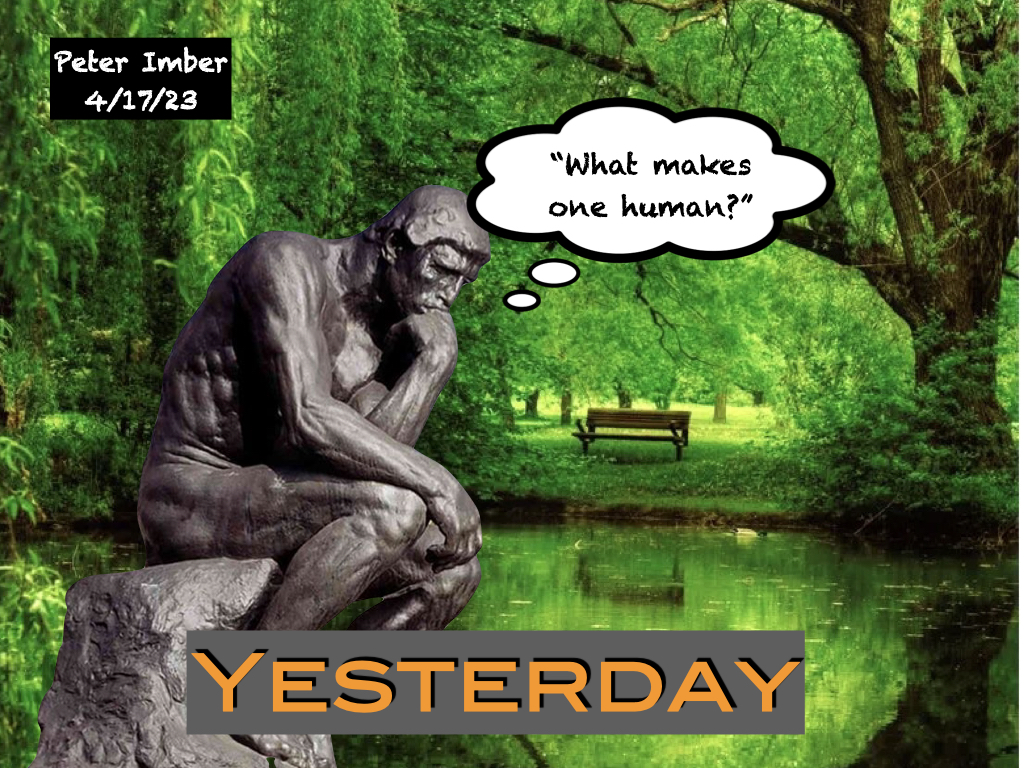


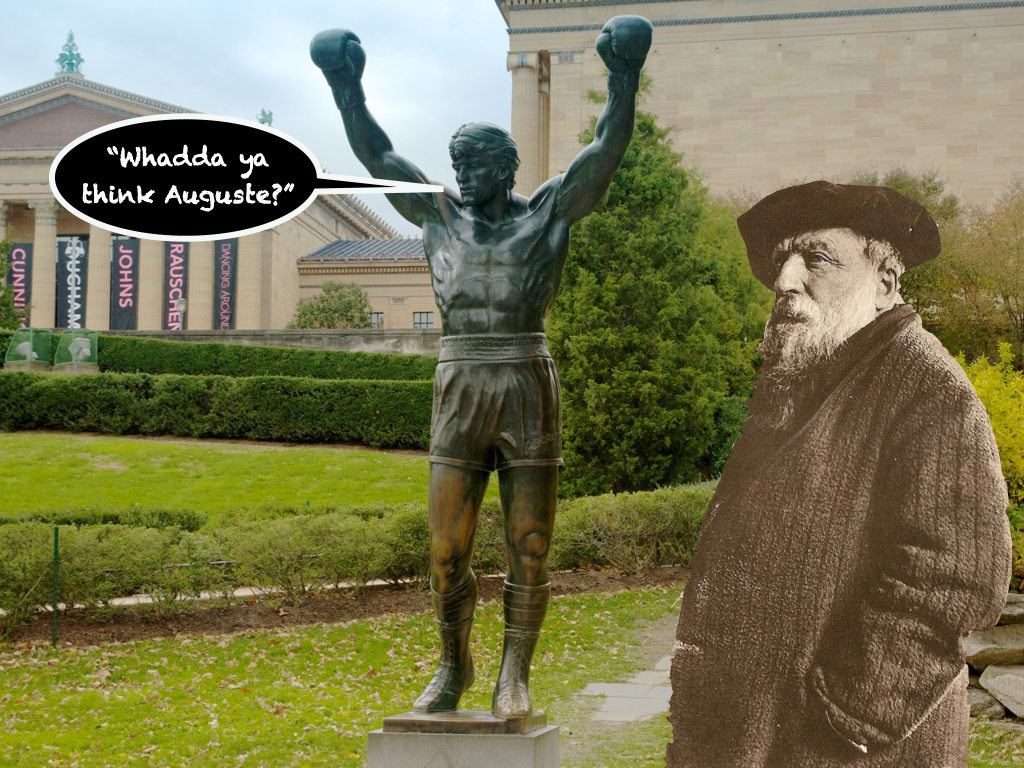













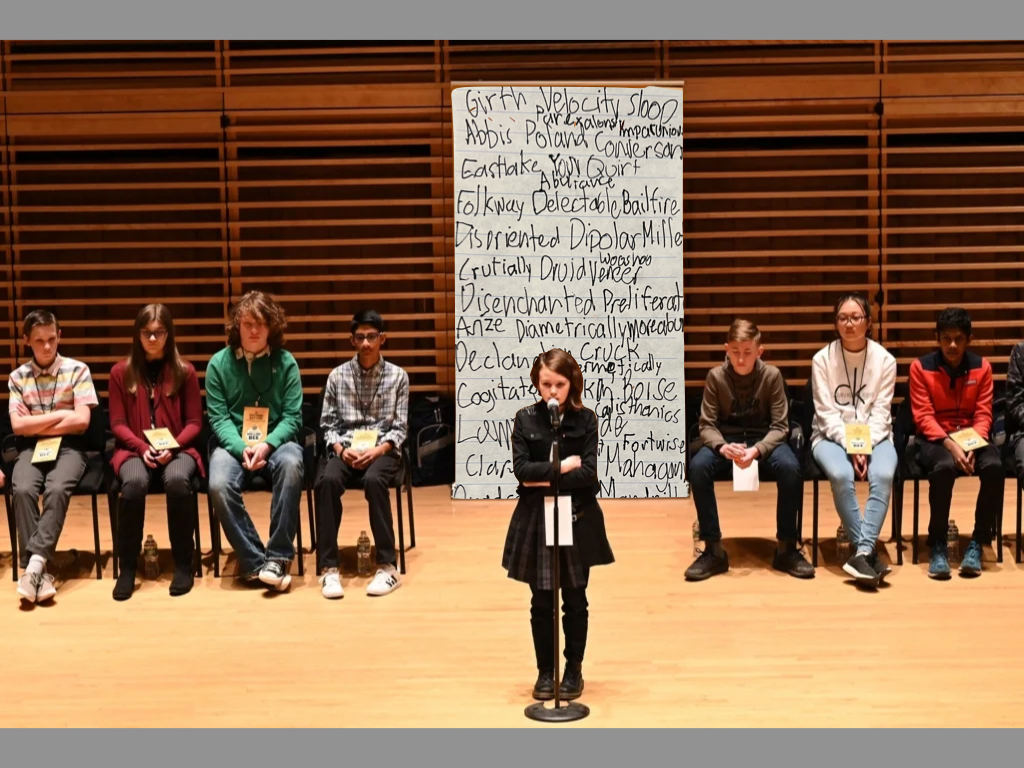



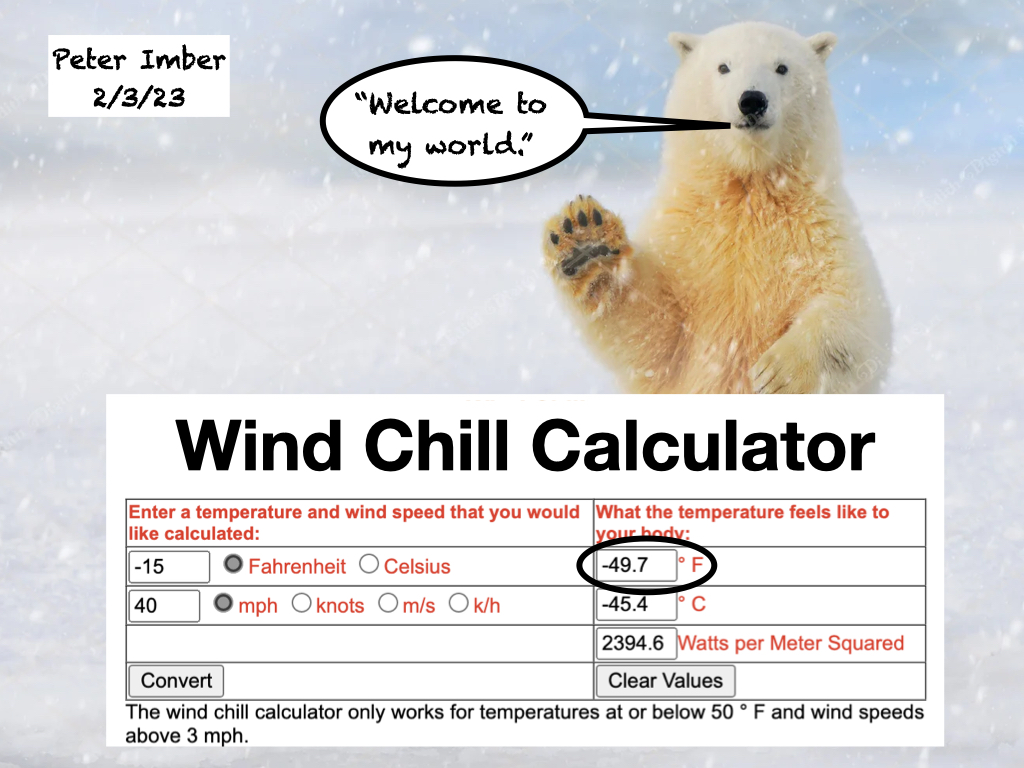









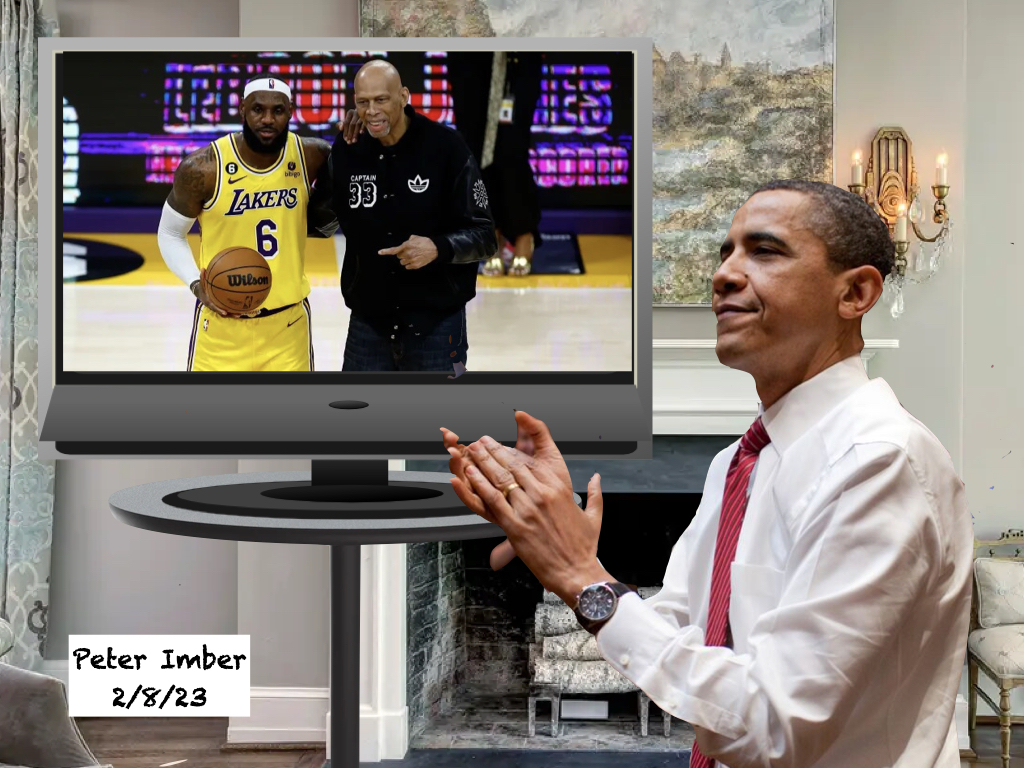







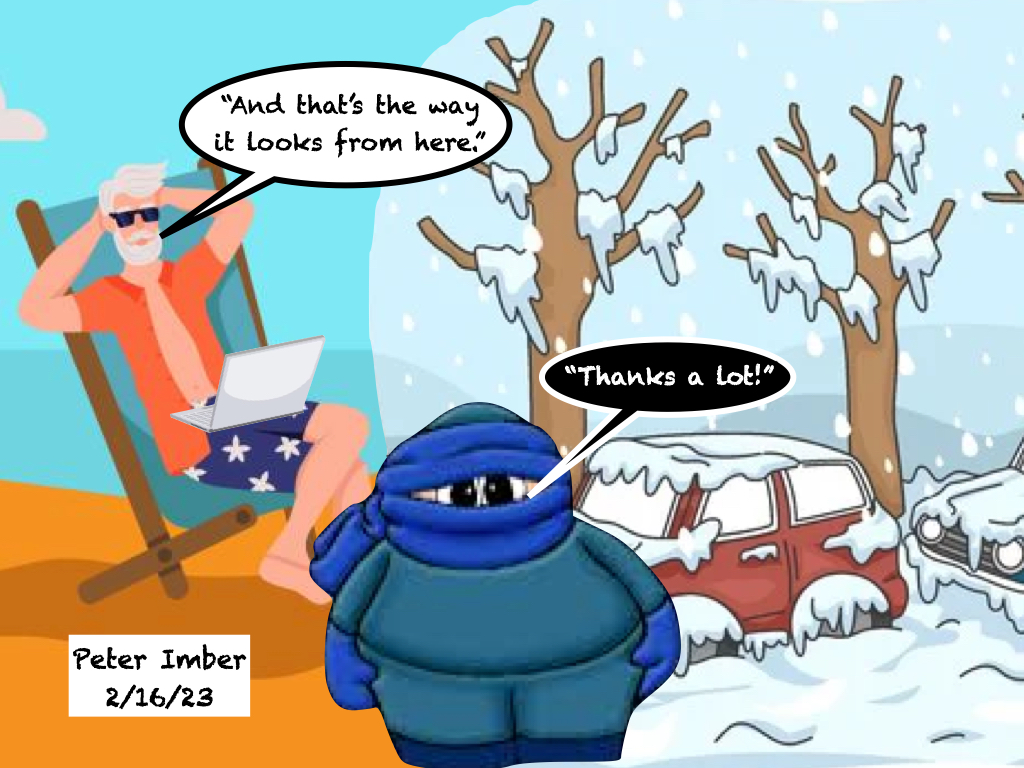

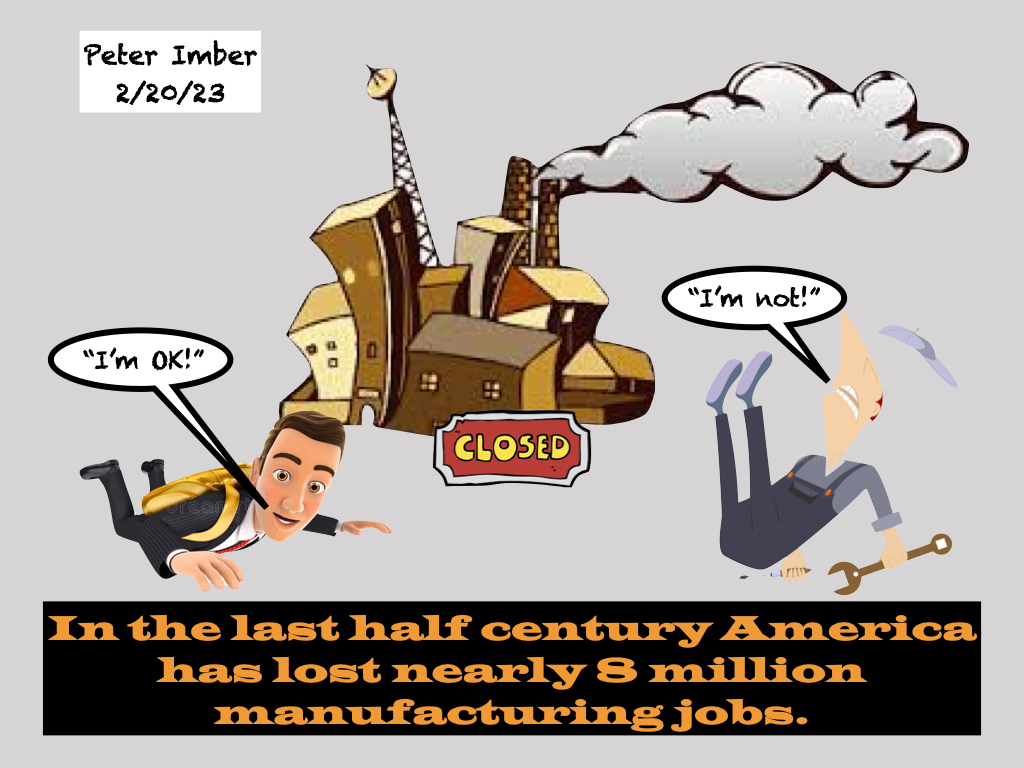




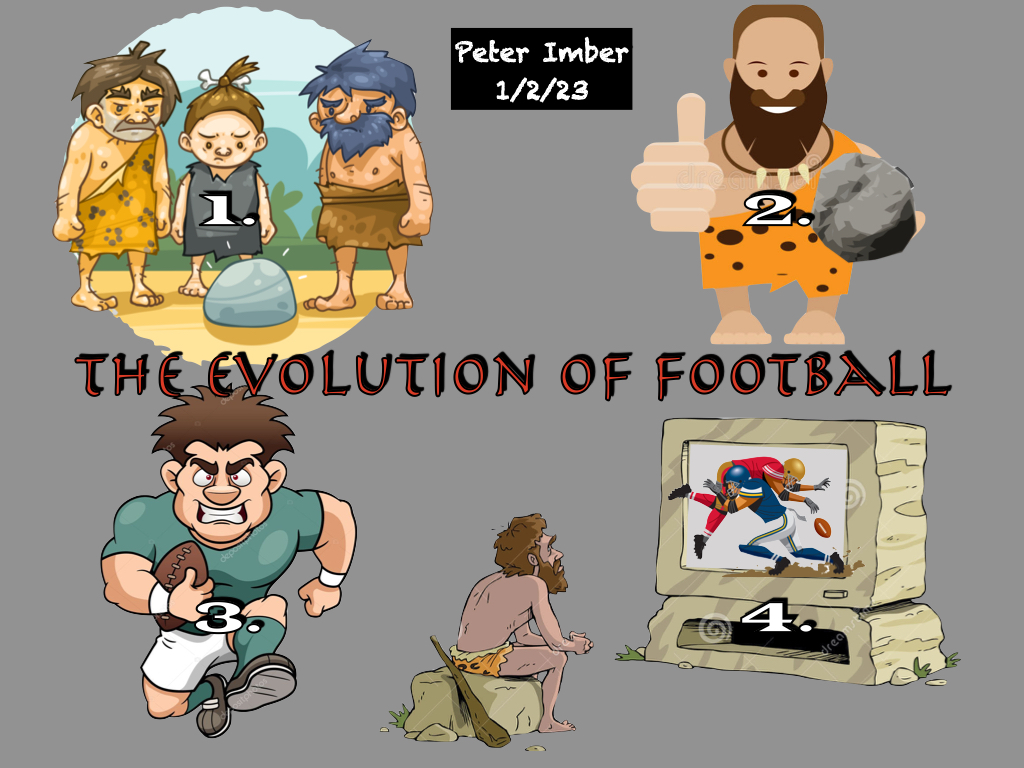
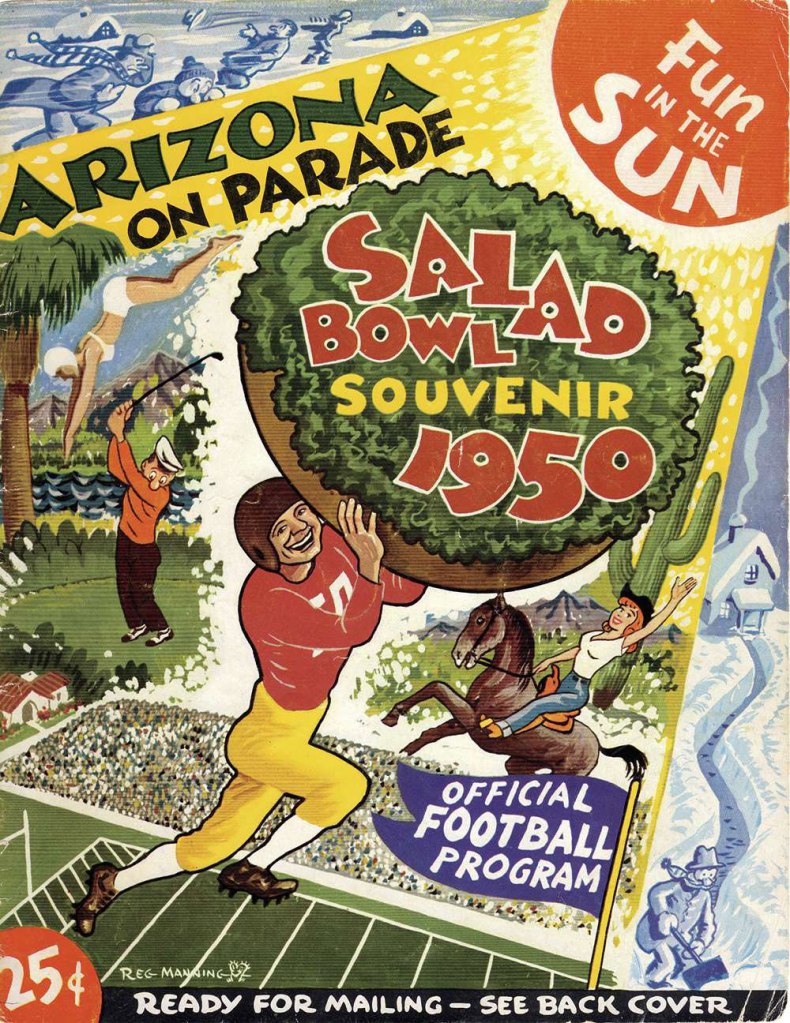



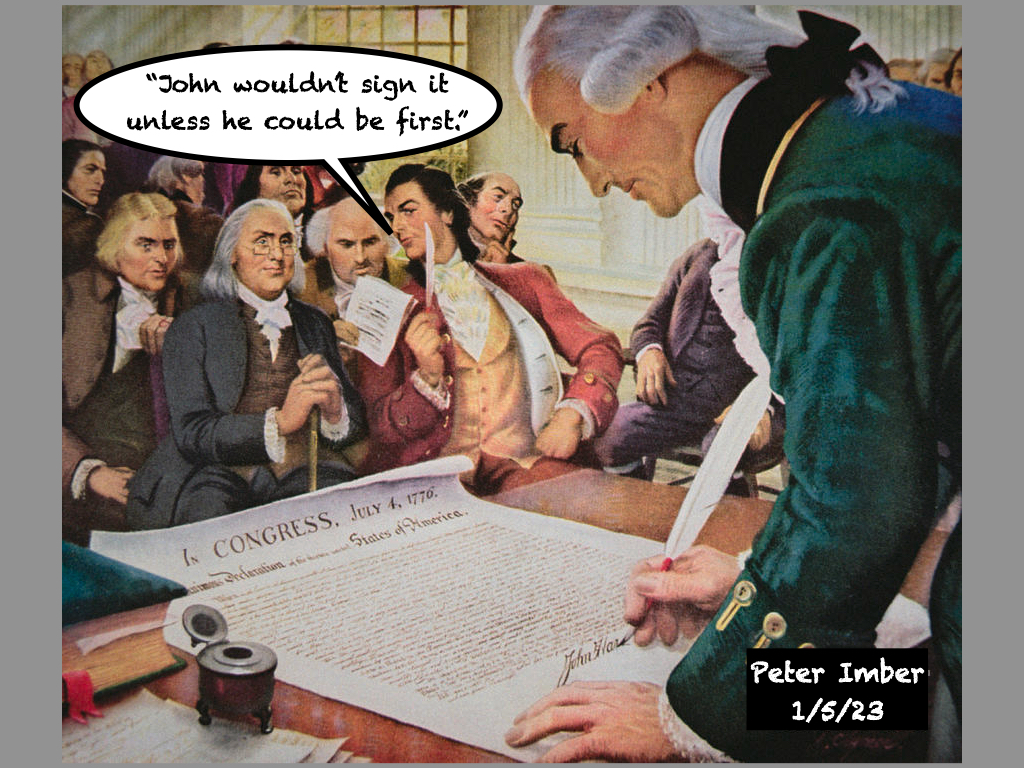


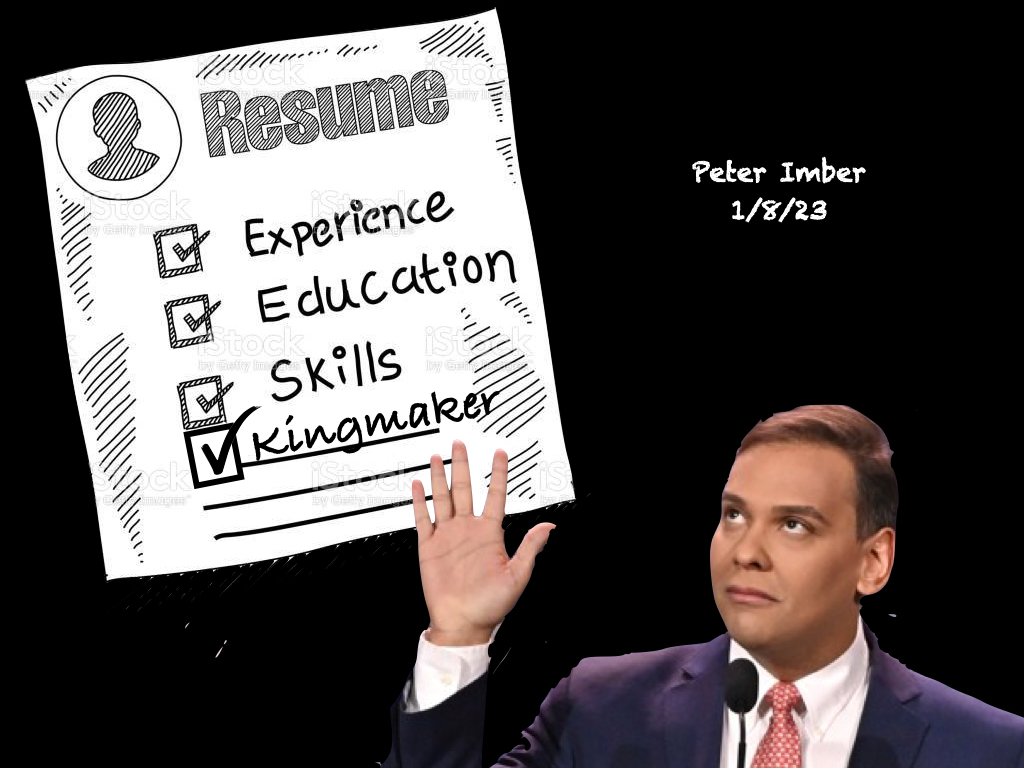
















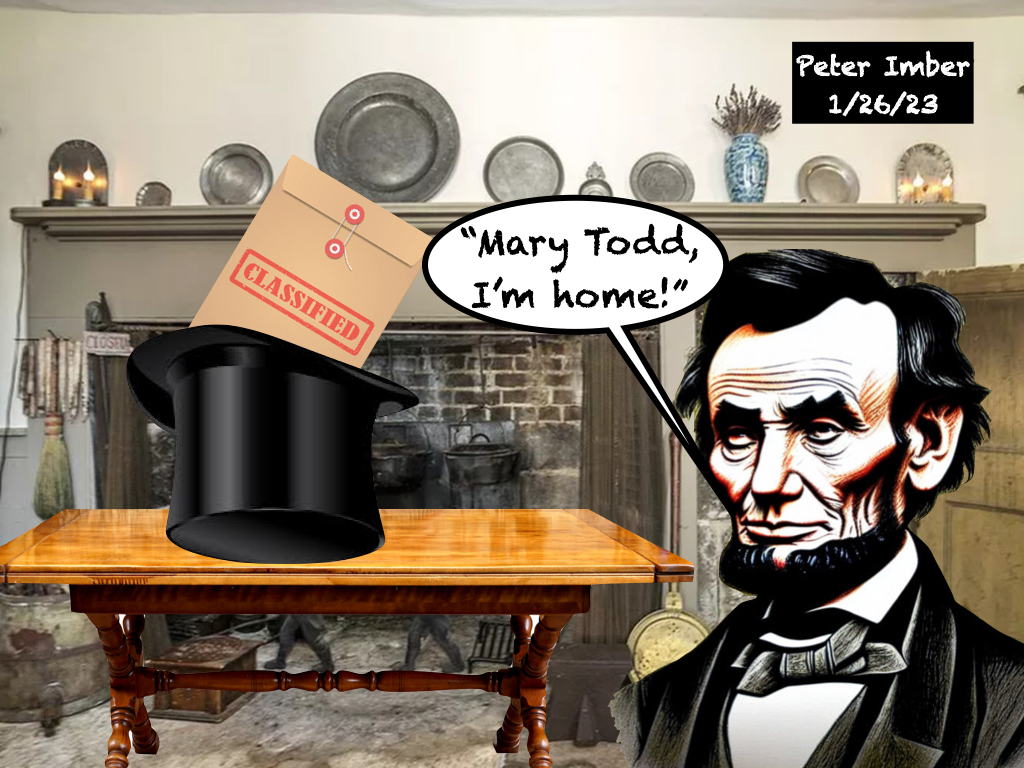





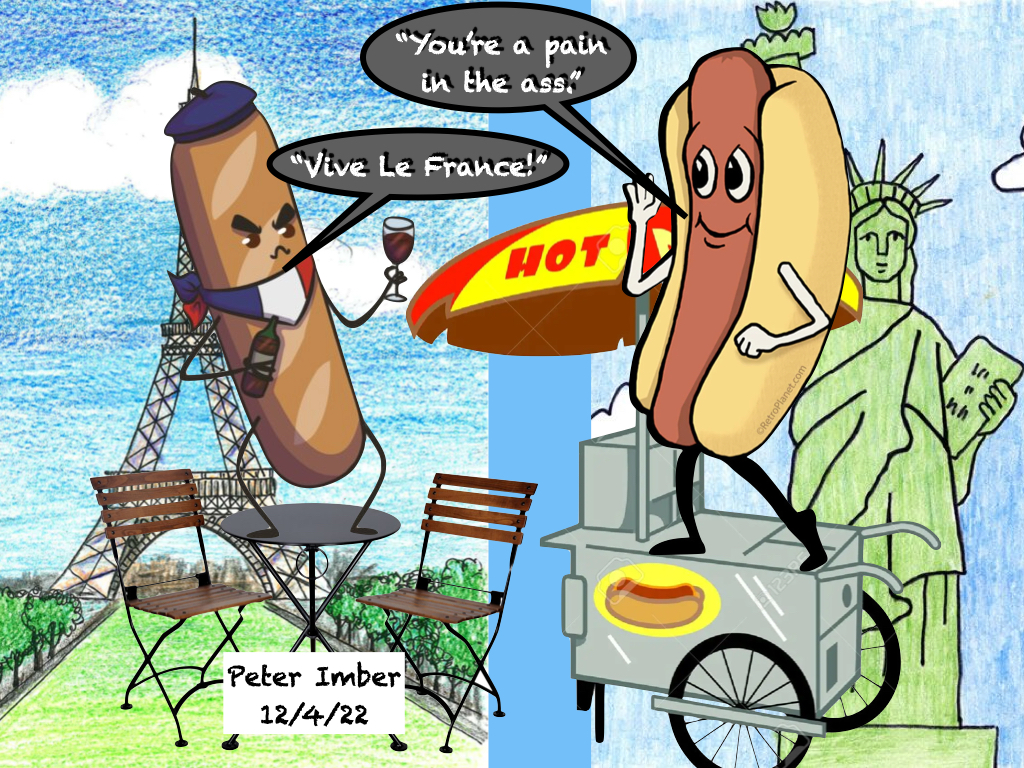
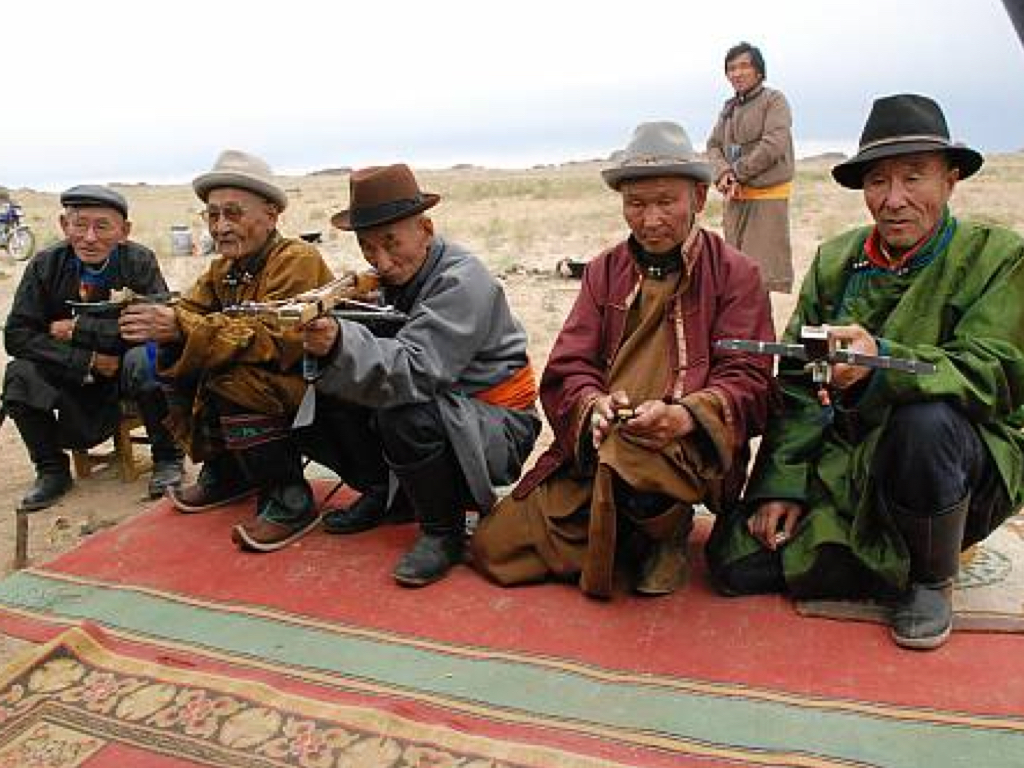


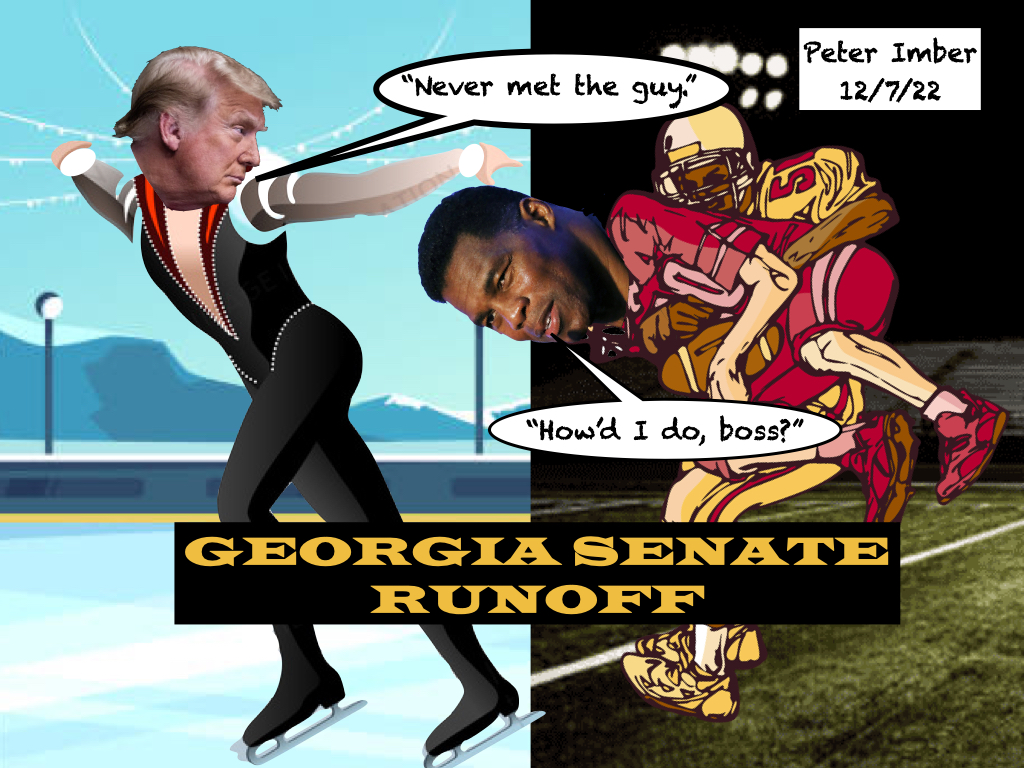




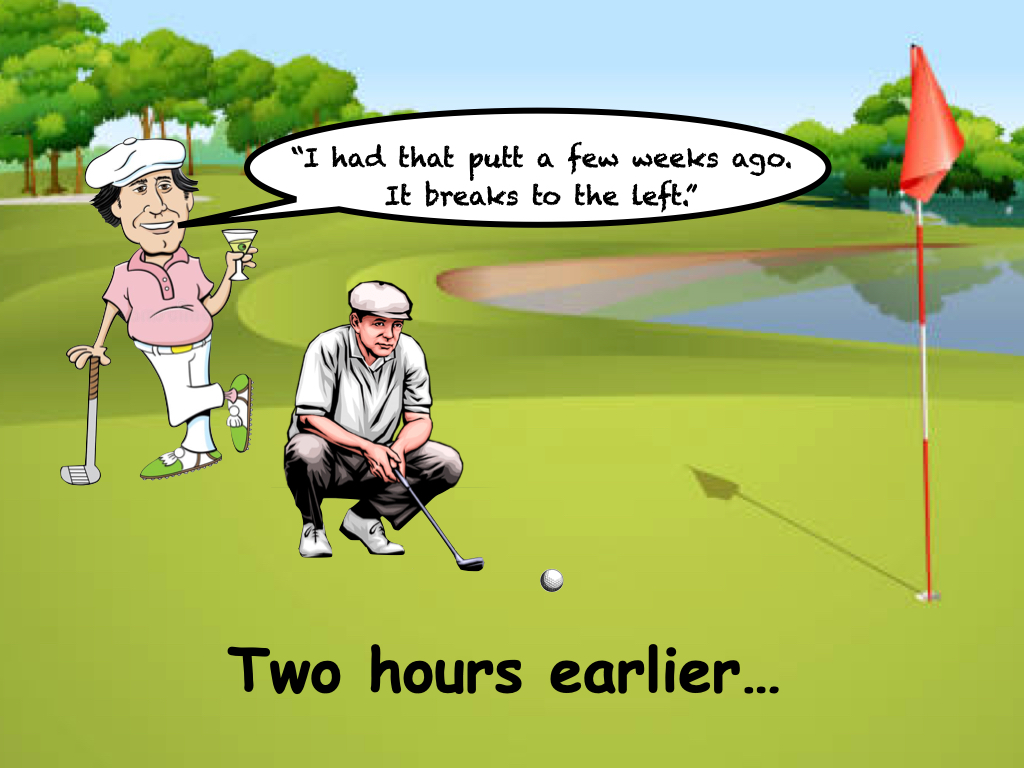


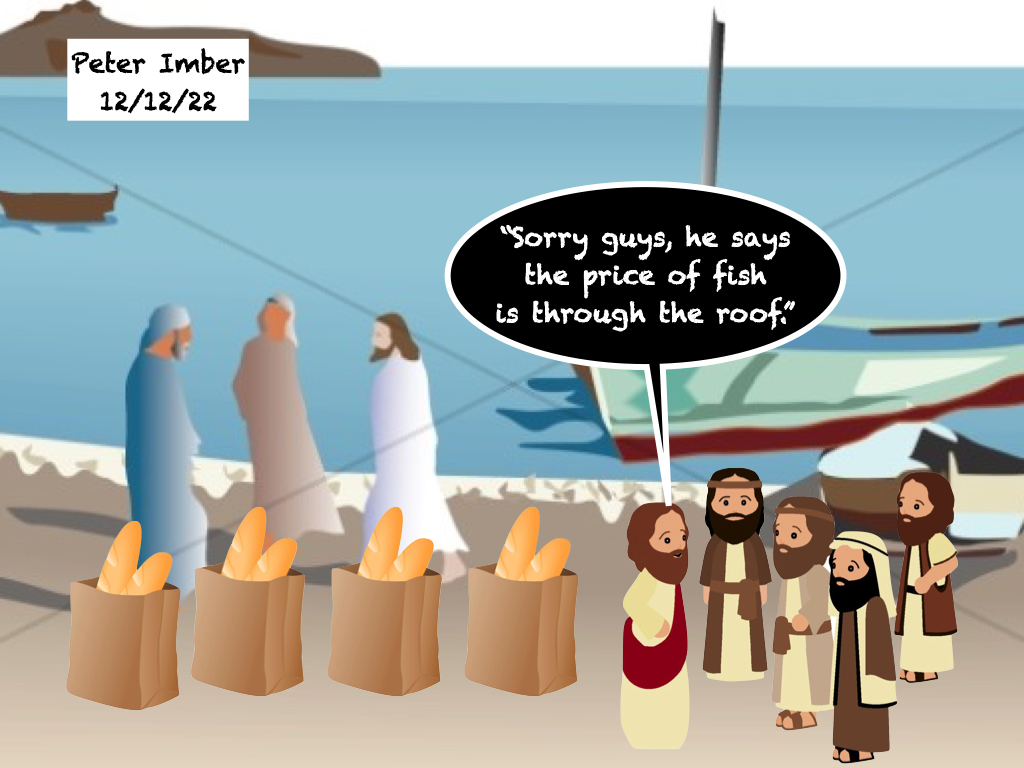







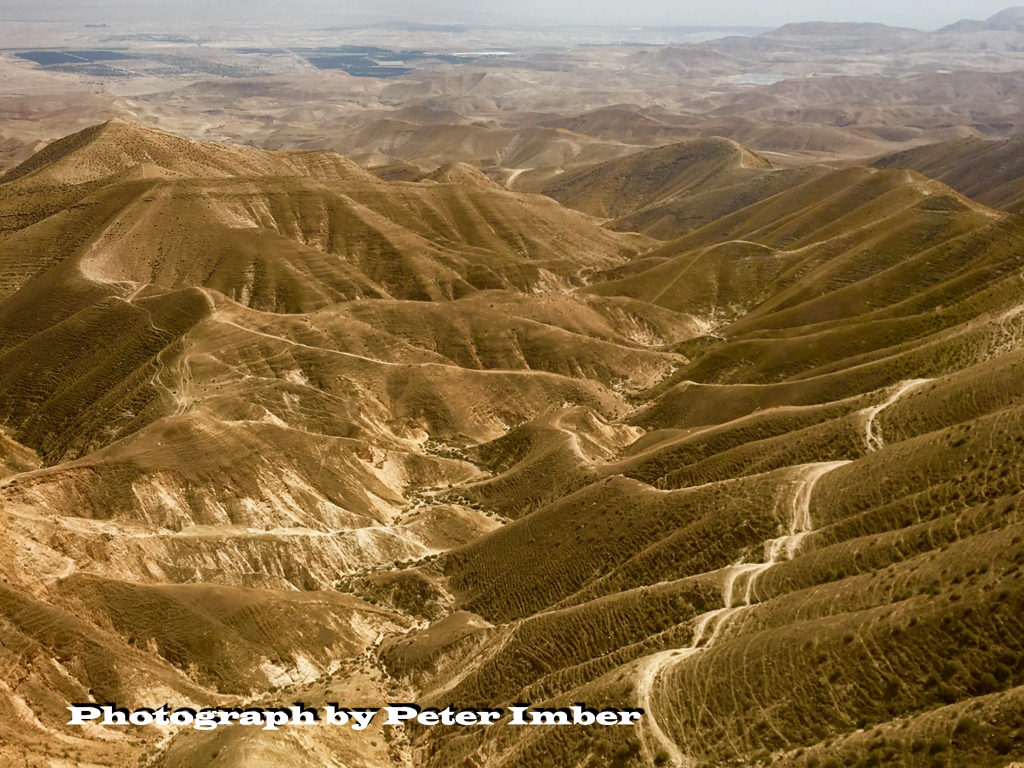




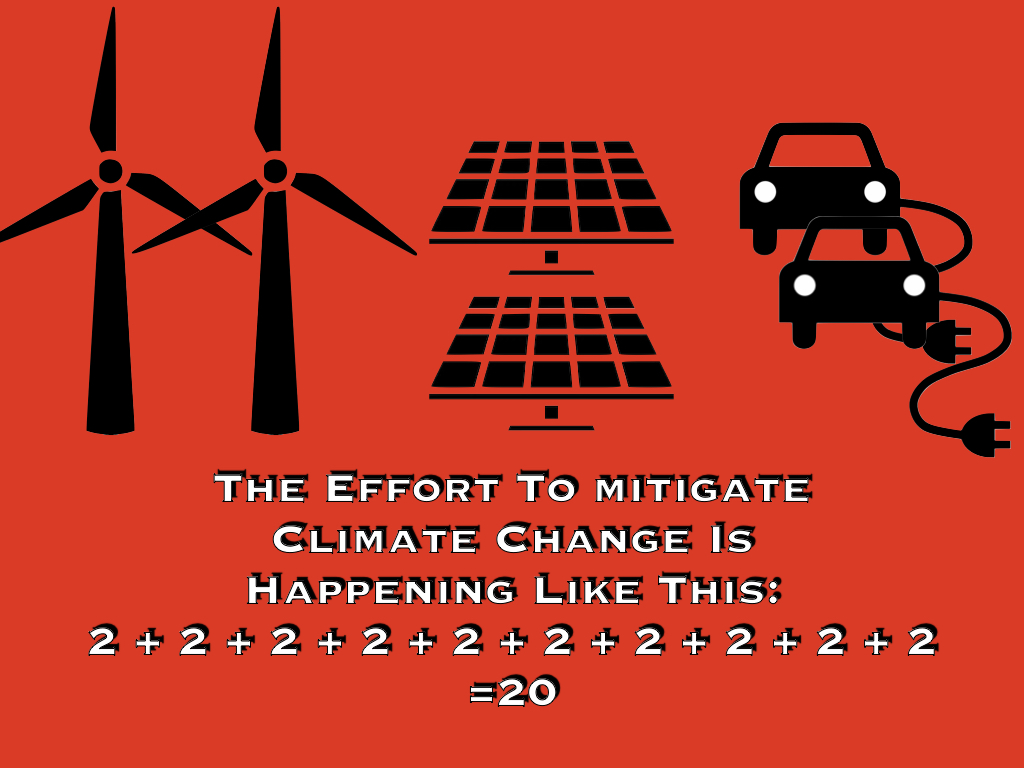






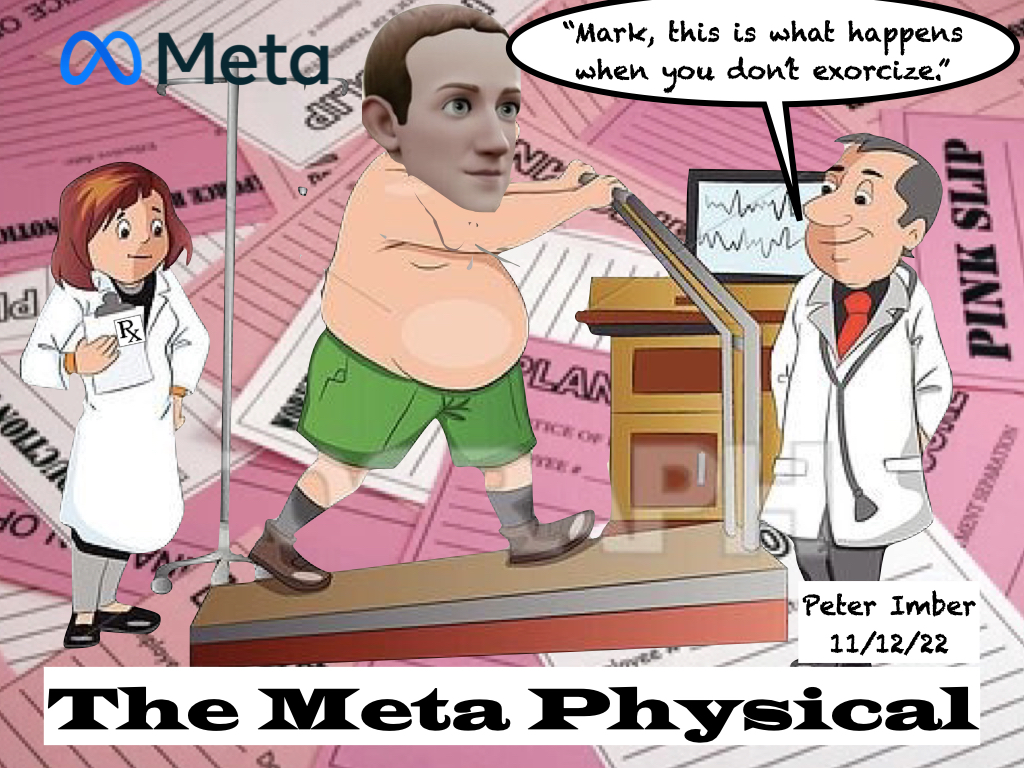

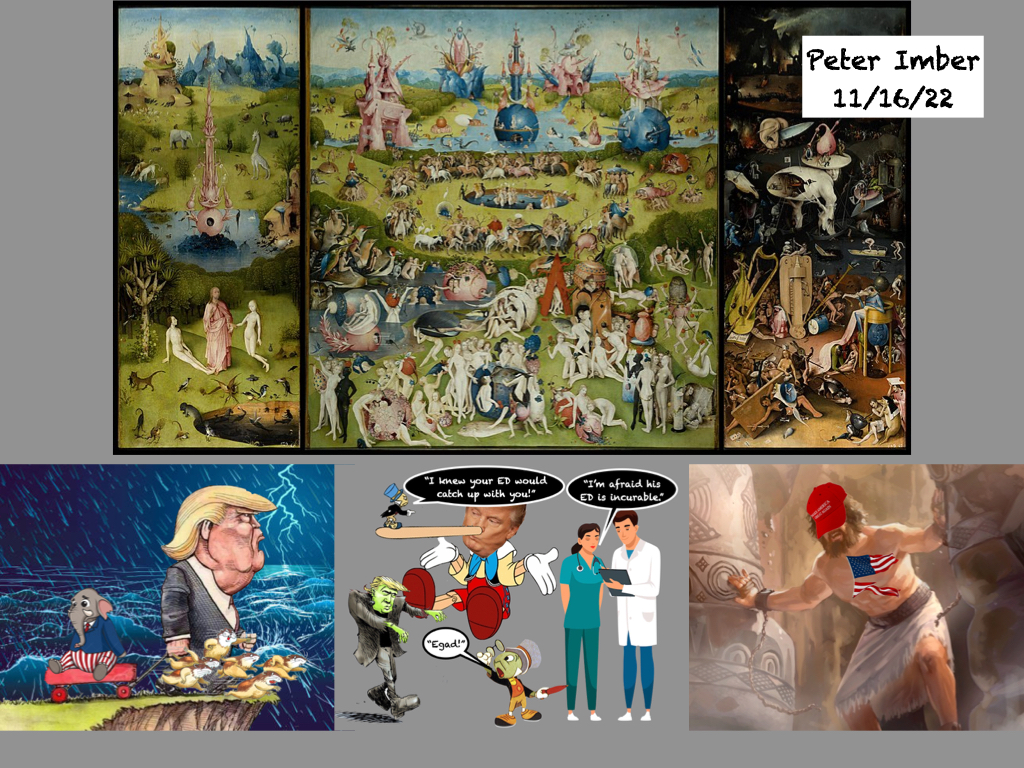




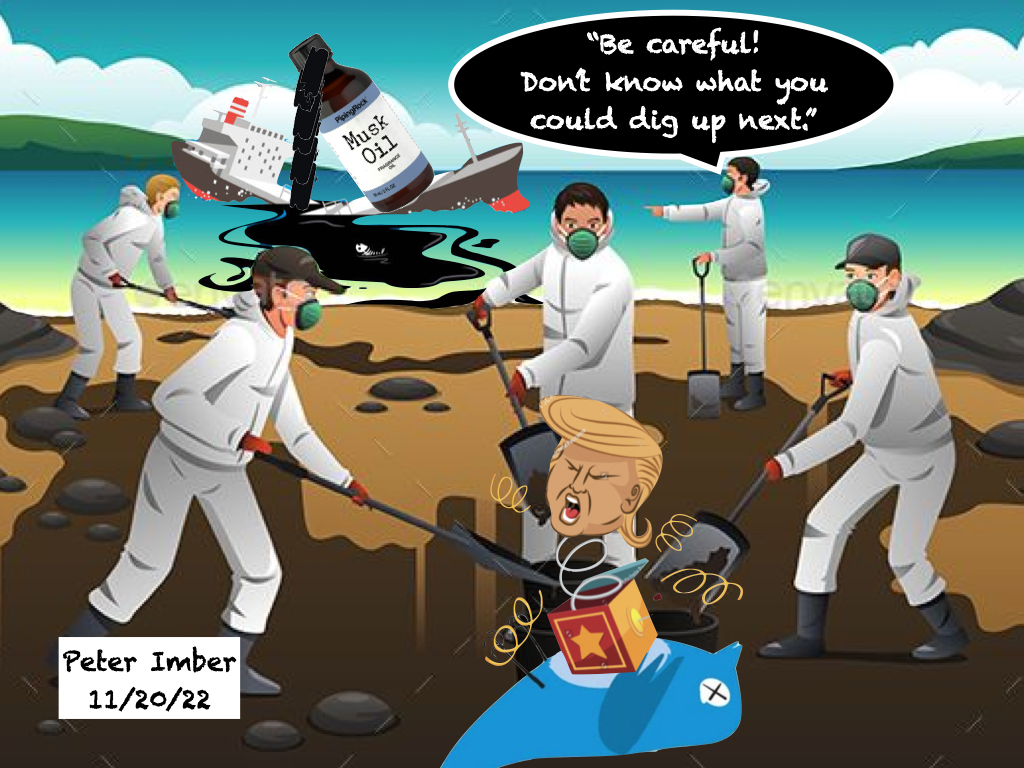
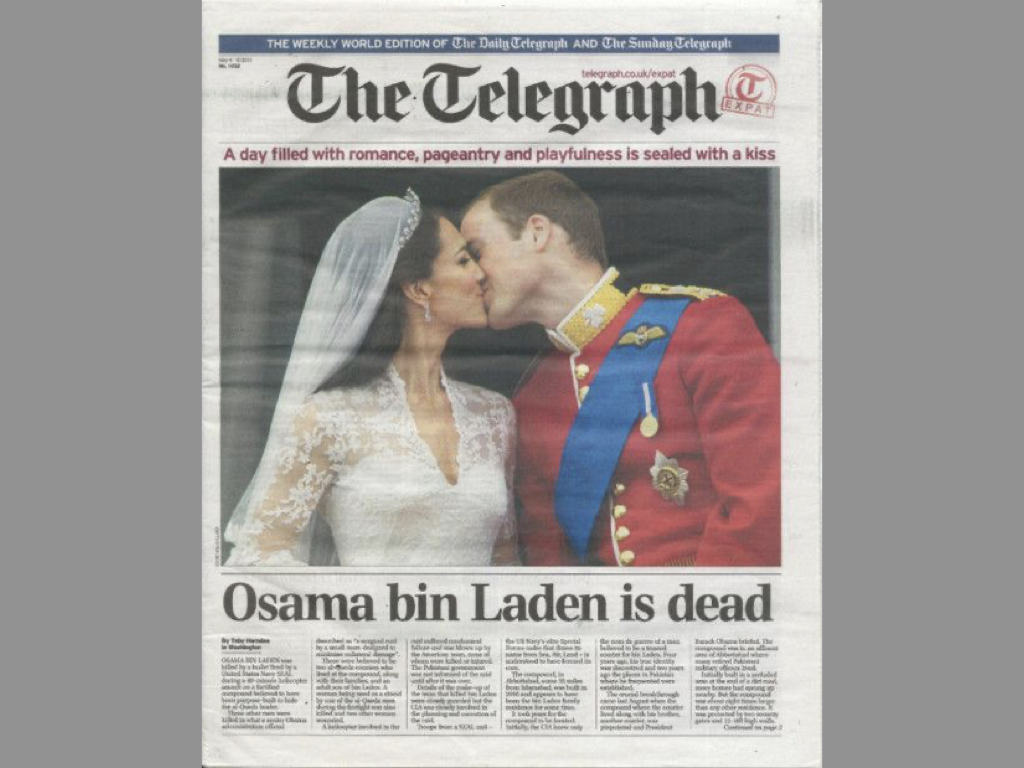








 pawnedaccordion