“Men of Dartmouth give a rouse
For the college on the hill…”
My alma mater became coed only after I had graduated and after two centuries of existence. There was no lack of pushback from angry alumni who opposed the decision. But the world was changing. The traditional reasons for all-male colleges were disappearing. According to an account I found, at the meeting of the trustees of the College to vote to either remain all male or become coed some minds were swayed by one member of the board who had been thought to be a vote against accepting women.
“Our students need to learn to work with both men and women. And we do not want to eliminate half the leadership talent in admitting students.”
That statement might have seemed enlightened in the 1970s but the decision for the College to become coed was overdue. Among the changes that were necessary to make co education at Dartmouth viable, there is now a summer quarter which all students must attend at least once during their matriculation. That was a sensible move that increased the ratio of women to men on campus without requiring any reduction of male enrollment. And other adjustments were made…
“Dear old Dartmouth give a rouse
For the college on the hill…”
I confess that I’ve never learned the words to the alma mater but I certainly welcome it having been updated.
It strikes me that the path to the acceptance of gender equality has lessons that are worth remembering as we now experience a convulsive transition that will hopefully, bring us to a greater level of racial equality in the United States.
Getting rid of symbols of the Confederacy is also long overdue but just tearing down statues, I believe, plays into the hands of those who support or are not offended by them. The most successful tactic is what just took place in Mississippi where, faced with the prospect of serious economic repercussions, the last state flag embedded with a Confederate symbol was removed in a vote of the state’s legislators.
I don’t dismiss that this decision was also arrived at out of goodwill, but George Floyd’s death was a catalyst and Mississippi’s rehabilitation of its flag might not have happened now without the pressure that was exerted by groups and individuals as disparate as the Mississippi Baptist Convention, the NCAA and the country music singer and native Mississippian Faith Hill who expressed herself eloquently.
“I understand many view the current flag as a symbol of heritage and Southern pride, but we have to realize that this flag is a direct symbol of terror for our black brothers and sisters.”
In perhaps the only thing I can think of that I might agree on with Donald Trump, revising history does have limitations and the removal of statues has as well. Twelve United States presidents owned slaves, eight of them while in office, including Washington and Jefferson. I’m opposed to the dynamiting of Mt. Rushmore and the renaming of the Washington Monument and Jefferson Memorial. But in no uncertain terms I’m against glamorizing slavery or those who fought to preserve it.
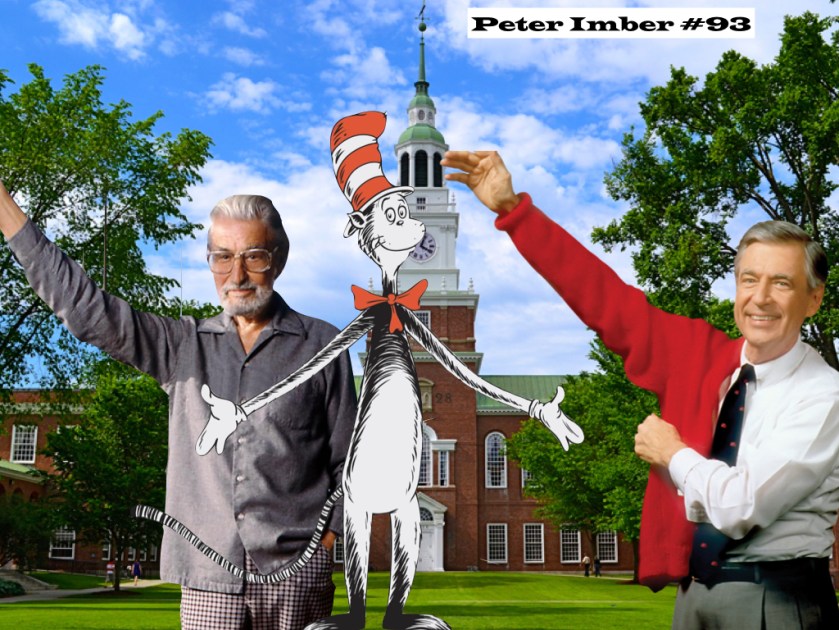
So, why do I have this cartoon with Theodor Geisel standing alongside his Cat in the Hat and Mr. Rogers pulling on his sweater? I thought I would be mentioning them a lot sooner. They are on the Dartmouth Green in Hanover, New Hampshire and that’s Baker Library in the background, modeled after Independence Hall in Philadelphia.
Dr. Suess graduated from the College in 1925 but along the way he was punished for being caught drinking gin and forced to resign as the editor of the student humor magazine. Geisel continued writing for it surreptitiously, signing his middle name Seuss. The rest, I think you will agree, is not subject to revisionist history.
Fred Rogers attended Dartmouth for his freshman year and then avoided another winter by escaping to a college in Florida. That was longer than Robert Frost had lasted on campus. He fled after only one term in 1892.
I’d been under the impression that Bob Keeshan, who was better known as Captain Kangaroo, also attended Dartmouth but that turns out to be an urban legend, although even today I would hardly classify Hanover as being urban but add an e and that’s accurate. Keeshan was adopted by the Dartmouth Class of 1942 and was awarded an honorary degree and both his kids attended the college.
In any event this connection between Dartmouth and these giants of childhood education and entertainment is likely no more than an interesting coincidence. What is true is that Geisel, Rogers and I were all there before there were women or at least a significant number of them. Now, it’s unquestionably a more beautiful day in the neighborhood to be a student at the college.
And one last thing that brings us full circle…

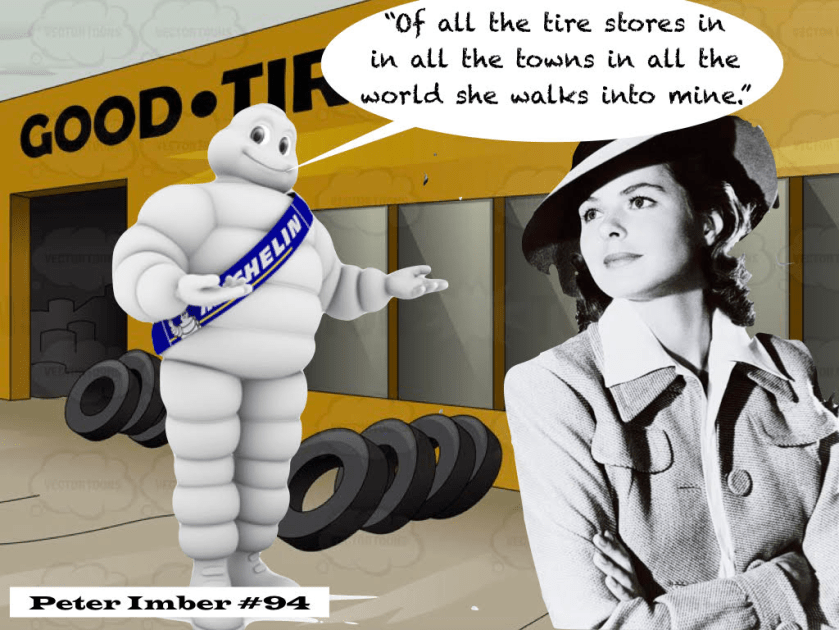
Three theaters in New York were where I spent many evenings because they were repertory movie houses showing old films of all kinds. The Elgin was in Chelsea and it’s credited with being the originator of the midnight screening which began when it showed Alejandro Jodorowsky’s El Topo in 1970. If you’ve seen this movie, then you probably would agree with me that it makes The Rocky Horror Picture Show look like Ding Dong School.
I owe the Elgin for introducing me to Buster Keaton. As big a silent movie star as anyone back in his day, Keaton’s work had been virtually forgotten for decades as well as tied up in legal battles and even misplaced until his genius was rediscovered and the films re-released. The Elgin held the initial Buster Keaton festival and at the first movie I went to I was in stitches and awe and came back for all of them night after night.
The New Yorker theater was on Broadway at West 88th St. and it was there I marveled at Toshiro Mifune’s performance in Akira Kurosawa’s The Seven Samuarai. It was the uncut three and a half hour version that included an intermission that was projected on the screen as part of the film. It also was on the way to the New Yorker one night that I ended up in the hospital.
In a hurry to make the beginning of Zoo in Budapest with Loretta Young I ran across the street in front of a bus and got whacked by a Volkswagen that was running a red light. I landed on the hood of the car and fell off onto the street and to the driver’s everlasting credit he stopped, picked me up and rushed me to an emergency room.
My left lower leg swelled grotesquely and turned as red as a salami as I lay on a gurney, but no doctor came to examine me for about an hour. When one ultimately did he led a group of a half dozen others who I realized were interns. Why? Because the first thing the doctor said even before addressing me after he lifted up the sheet covering my battered leg was, “I want to show you a classic example of a massive hematoma.”
After that classic example of American medical bedside manner the hospital gave me a choice. I could be admitted or I could take copious amounts of codeine at home and stay in bed which I opted to do and believe it was for about a month but I have no clear recollection of that time. I still have never seen Zoo in Budapestby the way.
But the jewel in my crown of beloved movie theaters was the Thalia just off Broadway on 95th St.. I think of my three movie houses I surely spent the most time at the Thalia, which was the location for a scene in Woody Allen’s Annie Hall. The Thalia had a double feature every night and rotated one of the two movies out the next day and added a new one in its place. That gave me two chances to catch any single film. The Thalia showed pretty much everything from Marcel Carne’s Children of Paradise to Chuck Jones’ Bugs Bunny cartoons.
One night waiting outside for a show I saw a beautiful girl also waiting by herself. I wanted to start a conversation but had no idea how. Of course “hello!” would have been a logical place to begin but it failed to register as an option. My opportunity vanished entirely when her date showed up. A few nights later outside the Thalia the same situation arose. This time it was a different beautiful girl by herself prompting another painfully shy inability to seize the moment on my part. And then THE SAME GUY arrived and escorted her inside!
All three of these theaters have been demolished or repurposed. Today, the dream I used to have of one day being able to see great movies on my own screen at home has become something we take for granted.
But I’m afraid the excitement of discovering cinema’s past isn’t the same by watching a recording I’ve made from the Turner Classic Movie channel. Don’t get me wrong, I’m very grateful there’s TCM which shows movies without interruptions. But an optimal movie experience is different. It’s not about the popcorn or candy. It’s all about being part of an audience in the dark watching a film together.
Reading books is a solitary endeavor. Movies can be but I prefer when they are not and am sad to think we may be withdrawing into our private cocoons more and more and in danger of losing the movie theater experience. But like Humphrey Bogart, I’ll always have the Thalia.
As for a final coincidence in my life, or maybe it was just plain bad luck, how about being diagnosed with lymphoma the morning after Donald Trump was elected president in 2016? Yes, that happened to me but I’m still here, doing fine and feeling great!
I’ve been a lot luckier than the country.
—————–

“As Mankind becomes more liberal, they will be more apt to allow that all those who conduct themselves as worthy members of the community are equally entitled to the protections of civil government. I hope ever to see America among the foremost nations of justice and liberality.”
― Thomas Jefferson (July, 1774)
I worked during the summers in high school at the Reading (PA) Times and aside from delivering copy to the linotypists (How many remember that amazing machine?), ripping the wire stories off the teletypes (another great old machine) and getting Antonio and Cleopatra cigars for the sports editor– his name was Ken Tuckey and his column was (Wait for it.) Ken Tuckey’s Derby –I was soon given other tasks.
The comic strips came in a few weeks in advance– an individual page for the upcoming run of each comic. My task was to cut them up and put all of the Monday’s to be published in one pile, all of the Tuesday’s in… you get the picture. I thought it was cool to know what was happening with Beetle Bailey ahead of time, but discovered nobody else cared.
Reading had two daily papers and since I worked in the evenings for the morning edition I was soon rewriting the obituaries that had been in the evening paper. Rewriting? Yes, the two editions of the paper had to be different, each had a completely separate staff even though they were located side by side on the same floor. Rewriting obituaries meant just changing around the order of the sentences in what had already been printed. I wasn’t exactly being asked to dig up anything new.
Which brings me to Dick Clark. During my career at ABC News I liked doing obits. No, I don’t have a weird fascination with people dying but pulling together an overview of someone’s accomplishments was more interesting and certainly more fun than covering a wildfire or a plane crash for me.
Back before the network evening news had competition from shows and cable channels that were devoted to sports and celebrity, if someone were famous enough, we’d prepare his or her obituary ahead of time– Jimmy Stewart, Katharine Hepburn, Bob Hope… I put one together for the Japanese film director Akira Kurosawa and even got George Lucas, who considered him an important inspiration, to do an interview for it. By the time Kurosawa died he was no longer remembered well enough to even get a mention on ABC News World News Tonight.
I had hoped to do an obit for Dick Clark but only because I wanted to write the opening line. Here it is: Dick Clark died today. He was 16.
Growing up 50 miles from Philadelphia I watched Bandstand before it was American Bandstand. In fact I started watching the show on the local station WFIL even before Dick Clark became its host. Back then I had two TV induced crushes. One of them was most boys’ dream girl at the time Annette Funicello, who I met by the way when I worked at a Radio Shack in Los Angeles when I was going to graduate school. I installed a replacement radio antenna on her Cadillac which had a poodle as its hood ornament.
My other crush was on a girl named Justine Carrelli who jitterbugged every weekday afternoon on Bandstand. She had a boyfriend named Bob. Annette had Frankie Avalon. My chances for getting a date with either girl were doomed.
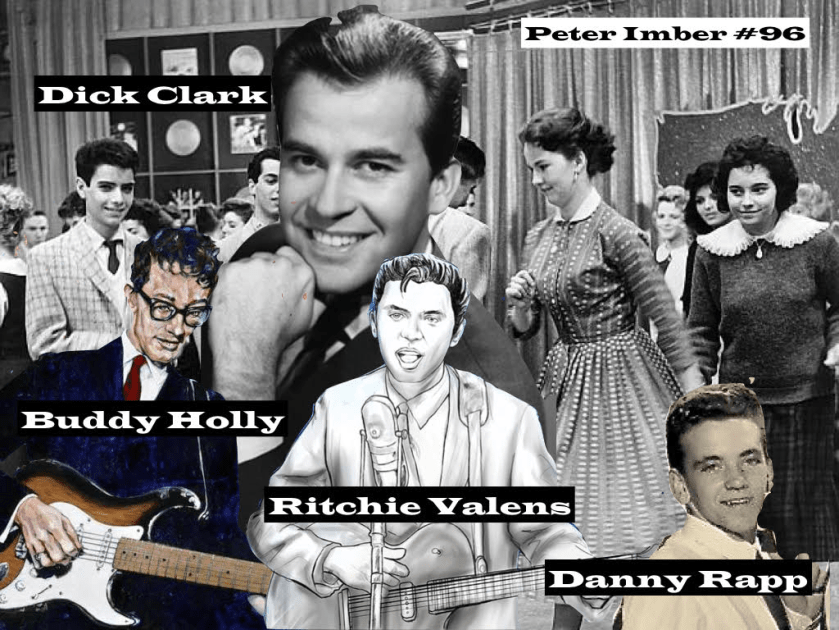
Dick Clark had a number of acts from Philadelphia launch their careers on his show: Avalon, Fabian, Bobby Rydell, Chubby Checker and Danny and the Juniors. Remember their hit “At the Hop?” The song’s original title was actually “Do the Bop.” When Clark heard it he told the group to change it to “At the Hop” and it reached number one on the charts in 1958. For his suggestion Clark asked for and received half of the publishing rights. Clark was a cutthroat businessman as well as a broadcasting legend.
At some point in the 1970s I was home visiting my parents. It was a Saturday night and with nothing to do I saw an ad in the paper: “Danny and the Juniors appearing at Hiester’s Lanes” –a cocktail lounge at a local bowling alley –and I went. It was a short set with “At the Hop” as the bookends and “Rock and Roll Is Here to Stay” and “Twistin’ USA” in between. Those were the big and I believe only hits for the group.
Afterward I saw Danny Rapp, the “Danny”, sitting by himself at the end of the bar. I grabbed the stool beside him and we talked. He was the lone original Junior who had performed that evening. The others, Danny told me, had moved on and gotten day jobs and were married and raising families. He was the only one hanging on to the past. He didn’t seem happy.
On April 3,1983 I heard on the radio Danny had been found dead in a motel in Quartzsite, AZ. He had shot himself in the head.
My cartoon today includes Buddy Holly and Ritchie Valens– two rock and roll legends who along with J.P. Richardson– the Big Bopper –died in a plane crash in 1959 when I was in the 6th grade. Holly and Valens are perhaps most remembered for their songs named for real women– Peggy Sue and Donna.
One of my pitches to Nightline one year was to produce a broadcast for Valentine’s Day about actual women who had had popular songs written about them. Nightlife passed but I got to realize the idea anyway and to meet both Peggy Sue and Donna which was really a treat. They were both wonderful persons.
Peggy Sue Gerron still lived in Lubbock, Texas where both she and Buddy Holly grew up. She was not his girlfriend in high school, her boyfriend was the drummer, but her name sounded better as the title for a song that Buddy had written.
We went to Lubbock High School to see the trophy case which you’d expect would be full of athletic awards but this one was different. It was devoted to Holly memorabilia.
We went to his gravesite and a friend of Peggy Sue’s, a Holly enthusiast, bent down and began scratching the ground around the flat stone that revealed that the family name was spelled Holley and that he was 23 when he died. The fan unearthed a half dozen guitar picks buried around the marker by other fans before stopping.
Peggy Sue and I drove a 100 miles to Clovis, New Mexico to the studio where Buddy Holly and the Crickets had recorded most of their hit songs. Their producer was the late Norman Petty, who also recorded other artists like Roy Orbison and Waylon Jennings. The studio was still exactly as it was then and that’s where I did my interview with her.
Peggy Sue was a great tour guide. She died two years ago.
Donna Ludwig was Ritchie Valens’ girlfriend. I met her in Sacramento where she had become and still is from what I can tell a mortgage broker. I wanted to do her interview in front of a jukebox and had gotten a bar downtown to let me make use of theirs. Donna parked her car on the street and fed the meter but the interview went longer than she thought and she got a ticket. She was a bit distraught because she told me it was the first ticket she had ever gotten in her life. I took it from her and paid it.
Back at her house Donna wanted to show me something. It was the album Valens had given her with “Donna” and “La Bamba.” As she took the record out from the album’s sleeve she said, “It’s very sacred to me.” She teared up and so did I.
Donna Ludwig was 15 when Ritchie Valens was killed. He was 17.
For my story I also reached out to Paul Anka’s “Diana” and Neil Sedaka’s Carol from his song “Oh, Carol,” who by the way was a fellow high school classmate of his named Carol Klein who later became Carole King. Yes, that one.
Diana wanted to be paid to do an interview which nixed that idea and Neil Sedaka’s wife requested to know how large an audience would see her husband’s interview if he did one. I was doing the piece for Good Morning America and so I gave her the number for the viewers of GMA’s daily broadcast. She wasn’t impressed and turned me down.
I’ve attached a link to a long version of the story I did.
https://www.youtube.com/watch?v=Xodg9G-03U8
I’ve uploaded other stories I produced at ABC News to my YouTube channel but this particular one has gotten the most views– 172,000.
Hail! Hail! Rock ‘n’ Roll!
—————–
Oh teachers are my lessons done?
I cannot do another one.
They laughed and laughed and said,
Well child, are your lessons done?
–Leonard Cohen
The summer before entering Dartmouth College my class was sent books to read in advance of our matriculation. One was by José Ortega y Gasset, the other I don’t remember. I do remember that I didn’t read either one so the lecture about them upon our arrival in Hanover was wasted on me.
Quickly though, I discovered that Dartmouth was not a place where I could blow off or through assignments and skate by. My professors were demanding and my classmates smart and during my four years I remember only one student who I felt didn’t have the brains to be there.
Maybe I’m being harsh about him but it was after midnight night in rural Virginia when he bridged a car in which I was a passenger on a railroad track. Missing the turn was forgivable and fortunately, there was a bar adjacent to our predicament. Its customers streamed out to help lift our vehicle off the tracks so we could return to the road from which we had strayed.
But as we got back in the car the good and drunk samaritans surrounded it and started banging on the hood demanding money.
“What should I do?” asked our driver. “I can’t run over them.”
“No, but you can back the f___ up and get the hell out of here!”
I’m not sure I was the first to shout this but you can imagine.
That close call occurred during the spring of my sophomore year. I was on the golf team and we were on our spring trip, having worked our way north from South Carolina. A place called Fripp Island had been our starting point. It was a newly completed golf resort and its golf course had all the usual hazards you tried to avoid and an extra one that seemed more like a matter of life and death.
In addition to the sand traps and ponds there were alligators and more than a few. Our rounds took longer to complete since when we spotted a gator close to us none of us knew how to ask it to let us play through.
The final match of our tour was at the University of Maryland. I was playing as last man on our team but that day I ended up paired against Maryland’s number one player who was being punished for showing up late. He was mad about that and in golf, unlike football, anger is not usually going to work to your advantage.
I had a great day. The Maryland number one had a bad one and I beat him. That night my teammates and I celebrated and I vaguely remember at one point making a hazy trip to a men’s room.
When I arrived back in Hanover I was faced with an academic decision I had to make. In order to continue my studies in the fall I needed to declare a major. I had considered sociology but a baffling encounter with a department professor who assigned us Jane Jacobs’ The Death and Life of Great American Cities to read squelched that idea.
It was a Tuesday when she announced that we were supposed to have it read by Friday– all 458 pages. I approached her after class.
“Professor, I’m not sure I can read the book that fast.”
“Look, let me tell you something,” she said. “Most people only have one idea they’re trying to get across. If they’re great they might have two and if they have three they get the Nobel Prize.”
She was out the door while finishing that last sentence and I decided that I’d explore a different subject for a major.
And so it was shortly after our return from the golf trip that I walked across the Dartmouth Green to the English Department offices. The afternoon tea at the the stately Sanborn House was for prospective English majors and I had put on a jacket and tie for the occasion that I presumed was expected. If I had been holding my tea cup and saucer correctly, I might have avoided what happened next.
As I listened and nodded while circulating around the room in front of the genteely dressed professors of the department I soon became aware that none were making consistent eye contact with me. They were more focused on the center of my chest. As soon as I lowered my head to see why, I understood the attraction. It was my tie– The same tie I had worn into the men’s room the night after my big win on the golf course.
Puke does not exactly enhance a repp tie and I immediately concluded that English was not going to be the best choice for my concentration of studies during the next two years and made a hasty getaway.
When we returned to school that fall I still hadn’t made up my mind about a major. History seemed like an option and I went to the bookstore to see what courses I would be signing up for but while checking them out I saw a class on Africa that was being taught by a government professor whose course I had taken and liked… Yep, at that moment I became a government major.
After graduation when I went looking for my first job I was asked by an interviewer what I had studied in college. I told him the story I’ve just told you, vomit stained tie and all… I thought he almost hired me but I could be wrong.
—————–
Talk radio is one of those developments that I’m certain I could live without. My father used to have his car radio tuned permanently to Rush Limbaugh and so when I visited and borrowed the car I sometimes got a quick earful. When I was in the car with him and Limbaugh was on the air I got a serious earful. About the only thing I learned from Rush and his cohorts was that there’s no issue too complex that it can’t be reduced to fear and loathing.
And if you’ll excuse my own rant, I’ll contend that the majority of talk show hosts are egomaniacs and most of their callers mostly stridently xenophobic and/or racist on the right or often quixotic and/or blindly naïve on the left.
The late former sane governor of Texas, Ann Richards, was once asked why she didn’t have a talk show. Her answer: “The people who have time during the day to listen to me on the radio are not the people I want to be talking to.”
But I remember a kinder gentler time when talk radio was in its infancy and I was not much older. There was a program on local radio in the city where I grew up in Pennsylvania on weeknights that I’d often go to sleep listening to. Its theme music, the big band clarinetist Artie Shaw’s “Nightmare”, would play and Reading’s Night Mayor was on the air.
It might not have been the first radio talk show in the country but I’ll bet it was close. Paul Barclay was the host, a high school school teacher by day and back then, I’d bet, his radio gig was barely making him vacation money. I don’t think he was even much of a local celebrity and he certainly wasn’t into spouting his own opinions to his audience.
No diatribes, no insults, no spin but something else was missing from Barclay’s show that, despite his objectivity and neutrality, made him a very singular voice back in his day. His was in fact the ONLY voice.
In that pre cell phone and Internet era of long ago either the technology didn’t exist or his radio station couldn’t afford it. So, listeners only heard one side of the conversation— the Night Mayor’s. Because of this much, patience was required from the program’s devotees.
Calls all started the same way: “Hello, Night Mayor!” followed by a long silence as the caller made his point and the listener waited to hear Barclay repeat, and no doubt condense, what that point was. Each call was literally translated from English into English and listening to the show plod along could be awkward to the point of painful.
The theme music kind of scared me but I couldn’t resist tuning into the Night Mayor when I was growing up. My transistor radio back then– a leatherbound Zenith portable the size of more than a dozen of today’s iPads in a stack, brought me the world, although St. Louis was actually about as far as it could reach out into it on a good night.
There was rock and roll from New York, basketball from Boston and on the Night Mayor the talk of the stench of Reading politics from its callers. On one occasion I recall it was actually the real thing– complaints about tardy garbage collection.
And then one night I decided to call the Night Mayor myself. I had to. Something incredible had occurred on live television and the Night Mayor was asking for a witness. I had just gotten home from school that afternoon– I think the 6th grade –and saw it myself on a kitsch variety show called County Fair hosted by Bert Parks.
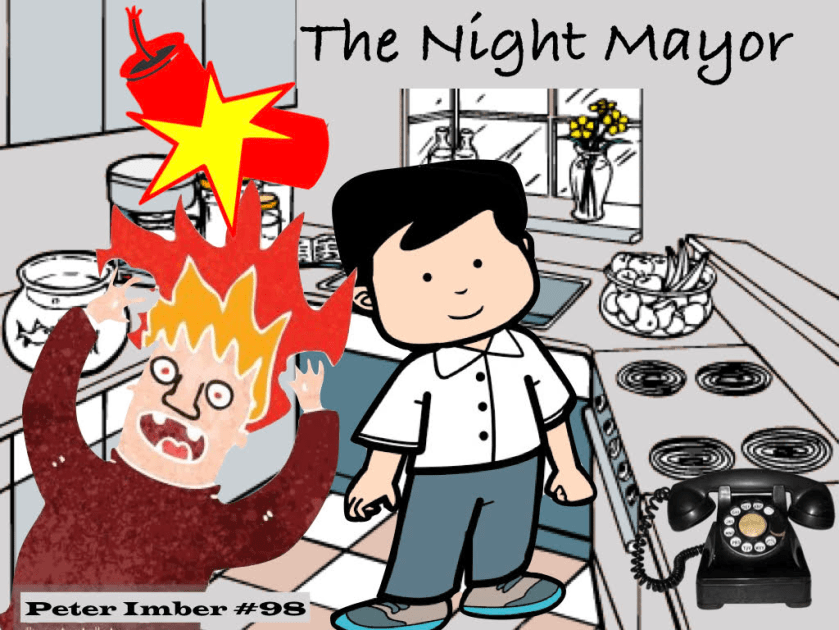
It was a stunt gone amazingly wrong. A woman from the audience was blindfolded and spun around while a lit fuse running on the floor was racing toward her husband. The studio audience had been implored to scream directions to help her find it so she could stamp it out with her shoes. Her husband was sitting in a chair below a sack of flour hanging from the ceiling. At the terminus of the fuse was a firecracker and the firecracker was next to the sack of flour and well… she didn’t find it in time.
When the firecracker exploded the flour ignited and the man instantly became a human torch. I watched in horror as he stood up and Bert Parks ran to him and probably saved his life by knocking him to the floor and smothering the flames with his green master of ceremonies blazer. The show cut to a commercial. Yes, this actually happened!
I could barely believe I had seen it but I had and I felt obligated to report it to the Night Mayor. It was my duty… well partly, but mostly I just wanted to be the first one to call in. I dialed WHUM from the phone in my parents’ kitchen and as it rang and I waited, my nerves started to get the better of me. Stage fright hit and I thought of hanging up. I was a kid, not even a teenager. What was I doing? Only adults called the Night Mayor.
With the suddenness of a car crash it was too late. “Hello, Night Mayor.” His voice sounded much different on the phone. I surprised myself and didn’t hang up and as best I could began my account. The Night Mayor didn’t ask me my age and I was relieved that nobody was hearing me but him. He helped me along with tactical “ah huhs” and “um hums” honed from experience. I rambled around them and paused as the Night Mayor relayed his recapitulation of me to his audience.
How many were in that audience? Hundreds, thousands? Was I articulate? Did I make sense? Together we made it work and then it was over. I was alone in the kitchen and shaking a little but not embarrassed or scared. I was now officially and for all time, a Night Mayor caller.
Years later I became a journalist. I produced reports of events for a living for many others– millions in fact– to watch on network television news. But to this day I have never called another talk show.
—————–
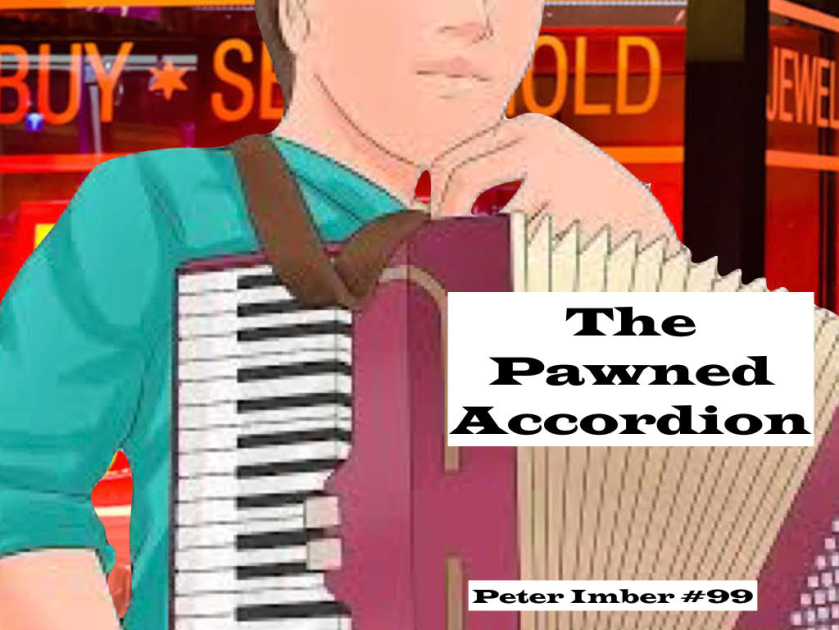
There were a lot of other kids taking lessons with me. I’d later realize that Mr. Michaels, the man who was our instructor, had been a real life facsimile of Harold Hill, the charming huckster in Broadway’s The Music Man. Like the Davy Crockett coonskin hat and the hula hoop, learning accordion was a craze for a while in my town.
We all started with beginner accordions that Zeswitz rented for the first half dozen lessons. After that the store played hardball. To continue instruction, a signed contract to purchase a new full blown accordion was required otherwise Zeswitz took away the keys and the buttons. My parents, I’m sure against their better judgement, acquiesced and I plodded along and quickly validated any doubts about their investment when I started to regret having to practice.
At one point we had a giant recital at the local college field house and I think all of us, under the spell of Mr. Michaels, nearly filled the entire basketball court. If The Guinness Book of Records had known about the event, we might have qualified for an entry— most accordionists per square foot.
The most proficient among us played that accordion rite of passage “Lady of Spain.” I was in the group that played the much easier “All Through the Night.” My memory has fooled me into believing that I had already packed up my instrument and was headed out the door while others were still performing.
A short time later I met my Waterloo (not Abba’s version) when we had to deal with both sharps and flats for mastering “Oh, Them Golden Slippers.” I also gave up any hopes of my ever appearing in Philadelphia’s New Year’s Day Mummers Parade and in my frustration destroyed my grandfather’s beautiful metronome as well.
My parents had been paying for my accordion on the installment plan. I don’t know how they unloaded it but I do remember that for years afterward every pawn shop in Reading had accordions in its window.
Many more years later I heard a story about a guy who left his accordion in his car and went to eat at a restaurant. When he returned one of his car windows had been smashed and there were two accordions on the back seat.
Somebody called the accordion the Rodney Dangerfield of musical instruments and it’s true that, although it gets more respect than a toy piano, it’s rarely been seen on stage with an orchestra be it a symphony or a big band. One accordionist says it’s a matter of class prejudice.
The accordion was invented in the 19th century when the instruments on which music was played were determined by the societal status of the audience who the music was being played for. The accordion, being portable, was played in working class neighborhoods and not the drawing rooms of the aristocracy. When was the last time you saw a harpsichord in a bar?
Upon checking I’ve found that there are some memorable songs that featured an accordion. Here’s a short list:
Rocky Racoon— The Beatles
How Can I Be Sure— The Young Rascals
Wouldn’t It Be Nice— The Beach Boys
When I Paint My Masterpiece— The Band
Piano Man— Billy Joel
Constant Craving— K.D. Lang
I no longer have a clue how to play an accordion and I’ve been told that a true gentleman who does know how is one who won’t play.
But here’s a blast from the past in case you want to see how it’s done. Take it away Lawrence Welk… a one, and a two and a three…
https://www.youtube.com/watch?v=Ejiw9J3XkgQ
—————–

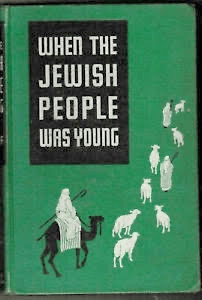
My family belonged to a reform synagogue and I attended weekly religious school from the first through ninth grades. I was in sixth grade when our textbook for the year was When the Jewish People Was Young. Some of us couldn’t accept the title as grammatically correct but it was– a “people” is singular although I don’t recall to this day reading or hearing anybody ever say, “The American people is…”
Anyway, When the Jewish People Was Young was published originally in the 1930s. When we were given our copies in the late 1950s its style was as parched as the Israelites must have been wandering about in the Sinai. The book was a snooze. It could have been printed on stone tablets.
Lester Fisher was our religious school teacher that year and challenged with trying to resuscitate this lifeless version of Jewish biblical history. I don’t recall that he succeeded. I only remember THE TEST.
Now, up to this point in my education a true or false exam was preferable to multiple choice or to being asked to provide an actual name or date and certainly it was a much more welcomed alternative to any questions that required a written sentence or God forbid, a paragraph.
But Mr. Fisher was about to change the entire calculus of what I considered my testing pecking order. He was my father’s age and in retrospect maybe didn’t want to be teaching our class about as much as we didn’t want to be attending it. He was serious, actually stern, and he enjoyed being a bit theatrical at times and the day of THE TEST he was in total performance mode.
“Close your books and get out a pencil and paper. This will be a True-False test.”
I’d done the reading and felt prepared to achieve a passing grade which was all I wanted to accomplish. But then Mr. Fisher ominously upped the ante.
“Get ready for ‘Fisher’s Horrible Hundred!'”
The questions began and they were tough– really tough. After the first half dozen I realized I had marked them all as true. I was fairly confident they were but then after a few more that I marked as true as well I began to feel uneasy. How could there be this many true answers in a row?
I opened my mouth. “These are all true,” I said and it probably sounded more like a question born of insecurity than a declaration of certainty.
Mr. Fisher did not look at me and did not pause. His face did not change its expression. The questions kept coming and they all still continued to seem to be true even if I wasn’t sure anymore. My impulses were telling me they were. My logic was telling me that it wasn’t possible.
I had to make a choice, go with my gut or my skepticism “Fisher’s Horrible Hundred” could turn out to be the easiest hardest exam I’d ever taken and if I were to simply mark all one hundred questions true I was done. But who would ever give such a test?
In a split second I lost my nerve and began to write as many Fs as Ts the rest of the way. As I write this I realize it was an indication that I wasn’t a gambler and looking back on my life I guess I haven’t been. But as I recall I still got the highest mark in our class on THE TEST that day. It was a pyrrhic achievement. “Fisher’s Horrible Hundred” were indeed all true and our entire class failed!
Several years ago I found a copy of When the Jewish People Was Young for sale on eBay and bought it from a public library. Inside the cover I discovered it had been used by a congregation in Las Cruces, New Mexico. A boy’s name from long ago was inscribed in it as well. For no good reason I tracked down his family in Las Cruces and learned he was an insurance agent in Southern California. I called him. He did not want his book back.
——————
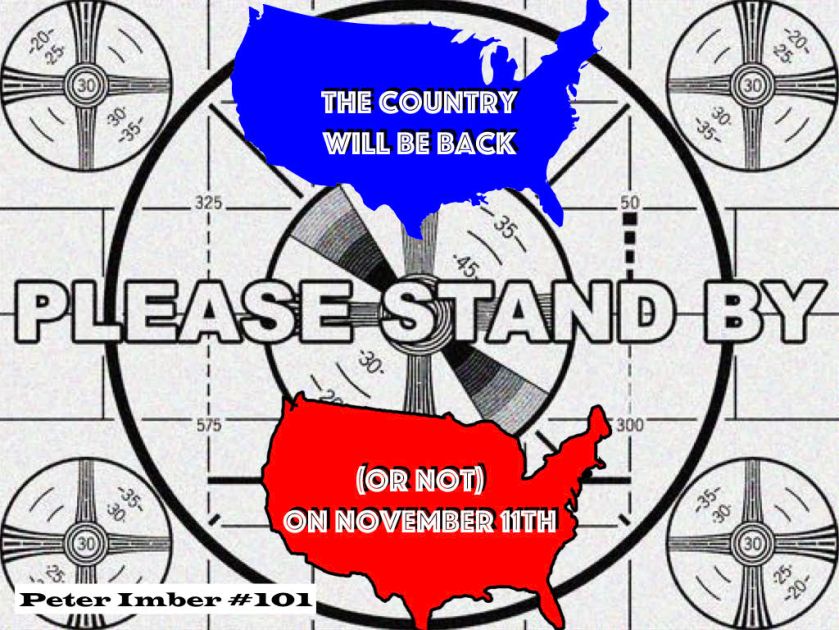
I have a shelf of unpublished inventory. Some of the cartoons on it didn’t seem ready for primetime, others were but have been held in reserve for a rainy day and sometimes I saved a particular cartoon too long and it lost its relevance.




While my intent for this cartoon was to make you smile, in the course of creating it I came across a story written by Will Hobson that appeared in the Washington Post three years ago. It’s chilling and disturbing and stark evidence of Donald Trump’s lack of empathy and basic decency.

The Taj, as it was called, cost over a billion dollars to build and went into bankruptcy a year later before eventually being sold for $40 million– that’s four cents on the dollar. In the casino business the house is always supposed to win but Donald’s house was a gigantic loser as well as just the first of his four business bankruptcies.



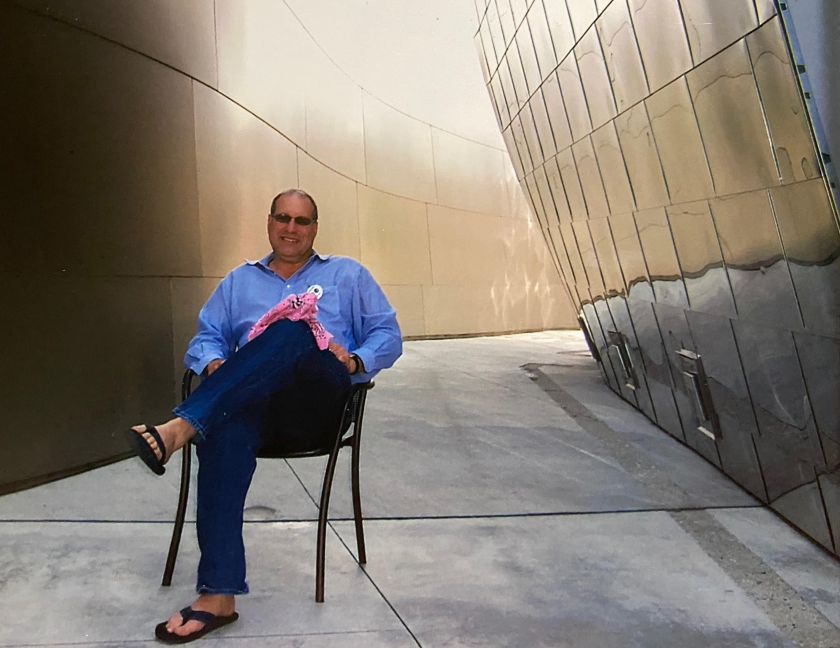
The second great architect I met and interviewed was in 2003 when I was assigned to cover the opening of what’s become a Los Angeles landmark– Disney Hall.

https://www.youtube.com/watch?v=QbkCfxnoY4A

—————–
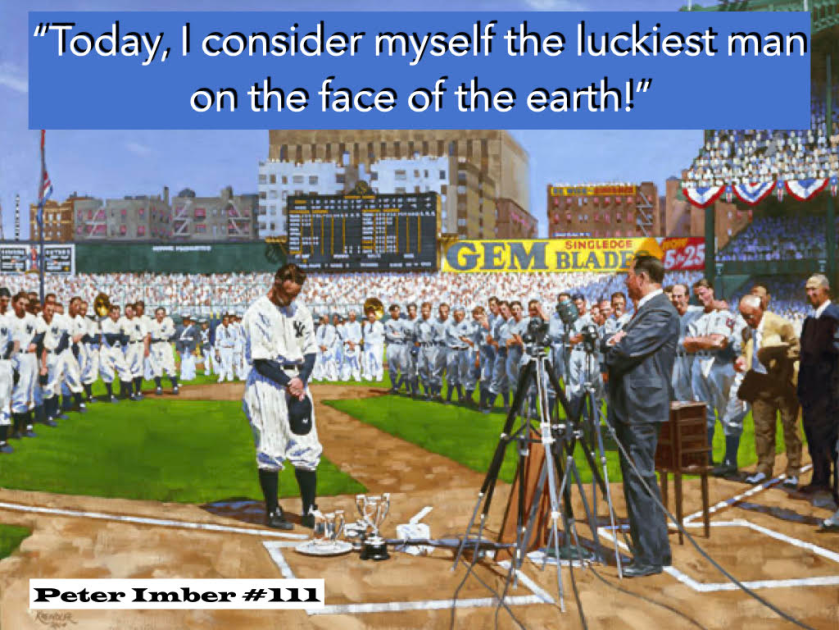
Peter


I held up Garland and there’s nothing you could do
I’m the grim reaper it’s plain to see
And we’ll play by my rules until you get rid of me
But wise men never kissed an ass
So how are they to know
When Trump won I saw that suck ups thrive
I know how to be that guy so well so I survive
‘Cause that’s the kind of guy I’m
While other folks are busy
I try to keep from getting dizzy
Bidin’ my time
Somethin’s bound to happen
This year, this year
I’ll just keep on nappin’

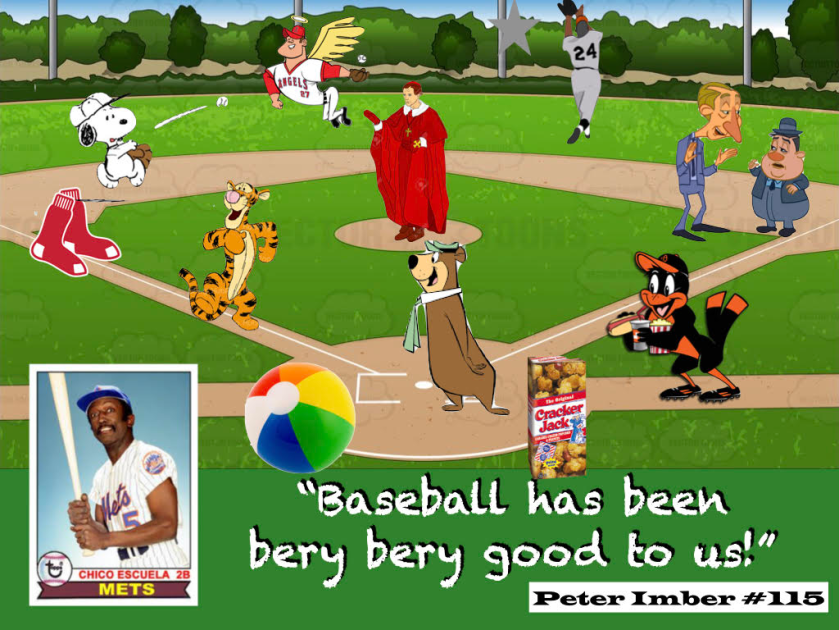
The Super Bowl may have long ago eclipsed the World Series as the most viewed sporting event in America but when it comes to movies there are a lot centered around baseball that are memorable.
Here’s a short list:
Fear Strikes Out
However, my favorite scene that involves baseball in any movie is a fleeting moment in a film that isn’t about the game at all. It takes place in Akira Kurosawa’s Ikiru that tells the story of an unremarkable Japanese bureaucrat receiving a terminal cancer diagnosis, a story told in flashbacks from his life revealing how he sought to make his last days meaningful.

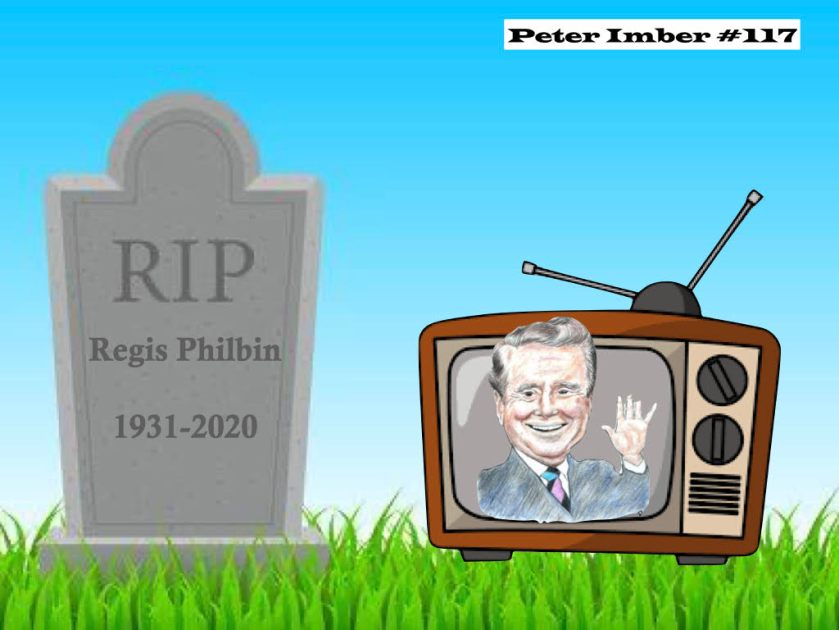
Here it is straight from the Guinness world record book:
The most hours by any individual on American television is 16,746.50 hours by Regis Philbin (USA) whose career spanned 52 years as of 2011. This is an average of almost one hour a day throughout his 50-year career.
You’ve likely heard about Regis Philbin’s passing already but let me add an angle you’ve never thought of that only a cynical television news producer can offer you.
In my career with ABC News I got to travel to some pretty small and remote places and I’d read the obituaries in the local newspapers where there were still any. What I was looking for were stories about interesting lives. More often than not the obits I came across were perfunctory but sometimes I’d find one that hinted at a lot more than a life of convention, a life I could imagine as accomplished and admired or intrepid and inspiring.
I realized many years ago that everyone has a story but most of the time (mea culpa) we’re more interested in telling our own than listening to theirs. I told stories for a living and sometimes that meant crafting someone’s obituary. Almost always it was somebody famous of course. Network News rarely ever did fanfares for the common man or woman.
Life includes death and as I began a career in journalism certain deaths that were unexpected as well as those that were inevitable were always going to be news
I went to work at CBS News in New York after my college graduation and was low man on the totem pole (Is that Ok to say anymore?) on the Evening News with Walter Cronkite. This also made me the youngest person on the staff. In the summer of 1971 Cronkite’s lead editor asked me for advice.
“This singer Jim Morrison who just died in Paris. Have you heard of him? Should we mention him tonight?”
I told him yes and was dispatched to buy a Doors record album that was used as a picture behind the anchorman that evening. As far as I know I was the only one consulted about Morrison’s importance and for a brief moment I felt like I was a spokesperson for my generation.
When I got to the ABC News Bureau in Los Angeles in 1982 we’d work up selected obituaries in advance for notable Hollywood stars whose health might be failing or were simply getting old. I worked on one for Katharine Hepburn that makes me smile even three decades later.
Hepburn did a number of interviews with Barbara Walters through the years and as we watched them I noticed something undeniable. Hepburn aged gracefully. If she was having any plastic surgery, it was not detectable. On the other hand Walters kept getting better looking from hers as time went by. It was weird and in my opinion at a certain point a face trying to look the age it isn’t becomes one in which much of its experience of life has been erased.
During my career in television I learned a few things about when not to die if you’re famous. You don’t want to die on the weekend for instance when hardly anybody’s watching the news and skeleton news staffs don’t have the resources to put together something you’d consider worthy of your status and accomplishments.
And you don’t want your demise to be competing for time with some other big event. Take Richard Burton, he had the misfortune of dying during the 1984 Los Angeles Summer Olympics and on a Sunday to boot. He may have played King Arthur in Camelot and been married twice to Elizabeth Taylor but he was upstaged by the athletic heroics of Michael Jordan and Mary Lou Retton. ABC, which was the network of the Olympic Games back then, barely granted him a last curtain call.
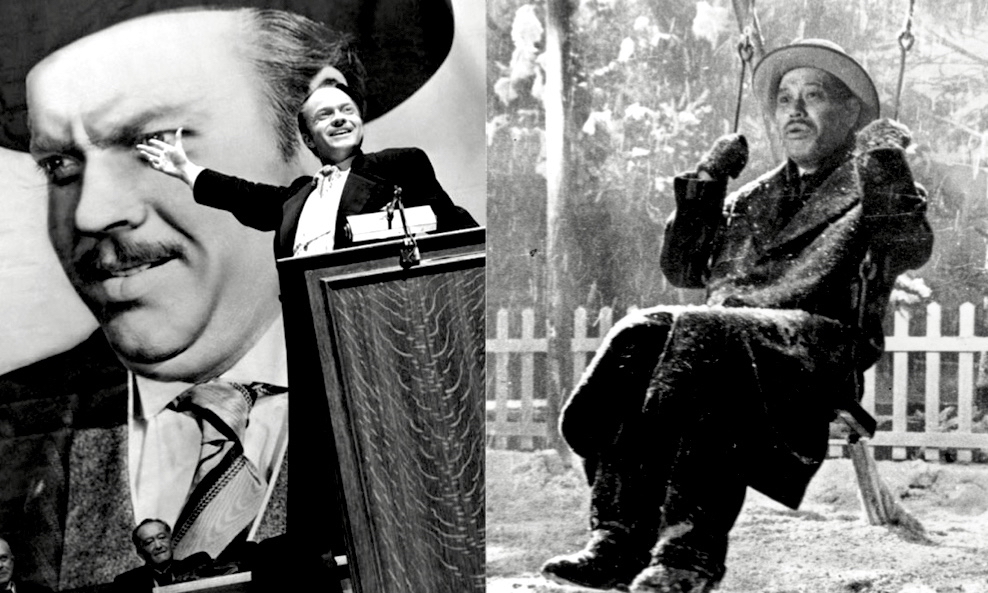
And there’s another situation that you want to avoid if you’re a celebrity and at all able to put off knocking on heaven’s door. On October 10, 1985 Orson Welles and Yul Brynner died on the same day and got equal time on ABC’s World News Tonight with Peter Jennings. This was probably half the amount of recognition they each might have gotten otherwise had they died on separate days.
Actually, despite Welles having starred in and directed Citizen Kane, one of the greatest films of all time, Brynner might have garnered a bit more coverage because there were powerful television public service announcements he made before his death about the dangers of smoking that caused his lung cancer.
For a posthumous TV tribute sometimes you only needed to be cast in a memorable moment occurring in a movie to make it into millions of homes. Take Slim Pickens. He might not have had the career of an author like say Graham Greene but Slim rode a nuclear bomb into oblivion at the end of Dr. Strangelove which for TV is a picture worth infinitely more than the 500,000 words Greene produced with his writing. Greene’s acclaimed literary trove where the visuals he created could only be imagined inside one’s head was indeed slim pickings for television in comparison and his closing chapter probably went unnoticed by many a TV newsperson.
I got to do Roy Rogers’ obituary the day he died and was faced with a surprising challenge. It was a no brainer that we’d use Roy and Dale Evans singing “Happy Trails to You” in our remembrance. It was heard at the end of every episode of their TV series that my generation watched growing up. And that was the problem. “Happy Trails” was sung over the closing credits but you never saw Rogers and Evans actually singing it on camera.
Fortunately, we found a guest appearance by Roy on a variety show where he performed his signature tune mounted on his horse Trigger so that we could have him ride off into eternity serenading us.
The business of doing an obituary before a person actually dies is certainly prudent journalistically but it occasionally upset those asked to participate in the effort. Case in point— Bob Hope. He warranted extensive preemptive preparation and I was assigned to work up a story on how he had influenced comedy as well as his peers.
I had no problem lining up contemporary comedians like Bill Maher (unpleasant but gave us a good soundbite) and Arsenio Hall (nice guy who gave us an even better soundbite). But I also wanted some of Hope’s contemporaries and was getting nowhere. In fact at one point I thought I might be heading for trouble after I had this exchange with Sid Caesar’s agent.
Agent: “So, let me get this straight. You want Sid to talk about Hope as if Hope is already dead?”
Me: “Well, not exactly. We’re preparing a story about Hope that will be broadcast when he dies but we want to do it ahead of time.”
Agent: “So, Hope will be dead when you show this, right?”
Me: “Yes.”
Agent: “So Sid will talk now but Hope may as well be f—–g dead!… I know Roone Arledge and you should be ashamed of yourself.”
A few years later I did a much better job convincing no other than George Lucas to do an interview for me well before the death of another filmmaker Akira Kurosawa. I knew Lucas revered the Japanese director above all others and had credited Kurosawa’s film The Hidden Fortress as an inspiration for Star Wars.
After making a request for Lucas’s help I received a phone call from his representative.
Representative: “As you know George is a great admirer of Kurosawa but he feels uncomfortable speaking about him now and says he would be glad to do so if you ask him upon Kurosawa’s death.”
Me: “I’m afraid on the day when Kurosawa dies, we won’t have time to get a camera to you. Please tell Mr. Lucas that giving us his thoughts ahead of time would be the surest way for him to have a chance to pay tribute to Kurosawa when that day comes.”
I usually don’t think quite that quickly on my feet but I had this time and got a call back the next day telling me George Lucas would be available for us to interview within a week.
Akira Kurosawa passed away six years later. It was on a Sunday and there was no other earth shattering news breaking on the planet. The obit I had produced, written and edited was in mothballs somewhere in the vault of ABC News headquarters in New York. I phoned there to make everyone aware of its existence but by then Kurosawa had, through no fault of his own, committed the ultimate dying gaffe that conspired against my homage and George Lucas’s salute to him ever getting on the air.
For our perceived audience he had outlived his success and fame. He died too late.
Regis Philbin was an ultimate creature of television and as sometimes happens he may well be given a longer goodbye on the tube than in print. He had 28 credits as a host and 36 more as an actor. Perhaps his most memorable line was one he repeated ad nauseam on Who Wants to be a Millionaire?– “Is that your final answer?”
From what I’ve read about him these wouldn’t have been his final words. He never admitted he was retiring and just said he was moving on. I think that would have been his final answer.
The most hours by any individual on American television is 16,746.50 hours by Regis Philbin (USA) whose career spanned 52 years as of 2011. This is an average of almost one hour a day throughout his 50-year career.
You’ve likely heard about Regis Philbin’s passing already but let me add an angle you’ve never thought of that only a cynical television news producer can offer you.
In my career with ABC News I got to travel to some pretty small and remote places and I’d read the obituaries in the local newspapers where there were still any. What I was looking for were stories about interesting lives. More often than not the obits I came across were perfunctory but sometimes I’d find one that hinted at a lot more than a life of convention, a life I could imagine as accomplished and admired or intrepid and inspiring.
I realized many years ago that everyone has a story but most of the time (mea culpa) we’re more interested in telling our own than listening to theirs. I told stories for a living and sometimes that meant crafting someone’s obituary. Almost always it was somebody famous of course. Network News rarely ever did fanfares for the common man or woman.
Life includes death and as I began a career in journalism certain deaths that were unexpected as well as those that were inevitable were always going to be news
I went to work at CBS News in New York after my college graduation and was low man on the totem pole (Is that Ok to say anymore?) on the Evening News with Walter Cronkite. This also made me the youngest person on the staff. In the summer of 1971 Cronkite’s lead editor asked me for advice.
“This singer Jim Morrison who just died in Paris. Have you heard of him? Should we mention him tonight?”
I told him yes and was dispatched to buy a Doors record album that was used as a picture behind the anchorman that evening. As far as I know I was the only one consulted about Morrison’s importance and for a brief moment I felt like I was a spokesperson for my generation.
When I got to the ABC News Bureau in Los Angeles in 1982 we’d work up selected obituaries in advance for notable Hollywood stars whose health might be failing or were simply getting old. I worked on one for Katharine Hepburn that makes me smile even three decades later.
Hepburn did a number of interviews with Barbara Walters through the years and as we watched them I noticed something undeniable. Hepburn aged gracefully. If she was having any plastic surgery, it was not detectable. On the other hand Walters kept getting better looking from hers as time went by. It was weird and in my opinion at a certain point a face trying to look the age it isn’t becomes one in which much of its experience of life has been erased.
During my career in television I learned a few things about when not to die if you’re famous. You don’t want to die on the weekend for instance when hardly anybody’s watching the news and skeleton news staffs don’t have the resources to put together something you’d consider worthy of your status and accomplishments.
And you don’t want your demise to be competing for time with some other big event. Take Richard Burton, he had the misfortune of dying during the 1984 Los Angeles Summer Olympics and on a Sunday to boot. He may have played King Arthur in Camelot and been married twice to Elizabeth Taylor but he was upstaged by the athletic heroics of Michael Jordan and Mary Lou Retton. ABC, which was the network of the Olympic Games back then, barely granted him a last curtain call.
And there’s another situation that you want to avoid if you’re a celebrity and at all able to put off knocking on heaven’s door. On October 10, 1985 Orson Welles and Yul Brynner died on the same day and got equal time on ABC’s World News Tonight with Peter Jennings. This was probably half the amount of recognition they each might have gotten otherwise had they died on separate days.
Actually, despite Welles having starred in and directed Citizen Kane, one of the greatest films of all time, Brynner might have garnered a bit more coverage because there were powerful television public service announcements he made before his death about the dangers of smoking that caused his lung cancer.
For a posthumous TV tribute sometimes you only needed to be cast in a memorable moment occurring in a movie to make it into millions of homes. Take Slim Pickens. He might not have had the career of an author like say Graham Greene but Slim rode a nuclear bomb into oblivion at the end of Dr. Strangelove which for TV is a picture worth infinitely more than the 500,000 words Greene produced with his writing. Greene’s acclaimed literary trove where the visuals he created could only be imagined inside one’s head was indeed slim pickings for television in comparison and his closing chapter probably went unnoticed by many a TV newsperson.
I got to do Roy Rogers’ obituary the day he died and was faced with a surprising challenge. It was a no brainer that we’d use Roy and Dale Evans singing “Happy Trails to You” in our remembrance. It was heard at the end of every episode of their TV series that my generation watched growing up. And that was the problem. “Happy Trails” was sung over the closing credits but you never saw Rogers and Evans actually singing it on camera.
Fortunately, we found a guest appearance by Roy on a variety show where he performed his signature tune mounted on his horse Trigger so that we could have him ride off into eternity serenading us.
The business of doing an obituary before a person actually dies is certainly prudent journalistically but it occasionally upset those asked to participate in the effort. Case in point— Bob Hope. He warranted extensive preemptive preparation and I was assigned to work up a story on how he had influenced comedy as well as his peers.
I had no problem lining up contemporary comedians like Bill Maher (unpleasant but gave us a good soundbite) and Arsenio Hall (nice guy who gave us an even better soundbite). But I also wanted some of Hope’s contemporaries and was getting nowhere. In fact at one point I thought I might be heading for trouble after I had this exchange with Sid Caesar’s agent.
Agent: “So, let me get this straight. You want Sid to talk about Hope as if Hope is already dead?”
Me: “Well, not exactly. We’re preparing a story about Hope that will be broadcast when he dies but we want to do it ahead of time.”
Agent: “So, Hope will be dead when you show this, right?”
Me: “Yes.”
Agent: “So Sid will talk now but Hope may as well be f—–g dead!… I know Roone Arledge and you should be ashamed of yourself.”
A few years later I did a much better job convincing no other than George Lucas to do an interview for me well before the death of another filmmaker Akira Kurosawa. I knew Lucas revered the Japanese director above all others and had credited Kurosawa’s film The Hidden Fortress as an inspiration for Star Wars.
After making a request for Lucas’s help I received a phone call from his representative.
Representative: “As you know George is a great admirer of Kurosawa but he feels uncomfortable speaking about him now and says he would be glad to do so if you ask him upon Kurosawa’s death.”
Me: “I’m afraid on the day when Kurosawa dies, we won’t have time to get a camera to you. Please tell Mr. Lucas that giving us his thoughts ahead of time would be the surest way for him to have a chance to pay tribute to Kurosawa when that day comes.”
I usually don’t think quite that quickly on my feet but I had this time and got a call back the next day telling me George Lucas would be available for us to interview within a week.
Akira Kurosawa passed away six years later. It was on a Sunday and there was no other earth shattering news breaking on the planet. The obit I had produced, written and edited was in mothballs somewhere in the vault of ABC News headquarters in New York. I phoned there to make everyone aware of its existence but by then Kurosawa had, through no fault of his own, committed the ultimate dying gaffe that conspired against my homage and George Lucas’s salute to him ever getting on the air.
For our perceived audience he had outlived his success and fame. He died too late.
Regis Philbin was an ultimate creature of television and as sometimes happens he may well be given a longer goodbye on the tube than in print. He had 28 credits as a host and 36 more as an actor. Perhaps his most memorable line was one he repeated ad nauseam on Who Wants to be a Millionaire?– “Is that your final answer?”
From what I’ve read about him these wouldn’t have been his final words. He never admitted he was retiring and just said he was moving on. I think that would have been his final answer.
—————–
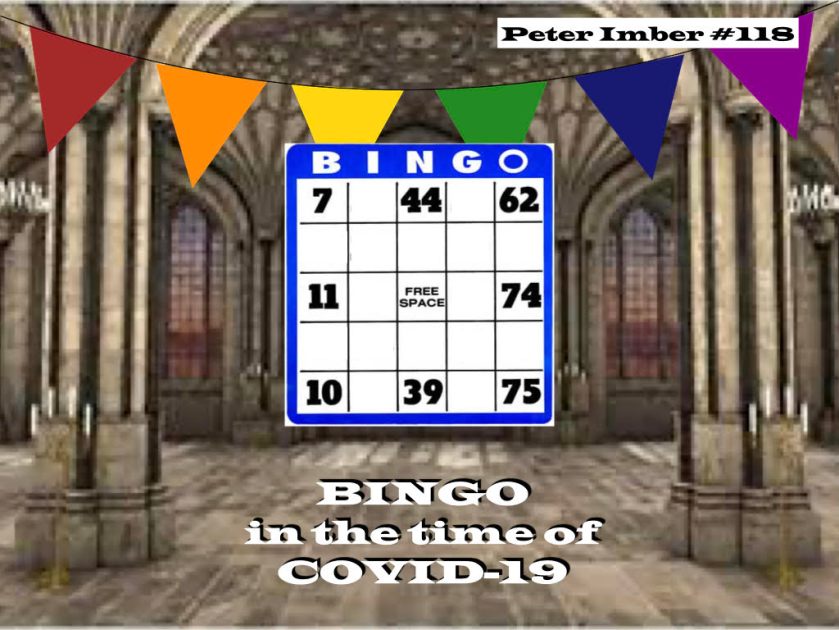 I haven’t played Bingo since I was a kid when it was an activity before the cake and ice cream at a birthday party. Now, I’ve reached a point in life when Bingo is perhaps again age appropriate but I’m not interested.
Before starting a daily cartoon on April Fool’s Day I created other stuff. For a few years I posted quirky quizzes on Facebook but that ended when I got off social media a couple years ago. I’ve never looked back on that decision.

Jo was telling me yesterday that our 8 year old grandson asked her if she was jealous of anything. Perhaps he wanted to know if it was a normal human emotion and of course it is and that’s indisputable. But most of us, as we reach adulthood, realize and accept that jealousy isn’t often something we act upon like we might have as a child wanting some other kid’s toy.
It’s clear that Donald Trump is jealous of Anthony Fauci’s popularity and when Dr. Fauci threw out the first pitch at the Washington Nationals’ opening day game last week, Trump actually lied about being asked by the New York Yankees to do the same. The Yankees were blindsided. There had been no invitation offered. Trump had thrown them a curveball.
He’s jealous of someone who got to throw a baseball and so he invites himself to do the same. Who does that sort of thing?
I’ll tell you who. A normal human being who is a father would. He’d invite himself to have a catch with his son. Any bets Donald Trump ever has?


Yesterday’s outburst was just the most recent rant in his effort to sow doubt in the minds of his base about the electoral system’s integrity. It’s a given he’ll resort to increasingly dishonest and unscrupulous behavior in the months ahead. This is who Trump is. This is the sorry and scary situation the nation finds itself in.

















 As the co-creator of Seinfeld Larry David is now richer than God after mega syndication deals for its 180 episodes have made both him and Jerry Seinfeld the wealthiest comedians on earth.






 Since today is Homemade Cartoon #40 I believe a Noah’s Ark reference is appropriate and bittersweet. Noah only had to shelter in place for 40 days.You may or may not know that in Kentucky there is a 500 foot long virtual Noah’s Ark that opened for visitors four years ago. Frankly, I don’t know what’s more unsafe a contemporary cruise ship or an ancient ark with seven– YES SEVEN –pairs of bats! Check out Genesis. It’s not just bats, the ark actually appears to have been significantly overbooked.
 “Emperor penguins are as vulnerable and important a symbolfor the effects of climate change in Antarcticaas polar bears are for the Arctic.” –Franz Lanting
 “May: This is one of the peculiarly dangerous months to speculate in stocks. The others are July, January, September, April, November, October, March, June, December, August and February.” — Mark Twain—————–
 What exactly is ‘doubling your bubble?’ It’s households picking one other household to interact with, and each of those households may then interact only with the other. They can visit with each other and be in each other’s home, share meals together, and I presume do shopping for and recreate with each other.And what could go wrong? Well, let’s say you’re elderly parents and you have several children with families that include all your grandchildren. If you pick one of your kids to double bubble with, are you hurting the feelings of the others? I’m sure there is a hornet’s nest of potentially uncomfortable scenarios that can be imagined but being Canadians don’t they have an advantage? Aren’t they supposed to be nicer than we Americans? That’s what I’ve always heard.So, I did a little looking into the question and came up with something that may help arrive at an answer. A couple years ago Bryor Snefjella, a PhD student at McMaster University in Ontario published a study that analyzed 40 million tweets over a one year period from both Canadians and Americans and concluded that “it might be the case that we construct our national identities via our linguistic choices.”How’s that? Well, here’s what he found. Words most represented in American tweets were more negative and words represented in Canadian tweets were more positive. Mr. Snefjella wasn’t even looking for this. He was initially studying differences in our dialects but found that even the tweeted emojis reflected this same divide between being naughty or nice. Just look at the two word clouds. Each represents the top 250 words tweeted by Americans and Canadians. The larger the word in the cloud the more times it appeared in tweets by those on either side of the border.Here’s America…
 And here’s Canada…
 The difference is striking, no? And it would be easy to sum up Snefjella’s work by simply calling it Great Shit.But there’s a caveat. The study relied on tweets tweeted (when you say that out loud it sounds like the name of a Looney Tunes character or a deceased Belgian harmonica virtuoso) from February 2015 to February 2016 which of course was a year that saw the rise and election of Donald Trump as President of the United States.No matter. In any event it’s kind of clear which country’s populous was and probably still is happier.—————–
 Although paper originated in China in the second century B.C., the first recorded use of paper for cleansing is from the 6th century in medieval China, discovered in the texts of scholar Yen Chih-Thui. In 589 A.D, he wrote:“Paper on which there are quotations or commentaries from the Five Classics or the names of sages, I dare not use for toilet purposes.”And for your book group’s next meeting how about a dive into excrement in the Late Middle Ages. Yes, it’s a book…Sacred Filth and Chaucer’s Fecopoetics by Susan Signe MorrisonAnd here’s praise to convince those skeptics… “Morrison’s study offers an engagingly written book that makes a convincing case for the cultural significance of the medieval fecal and that elucidates Chaucer’s poetry in thoughtful ways.” — The Medieval ReviewOr if you are thinking of springing a surprise, you can just tell them that this will be a read that will keep them on the edge of their seats.—————–
 Hey Groucho, social distancing as a means of safeguarding you or us from you has been around longer than you might think. As added protection we might be using masks right now but in the Victorian era enormous skirts inadvertently may have actually helped prevent the spread of smallpox and cholera. “Crinolinemania” –the fashion craze of the day– however, had a down side. Women actually burned to death if their giant hoop skirts caught fire. Still, this trendy style served another valuable purpose by keeping unwanted male attention at more than arm’s length pretty effortlessly.
 Will we see fashion adapt in our time of COVID-19? Well, yesterday Adobe’s Digital Economy Index, which tracks more than 100 million product varieties online showed that pajama sales spiked 143% in April from March!Hey Groucho, and remember what you said about PJs in Animal Crackers?“One morning I shot an elephant in my pajamas. How he got into my pajamas, I’ll never know.”—————–
 THE FRENCH LAUNDRYWe just started doing takeout on weekends and are lucky to have some really good options here in Midcoast Maine. So far it’s been Thai and pizza both of which are takeout standards for us. We do have a nearby KFC where a bucket of fried chicken is $14.99. The closest P.F. Chang’s is in Boston and their Kung Pao Shrimp would be $15.95. I know I could enjoy both but the takeout I’d really like to sample is 3,254 miles away from us at a place called the French Laundry.Thomas Keller opened his restaurant in Yountville, CA in 1994. The building had once been a French steam laundry, hence the name, and one would be hard pressed to find an eating establishment that’s been awarded more honors. It’s rated three Michelin stars since 2006 and been praised for being the Best Restaurant in the World by the late Anthony Bourdain among others.Now, in pre pandemic times a meal at the French Laundry would have cost you over $300 and perhaps as much as $600 a person for its prix fixe menu with or without wine pairings. Want to bring your own bottle? Fine, but the amount charged to you for drinking it will be $150.So, now in the time of COVID-19 with restaurants being kicked to the curb what’s happening at the French Laundry? Well, below is the takeout offering from Thomas Keller for last evening:
 $23 WITH REHEATING INSTRUCTIONS INCLUDED!!! Looks like a gastronomic giveaway, no? Ok, not enough perhaps to jump in the car and drive coast to coast but could I have that delivered?Jo and I once had a pastrami sandwich sent Next Day Air as a birthday present for her father from Langer’s Deli in Los Angles to Rockland, ME. The cost was a $100. Expensive? Yes. Money well spent? You bet. He loved it. But record setting? Not even close.According to the Guinness Book of World Records (Who else?) in 2006 Niko Apostolakis in Wellington, New Zealand had a pizza flown to him from Madrid, Spain, a distance of 12,347 miles as the crow flies. For its trouble the crow got the anchovies.
 —————–
 LET’S GET AWAY FROM IT ALL(with apologies to songwriters Tom Adair and Matt Dennis)You say that you’re such a big shotWhy can’t you just make a call Let’s sign a contract so we can go get packedLet’s get away from it allLet’s make the drive wearing pampersNo need to stop at a mallBut maybe Sag Harbor, you sure need a barberLet’s get away from it allWe’ll travel ’round along the SoundWe’ll check out each estateAnd act discreet but so eliteAs we our needs dictate Make sure you take your ViagraF___ me! Manhattan’s a pall Let’s leave our cage, dearIt’s all the rage, dearLet’s get away from it allCreating a parody of a song is fun and it can be a brutal vehicle for satire. This particular tune came to mind right away after reading the Times article. I certainly don’t have it in for New Yorkers. I was one for a couple years after college but the article is just such easy pickins. You know, long ago I thought that I’d still be listening to Stairway to Heaven as I got closer to climbing it but ever since we moved to Maine my musical preferences have been the Big Bands, Sinatra, Fitzgerald– the so called Great American Songbook. It certainly must reflect this stage of life. If I were to try to dance to Purple Haze now, I’d risk turning purple. Close to where I grew up in Pennsylvania was the Sunnybrook Ballroom in Pottstown. My father told me about going there to hear Benny Goodman and Glenn Miller back in the 1930s. When he talked about it I could imagine him as a young man and I sensed the energy and excitement he must have felt. But that doesn’t explain why I’m listening to his music these days and not my own. I don’t need to know why. I’m very happy time traveling. And so this was a nice opportunity to take my newfound affinity for the old standards a step further. And there’s one lyric in my parody in particular that I want to point out. It’s this one: “And act discreet but so eliteas we our needs dictate.” The great song “Body and Soul” has this: “My life a wreck you’re makingYou know I’m yours for just the taking.””MY LIFE A WRECK YOU’RE MAKING?”Whenever I hear Frank Sinatra sing that I break into a smile. And I just discovered that many native American languages place the verb at the end of a sentence and because they do they’re called “verb-final” languages.And I thought it was only Yiddish where this kind of thing you did!Here’s a link to Sinatra singing “Let’s Get Away From It All” with Tommy Dorsey and his orchestra…
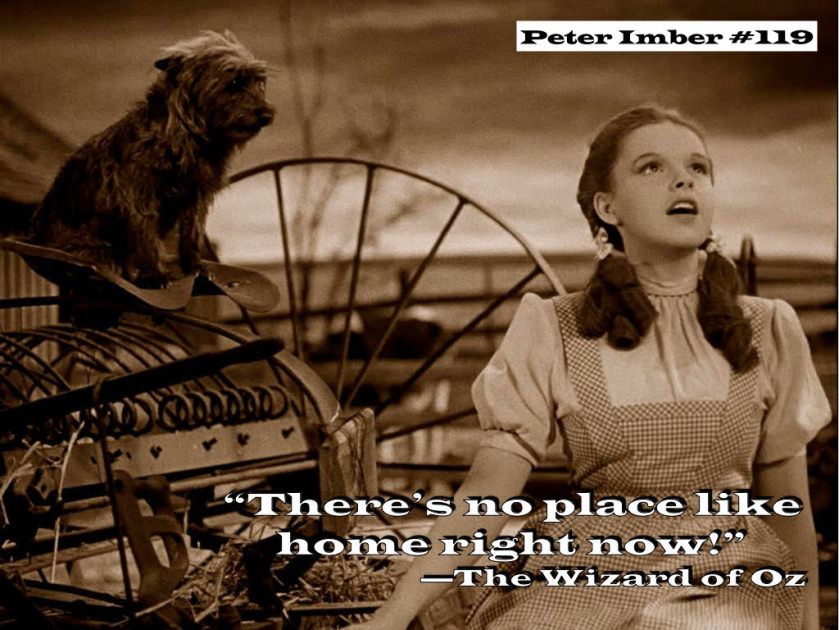
 Referencing historical touchstones to fit the moment is a given when something as huge as a pandemic happens. COVID-19 has been compared to Pearl Harbor as an act of war that we must respond to and repel and it’s been called a Sputnik like event that should wake us up to seize the opportunity to fix what’s broken.But there are also cultural touchstones that are part of our heritage and The Wizard of Oz is larger than a mere stone and more like a boulder in that hierarchy. For 40 years it was shown annually on network television except for 1963 after the assassination of President Kennedy. Knowing the flaws of each of Dorothy’s fellow travelers might as well be included on a basic American civics test. So, it didn’t surprise me that when I Googled the movie and coronavirus just now I got a list of articles with headings like these:The Message Of The Wizard Of Oz Is Fit For A Pandemic
 Lysol Timeline 1889– First Lysol brand antiseptic disinfectant introduced in 1889 to help end a
  I am a big Buster Keaton fan and at the end of one of his short films, The Boat, his character is lost on the water and his wife asks, “Where are we?” He responds with the name of the boat they’re in and says, “Damfino.” That’s the answer for how long I’ll be doing these.Each of us is experiencing the pandemic in our own way and my coping mechanism turns out to be staying busy doing stuff like this and looking at our isolation as an opportunity rather than adversity.We all have our own unique story that we’ve lived which has formed us and through these cartoons I guess I’ve been telling mine. If you know someone who might like receiving them give them my email:
 I guess you might call this one an inside joke…That’s a play on words, a pun. Yeah, you didn’t want to be reminded of that. So, why do so many people grimace and moan when they see or hear a pun? Don’t they realize how little work goes into making them?I don’t know when or why I began punning but I proudly pun and because I experience the slings and arrows of outrage on occasion from those who look upon this type of wordplay as my affliction and their misfortune. I happen to think a lot of it is feigned — fake boos. But maybe I’m kidding myself.I think for me punning is almost an involuntary reflex. My mind just goes there. I can’t shut it down. I PUN therefore I AM and I will continue to pun wherever I am. Now, there is a difference between smart puns and dumb puns and maybe it’s like knowing the difference between good wine and cheap wine. For many of us that requires education and experience.The source of humor is actually nothing to laugh about. A legendary professor of mine in film school, a man named Howard Suber, summarized it this way. “Show me a happy comedian and I’ll show you someone on the way down.” Case in point… I just read an article that contended that now that Jerry Seinfeld is nearly a billionaire he isn’t funny anymore.I don’t want to over analyze “funny” but I just looked this up and someone has compiled a list of the nine types of humor they think exist:1. Physical or slapstick2. Self-deprecating3. Surreal or absurd4. Improvisational5. Droll or deadpan6. Observational7. Potty or bathroom8. Dark or gallows9. PunsSo, physical comedy is first and puns are last. Hmmm… You know I actually had an experience that combined the two once. I went to this comedy club in LA where Chevy Chase was doing a standup act or in his case a fall down one. But that night he didn’t show up and another guy came out and was terrible and even worse he was doing a lot of stupid puns.A stranger at the next table heard me being critical and complaining that this wasn’t at all what I had come to see. He was smiling. In fact he was glowing when he said to me about the performer, “He ain’t Chevy. He’s my brother.”Got ya!—————–
 Donald Trump, you might already know, is the first president in 120 years not to have a dog in the White House. Last year he explained why at a rally in El Paso.“I wouldn’t mind having one, honestly, but I don’t have any time. How would I look walking a dog on the White House lawn?”Human perhaps?Hey, it is his prerogative but maybe his son would like to have one? My family had a dog when I was growing up. She, a diva-like French poodle, was intended to be “the boys’ dog.” She quickly became our mother’s dog and I swear they used to play double solitaire together.Anyway, I’ve come up with a little poem, a doggerel if you will, that won’t make me poet laureate but could provoke a few barks from 1600 Pennsylvania Ave. and maybe some howls from the rest of you….I’m not a cat fanIn fact I can’t standThat cats could care less that I’m thereBut dogs I adoreMy faith they restoreWe’re both needy and that’s totally fairI’m happy to petThey’re happy to getMy reward is the pleasure they feelSuch a simple exchangeA cinch to arrangeIt is the true Art of the Deal—————–
  When I think of travel and especially air travel these days and in the future I think of a show tune. You know, from Oliver– “Who will buy…” I’m not at all sure when I will purchase a ticket and get on an airplane again. Flying had become enough of a horror show before COVID-19 and add the potential for psychological distress to the certainty of physical discomfort and there are officially no more friendly skies.And here’s the late great John Candy in a scene from Planes, Trains and Automobiles to sort of make the point that despite everything the skies can still be overly friendly, too…What’s notable about this bit is that it wasn’t in the final cut of the film. John Hughes, the director, left it out and apparently had shot enough footage to have made a three hour movie.., Talk about overbooking!
 When in the past had you ever heard the word zoom used? For me only two things come to mind. One is a zoom lens for a camera and the other Jackie Gleason’s The Honeymooners when ZOOM! was part of Ralph Kramden’s rants threatening Alice with physical violence.If he had followed through, it would have had her reaching the moon ahead of Neil Armstrong. How that was acceptable in comedy and on television in the 1950s seems absolutely unbelievable and crazy today.So, where does this word zoom come from? Well, it appears it’s either from the Dutch or German zoomen or the Finnish zoomata. It’s an onomatopoeia– I had to spell that word correctly to get out of the 8th grade. This is the first time I’ve done it since. Zoom is an attempt to mimic the sound of something humming or whizzing by you.Investigator that I am I looked into whether there might be a deeper meaning for zoom. Couldn’t find anything so I employed a Kabbalistic approach– a form of Jewish mysticism that has attracted dabblers from Madonna to Marla Maples.Kabbalah uses letters and numbers to explain the universe. I wasn’t traveling that far so I stuck with just the letters. Hmmm… so, when you drop the first two letters of zoom you are left with om. Now, I thought I’m on to something. Was there possibly some transcendental connection? Yes! Who can deny that we in the West often zoom when we’d be better off if we’d slow down and om.I have been doing my own daily yoga routine for months now and although I’m not perceiving any spiritual awakening my body and my back in particular are very grateful that I chose this path. With the pandemic I’ve experienced, I guess, both the zoom boom and an om boon.However, I’m afraid I’m close to being Zoomed out at this point. Zoom fatigue has set in. But two last things about the burgeoning company Zoom that’s become as indispensable to many others as… well, toilet paper. First, according to Glassdoor, which evaluates such things, in 2019 Zoom was the second best place to work in the United States. I guess so. If ever there was a company where you could just call it in…And where did the company’s name come from. It took a bit of digging but I found that out. One of the early employees took it from a book he read to his kids…
 —————–
 We’re a big country and many of us don’t have someone to remember who lost his life in a war, let alone fought in one. So what do we think of first when we hear the words Memorial Day? Little wonder that it’s a picnic or a shopping opportunity.I’m an admirer of the sculptor Claes Oldenburg. I just checked and he’s still alive and in his nineties. My absolute favorite thing of his is an idea for a sculpture that he never created. Back in the 1960s Oldenburg did a series of drawings that he called “Colossal Monuments.” One of them was a war memorial. I’m inserting a rendering he made of it below…
 It was to be a giant block of concrete as high as the buildings that surrounded it that would have been placed in the middle of the intersection of Canal St. and Broadway in Manhattan. Oldenburg would have had the names of “war heroes” carved in it.Was Oldenburg making a serious anti-war statement with his idea to disrupt New York City traffic permanently in one place? Was his intent to have people curse being inconvenienced and war simultaneously? As far fetched as it seemed Oldenburg’s conception for this memorial made sense to me when I saw his drawing for the first time. Afterward I figured it was more like a satirical aside.Since then I’ve been to the Vietnam War Memorial in Washington and was quite moved. I knew people killed in that war that I myself didn’t have to go to– nobody who was a close friend but high school and college classmates whose names I could find on the wall. Seeing all the names of those who had died was a jolt. The Vietnam War Memorial is a destination you don’t just happen upon. You know where it is and why you’ve come to see it even if you don’t know how you are going to react..In retrospect I think plugging up Canal St. and Broadway would have made a powerful war memorial but it would have needed to be a temporary obstruction and constantly moved to someplace else without any advance notice. That way it might have pissed you off when you suddenly encountered it for two reasons and you could have blamed both the traffic and all wars for your being late.Our public reminders of the cost of wars are mostly way too polite. So, what should we think of today on our nation’s Memorial Day? For a start how about this? Let’s not call it a holiday. It’s not a celebration. It’s an observance. Memorial Day is the one day a year set aside to actually remember and think about those who died in America’s wars and didn’t get to grow old and be here for the picnics and the sales.—————–
 About ten years ago I remember coming across a bizarre story. A study was published that had found that nearly nine out of ten bills circulating in the United States were tainted with traces of cocaine. Of course it wasn’t enough of the drug that you had any chance of getting high if you tried to snort your money but jeez! Drug dealers were obviously not laundering their cash with Tide.So, here we are with a current fear of contamination from just about anything and it’s potentially worse than getting busted. Can you get COVID-19 from merely touching money? The thought is that the risk is extremely low but like so many things about the pandemic many people, both buyers and sellers, are not taking any chances and using or accepting only credit cards and digital/electronic means for transactions. We were already moving on. The tag line in a credit card commercial “What’s in your wallet?” is asking about your plastic and not your Washingtons, Lincolns, Hamiltons, Jacksons or other members of this all boys club.I certainly haven’t had a need to use much cash since March and the only bills I have left are all twenties. As far as I know there are no ATM’s that dispense anything other than twenties even if I wanted smaller denominations but this lack of currency diversity really hasn’t caused any problems for me. It seems likely that COVID-19 will accelerate the demise of cash and certainly the $1 bill and even its more valued brethren may become about as useful as pennies, nickels and dimes.For now just as hands aren’t touching hands, bills don’t seem to be changing hands much either. I hope the ones tainted with cocaine have been in detox and recovery by now. I guess there’s not enough access to testing for the others. They’re in a lockdown just like us.—————–
 I’m going to brag! I have lost a lot of weight so far since COVID-19 altered so many things about our lives. Was the pandemic my inspiration to do this? Well, it certainly provided a helpful setting. It’s a hell of lot easier to focus on dieting when you don’t have a lot of the usual temptations and distractions.I am still overweight but I’m not done and getting this far hasn’t been as hard as I expected. I’ve really stepped up exercising and Jo has been making us meals that adhere to the curb the carbs approach prescribed by a dietitian I consulted.Sure, it’s on me that I got fat in the first place but you see I didn’t come from a roughage neighborhood. I grew up in the pretzel and potato chip center of the universe– the Pennsylvania Dutch Country. The airport in Reading, PA had to adapt to the fact that the residents of Berks County are heavy– and I don’t mean frequent –travelers. How did the airport adjust? Well, I haven’t measured but I’ve been told that the runway is now as wide as it is long!But seriously, if you’ve had your medical specimens sent anywhere by way of Quest Diagnostics’ fleet of airplanes, guess where their home airport is? Being located at the Reading Airport probably saves a bunch of flights. The emergency room at Reading Hospital is the 10th busiest in the country with 135,000 ER visits a year. A ranking by Gallup-Healthways called the “Well-Being Index” ranked the city as having the 10th highest percentage of obese people in the nation so there’s the evidence that if you’re overweight in Reading your heart is probably in the right place.When I was growing up Reading called itself the “Pretzel Capital of the World” and a traditional grade school field trip was to a Bachman’s pretzel factory. Downtown on the main street there were soft pretzel vendors pushing their wares and their carts into the 1960s. I’d pay a nickel and hope I was getting one that had been made that same day but even the day olds were pretty good.In the summer at our public swimming pool pretzel rods along with frozen Milky Ways were the best sellers at the snack bar. The application of a generous line of mustard on the pretzel rod was as de rigueur as the pool’s medallion patch your mother sewed on your bathing suit.As far as I’m concerned the best pretzel you can buy today is still made in Reading. The brand is called Unique and they’ve even made their way to some of the smaller markets where we live in Maine.But I was always more of a potato chip guy and the Pennsylvania Dutch Country seemed to have as many potato chip companies as startups in Silicon Valley. And yes, I do have a favorite– Diffenbach’s. Like all the best chips, they only have three ingredients all of which are deemed life threatening: potatoes, 100% lard shortening and salt. When you eat these chips your skin gets greasy enough to slip out of handcuffs. However, the websiteFooducate.com gives Diffenbach’s chips a passing grade, a D+. In Reading food is pass/fail.My best friend Ken sends me bags of Diffenbach’s every year for my birthday. I now have two in our pantry. When I hit my target weight I’ll open one. Until then I intend to remain alive.THE BEST PRETZELS(11 oz. bag 1210 calories)
 THE BEST CHIPS!(8 oz. bag has 1,217 calories)
 There’s one supermarket in Reading that actually has two entire aisles for pretzels and potato chips. One is for the national brands. The other is for the local ones. In Reading “shop until you drop” is not uttered lightheartedly.—————–
 I’ve just realized that I’ve never attempted to yodel. I don’t even try to sing either. I can’t carry a tune or even make one out and I have a story to prove it which shouldn’t surprise anyone who has been receiving my cartoons and commentary at this point.As I write right now I’m listening to WQXR– a classical music radio station in New York City. I listen to it a lot and a lot more since March. It’s soothing, a reminder that the world hasn’t yet descended into total darkness.I love classical music and the credit for that goes to my father and the Food Fair supermarket. In the late 1950s somebody had the idea that the greatest classical music could be widely marketed and I mean marketed literally. A collection called “The Basic Library of the World’s Greatest Music” totaling 24 records was sold at supermarket chains nationwide. The cost was originally less than a dollar an album.My father purchased the set of all 24 incrementally, which I guess means he made at least two dozen shopping trips to the Food Fair that my mother didn’t. I don’t remember ever being encouraged to listen to the records but when I started to I was hooked, especially by the romantic offerings like Rimsky Korsakov’s Scheherazade and Dvorak’s New World Symphony.Each album came with a booklet that included information about the music and short biographies of the composers. This well of information would eventually provide me with a well deserved lesson in humility.In my 8th grade music class part of the state mandated curriculum was an introduction to classical music and our teacher played some of the same pieces that I had already heard at home– remember when record player/radio consoles were a piece of furniture?Anyway, I couldn’t help myself and when our teacher would tell us about a work and its composer that I had read about, I chimed in with something I knew that she hadn’t mentioned. I even compounded my smart aleckeyness by volunteering to do reports on a few composers I particularly liked.At the end of the school year we took the state mandated final exam. It counted for half our grade and was a weird way to evaluate what we had learned. The teacher sat down at the piano and our task was to determine if the scales she played were ascending or descending. I couldn’t hear any difference. I really couldn’t.At our last class she was about to read out each of our final grades. but there was a pause before she began and I knew what was coming after she said this…”Not everyone this year who did the most work, did well on the final which as you know makes up half your final grade.”She started announcing them. There were a lot of A’s– we were the so-called accelerated group –but then she got to me…”Peter, D on the final, B- for the year.”I sat in the back of the room and at that moment a lot of heads turned toward me with big grins on their faces. I had earned them.Later in life I came to realize what was a huge embarrassment at the time had a silver lining. I figure it this way. Why did I love classical music more than the other kids? Easy– I hear it differently!Below is what those record albums in the World’s Greatest Music series looked like. I saw on Amazon you can purchase the whole set for $100 but of course you need a turntable hooked up to an amplifier and speakers to play them. Who has that stuff any more?
 —————–
 When I was a kid and needed a haircut my mother gave me two bucks and I rode my bike a couple miles to the barbershop. The barber was an Italian immigrant named George who worked alone. If I had to wait, it was Ok. George always had a stack of great comic books.I have one wonderful memory about getting my hair cut that goes back over 50 years. My last two years of high school were at a boarding school north of Boston where we were required to see the barber every month. He set up in a dormitory basement and appointments were scheduled every 15 minutes. A couple of mine early on just happened to be at 8 p.m. when the radio the barber brought with him was tuned to a station in New York City. “The Theme from Studio X” played and for the rest of those two years I made sure my monthly haircuts were always at 8 so I could hear it.I think I may have been the only kid in the school who looked forward to getting his hair cut. I loved that music. Thanks to the internet and YouTube “The Theme from Studio X” and I were reunited a number of years ago. It’s quite dramatic. Take a listen.
 The puzzle book series “Where’s Waldo” was called “Where’s Wally” in Britain where the books were authored and first published in the 1980s. The Wally/Waldo books have sold over 50 million copies world wide.One of them was banned for a while in parts of the United States when something held offensive was uncovered. Waldo’s creator, Martin Handford, had drawn a beach scene with a topless woman sunbather. Once he found out about the censors he participated in a coverup.But where’s Biden? Did you find him in the sushi? I’ve been calling him the designated driver candidate– the guy who didn’t drink at the party and is entrusted with getting those who did home safely. I’m not sure however, if the country can wait for that ride home. The present holder of the keys to the nation’s fate doesn’t drink but the only thing he drives is a golf cart and he won’t let us see if he’s even capable of handling that. Biden needs to get moving. Sheltering in the basement may be a safe place to be when there’s a tornado warning but the country’s on fire now. I can’t think of anything more to say about Joe other than the future of the United States will be determined by who wins the next presidential election and if I have to risk my health to vote for him I’ll do it. I try not to think about what happens if he loses.But let’s move on to sushi.I confess I am a sushi snob. Here in Vacationland I live in crustacean land where the lobster roll is king and the spicy tuna roll is an outlier and I really haven’t found sushi that compares with what I’m used to.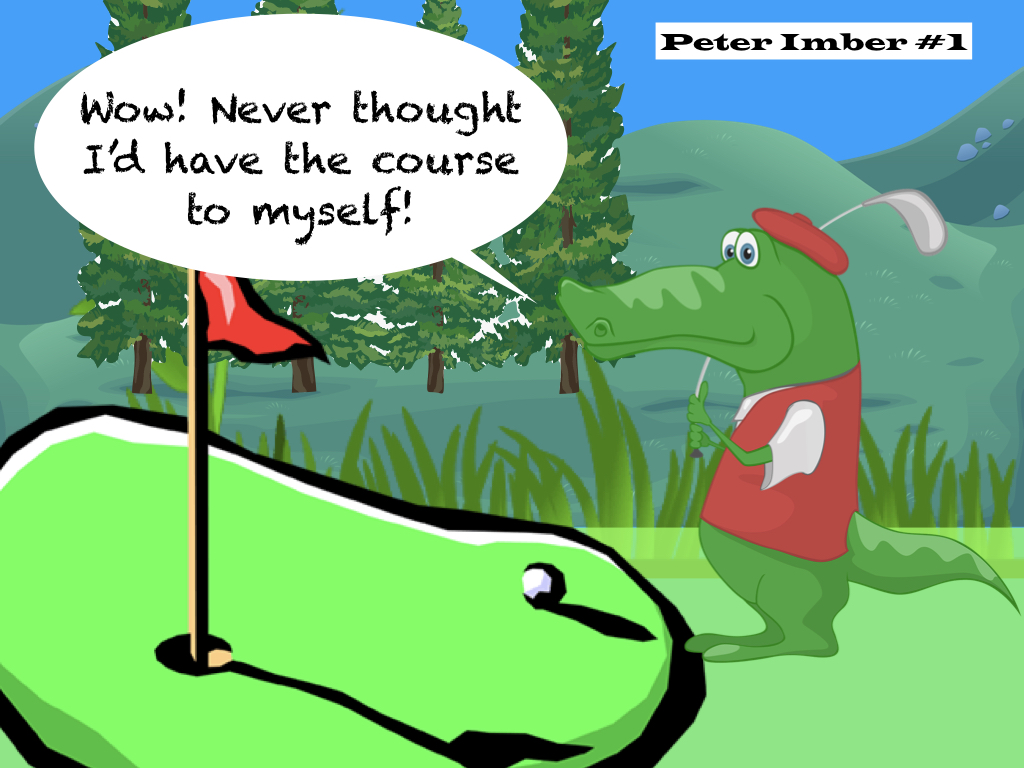
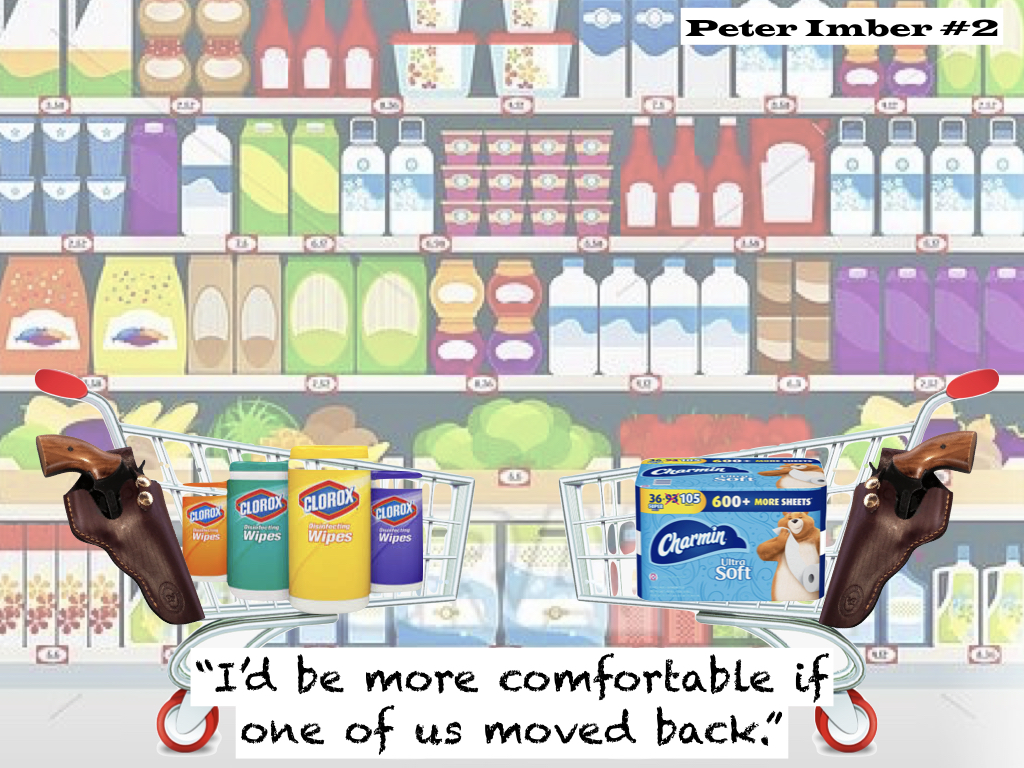







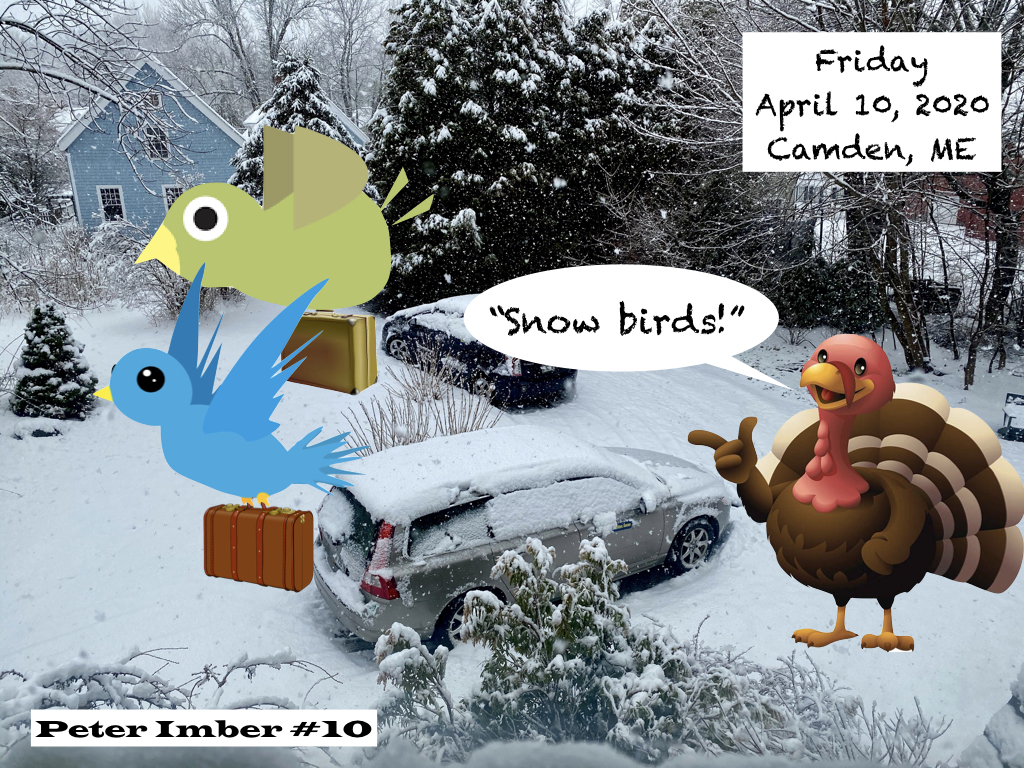
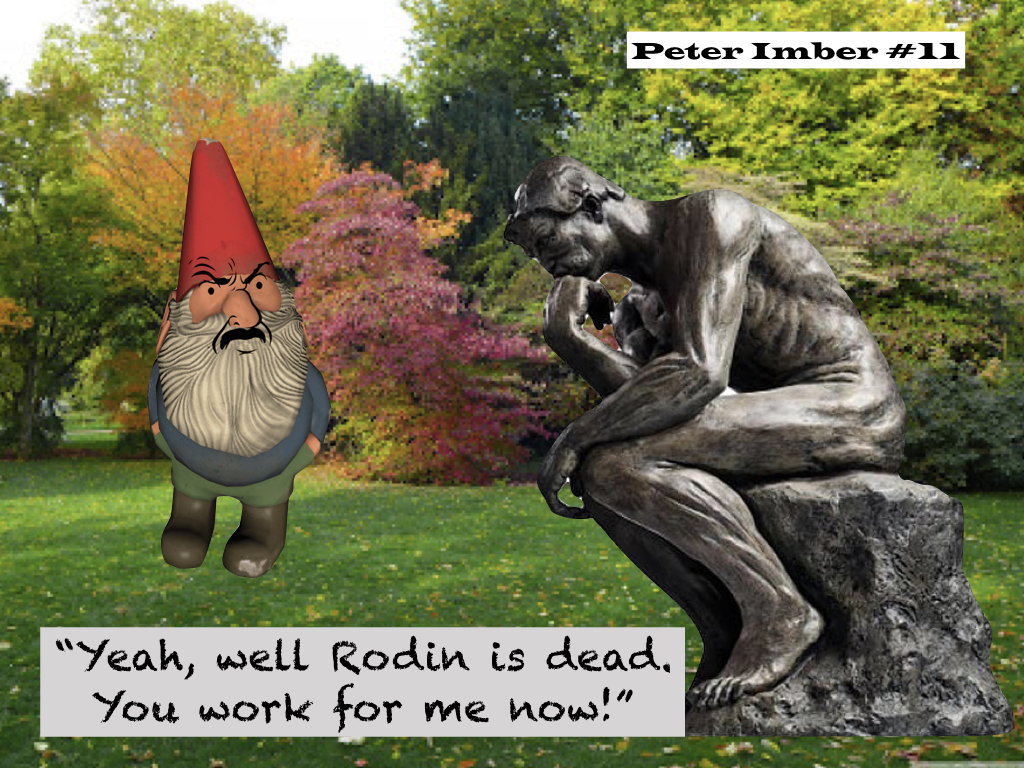


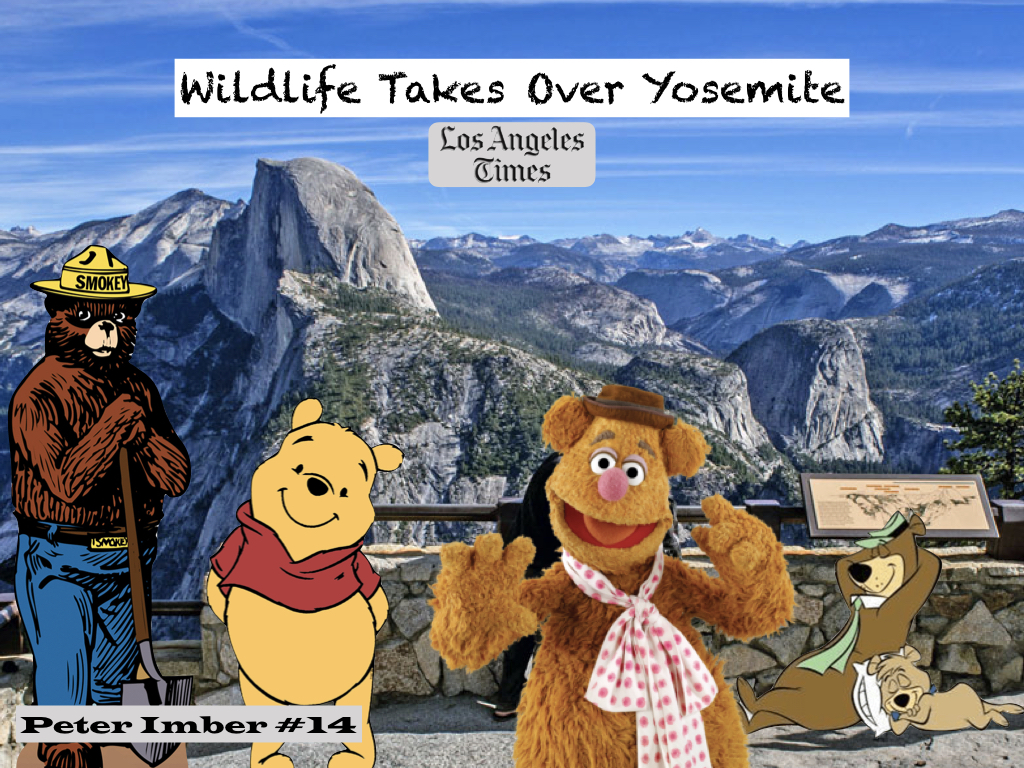
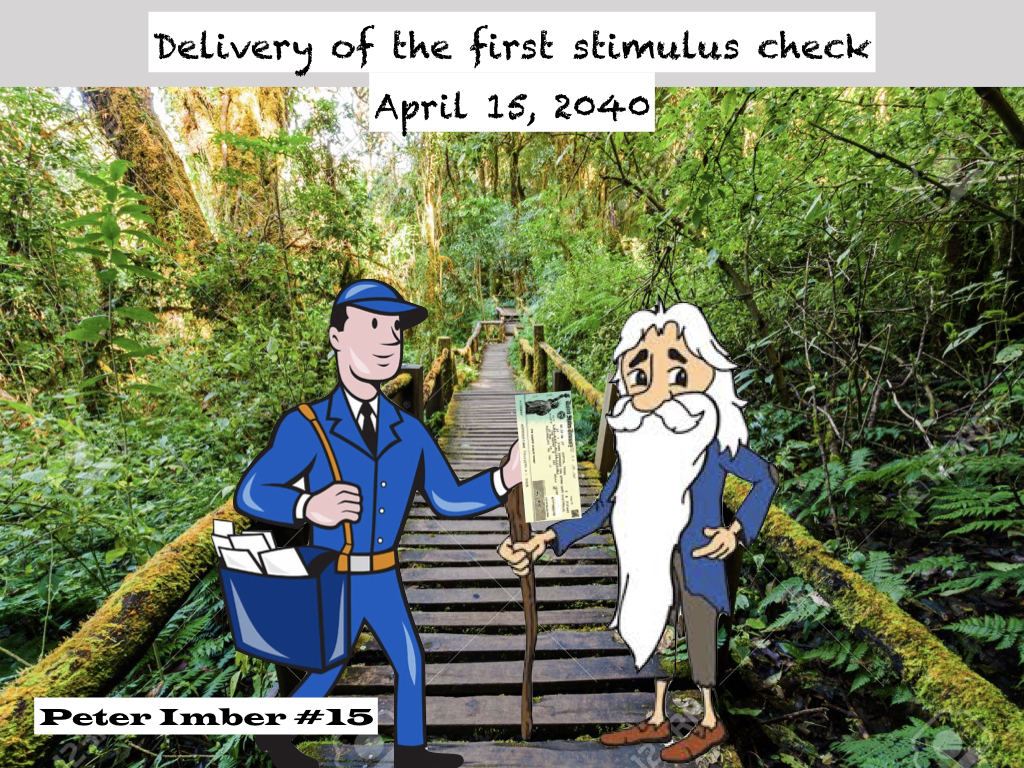
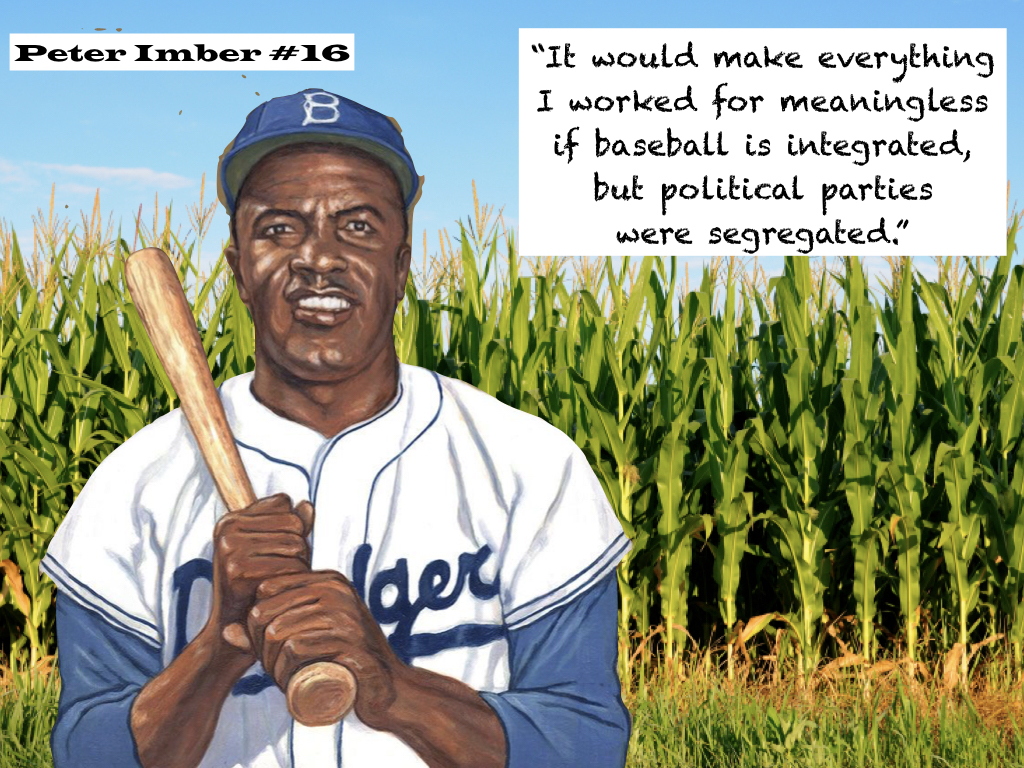 April 15 was Jackie Robinson Day, baseball’s annual tribute to him that marks the day in 1947 when Robinson became the first black to integrate the major leagues. I got to see Robinson play for the Brooklyn Dodgers in Ebbets Field when I was a kid and he had to leave that game after colliding into the wall chasing a foul ball.