Jo and I have been to Boston once and to Portland several times since last March. Our staying put is not a surprise to anyone of course. We had just begun planning a spring trip to Argentina and were lucky we hadn’t paid for any of it in advance when it became clear we weren’t about to be going anywhere.
So, here we are wondering when and if we’ll be able to travel again. Until then we have our memories of the places we’ve been and this week I’m going to reminisce and take the only vacation presently available to me, a holiday break from current events.So, come along and as the announcer who introduced the Lone Ranger used to say, “Return with us now to those thrilling days of yesteryear.”
For me Hong Kong and Budapest have something in common. When I went to Budapest fifty years ago, I didn’t know until I got there that Buda and Pest were two different cities separated by the Danube before they were united in the late 19th century. I knew before going to Hong Kong that it was an island but I didn’t know that across the bay from it another large part of it, Kowloon, wasn’t and is actually on the Chinese mainland.
In both Budapest and Hong Kong you find yourself going back and forth across, over or under the water to fully experience each of the halves of them. Then there’s Istanbul that also exposed my deficient knowledge of geography. It’s the only city in the world that’s split between two continents and I learned that only when I made a trip there.
Today, I’ll focus on Hong Kong where Jo and I were in 2014 and are both glad we had the opportunity to visit. It’s one of those places so unique, you should see it and I’ll also recommend that once is enough.
It’s the most vertical human habitat on earth. Six of the top ten cities in the world with the most skyscrapers today are now in China and Hong Kong has 4,000 of its own– nearly two hundred more than the closest runner up. Add to that its high rises and you have an additional 5,000 of them and more people living above the 15th floor than anywhere else in the world by far. You can have an apartment 40 stories up and never see the sun.
Hong Kong also has the most neon signs of anywhere I’ve ever been. It’s estimated that at one time there were over 100,000 of them but more economical LEDs have reduced that number dramatically and that’s too bad. I’m a neon fan and like to take a picture of any neon sign I see that I like. I snapped away like crazy in Hong Kong but the warmth of neon’s glow is not something you can really capture with a camera. Large cities are frenetic and it’s probably just wishful thinking on my part to believe that their neon helps to slow things down and wrap them in a warm cover.
If you’re interested in becoming a neon-o-phyte use this link to see a collection of thousands of the neon signs that light up Hong Kong at night… https://www.neonsigns.hk/?lang=en
If New York is the city that never sleeps, Hong Kong is the city that never stops shopping. Imagine a city with a Starbucks on every block and then imagine that not only is there one on every block but on the same block there is also another Starbucks directly across the street from the one already there. There are an insane number of identical stores everywhere.
Shopping in Hong Kong resembled a TV game show I watched years ago called Supermarket Sweep where people had a couple minutes to fill a grocery cart with anything they could stuff it with. Whoever rang up the highest dollar amount at the checkout counter won something but I don’t remember if it was more than just the food. In Hong Kong we watched as people rolled suitcases into shops and bought so feverishly it looked like they were being timed. However, they weren’t grabbing sirloin steaks from the meat counter unless they were planning to grill Prada bags and Manolo Blahnik shoes.
Before we leave, let me lower us back down to street level where people are standing in line on the sidewalk to eat at the only Michelin star restaurant that I’ve ever been to. It was more like a small diner than a fancy brasserie. I’ve saved and framed my paper placemat. Jo found it and Dim Sum One will forever shine brightly in my mind. We ordered pretty much everything on the menu and it was all great. When we got our check I was stunned. For the two of us it totaled $22. We went back for another meal the next day.
While we were in Hong Kong in 2014 there were areas of the city that were blocked off. Protestors, many of them students, were camped out in opposition to a Chinese government decree that only pre approved candidates would be able to run in an upcoming election. Shortly after our trip the protestors were forcibly dispersed. The beginning of the dismantling of democracy in Hong Kong was happening right before our eyes and we hardly noticed.
—————–
Traveling the World to Provence
and
One of the Top Ten Places I’ve Ever Been
The first filmmaker to be elected to the Académie française was Marcel Pagnol. I have framed replicas of the posters for three of his movies– the “Fanny Trilogy”– Marius, Fanny and Cesar —a few feet from my desk.All three were made in the 1930s and then combined into one to become a Broadway musical in the 1950s and a 1961 Hollywood film starring Leslie Caron, Maurice Chevalier and Charles Boyer, but the original movies set in the old port of Marseille are what I love.
Pagnol’s works were pretty much all I knew about Provence other than it was often mentioned as a cool place to have a house if you were thinking about becoming an expat. So, when Jo and her two best friends from college proposed that the husbands join them there for a week to celebrate a significant joint birthday year of theirs, I was all in. I’d never read Peter Mayle’s A Year in Provence but the town nearest to the house we rented was Ménerbes, the same one Mayle lived in and wrote about.
I’m not going to drone on about picturesque villages and their bountiful markets. No, I want to tell you about an epiphany I had at a Roman aqueduct built in the first century AD. Pont du Gard was constructed to carry spring waters over 30 miles to a Roman colony that is today the city of Nîmes.
As best I’ve been able to figure out, the acquduct’s daily flow was enough to fill about a half dozen football field sized swimming pools to a depth of 10 feet. But here’s the amazing thing to me, from the beginning of the aqueduct to its terminus– that length of 30 miles –the vertical drop is barely over 40 feet. I often have to hammer more than one hole in the wall just to hang something level in our house.
Before I knew any of this I had that epiphany as I was looking up at Pont du Gard. It’s almost the exact height of The Arc de Triomphe, and I thought of the genius it took to design and build such a wonder with the know-how and technology at hand nearly 2,000 years ago. The structural engineers of their day had figured out the importance and utility of the arch and how to presumably get slaves to move some of the stones that weighed as much as six tons into place to create them.
So, my conclusion was that although the human knowledge base is cumulative and more or less fixed at any point in history (or at least it used to be), there must have been geniuses of comparable intelligence, inquisitiveness and inventiveness then as well as now. That’s what I thought anyway.
That was until coming across an article written a couple years ago about IQ scores and something called the Flynn effect. I remember taking an IQ test in junior high school and our school’s guidance counselor explaining its implications to me– “Peter, you’re capable of doing better in school if you studied.” I wasn’t upset with her analysis but she told a friend he was an overachiever and it really bummed him out. He became a university professor by the way.
Intelligence Quotient testing has been around for a century and during that time IQ scores have increased. The scores have increased so much that the article I found claimed that an average one today would have been considered a genius result a hundred years ago. As much as I was skeptical of this conclusion, it does seem to make sense. Sitting down in front of my computer and composing my cartoons requires a lot of cognitive demands that were not necessary to learn and use when operating a radio required only turning a knob and answering the phone merely picking up the receiver.
Our brains are only slightly larger than they were 400,000 years ago so our IQ increase, which until recently has been an impressive and mind boggling three points a decade, isn’t believed to be genetic. However, it may be due to environmental factors– better health and nutrition, less lead in paint and gasoline and the demands of new technology that require abstract thinking at an early age.
It is possible today to get by as a cashier at McDonald’s without actually knowing how to make change for a dollar but playing Minecraft successfully on an Xbox may be a different matter.
I just wrote that until recently human IQs have steadily gotten higher but guess what? In addition to all the other tsuris (Yiddish for troubles) in the world, since the 1990s the global average IQ score has begun to drop.You’ve likely heard of the concept of peak oil– the point at which the maximum amount of petroleum that can be extracted from the earth has been reached. Well, there is now a theory that human intelligence may have climbed to the top of its own summit and we may be living in the age of peak intelligence.
When I had my Pont du Gard epiphany I thought I was connecting humanity across millenia. Now, I wonder if I need to have my head examined? That’s a figure of speech of course.
—————–
Traveling the World to the Equator
I may be the only person you’ll ever hear say that he was not wildly enthusiastic about being on the Galapagos Islands and I think the feeling was mutual. I had a sea lion bark at me and it wasn’t playfully and a giant tortoise hissed and snapped as I approached despite his decisively outweighing even the old me. In both instances I admit I had inadvertently invaded their spaces. The iguanas, which looked like a battalion of Godzillas, freaked me out.
At one point I did enjoy snorkeling with a shark. Apparently, sharks in the Galapagos have such an abundance of other food to eat that humans are not worth the bother. And the blue footed boobies whose feet are actually turquoise are certainly unique.
Mainland Ecuador was more exciting to me. Jo and I journeyed into the Andean highlands which I found spectacular and on our way there we stopped on the equator. We were travelling with another couple and a guide whose name was Wilson.
Me: “So, are you named for the American president?”
Wilson: “No, my parents named me after a character on a television show they watched at the time I was born.”
Me: “Really? What show?”
Wilson: “It was called Dennis the Menace.”
Wilson took us to a tourist stop that I have no reason to believe wasn’t the exact location of the equator as it passes through Ecuador. By the way there are 13 countries in the world on the equator and at least half of them are ranked among the poorest on earth. Although Ecuador’s economy doesn’t place at either the bottom or the top of that list, it does have something going for it.
Ever hear of the Happy Planet Index? I hadn’t but a British think tank called the New Economics Foundation ranks countries according to a small list of things that don’t include the square footage of your house or the size of your investment portfolio. They use four criteria: Citizens’ satisfaction with their own lives, their average life expectancy, the degree of income inequality present in their country and the extent of that country’s ecological footprint. Of 140 nations ranked, Ecuador comes in 10th. In case you’re wondering, Costa Rica is first and the United States 106th.
However, we do have something in common with Ecuador that is very convenient. You need not change money when you’re there. Its currency is ours. Ecuador doesn’t print its own notes but does have its own small change and to my surprise a lot of some of ours. Remember the Susan B. Anthony and Sacagawea dollar coins? Hardly anybody in America does. They were both minted for only a few years and never gained popularity here but they’re now abundantly in circulation in Ecuador.
But back to the equator and the Coriolis effect. You know what it is even if you don’t know what it’s called. Wilson demonstrated it for us.
There was a red line on the ground (a picture of it is at the top of this post) marking the center of the earth for us. Conveniently, on either side were sinks no more than 20 feet apart from each other. Wilson filled a jug with water on the northern side and proceeded to pour it into the sink. The water spiraled into the drain in a clockwise direction. Wilson repeated the process on the southern side and this time the water spun in a counter-clockwise direction.
Just like I was certain I was straddling the equator, I was convinced that Wilson had shown us the real deal that proved that flushed toilets behave differently if you’re in the outback of Australia or an Outback Steakhouse– and there is one actually –in Visalia, California. I’ll let you be the judge if I was, as it were, hosed by sleight of hand. You can check here…
Being on the equator made me realize that despite Ecuador’s high ranking for its quality of life, there was something about living there that would probably drive me crazy. Here in Maine the difference between the shortest and longest day of the year is six hours and 39 minutes. In Ecuador it’s barely one minute which of course means that sunrise and sunset are very much a Groundhog (the movie) Day scenario. Since last March I’ve had enough Groundhog days to last the rest of my days on earth so I intend to stay just where I am.
Oh, and the shot of these dolls was taken at a market where we purchased something from a guy named Edison. I didn’t ask him why his parents picked the name.
—————–
Traveling the World to Wadi Rum
and
One of the Top Ten Places I’ve Ever Been
In my opinion Muhammad lV has only one rival for the distinction of being the “Best Tour Guide I’ve Ever Had” and his compettition will be described in my post tomorrow. But I hope I have your attention with the Roman numeral. There’s a story that goes with it of course and I don’t want to leave the impression that Muhammad lV was a sequel in a Hollywood movie franchise.
A few years ago when Jo and I visited Israel we took a side trip to Petra and Wadi Rum with our friends Cathy and Charles. When we crossed from Eilat in Israel into Jordan we met our first man named Muhammad who made sure we got through the process at the border checkpoint and then a second Muhammad drove us from there to our hotel in nearby Aqaba on the Red Sea. The next morning our third Muhammad picked us up for the two hour drive to Petra and was our tour guide for the day.
Is Petra spectacular? Yes! Is it full of hucksters waiting to pester you to buy tchotchkes (Yiddish for knick knacks) once you’ve reached the heart of it after walking through a narrow canyon for a half hour? Yes! And I am still amazed and puzzled by how something that looks as contemporary as the picture above of the “Treasury” was carved into sandstone over 2000 years ago by an indigenous Arab Bedouin tribe, the Nabateans. Yes!!! We came, we saw, avoided riding any camels and had a really awful lunch at a snackbar. Petra was worth all of it.
After overnighting at a hotel in which we were the only Americans among tour groups of Germans and Chinese– there had been a terrorist attack nearby a few months before — we met Muhammad lV and set off to explore Wadi Rum also known as the Valley of the Moon. As awe inspiring as Petra was, Wadi Rum’s beauty impressed me more and Muhammad lV turned out to be one of the more interesting people I believe I’ve ever met.
But first a bit about Wadi Rum. I lived in the Sinai for a year when I was in the army in Israel. It was empty and dry and sandstorms occasionally had their way with and repositioned the topography. The dunes could appear sexy much like Edward Weston’s photographs of vegetables. So, I thought I had seen the desert’s power of seduction but if the Sinai is Ravel’s Bolero, Wadi Rum is Tchaikovsky’s 1812 Overture.
We spent a windless day in Wadi Rum and I was blown away. That’s a sentence that will never win a travel writing award and I apologize. As the photograph above shows Wadi Rum is not a sandbox. The highest peak there is virtually the same elevation as Maine’s Mt. Katahdin. The colors are so saturated I realized afterward that I’d probably never seen them in nature before.
Movies give you a 180 degree view but they are projected on a screen with no depth. Oh yes, every decade or so Hollywood rolls out 3-D for the next generation up but it’s always a temporary fad. It and so called virtual reality where goggles attempt to immerse you in an alternate one, can’t or at least can’t yet substitute for real experience in real places in real time. I don’t think I have to worry about still being around if this ever becomes possible although seeing and hearing Glenn Miller or Billie Holiday or Frank or Ella perform “live” would be something I’d line up for.
But back to Wadi Rum. If you’ve seen David Lean’s Lawrence of Arabia or more recently Ridley Scott’s The Martian, you’ve been to Wadi Rum cinematically. Go see it for real and if you can get Muhammad lV to be your guide, you’ll have an even more memorable time.
The lousy meal in Petra the day before was erased by the feast in Wadi Rum in the picture above that Muhammad lV prepared for us out of the back of his SUV. He had other talents– beautiful handwriting that he demonstrated by spilling one color sand on top of another from his hand –but learning about him was what I found most captivating.
Muhammad lV was a Bedouin and he told us that his daughter was the first female Bedouin to have been accepted to medical school at the University of Jordan in Amman. He so gushed about this that he was like many a Jewish parent and reminded me of how my own mother once expressed her regret that neither I nor my brother had become doctors.
My mother: “I should have been like Lil and made you boys study.”
Lil, who lived across the street, had three sons. One grew up to be a neurosurgeon, another an anesthesiologist and the third an orthodontist. My brother is a doctor– a revered professor of sociology at Wellesley. I am a recovering journalist. If we were to be compared to stand up comedians, I’d say our home was a tough room to perform in.
Muhammad lV knew Charles and I were Israeli citizens and he surprised us with his objectivity about the rough neigborhood that is the Middle East.
Muhammad lV: “I admire Israel. You put one of your prime ministers in jail. That wouldn’t happen here.”
He was referring to Ehud Olmert who went to prison for bribery and obstruction of justice after his term in office. It’s the same fate that might await the current P.M. Benjamin Netanyahu who is doing his damndest to avoid a trial on similar charges and in the process closing the gap to nearly imperceptible between a democracy runamuck and a monarchy where nobody gets to run against the sovereign.
I won’t get any further into Middle Eastern politics. Anyone who thinks they can predict what’s going to happen there is being foolish. But one last observation. Everywhere we were in Jordan there were billboards with three men on them. One was the late King Hussein, another was of the present ruler Hussein’s son King Abdullah and the third was of Abdullah’s heir Crown Prince Hussein bin Abdullah. Nobody got to vote for them but in order to avoid being overthrown they have to tread a line between maintaining popularity and exhibiting strength. Isn’t that sort of what any head of state must do to stay in power?
Israel right now has its own billboards. Netanyahu faces another election next month and I just looked at his campaign poster and might have laughed if it wasn’t so ironic. It’s of him shaking hands with our most recent ex-president with just two words on it. Pronounced in Hebrew they would sound like “lee-gah ah-hair-it.” Translation: “A different league.”
That would certainly be accurate for the two of them but for me certainly, not in the way they intended.
—————–
Traveling the World
to the Old City of Jerusalem
One of the Top Ten Places I’ve Ever Been
If you want to dig into the history of Jerusalem shovels are just as useful as books. The Old City has been where it is for over 5,000 years which makes it one of the oldest cities in the world. It is enclosed by walls and exists on 225 acres and 25 layers of ruins.
Jerusalem’s timeline includes the Bronze and Iron Ages, the latter being when King Solomon built the first Jewish temple. The temple was then destroyed by the Babylonians, who were defeated by the Persians, who were conquered by the Greeks, who were routed by the Romans and who then went on to raze the second Jewish temple as well as the entire city. I could continue but I’ll just skip to the Kurt Vonegut mantra in Slaughterhouse Five, “And so it goes.”
When Jo and I were in Jerusalem a few years ago I got my own succinct history lesson from two cab drivers who I asked the same question. The first was a Jewish resident of the city.
Me: “So, were you born here?”
Jewish cab driver: “Yes, of course.”
Me: “And how long has your family lived in Jerusalem?”
Jewish cab driver: “My family has been here since the beginning of the Spanish Inquisition. That’s 600 years.”
He was taking us to Yad Vashem, Israel’s memorial to the millions of victims of the Holocaust who were murdered less than a 100 years ago.
When we left Yad Vashem a Palestinian driver picked us up.
Me: “So, were you born here?”
Palestinian cab driver: “Yes.”
Me: “And how long has your family lived in Jerusalem?”
Palestinian cab driver: “Forever.”
I am not making this up. Jo is my witness although both conversations with the cabbies were in Hebrew, a language she does not speak. but if this isn’t the very heart of the Israeli–Palestinian conflict, then what is?
When I lived in Israel I visited the Old City on occasion but could make no claim of real knowledge about it except for where to get the best hummus. That was on the Via Dolorosa which is believed to be the path on which Jesus carried the cross to his own crucifixion. The catchy name of the hummus stand was the Sixth Station of the Cross Snackbar or at least that’s how I remembered it being called. Either I had the name wrong or it had changed and was now known as Abu Shukri and none other than Peter Jennings corrected me about this.
It turned out that Peter and I liked the same hummus from the same place. Only Jennings, as he was wont to do, topped me and also put me down. The owner, the Abu Shukri, he told me, was his friend and anytime he was in Jerusalem he came home loaded with his hummus. The take down was sort of deserved. I had produced a story on a restaurant in Oregon that incorporated wild mushrooms into every dish they made including dessert. Not a groundbreaking bit of journalism for sure but the piece had been sitting on the shelf for weeks and I must have thought that Peter’s and my mutual love of the same hummus would help me get it on the broadcast. It didn’t.
Jennings: “Just because we like the same hummus, don’t think you can hustle the mushroom piece.”
I know I’ve taken my time getting to our day in the Old City but let’s go. And let’s thank Jo for finding the best guide to see it who I could ever imagine. His name was Dvir and I looked up his rating on the site Trip Advisor just now and out of 834 reviews all but one were four stars which is as high as is attainable. That’s better than the efficacy of the COVID-19 vaccine. I wonder who the “one” was?
The Old City is divided into four quarters– Jewish, Christian, Muslim and Armenian. Dvir, an Israeli in his 30s, not only knew what we could discover and enjoy in each of them but he also seemed to be on great terms with everyone in all of them.
It was Sunday morning so we started our day outside the Church of the Holy Sepulcher. That’s its ceiling in the picture above. No fewer than six Christian denominations worship there– Greek Orthodox, Armenian Apostolic, Roman Catholic, Coptic, Ethiopian, and Syriac Orthodox.
We stood by the entrance and watched the parade as the different sects took their turns entering the church for their Sabbath rites. Inside there were separate chapels for worship for some of them while others were shared. The church is recognized as being on the spot where Jesus died, buried and rose from the dead and I assume on any Sunday it’s as busy as Grand Central Station. The trains of priests and worshipers appeared to move with precision and run on time.
Next, Dvir managed to get us onto the Temple Mount which gets my vote for being the most contested piece of real estate on earth although I haven’t yet been to the Korean DMZ. Jews consider this site to be the place where God’s presence can be most closely felt. Muslims worship here in mosques that are among the holiest in Islam. And for good measure in Christian art Jesus is depicted as having been circumcised on the Temple Mount.
We had only fifteen minutes to be there and Dvir warned us that Jo and I should not touch each other. Muslims in police uniforms were all about to enforce that requirement and make sure we didn’t overstay our allotted visitation time. Israel has controlled the Old City since the 1967 Six Day War but ceded custodianship of the Temple Mount right afterward to Jordan and an Islamic religious trust called the Waqf (pronounced wok). Israel is responsible for security on the Temple Mount so although the Waqfs in uniforms made it clear they were less than happy to have us there, they had no weapons.
Only Muslims can enter the Dome of the Rock (pictured above) and the Al-Aqsa mosque from where Muhammad ascended to heaven, met God and then returned to the temporal world. For a moment things got tense when our time was up and we headed toward an exit that we were told we couldn’t use. Dvir explained calmly he had always been permitted to do so in the past and after a few minutes of discussion we were able to leave the way we wanted to.
If devout Muslims and Jews have one thing in common it’s their shared neurosis concerning a separation of the sexes and just below the Temple Mount at the Western Wall nobody has to remind you that it’s men to the left and women to the right. Since 1948 only Judaism as practiced by the Orthodox is officially recognized in Israel who also are the only authority on birth, marriage, divorce and death. In Orthodox synagogues men and women sit apart.
After the United Nations and the United States recognized the modern State of Israel in 1948 Arab armies immediately attacked it. At the end of that war Jordan had control of the Old City and expelled all Jews who lived there. When Israel retook the Old City in 1967, Jewish access to the Western Wall of the Second Temple was restored and Jews could pray there again. It was a big deal then and remains so now. If there is ever to be a peace agreement between Israelis and Palestinians, what to do about Jerusalem will likely be the weightiest stumbling block in the negotiation.
I am not religious but my Jewish identity is not prescribed by prayer or ritual. It’s all about the people I am descended from and the connection I feel toward them and our history. At the Western Wall there is a tradition of Jews writing prayers to God on slips of paper and placing them in the wall’s crevices. You don’t have to be Jewish to do so and so many notes– a million annually –accumulate that periodically they are collected and buried nearby on the Mount of Olives.
I have stood in front of the Western Wall at least a half a dozen times and placed notes in the wall. I don’t remember what I wrote on a single one of them but if there is a most sacred place for the Jewish people, this is it.
Three religions with holy and terribly important physical manifestations of their faiths are located within such a short and combustible distance of each other. So, let me correct their being terribly important to terrifyingly important.
Dvir took us to a building in the Muslim Quarter I had known nothing about. The Austrian Hospice was built in the 19th century as a guesthouse for Austrian and German pilgrims to Jerusalem. It still functions as a hotel operated by the Catholic Church of Austria. From its roof is the best view of the Old City from inside its walls. And while we were standing there, in only a few minutes we were able to witness the passions of the Old City pass before our eyes.
First we sighted a procession of Christian pilgrims retracing the walk of Christ on the Via Dolorosa with one bearing a cross on his back. Next, a smaller group of Orthodox Jews walking in the opposite direction, presumably to their homes in the Muslim quarter where a small number of them live. Moments after that we heard an adhan– the Muslim call to prayer which happens five times a day –and now the Via Dolorosa became a stream of Muslims hurrying to their mosques.
Our day wasn’t all about religions and their differences and disputes thankfully. Dvir led us to special places to eat specialities like knafe, buy spices like za’atar and look at Armenian ceramics. I spotted a T-shirt shop off an alleyway and had one made for my son. Among Gil’s list of gig economy jobs, he’s the organist for a professional hockey team. The Arab owner of the shop cheerfully printed my son’s team’s name– the Anaheim Ducks — in Hebrew letters for me to bring back to the United States. I guess that’s as good a description of Mideast peace that I can provide for now.
—————–
Traveling the World to Maine and
Sometimes the Best Places I’ve Ever Been
Are Just Outside the Front Door
A Maine for All Seasons!
As of today I have completed my list of the Ten Best Places I’ve Ever Been and it’s nice to feel that where I live is absolutely one of them. In creating my list I’ve discovered that the majority of the places I’ve chosen have been deemed UNESCO World Heritage Sites.
Once we can travel again I’d hope to be able to create a new top ten list. There’s the Taj Mahal in India, the Hermitage in Saint Petersburg, the Terracotta Warriors and the Great Wall in China, New Zealand…
As the Dali Lama says, “Once a year go someplace you’ve never been.” Hmmm…. until now I thought Shangri-la was his real home in Tibet. It’s actually an invention of James Hilton in his book Lost Horizon. Perhaps the most optimistic filmmaker of all time, Frank Capra, directed the initial movie version and used locations in California– Palm Springs, the Ojai Valley, the Mojave Desert and the Sierra Nevada mountains. I’ve been to all of them.
I’ve been to Paradise, too. It’s the town in California that burned to the ground a few years ago. I’ve also been to Amity in Pennsylvania and Friendship, Unity and Hope are not that many miles from where I am now. If you’re driving to Augusta from here then Hope is on the way. Yes, in Maine there is Hope.
—————–
I’ll see the Super Bowl but not today. I’ve gotten into the habit of watching sports only when I workout using the elliptical machine in our garage and I’m very happy we bought it to glide our way through COVID-19. I’ll be doing my stint before the kickoff this afternoon and since I exercise for an hour, I figure it will take three days to watch the entire game with the endless timeouts for commercials. I’ll skip the halftime show so maybe that will speed things up.
There have been 11 events in American television history that have had over 100 million viewers. Ten of them have been Super Bowls. I’ll let you come up with the one broadcast that wasn’t on your own. In fact 29 of the 30 most watched television broadcasts in America have been Super Bowls. But remember the chant “The whole world is watching”? I think it originated at the Democratic Convention in Chicago in 1968 as the police beat demonstrators who were mostly my age back then. Good chant but the whole world wasn’t.
Between 1974 and 1980 Muhammad Ali had five different fights that were each seen by over a billion people around the world. The funeral of Princess Diana and the memorial service for Michael Jackson were each watched by over two billion viewers. The last three World Cup soccer finals each attracted audiences five times larger than any Super Bowl ever has.
I think It’s good to put things in perspective. The most exciting Super Bowl game ever played– pick one –was only enjoyed by a third of the number of people who watched Princess Margaret marry Lord Snowden 80 years ago. As I recall Snowden was ejected from his match for offensive holding.
—————–
Last month some of the country’s major airlines– United, American, Delta –banned emotional support animals on their flights. The Federal Department of Transportation recently changed its rules to allow for “common sense limits for the transport of animals in aircraft cabins.” Not that a lot of people are flying these days but things had gotten out of control with passengers claiming they needed to have their lizards, snakes and spiders in their seats with them for their well being and were permitted to bring them. A couple years ago Popeye’s turned the policy into a joke by offering “emotional support chicken” to flyers.
I don’t know when it was that I became aware that someone’s pet could be designated as an ESA– emotional support animal –by documentation from a psychiatrist or a psychologist but the practice of doing so goes back decades. I guess I failed to see the distinction between a service animal like dogs for the blind and the ones sniffing suitcases for drugs from those providing assistance for people with mental health issues.
A dog was a part of my family for much of the time when I was growing up. We spoiled it, my brother and I teased it. The only tricks we taught her were to sit and offer a paw to shake. She may have felt unfulfilled. I lost several pairs of shoes because she chewed them to pieces and maybe that was out of frustration that we didn’t allow her to realize her self-potential. Toward the end of her life my parents injected her with insulin every day for her diabetes. She never traveled with us but she was part of the family.
A few years ago before the pandemic, a study found that a dog’s behavior can mirror that of its owner’s. That’s certainly how, rightly or wrongly, I have envisioned the correlation between pitbulls and those who keep them chained in their backyards. We had a poodle but my image of poodles still tends to see them in stylish outfits with Barbie at the other end of the leash. I’m stereotyping. I know.
The study wasn’t about outward appearances however. It made findings about stress and anxiety and concluded that if its owner was exhibiting these, a dog could very easily feel them too. I don’t doubt this for a moment. COVID-19 has been hard on just about everybody and everything except the stock market. Dogs who have been confined inside for the past year may even have a more difficult adjustment than their owners when life returns to normal or whatever new normal we’re going to have after COVID.
Apparently, there has also been a positive outcome for dogs during the pandemic. Adoption rates for them have soared to the point that shelters around the country haven’t had enough animals to meet the demand.
I’m happy to know that and relieved that when and if we ever try to fly again, I won’t have to sit beside someone’s pet turkey, but if there’d been a dog in the middle seat who bought a ticket I wouldn’t have whined about it.
—————–
“In America, anyone can become president. That’s the problem.”
– George Carlin
—————–
“Sometimes I wonder whether the world is being run by smart people who are putting us on or by imbeciles who really mean it.” –Mark Twain
—————–
To see what is right and not do it
is the worst cowardice.
–Confucius
—————–
It must have been at least 20 years ago when I was in my 50s that I thought I saw part of my future in a Starbucks.
“Wouldn’t this be the perfect place to pick up my prescription drugs when I was eligible for Medicare?”
There just seemed to be so many Starbucks then and there still are– 15,000 locations. And there were and still are so many Baby Boomers– around 70,000,000 at last count –that my vision made sense to me at the time. Add the Starbucks stores to the 88,000 pharmacies that exist today and I think it still might.
“I’ll have a double ristretto venti half-soy nonfat decaf frappuccino double blended and a rosuvastatin with some tamsulosin.”
I take four pills and one vitamin a day. Nothing out of the ordinary and I pick them up every three months at our local Walmart while parked at the end of a pneumatic tube so I don’t even have to get out of the car. From where I live in Maine the nearest Starbucks is 50 miles away so don’t open one here in Camden just for me. My neighbors would go bonkers in a bad way.
But I still see Starbiucks as morphing into something else once it’s discovered that coffee is worse for you than cigarettes. Hey, you never know. Remember the great cranberry scare of 1959? Mamie Eisenhower didn’t serve Ike any with the turkey that year because of a government advisory that warned cranberries had tested positive for a herbicide. Later it was determined that a person needed to have eaten the equivalent of a truckload of cranberries to get sick. So, never mind.
Anyway, I subscribe to my old local newspaper the Reading (PA) Eagle, which is not much of a paper anymore. The same guy appears to be writing the lead story just about every day and there aren’t a lot of other stories to complement his. But here’s the headline of the featured piece yesterday:
Former Queen City restaurant in Reading
to become medical marijuana dispensary
This is certainly not news that’s going to win a Pulitzer, but for me it has relevance. If the color of the building’s roof with its little cupola in today’s cartoon looks familiar, that’s because it’s in the Howard Johnson’s restaurant style of architecture. There were over 1,000 HoJos in America in the 1950s and 1960s. I loved their clamstrips but my patronage wasn’t enough to keep them in business.The last one in the restaurant chain closed in 2017 in Lake George, New York. So, maybe it’s not Starbucks that will be the first iconic American business to be repurposed for meds. If there are enough orange roofs with the cupolas left standing today, then about HoJos?
I can’t actually confirm that the Queen City in the headline was originally a Howard Johnson’s. It just might have been built to look like one. I knew it as Moore’s Diner which had a big sign in front with the words “It’s the cherry Pie.” Now, instead of serving pot pies, what was once a diner is going to be dispensing just the pot part. In place of the sign that claimed “It’s the cherry pie” there can be a new one that reads “Come in and get high.” It’s a sign of the times I guess.
And by the way in addition to being first in the hearts of his countrymen George Washington could have been first in the heads of them as well. Washington grew hemp on his farm in Virginia. It was allegedly used for making rope and sails at the time and not for smoking. Here’s a quote from George’s correspondence with his farm’s manager…
“Let the ground be well prepared and the seed be sown in April. The hemp may be sown anywhere.”
The South Lawn of the White House perhaps?
—————–
If aliens ever visit us, I think the outcome would be much as when Christopher Columbus first landed in America, which didn’t turn out very well for the Native Americans.
–Stephen Hawking
——————
Happy Valentine’s Day!
Everything’s Coming Up Doses
You’ll do well! Don’t be late! Gonna have that jab Tho your arm might inflate. Starting here, starting now Honey, everything’s coming up doses!
Don’t need your cash for the vax. Roll up that sleeve, just relax. Don’t miss that chance, it’s your shot Honey, everything’s coming up doses!
Things are spinning. Your turn is near.
You’ll be grinning. It will be just the beginning.
It’s for sure. COVID bites.
But you’ve had little to do for days and for nights.
You might swell. Nor feel great.
You’ll get well. Don’t you wait.
Or squawk about that vaccine that you’re due.
Honey, everything’s coming up doses for me and for you!
Ethel Merman sang Everything’s Coming Up Roses in the 1959 Broadway musical Gypsy. The music was composed by Jule Styne with lyrics written by Stephen Sondheim.
When Merman died I put together her obituary for World News Tonight with Peter Jennings. Although Everything’s Coming Up Roses was one of the songs associated with her, There’s No Business Like Show Business was really her musical signature. Everything’s Coming Up Roses was kind of close to “pushing up daisies” and maybe in bad taste for me to use but from what I’ve read about Ethel– by all accounts she had the proverbial mouth of a sailor –I think she might have prefered it being her TV finale.
only if the facts agree with what they already believe.
— Andy Rooney
—————–
Last month it was General Motors. Yesterday it was Jaguar. Soon enough it may well be all but a few of the others. Car companies are vowing to produce and sell all electric models and only all electric models in as short a timeline as the next few years.
But even if we may not be a nation united, we are still very much a nation unleaded. As of last year there were 287 million registered vehicles in the United States and over 100,000 gas stations that fueled nearly all of them. In a country of 325 million people with an average of eight gas pumps per station that works out to a pump for every 406 people.
As of last summer the infrastructure for “our next cars” is shocking in comparison. There were only 26,000 charging stations with a total of 84,000 plugs available in all of America for all electric vehicles. That’s one charging opportunity for every 3,869 people.
There are only 1.7 million all electric cars on our roads right now but obviously if there are suddenly going to be many more in a short space of time, EVs are going to be like bungee jumping for a while. Those of you who have one in your garage will be mostly traveling not too far from home so you can make it back to your house to recharge.
Which brings me back to Jaguars. I don’t care if it’s powered by a Saudi Arabian oil field or the water flowing through Hoover dam, isn’t that a great name for a sports luxury car? It just fits.
Names for things sometimes enhance them or don’t. The Chevy Impala had a very speedy animal for a name (a top speed of 55 mph, only cheetahs are faster) but not the sleek aura of a jaguar and has just been discontinued by GM for the third time. Chevy Broncos and Dodge Rams make a lot of sense as names for trucks. Koalas and Kangaroos are cute but no one has named a vehicle after them.
On the other hand Native American tribes have been popular– Jeep Cherokee, Dodge Dakota… Chevrolet used both Apache and Cheyenne and Mazda tried Navajo. The descendants of the tribes get no royalties because the tribal names aren’t copyrighted.
There have been head scratching names like Austin-Healey’s Sprites and American Motors’ Gremlins, insects– Hudson Hornets from a long time ago and VW Beetles of course. Even things you wouldn’t really want to be near but as cars some of us would want to take for a test run like Stingrays, Vipers, Cobras and Barracudas. What’s in a name? Sales appeal. Ask Edsel Ford.
EVs so far are associated with the Tesla, named by Elon Musk after Nikola Tesla, a genius electrical engineer who made the cover of Time magazine in the 1930s but failed afterward to get financing for his inventions– the forerunner of today’s drones among them. He died destitute. Other EVs– Nissan’s LEAF, which is a tortured acronym for “Leading Environmentally-friendly Affordable Family car” and Chevy’s Volt are together only accounting for 20% of the all electric car sales in the United States at this point behind Tesla.
But names aside, where are we headed with what we might be driving in the near future? Well, history has a funny way of repeating itself. Cable television is losing customers in droves as we “cut the cord.” I wonder how long it will take until cars will become cordless too and won’t have to be plugged in at all? I can envision a time when the cars we drive will be on roads electrified underneath them. Crazy idea? Remember slot cars?
—————–
With the pandemic new terms have entered the language and our consciousness– flatten the curve, social distancing, herd immunity and another one I hadn’t come across until recently– learning loss. Hopefully, time will resolve the first three when life returns to whatever it’s going to be after COVID-19 but whether learning loss is going to be permanent learning lost is another matter.
It’s almost a year since most kids in America and much of the world have been attending school in person with any regularity. So, how much learning have they lost and what are the consequences? Is this something dire and irreversible? Or is it an unwelcome interruption that when schools can reopen for students to actually attend them again, will turn out to have been an insignificant bump in the road of their educational and socialization progress? Will they remember it as having been just an asterisk they moved on from or an exclamation point and even a momentous exasperation point in their lives.
I had two experiences in my career that have shaped my own opinion about what matters most in determining how one does in school as well as in society. Both involved walking into the homes of two different families. One was in Lancaster, California, a city 90 minutes from Los Angeles and the story I was producing was about places people were moving to find affordable housing. The furnishings in the house seemed typical. There was a big screen TV on the wall and nearby lots of video tapes and video games on the floor but I was struck by the bookshelves. They were empty and as we moved around, I started looking for a book, any book and never saw one. The family certainly didn’t appear to be illiterate but it felt like they were evolving toward it.
Home number two was in East Los Angeles and belonged to a Mexican American couple. Right inside the front door was a floor to ceiling bookcase. The shelves were filled and the titles were nearly all familiar to me as a survey of the great works of literature.
I was there to interview one of the couple’s sons who was graduating as valedictorian of Garfield High School. You may remember Garfield as being the setting for and the story of a gifted teacher named Jaime Escalante in the movie Stand and Deliver.
I don’t recall the boy’s name or much beyond the fact that he had been accepted at M.I.T. but I do remember what his parents did for a living to buy him and their other kids all those books. They sold shoes at flea markets.
Before my son was born my parents asked my ex wife and me to promise two things. Gil was going to be the first great grandson of my father’s father and one request was that part of his name be his great grandfather’s. It is. The second commitment we made was to “Never skimp on his education.” We didn’t.
You don’t have to name your children after a family member but their education begins at birth and is a parent’s responsibility until you’re an empty nester. I’m not one to preach about reading books. I mostly read articles and a ton of them but my ex wife and I read from a book to our son every day until he could read to himself.
I hope Plutarch would conclude that we didn’t just try to fill the vessel but also kindled the fire for our son to want to learn. In those two homes I visited years ago one appeared to be an intellectual desert, the other had apparently built such a desire and even a passion for learning. The coronavirus is responsible for a global pause of formal education but I’m not sure we should rush to blame it for whatever learning has been lost as the only cause.
Although the majority of the world’s children have missed a year in their classrooms, I believe their parents will be the difference between a possible lifetime disadvantage or that temporary bump in the road. Those children whose parents made that difference will recall this year as an asterisk and not an exasperation point.
—————–
The Eyes of Texas is the University of Texas fight song and is sung to the tune of I’ve Been Working on the Railroad. I barely had to change any of the lyrics to make it relevant to Mr. Smith Goes to Washington… #*&%@ Scratch that! I mean Mr. Cruz goes to Cancun.
The ire of Texas is upon you,
All the live long day.
The ire of Texas is upon you,
You can not get away.
Do not think you can escape it
At night or early in the morn
The ire of Texas is upon you
But I bet you didn’t even think you’d be scorned!
The only comedian I can think of who became a politician is Al Franken although the professions have stuff in common. Both can make you laugh or make you cringe. It’s rare when either makes you think.
Mark Twain was America’s preeminent satirist and made me laugh quite often. Lenny Bruce was a rebel. Richard Pryor could certainly make you cringe. Woody Allen was a narcissist and Jerry Seinfeld was funny but like his TV show he’s about nothing and proud of it.
On the other hand George Carlin was not just a social critic, he was a prophet. He died in 2008 and yet his riffs on the future of our species are still as perceptive and deft as they are black. You may laugh but you’ve been warned.
Here’s one that ties into the powergrid in Texas and the behavior of one Ted Cruz who just wrapped up the state’s “Father of the Year” award for 2021 and it’s only February…
Because of COVID-19 there wasn’t the traditional New Year’s Day football game played in the Rose Bowl last month. The state of California decreed that fans were not going to be permitted in the stands in Pasadena so the contest was moved elsewhere. But two days ago and only a few miles away at the Jet Propulsion Lab, NASA scientists celebrated as if they were witnessing a sensational game winning play as their Perseverance rover scored its own touchdown on the surface of Mars.
A jeweler named Garo Anserlian probably wasn’t invited to be there in person to share in the jubilation despite the fact that he had sold some in that room their watches. And why would he be? Those watches worn and coveted by Perseverance mission scientists were losing 37 and a half minutes a day which is exactly what Garo Anserlian built them to do.
The story of the intentionally “defective” watches goes back nearly 20 years and that’s when I first heard about it. In the summer of 2003 a couple of JPL engineers entered Anserlian’s store in Los Angeles and made a request he at first thought was a joke. Two Mars rovers– Spirit and Opportunity –had just been launched and would land on the red planet the following January. They wanted him to make them “Mars watches.”
If all went according to plan and the rovers stuck their landing, the days that NASA would have to operate them were going to be limited and so it had been decided that the earth based “crew members” should be on the same schedule as the machines they’d be working with.
Like the earth Mars spins on its axis but it takes 37 and a half minutes longer than it does for our own planet to complete a full turn. In theory this adjustment to work in sync with Mars time made sense but in practice it became an ordeal for those who attempted to live it. It threw their earthly schedules off and blackout shades on their windows at home weren’t helping them get their sleep when the clock on earth, which was moving ahead of the one on their Mars watches by roughly 90 seconds every hour. Slowly, earth days would become Mars nights and then just as surely reverse again. After a few months of earthlings coping with “Mars time” the experiment was abandoned and the watches became collector’s items.
Mankind has now sent spacecraft toward Mars 49 times– that’s including failed attempts. NASA still keeps their mission’s earth based staff on Mars time every time but only for the first few weeks. However all clocks, computers and even smart phone apps tied to the operation inside JPL must show MST– Mars Standard Time.
Twenty years ago when I pitched the story about Garo Anserlian to ABC News I couldn’t sell it but boy, after the watches became known about Anserlian certainly could. Now, so can other watchmakers and they can do it a lot more easily thanks to technological advances. Anserlian adapted his original watch using a 21 jewel self-winding mechanical watch. It took him two months to come up with the first one. Now, Mars watches are all digital, a lot cheaper and available on Amazon I’m sure… I wouldn’t mind having a Garo Anserlian original but if I ever did, don’t expect me to be on time with any more of my cartoons.
—————–
A grim measure of COVID’s toll:
Life Expectancy drops sharply
inthe United States
Headline from the New York Times
That drop in American life expectancy during COVID-19 in 2020 was a full year to 77.8 and it is indeed a finding that gets one’s attention. I was curious if events had occurred before in the nation’s history that had impacted life expectancy in such a way. Sure enough I found two.
A decade ago a historian using sophisticated research tools upped the estimate of America’s Civil War deaths to 750,000. At the time of that insurrection there were only about 30 million people living in the country and so the number of deaths was a massive and devastating figure. There were an estimated 675,000 deaths in the United States due to the Spanish Flu pandemic of 1918. By then the population of the U.S. had increased to over 100 million but it was a huge number of deaths at that or any other time.
The graph in the chart I’ve posted above shows these human losses very clearly. But what also jumps out at you is how steadily and significantly American life expectancy has increased over time.
At the outbreak of the Civil War you could expect to live to be 40. By World War I life expectancy had increased by 15 years to age 55. In 1960 when John Kennedy became president it had risen by another 15 years to 70 and now, life expectancy in the United States had approached 80 before this past year’s pandemic relapse. Modern medicine and other learned and implemented health measures have had everything to do with it.
When I was in my twenties I had a severe case of strep throat. I might not have survived it if I’d lived a century earlier. Who knows what other illnesses I could have contracted if I hadn’t had my childhood vaccines. I have every reason to believe that the prescription drugs I take now are helping to prolong my life.
Yes, I also think because of my cancer diagnosis and COVID confinement I’ve been motivated to lose weight, stretch and exercise and that can’t hurt my chances to stick around a while longer either.
And there’s been an added bonus for baby boomers like myself. Have you noticed in movies made even as late as the 1950s that people who were playing characters in their 50s then looked like many of us do today in our 70s? Living longer yet looking younger than those who barely made it to our age in the not so distant past seems totally logical in the upside down world I frequently feel like I’m living in.
What’s helped? Some of us can be described as exercise and diet fanatics with memberships at the Y and Weight Watchers but most of us are now prescribed our pathway to a longer life. We belong to a nation of prescription drugs. Nearly half us are taking at least one. Over four billion prescriptions for drugs are now filled annually in America. For a substantial number of us our medications give us an improved life if not a lifeline.
That’s the message in our bottles and we hear about it incessantly. The United States is one of only two countries in the world where drug makers can market directly to their consumers. I doubt many of you will guess the other one so I’ll give you a hint. It’s not on a continent. It has significantly more sheep than citizens and it has battened down its hatches and dealt successfully with the coronavirus. It is not Taiwan and its initials are NZ.
By the way the price paid for prescription drugs in the country as well as in many others is less than one half of what we pay.
Drugs are such a normal part of our lives as we get older that I see yet unexploited marketing opportunities for pharmaceutical companies and real estate developers.
There are plenty of retirement communities that are already centered around things like golf and tennis, the arts and continuing education. Could it be that in the future seniors might flock to Club Meds where you can live alongside others with whom you share the same contents of your pillboxes? And just think if you’re self conscious about the number of pills you pop, you’d be able to literally swallow your pride together with someone else.
I have a few specific names for these residences I’ve come up with that might work. That’s what the cartoon below is all about. I think if we crowdsource and start raising the funding, we can break ground very soon.
And I’ll add a sweetener –artificial of course. If you get on board today, we’ll include a year’s worth of free refills from the onsite pharmacy and even throw in the potential side effects at no additional cost.
——————-
I don’t doubt you’re wondering where today’s post is heading and how it might involve a cartoon of a lopsided X drawn on a map of the United States? That’s Ok and I will try to explain my way out of this.
It started yesterday with a question I sought to answer for myself. That’s when I took a map of the continental United States and placed the X’s on it. One goes from Eastport, ME to Chula Vista, CA and the other from Blaine, WA to Key West, FL.
These are the four furthest corners of the country from one another and I figured the cross point of the X’s would be the real middle of America. But of course as I should have expected, others had beaten me to it and you can see that the sign below lets you know exactly where that middle is.
For Dodge City, Kansas to be near the spot somehow seems appropriate but I don’t know whether to smile or grimace so I’ll do both. The very heart of America turns out to be very close to a historic frontier town near the Santa Fe Trail where legendary gunfighters and gamblers roamed with the buffalo, Wyatt Erp, Doc Holliday and Bat Masterson among them.
In the Old West Dodge City lawmen and outlaws could assume both roles interchangeably and sheriff and/or scoundrel, each had an equal shot at being mythologized. It figures that Dodge City would be the setting for the long running radio and television versions of Gunsmoke.
Learning that Dodge City could be seen as the bellybutton of America as well as part of our nation’s notorious underbelly led me to remember my own exposure to the place. It was when I was in film school and I took a film editing course. I’ve never been to Dodge City, KS.
Nowadays the editing of moving images– films, television, YouTube videos –is all but entirely done digitally with computers and I wonder if the “Gunsmoke” exercise is still being used in editing classes anywhere? “Gunsmoke” involved being given a portion of the raw footage from an episode of the show– a showdown actually, that turns into a brawl.
The assignment was to edit the “takes” into what you thought was the best version of that scene. You did this using a mechanical machine called a Moviola, which for many years was as essential to movie making as a Singer sewing machine was for making clothes.
At the conclusion of Editing 101 when we all had our efforts completed and were about to screen them one after the other for critiquing, our professor drove a stake into my heart with a brief preface.
“I hope you all have learned how to use a Moviola. That’s a technical skill. But the truth is whether you are a good editor or not is totally intuitive. It’s a talent you either have or you don’t.”
I was attending film school because I aspired to be a feature film editor and had an opportunity to apprentice to perhaps become one at one point and turned it down but that’s another story.
So, on that day at U.C.L.A. we showed our work and then watched the actual scene that had been broadcast on Gunsmoke. Immodestly, I will say I thought my own edit was the best in the class and at least as good as what made it onto the nation’s television screens. Call it chutzpah but it gave me the confidence to knock on doors for a year until ABC News hired me as a videotape editor on the basis of my projects from film school.
In time as an industry professional I began mentoring U.C.L.A. students, some of whom went on to have careers that I imagine eclipsed my own. I would always ask them the same first question. “What exactly do you want to do in the movies or television?” Often they wouldn’t be able to make clear for me what that was. But one day a student did.
Student: “I want to be a videotape editor.”
I responded without a moment’s hesitation but have felt guilty ever since.
Me: “Ok, but the truth is whether you are a good editor or not is totally intuitive. It’s a talent you either have or you don’t.”
I hope he did.
—————–
Funeral Blues by W.H. Auden (published in 1938)
Stop all the clocks, cut off the telephone, Prevent the dog from barking with a juicy bone. Silence the pianos and with muffled drum Bring out the coffin, let the mourners come.
Let aeroplanes circle moaning overhead Scribbling on the sky the message He is Dead, Put crépe bows round the white necks of the public doves, Let the traffic policemen wear black cotton gloves.
He was my North, my South, my East and West, My working week and my Sunday rest, My noon, my midnight, my talk, my song, I thought that love would last forever: I was wrong
The stars are not wanted now, put out every one; Pack up the moon and dismantle the sun; Pour away the ocean and sweep up the wood. For nothing now can ever come to any good.
—————–
Governors of Nation’s Four Largest States Under Fire for Alleged Mismanagement
Diogenes never found an honest man so he never voted for one either. He wouldn’t have been electable himself. He interrupted Plato’s lectures, insulted Alexander the Great to his face and he was a Cynic with a capital C– one of the first actually.
He couldn’t have been voted dog catcher, although if dogs had been able to cast their preference he might have. Diogenes considered canines more virtuous than human beings. So, he would not be at all surprised at the failings of American politicians. He might not even be surprised that despite lies, cover ups and malfeasance those we elect more often than not, if they’re running as incumbents for federal office, have had to really and totally screwed up to lose being re-elected.
Take a look at this graph for your chances to retain your seat in the House of Representatives over the past half century no matter what…
As you can see, your odds are usually 90% and they’re pretty much the same for the Senate. Holding on to the presidency is a bit tougher but before this past November’s election it had been 28 years since a sitting American president had lost a bid to get a second term.
At a state and local level things are pretty much the same. Once you’re in you likely close the door behind you until you either decide or are required by term limits to open it again and make your exit. Governors win re-election over 80% of the time and when they don’t, studies have shown that the reason they, or those in Congress for that matter, lose is most often because they presided over a sputtering economy. “It’s the economy stupid!” may be accurate but it’s depressing if that’s pretty much the only thing that brings about an incompetent and uncscrupilous incumbent’s demise. Unlike college basketball, there doesn’t seem to be a “one and done” state of affairs in play here.
Politicians have become the least respected profession in the country. Perhaps they have always been near the top of that list (which is really the bottom if I had worded this differently) but when I was growing up I thought the occupations most disdained were car salesmen and lawyers.
And you know what disgusts people the most about politicians? Three quarters of those who were asked recently stated it was their being more concerned about staying in office than making the best decisions on the issues they were elected to deal with. Unfortunately, if that’s what we think, we don’t act accordingly and vote the numbskulls out. Yeah, and we still buy cars from salespeople and hire attorneys too.
Those in Congress who have two year terms in office complain that they must spend much of the time campaigning and raising money to stay there. Maybe they don’t realize how entrenched they are and almost guaranteed to be able to do that without breaking a sweat? But adhering to their job descriptions and now even their fealty to the Constitution doesn’t seem to be requisite at this point. I guess I’ve forgotten to factor in how much raw emotion and tribal partisanship play a part today in all of this… As Roseanne Roseannadanna used to say, “Never mind.”
But still, will Gavin Newsom, Mario Cuomo, Ron DeSantis and Greg Abbott pay at the polls for their indiscretions, deceptions, negligence and dereliction of their duties? Well Diogenes, if they do, we’ll hire a polka band and roll out your barrel and together we’ll have a barrel of fun that they’re done!
—————–
Yesterday, I was driving up to Brunswick which is actually south of where we live in Camden. Real Mainers also say they’re going up to Boston to be consistent I guess with the concept of heading “down east.” When I try to put this upside down map in my head, it’s 10 degrees and snowing in Miami.
Anyway, a story I heard listening to BBC News on the radio puzzled me. Well, sort of. It wasn’t the story itself which was about a nearly two ton heroin seizure in Rotterdam. It had to do with where the drugs were found. The news reader said they’d been hidden in a shipping container full of Himalayan sea salt.
I had never heard of Himalayan sea salt. Now, after looking at its Wikipedia page I know it’s pink and costs 20 times as much as regular salt. If the Morton salt umbrella girl claims “When it rains it pours,” then I would think being so much more expensive, Himalayan sea salt comes with its own Sherpa to pour it.
And that’s what struck me– HIMALAYAN SEA salt. Today’s cartoon shows just how much of an oxymoron that is. How could salt with a name that’s a mountain range that’s at least 400 miles from the nearest sea be called that?
Actually, the salt is mined in the Punjab region of Pakistan so it’s not from the Himalayas and not from an ocean either. So, what gives? Somebody more clever than I had the best answer. He reasoned that once upon a time (like millions and millions of years ago) the Himalayas were actually submerged underwater when seas covered the earth. That’s a good enough explanation for me but it started me thinking about oxymorons and just how many of them we frequently encounter or use ourselves with perhaps unconscious awareness.
Down escalator, elevated subway, cold sweat, dull shine… The number of oxymorons is likely beyond infinity. I bet you think it’s a safe bet that there’s a 100% chance that I’ll make a pun today. Hey, just like Himalayan sea salt, puns add flavor to speech and writing and without them and oxymorons I’d be busy doing nothing.
The fact that I make a lot of puns is old news. Good grief I do make a lot of them. And although it’s difficult for me to give an exact estimate as to how many have been met with deafening silence, I understand there’s isn’t a huge shortage.
It’s an open secret that many of my puns are found to be missing the mark even if I may think they’re awfully good. I know others of you feel almost totally that they’re all pretty ugly but you’re clearly confused. Thank goodness there’s a small crowd that finds them seriously funny but of course that’s just my unbiased opinion.
I’ll stop now. I have to go out to buy some stuff. Nothing much, just a box of steel wool and a bag of jumbo shrimp. And I didn’t make any puns did I? Now all I gotta do is act naturally to show I’m cured. For now I’ll give you a definite maybe on that.
—————–
“Every movie ever made is
an attempt to remake
The Wizard of Oz.”
–Joel Coen
Joel Coen and his brother Ethan have made some pretty dark movies compared to The Wizard of Oz— Blood Simple, Miller’s Crossing, No Country for Old Men, A Serious Man –so I don’t know what he meant when he said this. I mean yes, The Wizard of Oz has the Wicked Witch of the West and the scary Winged Monkeys but it’s not Frankenstein or Dracula. Even Disney’s Bambi becomes an orphan when her mother gets shot by a hunter. So, the idea that The Wizard or every movie tries to be a chamber of horrors likely wasn’t what Coen was referring to. It must be something else.
I once interviewed a filmmaker who told me…
“Making movies is the closest thing to being God. You create a universe, a world, people.”
So, maybe Coen singles out the The Wizard Oz because of that unique world that it exists within with its simple but noble ideas and mesmerizing imagery. When I looked it up and realized how many different versions and variations of the film there have been, Coen may well have been referring to this and the astounding number of times the beloved story of The Wizard of Oz has been paid homage to.
L. Frank Baum’s children’s novel was first published in 1900 and even before the most revered and popular movie version was made in 1939 there had already been at least nine others produced.
Now, here’s the interesting part. After 1939 it appears that there wasn’t another Wizard of Oz related film, television remake or adaptation until 1960. The movie languished all but forgotten. Then In 1956 CBS aired it nationally for the first time and Judy Garland and her fellow travelers became appointment TV for decades. Since since then there have been upwards of 50 additional redos and spinoffs.
When I saw this week that Hollywood plans yet another, I thought I’d offer an updated reboot of my own and I’m working on it but have already completed the casting and I think my selections for actors for the main characters will make The Wizard of Oz a sensation once again. All members of the cast are currently playing major roles off Broadway. In fact they’re appearing daily and nightly inside the Beltway.
Dorothy will be played by Susan Collins. I know she’s from Maine and not Kansas but a couple years ago Jo and I visited her hometown of Caribou and can attest that it looked like it had been hit by a tornado. I think she can do just fine with The Wizard of Oz’s most memorable song, too. We’ll just change a line from Somewhere Over The Rainbow to “Someone over my shoulder” with Mitch McConnell’s approval of course. As an understudy we’ll have Joni Ernst in case we can’t find enough Munchkins and we’ll need to have somebody on hand who knows a thing or two about castration.
For the Scarecrow we’ll use Ron Johnson. My only concern is that he may be playing against type and not really want a brain. But hey, he’s from Wisconsin so he should at least be able to milk his part for laughs. His backup will be Tommy Tuberville, who by all accounts only knows two letters in the alphabet– X ‘s and O’s. He’s a newcomer in D.C. and may be a bit too clever to assume the role since standing on the sidelines and failing upward is already in his playbook. In 2008 when he was fired as head football coach at Auburn he received six million dollars to go away.
Our Tin Woodman isn’t an inspired choice. He’s the only choice. Mitch McConnell doesn’t need to worry about his LDL or his HDL nor his triglycerides. No need ever for electrocardiograms, or angioplasty. He can eat whatever he wants. Unlike Dick Cheney, who is living with someone else’s heart, McConnell won’t ever be on a list waiting for a transplant. I think I’ve justified my pick. We were lucky to get him. He’s also signed on to play the lead in another Hollywood remake, The Three Faces of Eve–il. He’s got the the first two faces down pat but so far has refused to consider confirming the third.
The Cowardly Lion is/are the pride of my production– I don’t know how many can fit in the costume but the rest of the Republican senators with room for Joe Manchin of course will figure it out and I’ll understand if a few of them wiggle free from time to time and can’t stick to their lines.
Oh, and I forgot. I’m writing in an entirely new character who will eagerly join the others on their junket to Oz. It will be a reptile, part snake and part chameleon. He won’t need a brain or a heart or a spine. He won’t even need to act. Lindsey Graham just needs to show up.
—————–
Rebranding a product can be risky and it can blow up in a company’s face especially when it’s an iconic product. Remember New Coke and Crystal Pepsi? Millions don’t. And of course spectacular failures can occur with product launches from the most successful of companies– Apple’s Newton and the Google Glass come to mind.
There have been other doozies I never even knew about before looking for noteworthy examples. Did you know there was an attempt in 2005 by Frito-Lay to get us to buy a Cheetos lip balm? Cheese puffy lips was a clever idea and cheaper than collagen but it got the kissoff from consumers. Clairol debuted a “Touch of Yogurt” shampoo in 1979, which didn’t even appeal to strawberry blondes. And there was a Harley-Davidson perfume introduced in 1994. That’s a joke I don’t really have to compete with but let’s call it for what it was, a waste of dollars and scents.
You thought I was kidding! These were real products that came and went without me and probably all of you noticing each one’s brief life and sudden death.
And speaking of death. What were the Planters people thinking just last year when they shelled out for an ad campaign to get rid of Mr. Peanut? Their commercial had him dangling over the side of a cliff clinging to a branch until he let go to save two humans who were out on the limb with him. Mr. Peanut was 104 for God’s sake! If he was going to die, it should have been in bed surrounded by his closest legumes.
That brings me to this week’s news from Hasbro that Mr. and Mrs. Potato Head were losing their surnames. I don’t know if that means they’ll now be classified as life partners, which I see is the new term for married couples. Marriage isn’t a “life” sentence. People do get divorced. Does Mrs. Potato Head even have a maiden name? And what about the small fries?
Hasbro described the change as an effort to make the the Potato Heads gender neutral and more inclusive but a friend of mine pointed out that depending on which lips, mustache, eyebrows or purse you decide to afix to them, they are already the most transgender toy in the store.
Hasbro, you want to make the Potato Heads more inclusive? Lower the price.
The “nuclear football” is a metal briefcase carried in a black leather jacket. It weighs around 45 pounds. There are four things in the”football”…
–The “Black Book” contains options for retaliatory strikes and has 75 pages of them.
–A second book has a list of classified site locations and places around the country where the president could be taken in an emergency.
–A manilla folder with descriptions of the procedures to activate the Emergency Broadcast System.
–A three-by-inch index card with the nuclear authentication codes.
Inside Trump’s golf bag in addition to 20 golf clubs (six over the limit that one is allowed to play with according to the rules of golf) are six dozen golf balls– monogrammed with his initials, a large bag of white wooden golf tees, a half dozen golf gloves and a bunch of pencils with erasers. None of the pencils have ever been used to write a number above five.
The golf bag weighs considerably more than the nuclear football but cannot be used to destroy the world.
—————–
The three women in today’s cartoon should be examples to all of what we have gained now that women are able to be more than homemakers and bargain basement shoppers.
Stacy Abrams is the woman behind the movement to expand the voting power of people of color in Georgia which delivered the state’s electoral votes in last November’s election to Joe Biden and Kamala Harris– the first time Georgia has voted Democrat in a presidential election since 1992.
As they say Ruth Bader Ginsburg needs no introduction. The “Notorious R. B.G.” made a critical impact as a Supreme Court Justice on issues of gender equality and discrimination and when she died last September became the first women and Jew to lie in state at the Capitol.
As prime minister of New Zealand Jacinda Ardern has set an example for the world of how to handle the COVID-19 pandemic and has been widely praised for her nation’s swift and firm response. On Friday New Zealand was the first country in the world to welcome in the new year COVID free.
I didn’t have a male teacher until the seventh grade. That year I had two and predictably, in 1959 they were for math and science. One was also the coach of the baseball team and the other of basketball.
In the 1950s women in the workforce who weren’t teachers or secretaries were still the exception even when they were exceptional. Kids like me benefited but America’s labor force, medical and legal professions, our country’s full potential and leadership suffered.
I was still taught by women in high school but fewer of them and at the all-male college I attended I had only one professor who was a woman in four years. The college is now coed and a third of the faculty are women.
The best managers I ever worked with were both women who gave me opportunities to stretch myself for which I’ll be forever grateful.
And then there’s my wife Jo Dondis who has been the chairperson of the board that runs a nonprofit movie and performance theater in Rockland, ME. The Strand Theatre was built by Jo’s grandparents and eventually run by Jo’s father. It closed and stood deserted and dilapidated until a local philanthropist restored and reopened it 11 years ago.
When Matt Simmons died unexpectedly the community picked up the ball and it was handed to Jo who has built its board, raised much of its funding and devoted herself to its flourishing in our community since 2012. This winter she will relinquish the chair but the Strand has weathered the pandemic well and will be in great hands. Jo is my Wonder Woman.
The glass ceiling may still exist to some extent but we’re about to have a woman vice president of the United States and that’s worth raising a glass to toast Kamala Harris and wish her and president-elect Biden every success.
In a salute to her and all women who accomplish amazing things here’s a short concert for a Sunday afternoon and the New Year ahead provided to us by some additional wonder women…
Composer Dora Bright (1862-1951)
Piano Concerto No. 1 in A Minor: ii. Intermezzo – Andante espressivo
“So what are we going to do here folks? I only need 11,000 votes. Fellas, I need 11,000 votes. Give me a break… The people of Georgia are angry, the people of the country are angry and there’s nothing wrong with saying that, you know, that you’ve recalculated.” — Donald J. Trump 1/3/2021
You know what I’m really looking forward to? Not doing anymore cartoons about Donald Trump.
—————–
“But I will just say, one of the things you can do, if you’re healthy, you and your family, it’s a great time to just go out, go to a local restaurant, likely you can get in, get in easily.”
— Rep. Devin Nunes 3/16/20
“Dr. Fauci says Americans should avoid travel over the holidays. What will he cancel next? Saying Merry Christmas?”
–Rep. Jim Jordan 12/4/20
“Now you come to me and you say, Don Corleone, give me justice. But you don’t ask with respect, you don’t offer friendship.”
–Don Corleone 1/4/21
—————–
Georgia on My Mind
Georgia, Georgia
The whole day through
So we got one
We’re hopein’ to get two
I said Georgia, Georgia
My hats off to you
How sweet and near
Havein’ Mitch on the sidelines
All the Trumps reached out to you
The Donald even threatened too
Still despite his crazy schemes
The vote’s a dream come true
Georgia, Georgia
The Republicans will surely whine
Thanks for standing strong
I’m keepin’ Georgia on my mind
“Georgia on My Mind” was written by Hoagy Carmichael and Stuart Gorrell in 1939 and recorded that year by Carmichael. Ray Charles, a native of the Georgia, recorded it in 1960 and in 1979 the State of Georgia designated Charles’s version the official state song.
Even before Donald Trump was elected in 2016 I was worried he might be. I’ve written before that I believe I have a split personality. Although I’m optimistic about me and see myself as already having won life’s lottery, I’m pessimistic about the future of the world in which I’ve been so fortunate to have lived that life.
Sometime before the 2016 election I remember expressing my fears about what a Trump presidency might mean for the country at a meeting of the board of a volunteer organization I once headed. There was silence in the room after I had finished saying that a president Trump would mainstream radical views that stoke bigotry and hatred. I may have stunned some with my vehemence but likely convinced no one.
Right after the election I erupted in a restaurant when a conservative friend said something that gave credence to a view of an alt right media personality and again triggered my fears that such views would become widespread during a Trump presidency.
Yes, I was right and go ahead accuse me of claiming to be prescient as well as a braggart. But didn’t you see this coming, too during these inexorable four years of the country being led by a clinically ill person?
I’ve been afraid all along that there would be a violent incident even worse than what took place two days ago. But I think what shocks me the most about what happened at the Capitol is how much it looked like a twisted tailgate party. Nobody seemed concerned about hiding their participation or that their actions would result in any consequence to them. Trump told them to do it and therefore it was alright that they did.
In the hours since this shameful event some Trump supporters have changed their tune and there have been denouncements and resignations. Rats have left the ship but I don’t see an exterminator on the horizon. America is still endangered and deeply radicalized. Trump may have less of a political future in America than he did just two days ago but take my word for it there are other Trumps who are eager to step over his wounded body.
“At this point you’re not resigning, you’re just taking the rest of your vacation days.” –Bakari Sellers Biden is President Countdownhttps://gifcdn.com/1h68s3echd6cpj8d1o.gif
I saw plenty of Aqua Velva commercials growing up but the idea that its scent would send girls my way never convinced me to buy a bottle. The ads did reinforce my association with the color blue being cool but not in the way they were intended to. Blue has always meant to me that one is freezing his or her ass off and not being a stud on the playground of life and of course it also is a color associated with being sad just as red is with anger, yellow with cowardice, green with envy, brown with UPS, orange with Howard Johnson’s… Sorry, I haven’t had my coffee yet this morning.
Thirty five years ago blue surprised me. Glaciers are blue or at least the one in Alaska I got to stand on top of was and they aren’t a place to go if you’re looking for tranquility. Glaciers moan and groan as if they’re kvetching (Yiddish for complaining as in all the time!) and with global warming melting them they have every reason to sound off.
Glaciers also move and that’s how I came to scale one named the Hubbard glacier in 1986. Part of it had decided to dislodge itself and create an ice dam that turned a fjord into a lake. The mammals who became trapped inside were endangered as their saltwater habitat now filled with freshwater and if they remained cutoff from the ocean indefinitely they were doomed.
While we were there we witnessed what I consider a lesson in survival that our own species needs to emulate. A number of the harbor seals didn’t wait to be rescued and crawled their way by land and instinct around the blockage figuring out their own route fin over fin back to the sea. The others were saved a month later when the ice dam ruptured and the lake reverted back to being a fjord.
We kicked ass for ABC News on the story and I knew it after the crew covering it there with us from CBS asked to see our first piece. They’d apparently received a call from New York of the heat seeking missile variety and after screening what we had produced left our workspace in silence. Yes, network news may not be a contact sport but it’s as competitive as if it were.
Here are links to three stories from that trip including one about the town in which we stayed called Yakutat. The name means “the place where canoes rest” and the native people had the area to themselves until the 18th century. The last story I’ve included is one we put together when we got back to Los Angeles and I’ll point out in advance that the car I rented that you’ll see in it only turned in one direction. That didn’t really cause a problem since Yakutat’s main street and virtually only road was maybe a half a mile long and wide enough that I could just make a loop if I needed to literally drive around.
My experiences in Alaska until now have only been for work and all very different. I got to cover the start of the Iditarod dogsled race, the Exxon Valdez oil spill, and made a visit early in Sarah Palin’s candidacy for vice president. It’s a place like no other I’ve been where the front lawn at someone’s house we interviewed was as long as a par five hole on a golf course and a restaurant hamburger cost as much as a pizza or a filet of salmon. In fact every entree on the menu was the same price in Yakutat and that was exorbitant. It was also my impression that Alaska is a place where if you don’t really really want to live there, you don’t.
During the awful times we have endured the past week something else occurred that escaped my awareness. The son of Maryland Democratic Representative Jamie Raskin committed suicide on New Year’s Eve. Despite this his father was at the Capitol last Wednesday to be present for Congress to accept the result of the Electoral College. He brought his daughter with him and they were among those forced to take cover under a table as rioters attempted to enter the room where they had taken shelter.
Tommy Raskin was 25 and outwardly appeared to have everything going for him. He suffered from depression and his parents described it in their tribute to their son as “a kind of relentless torture in the brain for him” that became “overwhelming and unyielding and unbearable.”
I know about this.
Jo says that one of my better qualities is that I always think I have the best of everything. I don’t disagree but I certainly haven’t always felt this way. In fact in 1995 I had a serious depression and a couple less serious ones years afterward that have made me an antidepressant user for life. Just like I put on a seatbelt in the car every time just in case, I take a dose of Zoloft every morning just in case.
My serious bout with depression came at a moment in my professional life that others might have envied. I was one of two lead producers of the daily evening news coverage for ABC News of the O.J. Simpson story. It was an assignment that if performed well, I likely could have leveraged for career advancement. The problem was that after a year of working on almost nothing else, I was despondent and nearly incapacitated. I finally asked off and got help.
When depression takes hold of you it’s paralyzing. One day after driving home from work I couldn’t get out of the car. Every waking moment was a struggle. I remember my doctor saying, “We’ve got to get you through the next twenty years to retirement.” I felt like a bloodied athlete who needed to be patched up so he could return to the game and I did thanks to him and the Zoloft .
The big discovery for me was that I had been mildly depressed as far back as college but didn’t realize I was. I had no frame of reference until experiencing the real thing and I’ve never been ashamed to talk about it.
We are all the sum of our heredity, upbringing and consequent experiences. Our challenges and successes and failures shape us. There’s no brilliant insight here, only my belief that one must keep his or her head above the surface of life’s sea of unpredictable currents. After my bouts with depression I decided I would try to learn something new on my own every day. What I can’t control will always teach me plenty of other things.
Below are links to the Raskins’ tribute to their son and an article from The Atlantic.
The nation or hopefully, the majority of us who comprise it are still reeling from last week’s attempt at insurrection and the incitement for it by the President with additional support from members of Congress within the very building that came under siege. Now, less than a week later our media circus is already showcasing a new act on its sideshow stage.
Kamala Harris is on the latest cover of Vogue magazine and somehow, despite all that we are trying to absorb and assess about the damage to the very foundation of the country we thought we lived in, this has become a controversy. It is so trivial that I have no time to give it any. Instead, let’s talk about the shoes she’s wearing that made Chuck Taylor famous. We deserve a break today.
Chuck Taylor wasn’t anything special as a basketball player when the sport was still in its infancy and so were the shoes that players wore to play the game. In 1921 he was hired as a salesman for the Converse Rubber Shoe Company and within a year his suggestions for improving their nascent basketball footwear called Converse All-Stars were adopted. The signature logo patch was also added and eventually so was Taylor’s name on it and the shoes became known as Chuck Taylor Converse All-Stars. Taylor himself never received a commission for his contributions– not a nickel. To date over a billion of the sneakers he helped design have been sold. Yes, as in 1,000,000,000.
I loved playing basketball and I was pretty good as a kid. I made my high school varsity as a sophomore but got sent back to the junior varsity after the JV’s lost a game by 40 points. We then finished in a tie for first place in our league that season. When I went off to private school I was co-captain and we won our league championship. I’ve saved the letter from Dartmouth’s basketball coach who recruited me and no doubt helped with my admission to the college but before you label me a jock I will say in my defense that my SATs were higher than the class average.
Good thing, because once I matriculated my basketball accomplishments pretty much ended and even though during my years at Dartmouth we were one of the worst college basketball teams in America, I didn’t even make the freshman squad. I had been courted and now wasn’t good enough to be on the court. I wasn’t tall enough, I wasn’t quick enough but I could shoot and pass and in the interfraternity league I was an allstar in those same Converse All-Stars that Kamala loves to wear.
But enough about me, what about those shoes? Well, if you played basketball in the 1960s you could have worn Keds but if you were really serious you suited up in Chuck Taylors. Back then 90% of all college and professional basketball players wore them.
There was only one store in Reading, Pennsylvania that sold All-Stars when I bought my first pair at least 60 years ago. I remember they cost $10 then which today would be almost $90. Kamala Harris’s All-Star oxfords right now go for $50 so if you want an example of an item that has beaten back inflation over the years, this is a good one. But know also that Converse All-Stars are not made in the United States anymore. You’ve already guessed where, right? Half right– China and Vietnam.
As for helping Chuck Taylor’s creation become as dominant a product in its category as Google, I did my share. I bought two pairs of his sneakers every season. I had a habit of dragging my left toe as I drove for the basket and would ruin my left shoe way before its time. At today’s price for a pair I could just about buy two “Chucks” for what I paid for one when I was a kid.
Even though no player in the NBA has worn a Converse All-Star shoe since 1979– star players now have shoes named for them and you may have heard of Nike’s Air Jordans –they have turned into a fashion statement and as with Kamala Harris, women in Converse have become women in Congress. Certainly, they still find their way around the basketball floor and haven’t missed a step. Somewhere in the world a pair of Chuck Taylor Converse All-Stars are sold every 43 seconds. If they were an actual star in the universe, they’d still be burning the brightest.
This is just a note to say I’ve decided to deactivate my Facebook and Facebook Messenger accounts around the end of the year. After that, I won’t be posting here, or reading what you post. I will be deleting the apps from my devices. I’ve already quit Facebook-owned Instagram and erased its app.
I am doing this – after being on Facebook for nearly 12 years – because my own values and the policies and actions of Facebook have diverged to the point where I’m no longer comfortable here.
Shortly, after reading this two years ago I quit Facebook. I quit Instagram, Twitter and Linkedin as well. I had been a regular poster on Facebook but hardly ever made use of the other three.
Walt Mossberg left Facebook because he believed it was necessary for the government to begin to take action to protect the internet and to require social media companies to stem what he saw was the proliferation of fake news– the real fake news –on their websites. Facebook was derelict in dealing with this then and we as a nation are paying the price for that now.
Mosberg is the retired technology correspondent who had that position at the Wall Street Journal for 22 years and when he quit Facebook I concluded that my own uneasiness about being there was legitimate.
Knowing that Facebook algorithms were learning so much about me and selling it to the highest bidders was also something that was bothering me. I sensed my cyber contrail was becoming so easily distinguishable that FBI profilers were going to be out of a job. You may not post anything and can think you’re a lookie lou but you still leave your fingerprints at the scene of every place you visit on the internet with every Google, every Amazon, with every click you make, every link you take… And to further paraphrase The Police– Sting’s band — somebody’s possibly watching you.
I’m sure there are still people in America who are so far off the grid that they may have no fingerprints in cyberspace but finding one of them might be as difficult as procuring a replacement typewriter ribbon for an antique Underwood. For the majority of us who are not self sufficient and generating our own electricity and growing our own food we may finally be beginning to think we may have struck a deal with the devil.
A Pew Research poll taken three weeks before last November’s election found that nearly two thirds of Americans believe that social media is having a negative effect on the way things are going in the country. And there’s a sad irony about the spiraling of our separation into silos. Even before the pandemic studies showed that we are becoming increasingly isolated from each other. The percentage of people in the United States who live alone almost doubled from 7.6% in 1967 to 14.3% in 2017 and social media has been a tool many of us use to cope with isolation and fend off loneliness.
Social media may allow us to connect with kids we went to first grade with and live thousands a miles away from now but it creates and sustains what I contend is a separate and unequal community for us compared to the one we can have (or used to have) by merely walking out our front door. I once asked my son, “Is that an internet friend or someone you actually see in person?”
Mea culpa! I am gratified to be able to pontificate daily to you but I’m completely aware as well that my cyber megaphone wouldn’t have been available to reach you a generation ago. And one other mea culpa. I have consciously curated my distribution list to include people who I sense have similar views and allegiances when it comes to how we see the world. I’ve lost several of you along the way who see things differently.
Frankly, I have found attempts at conversation with people who have been supporters of Donald Trump to be unproductive and unnerving. How can one find common ground with those who are often inflexible, intolerant and inaccurate?
Hey, I hope I don’t lose a few more of you today.
Peter
—————–
Along with whatever else happened in my life in 1992 I remember it as “The Year of the Two Curfews.” I’ll start with the second one which was in place in August when I arrived in Miami after Hurricane Andrew. I rented a car and on the way to the ABC News Bureau stopped and got out and stood for a moment before turning myself around in a circle. For the first and only time in my life that I can recall I saw 360 degrees of damage and debris– broken trees and traffic signs, storefronts without glass in their windows and houses without shingles on their roofs.
I don’t remember how long I stayed in Florida but my hotel room was at the Doral golf resort now owned by the Trump Organization. Every night when I returned the bed was made, towels replaced and my bottled water replenished since tap water was not safe to drink.
But there was also a bizarre touch. Even though virtually every tree had been uprooted on the golf courses and their fallen trunks on the fairways looked like vanquished chess pieces, each day I was left a small bag of golf tees and another of golf ball markers on the nightstand in my room. I took them home and was supplied for years afterward so I guess I was in Miami for a while.
The other curfew that year I experienced wasn’t in the aftermath of an act of nature, it was during the riots that took place after the verdict in the Rodney King beating trial that had acquitted the police officers involved.
The rioting lasted six days. Many referred to it as a spontaneous uprising after a grave injustice. But as we know all too well one person’s angry cry of injustice is seen by another as a wholly unjustified reaction to whatever was being looked at by both. As one King trial juror said after the verdict…
“Time and again, Rodney King controlled the action. He could have stopped the action. He could have stopped it.”
I have to wonder if that’s true but of this I’m more certain. If there hadn’t been a man who recorded the beating on his video camera from the balcony of his apartment, there would not have been rioting in Los Angeles. The power of pictures, especially moving ones is a 20th century development that changed the world. As he was videotaping, George Holliday has been quoted as saying later…
“I thought to myself, what did that guy do to deserve that?”
The tape that Holliday made may well have been the world’s first viral video. It was aired the next day by a local Los Angeles television station KTLA where Holliday had taken it. It took a few days more for the national news media to glom onto the story.
In today’s cartoon there is a video cassette which is a copy of the copy KTLA made from Holliday’s original tape that we received and then used at ABC News whenever we wanted to show footage of the Rodney King beating. I keep it in a drawer near to where I’m seated now. Be assured ABC has plenty of other copies of this copy.
To be in a city when law enforcement is unable to quell violence looting and arson is scary. Police in Los Angeles were not prepared for what took place in the hours and days after the King verdict.
There are parallels and comparisons that can be seen and made between what took place in Los Angeles nearly 30 years ago and what happened in the nation’s Capitol last week. In fact the title of a book that was written about the Los Angeles riots by a reporter named Lou Cannon could work for an account to be written in the future about the Washington insurrection– Official Negligence.
LA’s police chief at the time was a man named Daryl Gates who was missing in action on the day of his officers’ acquittal. He and LA’s black mayor Tom Bradley didn’t like each other and couldn’t work together. After the rioting Gates resigned a month later under pressure.
A short time after the riots Nightline did a one hour broadcast in prime time that focused on the hours preceding and following the verdict in the Rodney King beating trial. I edited the opening third of it and out of 168 hours in that week, I worked over 100 of them. I’ve put a link to it at the bottom of this post. I think we did a good job of showing how quickly protest fueled by anger can turn into chaos and how inadequate preparation for what should have been anticipated led to tragedy.
Six years after the riots I produced a story for Nightline at the time of the publication of Cannon’s book. It took some effort but I got Rodney King to do an interview as well as one of the police officers who had been acquitted but was subsequently fired from the Los Angeles Police Department.
King was sober and affable that day. He had received a $3.8 million settlement from the city for the injuries he suffered, bought homes for himself and his mother and was most proud of a rap album he had recorded. He gave me a CD. Whatever his demons were they were not present that day.
In 2012 King drowned in his swimming pool. The coroner’s report stated he had cocaine, PCP and alcohol in his system.
Timothy Wind had been in the LAPD less than a year at the time of the King beating. After his acquittal in the state criminal trial he was also acquitted in the subsequent federal trial where he was accused of violating King’s civil rights. On the day of his interview with us he was bitter and appeared depressed. In 2000 he was admitted to law school at the University of Indiana and since graduation has lived in Kansas where he grew up.
Here’s the link to the opening of the Nightline program that was titled Moment of Crisis: Anatomy of a Riot…
My father brought home trophies from the war he fought in– Nazi helmets, German ammo pouches and binouculars. That last one I have and one like it is being offered right now for $1500 on ebay. Mine will never see the light of day in anyone else’s possession. My father rarely talked about his experiences during the war and I grew up with so little connection to it, it might as well have been the Civil War.
WWll was arguably America’s greatest moment since the nation’s founding but initially, our country’s participation was widely opposed. In May of 1940 when Germany invaded the Netherlands, Belgium and France a Gallup poll asked Americans…
Do you think the United States should declare war on Germany and send our army and navy abroad to fight?
Only 7% of the country said yes, but by March of 1941 when Gallup asked…
Which of these two things do you think is the more important for the United States to try to do–to keep out of war ourselves, or to help England win, even at the risk of getting into the war?
Public opinion was changing dramatically and by then fully two-thirds of the nation favored helping the Brits. Later that same year and the day after the Japanese attack on Pearl Harbor on December 7, Franklin Roosevelt declared war and over 90% of Americans supported his decision. World War ll united the United States like no other event in our history and that unity was fully intact when the nation faced a health crisis soon after the war.
I was in the second grade in 1954 when I got my polio shot. I remember that a few years earlier I had been sent home from my first sleep away summer camp because of a polio outbreak. It was a disease that had literally paralyzed America. I was too young to fully comprehend the fear parents must have felt that their children might become its victims. There was no known prevention or cure for polio.
There was also next to no opposition to the vaccine that was discovered to eradicate its threat. Medical science was respected then and Jonas Salk became a national hero. Within two years of the introduction of the Salk vaccine cases of polio dropped by 85%. Americans celebrated this achievement and vaccines became a normal part of pediatric care.
The country’s unity was tested with the indeterminate outcome of the Korean War and the great moral reckoning demanded by the Civil Rights Movement but I don’t think it was seriously frayed until the Vietnam War.
Protests against that war began to grow in size and frequency in 1967. In October of that year an estimated 100,000 people turned out in Washington to oppose United States involvement in Vietnam. Two months earlier disapproval of President Lyndon Johnson’s handling of the war had increased to 60% and four years later a Gallup poll asked…
Looking back, do you think the United States made a mistake sending troops to Vietnam?
Over 60% of the responses were yes. The purpose for going to war in Vietnam was never articulated convincingly or accepted by a great majority in the country. The disagreement over whether or not the United States should have sacrificed so many American lives wasn’t just a matter of politics, it divided those who served from those who didn’t and split friends and families apart. I opposed the war myself but in all honesty after I got a deferment I merely avoided it and in no significant way protested against it.
That brings us to our present crisis… well, almost.
To Be Continued
—————–
When I came across the picture in the the lower right panel of yesterday’s cartoon (posted again above) I had to rerstrain my brain from imploding– a woman protesting that she be asked or required to wear a mask in the time of COVID-19 and coopting the slogan of abortion rights activists “My body, my choice.”
Not knowing her position on a woman’s right to terminate an unwanted pregnancy, I’m not able to be sure what it might be. If she supports one and not the other, then her poster gets my ignobel prize in cynicism. It’s also Imber Court Exhibit A of how disassociated the concept of individual freedom has become from concern and responsibility for the common good among so many in our society. It’s the logical extension of Donald Trump’s America First. It’s always been just as much a personal credo that “I come first.”
But for me the key in the ignition of our journey from selflessness to selfishness and the unraveling of American unity was turned a long time ago by a pair of quotes.
“Government is not the solution to our problem, government is the problem.”
— President Ronald Reagan (January 20, 1981)
“The nine most terrifying words in the English language are: I’m from the Government, and I’m here to help. “
— President Ronald Reagan (August 12, 1986)
About the time Reagan uttered the latter I had started my career with ABC News and was on an assignment in Arizona. At the motel where I was staying were a group of scientists from the United States Geological Survey. I overheard them talking about their work and thought to myself that they were competent and dedicated and the government and I were lucky to have them doing what they were doing.
Ronald Reagan didn’t plant the seeds of distrust of government by so many in this country. He watered them and helped them grow. It’s been a current– I know I’m really mixing metaphors here –that has ebbed and flowed throughout our history. But Reagan demeaned the very people and institutions he had been elected to sustain and improve. He made it acceptable to view government as an impediment and those who worked within it inept.
Ronald Reagan wasn’t a mean man. In fact his amiable nature along with his leading man presence undoubtedly were a large driver of his appeal. And although his vision of our being a shining city upon a hill has taken a beating since his time in office Reagan is still widely esteemed.
Reagan was a moderately popular president while in office but his reputation morphed into reverence after he left. Recent polls have recorded that increase to be over 20% and that’s more of a gain in retirement than has been measured for any other president.
With the passage of time Ronald Reagan has become as legendary as the football coach he once played in Knute Rockne, All American. Could it be that “The Great Communicator” is idolized at least as much for how he acted the part of president as he is for his actions as president?
Public trust in government had already eroded by the 1980s and Reagan’s tenure. According to surveys done in the late 1950s by the National Election Study, about three-quarters of Americans then “trusted the federal government to do the right thing almost always or most of the time.” The Vietnam War, Watergate and a flagging economy undoubtedly played a role in harming that support but for me a significant part of Ronald Reagan’s legacy is what he nourished with his disparagement of government and his criticism of the role it played in Americans’ lives.
Reaganomics and Trumpism may seem pretty different but I see them as Marie-Antoinette meets the Queen of Hearts from Alice in Wonderland and they jovially gossip about the cakes they’ve eaten and heads they’ve offed at a tea party or make that with the Tea Party. As much as I might like to see it, I don’t think this will ever become a Disney movie.
So, where do we stand now? How much do all of us, no matter what our political affiliations, trust our government. The picture as you would probably expect is not a pretty one. Here are the findings of the Center for American Progress from 2018. Overall 14% of voters say they trust the government in Washington to do what is right just about always or most of the time, 65% trust the government only some of the time and 21% say they trust the government none of the time.
The diminished trust for those who govern us and the institutions they oversee and disdain for the people who staff them coupled with the presently irreconcilable views of how we even see each other made Donald Trump possible. In hindsight his rise was no surprise.
Trump looks dorky riding a golf cart and we’ll never get to watch him hoist himself onto a horse. Unlike Reagan, Trump has a seething threatening tone anytime he speaks unless he’s reading from a teleprompter which makes him sound like a Zombie. He’s Bela Lugosi from a different Notre Dame than Knute Rockne. But imagine if he’d been played by a Ronald Reagan.
Now, that Trump’s presidency has taken things a giant step further than we thought possible Joe Biden and his administration face a daunting challenge. In today’s cartoon above I liken it to a 7-10 split at the bowling alley with the Reagan damage on one side and Trump’s on the other. You don’t want to know the odds to convert the spare but I’ll give them to you anyway. It’s a 1 out of 145 attempts probability or 0.7%. Maybe I should have chosen a different challenge for Biden. We’ll see.
One of the phrases I’ve heard a lot recently is that Donald Trump is or was the symptom and not the cause of our present woe. This is something I really can’t completely agree with. When someone has cancer and they die, the cause was not their symptoms, the cause was the cancer. Trump is a cancer and with his election defeat the United States may go into remission but the cancer could come back.
In reading about the history of the polio vaccine I found an interview with Jonas Salk’s son Peter, who is also a medical researcher, and something he said about social media back in 2014 and the growing opposition to vaccines. I think it works as a starting point for what President Biden will have to accomplish.
“I don’t know quite how to put this, but it’s like there’s an epidemic of misinformation, and we’ve got to inoculate the public against it.”
We’re in the time of COVID-19 but of all the vaccines being developed there’s this other one that’s left to be discovered that may just be even more important for our future.
—————–
Correction: I mistakenly wrote yesterday that Ronald Reagan played the part of football coach Knute Rockne in the movie Knute Rockne All American. He didn’t. In the film Pat O’Brien was Rockne. Reagan was cast as the star player George Gipp, who died of strep throat in 1920. The real Rockne claimed that the famous line “Win one for the Gipper” was said to him by Gipp on his deathbed.
With apologies to Robert Frost and his poem The Road Not Taken…
Two roads now diverge in a nation’s future
With no opportunity to travel both
And being one citizen my choice is clear
But looking down it as far as I see
I am not sure where my road might lead
Down the other the view is certain
That road is unbending and its end is bleak
Because many have walked it before me
And others had watched them in silence
Knowing it led straight to hell
I am telling this with a sigh
So many have lost their way
And drunk with poison
They worship idols
I doubt they will change their path
Both roads lay before us
There is no avoiding the other for another day
Two roads diverge in a nation’s future
Their difference is certain
But I cannot see into the distance
—————–
I like to divide things into three. Therefore with full awareness that what follows may seem arbitrary, simplistic and incomplete I’m going to offer my opinions on what I believe are the most crucial issues facing the world, the country and the Biden administration.
And to add to my chutzpah and your skepticism I’m going to equate our challenges to diagnosing a patient with a serious illness. Yesterday, I fulfilled a promise I had made to myself and if you live anywhere near my house, the car horn you heard blaring for a full minute seconds after the new president was sworn in was mine. Jo and I toasted Joe and Kamala last night but today I’m offering a dose of reality and it will take the very best team of doctors utilizing all their knowledge and skills to treat what ails us.
So, let’s get started and right off the bat I will stretch each of my three crucial issues into two parts:
Racism and Populism
Economic Inequality and The Future of Work
Climate Change and Overpopulation
Here’s the diagnosis for Racism and Populism
Stage: Malignant
Prognosis: It’s an incurable disease but with the right care can be managed.
I am afraid in most of the world historic prejudices will never be wiped out. Unless, but perhaps not even if the earth faces the threat of an alien invasion from outer space, we will always have racial animus, islamophobia, antisemitism, homophobia and whatever else indiscriminately feeds on a rejection of otherness that leads to bias, anger and hate.
Researching for which countries are the more or the less tolerant provides little agreement among the studies I’ve found. The United States has made important strides but we’ve just suffered a relapse and endured a presidency that inflamed and spread America’s endless bout with this illness. It’s been a congenital condition that has erupted throughout our history.
Grievance craves scapegoats and breeds despots. We’re just lucky we had a tiny tyke as president instead of a grownup tyrant to stoke the resentment of those who feel left behind. When people see their world changing too fast and are resistant to moving with it, they are primed to be baited to aim their ire at the familiar targets. The rise of populism is akin to when cancer metastasizes. We didn’t quite get there ourselves this time and can only hope that we won’t.
Here’s the diagnosis for Economic Inequality and The Future of Work
Stage: Chronic
Prognosis: Can be controlled but symptoms are often ignored
During my career as a television news producer, I had occasional days where I felt like I was in a firehouse. Unless there was a fire I could choose to sit around and wait for one. I rarely did that. Finding stories I could produce on my own was what gave me the most joy from my work.
But on one day of inactivity I must have raised the point about feeling like a firefighter when a colleague said, “Peter, you’re not being paid for what you do, you’re being paid for what you can do.” That made sense at the time and it still does but how many people actually get paid like that?
I’ve had many different jobs, including ones involving manual labor for which I was paid for what I could do with my body. ABC News compensated me generously for what I could do with just one part of it– my brain.
Should being a plumber or an electrician be as financially lucrative as being a lawyer or a surgeon? Don’t answer that. I’m sure there are plumbers and electricians who make more than some lawyers. Not so sure they do better than hedge fund managers though.
So, we’re always going to have people who are paid more for what they know and can do and that can involve completing years of specialized education or the athletic ability to pitch or hit a baseball. It becomes a problem for a society when the Disney CEO makes $50 million a year (He does.) and the person who cleans houses in his neighborhood can’t afford to take the kids to the movies. To Bob Iger’s credit at least he didn’t take his payout in 2020.
In America and the rest of the industrialized world I don’t see this situation getting any better unless we recognize its unfairness and the need to actually do something about it. That will require a word that at present you’ll never hear a politician utter– sacrifice.
The future of work is already with us. I’m not referring to the impact of COVID-19 on people being able to do their jobs remotely, I’m thinking about robots and autonomous trucks and all the other jobs that are going to be gone that don’t require above average IQs and an advanced degree.
There are those who think the solution to our increasing income inequality is a universal guaranteed income. I don’t agree with that. I think one’s work is crucial to one’s identity, dignity and self-esteem. How we deal with this worsening disorder is a huge challenge that will take more than handing out stimulus checks.
Here’s the diagnosis for Climate Change and Overpopulation
Stage: Aggressive
Prognosis: Major lifestyle changes
I am probably not going to add anything about climate change that you don’t already know. I do think it is happening exponentially and its impacts will be seen and felt sooner and more seriously than we might perceive.
Did you know that according to the YouGov-Cambridge Globalism Projectonly Saudi Arabia and Indonesia (both oil producing countries) have a higher percentage of climate change doubters in the developed world than the United States?
Thanks to propaganda campaigns funded by the fossil fuel industry, climate change denial still holds a lot of sway in America. Conversely, the green movement has not managed to convince most of us that the threat to big oil’s profits from alternative energy sources needs to be the lesser consideration than confronting climate change’s existential challenge starting immediately.
Perhaps just as worrisome to human survival and international stability today is controlling the numbers of us who inhabit the planet. In 1990 there were 10 cities in the world with populations of over 10 million people, today there are 36. A future with less arable land to farm and freshwater to irrigate it will be the certain consequence of not dealing dramatically with climate change. Birth control is a fraught human rights issue and tied optimistically to economic well being and education encouraging smaller families but that can only be a goal and not an edict. Adequate food and water in the future are dependent on the choices we make now.
Diagnosing these maladies is easier than treating them and perhaps I’m too pessimistic about our ability and willingness to do so. But did you hear President Biden say the word sacrifice in his inaugural address? I didn’t.
It’s a word that’s been taboo in politics for a long time. Until it isn’t, we’re going to be flying through turbulence and even after we’re no longer wearing masks to get past the pandemic, we’d better fasten our seatbelts unless of course we choose to do nothing. I’m pretty sure there weren’t any seatbelts on Noah’s Ark.
—————–
—————–
When I was in film school 40 years ago I made a documentary about an Israeli film director named Menachem Golan. Many years later selling the rights to five minutes from it paid for a brand new car but that’s another story.
Golan was born too late. I have no doubt he would have been one of the early movie moguls if he’d been around at the turn of the 20th century. As it was he and his cousin made their own mark for a time when they bought a failing Hollywood studio and started making as many films as MGM and Paramount in the 1980s. Most of their productions were “schlock”– a Yiddish word for junk.
I spent a week with Golan filming anything I wanted except anything that had to do with how he and cousin were financing their venture. Despite that restriction it was a memorable (and later profitable) experience and among the many moments from it that have stuck with me was when Golan told me how he saw himself as a movie maker.
“Directing movies is the closest thing to godliness. You create a whole world. You create life.”
This has been an awfully long way round to making the point that before hearing Golan make that claim I thought only doctors felt that way about themselves. Just change “create” to save or prolong. We trust doctors with our lives. Of course we do the same with airline pilots or did and hopefully will have the chance to do so again. But doctors are in a category of their own.
I’ve had some arrogant doctors. After minor surgery years ago at my followup visit the surgeon didn’t even bother to make eye contact. He looked at my scar and said, “I do good work.”
Great athletes are legends. We just lost one in Hank Aaron yesterday. Rock and Roll performers sometimes become idols and actors can be elevated to stars. Like those in the universe itself that designation has become so cluttered as to have become uncountable. But doctors? I think some can still be discerned up there sometimes without even using a telescope. That’s the way I feel about the doctors I’ve encountered in dealing with my cancer.
Anthony Fauci didn’t win 2020’s poll as the most admired man in America. Like just about everything else that begs an opinion these days, such a distinction is now more of a political choice, a whose side are you on more than a who actually deserves your admiration.
Here’s a little drill for you today. Go to Google and type in the words “most trusted man in America.” You won’t be surprised but you might feel nostalgic.
—————–
An organization I never heard of sent me a large packet in the mail that I received yesterday. The Arbor Day Foundation wants me to fill out its 2021 Maine Tree Survey. If I do, I’ll be eligible to receive some Norway Spruce trees to plant around the house. Of course there’s a catch. I have to send in a donation. I haven’t decided if I will but am mulling over the fact that I was sent paper that if I send it back, I receive something that way down the road after I’m decomposing in the ground will produce more paper that could turn into another letter appealing to my descendents to plant more trees.
I did a story once about the science of dendrochronology. That sounds like a diary one keeps to track the progress of his or her dandruff but it’s actually the study of tree rings. Those rings provide accurate information about the history of rain and drought and even fire where trees grow. Trees are archivists and now I’ve learned that they even communicate with each other. If a tree gossips in the forest, does somebody hear it?
If trees are apparently on speaking terms, why aren’t we as a nation? Why can’t we disagree to disagree like two revered members of the Supreme Court who couldn’t have been more opposed ideologically but weren’t just friends, they were buddies.
Antonin Scalia was confirmed in 1986 as an Associate Justice of the Supreme Court by a vote of 98-0. Ruth Bader Ginsburg was confirmed as an Associate Justice of the Supreme Court seven years later by a vote of 96-3.
Those were decisive bipartisan acts by the United States Senate. But we’re in a different place today. Partisanship in Congress is as clear as a freshly painted center line down a highway and the division is just as absolute and unbending among the public. A recent article in Science claimed that Americans now dislike, even hate, those on the other side of the political fence from themselves more than they actually feel affinity toward their own brethren. The researchclaimed that’s a first for the country.
Scalia and Ginsburg were good friends. He bought her roses on her birthday. They traveled to India together and after riding that elephant she didn’t insist there be a quid pro quo and they also backpack somewhere on donkeys. So how did Scalia and Ginsburg do it? Well, they found that they loved some of the same things– opera for example and the law certainly. And they had in common that they grew up in the same city— New York. But I am sure they also shared the same basic reality from which they could have reasonable and even strong disagreements.
In an earlier post I described my experience after the Northridge earthquake in 1994 when I pitched a tent outside. We had our own plan in the event of the Big One which is how Californians refer to the future earthquake that’s predicted that will be way stronger than any in recent centuries. Although Northriudge wasn’t it, we put our plan into action.
It was the middle of the night and I rolled out a sleeping bag inside the tent and put my ear to the ground. I could feel and hear the earth below vibrating and humming like a tuning fork. The last four years which climaxed with the events of January 6th are now among the darkest in our nation’s history but seem like that memory I have from my backyard. The metaphorical ground under us is still shaking.
Too often when traumatic events happen in America we move on quickly from them. Some would call that resiliency, but depending on the event we often deceive ourselves into thinking, like in the case of school shootings, that it’s finally the last straw. Now, something is going to change because it has to.
Biden’s election gives us hope but unless we and he can change at least some of the things that need to be, we’re going to be like Californians waiting for the Big One and just hope it doesn’t happen on our watch. Meanwhile, the trees will continue to whisper among themselves that we’re fools.
—————–
Three hundred Homemade Cartoons ago I had an alligator playing golf wondering why nobody else was out on the course. I didn’t imagine that I’d still be coming up with these nearly ten months later.
Rummaging around in my head for the significance of the number 300 I could think of only two things. Three-hundred is a perfect score in bowling and a lifetime batting average of .300 or higher is usually but not always a ticket to baseball’s Hall of Fame.
And there are a few other arcane places where the number 300 pops up. A FICO credit score of 300 is as low as you can go. A 300 feet per second shot out of a paintball gun is as fast as is legally permissible. And there are 300s in the Old Testament, Islamic tradition and Greek history and of course mathematics where the number can be parsed at least 300 ways if not infinitely.
Did you know that 300 is the sum of a pair of what are called twin prime numbers (149 + 151), as well as the sum of ten consecutive primes (13 + 17 + 19 + 23 + 29 + 31 + 37 + 41 + 43 + 47)? If you did, I’ll hire you as our accountant.
How would I sum up my year of cartooning and commentating so far? That’s easy. As a sportswriter in college I covered a Dartmouth–Harvard football game in 1967 that my writeup afterward had the best opening line in any article I’ve ever written or at least in my own opinion.
Let me set the scene. With Harvard leading by a point and less than a minute left to play, Dartmouth was well within field goal range and a successful kick would have given the Big Green the lead and, barring a miracle, won the game. Dartmouth’s kicker missed and Harvard stadium rejoiced but then fell silent when the Crimson were called for being offside. Dartmouth’s second try was good and mangling the phrase from ABC’s Wide World of Sports, the agony of defeat turned into the thrill of victory for my team. I broke with sacred pressbox protocol by cheering.
What was my lead sentence in my game account that I’m still kevelling about? Simply this: It was more like trauma than drama.
And that pretty much sums up the past ten months don’t you think?
I’ve got 65 more cartoons to go before calling it quits. Wouldn’t it be nice if the next two months turn out to provide less drama and no trauma?
—————–
My friend John is a professor emeritus of linguistics who has spent a lot of time in Liberia and is a leading expert on pidgin and creole languages spoken there.Years ago he told me a story of how he was hired to help a European country determine if political asylum seekers who claimed to be Liberians actually were.
John said it was an easy task because of a song Liberian kids learned in elementary school in which the names of the former presidents of the country make up the lyrics. If someone could sing the song, that was all the proof that was needed to verify his or her Liberian nationality.
But consider learning such a tune in Italy where updating it is like downloading software fixes. Since the end of World War ll there have been 30 Italian prime ministers with sixteen of them lasting less than a year. To put this revolving door in perspective Angela Merkel has seen Italy change prime ministers eight times since becoming German chancellor in 2005.
In Italy presently there are six major political parties and more than two dozen minor ones. Italy’s parliament has 400 members in its Chamber of Deputies and 200 members in its Senate and that’s after a reduction of members of both by over a third last year. Coalitions are fragile and a simple majority can pass a vote of no confidence and bring down a government which helps explain why there have been 70 different ones since 1943. I haven’t counted but I’m guessing that’s more governments and prime ministers than there are pieces of pappardelle in a box from the grocery store.
No, I’m not suggesting the United States would be better off today if we were more like Italy. But looking at how hard it has been to hold a president to account here I think our two party operating system could certainly use an upgrade.
Don’t know if the country has the appetite for that but anyway, I wish us all Buon Appetito!
—————–
How much do I love thee Apple? Let me count the devices…
I’m sitting in front of my iMac (Retina 5K, 27-inch)
To my left is my iPhone (11 Pro)
To my right my an iPod (Pro, 9.7-inch)
In my desk drawer are a pair of Airpods
In the living room is a Home Pod and our television has an Apple TV streaming device attached to it but I admit Roku is the one we use most often
What does this say about me? Is the decision to go Apple or PC merely like choosing between Coke and Pepsi at the supermarket? Or is it more telling about who you are in the extreme like your being either a Tea Party or a Black Lives Matter supporter or less dramatically, a geek or a hipster?
During my working days, all the computers supplied to me were PCs– HP, Toshiba, Lenovo… I had a Dell at home but when the 20th century ended I bought my first iMAC and as the saying goes, “Buy a Mac, never look back.”
What’s been the difference? For me it was like trading in a car that was in the repair shop too often for one that has been low maintenance ever since. I’m a Toyota buyer by the way– the champions of low auto maintenance. Our Prius has been my all-time favorite car to drive and– crossing my fingers –in nearly 120,000 miles we’ve only changed the oil and had a brake job.
To me the genius of Steve Jobs, in addition to making the physical opening of Apple products from their packages like uncorking a memorable bottle of wine, was that he made the Apple universe one that is inside out and not outside in.
I’ll call it a philosophy of design and decline. Design elegant and intuitive devices and how they operate and then decline to let others have the access to mess with them.
As Sam Cooke might have sung, “I don’t know much about cosmology” but I do know that Jobs insisting that Apple keep total proprietary control of its software and hardware earned him a permanent seat at the Apple Genius Bar. It’s had everything to do with the Apple brand being so user friendly. Maybe PC’s have improved in reliability since I last touched one but before I abandoned them installing updates for all the software applications that had free reign to come through the Microsoft Windows operating system was like going to the track and betting on a horse simply to finish without breaking its leg.
Do you remember when home video gave us a choice between VHS and Beta? Beta machines played tapes that looked better on TV screens but VHS tapes could play and record for a longer duration. That was deemed more important by American consumers who were already used to an inferior television signal compared to the rest of the world but that’s another story. We wanted the longer recording times and accepted the crummy imagery. Sony’s Beta didn’t make it because of quantity, not its quality.
At the dawn of the home computer era Apple wasn’t exactly riding high in the sky either. PCs and Windows offered many more home software applications and especially video games and just as importantly, Apple computers were considerably more expensive. Today, they still are but you’re buying an entire ecosystem that connects all its devices seamlessly. OK, enough shilling let’s do some drilling down into who uses Apple and who uses PCs.
PCs and Windows still clearly dominate the world’s computer operating system marketplace against Apple and Mac OS but I’ve found a couple interesting recent surveys that have attempted to characterize who uses which. Let’s start with this. The younger you are the more likely you use or would prefer to have a Mac. College students polled chose Mac by two to one. And the A’s give it straight A’s as well– authors, artists and architects are way more likely to use Macs.
Another study revealed that Mac users are more educated, prefer modern art and indie movies and eat more humus than PC devotees. No, I’m not kidding about the chickpeas and yes, that last finding certainly includes me and probably most convincingly explains why I’m a Mac user. Do I feel smug about it and a touch superior? No, not a bit but if that changes I’ll upload an update.
—————–
Many years ago at a time when Russian and American relations were better a cosmonaut visited the United States and attended a college football game. His reaction was at first bewilderment and when he mumbled something in Russian his host asked an interpreter to translate…
“All fall down. All get back up. What is this?”
The story is likely apocryphal but it succinctly describes my knowledge of the stock market. My investments go up and they go down. I watch and occasionally make a substitution but as long as my team’s winning I sit on my hands in the stands. I don’t know the difference between a margin call and a stick of margarine except that the latter is oily and I suspect the other may be too.
Another story that applies to my investing acumen involves a golfer named Lee Trevino who grew up dirt poor and was picking cotton when he was five years old to support his family. Trevino became a caddy at a country club where he took up the game and became among the best ever to compete and one of the great champions of professional golf.
He was once asked what kind of pressure he felt when he knew that making a putt on the final hole could be the difference between winning a tournament and a lot of money or missing it and earning less.
“Pressure? Listen, pressure is when I used to have to sink a putt for twenty bucks and only had five in my pocket.”
Trevino’s story very much describes who he is. I, on the other hand, am pretty risk averse in addition to being undereducated when it comes to making money with money.
I’m not much of a gamber although the first and just about the last time I put money in a football pool many years ago, I won enough to buy a watch. Well, we’re not talking Rolex. Mine has Bullwinkle the Moose on its dial and it’s in a box in our attic.
The first time I played a lottery was years ago when I produced a story for Nightline on the day California started its own. I needed to buy some tickets so we could show them on the screen in our story and I won enough for Chinese takeout. Want a good definition of chutzpah? I could have expensed the tickets but didn’t. If I had disclosed my purchase, I guess I would have also had to hand over the winnings and in addition to being laughed at, I might have been admonished or worse by ABC’s HR department for gambling on the job. If you ever worked in corporate America, you probably know what I’m talking about.
I traveled to Las Vegas multiple times to do stories but never gambled and even made it a point to stay in one of the few hotels there that had no opportunities to do so on the premises– they’re much quieter. Ok, except once I played a dollar slot machine and yes, I won enough to buy everyone’s dinner but didn’t get to because my correspondent was a sportswriter and mensch named Dick Schaap. It was his birthday and he insisted on paying for all of us himself.
That dollar coin for the slot looked an awful lot like a Bitcoin. There’s another new way to roll dice or play roulette that I have no understanding of at all.
So, what’s this Game Stop controversy about? Is it a battle of the monarch’s soldiers trying to put down an uprising by the kingdom’s serfs? Is it hedge fund hogs versus the street urchins? And doesn’t the app making this showdown possible– Robinhood –seem too ironic for this to actually be happening? I’ll stop and admit I am not the one to listen to for understanding the Game Stop play or what’s going to happen if and when the game that is being played right now on Wall Street ever stops.
—————–
I started to make a list of all the challenges Joe Biden faces but have decided to prepare my income taxes instead and then I’m going to schedule a root canal.
During the Great Depression Americans turned to movies and sports for an escape from their hardships. COVID-19 has prevented us from going to see either outside of our homes but inside them we are consuming more entertainment than ever. We can’t go to the movie theater or the sports venue but some 90 years later they can certainly come to us. Some companies have been more successful than others in managing to do that. Netflix, Prime Video, Hulu and HBO are continuing to stream shows that even before the pandemic created a new golden age of “Television.”
Professional basketball, hockey and baseball played truncated seasons in 2020 and employed “bubbles” for their teams to locate to and pretty much avoided disruption due to the coronavirus. But football has been a different story. Football teams have more players and staff both on the field and on the sidelines. A National Football League roster is about 50 players, which makes it roughly twice as large as a Major League Baseball team and about four times larger than one in the National Basketball Association.
The NFL does play fewer games than the other sports– only one game a week in the course of a five month season –so it has that going for it but so far COVID outbreaks have caused nearly 20 NFL games to be postponed and rescheduled. Will there be a Super Bowl? Vegas will gladly take a bet on your favorite team, if you have one, and the NFL is ready to stage its trophy game as late as March. But it may have a rough time getting there and I for one don’t care if it does or not.
I played competitive football for a while as a kid. I was a halfback and the only touchdown I made was in junior high school one day at practice. It was on a long run over 50 yards and afterward the coach was so impressed he ordered the entire team, including me, to take a lap around the running track that encircled the field.
I’m not much of a football fan. I watch UCLA play if they have a good team. I went to graduate school there. I might watch Dartmouth if they have a good team. I went to undergraduate college there. I don’t watch Penn State anymore since the child abuse scandel that happened there with a coach who is now in prison. Penn State is where my father went to college. Honestly, I haven’t watched a professional football game other than the Super Bowl in years but I’ve been to several. In my job at ABC I worked those Super Bowls that were in California when it was the network’s turn to broadcast them.
In 1988 I had a sideline pass for a Super Bowl played in San Diego. That was really the end of an era for ABC. Roone Arledge had revolutionized the coverage of the Olympics at ABC Sports and the Winter Olympics that year would turn out to be the last Olympic games– winter or summer –that ABC carried. It was also the end of ABC News being considered a prestigious enough unit that during the weeklong preparation for the game in San Diego ABC paid for me to fly back and forth to Los Angeles for an evening to attend a Lamaze class.
But my lasting impression of pro football remains to this day my experience standing just a few feet away from the actual game on the field. The players were huge, they were agile and quick and when they collided the sound was loud. I was stunned by how hard they hit each other and most of the time were able to get up and continue.
Baseball may have been called our “National Pastime” for a long time but in the 1960s thanks to television football took off. It’s a game made for TV and especially for selling things through commercials. Sponsors have them every time the ball changes hands and at every timeout– a serendipitous shotgun marriage with the shotgun offense.
And perhaps just as significantly, the game of football itself fits America, it’s like our society writ small. Quarterbacks are the biggest stars and actually the most protected from injury and thus often able to have the longest and most celebrated careers. Most other players’ careers are short. Only a designated number of them are allowed to run or catch the ball and have the opportunities to score touchdowns. The lineman are the grunts– a lower class –whose names most fans don’t even know. Football clearly has a class system and it takes its toll on many of those who play the game.
Growing up there was a former professional player who lived with his family down the street from us. I overheard his wife tell my mother that she often had to help her husband to get out of bed in the morning.
It sure sounds like I’m anti-football. Yes, I’m critical of the sport but I wouldn’t advocate for it being banned. Cage fighting and boxing top that list. But there is one quote immortalized by a football coach that has always bothered me. It’s attributed to Vince Lombardi who coached the Green Bay Packers and whose teams won five National Football League championships in seven years.
“Winning isn’t everything; it’s the only thing” is associated with Lombardi but was reportedly first uttered by a UCLA football coach to his team in the late 1940s.
Lombardi is said to have been an admirable man who didn’t care if his players were black or white or even straight or gay in an era when those enlightened attitudes for a football coach were as rare as a dropkicked extra point. But, maybe it’s because I’m a golfer and because golf is the only sport I know where a player imposes a penalty on himself when he violates a rule that I prefer a different quote when it comes to sports and to life.
“It’s not whether you win or lose but how you play the game.” A sportswriter named Grantland Rice said that. We’ve hardly if ever seen Rice’s belief paid much attention to in the history of our nation’s politics but I’m certain we’ve been closer than what we’ve been through in recent times.
On the golf course it’s a different matter. I can usually judge a person’s character by how he or she behaves there. There are little and big tip offs– clandestine attempts at or outright blatant disregard for the rules can be observed and present you with telling clues. A few years ago another sportswriter named Rick Riley wrote a book about golfing with Donald Trump. Its title should come as no surprise– Commander in Cheat.
—————–
—————–
—————–
A woman was in charge of the chickens on the kibbutz where I lived. She was smart and competent and when she walked she looked like a chicken. No, she didn’t peck and she didn’t flap her arms but I thought she had a bit of a twitch and when she moved, her head bobbed.
I worked with another person when I was a dairyman who cared for the newborn calves. When she was attired in her work clothes– milking boots and a long plastic apron –her outfit restricted her and she moved slowly. Her gait became like that of a cow. Cows rarely hoof it anywhere. You may think I’m exaggerating but I believe that it is possible that people can adopt the traits of the animals they work with.
It’s different when it comes to the relationship between people and their pets, however. The pet and the owner may take on a similar appearance but the relationship can even go in a different direction when the pet exhibits the personality traits of its owner.
We had a dog growing up. My parents purchased it for my brother and me but it clearly became my mother’s dog. My favorite example of how this miniature poodle channeled my mother would occur in the winter when there was snow covering the ground. Our dog would not put its butt on the snow to do its business until you grabbed a shovel and cleared off a patch and our little prima donna could shimmy down onto terra firma.
As far as sightings of owner-pet look-alikes, the most memorable one I’ve ever experienced was when I took my parents on a ride through the Malibu Colony. It’s a community where Hollywood stars will actually outnumber the celestial ones on most evenings unless metropolitan Los Angeles is experiencing a massive power outage. That afternoon during my parents sightseeing tour a grumpy looking bulldog was being led on a leash by its frumpy looking owner. Want to guess who?
I haven’t had a pet since I was a kid. Jo and I like dogs but the idea of leaving it alone in the house for long periods of time has discouraged us from having one. We both have no interest in getting a cat. I want a dog who might need me, not a cat who couldn’t care less. I do keep a small plastic Holstein cow on my desk and have named it rumen. The rumen is the first part of a cow’s stomach and yes, it and the word ruminate are from the Latin ‘to chew over.’ The other three parts of a cow’s stomach are the reticulum, the omasum and the abomasum. Milk comes out the bottom when you recite all four stomach’s names three times and slap your knee.
And Bill Barr really looks like a sad pooch to me. In this season to be thankful I’m grateful the pooch and his buddies haven’t been able to pull off the putsch they would have liked to but as they say down on the farm let’s not count the chickens before they hatch. January 20th can’t come fast enough.
Still want to know who was walking the bulldog? Here’s a clue: skoorB leM
—————–
Winter Has Arrived
Yesterday and overnight we had strong winds here in Camden and lost our internet until just a little while ago. Also, I realize I have doubled up on my deliveries to some of you on my distribution list and slighted others in the past few days. That’s entirely my screw up. If you wish to see what you missed, you can go to pawnedaccordion.com or if you now want to permanently unsubscribe just let me know. And now back to our regularly scheduled cartoons…
What do Mike Pence and Dan Quayle have in common aside from the fact that the two of them are from Indiana? Answer: Both are going to be remembered as VPs for one term presidents. While during his stint Quayle got mashed for misspelling potato. Pence, as far as I know, hasn’t been asked to spell obsequious but I think he needs to be ready.
Quayle has never been heard from again and what happens to Pence after he hightails it back to the Hoosier State seems unclear. Will he have a future in politics? Well, his new book deal is not likely to help although it’s lucrative. He’s signed with a publishing house and is getting a $2 million advance. There’s only one problem. The money is contingent on his not writing a book.
In a way that’s a shame. Mike Pence may be the only vice president who wasn’t a heartbeat away from the top job because the guy holding it didn’t have one.
—————–
Yes, this really happened the other night in Vancouver, British Columbia and reminded me that I’ve actually seen a few Teslas– unadorned with ornaments –in our neck of the woods. L.L. Bean’s flagship store in Freeport, Maine has had a bunch of charging stations for some time and both the numbers of electric cars and places to charge them are increasing exponentially around the state. Maybe it’s time for us to think about an electric car. We just installed heat pumps and feel good about having done so.
There’s no way around it. I now measure my mortality by thinking about cars. Will the next one we buy be my last? Presently, we have two– a Volvo station wagon we purchased from Jo’s parents and a Pruis which has become my favorite car I’ve ever owned.
The Volvo is 12 years old and has just over 100,000 miles on it. It’s in good shape. The 2014 Pruis is closing in on 120,000 and I’ve begun to consider the cost of replacing its battery and whether we’d want to.
It would be nice to have a Tesla or any other electric car but we have a problem. Although we have a garage, we have no room to park a car in it. There’s tons of stuff in there and now that we’ve added an elliptical machine, it would be impossible. I guess putting the vehicle charger outside is the workaround so maybe I shouldn’t rule out making our next car an electric one.
Mortality is a flexible concept, too. Will I outlive our roof? is another question I ask myself. And this morning it’s become clear that Maine’ s COVID-19 infection rate is skyrocketing. Forget the presents this year. Santa, you and your reindeer are being commandeered. Elves! Load up that vaccine.
—————–
I went virtual shopping yesterday for the most unhealthy food I could find at the supermarket. The three cans in today’s cartoon can be considered candidates. Before I go any further I need to ask if alliteration is as groan inducing as punning? Didn’t think so.
My mother never got up with us for breakfast. She was a night person and so her role in breakfast preparation was completed in the evening when she’d put a cereal box– often Wheaties –on our kitchen table along with a bowl and a spoon. In all fairness after my brother and I went off to college she became a terrific cook.
But when I was a kid the cereal box often went untouched. There were cupcakes and potato chips, even ice cream easily at hand. When I was in an actual breakfast mood there was bacon. The fact that I didn’t have time to fry it wasn’t an obstacle. I would take raw slices from the package and chew on them and spit out the fat. Oscar Meyer may still be cringing if you’re not.
Through childhood into adulthood, middle age and until recently I was a nutritionist’s nightmare but just before the onset of the pandemic my oncologist issued a warning that I heeded. I was heading toward diabetes and with my lymphoma another morbidity to have to deal with is not a good idea. Since then I’ve eaten less and differently and I exercise a lot more.
Although my reformation began earlier, according to multiple reports I’ve read, COVID-19 has changed Americans’ eating habits at least spatially. It’s apparent we’re eating at home more but whether or not as a nation we’re eating healthier isn’t clear. I’m sure more studies will be done and maybe we’ll find out that we’ve opted for more fruits and vegetables than hamburgers and french fries for good. It’s hard for me to imagine that we have because fast food chains are awfully successful at getting people to eat what they’re selling. Even in a small town like Rockland, Maine there are a McDonald’s and a Burger King across the street from each other and a Kentucky Fried Chicken just down the road from them.
We’ve been sold and sold on fast food for a long time.
I have always applied a simple guideline about commercials on television. What’s being advertised on a certain program tells you who’s watching. If it’s network news where I spent my career and the audience has skewed older and older, there are enough commercials about pharmaceuticals that if you were to buy them all you’d need to turn your food pantry into your medicine cabinet. If it’s sports, you’re going to see more ads for beer, deodorant and video games than you can fit in the bed of the pickup truck that you’ll also be urged to purchase.
And there will be fast food commercials for those burgers with cheese and bacon, pizza with pepperoni hidden in the crust, fried chicken and all the fixins and burritos stuffed with Fritos. All these things are unhealthy but they taste good and so they’re offered and gobbled up. Occasionally, a chain will push a healthier something which I find akin to its doing a public service spot to get critics off their backs but the Big Macs and the Whoppers are always going to be the very reason for their success, irresistible to their customers and essential to company profits.
Fast food chains are almost universally fat food dispensaries. We know they have had a major role in making us an obese nation but unlike refusing to wear a mask to protect others, eating this stuff is a choice that only hurts the individual consumming it unless you consider the burden obesity and the diseases it can cause puts on the healthcare system.
A friend told my wife that she likes my writing but that it’s dark. I guess today, I plead no contest. Until recently I was obese and I know how hard it is to tackle that challenge. I’m still overweight for my height and a work in progress. But in a world where so many things seem to be out of one’s control one’s diet and fitness are still things we have the power to affect.
Forget Richard Simmons or Jenny Craig, I’ve used the modified George Brett diet. Brett was a baseball player and a good one. Years ago he was my inspiration when I lost a bunch of weight that I eventually put back on and never stopped. Brett had reported to Spring Training having lost 40 pounds. He explained how he did it by eliminating three things: red meat, dessert and alcohol. It worked for me then but this time I haven’t cut out the red meat and the alcohol. I just have less of them.
Losing 55 pounds to this point hasn’t been just a cakeless walk and when given the occasional opportunity to pig out I still find it hard not to. I gained four pounds over Thanksgiving that I have since lost again and thanks to a supportive wife who has adjusted what she eats along with me, I believe I’ve changed my eating and exercise behavior for good. The icing on that cake I’m not eating is when somebody doesn’t recognize me now. How sweet it is!
—————–
Maine is the largest producer of wild blueberries in the world and harvests the most lobsters of any state. It’s tenth in potato production and second in maple syrup. In a place where L.L. Bean boots are a Christmas tree ornament, marijuana seems like an unlikely fit to now apparently be its most valuable crop.
College was where I did the majority of my own marijuana smoking. I contnued for a few years afterward but haven’t taken a toke since the early 1970s. Obviously, I haven’t missed it but if I had a medical issue and pot was recommended to relieve pain, restore appetite or reduce anxiety, I’d be happy to use it again.
On the issue of whether the legalization of pot is a good or a bad thing I’m of the mind that it is what it is. Is it in some way contributing to our country’s decline? Does it lead to addiction to other drugs? I’m not a critic of or an advocate for weed. But alcoholism appears to me to be a much larger problem with more serious impacts on society than marijuana. Drunk drivers kill a lot more people than stoned ones.
I’ve been looking for a good marijuana quote and have come across the usual suspects– Willie Nelson, Bob Marley –and some surprising ones– Kurt Vonnegut, Carl Sagan.
But my favorite…
“Of course I know how to roll a joint!”
— Martha Stewart
Did she ever do a show devoted to making roach clips?
—————–
Jewish holidays begin at sundown and tonight is the first of the eight nights of Hanukkah. It’s not a religious observance. There will be no special services at synagogues and because of the pandemic there won’t be parties there either except perhaps among the ultraorthodox who have flouted COVID-19 safety measures and been hit hard by outbreaks both in New York City and Jerusalem where they comprise large communities.
Hanukkah is an historical event but not a Biblical one like Moses splitting the Red Sea and leading the Jews out of bondage in Egypt. That story is told in the Book of Exodus. The Hanukkah legend is in the Book of the Maccabees and although Jews don’t consider these writings as part of the Old Testament, the Catholic and Eastern Orthodox churches do.
Hanuukah’s allure today, and especially in America, has a lot to do with its proximity on the calendar to Christmas. It has its own games and songs and the candle lighting ritual, but for Jewish kids and their parents it’s arguably more about presents than the Maccabees defeating the Syrian Greeks and their emperor Antiochus and reclaiming the temple in Jerusalem.
In Israel Jewish kids don’t get presents, at least they didn’t when I lived there nearly 50 years ago. Gift giving only happened on one’s birthday. However, there is one Hanukkah tradition that made its way from Europe to Israel and now to the United States and is the reason some Dunkin’ Donuts might be out of their Jelly variety for the next week.
You likely have heard of latkes, potato pancakes that are to Hanukkah what turkey is to Thanksgiving. Jelly donuts, pronounced soof—gan-ee-oat in Hebrew, are now the equivalent of Thanksgiving’s apple and pumpkin pies.
The celebration of Hanukkah is about a minuscule amount of oil that miraculously kept the Jerusalem temple’s eternal light burning for eight days after it had been ransacked. So, it’s fitting that frying potatoes and dough has become the holiday’s traditional food. Fitting into your pants after eight days of this is another matter.
The donut idea was brought here from Israel in the 1980s. How do I know this? I lived in Los Angeles after returning from Israel in 1979. If the Israelis who live in LA were by themselves a city in Israel, that city would be the third largest in the country then and now.
In the early 1980s you couldn’t find a jelly donut in Los Angeles at Hanukkah until the donut places wised up to why they were selling out every day for over a week. American Jews followed suit and now are buying or making their own, too. I expect somebody who reads this will tell me that at Hanukkah their bubbe made them jelly donuts when they were a kid. Let’s see.
—————–
The first movie I ever saw was Pinocchio. It was in a high school gym and I was probably in kindergarten. I haven’t been able to find any research to verify this, but I’ll bet for Baby Boomers the odds are that the first film many of us ever saw was a Disney movie– Bambi, Snow White and the Seven Dwarfs, Cinderella, Peter Pan…
By the time my son saw his first movie Disney had a batch of new ones– Aladdin, Beauty and the Beast, The Little Mermaid, The Lion King… There is a lot of scary stuff going on in these films. Aside from having a telescopic nose, Pinocchio winds up in jail, Bambi is orphaned and Snow White is offered a poison apple. Scary stuff.
What I have found is that studying the impact of Disney movies across the generations can lead to some really esoteric findings. Here’s one from Colorado State:Despite being the title characters, women speak just 32% of the time in The Little Mermaid, while they have just 24% of lines in Pocahontas and 23% in Mulan. In Aladdin, female characters have just 10% of the dialogue. Here’s another from the University of Calgary:85% of Disney’s 34 animated features released before 2004 contained references to mental illness.” I don’t remember the last time I went to a Disney film but In all fairness it appears that in its recent works the studio is drawing some new conclusions about the world it wants to reveal to today’s children. Women are empowered and no longer need Prince Charming to save them, the battles between good and evil continue but the stereotyping on the two sides of that coin has been less apparent if not erased.
I think parental behavior is far more consequential than movies in forming a child’s view of the world. There was a famous movie director whose father punished him when he was very young by taking him to the police and having them lock him behind bars for a few hours. At least that’s what he claimed throughout his adult life. The director’s name was Alfred Hitchcock. We know how that turned out.
Yes, that’s me with the accordion– the one my parents were suckered into buying so many years ago by Reading’s own “Music Man” who I described in Homemade Cartoon #99. Sometimes when I come up with the idea for a cartoon, I’ll add something and then ask myself, “What were you thinking? What’s the connection between the imagery and the idea?” This is one of those times.
The idea seemed simple enough. I may have mentioned before that riding out the pandemic has been the closest I imagine I’ll ever get to spending time in the depths of the ocean in a submarine. Ok, with that as the concept I thought of the song and the movie Yellow Submarine. I hardly remember what it was about but like Disney’s Fantasia it was a theatrical adventure that in the late 1960s some of us got stoned to experience. Add that to Donovan’s song Mellow Yellow and I was prepared to delve into how I’m actually enjoying my COVID-19 “Groundhog Days” and thinking that life aboard a submarine might have been something I’d have been able to handle.
I added the picture of myself and the accordion but then I realized I was all tangled up in an octopus’s garden in the shade. The octopus is a hell of a wrestler and almost had me pinned but getting off the mat I decided to actually find something out about actually serving on a submarine and guess what? It ain’t what I thought.
Back in the earliest days of our sheltering in place, quarantining, not opening our mail immediately, washing off all our vegetables, canned goods and our hands every few minutes a number of reporters were pursuing the same analogy as I and interviewing submarine veterans. Guess what? Life on a submarine turns out to be anything but mellow. Here are a few insights…
“Life on a submarine is a quarantine on steroids.
Buy all the groceries and supplies you think you’ll need for 2 months, with the following exceptions: no milk, cereal, fruits, vegetables or alcohol. Take what you buy home and bring it one item at a time into the house. You may not keep any food in your cabinets or closets as these will be set aside to store spare parts. You may not use the refrigerator as this will be turned into a freezer. Any pre-made candies, cookies, or snacks must be kept in bed with you.
Lock the door, close the windows, draw the shades and tear out the phone.
You have one week to study the instruction manuals for every appliance, utility and piece of equipment in your house. At the end of this week you must be able to quote any passage out of these from memory and pass a written exam. Until you can do this, you may not have access to TV or radio and you may not sleep for more than 3 hours at a time, with 9 hours awake between sleeping.
Each Monday through Friday morning whether you would normally be awake or not, you must pretend to start a fire in your house, put on a gas mask, and pretend to put the fire out. Wear the gas mask for at least one additional hour each time.
Each Monday through Friday afternoon whether you would normally be awake or not, you must study the same instruction manuals for 2 hours that you studied the first week.
Continue the above for 3 months even though you have only 2 months’ worth of food.
The most junior sailor has the power of life and death over the entire crew.”
Yeah, I think I’ll stop making comparisons between my cushy deal and the USS anything that spends time underwater. But there is a valuable takeaway. If the order came down to wear a mask on a submarine, everyone would do it!
I can thank a number of college professors for inspiring me to think for myself or in an equally important instance become aware that someone else’s ideas could substantially revise my own. But there was this art teacher in elementary school…
Miss Storch didn’t like me and I guess she had her reasons. Once when given a sheet of construction paper and asked to draw something from the circus, I outlined a person’s body on my paper. I then invited the kids sitting around me to play tic-tac-toe. All games were purposefully inside the lines of the figure’s torso. The appraisal of my work in progress was blunt.
Miss Storch: “What are you doing?”
Me: “We’re making a tattooed man for the sideshow.”
An exasperated Miss Storch snatched my creation and took my crayons. I was well on my way to earning a C in art on my report card. I did no better at handwriting. I blamed that on being left handed. I blamed Miss Storch for my never taking an art class in college.
Jo asked me yesterday as we were hiking the 18 holes of my hibernating golf course, if I remembered the first time I played golf and if my father, a golfer himself, had encouraged me to take up the sport. I don’t remember either but I do remember the day my attitude toward art changed. It happened in Vienna, which sounds like it should be the title of an Ernst Lubitsch movie. His TheShop Around the Corner is sure to be on TCM’s Christmas movie schedule. You may be familiar with You’ve Got Mail which was adapted from it. But as I often do here, I digress.
In Vienna my reconciliation with art happened on the day I visited a museum in the Belvedere Palace. In it hung the painting Bob Dylan is standing beside in today’s cartoon. The portrait of a woman named Adele Bloch-Bauer was commissioned by her husband and painted by Gustav Klimt. Today, it is known as The Lady in Gold and is on display at the Neue Galerie in New York City. You may have heard of it. Its saga has spawned books, documentaries, a play and a feature film starring Helen Mirren.
When I saw the painting in 1969 it was already known as one of Klimt’s master works along with The Kiss, but it wasn’t until 30 years later that the battle over its ownership began when a niece of Adele filed a claim against the Austrian government. The Bloch-Bauers had their art collection looted by the Nazis during World War ll. The Portrait of Adele Bloch-Bauer ended up in the Belvedere Palace and to erase any connection to the family’s Jewishness was given the German title The Dame Gold.
I had no awareness of any contested provenance of any of the paintings I saw that day and probably most people who viewed the works there of Klimt and another artist named Egon Schiele did either a half century ago. One of Schiele’s portraits of a man sitting in a chair and encircled by books has stuck in my mind ever since.
The other museum I visited in Vienna housed the largest collection of work by Pieter Bruegel the Elder. His paintings connected with me for a different reason. Some of them reminded me of comic books. I just looked at them again now and one called Children’s Games appears definitely to be a harbinger to the Where’s Waldo books. What do you think?
But back to why Bob Dylan is on my mind. This past week he reportedly sold his catalogue of 600 hundred songs for $300 million. That’s a lot of songs and a lot of money obviously, but I’ve always been puzzled by the monetary value of music compared to art. Yes, the worth of almost anything material can be reduced to the simple “the value of anything is what someone is willing to pay for it.” But when it comes to music and art there’s a glaring difference.
We buy copies of music. The composer, the singer, the band are remunerated in relation to the number of copies they sell of their recordings. There’s no The Times They Are a-Changin’ that exists that’s worth more than the one on the vinyl album, the audio cassette, the CD or the iTunes download that I have or can purchase. Dylan made $300 million last week for all those millions of copies that can be made of him or anyone else playing or singing his songs.
Copies of paintings are worth next to nothing compared to an original if that piece is coveted. Leonardo de Vinci’s Salvator Mundi was bought at auction in 2017 for $450 million. If Leonardo were still around, he should take Bob Dylan to lunch and pick up the check.There are another 50 paintings that have been sold for over $100 million and all the creators of them with one exception– Jasper Johns –were dead at the time their work commanded such sums. At least Dylan got a payoff. All these others got relatively zilch.
Ok, so it’s clear a completed painting is an individual endeavor and unless the artist is making prints, it is a one-of-a-kind that can be identified. There is no easy way to frame a piece of music and claim that this was the singular end result of its creation. I get that. It’s just interesting to me the different value we place on the experience of going to see the Mona Lisa at the Louvre as opposed to looking at a copy of it in a book. With music we can enjoy listening to it through our speakers at home and the recording (the copy) satisfies. We respond to it. We don’t need to make a journey anywhere unless it’s to a concert hall to hear it performed live.
In 1999 I was given an assignment at ABC News that took me to Toronto and a warehouse full of art. Only these weren’t original masterpieces by famous painters, this was a factory for their reproductions. The copies even had actual brushstrokes added to them to give them the same relief as the real works and a studio full of people applying them.
The copies were not falsely claimed to be originals. Customers knew what they was buying and the businessman whose idea this was hoped that people would look at these copies as the next best thing to having the real thing. The venture never caught on however and who knows perhaps the “fakes” that are out there have become collector’s items on their own merits.
Trypanophobia is a fear of medical procedures involving injections. According to the Diagnostic and Statistical Manual of Mental Disorders it’s a phobia that may affect as many as 50 million Americans. I hadn’t considered this may be a big reason a significant number of people might refuse to get a COVID-19 vaccine. I assume many of them are the same ones who don’t get annual flu shots either. In fact maybe some of the anti-vaxxers are actually closet trypanophobians or actually some other kind of dinosaur.
I’ve found an article from last January that a biotechnology company called Vaxart has developed an oral influenza vaccine that in early trials has shown to be more effective than current injectable ones for a particular strain of the flu. It’s still a few years away from being ready for widespread use.
In the meantime there is a race to develop an oral COVID-19 vaccine. Vaxart is one of the players and already has begun a phase 1 trial of theirs. It’s described as the size of an Advil tablet. That should surely go down better with a lot of people but I won’t be waiting for it. I don’t need a spoonful of sugar to let the medicine go down. My sleeve rolls up easily.
—————–
—————–
—————–
A week from today is December 24th and my favorite evening of the year. It will be Christmas Eve and I’m posting this now because our backup white Christmas has just arrived– a predicted five to eight inches of it –and that’s put me in a holiday mood. I don’t know when my special feeling about Christmas Eve started but on that night I am the not so whiny tot who is all aglow with visions of peace on earth and goodwill to all that lasts until sometime on Christmas Day when the illusion wears off.
On Christmas Eve I imagine a stillness, a complete timeout for the world on the playing field of everyday life. In the time of COVID-19 the pause that replenishes I annually look forward to might seem less unique and merely additional time we’re already spending in the pandemic penalty box but I don’t think so. I’ll embrace it like always. A week from tonight Jo and I will be observing a tradition that I’ve begun since we moved to Maine. We’ll be watching the movie Holiday Affair.
There are enough Christmas movies that they’re now considered a separate genre of their own. The very first one was made in 1898 in Great Britain and by 1912 there were a dozen more, including the first A Christmas Carol shot in the Bronx and distributed by Thomas Edison’s film company. It was black and white and silent of course.
There are so many Christmas movies already and more being produced each year that I’d bet you could watch a different one everyday until the holiday rolls around again and then maybe do it for another year without having to sit through a rerun. Well, almost.
The Washington Post did a computer search to create the graph I’ve inserted above. It only extracted feature length Christmas films that had gotten at least 1,000 reviews. Their algorithm took 34 hours for the computer to complete– Yes, as in the street number in the movie title about a department store Santa Claus who claims he’s the real deal. Coincidence? Hey, since my iOS update the other night I hear sleigh bells when I turn on my desktop.
Last year the Hallmark and Lifetime channels alone broadcast over 50 new Christmas movies with titles like Christmas in Rome and Christmas in Vienna (Take your pick.), Christmas Scavenger Hunt, and Christmas Temp. I wonder if that last one was about an elf who wasn’t in the union?
In my opinion the best Christmas movie hands down is It’s a Wonderful Life with Jimmy Stewart and Donna Reed and the two characters Bert and Ernie who Sesame Street creators swear were not the inspiration for the two Muppets with their names. The film’s director, Frank Capra was always on the side of the everyman but there’s a dark side, to Stewart’s George Bailey. He contemplates suicicde and leaping off a bridge before being shown his life’s true worth and impact which propels Capra’s own hopeful optimism to leap off the screen. Wouldn’t Donald Trump make a great choice to play the skinflint Mr. Potter in a remake?
Where does Holiday Affair rank in this titanic trove of Christmas Movies? On the movie review website Rotten Tomatoes it doesn’t show up among the top 63. The highest ranking I’ve found for it is 23rd on a site called The Pioneer Woman. Who knew they liked romantic comedies in the Old West?
Holiday Affair was made in 1949 and lost $300,000 at the box office for its studio RKO but it has become a Christmas staple on Turner Classic Movies. It stars Janet Leigh in the last of seven movies she made that year and Robert Mitchum in a role that was a departure from the tough guy film noir characters he was typically cast to play. Ah, but there was a reason. In 1948 Mitchum had been arrested and served jail time for marijuana possession. Howard Hughes owned RKO and made Mitchum take the part to rehabilitate his image. He also insisted that Leigh wear tight sweaters.
Here’s a summary of the plot you might find in TV Guide…
–A young widow is romanced by a sales clerk whom she inadvertently got fired…
— Two men vie for the affections of a widowed mother…
–A war widow is torn between a boring attorney and a romantic ne’er-do-well…
And here’s my own version adapted for Christmas Eve…
It was the night before Christmas and you won’t hear boo in our house.
We pay an exterminator monthly, so there better not be a mouse.
Nothing is hanging by our chimney and we wouldn’t dare.
Being Jewish, eight days of Hanukkah is all we can bear.
But each year we nestle all snug in our bed,
Turn on our television and look straight ahead.
It’s an annual custom, a gift I unwrap.
The same saccharine Christmas movie, just call me a sap.
In the toy department a miniature train is making a clatter.
And tense Janet Leigh’s in a hurry. What could be the matter?
She wants that train and has the exact cash.
The store clerk sells it to her and gets fired in a flash.
Leigh’s a comparison shopper* and Robert Mitchum should know
His not turning her in was a big uh-oh.
But instant Karma’s going to get them. Right away that’s so clear.
They’re both swept off their feet by more than holiday cheer.
In an instant Bob wins over Janet’s cute as a button young son.
And for his ambushed rival Wendell Corey it’s all but over and done.
That toy train plays a big role in sealing this Christmas romance.
Life gives us gifts sometimes, no? out of pure happenstance.
*Comparison shopper was a real job back then. Then it became known as market research. Now, it’s the customer reviews on Amazon but don’t let me spoil your Christmas shopping…
Holiday Affair will be shown Christmas Day at 4 p.m. on TCM.
——————
Ironically, exactly 100 cartoons ago I used a Robert Frost quote:
“The world is full of willing people;
some willing to work, the others willing
to let them.”
For a while now I’ve piggybacked on Frost with my own attempt at updating his homespun wisdom:
“America is full of two kinds of people;
some shop at Walmart, the others
shop on Amazon.”
I created today’s cartoon yesterday and as often happens, once there’s a cartoon, it’s only then I begin thinking about what I can write to go with it. This one almost blew my head’s circuit breakers.
I shop on Amazon. I’ve bought things as big as a mattress and as small as a ChapStick– three of them were in the package. Ever hear of Amazon Guilt? It’s actually something that’s been written about.
We shop on Amazon because it’s convenient and during the pandemic you can make the case that it’s also to stay safe by avoiding going out and into a store. The guilt feelings preceded the coronavirus of course and include (1.) awareness of the environmental impact of Amazon’s billions of deliveries. I actually consider ripping up their boxes as a form of exercise at this point.
(2.) It’s pretty clear that working in an Amazon warehouse is dangerous to your job security and health and not just in the time of COVID-19. If you don’t fill orders fast enough, you’re possibly out the door and the injury rate for employees at Amazon “fulfillment centers” is twice as high as the national average.
(3.) And then there’s the issue of Amazon’s impact on local business. That one takes us to Walmart which pretty much blew up small town main streets before Amazon was a twinkle in Jeff Bezoz’s idea of iCommerce. The “Walmart effect” is a term that’s been used since the 1990s.
Years ago I had my own idea for a website. It would be a place on the internet where you could search for local businesses. I went so far as to purchase a domain name. For a number of years I owned unchainedamerica.com
Click on it now and you’ll see that even though I let my exclusive possession lapse, it’s still available. There certainly are other sites that I’d likely be competing with today if I’d have created my own. But that’s just it. How useful are they? What truly local businesses are left? I had to drive 50 miles to find a shoemaker.
I am happy with the fact that where we live here in Midcoast Maine the chain stores and restaurants are not on our main streets but a bit out of town. We do have a Walmart and I use its pharmacy. Only recently did I discover that all along I need not have gone inside to have had my prescriptions filled. When it was built about 10 years ago a pneumatic tube drive through was installed that I didn’t know about until the pandemic.
But there was another reason I had for going inside. Walmart shoppers are outside the bubble I live in and not just any recently created COVID induced one. I mostly see just people like me in what used to be our daily lives. I and they are reasonably well off or even plain wealthy. I’m guessing, but believe we’re also more likely to shop on Amazon and not at Walmart.
I’m a fairly voracious reader but not of books. I read newspapers and magazines and almost exclusively on a screen. Another question that exploded in my head as I sat down to write this morning was whether or not there’s any basis for the premise that where you shop is how you vote?
A guy named Tim Sneed beat me to it in 2006. I don’t have his book but Sneed wondered why Walmart shoppers tend to vote Republican even though he considered it against their best interests and boy, isn’t that as baffling as it is disheartening. I’m sure he didn’t do a scientific study. In fact I’d bet he just wrote from what I call gut observation which is what I do most of the time, too.
So, is there a likelihood that Amazon shoppers tend to vote Democrat? Maybe here’s where we bring in Malcolm Gladwell and his “tipping point” concept. Have we reached that moment where so many of us shop online that our political preferences no longer are distinguishable there? We may have historic income inequality and not have lived up completely to our Pledge of Allegiance’s notion of liberty and justice for all but if we were to add shopping to the list I think we’re still a light unto the nations.
Whoa! I haven’t even mentioned McKenzie Scott’s philanthropy. I’ll just say my ski hat is off to her and as Ben Franklin opines in the cartoon sometimes divorces are worth it.
—————–
Trump and Putin, Trump and Putin
Go together like the Tsar and Rasputin
You can ask your mother
What’s the dirt one has on the other?
Trump and Putin, Trump and Putin
One winks, the other does the lootin’
Russia may hack in every entry
Our president will just be complimentary
Try, try, try to separate them
There are no solutions
Try, try, try and you will see
Only more intrusions
Trump and Putin, Trump and Putin
Go together like the Tsar and Rasputin
Four more years of this woulda made me shudder
Thank God we’re gonna have one without the other
(“Love and Marriage” from 1955 song with lyrics by Sammy Cahn and music by Jimmy Van Heusen.)
—————–
Yesterday was a gift. Outside in Maine it was overcast but mild enough to walk without a hat or gloves. Jo and I did our five mile loop that is just inland from the ocean and actually hugs it which is where I took the picture that serves as today’s cartoon.
This is the shortest day of the year. The sun came up a little after 7 this morning and will set at 4:01. On Tuesday the sun will rise a minute earlier but still set at 4:01. By Wednesday we will gain an additional minute at both ends. And this is not a hey, but who’s counting? I’m counting.
Oh, it’s a long, long while since March, who cares to remember
We’ll hope for the best from now, this day in December
When being stuck indoors drives us insane
We will endure and bellow Trump’s to blame
As vaccines trickle down to the precious few
His defenders, Mar-a-Lago members
And all these precious days until he’s through
These precious days just let him stew
September Songwas composed by Kurt Weill with lyrics by Maxwell Anderson. It was introduced by Walter Huston in the 1938 Broadway musical production Knickerbocker Holiday.
—————–
When I think of moments connected to history that I’ve witnessed, the first one that comes to mind was shaking John F. Kennedy’s hand early in 1960 when I was 12. My uncle Sam was very active in Westchester County, N.Y. Democratic politics and after Kennedy spoke at an event in White Plains my uncle introduced me to JFK. He didn’t pull any punches either…
Uncle Sam: “Peter, I want you to meet the next president of the United States.”
Kennedy smiled and signed an autograph for me. He had not yet officially announced his candidacy for president and had teased the press in the room at the very outset of his talk with his opening line…
Kennedy: “I’m here today to throw my hat in the ring.”
There was a long pause and I remember that there was a hush as lots of bodies leaned forward and reporters’ pencils were poised to record the moment. Jacquline Kennedy sat upright in her pillbox, her expression revealed nothing. Now that he had the complete attention of the room he continued…
Kennedy: “For all the Democratic candidates running in Westchester County.”
Anticipation turned to laughter and I’m not sure when but afterward I lost the autograph.
The next historic event I witnessed in person was the launch of Apollo 11 in the summer of 1969. My best friends since high school– Ken and Terry –and I drove virtually nonstop from Pennsylvania to Florida. I got food poisoning from some southern fried chicken I ate on route and queasily watched the blastoff from miles away which was as close as we could get. The roar of the booster rocket was ear-splitting and I didn’t experience the earth shaking so noticeably again until after I had moved to California and learned what a whole lotta shakin’ goin’ on was really about.
Actually, in between meeting Kennedy at the dawn of the decade and being present at the space launch that put the first man on the moon at its close, I also attended a football game that is today considered one of the greatest ever played.
When Harvard and Yale compete in football the contest is simply called The Game and the one between them in 1968 is legendary enough that the 40,000 fans who actually saw it has probably doubled over time by the others who didn’t but now say they did.
Both teams were undefeated and Yale with several players who went on to the NFL was heavily favored. At one point the Elis led 22-0 but with less than a minute left in the fourth quarter Harvard scored 16 points to tie the score at 29. There was no overtime in college football back then. In the wild aftermath my date and I crashed the celebration in the Harvard Lampoon building and ate a lifetime ration of caviar.
A wonderful documentary titled Harvard Beats Yale 29-29 was made by the late Kevin Rafferty and you don’t have to like sports to enjoy it. Rafferty, a Harvard alum and also a nephew of Barbara Bush, whose ex president husband and ex president son both went to Yale, subtly slants his film (and maybe not so subtly at times) to portray the Yalies as bluebloods just off the Mayflower and the Crimson as auto mechanics taking time out from changing your oil.
So, how did I get a seat for myself and my date on the Yale 40 yard line? I was sports editor of The Dartmouth and a friend of mine was sports editor of the Yale Daily News. After Yale had crushed my college a month earlier I asked him to get me two tickets to The Game. I had a hunch both teams were going to enter it undefeated and I was right. A few days before I was to head down to Cambridge my friend called me.
Friend: “Peter, do you really want to use those tickets?”
Me: “You bet. I don’t want to miss it.”
Friend: “Oh, I was hoping you didn’t need them.”
Me: “Really, why?”
Friend: “I’ve been offered $300 for the two of them.”
He could have stiffed me but he didn’t. I just checked and the value of $300 in 1968 today is $2,243.35.
Boy, I guess this doesn’t have anything to do with Jupiter and Saturn just about kissing each other yesterday and the fact that this celestial smooch hasn’t happened since 1226. However, I don’t think the two planets had to don masks or even social distance. I just checked and despite this once in a multitude of lifetimes event, Jupiter and Saturn are still presently 450 million miles apart.
—————–
I don’t know how many people have made contributions to Wikipedia but at this point there are over six million articles which have left encyclopedias (I can’t believe I still use Jiminy Cricket’s song from The Mickey Mouse Club to spell that word.) in the dust. I am one of the nearly two billion people in the world who use Wikipedia. Although I’m not a Ronald Reagan fan, and I’ll get around to posting why eventually, I apply one of his axioms when I’m in Wiki mode– Trust but Verify! Not always easy but I try my best.
There’s another website called Quora that I don’t rely on for anything. It’s a question and answer community; anybody can ask a question and anybody can provide an answer. I replied to a question about Citizen Kane once and ever since I think that whenever someone poses a question on Quora about that movie, I’m notified and asked if I want to reply again.
Last week I almost did. The question was whether one needs to watch Citizen Kane before seeing the recently released film Hankabout the making of Welles’ masterpiece. Jo and I sat down to watch the latter last week and were so bored we stopped about a half an hour in. Up to that point all that had been established for us was that Herman Mankiewicz, Welles’ screenwriter, had a drinking problem. Maybe we’ll give it another shot but for now my advice would be you might need to trade shots with the Hank on the screen to get through it.
Hank the movie got me thinking about prequels and sequels. Star Wars didn’t come to mind because I don’t believe I’ve seen another episode since the first two but Casablanca did and it took me back to my seven years in Israel living on the kibbutz in the 1970s.
As the guy who had the job of ordering the weekly movie, which I’ve already written about in Homemade Cartoon #70, I learned quickly that I couldn’t please everybody, so I stopped attempting to. I adopted a line out of Ricky Nelson’s song about his being booed off the stage when he didn’t perform his greatest hits at an “Oldies” concert. I decided “Ya got to please yourself.”
The list of films the small communities in Israel got to choose for exhibiting came out every few months and when I saw that Casablanca and Play It Again Sam were available I ordered both of them. I scheduled the Bogart classic first and Woody Allen’s play, which had just been released as a movie, for the following week. In that one Allen plays a character being counseled about women by the ghost of Bogie. Obviously, to understand what gives Bogart’s character Sam the license to give advice about anything, it’s helpful to see him with Ingrid Bergman in their most famous roles.
But a few days before we would have screened Casablanca a kibbutz member died and when somebody passed away that meant no cultural events for everyone during a full week of mourning. It’s what Jews call shiva, which is derived from the Hebrew word sheva, the word for seven. One couldn’t even listen to music on the radio for seven days. I was unsuccessful at rescheduling Casablanca or postponing Play It Again Sam forthe next week when we’d be able to resume normal activity. So, without the original film as a setup I certainly confused if not displeased more of my audience than usual.
Kibbutz Gat, like many others, was founded before 1948 and the establishment of the State of Israel. By the 1970s the young people who had built their home in the desert were now old and beginning to fail. It was foreseeable that periods of week long mourning were going to become more frequent, making kibbutz cultural life less abundant and harder to arrange. I raised the issue. I’m not a religious person but if I were I believe I’d be more of an “In God we trust” and not an “In God we must” adherent. The cancellation of Casablanca ultimately led to reducing shiva for the entire kibbutz to three days.
My kibbutz was totally secular, there were no prayer books nor rabbis, but religious customs apparently have an after life and I would always smile when my ex-wife’s mother would serve open faced sandwiches with the meat ones on one plate and the cheese ones on the other. She and we weren’t kosher but nevertheless we never had chicken parmesan in the communal dining hall on the kibbutz either.
One of the movies I brought to the kibbutz became my favorite animated film. Allegro Non Troppo which was made in 1976 by Bruno Bozzetto. It’s been called a parody of Walt Disney’s Fantasia but when I saw it, Fantasia barely entered my mind. Yes, it’s similar in that pieces of classical music accompany the animated story lines but the impact of the pairings in Allegro Non Troppo is at times way more pointed and at others more touching in my opinion.
The one part of Allegro Non Troppo I’ve provided a link for below is particularly relevant to our world right now and our country under Donald Trump and the Republicans who haven’t stood up to him in particular. It’s been a sad and shocking revelation. I won’t give things away and only say that I hope Bozzetto’s ending will in time be the outcome for us all.
The music is Antonin Dvorak’s Slavonic Dance No. 7, Opus 46.
A lot of sevens in this post today. Jews who believe numbers are meaningful consider seven a particularly powerful one– Shabat is on the seventh day, the Hebrew word for luck, mazal, is represented by the number 77. Mickey Mantle wore 7 when he played for the Yankees… Who knew?
I’ll Be Home for Christmas with lyrics by Kim Gannon and music by Walter Kent was recorded in 1943 by Bing Crosby. The song was written and composed to honor soldiers in World War ll who were overseas and longed to be home for Christmas.
*Correction: Yesterday, I mistakenly referred to the movie Mank as Hank. I play golf with a Hank. Hank Aaron is joined in baseball’s Hall of Fame by another Hank as in Greenberg. Hank Williams has been called the “King of Country Music.” The actor Hank Azaria voices the most characters on The Simpsons.
And did you know that a hank is a measurement of the length per unit mass of cloth or yarn, which varies according to the type being measured. For example, a hank is equal to 840 yards for cotton yarn and 560 yards for worsted?
I thought so.
No matter how Mank does at the box office, Mank is likely to be what any member of the Mankiewicz family will be called from now on until eternity if they hadn’t already been. You can take that to the bank.
—————–
On the Jewish holiday of Passover the youngest person at the Seder table who can read is tasked with asking The Four Questions. All of them call for answers as to why that evening’s meal is different from all others served during the year. It’s part of the holiday’s tradition.
A couple years ago I wrote a piece about a different tradition– an American Jewish one that for many of us occurs on Christmas day and this year may not happen for many of us in the time of COVID-19…
December 24, 2018
This Christmas day I’m picking my sister-in-law up at the airport. She has insisted that upon her arrival I take her to a Chinese restaurant so she can buy takeout to bring for dinner for everyone else at our home.
Yes, it’s true of all the restaurants likely to be open on Christmas the odds are heavily weighted that they’ll be Chinese and yes, it’s also true that of all the customers ordering and eating Chinese food on Christmas the odds are also heavily weighted that they’ll be Jewish. We are. So, let’s musically accompany the rest of what I’m about to write with Zero Mostel singing Tradition from Fiddler on the Roof.
How did this happen?
My favorite explanation for why Jews eat Chinese on Christmas and some of us even weekly during the rest of the year involves a debate between two old men…
“Chinese culture is at least 4,000 years old and we are the civilization that has been in the world the longest,” said Zhang.
“I’m sorry but the Jews have been around for over 5,000 years so we have been here at least a millennium more than you,” replied Abraham.
“Ok”, said Zhang. “But if that’s true, I need you to answer one question.”
“So, ask.”
“What did your people eat to survive for that extra 1,000 years?”
The real answer is actually pretty logical. In the early 20th century Jews and Chinese were the two largest non Christian immigrant peoples in America. Many from both groups lived in cross proximity, especially in urban centers like New York and Philadelphia. For Jews Chinese restaurants were conveniently located and affordable and— and this was important —they didn’t use dairy products.
Jews who keep kosher won’t eat dairy and meat at the same time— that’s the most defining feature of the kosher laws which also rule out shrimp, clams and lobster (What the hell were we thinking?) —but if the wontons had pork filling, they sure resembled kreplach (dumplings) from the old country and hey, does God have X-ray vision? Many Jews were becoming flexible in their new country. Some still kept kosher in their homes but weren’t going to ask about what might be in the fried rice when they ate out.
As Jews moved to the suburbs, Chinese restaurants moved with them and I grew up eating takeout from the only Chinese restaurant in Reading, PA on nearly every Sunday night. In fact a woman I know who grew up orthodox and kosher told me her family had four sets of dishes. One was for dairy, one for meat, one especially for the week of Passover and a fourth for their weekly Chinese. I’ve known more than a few of us who will fearlessly eat bacon for breakfast at home but are terrified by the thought of ham in the refrigerator. Bacon is a threshold that can be crossed. Ham is a bridge too far.
The matter of Jews and Christmas however, is more complex than just food. Take the issue of having or not having a Christmas tree. The founder of Zionism himself, Theodore Herzl, lived in Austria and had a Christmas tree in his house and this was before anybody thought of calling it a Hanukkah bush. After the chief rabbi of Vienna once came to visit him during the holidays he is alleged to have written in his diary, “I hope the rabbi doesn’t think less of me because of this. Then again what do I care what he thinks?” Herzl was a secular Jew like the majority of Jews in the United State today.
And herein lies the question, is having a tree or sitting on Santa’s lap an indication of Jews’ security or insecurity in their identity? Is it a sign of assimilation that’s harmless or harmful. I’m not sure many of us grapple with divining the answers. We do what feels right and that can be different for everyone. As a kid I got to sit on Santa’s lap but my son never did. My parents didn’t have a tree but instead scattered blue and silver ball ornaments meant to hang from a tree in bowls around our house. As a parent myself there were no Christmas decorations. As I said we all do what feels right.
In the meantime many of us can give the same answer that Supreme Court Associate Justice Elena Kagan did when asked at her confirmation hearing where she had spent Christmas.
“You know, like all Jews, I was probably at a Chinese restaurant.”
If you are without those you most want to be with today, I’m hoping that way before next Christmas you will be celebrating being together with them again.
I don’t think it’s a holiday song but it feels like one so I’ve attached a link to it. Adiemus was composed by Karl Jenkins. If you choose to play it you may think you’ve heard it before and you probably have. Part of it was introduced to America in a Delta Airlines commercial. Don’t let that prevent you from giving it a listen today…
Guess what! Presidential pardons and commutations are more of a delivered in bulk item than I expected. Throughout our nation’s history you may have had a better chance of being granted a pardon than getting a $2 bill in your change at the supermarket. OK, that’s an exaggeration but not much of one.
George Washington got the pardon ball rolling as soon as the ink dried on Article ll, Section two, Clause 1 of the Constitution. Among the first presidential pardons were two men convicted of treason for participating in the Whisky Rebellion in the 1790s.
Washington pardoned, commuted or rescinded the convictions of 20 people but by the time James Monroe was the fifth president his list of pardons, etc. grew to over 400.
Only two American presidents didn’t pardon anybody and if you want to know who they were, you can skip to the bottom of this post to find out. But the history of executive clemency is more than just a chump’s dump by Donald Trump. It’s fascinating.
I don’t know that any one president has had a monopoly on giving the most undeserved or even shocking pardons but looking at the list of who in history has received a free presidential get out of jail card has caused me to shake my head so much I’m going to be able to skip that part of my yoga routine today. Here are some highlights…
Let’s start with a strange one. President Andrew Jackson pardoned a man named George Wilson who had been convicted of stealing from the U. S. mails. Wilson refused to accept his pardon and I’ve been unable to find any explanation for his reasoning. His case went to the U.S. Supreme Court which ruled it couldn’t force him to do so and by rejecting it his pardon was null and void. He was executed by hanging. There’s a miniseries there, no? Title: Returned to Sender
And here’s another possible screenplay. A decade before the Civil War Franklin Pierce pardoned a man named Noah Hanson who had been convicted of assisting slaves to escape to the North. Hanson was the only known black person to receive a pardon for his involvement with the Underground Railroad.
James Buchanan pardoned Brigham Young for his participation in an armed Mormon uprising against American troops.
Abraham Lincoln pardoned 200 of 300 Dakota Indians who had attacked white settlers in 1862.
Andrew Johnson and Ulysses S. Grant together pardoned just about everyone who had fought for the Confederacy. No one was ever executed for treason and in the 1970s both Robert E. Lee and Jefferson Davis had their U.S. citizenship restored by acts of Congress after separate posthumous pardons by Gerald Ford and Jimmy Carter.
Among the nearly 2500 people pardoned by Woodrow Wilson was another instance of someone refusing to accept one. This time it was a journalist who had pleaded the 5th Amendment to protect his sources for an article he’d written. The Supreme Court reaffirmed that to get a pardon you had to accept one and the newspaperman George Burdick served time in jail.
And here’s an interesting follow up. Gerald Ford allegedly justified his pardon of Richard Nixon by citing from the text of the Burdick v. the United States decision and even carried in his wallet a portion of it which stated that “a pardon carries an imputation of guilt and that acceptance carries a confession of guilt.”
In 1921 Warren Harding pardoned socialist Eugene Debs who had been convicted of sedition and in 1927 Calvin Coolidge pardoned Black nationalist Marcus Garvey who had been convicted of mail fraud. Garvey was then deported.
During his four terms Franklin Roosevelt granted over 3500 pardons and other acts of clemency. Many of them were forgiveness for violations of Prohibition laws. It’s no wonder. With the Great Depression and World War ll who wouldn’t have wanted a drink or two or three?
Oh, and the only two presidents who did not issue any pardons were William Henry Harrison and James Garfield. If you know your presidential history (and I don’t confess to but have a great friend who certainly does), you’d be able to guess why. Harrison you may recall died after exactly one month in office. Garfield was assassinated after six and a half months into his term. I think it’s reasonable to conclude they just didn’t have enough time.
To Be Continued
—————–
Presidential Pardons Part ll
Among Harry Truman’s pardons, commutations and rescinded convictions one stands out as most unusual. Oscar Collazo was one of the two Puerto Rican militants who had tried to assassinate Truman in 1950. The other man was killed during the failed attempt after fatally shooting a police officer. Collazo was wounded and sentenced to death. Truman commuted his sentence to life imprisonment and in 1979 Jimmy Carter further commuted it to time served. Collazo died in Puerto Rico in 1994.
Teamsters Union president Jimmy Hoffa entered prison in 1967 convicted of bribery and fraud. Less than five years into his 13 year sentence Richard Nixon commuted it to time served. And no surprise, the Teamsters, who normally but not always had supported Democratic candidates, then endorsed Nixon in his reelection race against George McGovern. Nixon really didn’t need the help– he trounced McGoveren –and Hoffa might have been better off in prison. He disappeared never to be seen again in 1975.
As mentioned yesterday Gerald Ford issued what may have been the most consequential and criticized presidential pardon ever to his predecessor Richard Nixon. Would you be shocked if Donald Trump trumps that and raises the ante for all time in the coming month? Probably not.
But there was another Ford pardon that I’m attaching a link to for you to read about if you’re interested. It was granted to a woman named Iva Toguri D’Aquino on Ford’s last full day in office.
And here’s a hint. Pair a city in Japan with a flower and what do you have?
Among those who received pardons and commutations granted by Jimmy Carter are three people who are still alive today. G. Gordon Libby had served a quarter of a four year sentence for his role in the Watergate break-in.
Heiress Patty Hearst who was kidnapped by leftest radicals and participated in a bank robbery and committed other violent acts had her prison time commuted by Carter after two years of what could have been a 35 year sentence. Bill Clinton thengave her a full pardon in 1971. Hearst’s life has taken a very different turn since. She’s acted in a number of director John Waters’ movies and had a dog earn a first place at the Westminster Kennel Show.
Peter Yarrow, the Peter of Peter, Paul and Mary, was pardoned by Carter after pleading guilty on a morals charge for which he went to jail in 1970. That was a bad year all around for Yarrow since the trio had also split up.
And Carter pardoned over 200,000 Vietnam War draft evaders. Not all of them came back to live in America afterward. I went to a town in British Columbia and did a story about a few of them if you’re interested in why.
Ronald Reagan bestowed pardons to both the well known and to someone whose role in presidential history only became known later on.
NASCAR driver Junior Johnson had his conviction for moonshining erased and Yankees owner George Steinbrenner was pardoned for both illegal campaign contributions and obstruction of justice.
Reagan also pardoned two FBI officials one of whom was Mark Felt. It had been long speculated that Felt was the source for Carl Bernstein and Bob Woodward’s reporting on Watergate who they made known to the world by the pseudonym Deep Throat. Nixon while still in office was told that Felt was the leaker but that if he went after him, Felt, who knew everything about the break-in and the subsequent coverup, would likely reveal it all as well as his identity and that would prove more damaging to Nixon.
It wasn’t until 2005 that Mark Felt confirmed publicly that he indeed was Deep Throat. He died three years later.
George H.W. Bush only granted clemency to 77 people during his single term but six of them, including one preemptively for Secretary of Defense Caspar Weinberger, reversed convictions for their involvement in what was known as the Iran-Contra Affair– a shady bit of business that traded arms for American hostages in Lebanon and also sent supplies secretly to rebels fighting against the communist government in Nicaragua.
Bush had of course been Reagan’s two term vice president.
Bill Clinton made a couple of hold your nose pardons– one to his half brother Roger who the Secret Service nicknamed “Headache” because of his erratic behavior. Roger had served time in federal prison for drug trafficking.
Another of his pardons literally on his way out the door was at least partly motivated by politics and greed– Clinton’s. Denise Rich was an FOB (friend of Bill). Her ex husband international financier Marc Rich had been indicted on 65 criminal counts for a host of nefarious acts and schemes. After Marc was pardoned for all of them it became known that Denise had given over a million dollars to the Democratic party and the Clinton Library.
But one of Clinton’s pardons that has generated little notice was to a man named Henry Flipper. In 1877 Flipper had been the first African American to graduate from West Point. After his commission he became the first non-white officier to lead an all black regiment of the Buffalo Soldiers.
Flipper served with distinction but was dogged by racist smears and worse. Eventually, he was framed for embezzling government funds. After he was found innocent of the charge he was found guilty on another– conduct unbecoming an officer and a gentleman –and dismissed dishonorably from the army. For the rest of his life Flipper fought unsuccessfully to regain his commission.
Clinton’s pardon came nearly 60 years after Flipper’s death and today there is a bust of him at West Point and an annual Henry O. Flipper Award given to a graduating cadet at the academy who exhibits “leadership, self-discipline, and perseverance in the face of unusual difficulties.”
I think I’ll stop here with that uplifting story.
It was Alexander Hamilton who proposed at the 1787 Constitutional Convention giving the president the authority to pardon those who committed federal crimes or to reduce their sentences. His reasoning? Hamilton believed pardons could be useful to “restore the tranquility of the commonwealth” in times of upheaval.
Well Alexander, all I can say is how’s that working out?
—————–
Mexico by the Numbers
or
The Trip That Kept on Giving
I think it’s a safe bet that in the fall of 1967 there wasn’t anybody else attending Dartmouth College who had a wardrobe of shirts, pants, socks and underwear all bought in Mexico City unless they were actually from Mexico. How that happened to me takes a bit of explaining.
In 1967 I was part of a group of students from my college who signed up for “Dartmouth Project Mexico.” What kind of a project are we talking about? I’ll get to that shortly. Some of my friends drove themselves from the United States to get there. I flew down. When the guys picked me up at the airport, there were too many of us for my suitcase to fit inside their station wagon but there was a luggage rack on the roof and we secured my stuff to it.
I had never been out of the country except for a trip across the border a few miles into Canada and Mexico was going to be a new and exciting experience. It didn’t take long for the new to become a little too exciting. After stopping for dinner we had trouble finding where we had parked the car. When we did locate it, it hadn’t been stolen or moved. No, just the luggage rack was missing with all my stuff. Yes, I was left with literally only the shirt on my back on my first day in Mexico.
Please follow my saga as I write about each of the numbers on today’s cartoon. This incident was #1 and is represented by the station wagon. You’ll notice it has a luggage rack but not my stuff. I guess my plane hadn’t landed yet.
The bricks#2 and the outhouse#3 represent our summer’s project. We were tasked with the mission of constructing latrines in a slum which we called Brick City. The material for them came from wooden crates provided by Chrysler which shipped parts to Mexico in them for assembly into cars.
The reason for Brick City needing outhouses was simple. It had no plumbing, no sewer system, minimal running water and barely any electricity. But it had several thousand people and their livelihood was making bricks from the very ground their shacks with dirt floors and corrugated sheet metal walls and roofs were standing on.
Over the years Brick City was a community that had dug itself into a hole. In 1967 it was at least 20 feet below the roads that surrounded it. During that summer I got to know pretty much every part of this impoverished excavation. I was assigned to scout locations for the latrines with one other member of our group. Once we determined where we thought an outhouse should be placed we dug the hole for it– a hole deeper than the hole Brick City was already in as it were. In total I believe we built several dozen outhouses and I‘m pretty sure I haven’t used a post hole digger since.
The community’s reception of their first private bathrooms (Until our project women would try to wait until dark when it was harder to see them relieving themselves out in the open.) was at first hesitant and then positive but ultimately in some instances disappointing. Although we explained that the outhouses were to be used by all, that did not prevent the appearance of padlocks on some of them by the time our mission was over.
The real shocker however, wasn’t until one of our last days on the job when we decided to explore the area beyond Brick City. We didn’t have to drive very far to discover that our slum was a small one compared to others nearby and today– fifty years later –this area on the outskirts of Mexico City known as Nezo–Chalco–Itza is still considered one of the largest slums in the world.
The volcano represented by #4 is called Poppcatepetl and at a height of nearly 18,000 feet it’s by far the highest I’ve ever climbed. Before we started I had no idea what I had gotten myself into. We began our ascent in the middle of the night and I don’t know at what altitude we set out from but the air was pretty thin already.
The terrain was not difficult and aside from strapping on crampons for traction after we reached snow and ice, we had no other gear except whatever clothes we were wearing.
For the one and only time in my life I experienced altitude sickness and became terribly nauseous and a bit lightheaded. Every step became an ordeal. At times I mistook the crosses on the slope for trail markers and that was a good thing since I found out later that they were placed there as memorials to those who had died on their journey.
When we reached the top I remember the smell of sulfur and white smoke coming from the caldera and I recall that it was possible to fall right into the crater if you weren’t careful. Whatever sense of accomplishment I might have been celebrating was overwhelmed by how lousy I felt. In my head Julie Andrews should have been singing Climb Every Mountain. Instead, I needed to convince myself I was Ok and the appropriate accompaniment could have been Ray Charles doing I Don’t Need No Doctor since I certainly knew what was ailin’ me.
Descending was easier but when we were low enough to remove our crampons, I briefly passed out.
Poppcatepetl was dormant in 1967 and started erupting again in 1994 and is off limits to climbers today but its nearby twin named Iztaccihuatl is still inactive and open for scaling. My climbing a volcano was certainly something I’m glad I did but at the time I had no idea what I was doing.
To Be Continued
—————–
Part Two
On our ride back from climbing the volcano I noticed that in the fields we passed were the tallest corn stalks I’d ever seen. Shortly afterward I was to eat a Mexican dish that had in it the largest corn kernels known to man. It’s a soup/stew called pozole and it’s #5 pictured in the cartoon.
Marcella introduced pozole to me. She and her husband and their kids were the family I lived with during my summer with Dartmouth Project Mexico. Their modest house was in what was in 1967 a new suburb of Mexico City called Satelite and pronounced sah-til-ah- tay in Spanish or Satellite City in English. The Jetsons lived in nearby Orbit City… just kidding.
Marcella and her family were upper middle class by Mexican standards and provided me my own room and fed me breakfast and dinner and made me a lunch to go. But what was really special was Marcella taking me to places that were special to her and when she realized I was game to eat anything, food became a major focus. From pozole to mole I tasted and loved all of it.
Marcella took me to Xochimilco (So-chi-milko), a sort of Venice if its canals were in the Garden of Eden and its gondolas served as taxis with shopping carts and restaurant tables to stow and eat the many possibilities to choose from the gondola shops and kitchens that glided up beside you.
At other places around the city we sampled street food probably before that description had become commonplace to describe the vendors who offer local specialties. Horchata, a milky drink made from rice with cinnamon and corn fritters and little corn pancakes that were almost like cookies were two of my favorites.
Mole and horchata were not hard to find when I lived in Los Angeles but I’ve never had as good a pozole or corn fritters and corn pancakes as those Marcella introduced me to.
I’ve also found it nearly impossible to procure the beer I grew to like that summer in 1967. Bohemia— there’s a bottle of it in the cartoon —won a blind tasting competition against all comers when I lived in LA but then almost disappeared entirely. It’s a Pilsner and maybe when I have my next beer– I haven’t had one since before the pandemic –I’ll be crazy enough to drive and pick up a case of Bohemia in Portchester, NY. I just checked and it’s the closest place to me that claims to sell it.
Marcella also took me somewhere that any PETA supporters will think less of me for requesting her to. Before my trip to Mexico I had started watching bullfights on television. A UHF (remember that knob on your TV?) station in Philadelphia aired them with an ex bullfighter providing the commentary. This wasn’t just any bullfighter it was Sidney Franklin. Never heard of him? Franklin was the first successful American matador. How successful? Here’s an opinion…
“Brave with a cold, serene and intelligent valor” and “one of the most skillful, graceful and slow manipulators of a cape fighting today.”
The words are Ernest Hemingway’s in his nonfiction work about the bullfights titled Death in the Afternoon.
Franklin was certainly qualified to school his audience on the basics as well as the finer points of the corrida. He was also an unlikely bullfighter. He grew up in Brooklyn in an orthodox Jewish family and was a closeted gay. Before he would enter the ring in Spain Catholic nuns would pray over him. When someone asked him why he let the nuns do it, he allegedly answered, “Because the bulls are Catholic.”
When I told Marcella I wanted to buy a bullfighter’s cape– a capote de brega –she took me to a small shop I’d have never found where the real ones were made. I still have it hanging in my closet. I’ve written previously about my experience getting slammed by a horny bull on the kibbutz so I can assure you it will never be used for its original purpose.
As Marcella and I traveled around Mexico City the emblem of the PRI (#6) was everywhere. The initials stand for Partido Revolucionario Institucional or Institutional Revolutionary Party. The PRI dominated Mexican politics and ruled the country from 1929 until 2000 when it finally lost the presidency to the largest opposition party.
In many Mexican cities white washed walls separate the street from the homes behind them and I guess I saw this as a metaphor for stories of the country’s economic and social inequality and rampant corruption I heard about that summer. The axiom “In Mexico you either have servants or are one” certainly seemed to be borne out. Marcella’s family had several.
When I returned to college that fall and became a government major I took a course on Latin America and wrote a term paper about the PRI. I consider it to actually be the impetus that set me on the path to be a journalist. But it wasn’t because of what I wrote. It was because of what my professor told me I had failed to write.
My term paper earned a B and deserved to. It was a dull effort full of paraphrasing from library books about Mexico’s political history with all the appropriate footnotes and bibliography. But I had also written several pages of introduction that were my observations and opinions about what I had seen that summer. There was a concluding line that I think went something like this: “From the outside the whitewashed walls with their bougainvillea draped over them smell nice. Behind the walls in stinks.”
The note on my paper under my grade read, “I wanted to hear more about what you saw and thought. Why didn’t you continue with your own reporting?” In that moment I realized that my writing and observations could stand on their own and be valid and compelling enough for an audience to want to read them.
My professor’s name was Peter Smith and it was only a few years ago I found an email address for him and wrote to thank him for his comment that launched a career.
On to #7 and the story of the broken plate. If you’ve been in our house you might know it already. The plate hangs in a box frame on the wall in our kitchen and as you can see in the cartoon, it’s in two pieces. What you’ll also see if you ever get to look more closely is that it has been put back together several times in other places. It was after the third time it was broken that it became an objet d’art.
I had purchased the plate in Taxco which is known as Mexico’s city of silver but it and a wood carving I found there were both more beautiful and more affordable. I gave both to my parents but there came a time when my mother said she wanted to relinquish custody to their buyer and I was happy to have them back.
Jo and I lived in an apartment before and after we got married in Los Angeles. The kitchen was small and the sink had a divider which made it hard to wash the plate without banging it against the porcelain. Needless to say, LA being a place where plates are almost as likely to be broken by a seismic event as they are by an accidental one, it wasn’t a problem to find someone to fix it the first time or the second time. But by the third time we decided we’d just keep the pieces– the plate had broken cleanly into two and Jo had the idea that it was now museum quality.
The last stop on our Mexican trip isn’t connected to my summer adventure and qualifies as one of the Top Ten Places I’ve Ever Been –I will now have written about five of them but have three more months left to get to the others.
The plight of the monarch butterfly(#8) is not something new but it has gotten more dire. The population of those monarchs that only migrate along the Pacific coast is now down to 1% of its historic level. Fortunately, 90% of monarchs in North America travel back and forth to Mexico from the Midwest and East coast, but in the last 20 years their decline has also been drastic and is threatening the species’ extinction.
Two weeks ago the United States Fish and Wildlife Service announced the monarch butterfly still won’t be put on its endangered species list and that’s not the part that’s disappointing or even disturbing. The reason the Fish and Wildlife Service gave for deciding against granting federal protection to the monarch butterfly was that there are 161 other species who need it more and the agency simply doesn’t have the budget.
I produced a story about the die out of the monarchs back in 2005 and having the opportunity to see them “wake up” in a monarch butterfly sanctuary in the Mexican state of Michoacan is certainly one of the most incredible performances by nature I’ve ever been fortunate enough to witness.
Whether it’s the best of times or the worst of times,
it’s the only time we’ve got.
–Art Buchwald
Now that 2020 is about to end and we can look forward hopefully, to brighter and less stressful days ahead, we’ll also be deluged by reflections, analysis and opinions looking backward at what we’ve been through.
It shouldn’t surprise you that I’ll take an early stab at it. Hmm… maybe not. I’ve actually been thinking more about another year in my life and the lesson I believe I learned from it concerning the importance of time. It was an even longer year than this one for me when after army basic training in 1974 I was posted to an Israeli artillery unit near the Suez Canal.
During my stint in the Sinai I lived in a tent. To the tent I was a transient, another Jew in the desert passing through and although I came and went and left nothing tangible behind others did. On the insides of the tent prior occupants had drawn calendars, calendars on which they had crossed off the days and months as their conscription moved forward toward that day they’d be done. I didn’t etch anything on canvas but counted that time in my head until I would be done, too.
After the regular army I did six weeks annually in the reserves, a couple of them dedicated to artillery refresher exercises and a month of duty on security details from patrolling the fence on the Lebanese border to guarding the hospital, telephone exchange and other facilities in the Gaza Strip.
Remember this was in the 1970s and less than a decade after the Six Day War had insured Israel’s survival but had turned it into an occupying force and 1974 was only a year after the Yom Kippur War in which Israel’s existence had been a lot more threatened than you may realize. The kibbutz I was living on had lost five men in combat.
I believe both the Palestinians and the Israelis were still in an extended state of shock about 1967’s outcome and in the Yom Kippur War’s aftermath both peoples were still grappling with a changed region both geographically and psychologically in 1974. The days when an Israeli soldier could buy hummus and foul mudammas from a vendor on the street in the West Bank or Gaza like I did back then would end a short time later.
So, why am I writing about my army experience now? Well, I could say that the most unusual New Year’s Eve I’ve ever spent was patrolling the beach in Gaza, just as the most special Passover Seder I have ever been at was conceivably where Moses might have had a meal himself wandering in the desert between Egypt and the promised land, although I doubt he dined on matzoh balls and gefilte fish out of cans. No, a New Year’s Eve watching the waves breaking on the shore of the Mediterranean isn’t the reason.
I think I’ve handled this year of sheltering in place, quarantining, pod creating, social distancing, mask wearing and Trump’s mishigas (Yiddish for insanity) pretty well and way better than what was going on inside my head during my army duty.
In the time of COVID-19 and a year that for many has been without question the most unusual and often trying of our lives, I’ve been reflecting about time and how we choose to use it and especially when we may think we just want it to speed up and speed by.
I spent too much of that year in the army wondering why I was there. No, I knew why I was there. I had a military obligation to fulfill as an Israeli citizen, a 27 year old married Israeli citizen, which is why I only had to serve a year in the regular army and not three like unmarried 18 year olds.
No, the question I often asked myself was why I had come to let ME be there? There were moments when I thought I was wasting my time and had made a mistake and felt sorry for myself. I wanted that year to fly by and I wasted it. I could have kept a journal. I could have read and learned about the desert and this particular one’s place in history and the Bible.
Yes, I was taught how to take an Uzi apart and reassemble it in the dark but that was a required course. I squandered opportunities to major in something else, something I could have documented or been enlightened by, something that would have made that year more than a calendar I was checking off in my mind.
Sure, I’ve had experiences since then where I could have made better use of my time but the army and the Sinai helped teach me the value of time and the possibilities I had ignored to make good use of it. I’ve applied that lesson in the time of COVID-19. While life the past nine months has been confining and restrictive, it has not been a waste for me and I hope you have also been able to use your own time well.
Is it callous for me to feel it’s been a good year? Certainly it would be and I won’t let myself. There’s been so much death and pain and anger and wrong and for me the voting in November didn’t reduce my anxiety about the country’s future and whether we’ll be able to repair it back to the nation I had believed I lived in before Trump’s presidency.
I‘m making paella for our New Year’s Eve meal tonight and have a shopping list. I have no time to waste. Neither do you!
“No punishment, in my opinion, is too great, for the man who can build his greatness upon his country’s ruin.”
–George Washington
—————–
“The idea that if you don’t want to believe something, you don’t have
to believe it, that’s really damaging and that’s going to last.”
— Lee McIntyre
—————–
“Ongoing voter suppression and gerrymandering is a tell-tale sign that Republicans know their party has lost any hope of winning a majority of voters, and that the only way they can win an election is to cheat…
That strategy is not sustainable.”
—Heather Cox Richardson
Watch this short video I’ve posted the link to and it just might, as it did for me, have you longing to go back to the future…
The final result of today’s election may not be known by tomorrow. I know what I’m hoping for but my faith in the American electorate to do the right thing was shattered four years ago.
We’ve seen and know what a Trump presidency is and although the sentence “elections have consequences” is always applicable, that’s never more so than today.
I already have two ideas for tomorrow’s cartoon– one if Biden wins and one if Trump does. Coming up with a third if no decision is clear is hard to imagine right now but may be necessary.
Four years ago my faith in the American electorate was shattered. I hope it may be restored by how we vote as a nation today.
A layer of white snow outside my window this morning seems like a good sign.
GO JOE!
_________________
We’re in extra innings. The good news this morning is my mailbox is no longer filled with “support me” emails and voter polls. I’m doing my best at this point to avoid any bad news and I hope you are too.
—————–
Four Black Cats
I confess to being superstitious. It’s kind of scattershot. I avoid walking under ladders but don’t worry when a Friday falls on the 13th of the month. A few days ago I saw a black cat. Normally, not a big deal but it was an unwelcome omen. I was outside and it stared at me and I stared back at it and then the cat quite purposefully crossed my path. I was spooked and believed the cat might have jinxed the outcome of the election. When three other things I then read or heard took place they accelerated my angst. Bad things may happen in threes but in China four is an unlucky number.
The next troubling sign was an article on the site of a local eNewspaper. The Penobscot Bay Pilot reported on a mock presidential vote at a local high school. Faculty favored Joe Biden by a significant margin. Students backed President Donald Trump. That surprised and worried me.
On election day there were two other things. When I got up I opened an email from a friend who let me know that in Dixville Notch, New Hampshire the vote was already in. All five of the town’s votes were for Biden. You remember Dixville Notch. The village– population 12 in the last census — that garnered attention and notoriety for years by opening voting at midnight on the day of each presidential election and having all its registered voters complete their ballots a few minutes later so that the media could transmit the results in time for the morning news.
On Tuesday that seemed like a good start to my election day until I saw that the nearby town of Millsfield, New Hampshire had also opened its polling place at midnight and the vote there had been recorded in Trump’s favor by 16 to 5. Sure, a miniscule amount to feel apprehensive about but it didn’t make me feel at all secure about what it might augur.
And then the last thing happened a few hours later as I was driving to a doctor’s appointment. While listening to the news from the BBC on the radio I heard an interview with a woman who was asked to explain why she was a Trump supporter. “He cracks me up,” she chuckled and I thought of the quote attributed to Winston Churchill– “The best argument against democracy is a five minute conversation with the average voter.” In five seconds this person most likely raised my blood pressure to the point that in the doctor’s office I felt the need to request a redo.
So, I felt a dread much like in 2016 that despite the polls and the odds on Biden winning and the Democrats taking the Senate and increasing their advantage in the House, the possible landslide I was hoping for might actually turn out to be like watching a sandcastle get washed away by a wave and now, even if Biden wins the presidency, it was.
Why do polls underrate Trump’s support? Four years ago I was stunned to discover that I didn’t know my country as well as I thought I did. This time I was just disheartened. How can it be that so many Americans voted for a man so awful and so lacking in so many ways? Were there Trump voters who intentionally mislead pollsters and why would they want to do that? Maybe the pollsters need to come up with a whole different set of questions and instead of asking people who they are going to vote for, approach getting at the truth of that with a different tactic. Here’s a short list of questions I’d ask. No, let’s just roll them into one…
Did you or do you ever watch Judge Judy, Dr. Phil, Jerry Springer, Maury, Duck Dynasty or mixed martial arts cage fighting on television?
If the answer is yes to one or more of these shows, I think we might have a good idea of your voting preference. Yes, call me an elitist. I can take it. A few years ago somebody did for much less. I subscribe to more newspapers and magazines then I have time to read. None of them I believe publish fake news. I drink wine and listen to classical music and I have faith in the power of government to do good and improve lives.
In this sad circus that I feel America has become Donald Trump is the ringmaster and we have underestimated his ability to get his followers under the big top. Most of all we don’t yet fully grasp how it came to be that so many Americans are thrilled to be there.
For now Nate Silver and his polling cohorts have been left looking like snake oil sales people in the parking lot. Many of the cars are pickup trucks. I don’t see a single Pruis. How did we get here?
—————–
—————–
—————–
It has been said that a dog is the only thing that loves you more than it loves itself. Maybe that’s why Donald Trump doesn’t have a dog. He couldn’t stand having the competition.
The Bidens have two German shepherds– Champ and Major –so dogs will be back in the White House as well as decency.
—————–
I’m tired. What a long week it’s been. What a horribly long four years it’s been.
When I lived on the kibbutz I was asked at one point to teach English as a second language to a class of 10 year olds. One kid was real trouble and he had his reasons. His parents had just divorced and weren’t very stable people to begin with. Their son exhibited a need for attention that disrupted every class. My daily solution was to have him leave. That solved my problem. It didn’t solve his.
I look at the election results and think of that boy named Erez, only he wasn’t a narcissistic bully. Erez was a disrupter and the other kids weren’t going to tell him to stop. That was the teacher’s job. The teacher was the adult in the room. Donald Trump and his presidency disrupted the country and the teachers in this instance should have been the Republicans in Congress. But how many adults were/are there in that room?
I could dismiss them and call them all cowardly and spineless but the scariest part of the last four years has been watching and listening to those representatives and senators who cheered Trump on along with the others who remained silent and enabled him. They were all teachers actually. They taught us how fragile democracy is.
I just discovered that the phrase “Don’t throw the baby out with the bathwater” dates back to the 1500s. I wonder if history might call Donald Trump’s term as president the Baby Presidency. In the past four years he has turned a five-hundred year old idiom upside down. With this election outcome the baby has been thrown out of office but not the bath water. It’s still in the tub. Now, we need to repair our broken nation while figuring out how to keep that water from getting any deeper.
Sure, it’s true that Trump was and still is more symptom than cause of our disunity. We’re lucky he’s incompetent. He’s not really a Republican or a Democrat. He’s not really a racist or a fascist and he’s certainly not a businessman. He has no ideology. He is shallow and hollow. He’s an amoral opportunist and what he does best is get attention to fill his need for admiration. In our divided America he was given that chance and succeeded until now.
As a result of his presence we have been left more torn apart than before and Trump along with the ease with which lies and hate can be spread on social media has made putting us back together an enormous and more difficult task. Will Joe Biden be able to achieve it or even set us on a path that might make it possible? I don’t know but I do believe his could be an historic presidency by being a healing one when it is most needed. It’s going to be a tall order.
I don’t think I was a particularly good teacher of English all those years ago and I didn’t get my disruptive student to behave but I did the best I could and I kept order in my classroom. I did what was best for the majority of my students.
The majority of Americans who voted chose Joe Biden last week. He needs to reach out to those who didn’t because he governs us all but let’s hope for starters that despite our differences we all can appreciate that Biden will retrieve and be using a moral compass that had gone frighteningly missing in the White House inhabited by Donald Trump.
—————–
It seems like years ago that I gave a series of talks in libraries in Maine that I called “Ten Reasons for the Decline of the Evening News.” Having spent close to 30 years working for ABC and CBS News I wanted to do it. I’ve condensed part of that talk to accompany today’s cartoon after seeing a column in the Los Angeles Times written by Kareem Abdul-Jabbar with the heading “We may be a divided nation, but we’re united in not trusting the news media.” It bothered me. It bothered me because he was mostly right and it hurt. Whether it’s Tucker Carlson on Fox or Don Lemon on CNN, Abdul-Jabbar was correct to criticize their programs for being more like “pep rallies” than news broadcasts.
How did this happen?
A half century ago Walter Cronkite was called “The most trusted man in America.” Why has the Evening News and American journalism in general declined in how it’s perceived and trusted? And how did the news media go from being respected to becoming a target of criticism and attacks?
At the height of its popularity the CBS Evening News was watched by nearly 30 million people each night. Today, Cronkite’s viewership numbers are a distant memory. The total audience for all three of the major network television evening newscasts now is half of what Cronkite’s Evening news drew by itself fifty years ago. We have more choices for how and from where we may choose to get our news and entertainment and that’s the key reason we may question the validity of the “other guy’s” news. Call it the loss of shared experience and it has impacted way more than just network news. I believe it has contributed greatly to dividing us as a nation.
The watercooler is what’s become a lonely symbol for me of what’s changed, what I believe we’ve lost. The watercolor stands for the simple act of chatting with someone randomly about anything. It represents a time when we had more in common, when we interacted more face to face, when it wasn’t so easy to entertain ourselves in isolation.
What seems long ago now is when radio and television were often very shared experiences and our news was from newspapers that got thrown on the porch in the morning and/or the evening. We simply had fewer options in the past for entertaining and informing ourselves. For baby boomers like me when I see a family sitting at a table in a restaurant— the parents and the kids all looking silently at their cell phones or video screens –it’s always strange. Maybe I’m romanticizing togetherness and my own childhood but maybe not.
But it’s clear to me what’s the biggest reason for the distrust of the media today. It’s not incompetence on the part of the vast majority of journalists. It’s the political polarization in our country. In the early 1970s trust in journalism by Americans polled at about 70%. By 2016 it had fallen to little more than 30%. In between– in 1996 –the cable channels Fox News and MSNBC were launched but the loss of trust in the news didn’t start with their creation. The late Roger Ailes, who built Fox News into what it is today didn’t cause the political divide that exists in the country just as Donald Trump didn’t either. Our own political parties were diverging and Ailes just tapped into that and took advantage of it. Bias was delivered as if it was news– Fox on the right and MSNBC on the left.
The legacy network news broadcasts of ABC, CBS and NBC became lumped in with unapologetically slanted programming. And more significantly, if you were on either side of the political divide, you now had the option to only choose to get your news smothered in opinion from your side. Even if you weren’t all in with one side or the other odds are you moved further toward one the longer you were only exposed to it.
What’s particularly disconcerting is that so many people can’t differentiate between what is news and what is opinion and this has proven to be toxic. A study by the Media Insight Project revealed that a third of Americans don’t know the difference between a news story and an editorial and half of us don’t know what an op-ed is.
Has it always been this way to some degree? Maybe. But there’s a case to be made that media illiteracy is the new illiteracy and the reasoning skills people need to be able to discern what’s true and what’s false have been distressingly dulled and damaged by all media. In fact social media increasingly may more accurately be called anti-social media in my opinion.
These are obviously turbulent times in journalism but the lights in newsrooms are still on and that’s of course a good thing— the paramount thing. And for me and many other concerned observers here’s the bottom line for all journalism. It doesn’t matter if the network evening news goes away, or if newspapers are no longer published on newsprint. What matters is we continue to have independent, original and credible reporting that’s easily accessible and that the majority of us have faith in. If we continue as a country to lose that faith, darker times are still ahead.
Here’s where I disagree with Abdul-Jabbar who contends that the country is “united” in its distrust of the media right now. I and many of the people I know are not among those who distrust the media or blindly think there’s a blanket liberal or conservative bias. We know that there’s a lot of outstanding and essential work being done by journalists today and everyday and there are still many of us who know how to separate news from opinion and fact from fiction.
Yes, when the nation was more united many more of us believed the news we got to be accurate. objective and fair. We were even sometimes swayed to change our minds because of it. If we disagreed or questioned something, we didn’t call it fake and certainly didn’t consider its purveyors to be “enemies of the people.” Will we ever have a media and citizenry like that again? Once we did.
——————
You think this is going to be easy? As someone once said, “Doing nothing is hard because you never know when you’ve finished.”
I, like you, am stuck at home and wishing it were a year ago when we were untethered. Jo and I and our friends Cathy and Charles spent an incredible week in Paris about this time a year ago but I won’t complain. If staying put and being careful how I move around is what is necessary to control the pandemic, then so be it.
My life has not been nearly as disrupted as those of the majority of Americans younger than I am or those my age and not as well off to handle this. I’m saddened and angry that the U.S. response to COVID-19 by both the federal government and so many individual Americans will be remembered as a turning point when the nation failed to meet a challenge that required putting political expression and impatience on the sidelines and common sense and the common good on the field. Our country has made this worse than it needed to be.
Today (yesterday when you read this) is a beautiful and unseasonably warm day in Maine for November. The temperature is in the high 60s this afternoon. Typically, it would be somewhere in the 40s by now.
I’ve already made two separate mulching passes with my lawnmower in the past couple of weeks and will do another one after lunch so I can take advantage of being outside. When we moved here I raked and bagged my leaves. Now, I’ve been convinced by the “experts” that I should leave them in the beds and mulch those on the grass.
I don’t climb on a ladder and empty the gutters anymore. Haven’t done gutters… (Spellcheck wants me to change gutters to gutted. Ha! If one were to find any fish in the rafters, that just might be appropriate.) Haven’t done gutters for a long time after falling off a ladder that slid out from under me at my house in Los Angeles. I was lucky and only bruised a shin.
Gearing up for winter here isn’t such a big deal for me anymore but winter is usually over five months long in Camden, Maine. We hunker down without a pandemic. Some of our friends who don’t do Maine winter stayed here longer than they normally would but I’m not aware of any who haven’t returned to Florida or other residences to the south by now.
What’s going to be different about this winter of course is enduring it during the time of the coronavirus. One of my favorite things I enjoy when life moves indoors is small dinner gatherings with others who are Maine year rounders like us. Another has been breakfasts and lunches with my golf buddies. Don’t see any of those things happening right now despite the optimistic news about a possible vaccine being available soon.
The pandemic is only one of the national nightmares we’re waiting and hoping to see end soon. The other huge one reminds me of a child who won’t go to bed and then once he or she is in bed won’t fall asleep. I remember when my son was born my ex and I made a decision that we would not lower the volume of the house. We’d watch TV or play music or talk without lowering our voices. It worked. Gil quickly learned to fall asleep without us having to change our behavior.
The Republicans in the White House and the Congress remind me of parents who tip toe around the house once they’ve put their infants in bed. There’s a big shush going on in Washington because the baby won’t go to sleep. In a first in American history we’re changing presidents and diapers at the same time.
I’m willing to be patient and see him and the virus go away separately. I don’t care which we shed first. I’ll always have Paris but I never want to see Trump again. Until then I think I’m damn good at doing nothing! And I never thought after all these years I’d be a fan of Niksen!
—————–
I came across this tribute to the late Alex Trebek in the New York Times:
“On ‘Jeopardy!,’ after all, there were not alternative facts, only actual ones. They did not change depending on how you felt about them or the person revealing them. Trebek was that rare thing in contemporary media: a voice of simple, declarative truth and trusted authority… He gave us, five days a week, a place to go where it was OK to know things.” (Joe Doggett, Beijing.)
It’s sad that a game show host would be held up as a beacon of truth in a time when truth has become abused and battered by so many who have made it clear that they deny reality. Science and knowledge have not been spared either. Despite Donald Trump’s defeat, our country is still in jeopardy and Alex Trebek’s passing is an ironic reflection point on all we’ve lost in the past four years and the job ahead if we are to regain it.
Diner is one of my favorite movies and it has my favorite all time game show scene. It involves the character Timothy Fenwick, Jr. played by Kevin Bacon and also the GE College Bowl. Here’s a link to it…
Fenwick is the rare individual who doesn’t let on how smart he is but in Diner— in a movie —has his chance to allow only us seated in the theater to discover his secret. The scene has stuck with me ever since.
There are enough people who are the opposite of Fenwick to more than overwhelm the other Fenwicks of the world and especially, there are the many egotistical pompous windbags who seem to have a particular penchant for politics and inhabit both sides of the aisle in Washington and elsewhere. We could use more Fenwicks to pierce their gabardine.
But mocking “the elites” doesn’t preclude stupidity. During the run up to the election there was a pro Trump sign I saw a number of times that read “No More Bullshit.” It was easily the most puzzling message in support of the President I can imagine. If words could defy gravity, these signs would have been floating. A case for why we need to spend trillions on public education could not have been more concise. I thought of Fenwick and imagined that he would see this folly, too and could hear him cackling, “You bozos.”
—————–
Sometimes I have an idea for a cartoon and after I create it realize it leads nowhere or I have nothing terribly important or interesting to add to it. Like today for example. The chips have fallen for Donald Trump? Let’s hope the rest is only theater.
So, Trump’s presence in today’s cartoon is just a cameo, like Alfred Hitchcock inserting himself into every film he made after he came to America or maybe Trump’s serving as an homage to the cartoonist Al Hirschfeld who etched his daughter’s name– Nina –multiple times into each of his cartoons. NAH… So, where am I going with this?
Well, let’s examine the chips that are actually being referred to in the expression “Let the Chips fall where they may.” They’re notpotato chips or french fries or poker chips. They’re the ones created by chopping wood and the literal meaning of the phrase is not to worry about the fragments that fly off in the process of splitting logs with an ax. It’s the big things you need to concern yourself with and not the little ones. But that’s not always true. Sometimes it’s clear that you have to do both if you want to accomplish something.
In 1994 two Teach for America Corps alumni got the Houston, Texas school district to let them operate a middle school. They sought out students from low income families– nearly 100% of them African American and Latino-Hispanic –and enrolled them in what they called the Knowledge is Power Program or KIPP. To be participants meant a total commitment of time and effort on the part of the students– including attending class six days a week –and the buy in of their parents. The program had immediate success and improved test scores of its students dramatically. Today KIPP has been replicated in 255 schools across America.
In 1996 ABC News correspondent Carol Lin found this story and I got to travel to Texas to produce it. I had one of my favorite cameramen– the late Ronnie Ladd –and when we discussed how we were going to shoot our piece I told him that we needed to capture “moments.” We needed to see the little impacts that were creating the larger one. We shot hours of tape that we waded through afterward and we got what we wanted.
Like other stories that we were first to pursue for a national audience, this one sat on the shelf for a few months and then ran on the day after Christmas– not exactly a gift to me, Carol and the crew and more like one being returned. Although, I’m glad at least it had been opened.
The following fall 60 Minutes heavily promoted the KIPP story ahead of its first broadcast of the new television season. So it goes. Here’s a link to ours…
And how successful has KIPP been since its beginning nearly three decades ago?Over 90% of KIPP students graduate from high school and more than 80% of them go on to college. A little less than half get their degrees which sounds disappointing but it’s actually a percentage four times better than the national average for the college graduation rate of low income students. Knowledge IS power and KIPP is succeeding at helping thousands of kids acquire both.
And little things like buying a kid a desk lamp and an alarm clock can lead to big things like a degree and a successful career. It’s the kind of thing Americans should want to chip in to help with.
—————–
PROBLEM SOLVED!
—————–
One of my favorite jokes involves God and the lottery and a man who wants proof of the existence of the first and the spoils of the second…
Sam: “God if you exist, then show me. Let me win the lottery.”
Sam never went to synagogue but he did this time to make his proposal which was of course more like a challenge.
A month went by, then two, then three. Nothing happened.
After six months Sam returned to the synagogue. Sitting alone in the sanctuary, he expressed his disappointment and not a little chutzpah– by the way my classic example of chutzpah actually happened in college when I took a course from a professor who used only one book– his own –which hadn’t been published yet and so those of us in the class were essentially, his proofreaders.
But back to our tale of unrequited prayer and Sam’s disillusionment…
Sam: “So God, I guess I have my answer. You really don’t exist. All those who believe you do have been duped. I asked for a simple thing. And if you’re all knowing, then you knew I even planned to share the money with my relatives who I can’t stand. What’s it to you if you had let me win the lottery?
Suddenly, the sky darkened and roars of thunder and bolts of lightning could be heard and seen through the stained glass windows of the synagogue. An ear splitting voice bellowed from the ceiling and shook the walls.
God: “Sam, do me a favor and meet me halfway… buy a TICKET.”
I think if we change that last word to MASK right now the country would have a similar chance of affecting an outcome.
—————–
Tiger Woods scored a 10 on a hole yesterday. Golfers have names for their scores on a hole– par, birdie, eagle, albatross, Those are the ones headed in a good even spectacular direction. Going the other way there is bogey, double bogey, triple bogey and an eight is sarcastically called a snowman. There’s really nothing after that level of humiliation with an appellation. To score his 10 Tiger only hit the ball seven times but three of those strokes propelled golf balls into a creek and those balls were unplayable as well as unretrievable and golfers are assessed a penalty of one stroke each time that calamity occurs.
Tiger Woods had never had a 10 on any hole before in his professional career. But what should not be overlooked is that after his unprecedented disaster on the notorious 12th hole at the Masters, Woods then proceeded to make birdies on four of the last six holes he played. He is after all the greatest golfer ever in the history of the game. His only competition is Jack Nicklaus and perhaps Ben Hogan and the greatest amateur of all time Bobby Jones.
I met Tiger Woods when he was still an amateur in 1996. Seeing that he was on the cusp of winning his third straight United States Amateur championship and that rumors were rampant he was about to turn professional I got ABC News to let me go to where the tournament was being held in Oregon.
My reporter was not a golfer and when she arrived just in time to see Tiger tee off in an early round match she was shocked. No, she wasn’t shocked like I was that he hit an iron from the tee much further than I had ever hit a driver in my life. No, she was momentarily stunned when the camera crew and I started walking down the fairway to follow Tiger and his opponent.
“You didn’t tell me we were going to be walking.”
I had found Tiger’s father and fervent apostle Earl Woods earlier and asked if we could interview his son after his match. Even then Earl was suffering from the heart problems that would kill him and was reclining on an elbow on the ground. He said he’d arrange it and back on the course we found Ely Callaway, the golf club manufacturer, and Phil Knight of Nike athletic shoes among the many in Tiger’s gallery who were more than willing to talk to us about their eagerness to shower him with money to endorse their brands.
After Tiger polished off his opponent he went straight to the practice tee and although there was a group of print sportswriters, I was surprised that we were the only TV camera among them. Earl had come through for us and I stuck out my hand to greet Tiger and instead of shaking it he crushed it. Despite the fact that he was much thinner and not at all muscular looking than he later became, his grip felt like I had put my hand in a vice.
My reporter did a fine job interviewing Tiger but it is the producer’s prerogative to ask some of his own questions and I did. Before flying up to do the story I had had a conversation with the sports information director at Stanford where Tiger was attending college. I asked him if Tiger liked school and if he thought he might like it enough to want to finish his studies before turning pro. His answer was that he didn’t know about Tiger’s career plans but he did know that Tiger was happy at Stanford.
So, I mentioned to Tiger that I had heard from the sports information guy that he enjoyed being in college and if that might be enough of a motivation for him to want to finish his studies before joining the professional golf tour. Tiger’s expression immediately changed and his answer was both icy and defensive. I’d touched a nerve.
“I’ve always liked school but that’s not what you guys in the media want to hear.”
He was looking straight at me so I was the guy representing the “you guys” and afterward I realized I had probably gotten too close to invading his private space by placing what I considered an innocent phone call to Stanford. On the spot I decided I would not try to shake his hand again.
The interview ended and one of the print reporters came over to me.
Print reporter: “Hey, thank you.”
Me: “Thank me for what?”
Print reporter: “You almost got him to crack. We’ve been here a week and none of us have come that close.”
During my career there were numerous times I wanted to elicit a response from someone beyond what the person I was interviewing might have wanted or intended to offer. News people learn how to ask the same question differently so they may ask it repeatedly in their efforts to achieve that. I wasn’t trying to do that with Tiger Woods or at least I thought I wasn’t.
The actual answer to my question came two days later when Tiger announced he was turning pro and signed a 40 million dollar contract with Nike. Meanwhile, I got back to Los Angeles and could barely open my right hand.
I wasn’t an avid Dragnet viewer growing up but Jack Webb’s monosyllabic shtick and Walter Schumann’s ominous theme music (The four notes in the cartoon sound like you think they do.) set the stage and the tone for what was then a black and white depiction of the law. The good guys and the bad guys were clearly delineated. There was never a hint that Sergeant Joe Friday strayed from anything less than perfect police procedures in solving crimes on his watch.
The world has become a grayer place since then and frighteningly more dark recently. Donald Trump may have done more damage to America in the last four years than any president in my lifetime but, as has been pointed out many times, he only reaped the whirlwind that others have been sowing for years.
I’m not sure if I was in the 1st or 2nd grade when I got my polio shot. What I do remember clearly was that I was the first one in my class, if not my elementary school, to be innoculated. Why? Because my mother was in a leadership position with our county’s March of Dimes. She made me do it. But virtually everybody wanted the Salk vaccine in 1954. The biggest fear parents felt at the time was that it wouldn’t be available quickly enough to protect their kids.
Eventually, polio was all but eradicated but there’s now a disheartening development. In 2016 there were a total of five cases of polio reported in the world. Last year that number had increased to 241. The countries where they occured are in Asia and Africa. America hasn’t had a case of polio since 1979 but stay tuned. This number of new cases of polio may not seem like a lot but it reflects trends that are worrying. Measles outbreaks in the United States for example are the highest in 30 years and the vast majority of cases have been children who were not vaccinated. But it’s not just because of the rise of the anti-vaccine movement that this is happening. As one infectious disease expert puts it…
“Vaccines are a victim of their own success. we have largely eliminated the memory of many diseases.”
It is also clear that more people are more skeptical of vaccines now and primarily base their opposition to them in the face of any and all evidence to the contrary.
“Science has become just another voice in the room. It has lost its platform. Now, you simply declare your own truth,” says the same infectious disease expert Dr. Paul Offit.
And here’s Trump back in 2012…
“I’ve seen people where they have a perfectly healthy child and they go for the vaccinations and a month later the child is no longer healthy.”
There’s an expression that goes “You can’t make this stuff up.” Unfortunately, Trump does and so do others like Robert F. Kennedy, Jr. who has been screaching this anti-vaccine gospel since 2005. With social media as its accomplice the anti-vaxxer movement has grown in numbers and it’s not just composed of back to the earth life stylers. It has become increasingly aligned with right wing conspiracy thinkers and others who hold that all innoculations are an infringement on their individual freedom.
So in the past week we’ve learned that there appear to be two promising vaccines that may soon be available against COVID-19. There figure to be more. How many of us will be willing to get in line to get one or the other or any more of them that may be coming down the pike? Will acceptance of a COVID vaccine be met with the same resistance by those– the anti-maskers –who have refused to accept any measures to control the coronavirus so far? And will those who have worn masks, socially distanced and quarantined when required be skeptics and wary in their own right and unready to become early adopters?
I told Jo I’m willing to get each and every vaccine that has been shown to work. I may have been pushed to the head of the line for a polio shot back in 1954 but I’m happy this time to voluntarily put myself there. Thanks, mom.
—————–
TRUMP IS NO LONGER EVEN PRETENDING TO CARE ABOUT HIS JOB
(HEADLINE IN VANITY FAIR)
“It seems clear Trump has checked out. It’s not like this guy has shown a great interest in governing for four years, so to expect he will now accelerate the pace is a little fanciful. It’s pretty clear he feels wounded. Under those circumstances, the idea he’s going to pay more attention to the details of governance is ridiculous.”
— Norman Ornstein of the American Enterprise Institute.
If you’re an ex president, one of the honors you might receive is having the Navy name a vessel after you. Aircraft carriers are both literally and figuratively the biggest tribute awarded and the list of carriers named for presidents includes the USS Dwight D. Eisenhower, USS Theodore Roosevelt, USS Abraham Lincoln, USS George Washington, USS Harry S. Truman, USS Ronald Reagan, USS George H.W. Bush, USS Gerald R. Ford and the future USS John F. Kennedy.
An attack submarine is named the USS Jimmy Carter. He’s a Naval Academy graduate.The destroyers, the USS Roosevelt (named for Franklin D.) and USS Lyndon B. Johnson are also part of America’s fleet.
But there are recent presidents who don’t and probably won’t be accorded the honor– Richard Nixon who resigned the presidency in disgrace, Bill Clinton and Barack Obama who didn’t serve in the armed forces and George W. Bush who, although he did, was also downright unpopular by the time he left office. And as for Donald Trump… well, let’s just say that being a president doesn’t automatically mean you get anything named after you. A Trump ship certainly would have its proponents but would likely need to include a tanning salon, a Burger King and a captain able to ignore an iceberg dead ahead who believes that it will just disappear before his boat hits it and creates a catastrophe.
A few years ago Jo and I took a trip to Nova Scotia. When we were in Halifax I learned that when it comes to disasters at sea that city is unrivaled. In 1917 two ships collided in its harbor. One of them was carrying 2600 tons of explosives. The blast that occurred leveled much of the city. It killed 2,000 people, injured another 10,000 and left 20,000 homeless. Until the United States dropped an atom bomb on Hiroshima in 1945 it was the largest man-made explosion in history.
However, Halifax had already staked its claim to being known as “The City of Sorrow” five years earlier in 1912 when the mother of all nautical tragedies took place. The survivors who had been aboard the Titanic were taken to New York. All who perished were brought to Halifax. There is a museum there today with items recovered from the ship –a pair of children’s shoes. a mortuary bag, separate menus for first, second and third class passengers found on the bodies of the victims. And there is a deck chair, one of only a few that were retrieved.
I’m attaching a link to a story I did in 1997 when James Cameron’s movie shattered box office records and demonstrated that the Titanic may have sunk a century ago but fascination with its cautionary tale has continually resurfaced ever since.
Something Cameron said in his interview with us didn’t get into our story but maybe should have. It was chilling. He stated that he believed our unconstrained reliance on and blind faith in technology are the equivalent today of heedlessly sailing on the Titanic. What do you think?
In 2014 The Atlantic published an article by oncologist and bioethicist Ezekiel Emaneul with the cheery title “Why I Hope to Die at 75.” After coming across it the other day the first thing I did was check to see how old he is now. He’s 63 and was just named by president-elect Biden, who is 77, to the White House Coronavirus Task Force.
As you might expect, what Dr. Emanuel wrote six years ago has generated opposition to his appointment. Someone who claimed he’s soon going to stop getting flu shots is an odd choice to be part of a team hoping to vaccinate the entire country against COVID-19.
Sixty-three was the age I retired and came to Maine so today I’m 73 years old. Seventy-five is not a long way off and just before the beginning of the pandemic I got a wakeup call from my own oncologist who told me I was risking diabetes and that I didn’t need an additional morbidity along with my lymphoma. Since then I have lost 50 pounds, eat better and less and workout every day. I feel great and look a lot healthier.
Aside from the “Where did I leave my glasses?” moments I think my mental acuity is intact. I can’t make out what my wife is saying when her back is turned and I often can’t follow my golf ball after I hit it but overall I have no complaints and I’m not close to being ready to move out of our house because I can no longer get on a step ladder to change a lightbulb or lift the trash bags I take to the dump.
I don’t know how I’ll feel or be in two years but right now I think I’m in good shape and I’m not taking any expensive drugs or getting costly tests and depleting Medicare. In my view I’m not yet a burden to society or hopefully anyone else. But despite all this, there’s no way I would want to handle the duties of being in Congress at this point.
In 2019 Jimmy Carter, who is now 96, became the oldest living president in history. At that time he said that even at 80 he questioned whether he or anyone else should be handling the duties of the presidency. He called for an age limit.
So, how are we doing with that idea? Well, at the moment two 87 year olds–Sen. Chuck Grassey and Rep. Don Young are ill with COVID-19 and just under half of the Senate and one third of the House of Representatives are over the age of 65 and therefore in a more endangered demographic if they were to contract the virus. The just held presidential election marked the first time in United States history that the candidates from both major parties were over 70.
So, with the average age of the Senate being 63 and the House over 57 we have if not the oldest, one of the oldest Congresses ever. People over 65 comprise 16% of all Americans today and that percentage is growing. But we, Social Security and Medicare recipients are overrepresented in Congress just like the Dakotas, Rhode Island, etc. are in the Electoral College. Nancy Pelosi, the Speaker of the House is 80. Mitch McConnell, the Senate majority leader is 78. Yes, they are both still compos mentis just as Ruth Bader Ginsburg was but do we really want our most powerful Congressional leaders and consequential judicial appointments to be in their positions until they die?
Yes, McConnell has stacked the country’s federal courts with younger conservative judges but isn’t it true Democrats would have likely done the same with liberal appointees if they’d had the chance? Beyond being a matter of who’s too right or too left politically, there’s the issue of just plain growing too old in a position by being in it too long and becoming out of touch.
I think it was last year I watched a bit of a Congressional hearing dealing with the internet and it was apparent that our elected representatives were in over their heads. We may be living better longer but new technology and its uses are impacting living faster and with serious repercussions that government needs to understand and address.
I don’t know how many in Congress are tech savvy or even avail themselves of what have become the common ways we communicate with each other today using email and texting. I found an article in 2015 in which Senate minority leader Chuck Schumer (now age 69) and Sen. Lindsey Graham (now age 65) claimed they hardly ever use– Schumer –or never have sent– Graham –an email.
I don’t believe being up to speed with a smartphone is necessarily a litmus test for whether you need to call it quits in office or certainly with life when you reach a certain age. The Beatles worried about turning 64. Dr. Emanuel has pushed it to 75. What do you think?
few years ago on Easter Sunday in the hilltop village of Belmonte in Portugal I said three words and Jo and I were immediately invited for lunch. Were they secret words like those you might have had to say at the door to enter a speakeasy during prohibition? No, not at all. Here they are…
“.אני שומע עברית”
Not much help, huh? Stick with me.
Actually, it was because of a secret that we had traveled to Belmonte in the first place. A hundred years ago a Jewish mining engineer named Samuel Schwarz had been the person to uncover it. In this little village was one of the last groups of Crypto Jews who are also referred to as Conversos or Marranos– Jews who hid their identity during the time of the Spanish Inquisition in the 14th century and converted to Catholicism to save themselves from execution.
As the centuries passed these Jews participated in all the Catholic rituals of baptism, weddings and funerals where they lived and they lived without synagogues, rabbis or religious texts. Their Jewish practices were minimal. They recited their prayers in Portugeese on their knees like Catholics but with the windows shuttered as they lit sabbath candles. The Jewish faith was passed on orally by the women in the families and Samuel Schwarz discovered that over time any awareness of Hebrew had been reduced to one word– Adonai –the word for God.
The non-Jewish community in Belmonte most likely knew of these clandestine rites taking place but did not interfere with those who observed them. It was only in the 1970s that any public display of Judaism began to appear in Belmonte and just 15 years ago that a synagogue was constructed. At about the same time a museum devoted to the Jewish history of this community was built and that’s what Jo and I had come to visit. We thought it would be open on Easter Sunday but we were wrong.
The museum was just off the town square and as we disappointedly walked across it I heard a conversation coming from inside a building we were passing. That’s when I said my three words– “I hear Hebrew” in Hebrew. Within seconds a door flung open and within a minute we were invited inside. There were about a dozen people around a table and it was only then when I saw a plate of matzoh that I remembered it was the week of Passover.
These were a group of the Jews of Belmonte and with them was a rabbi from Israel who visited them periodically. They had no rabbi of their own. I could speak Hebrew with him. He could speak Portugeese with them since he was originally from Brazil and there was one woman who spoke English so Jo wasn’t left out in the cold.
When I remarked that I was surprised that chicken wasn’t appearing on the menus of the places in Portugal we had been so far, I was brought a platter full of it and ate while listening to the rabbi tell me the stories of some of the others in the room and how they were awakening to their Jewish identities.
Some of our lunchmates in Belmonte
As we completed our meals Jo and I got an offer we could not refuse. Services were being held at the synagogue that evening and we were invited to attend. When we showed up for them another surprise. A woman who was entering just ahead of us literally slammed the door in our faces. We knocked and tried to explain ourselves to a man who came to the door but weren’t getting anywhere because of our language barrier.
The man left and we were about to ourselves. In all honesty I wouldn’t have been unhappy to have missed services but then another man appeared with the rabbi and we were cleared for entrance or sort of. As Jo began to step inside the door the guy with the rabbi raised his hand and pointed his thumb in the air. This wasn’t a thumbs up, however, It was a gesture I understood. Jo would have to sit upstairs in the balcony of the sanctuary with the other women. This was an orthodox shul where gender is separate and unequal. Jo was seated fortunately, beside someone who spoke English and beside her was the woman who had closed the door on us who apologized and explained that although Jews feel secure in Belmonte they are still suspicious when strangers show up at the synagogue. The service was long and I was relieved when it was over and we gathered in a community room– both men and women together –for coffee and pastry. But services weren’t really over, it was halftime! The next morning we did the museum which was well worth visiting and found a kosher store where we bought a bottle of port we still haven’t opened. I think we should definitely do that next Passover and lift a fifth glass of wine at our Seder to the health and well being and amazing perseverance of the Jews of Belmonte.
—————–
2001: A Space Odyssey was one of those films that had me totally mesmerized when I saw it the first time. I took our dog with me to our local drive-in when I went to see it for a second time. She just curled up on the front seat and I hope at least enjoyed the use of the Strauss music– Richard and Johann (always thought they were related but they weren’t).
I totally bought into Stanley Kubrick’s vision of the future back in 1968. There was no doubt in my mind that 30 years later by 2001 we would be exploring outer space in earnest. Of course at that point it was still another year until man landed on the moon but wasn’t progress inexorable?
I believed we were surely going to be traveling way beyond the moon by 2020. Hah! Now, the closest I think I’m ever going to get to planetary adventure in my lifetime is if I join the Planet Fitness that moved into the building that JC Penny vacated in Rockland.
Images stick in my head and one particular shot of the interior of the spacecraft in Kubrick’s film has and it’s the top one in today’s cartoon. Recently, I came across the bottom one of the inside of a Google server farm in Georgia. I made the connection instantly. Kubrick may have been off on his timing of when man would be zooming around in space, but he wasn’t wrong at all about how the technology that will likely get us there could look.
Guessing how something might look and when something will happen are totally different things on unpredictable timelines and although we– humans –have not yet strutted about any planet but our own, I don’t think there’s any doubt that uncountable descendants of HAL, the computer in Kubrick’s film which stages a mutiny and takes over the spacecraft from its human astronauts, are up and running on earth and in a slightly altered version of the words soon to be heard ad nauseum– “They see you when you’re sleeping, They know when you’re awake…” HAL by the way stands for Heuristically programmed ALgorithmic computers and I’m waiting for MIT to change its sports teams’ nickname from engineers to algorithms any day now.
I don’t think Kubrick would be at all surprised that today HALs are everywhere and have also had their processors linked to tragedy. This week the Federal Aviation Administration cleared Boeing’s 737 Max to fly again after being grounded for almost two years as a result of two horrific crashes. Pilots of those planes, who didn’t know how to override a software glitch that occurred during takeoff, couldn’t wrest back control of their doomed planes from their computers.
And as if I didn’t need to be reminded of HAL’s increasing omnipresence, I failed to grasp I was speaking with him just yesterday. Here’s the evidence…
I get automated phone trees all the time when I place calls. I have an Apple HomePod I talk to when I want to hear music in our living room. But I didn’t realize I was “chatting” with artificial intelligence yesterday and especially after it apologized for having to refer me to a “Live Agent.” The experience threw me. I wasn’t really upset, I just felt duped and a bit diminished.
In 2002 I saw that we were marking the 30th anniversary of the last time man was on the moon. I wanted to know why we hadn’t been back. One of the great things about my job at ABC News was when I wanted to know something and could convince my bosses that our audience wanted to know it too, I was given a green light to go find out. I believe a soundbite toward the end of the piece from the last man to have set foot on the moon in 1972, Gene Cernan, is worth a listen.
Although President Trump is ducking reporters, he will pardon a turkey on Tuesday at the White House and afterward he is expected to continue playing chicken with our democracy or golf.
—————–
So, turkey sales are predicted to be down this year and that’s understandable. It’s more than just prudent not to go over the river and through the woods to grandmother’s or anybody else’s house this Thanksgiving and whole turkeys are not grown to be eaten by less than an extended family.
But here’s what may seem counterintuitive. Inquiries to the “Turkey Talk Line” are expected to be up. The TTL gets 100,000 calls, texts and chats in an average year from cooks wondering how much time is needed to thaw and cook their fowl butterball. Despite the likelihood of fewer turkeys in fewer ovens, it’s also assumed there are going to be more first time preparers who will be seeking help and reassurance.
Jo bought just a turkey breast and she’ll be serving all the trimmings with it. It’s only going to be us and I’m certain we’ll have more than enough to eat and still have leftovers. Of course it will be a bittersweet meal without any of our family and friends around the table but there was a Thanksgiving not so long ago when I actually didn’t get any turkey.
I have a bunch of cousins and three of them live within just a few miles of each other. They have been rotating hosting the family Thanksgiving since my parents, uncles and aunts have passed. Thanksgiving for everyone used to be in Reading, Pa. It was actually two nights worth– at my parents’ one night and at my uncle and aunt’s the other. When I lived in California I rarely made it back for the doubleheader and missed the good times.
Since Jo and I moved to Maine, The Imber family Thanksgivings are now held just outside of New York City. The last one we attended was when I whiffed on the turkey. There were two birds being served actually. One was traditional and one was deep fried. Now, with all the cousins and their kids and the kids’ kids and inlaws this was a large gathering– I’m guessing 30 people, possibly more.
The house we were in was large enough to accomodate everyone comfortably but when it was time to grab a plate and hit the buffet, I held back. I wasn’t in a rush. I was enjoying just gabbing and failed to notice that everyone else had filled their plates. Yes, by the time I grabbed my own at the buffet both turkeys weren’t skin and bones, they were just bones. Gone!
Hey, all the other food was great but turkey and family are Thanksgiving. At least we can still have one of them this week.
—————–
“If you are someone who is in the highest risk category, as best as possible, don’t travel anywhere.”–– Anthony Faucci (Director of the National Institute of Allergy and Infectious Diseases)
Jo and I are lucky. We don’t feel it’s necessary to travel for Thanksgiving this year. Jo’s older daughter and her husband and their two young sons bought a house recently not far from us. Since the two boys started school we have only been visiting them as well as Jo’s sister and her mother outside. On Thanksgiving we’ll be delivering pies Jo is baking to all of them. As I said, we’re lucky.
I understand others who feel it’s imperative that they travel or that their family members will so that they can be together on Thursday. Is it safe that they do? it’s a risk for them and possibly for everyone they might come in contact with. That those of us over 65 are at a higher risk of a worse outcome if we contract the coronavirus is not in dispute. That those who are young and healthy are not as likely to get terribly sick is also understood. Risk is one piece. Spreading the virus is another. If more of us take less risk, it’s logical we will reduce spread.
It’s a Thanksgiving like no other in my lifetime. There’s no place like home for the holidays has been turned upside down and inside out. The plea that the best thing to do for the holidays is not to go home has been heeded by many and rejected by many others.
With the news and the hope that vaccines that will protect us and bring an end to the pandemic are on the way, giving up the family Thanksgiving gatherings this year would not be as great a sacrifice if we were still in the dark and more pessimistic about when this contagion might end.
I know I’m lucky. It’s easy for me to be dismissive of those who are traveling or receiving travelers. There was a slogan at the beginning of the outbreak of the virus– “We’re all in this together.” I haven’t heard it being uttered as much recently. Instead, I believe we’re all doing what we think is right for us. Whether or not that’s good enough to prevent the spread of COVID and stem the number of lives being lost to it every day is pretty clear to me. It’s not.
Unfortunately, our nation had the wrong leadership at the wrong time to confront this tragedy. Unfortunately, the very concept of being willing to give up anything at all for the greater good of all has become one that is ridiculed as much as respected at this point in American history.
This demise of even basic agreement about what constitutes the common good isn’t all Donald Trump’s doing. It’s no longer even a Republican or Democratic divide. Selflessness is in short supply in America today and selfishness I’m afraid is in abundance. In the time of COVID-19 it may likely be recorded for posterity that we succeeded to meet its challenge scientifically but failed to do so as a society.
—————–
“It’s not over till the fat lady sings.”
It’s for sure that Donald Trump is not going to ride nobly off into the sunset, but it’s all but certain he’ll be packing up his tanning lamp and heading for Mar-a-Lago by January 20th. What’s less likely is that he will ever concede that he lost being reelected for a second term as president of the United States to Joe Biden.
So, there will not be any closing aria from Brunhilde in Gotterdammerung. Trump’s “Twilight of the Gods” will still be one that surely befits the conclusion of Wagner’s Ring cycle. I’m afraid we’ll be witness to more chaos and destruction until he has been hustled off the stage and hopefully never granted an encore performance.
I searched for the origin of “It ain’t over till the fat lady sings” and was surprised to learn that the phrase hasn’t been around as long as I assumed. According to The Yale Book of Quotations, the first recorded use of it appeared in a Texas newspaper in 1976 as a quote overheard during a college basketball game. Texas Tech had rallied to force a tie and overtime when someone in the pressbox uttered what now have become the immortal words.
I’ve always pictured the singer Kate Smith whenever I hear “It ain’t over till the fat lady sings.” Why? Well, she may not have been an opera singer but she filled the stage. Back in the 1950s Smith had a daily television show that followed Howdy Doody. Her big hit and theme song was “When the Moon Comes Over the Mountain and so I heard that a lot as I sat in front of our tiny black and white Magnavox TV after being part of the Peanut Gallery watching Buffalo Bob and Flub-A-Dub.
But there was another song Kate Smith performed that I still occasionally heard played. It’s God Bless America written by Irving Berlin and Smith actually introduced it to the country on Armistice Day in 1938. Much later she would appear at Philadelphia Flyers hockey games and sing it. That became such a part of the team’s lore the Flyers erected a statue of her outside the arena. The statue was removed a couple years ago when racist songs Smith had recorded early in her career came to light.
Until this week I knew of another place where Kate Smith’s recording of God Bless America was still played at least a dozen times a day. You’ve probably never heard of Roadside America. If you grew up in Berks County Pennsylvania you did and visited it as a kid and then took your own kids there when you were an adult. Roadside America was an indoor miniature village over 6,000 square feet in size and portrayed over 200 years of American history. Mainly, it was a gigantic model train set that a man named Laurence Gehringer started building in his house in 1935.
Every half hour or so the lights would dim and an American flag would be spotlighted on the wall and Kate Smith would sing God Bless America. This may sound like it was the height of kitsch. I never thought so.
I took Jo to see it some time ago. Now, we won’t be able to take our grandkids. The attraction had been struggling to stay in business for a number of years. Perhaps it had become a dated historical artifact that younger people could no longer relate to. Last week, citing the strain of the pandemic, Roadside America closed permanently. That’s certainly not a tragedy when compared with the past four years. Kate Smith, I’m sorry I’ve always thought of you as a fat lady. Donald Trump, I’ll never think of you as being anything other than our worst president.
—————–
Just the two of us this Thanksgiving around our table that ordinarily would seat family and friends. We’re going to have a great meal and feel thankful that we are so fortunate.
By this time next year we hope that our table and your own will once again be as full of family and friends as it will be today of food.
—————–
—————–
If you’re wondering where the safest place on earth might be right now during the pandemic Easter Island is right up there but it hasn’t been free of the virus. The latest information I can find is that as of a couple months ago it had recorded nine cases among its nearly 8,000 residents.
As for COVID-19 free nations, there are a bunch and all are islands in the South Pacific: Palau, Micronesia, Kiribati, Tuvalu, Samoa and Tonga. And two other larger countries that claim they have had no coronavirus so far: Turkmenistan and North Korea. Yeah, sure.
I’ve never been to any of these places and it’s unlikely I ever will but we actually know a couple who are living on Palau at the moment with their kids. I’m not sure they could return to Maine right now even if they wanted to.
Samoans or at least men of Samoan descent are on America’s front lines if you’ll excuse a pun and I know a couple of you who won’t. They have become a way overrepresented demographic in American professional football. About 50 players from Samoa– 3% of the league –have been on NFL rosters in recent seasons and over 200 more are playing college football.
But the country on the list here that makes me smile is Tonga. Years ago I edited a piece for ABC News that was about that country. I don’t remember much about it except for a sequence where the king of Tonga was serenaded by
a military band as he made his entrance to preside at an official event. They played the royal ceremonial music– The Village People Medley which includes In the Navy, Macho Man and of course YMCA.
It would be nice to be lounging on a beach right now sipping something with alcohol and listening to the waves and the birds but it’s not an option and I’d miss the squirrels and chipmunks performing their acrobatics on the trees outside my window. No Easter Island for me either. I’ll wait it out here in Maine and by next Easter– April 4, 2021 –maybe a lot of us will be vaccinated and, unapologetic pun intended, hope that the country has given Joe Biden a shot.
—————–
I’m grateful for trips taken to destinations we were delighted to see. I’m hopeful we may soon be able to travel again, but I’m willing and able to wait it out.
Sing it Perry!!!
—————–
It’s cyber Monday and I don’t intend to buy anything online today. Of course the day is young and I just realized I’m down to my last chapstick. That’s an item available at any supermarket checkout stand but now I’ll probably purchase six of them on Amazon to avoid the trip and that might just be a lifetime supply. Does chapstick have a “best use by” date stamped on it.
I’m happy to have the internet and its convenience most of the time, especially during our pandemic, but I do miss the way things used to be sometime. Actually, a sentence I try to avoid ever using begins, “Well, the way we used to do it…” So far I think I’m keeping up with the times although I don’t get the point of a lot of the commercials on television and am not a fan of the music that accompanies them or most new music in general. Am I showing my age or are the commercials and the music actually that bad?
Several years ago I had a column I wrote published in the Reading Eagle, the newspaper where I grew up and had my first summer job. I then offered a second one that was rejected and the editor was unequivocal about why.
“We don’t want to look backwards. We want to move forward.”
So here is that column if you’re in the mood for a little nostalgia on Cyber Monday. And a note about email delivery… I’m getting messages that a number of you are not receiving what I’m sending and some are accompanied by an explanation that your mailboxes are over stuffed with stuff. I’m guessing this may have to do with unsolicited advertising, offers, notices, etc. as we begin the holiday shopping season.
Imagine you’re in your car and on both sides of the road you’re traveling on there are billboards as far as you can see. At some intersections the billboards are even in the street and blocking you from turning to the left or the right. Welcome to Cyber Monday!
Nightmare on Penn Street
There was a time when downtown Reading, Pennsylvania had everything. Of course I’m thinking of a time long ago when it also helped a lot to be a kid to believe that.
Reading’s Penn Street was like a theme park to me back then in the 1950s. I grew up in a post WWll housing development outside of the city and could ride the bus downtown by myself and not worry that my mother would call the police and demand they form a search party.
As soon as I hopped off the bus I’d head for the soft pretzel cart in Penn Square and the vendor with the glasses and a smile who never said a word. His pretzels cost a nickel apiece and some days were fresher than others.
Occasionally, I came downtown to fold cardboard boxes at Imber’s— my grandfather’s store. At a nickel a box he vastly overpaid me. Mostly, my trips were just to have fun and wander into the “Five and Dimes”— Woolworths and Kresge’s —the precursors to today’s discount stores.
From baseball gloves at Kagan’s to Boy Scout uniforms at Croll and Keck, Penn Street was the place that had something for everyone and offered special attractions for me unlikely to be found anywhere today.
Take the fluoroscope at Farr’s shoe store at 5th and Penn, a tool intended to show how your shoes fit. This was a device that allowed you to look down and actually see the bones in your feet as you stood under its beam in a pair of new penny loafers.
Turned out that it was as unsafe as it was entertaining, maybe as bad as having a load of X-Rays at once but who knew? And who sued years later after they found out?
The only escalator in town was at Pomeroy’s, Reading’s multi story department store. It was wooden and creaky and wonderful to ride. Unlike today’s smooth metal stairways, it bumped and shook as it made its half vertical orbit between floors. When its stairs flattened out and disappeared there was a gap large enough between the moving wood and the stationary terminus that you could fit your hand in it if you didn’t know any better. One boy I went to school with did just that and lost pieces of several fingers. If it had happened today, he might not have had to work a day in his life.
And there was the treasure chest at the Crystal, the most popular restaurant in town. What a smart bit of marketing by the owners who filled a trunk full of small rewards for kids who had likely urged their parents to bring them to eat there. I got my first baseball cards out of the Crystal’s “Treasure Chest,” including one of the great Red Sox slugger Ted Williams. Too bad I have no idea what I did with it.
A kid could entertain himself up and down Penn Street. You could watch the trains as they squealed by at 7th and Penn eating a Coney Island hot dog right beside the tracks while waiting to get a haircut if the barber let you.
But some of my best times downtown as well as what turned out to be my worst were at the movies. Reading once had its share of movie palaces with the names typical of that era—the Astor, the Embassy, the Loew’s and the Warner. All are now gone along with the experience that came from buying a ticket to a grand theater as well as a movie.
And there was also the Park which was off limits to adolescents. If Penn Street had everything from A to Zeswitz— the music store where I bought my first record albums —then the Park Theater covered X. It was Reading’s home to the final years of burlesque as well as the early ones of Bridgett Bardot and later just porn.
My first memories of going to the movies include Mr. Roberts starring Henry Fonda and Jack Lemon and Guys and Dolls with Marlon Brando and Frank Sinatra. My father took me. But what he never heard about was the time I missed a day of 6th grade to go to the movies without him.
Two friends of mine talked me into it although I can’t claim it took much more than them asking me if I wanted to join them. We were all Jewish and it was a minor Jewish holiday that was so obscure and insignificant an observance that only the most devout regulars at Kesher Zion synagogue showed up for morning prayer joined by us three kids playing hooky.
Our absence from school and appearance at the service was a sham. We were on our way to a double feature. On the theater marquee was a pairing that wasn’t exactly biblical. We had skipped class and bluffed God to watch “Frankenstein” and “Dracula” and I’m talking movie horror hall of fame original versions starring Boris Karloff and Bela Lugosi.
That night as I lay in bed I knew falling asleep would be tough. Frankenstein and Dracula were either going to show up in my dreams or in my bedroom and I was powerless to choose. I was grateful for the street light down on the corner. At least I wasn’t totally in the dark. But then a shadow streaked across my bedroom wall and I couldn’t move. I almost couldn’t breathe. Several more times the shadow seemed to lunge at me until I realized that it was created by each car that passed by outside and under the street light.
Yes, I paid for more than just the two movies that day and I’ve never watched either of them again.
A number of people didn’t receive the cartoon yesterday. I now know why and am always happy to resend upon request. Also, all Homemade Cartoons since April 1st when I began posting them are available for viewing on my blog
I now begin my 7th month of doing this and if you have friends who might be interested in being added to my distribution list have them contact me at peter.imber@gmail.com
By the way I have lost several subscribers along the way who have disagreed with my points of view. I have no problem with that and in addition if you are simply instantly deleting these cartoons and commentaries everyday when they arrive in your mailbox, I won’t mind at all if you ask me to stop sending them.
I want to thank all of you who do read them and often respond to me with comments, insights and stories of your own. In the time of COVID-19 we all need to find ways to cope and create routines for ourselves that fill our days and lift our spirits… Your responses raise mine.
Happy October 1st! Here in Maine it looks like it’s going to be a nice day and I hope where you are it will be too.
Peter
“I intend to leave after my death a large fund for the promotion of the peace idea, but I am skeptical as to its results.” –Alfred Nobel
Nobel was of course the Swedish chemist, engineer, and industrialist who invented dynamite and other more powerful explosives and who also founded the Nobel Prizes.
I didn’t watch the “debate” and apparently am the better for it. I have been telling people for months that Biden should not have agreed to do this and needed to have demanded there be a mute button for the moderator and instant fact checkers as well as Trump’s releasing his tax returns as a precondition. Trump would have never agreed and there would not have been this debacle.
I didn’t see the point of giving Trump the opportunity to do exactly what he did. There is no law that mandates presidential debates. After the first Nixon–Kennedy debates in 1960 it was 16 years before presidential candidates agreed to participate in them again. Will America have to endure two more of these in 2020? Can a country flog itself? I bet Vladimir Putin enjoyed seeing this… “This is Vladimir Putin and I approved this menagerie.”
I have a new moniker for Trump
The Bully Puppet!
—————–
Ok, so people take sides– Democrat or Republican, Dodgers or Yankees, Coke or Pepsi and as I perceive things you’re either a Mickey Mouse or a Donald Duck fan. I’m a Duck man.
If Mickey was salt, then Donald was pepper. Mickey may have misbehaved in the employ of the Sorcerer and gotten whacked in the butt with a broomstick but really? He was a goody two ears. Did he ever get in Donald Duck spitting fire kind of trouble? You bet he didn’t. I’ve found a list of some of Donald’s most egregious misdeeds.
He:
–Looted his nephews’ piggy bank to pay for taking Daisy out
–On another occasion destroyed her living room in a fit of rage when he couldn’t open a window
–attempted to kill a cow with a hatchet
–wrecked a Christmas display because he couldn’t stand the repetitious caroling
–put lit firecrackers in Huey, Dewey and Louie’s Trick or Treat bags
And I could keep going.
One of my best friends does a spot on angry Donald Duck imitation when he hits a bad golf shot. But like Donald he may sound vicious but he’s not malicious. I haven’t mentioned the other Donald who’s both and there’s no need to. I’m a Duck man and the president has just tested positive for COVID-19 and will be quarantined from my cartoon world while we all gasp at the irony of this development. Seemingly, just one more event in a year that had already blown the circuit breakers of history off the wall months ago.
Anyway, I’m here to talk about Disney and having been grandfathered into the Walt Disney Company when ABC was acquired by it in 1995, my accrued service time ended up totaling 26 years in both mouse and human years.
At year 20 I received my first employee appreciation award which was a standard practice then. The item was a Mickey Mouse watch, not a cheap one either. It was to be engraved with my name. I tried to change that. You see, my son went to work at Disneyland as soon as he could drive and even decided to attend college at UC Irvine nearby (and become the only Phi Beta Kappa in our family) so he could continue to work at the park. I asked to have his name put on my watch but was told that was not allowed. No big deal. My son has a nice watch.
At year 25 I was up for another award and this time it was a statue– a statue of Tinkerbell and spell check just informed me that it’s Tinker Bell and not Tinkerbell.
The statue didn’t appear to have any utilitarian value until I realized it might make a good doorstop (and doorstop is one word and not two.). That’s what I did with it but shortly afterward I bumped into it and cut my ankle seriously. I’m not making this up, Tink’s wings are sharp. No big deal.
What I really would have liked is the statue of Donald Duck. You only get him after 40 years of working for the Mouse which means if I were still at ABC News I’d have four years yet to go. Who gets to work for 40 years for one company anywhere anymore? You’d have to be a cartoon character.
Maybe I should put my Tinker Bell on eBay. Somebody’s asking $700 for one identical to mine. No, I think I’ll keep her. We’ve patched things up. I don’t even have a scar.
—————–
Don’t know much about astrophysics but enough to understand that a light year is the distance light travels into space in the course of one calendar year on earth and that’s about six trillion miles. If that doesn’t resonate as fast or far, consider that by using this measurement of speed it takes about eight minutes for light to get from the sun to us. Traveling at such a clip in your car would definitely get you pulled over and a significant bump up on your insurance premium but hardly anywhere out into the universe.
We are a small fry here on our planet but we certainly have a lot of big problems and we’re not doing a very good job at tackling most of them. Since the debate a few days ago and the president’s subsequent coming down with the coronavirus, earth’s insignificance in the incalcuable scheme of things is something I’ve been thinking about. Robert Crumb, whose comics I have collected and keep in a brown paper bag, may have pretty much nailed it over 50 years ago.
Are there levels of despair that can be delineated? Is it all or nothing? How about if we no longer are actually capable in America of solving our problems and whoever is the president may matter about as much as who wins baseball’s World Series? Where does that rank?
I know this is a bleak outlook but let me offer my evidence and let you decide if I’m just standing on the Tallahatchie bridge and actually considering jumping off or just despairing at others in far more distress than I am who may be ready to leap at any moment.
Exhibit A– On my first day of sheltering in place because of COVID-19 last March 16th the DOW closed at 27,682. Yesterday, almost six months later the DOW closed at 27,682.
That’s a weird coincidence to be sure but what it tells me is that for those of us fortunate enough to have the wherewithal to be invested in the stock market, we may not have made any money but we are far more likely to have been unscathed by the pandemic thus far. We’ve stocked our pantries and can pay our mortgages.
The coronavirus deaths, the political chaos, government dysfunction, job losses and, unless we live in California and the Far West, ominous episodes of climate change have only impacted us marginally. Life may be inconvenient right now but it has not become terribly difficult or totally overwhelming.
We who angst but are still receiving our social security and pension checks plus drawing on our investment income should be giving thanks. In major ways we are insulated from the country’s trauma at least in the short term.
Do we really believe a different president will be able to accomplish anything at this point other than to slow our nation’s decline? Will he or she remedy injustice and end racism? Will he or she end the inequities of the Electoral College and gerrymandering? Will he or she have any chance of convincing companies and corporations to value their employees at least as much as their stockholders? Will he or she improve the lives of everyone, fix healthcare, our public schools and decaying infrastructure? Will he or she get us to really take meaningful steps to confront climate change?
Our problems are obvious but are their solutions attainable? I wish I knew.
—————–
—————–
This week a respite from the news, instead, some stories that have absolutely no connection to what’s going on in the world. We all need a break. At least I know I do.
Maine has a state motto– The Latin word “Dirigo” which means I lead. But just as recognizable as the official motto is the unofficial one you see a few miles up the road on a sign by the side of l-95 after you cross the Piscataqua River Bridge from Portsmouth to Kittery– “Maine… The Way Life Should Be.”
I came here 10 years ago and Maine has been mostly the way life should be for me. Although I’ll always be “from away” I can deal with that. If Maine won’t adopt me, I’ll adopt it and since my wife was born here, doesn’t that give me some kind of special consideration with benefits? No? Ok, I guess not and that’s fine, but what about this guy I’m going to tell you about?
The main character in our story today was born and grew up in Maine almost on the New Hampshire border. He had lived all his life– 90 plus years –on the family farm. His had been a quiet life in which he minded his own business and became a respected, if not prominent, member of the community. But with the introduction of GPS (global positioning systems) and EDM (laser electronic distance measuring) little did this Mainer know that these new tools were about to pose a threat to his very identity.
You see, a few years ago the state of Maine decided to resurvey its borders and using the latest technology at its disposal, there were some surprising findings. Mapping errors were discovered that would need to be corrected. One of them involved the property line of our Mainer’s farm. The new Maine–New Hampshire boundary put his farm in the Granite State and not just by a little bit. No, it seems the farm was and had been entirely in the wrong state since 1776.
When this information was reported to the town office there was shock and concern. How would the news be broken to someone who had assumed he had been a Mainer for nearly a century but now had been revealed to have lived a lie? He was a stranger in their midst.
A lot of thought and planning went into how to break the news. The town leaders decided they would go together and take a social worker and an MD with them. An ambulance with EMTs would park outside the farmhouse.
The day to break the news came and the wary procession arrived at the farm and was greeted as you would expect with puzzlement by our about to be former Mainer.
The farmer’s small living room was crowded when a member of the board of selectmen opened the conversation.
Selectman: “I’m afraid you don’t know why we’re here today.”
Mainer: “No, I don’t.”
Selectman: “Well, I’m sorry to say I have some bad news. A new survey of the border found that your farm is in New Hampshire and you no longer and never have been a Maine resident.”
Total silence ensued as the farmer took in what he had just been told. A minute or two went by before he shrugged and spoke.
Mainer: “OK.”
Selectman: “Whew, you are taking this so great. We were all very worried.”
Mainer: “Nah, I’m fine with it. It’s actually a relief. I couldn’t have taken another one of those Maine winters.”
Is the story true, false or just apocryphal? Does it matter? What is for certain is that one of those Maine winters will soon be upon us.
Peter
—————–
Did you know that Dr. Benjamin Spock’s ashes were buried in Rockport, Maine? At least some of them were but not all. Spock’s second wife Mary Morgan also took a few with her to California and paddled out into the Pacific Ocean in a canoe to scatter them there. Spock was 94 when he died. Is it surprising that she had the energy to do that? Not at all, she was 40 years younger than he was and today’s Maine story is about her and not him.
The Spocks spent winters in Arkansas and summers in Maine and even though they had a house in Camden they liked living on their sailboat. One evening they came ashore to go to the movies in Rockland where the following conversation took place between Mrs. Spock and the owner of the Strand Theatre.
Mrs. Spock: “You know, when we are down south in the winter the movie tickets there don’t cost as much as they do here in Rockland.”
Theater owner: “Well, all I can tell you is that we think we charge a fair price.”
Mrs. Spock: “Hmmm… You know, when we’re up in Bar Harbor the movie tickets there don’t cost as much either as they do here at the Strand.”
The “up in Bar Harbor” is a glaring tipoof that someone is “from away.” Mainers say they’re going down to Bar Harbor and up to Boston. It’s not up east, it’s Downeast for a reason. Apparently, it’s sailing terminology and maybe the good doctor just bit his tongue when he heard his wife mis-Maine-speak but then again he was born in New Haven, Connecticut and not North Haven, Maine.
Mrs. Spock: “Tell me is there a reason why your tickets are more expensive than they are in Bar Harbor?”
The theater owner thought for a moment and then responded to her.
Theater owner: “You know, the only one I can think of is that the theater owner in Bar Harbor must be from the South.”
That theater owner was my late father-in-law Meredith Dondis. His parents built the Strand in 1923. My wife Jo, the third generation of the Dondis family devoted to the Strand’s existence, became the chair of its board of directors when the theater became a non profit business in 2013 and is still chair to this day.
Tickets to the movies at the Strand pre COVID-19 were $9 and $8 for seniors. In New York City movie ticket prices range from $13 to $20. I don’t know what tickets cost in the South or Bar Harbor for that matter.
—————-
When you’re a district attorney for 35 years, you’re bound to have been faced with some delicate, outlandish or just plain odd situations. So a phone call after midnight from the police chief asking for advice was nothing this D.A. hadn’t dealt with before. Or was it? The D.A. listened to the police chief’s predicament and quickly made a decision.
“Just let the guy go and I’ll handle it in the morning,” was what Michael Povich decided.
Mike Povich was the long serving district attorney for two Maine counties– Hancock and Washington. Together they are larger in size than Connecticut but have a population just barely more than that of Maine’s largest city, Portland. Povich is the relative of my wife Jo so this story comes from the source. But let me tell you a little about Mike before going any further.
I was a big fan of the television series Columbo where Peter Falk played a homicide detective who always tripped up his suspects by allowing them to think he was a bungling pest. No, Mike Povich wasn’t by any means Columbo but he could easily be taken for granted. He has a strong Maine accent and a folksy manner more befitting a used car salesman than a razor sharp Harvard educated lawyer and classical pianist. So, with that information we’re ready for the tale.
It was a summer night on Mt. Desert Island (Is it pronounced desert or dessert? You hear both but it was French explorer Samuel de Champlain who gave it the name originally so skip desert but if calories are an issue, skip dessert.) and some kids from the nearby Hancock County seat of Ellsworth were about to precipitate the trouble that would wake up Mike Povich.
They had rented a limo owned by a local man who they’d hired to drive them in it. Destination: Mt Desert Island and the homes of the rich who far out number the famous there. Things were going fine until the kids told the limo owner/driver that they wanted to get closer to one of the stately homes that had a circular driveway– which should perhaps be more accurately called horseshoe driveways since they form only part of a circle– to get a closeup look.
The owner/driver who was known to be more of a pushover than pushy wasn’t willing to accede to the request at first but, pressured to comply, then made an unfortunate choice of driveways. It was the house belonging to Martha Stewart.
Stories about Stewart in Maine that I’ve heard have not been flattering. One of my favorites, which in fairness may be apocryphal, involved her attempt to buy a boat, not just any boat but one from the Hinckley Company, one of Maine’s premiere boat builders that’s been in business for nearly 100 years. After Stewart was told she could place an order but the boat would not be delivered for about two years, she threw a fit and demanded to see the owner. It was a short encounter…
Stewart: “Don’t you know who I am?”
Hinckley Company’s owner: “Yes, you’re number 28.”
So, the limo has now entered the Stewart estate– a 35,000 square foot stone mansion –and when Martha hears it moving on her gravel she immediately orders her caretaker to shut the gates. Her next move is a phone call to the police…
Stewart: “I have trespassers on my property and I want them arrested. Send your officers here pronto.”
Some time elapses and the limo and its occupants keep their cool but when the police arrive Martha does anything but. Her rage is more directed at the driver than the kids and she insists that he be jailed and the proverbial book be thrown at him.
Now, we’re at the point in the story where the police chief has phoned D.A. Mike Povich and gotten the directive to let the limo driver go home.
The next morning before Povich even sits down at his desk Martha Stewart has already called and is put through to him. She’s still infuriated and demanding prosecution…
Stewart: “The driver trespassed on my property and I insist that the full force of the law be brought to bear.”
Mike listened to her tirade and then in a calm and very Maine voice…
Povich: “Well, Ms. Stewart I could do that but it seems we might have a situation here.”
Stewart: “What kind of situation?”
Povich: Let me ask you a question. When you saw the limo in your driveway did you then close the gates?”
Stewart: “Yes, I ordered my caretaker to do that. I didn’t want them to escape.”
Povich: “Did you warn them that they were trespassing on your property before the gates were shut?”
Stewardt: “No, I didn’t have to, that was obvious. They were already inside my driveway.”
Povich: “So, you then kept them there and called the police?”
Stewart: “Yes, that’s exactly what I did. So what is this “situation” you’re referring to? They trespassed on my property and I caught them doing it.”
Povich: “Well, here’s how I see it. Yes, they might have trespassed but you didn’t warn them that they had and then detained them. That’s illegal and one might even call it kidnapping. Now, what would you like me to do?”
The sound of a phone slamming was probably heard in both Hancock and Washington counties that morning.
—————–
My son was born in Southern California and has never lived anywhere else. To him snow is something you visit. I grew up in Pennsylvania and then went to college in New Hampshire. I knew snow but avoided it for nearly 40 years by residing in Mediterranean climates. I’ve been in Maine now for a decade and in winter snow visits me again regularly and hangs around way too long.
I’m not a skier or a snowboarder. I don’t skate or toboggan. I’m not shaken by a snowstorm nor am I particularly stirred. I’m happy to just look out the window with a martini in my hand that was prepared either way (with apologies to James Bond).
Blizzards are not a good time to be outside and I have first hand experience with one actually coming inside. A number of years ago we had a nor’easter– a big one. Nor’easters are actually classified meteorologically as cyclones. This one dropped two feet of snow on our area but it was the wind that woke us up in the middle of the night. I thought a tree had fallen and gashed a hole in our roof.
Instantly, the bedroom turned frigid and snow was blowing in my face. It wasn’t a tree through the roof, although we had that happen a few years later. No, the wooden and glass insert from a window in the room that I use as an office had been blasted out of its frame and onto the floor. Miraculously, It hadn’t broken and I was able to snap it back in place. I figure the wind gusts that dislodged it must have been well over 50 miles an hour.
So, the Maine story today is about being caught in and then rescued from a blizzard. It’s a tale of friendship formed between a good samaritan and the man he may have saved from death and who really should have saved him in another sense. By way of explanation let me draw you a picture.
Cushing is a town in Knox county about 20 miles from where I live. Its population is closer to one thousand than two. It has a Zip Code but no grocery store or gas station. There’s no downtown or uptown. It’s a location with houses. I have good friends there and I don’t think I’m offending them by saying that Cushing is a bit out of the way. If you get stranded in your car in a snowbank, that’s not a good thing to have happen there.
And so it was fortunate that our good samaritan arrived upon the scene and saw this particular car that had slid off the road. He retrieved its occupant before that person’s luck might have possibly run out. Seeing that the driver was pale and shivering, the rescuer took him home with him to warm him up.
Good Samaritan: “How long do you think you were stuck there?”
Rescued Man: “An hour or so. Maybe longer. Good thing you found me.”
Good Samaritan: “It’s wicked cold and snow’s still comin’ down. I’m glad I did.”
The two men talked for a while until the rescued man’s wife showed up to take him home. Their brief encounter led to more get-togethers between them and they struck up a friendship.
What did they have in common or talk about? Hunting and fishing perhaps? Who knows? They spent time together and enjoyed each other’s company. This is something I identify with. I play golf and have made wonderful friends through the most devilish game man has ever created. Invariably, when I get home Jo asks me how I played and sometimes also what I and the guys talked about. Occasionally, I’m able to say I played well but I shrug off the other question with a “nothing” or a “I don’t remember” and that’s the truth, I don’t. Although we spend many enjoyable hours together on the golf course my friends and I don’t often ask the kind of questions of each other that I’ve been assured are ones women consider all but required.
So back to the story. A few years have passed since the rescue and the good samaritan is at a bar with a different friend. It was just after the Holidays.
Good Samaritan: “You know a few winters ago I saved my friend Andrew, pulled him out of his car in a snowbank. He was about to freeze to death.”
Friend: “Yeah, I remember you told me about that. You still see him sometimes, right?”
Good Samaritan: “Yeah, but I think there’s something about him I don’t get.”
Friend: “What’s that?”
Good Samaritan: “Well, every year now I get a note from him wishing me a Merry Christmas but instead of it being on a Christmas card. It comes with a drawing. I know he has the money to buy a card.”
Friend: “Are they good drawings?”
Good Samaritan: “Yeah, they are. This time I got one of a man sitting on a log. But there’s always something strange about them.”
Friend: “What’s that?”
Good Samaritan: “They’re never completely finished.”
Friend: “So, what do you do with them?”
Good Samaritan: “I give them to my four year old. She likes to color in the parts that aren’t done.”
—————–
I honked my horn a few days ago. We have an intersection near our house where the main street which happens to be U.S. 1 has a stop sign and the side street our house is set back from does not and has the right of way. It’s unusual and understandably confusing. A driver of a car in front of me coming from that side street stopped and didn’t realize he could just go through so I honked. Not right away mind you and only for an instant. And not out of impatience like I would have reacted in Los Angeles to having to wait unnecessarily. Actually, I think I get the oil changed in my car as often as I honk its horn.
Driving in Maine is stress free for me. So is the post office, the town office, the Social Security office and the Bureau of Motor Vehicles office. Lines pretty much for everything are short up here in the Midcoast. We don’t complain about the bureaucrats, we even know some of them. It’s good to be able to recognize the faces behind the counters, the checkers at the supermarket, the person who delivers your mail, the mechanic who works on your car. But I digress.
Maine, you might already know, is the oldest state in America demographically. It edges out Florida at this point with just over 20% of its population 65 or older. The whole country is predicted to reach that percentage of 65 plussers in the next 30 years as we move from the Baby Boom to the Geezer Gang.
I was 63 when I arrived here in 2010 so I didn’t bring Maine’s elderly numbers down for very long. Little known fact: When I was a member of my college fraternity it had the highest grade point average of any on campus. That was an instance where I did lower the curve. But I digress again.
Jo and I moved here from California and in accordance with Maine law we registered our car and got new drivers licenses. Things went very smoothly at the local Maine Bureau of Motor Vehicles office until we needed to have our pictures taken. The machine that was supposed to that was being repaired and so, we had to wait.
It was late morning and we were the only people in the office besides the staff until an eldery man entered the room. By the front door there was a ticket dispenser from which you took a number like you might in a delicatessen for your pastrami sandwich. It took a minute or two for the elderly man to figure this out but he did and then sat down.
It only took another minute or two for a bright light to start flashing with the number he had drawn but the man did not move. The light kept flashing and the man kept his seat until finally a voice shouted from the otherside of the plexiglass partition.
Bureau of Motor Vehicles person: “Sir, are you 89?”
The elderly man: “What did you say?”
BMV person: “I said are you 89?”
The elderly man: “Older.”
I knew from that moment I was going to like being in Maine.
According to Wikipedia, the phrase “A picture is worth a thousand words” originated at the turn of the 20th century and the Norwegian playwright Henrik Ibsen gets credit for almost owning it– “A thousand words leave not the same deep impression as does a single deed.” is what he wrote and shortly after that “deed” became “picture.”
But it probably wasn’t until the advent of television that the expression had real consequences in American politics– The Nixon-Kennedy debates in 1960 may still be the most heralded example. Nixon looked like Willy Loman in Death of a Salesman compared to JFK’s Sir Lancelot in Camelot in their first debate and although many of those who only heard the debate on radio thought Nixon had won, the consensus was resoundingly the opposite by others who watched it on TV. There was a visceral reaction to how the two candidates appeared and its impact may not have determined the outcome of that election, but it’s clear that viewing the debate on television was a different experience than hearing it on radio and helped Kennedy while hurting Nixon.
I’m not sure many voters give a gnat’s ass about a fly sitting on Vice President Pence’s head on Wednesday night but what’s pretty certain is that the fly who wouldn’t say goodbye has become and will likely remain the most memorable takeaway from the evening. The moderator, Susan Page, said she didn’t notice the fly at all and perhaps that’s because she was further away from Pence and Senator Harris than she might have been due to abundant caution in the time of COVID-19.
I think we can conclude that those who were watching at home (I wasn’t.) had the closer, if not better, vantage point than those in the room. This is not the first time in American politics that what others saw or heard at home was something different than what those actually present at the event may not themselves have seen or heard.
It became forever known as the “Dean Scream” and led to Democratic candidate Howard Dean’s being mercilessly ridiculed on late night television talk shows in 2004. It didn’t single handedly doom his campaign which was failing on its own by his third place finish in the Iowa Caucus, but the scream heard on TV that unleashed such mockery of him hastened his candidiacy’s demise. The irony in this instance was that the “Dean Scream” was barely noticed above all the noise in the room where Dean and his supporters were gathered.
Dean was whipping up his troops who were disheartened by his poor showing in Iowa and as he got louder and more emotional so did they. The device he was speaking into for amplification and broadcast was what’s called a unidirectional microphone. It’s designed to separate the sound of what is closest to it (in this case Dean’s voice) from whatever other noise is in the background. The microphone did its job and the crowd that was screaming along with Dean was actually as loud or even louder than he was in that room but that wasn’t what reached viewers and listeners at home. Like the fly on Pence’s hair that wasn’t even seen by the moderator, those not present in the room weren’t hearing the same thing as those who were.
I had a boss once who said to me that perception is more important than reality. She was talking about television news but surely it also often applies to life in general. How we look doesn’t signify who we are but it serves as the starting point in forming an impression if we don’t have anything else to go on. The expression “Clothes make the man” goes all the way back to the Greeks. Bright colored dyed tunics indicated you had the drachmas to buy them.
Whether we accept it or not, physical attractiveness can be a benefit or a detriment in the course of one’s life. In politics today how you look and sound on a screen is important if not crucial. The short article in Scientific America I’ve pasted in a link to below offers evidence that “The look of a winner” is something that we sense and respond to already as children.
It’s said that Abraham Lincoln could never have been elected president now. He had a face the camera didn’t love. I hope I would have voted for him anyway. There were no flies on Abe.
—————–
“The more things change the more they stay the same.”
–Jean-Baptiste Alphonse Karr
“History doesn’t repeat itself but it rhymes.”
–Mark Twain
“So why bother to study history?”
–Peter Imber
Ok, I’m a cynic. I think I’ve told you that already. Yes, I know the George Santayana quote: “Those who do not remember the past are condemned to repeat it.” And that’s my point. What has our species learned from its history? Seems to me we keep going down the same paths making the same mistakes over and over.
So, maybe we should accept the fact that human nature actually isn’t capable of learning from history and that won’t ever change. If in fact we avoid extinction by way of nuclear war, catastrophic pandemic or flooding and heat stroke from climate change, history will eventually be written about our period of time on earth. And if there are historians, anthropologists and sociologists to analyze and hypothesize centuries from now about who we were and how we lived what will they study? The atomic bomb? COVID-19? Hurricanes and wildfires? Cabbages and kings? The momentous of the moment?
I have a different idea for what they should.
How about television commercials? It’s been estimated that the average American who lives to be 80 (That’s average life expectancy today.) will have spent four years of his or her life watching television commercials. I think hundreds of years from now their content may reveal just as much about our times as the usual stuff.
What does this have to do with today’s cartoon? Well, this is something I’ve thought about for a long time and it has everything to do with side effects. I’ve watched thousands of commercials for prescription drugs. Why? Because commercials always reflect who is sitting at home seeing them. If it’s sports then it’s beer, pickup trucks and deodorant. If it’s network news they’re aimed at my demographic and our aches and pains and ailments and diseases. As part of my job I watched 22 minutes of news on the evening news and eight minutes of commercials interspersed within that news nearly every night for 28 years.
Virtually every prescription drug commercial speeds up near the end to warn viewers of all the unfortunate things that might happen to you if you ingest, apply, inject or however else you use the drug being hawked. The pharmaceutical companies are required to tell you about the side effects and we’ve been so bombarded with “stop taking immediately”, “if symptoms persist call your doctor”, “may cause bleeding, cancer or death” that the lists of side effects have no effect.
Has any generation before us been lulled into passivity and obliviousness in this way? I think there are a lot of our commercials that will be fascinating to those looking at them in the future and could provide genuine insight into what life was like for us. I wish I could be around to hear the reaction to one commercial in particular. Imagine the conversation…
Researcher #1: “What the hell is that?”
Researcher #2: “I think the announcer called it a salad shooter.”
Rearcher #1: “They shot people with salad?”
Reacher #2: “I don’t know. Maybe just the vegetarians.”
—————–
Rush Limbaugh is our modern day Socrates. Think about that. An intellect and talent superior to anyone in his industry slandered by enemies to such a ridiculous extent that it is jaw-dropping to hear what ordinarily rational people will say about him.” –Sheldon Agonson
“I am wiser than this man, for neither of us appears to know anything great and good; but he fancies he knows something although he knows nothing; whereas I, as I do not know anything, so I do not fancy I do.” –Socrates
—————–
A late post today after a scheduled visit in Boston. Here’s the post appointment interview with me…
Interviewer: “So, Peter when did you learn you had cancer?”
Me: “Almost four years ago. It was the morning after the election. I woke up late and was feeling depressed already and there it was.”
Interviewer: “There was what?”
Me: “A message on something called My Chart that shares your medical stuff with you. I had had an ultrasound because my GP discovered enlarged lymph nodes in my neck during my yearly physical. After I saw the result she called within an hour and got the ball rolling on the first of three biopsies that confirmed a diagnosis of lymphoma.”
Interviewer: “How did you take the news?”
Me: “I didn’t know what to think other than this wasn’t good news and in the course of the next week the news got worse because I was told I was stage 4 and needed to start chemotherapy right away.”
Interviewer: “And did you?”
Me: “Fortunately no. As Humprhy Bogart said in Casablanca, I was misinformed. Not to get into too much detail, Jo and I decided immediately to get a second opinion and got the name of a doctor at Dana-Farber in Boston who was highly recommended. We scored an appointment and a few weeks later I got dressed up like I was going for a job interview because I wanted this doctor to take me as a patient and he did.”
Interviewer: “What kind of lymphoma were you diagnosed with?”
Me: “My lymphoma is called small lymphocytic lymphoma, known as SLL and under a microscope it is identical to a leukemia called chronic lymphocytic leukemia or CLL. The difference between the two as I understand it is that SLL presents in the lymph nodes whereas CLL is just in your blood.”
Interviewer: “So, that was four years ago and you’re alive and active. What are your symptoms and prognosis?”
Me: “Actually, I was probably living with SLL for several years before it was diagnosed. Now, this may sound strange but other than my blood tests that have shown a slow but steady progression of the disease I haven’t had any symptoms and I have not had any treatment either. And as for a prognosis, there are some people with my cancer that never get treated.”
Interviewer: “Ok, but aren’t there drugs that can treat the disease that you could be taking?”
Me: “Here’s the thing. Both SLL and CLL are incurable and a patient’s outcome hasn’t been shown to be ultimately any different if treatment is started before his or her symptoms warrant intervention. As for a prognosis, in the four years I have lived with this I have seen amazing new drugs be introduced to help those whose lives have been adversely affected by this disease. The drugs can knock it back– not cure it but prolong how long people live with it.”
Interviewer: “So is there a good chance you will never be treated?”
Me: “That would be great and right now I’ve never felt better actually. I’ve lost 20% of my body weight since the beginning of the year and I exercise more and eat less and better. What will change things for me would be if my energy level drops precipitously or I begin to suffer from infections. If either of those things happen, I’ll be prescribed something. Right now I have bloodwork done every three months and see my hematologic oncologist every six months.”
Interviewer: “Sounds like you’re a lucky guy.”
Me: “I am indeed but I’m also aware that cancer is like a jack-in-the-box. The box may be closed right now for me but it could pop open anytime. Of course that’s kind of true of almost anything bad that happens in life and as you get older there sure seem to be more jack-in-the-boxes popping up all around you.”
Interviewer: “Is that your final thought?”
Me: “Just this… My blood work may be messy but my doctor at Dana-Farber is a mensch.”
You can get anything you want at Alice’s restaurant… Arlo Guthrie
A few years ago the song Alice’s Restaurant was selected for preservation by the Library of Congress as being “historically significant.” I guess that doesn’t make this cartoon much clearer but stick with me.
They paved paradise and put up a parking lot…
Joni Mitchell
Hmmm… I’m not sure this helps that much either but sometimes coming up with the first sentence of a story can be the toughest part.
When I lived in Los Angeles I was a Costco member and just how serious a Costco shopper I was became clear to me one day when I called Costco’s headquarters to speak to an executive about a news story I was working on. Before I even asked any questions myself this fellow had a couple of his own.
Costco: “Do you shop at our stores?”Me: “Yes I do.”Costco: “So, tell me are you wearing anything right now you bought from us?”
Now, this call occurred a long time before the “Me, too” movement but if I’d been a woman, I would have thought this both weird and inappropriate, but I’m a guy and I didn’t at the time.
Me: “Ok, I have on a shirt I bought at Costco and my pants I think, and my socks and underwear and… and oh yeah, my watch.”
I don’t know what the guy’s point was other than he got some positive customer feedback and I proved my Costco bonafides. Yes, I was indeed a Costco shopper but not much of a fashionably dressed individual. In fact it was so apparent to one of my coworkers at the ABC News Bureau that he came up with the “Peter Imber Dress Code” in an effort to better the impression I was undoubtedly making to those who believed that clothes make the man.
I’m looking at that Dress Code right now. It’s in a frame on the wall in front of me. I don’t think my good friend Brian will mind if I share it with you.
–Wear good clothes.
–Never wear blue jeans to work unless you’re going to get dirty.
–Never wear jeans and a denim shirt together for any reason.
–Buy four new shirts a year and throw away four.
–Wear a sport coat on shoots.
–Pay more for good shoes that last.
–Buy two pairs of shoes, throw two away.
–Wear three different pairs of shoes a week.
–Don’t wear anything with writing on it.
–Never wear to work anything you bought because it was on sale.
–If you’ve had it ten years, throw it away.
–Be comfortable, but look good.
The good shoes edict was the one I’ve really adhered to ever since and am most grateful for. The others… eh, I did my best.
But this is still a long way from Tel Aviv so let me get us there… So I had a Casio watch I’d purchased at Costco and its watch band broke. I couldn’t find the same one anywhere to replace it and tried a few others but I wanted the original. At this point in my life in the 1980 and 90s I was traveling to Israel to visit my ex wife’s family and the kibbutz where I had lived for seven years. I was confident that on an upcoming trip to the land of milk and honey and humus and falafel my elusive watch band was waiting for me in the promised land.
Calling the old Central Bus Station in Tel Aviv dilapidated or ramshackle when I lived in Israel is accurate but by no means the whole picture of what it was, what surrounded it, what was there. The area was indeed gritty but it was a bazaar with carts in its alleyways and a commercial district with stores on its streets. Delicious ice cold watermelon might be had for a few shekels in front of a window filled with vacuum cleaners.
I didn’t know where my watch band might be but I knew it was there somewhere. The streets were narrow and crowded and you were just as likely to be dodging a Vespa as a Volvo. The store that looked to be a good prospect for me was only a slightly wider than its doorway. I showed the elderly man who I assumed was the owner my watch and he took it with him behind a curtain. When he returned he put a small box of watch bands on the counter and in it was mine. In fact there were several dozen of mine. The watches in the tiny shop may or may not have been knockoffs but I’m certain my replacement watch band was authentic. How was I sure? It had Casio imprinted on it.
I was thrilled but not surprised that I had accomplished my mission. I guess I saw it as sort of a pilgrimage, although the Tel Aviv Central Bus Station was anything but a sacred place. After a new bus station was built to replace it the abandoned area became a center for prostitution.
When I got back to the States I called my parents and told my mother the story of the watchband that I’ve just told you. I thought I had shown myself to be a tenacious and resourceful shopper and I was proud of myself. When I had finished reciting my tale there was a long pause at the other end of the line and then my mother spoke.
“So, did you buy two?” I hadn’t.
—————–
Does anyone believe that Donald Trump won’t try anything to be reelected? How about pressuring the Food and Drug Administration to approve a vaccine before Tuesday, November 3rd? For a man who shamelessly debunks science, I won’t be surprised at all if he attempts to use it dishonestly to hawk a miracle vaccine like an old time medicine man conning the natives on the reservation.
I found it interesting when I searched for the number of COVID-19 vaccines in development in the world that the answers ranged from a low of 90 in the New York Times to a high of 170 in the Wall Street Journal with Fortune and National Geographic falling in between with their numbers. I’m guessing there were different criteria applied in judging what’s considered ‘in development.’
In any event that’s an awful lot of genuine scientific firepower being deployed to harness and eventually end the pandemic. But how soon might an effective vaccine actually be available?
I thought perhaps Las Vegas bookmakers might have posted odds on this but since they focus on sports, I found bets I could make on whether an event like the Super Bowl next February or the Olympics, now rescheduled for next July in Tokyo, will likely take place but not on when our desperately sought new version of V Day might occur.
Professional oddsmakers are pretty good at calculating probabilities but I take it they’re too shrewd to weigh in on the truly unknowable. Sporting events mostly have a date certain attached to them and a designed duration that provides an outcome. The development and efficacy of a vaccine doesn’t have periods or halves or innings. Analysts and forecasters of things like elections, the economy or the weather presumably have more hard data at their disposal to work with than a bookie but they can be wrong, too of course.
So, how close anyway are we to having a vaccine? I found a website that has made a prediction on when it believes the FDA might approve one and it breaks down the time frame into percentages this way– There’s about a 25% chance before the end of 2020, a nearly 50% chance that it happens in the first quarter of next year and a 25% chance that it will be later than next March.
Of course FDA approval is a long way from actual availability and it appears it might take even longer for Americans to be willing to get a first generation vaccine. According to a recent Axios-Ipsos survey, less than half of us would agree to be immunized with whatever becomes that first vaccine to be approved and rolled out.
Trump can claim he could shoot somebody in the middle of Fifth Avenue and not lose any votes, but I wonder if he tried to give that same person a shot of a trumped up and unproven vaccine, whether they’d take one for the team?
—————–
I’m lucky. I’m enjoying my pandemic Groundhog Days more than enduring them. How many people can say that?
Our new normal lifestyle began a day before my birthday in March. So far that’s been a big part of our luck since, even though it was still winter here in Maine, we were moving toward the reward we get for spending that longest of our seasons here. We’ve had a good summer with our outdoor life. No, make that a very good summer. Not enough rain but so many nice days I think I have taken them for granted which is not something I would usually feel.
However, as the first signs of fall are now visible in the treetops, Jo and I have begun thinking about how our lives will increasingly be more indoors and how our social distancing meet ups with others will need adjusting or maybe become impossible. Outdoors has been easy. Golf for me with good friends I’ve made here, walking and kayaking for Jo with her friends.
The small dinner parties that are such a wonderful part of life in winter seem unlikely as are activities like going to the movies at the Strand in Rockland, the symphony and theater we subscribe to in Portland and the gym at the Y just up the street. To replace that last one we’ve bought our own elliptical machine that will arrive next week– all 300 pounds of it –and exercising at home will become part of our routines.
In the movie Groundhog Day Bill Murray is stuck in time reliving the same day over and over again. The pandemic undoubtedly can feel that way but I’ve been happy with my routine so far. Perhaps one reason why is that I once had a job that was so mind numbing that Bill Murray’s predicament was my own.
The job was working in a wood products factory and the task was operating a machine that made handles for pickaxes– you know the tool you see prisoners wielding to split rocks in the movies.
The machine could make four handles at a time. I would put the rough wood forms in place with my gloved fingers just a few inches away from sets of spinning blades that didn’t know or care that my hands were there. When those four were done I’d take them off and set up another four and do this over and over again.
I knew exactly how long the process took for one set and how many handles I could make in an hour. Factoring in changing the sanding belt a couple of times plus breaks for coffee and food, I knew exactly how many pickaxe handles I could make every day if there were no interruptions or mechanical problems. There was an absolute maximum number that was possible and no more than that.
This was my Groundhog Day until I no longer had the job. I truly disliked it and it depressed me but at least I wasn’t under any pressure to produce a quota and I didn’t have to keep the job to support myself or a family. I was working on the kibbutz in Israel where I was a member for seven years.
I believe I acquired some understanding of the workday life of someone with a blue collar factory job that is repetitive and makes you feel like you’re merely part of the machine you’re serving. I learned then that I wanted to create and control my own routine to whatever extent I could. Although very few of us actually get to achieve that goal totally, COVID-19 has presented a new awareness for me of the need to keep doing it. Many don’t have that opportunity. I’m one of the lucky ones that does.
The American commendation for being wounded in war is the Purple Heart. The seven veterans I have included in the cartoon today all received one and are and were from both of America’s major political parties.
The last president of the United States to have actually served in combat was George H.W. Bush in World War ll. No president since served in the Korean, Vietnam, Gulf or Afghanistan War.
Lip service to the military has replaced active service for most American politicians. Below are brief descriptions of some of those who have been the exceptions…
Tammy Duckworth— Army National Guard Lieutenant Colonel Duckworth lost both her legs in Iraq when the helicopter she was co-piloting was hit by a rocket-propelled grenade.
Max Cleland— Army Captain Cleland lost both his legs and an arm from a grenade in Vietnam.
Daniel Inouye-– Army Second Lieutenant Inouye lost his arm in Italy during WW ll in a battle in which he was wounded five times. He was a recipient of the Medal of Honor for extraordinary heroism.
Bob Kerrey— Navy Lieutenant Kerrey lost part of his leg from a grenade in Vietnam and while seriously wounded still directed his troops in a counterattack. He received the Medal of Honor for courageous leadership and devotion to duty.
Bob Dole— Army Second Lieutenant Dole was wounded by German machine gun fire in Italy in World War ll. He was operated on seven times and suffered limited use of an arm.
John F. Kennedy— After being medically disqualified from Army Officer Candidate School in 1941 because of chronic back pain, Kennedy joined the Naval reserve. Two years later he took command of a Patrol Torpedo (PT) boat in the Pacific theater. Lieutenant Kennedy injured his back when his boat was rammed and sunk by a Japanese destroyer and he was hospitalized for six months.
John S. McCain lll— Navy Lieutenant Commander McCain was taken prisoner of war in 1967 when his plane was shot down on his 23rd bombing mission over North Vietnam. He broke both his legs and an arm ejecting from the plane and his captors seriously beat and tortured him. When his father, John McCain, Jr., was named commander of all U.S. forces in Vietnam, the North Vietnamese offered to release his son. McCaine lll refused to be released unless all other soldiers taken prisoner before him were also. He remained a prisoner of war in Vietnam for five and a half years. His injuries made it impossible for him to raise his arms above his head.
—————–
Happy Labor Day! For thirteen and a half million Americans who are unemployed, according to the latest numbers released by the Bureau of Labor Statistics, it’s obviously not a day to celebrate.
But do we really celebrate workers and labor unions on Labor Day anymore? I think Memorial Day and Labor Day have both become more like seasonal goalposts than the occasions they were originally intended to be. Now, we’re likely to think first about swimming pools and school supplies rather than war dead and unions.
The Memorial Day we celebrate began In 1868 and was called Decoration Day. It came into being shortly after the end of America’s Civil War to commemorate the more than 600,000 soldiers who’d been killed. By 1890 every state of the Union– north and south –had adopted it as an official holiday but I didn’t know until looking it up that Memorial Day didn’t become an official federal holiday until 1971.
Labor Day’s origins were in the 1880s, beginning with parades in industrial centers across America to extol workers’ achievements. It became a legal holiday in 1894 during the presidency of Grover Cleveland.
The United States is such a large country and our recent wars have been fought by the few and not the many. Today, it’s entirely possible that we might not have a relative or a close friend to recall and honor who died in a war. If we say to someone, “Have a great Memorial Day weekend” we don’t even realize how far off that sentiment is from the initial intent of Memorial Day.
“Have a great Labor Day weekend” on the other hand can certainly be wished by anyone for anyone but again the holiday’s original purpose was to honor the American worker and the unions that had made its members’ lives better. There will be little acknowledgement of that today.
I have belonged at one time or another to three different American labor unions in addition to one other during the seven years I lived in Israel. I saw their strengths and weaknesses and witnessed their decline, which during my life and the nearly three decades of a career in television news was dramatic.
At ABC News I was a member of NABET which stands for the National Brotherhood (there were a few sisters but not many) of Broadcast Engineers and Technicians. In 1983 I was hired as what was called a vacation relief employee. That was exactly as it sounds, I was a temporary fill in during the summer while the permanent employees took their vacations. It was a great opportunity and I took advantage of it by learning new skills quickly and performing well and it turned into a full time position.
Five years later I was laid off. The television business was changing rapidly. The three major networks– ABC, CBS and NBC –were feeling the impact of competition from an expanding alternate TV universe called “cable.” The ownership of ABC had changed, too and my layoff was strictly an issue of cost cutting and union seniority– last hired, first fired.
Losing a job is pretty devastating but in my case I was fortunate. After being laid off on a Friday, I was editing the lead piece on the CBS Evening News on Sunday and a new member of another union. I continued to work at the CBS News Bureau in Los Angeles until I was called back and reinstated at ABC a year later.
After I became a producer I was still a union employee at ABC News and in 1998 all members of my union were locked out by a second new owner, the Disney Company. Despite Disney’s wholesome image as the benign guardian of family entertainment, my experience permitted me to see its other side. It’s a pretty ruthless company which had a lousy reputation with those who worked for it or did business with it during the time I was there.
But the lockout is where things get sticky when I relate to you my personal union history. In my union at ABC news producers were really the odd men out. We weren’t operating cameras or sound equipment– although that would come later. Disney succeeded in separating us from the union. Those producers ABC News wanted to keep were offered contracts, those they didn’t were let go.
The end result for me was a considerably more lucrative contract than the hourly union scale I was making as a union member. The pay had been good before but was also dependent on my working 60 hours a week on average. With a contract I no longer felt the pressure to have to do that.
When I arrived at the ABC lot in Hollywood in 1983 there were over 500 NABET employees. The ABC News Bureau was only a tiny part of the programming that was produced there that included a daytime soap– General Hospital, a quiz show– Family Feud and prime time series like Grey’s Anatomy. When I left in 2010 there were fewer than 100 NABETs left.
In the new contract after the lockout the union made a momentous miscalculation. In order to hold on to its members’ seniority pecking order it sacrificed their futures by giving up its sole jurisdiction to operate digital television equipment. That’s when it became possible for producers to shoot and edit their own stories. Fortunately, we weren’t totally burdened with that responsibility during my remaining years at ABC News but the means of gathering television news changed forever.
With no intention to rub salt in the wounds of my former union, I’m including a link below to the first story I did where I had my own camera to supplement the one used by the real cameraman who was on the shoot with me. It was on a story I did at my alma mater– Dartmouth College. I had an idea and climbed a ladder to place and leave the camera for a shot that turned out to work pretty well… Truly beginner’s luck. Happy Labor Day! https://www.youtube.com/watch?v=ut9ZZU6lqwQ&t=5s
On the short list of things that we won’t be doing until that day comes when COVID-19 is no longer something we fear, Jo and I include eating inside a restaurant.
Since our pandemic lifestyle began nearly six months ago we have done takeout and mostly just the meals we would normally order– pizza, Thai food –but we haven’t done it that often and our most daring food adventures have been a few trips to nearby lobster shacks with outdoor picnic tables an acceptable distance from each other. Eating at home has been just fine. Jo has been a magnificent chef and I’ve grilled more than ever.
For several years I’ve been in a men’s cooking group that until last March met nearly every month. That’s where I did my most ambitious dishes and I miss those meals and the guys.
My standard go-to kitchen repertoire admittedly, is rather limited. Highlights include a shrimp and pasta entrée which came about from my trying to emulate the one I loved eating at a restaurant called Caffe Sport in San Francisco. I do a chili that my mother used to make and that I’m overly proud of according to some of our friends who have sampled it. My mother actually liked mine better than her own and we discovered that was because I inadvertently failed to completely follow her recipe.
A spécialité de la maison of my family was spaghetti with tomato sauce and tuna fish. No, I’m not kidding but let me correct any unappetizing image you may be imagining. The spaghetti and tomato sauce and the tuna fish were not mixed together, they were separated like men and women in an ultra orthodox synagogue. Of course once you started eating, the two mushed together. I do still make this on occasion but it’s when I’m dining by myself.
My crowning culinary achievement is my chicken schnitzel. Although it’s a favorite in the Pennsylvania Dutch country where I grew up, it wasn’t until I lived in Israel that I became a schnitzel lover.
Germans may eat theirs with spaetzle (noodles) and red cabbage on a plate but another way that works for me is the Israeli street food version. That’s when the schnitzel is in a pita with finely chopped up tomatoes, cucumbers, green peppers, pickles and onions along with hummus, tahina and a topping of french fries. Does that qualify as covering all the food groups?
How important has food been in my life? Well, it’s up there with golf, movies, music and the internet. In fact it’s up there on a bookshelf in our house. When I asked Jo to marry me I needed to come up with a way to do it that was going to surprise and impress her.
After we met we’d often go to the movies on the weekend at a multiplex in Pasadena. It became sort of a ritual. Next to the theaters was Vroman’s bookstore and attached to it was a coffee place. We’d browse the book aisles, have frozen mochas and then go see our film.
Before the movie and before the preview trailers there was a slideshow of ads for local businesses and I found out that a company in the Midwest created and supplied them. I got in touch and ordered these three slides…
On the night they were scheduled to be displayed I told Jo we needed to make sure we got to Pasadena a little earlier than usual. I hustled us through the bookstore and the frozen mochas and had us seated in front of our theater screen in plenty of time. I don’t know what Jo thought the reason was for the rush or if she noticed that I was a little nervous.
As designed the slides appeared one after the other and my marriage proposal was accepted and then we both realized that the dozen or so people in the theater with us had given no indication that they had even seen them. There were no smiling glances toward the lucky couple and no applause. And certainly there wouldn’t have been since I hadn’t gotten down on a knee and Jo didn’t cry out or break into tears of joy. We were both too old for that.
What I later learned was that my slides had run in all of the seven theaters at the Laemmle Playhouse before each showing of each movie that night. I figure I proposed about 25 times.
The quote in today’s cartoon is attributed to Robert Frost. He was anything but an instant success and knew of hard work. I’m not a devotee of poetry but I like the poem of his I’ve included below entitled Mowing. It was one of his earliest and a reflection on his time as a farmer– he wasn’t a success at that. He also failed to get the woman he truly loved to marry him and failed as well to get through college, trying once at Dartmouth and a second time at Harvard. Things were going so poorly for him he even left the country and tried living in England for a while.
Our house doesn’t sit on a big lot. I don’t have a lot of grass to mow but I enjoy the stretch of the year when I get to do it. When we arrived in Maine I started accumulating the tools one needs to deal with its seasons. I had no idea there were so many of them that begin with the word snow as in: shovels, rakes, blowers, tires, melt…
I also bought a lawn mower– a cheap one. It did the job for a number of years and then one “spring” (I put the word in commas because it’s debatable as to whether Maine actually qualifies as having one.) it would not wake up from it’s long winter’s nap. I bought a new one, a more expensive one, a better one. It was as if I had ditched a rickshaw for a Rolls-Royce.
I enjoy mowing even more now and as the number of times I’m going to still get to do it this year are dwindling down to a precious few, despite the catastrophe of the pandemic, despite the tragedy of Trump, despite the drought we have experienced this summer, at least when I think about my mowing it’s been a very good year.
There was never a sound beside the wood but one, And that was my long scythe whispering to the ground. What was it it whispered? I knew not well myself; Perhaps it was something about the heat of the sun, Something, perhaps, about the lack of sound— And that was why it whispered and did not speak. It was no dream of the gift of idle hours, Or easy gold at the hand of fay or elf: Anything more than the truth would have seemed too weak To the earnest love that laid the swale in rows, Not without feeble-pointed spikes of flowers (Pale orchises), and scared a bright green snake. The fact is the sweetest dream that labor knows. My long scythe whispered and left the hay to make.
—————–
Call me a pessimist but I don’t think I’m an alarmist when I tell you I believe the city of Santa Barbara is going to burn down one day. The last fire I covered there for ABC News in 2009 convinced me of that.
Santa Barbara sits below the Santa Ynez mountains. It’s a beautiful backdrop but in summer and fall the hills are alive at times with high winds and a potential for devastation. Like the Santa Anas to the south these, too have a name– sundowner –because they occur in late afternoon and early evening.
The destruction a sundowner can produce happens fast. In 1990 a fire in nearby Goleta destroyed 400 homes and structures in less than six hours. The flames spread so rapidly that when I arrived to cover the story the next day there was virtually no video of the fire burning to be found, only its aftermath.
In 1996 I came across an intriguing article that I was able to turn into a story. It was a confession by the U.S. Forest Service that Smokey Bear’s (There is no “the” in his official name.) mantra– “Only you can prevent forest fires!” –had done its job too effectively.
The article reported that the policy of suppressing all fires on federal lands which had begun in the 1940s had led to an actual worsening of forest health. Smokey is 76, only a few years older than I am, and when he was created (Bambi had been the government’s first choice but only lasted a year because Walt Disney wouldn’t extend her licensing) fires annually burned 30 million acres nationally. By the late 1980s that total was down to a little over seven million. For Smokey and the Forest Service it appeared that their mission had been accomplished.
But upon further examination it turned out that the admonition “Only you can prevent forest fires” had been supplanted by a different one, namely “Don’t mess with mother nature.” Left alone nature had done the important work of thinning forests with naturally occurring fires from lightning strikes cleaning out underbrush and small trees. Left to grow this vegetation produced large fuel loads that allow fire to spread on the ground and jump into the larger trees, creating the catastrophic wildfires that have now plagued the American West for decades.
So, what did I see in Santa Barbara more than once that led to my assessment of its vulnerability? According to a paper published by the National Academy of Sciences, houses built close to forests pose two problems. One, there will be more wildfires simply due to increased human presence near and in them and two, those wildfires that occur will be a greater risk to lives and homes, harder to fight, as well as being all but impossible to be left to to burn naturally.
The extreme weather events we’re having, especially those generating record heat and disastrous winds, can no longer be thought of as atypical. Climate change is now a driving factor in the frequency, damage and expense caused by wildfires.
Californians have lived waiting for the Big One– a massive earthquake along the San Andreas fault that seismologists say is overdue. But the Big One may take place above ground first. Years ago I saw a chilling interview with a Los Angeles fire captain. When the strong winds blow and the humidity is low he said all bets are off. He wasn’t referring to Santa Barbara, he was talking about LA.
Below is a link to that story I did in 1996 in New Mexico about Smokey Bear’s unforeseen blunder. It’s not that we didn’t know what was coming. https://www.youtube.com/watch?v=aC2dC5_mb8Y
—————–
Jo and I had never heard of the Sturgis Motorcycle Rally in South Dakota until we were headed right for it. In 2010 we drove across America from Los Angeles to our new home in Camden, ME. We took the northern route and it was either in Montana or Wyoming that we noticed a lot of motorcycles going in the same direction that we were traveling.
By the time we crossed into South Dakota we knew about Sturgis. Attendance that year by bikers from everywhere in the world turned out to be close to a half a million. Sturgis is about 30 miles from Rapid City and that was a planned stop for us so that Jo could see Mt. Rushmore. I had been there several times before but it had been years since my last visit and when I saw that the old visitors’ facility had been replaced I was dumbstruck.
What had been an unpretentious structure built in the style of the 1950s (and a Hollywood recreation of it famously used in a scene in Alfred Hitchcock’s North by Northwest) was now an ugly concrete edifice with a flag lined promenade that to me looked like something more evocative of what a dictator might erect in a banana republic.
The motorcycles and their riders were everywhere and that didn’t bother us but there were so many that it seemed like we were in the middle of a swarm of locusts. It wasn’t until we had driven further east and into South Dakota’s Badlands that we had our first extended interaction with any of the rally’s participants and when we did it was surprising.
The guys we met were from Long Island– two lawyers and a dentist and he’s the one who is standing proudly in the montage below and who asked that I take his picture and send it to him.
We learned that he and many others who come to Sturgis– an event that has been held since 1938 –don’t ride from their homes to take part, they have their bikes shipped ahead, even flown ahead.
In normal times Sturgis would hardly be noticed anymore as a news story but like everything else about the period we are living in, that’s changed this year. I saw the first headlines a few days ago about the rally being responsible for over a quarter of a million new cases of COVID-19. I wasn’t skeptical. My own stereotyping kicked in. Why sure! These people must all be Trumpers and totally ignored any precautions– no masks, no social distancing. For them the pandemic was academic. They weren’t going to hide, they were there to ride.
Now, I hope that if I had been assigned to report this story I would have found as Slate, the Wall Street Journal and Snopes.com have, that ascribing hundreds of thousands of new COVID cases to this singular event so quickly might not have been accurate or responsible. In fact many news outlets got this one wrong and published very misleading information. The study in question was quantifying the maximum potential for the Sturgis rally to spread the virus and not citing factual evidence of confirmed cases that could be traced to the rally although there have been some. That various news reports inflated the numbers so dramatically is lamentable and harmful. All journalism pays a price for it and that price is the loss of credibility and trust.
In my career in television news, especially in my final years, I felt we didn’t like to deal with gray. Ratings were so important that most often we wanted stories that were black and white and easy to affix right and wrong, good and bad, or a hero and a villain to. That’s more than misguided, it’s dishonest. Computers operate in a binary world but humans don’t. Of course right now we’re in a muddle of an anti-truth era and if computers were suddenly to become people I think they’d have fascinating nervous breakdowns. Remember HAL in Stanley Kubrick’s 2001: A Space Odyssey?
For the time being Americans don’t agree anymore on what truths are self evident. Even two hundred and fifty years ago the signers of the Declaration of Independence didn’t get that right. All men may have been created equal in their eyes, but for them apparently, all men weren’t men.
We get lied to enough these days, in fact how about every day but the nation no longer agrees on what’s even unequivocally true or false. We need a new declaration, let’s call it a Declaration of Common Sense– We hold these lies to be self-evident! And what we surely don’t need is what’s left of our respected news sources to be hasty and careless.
—————–
So, I’m working on a Broadway show, a musical and it’s entitled Trump: The Musical. As I progress I will share with you the songs and some context for their inclusion. Let me take you now to the theater of my imagination and the opening scene and number…
Curtain opens… It’s election night and at Trump election night headquarters there is delirium that’s turning into an increase in the pander-monium that is usually demanded around Donald Trump. To his own and the world’s shock he has been elected to be the 45th president of the United States of America and his running mate Mike Pence has been elected as his vice president.
As Trump and Pence stand before the crowd and the cameras, Pence’s attempts to get the president-elect to clasp his hand and raise their arms together in victory are rebuffed. It’s not the first time for Pence that evening.
The jubilation is not universal. Both Melania Trump and Karen Pence may barely know each other but appear to be equally distraught. A spotlight illuminates Melania Trump sitting stage left. She is crying. She knows her New York City life of privilege and privacy is about to end– well, not the privilege part. A second spot reveals Karen Pence stage right and she is fuming. An audio recording of an earlier conversation with her husband plays over the hubbub that continues at the election night headquarters…
“What are we going to do, Mike? We don’t have any money! Who’s going to pay for my inaugural gown? Don’t you dare kiss me. Leave me alone. You got what you wanted.”
As Melania continues to cry and Karen to fume Michael Cohen rises from below the stage floor. As the president’s fixer he knows that Melania knows that disappointment with her husband is what she signed up for just as Cohen did to do Donald’s dirty work. He begins singing the opening number…
Gray skies are gonna clear up,
Put on a happy face.
Brush off the clouds and cheer up,
Put on a happy face.
Take off the gloomy mask of tragedy,
It’s not your style.
You’ll look so good that you’ll be glad
You decided to smile.
Pick out a pleasant outfit,
Stick out that noble chin.
Wipe off that full of doubt look,
Slap on a happy grin.
And spread sunshine all over the place,
Just put on a happy face…
After Cohen gets through the first stanza another figure is elevated to the stage floor. It’s Pope Francis and he continues…
And if you’re feeling cross and bickerish,
Don’t sit and whine.
Think of the end of Roe v. Wade and licorice
And you’ll feel fine.
I knew a girl so gloomy,
She’d never laugh or sing.
She wouldn’t listen to me,
Now she’s a mean old thing.
So spread sunshine all over the place,
Just put on a happy face.
Cohen and the Pope then break into a soft shoe routine as the music continues but the two women are not cheered up, in fact their tears and scowls turn into expressions of horror, as if they see an asteroid heading toward them. The music ends and the stage fades to black…
Today’s re-purposed song Put on a Happy Face is from Bye Bye Birdie with music composed by Charles Strouse and lyrics by Lee Adams. It was originally sung on Broadway by Dick Van Dyke.
TO BE CONTINUED
—————–
Scene Tw0
The lights come back up and we’re in the Oval Office. We see the just inaugurated President Trump but he’s not behind the Resolute desk, he’s in front of it because the big screen television he wants on one of the office’s walls has become an unforeseen problem. The Oval Office is an oval. TVs are not. So for now there’s a large television on top of the Resolute desk.
It’s the first morning on the job for the president and he’s not only livid about not having a TV to watch, he’s learned that crowd estimates for his swearing in are half of what Barack Obama’s were in 2008 and even a couple hundred thousand less than how many people attended Obama’s second inauguration.
The two pictures on the television screen make the comparison apparent and the President has just called in his chief of staff Reince Priebus. Despite the photographic evidence the President isn’t buying that Obama bested him.
Trump: “This story is bullshit. There’s more people there. There are people who can’t get in the gates. There’s all kinds of things going on that made it impossible for my people to get in there. Tell the Park Service to get a new picture and come up with a new number right away. We need alternative facts.”
Priebus is flabbergasted but trying hard not to show it by looking down at his shoes. As he does, Trump breaks into a musical statement of who he is that shocks Priebus even more. The show’s second song…
On a clear day
Rise and look around you And you’ll see who you’re not
On a clear day
How it will astound you
That the sum of your lies
Can create so much rot
I’ll feel no guilt wrecking what’s been built By the enemies I abhor
I’ll spew a toxic stew Like no one’s ever seen before
And on a clear day
On a clear day I can lie forever and ever and evermore
I’ll break the law you’ll be in awe
So many bridges left to burn
I’ll crush the weak make strong men meek My foolish base will never learn
That on a clear day
On a clear day I can lie forever and ever and evermore
Stage goes black– very black.
—————–
Scene Three Outside the windows in the White House Cabinet Room snow is falling but the atmosphere inside is even more chilly. President Trump and Nancy Pelosi and their staffs have just finished up a contentious meeting– does it really matter what issues were discussed?
As the others leave, the President asks the Speaker of the House to stay and have a private conversation with him. But it’s quickly apparent that he isn’t interested in talking policy and certainly not compromise, Trump wants to engage in verbal arm wrestling with Pelosi and he believes his will be the upper hand…
The song they perform is a duet. Trump’s lines are in italics, Pelosi’s are normal…
Anything you will do it cannot stop me I have many enablers and what can you do?
I will try
Just you try
I will try
Just you try
I will try, I will try, I will try
I can shoot anyone and be elected All of the country just love who I am
No, they don’t
Yes, they do
No, they don’t
Yes, they do
No, they don’t, no they don’t, no they don’t
I can mock a hero, call anyone a zero
You’re a soulless conman, lacking any game plan
I may not be a reader but I can bribe a leader
You continue to divide us but sure can’t fight the virus
I can live on cheeseburgers and sleaze
And only that?
Yes
So can a rat
Anything you will tweet I can tweet better
I can tweet anything and my base thinks it’s true
That’s really sad
No it’s not
It’s so sad
No it’s not
They’ve been had, they’ve been had, they’ve been had
I’m better than Obama and the Dalai Lama
Men who you despise because they have a Nobel Prize
I can’t believe your meanness toward me a stable genius
You’ve been called a moron, your IQ is that of boron
I can remember five words, can you?
Yes, you…don’t…have…a…clue! That’s five…
Pelosi is out the door and Trump fumes as the stage goes dark.
Anything You Can Do (I Can Do Better) was composed by Irving Berlin for the 1946 musical Annie Get Your Gun and was originally sung on Broadway byEthel Merman and Ray Middleton. In 1976 Merman did the duet with Miss Piggy on Sesame Street.
And I was remiss yesterday when I failed to include information about the song On a Clear Day You Can See Forever. The song was written by Burton Lane (music) and Alan Jay Lerner (lyrics) for the musical of the same name which opened on Broadway in 1965. John Cullum originally sang it but when the show was made into a movie in 1970 Yves Montand, who was cast in Cullum’s role, did. Later in the film it was reprised by Barbra Streisand.
—————–
Scene Four
In the Russell Senate Office Building Mitch McConnell is sitting snuggly behind his desk or is it smuggly? McConnell has shepherded through the Senate over 200 new judges to lifetime appointments in America’s lower federal courts in the last four years and two others on to the Supreme Court. That’s a quarter of all active federal judges today. Full disclosure– President Obama appointed nearly 40% of all federal judges during his eight years in office.
Senator McConnell is on a roll and has speeded up the confirmation process by blowing up long standing rules as Majority Leader, like shortening the time for debate on the merits of each nominee. And despite the pandemic, he’s as committed as ever to his “No vacancy left behind” stratagem.
He’s rummaging through a pile of folders on his desk and with a very uncharacteristic enthusiasm keeps repeating aloud the words “Here comes da judge,” as if he were in a minstrel show.
The pit orchestra begins playing and a more mellow Mitch performs his solo– Send in the Clones
Just call me Mitch
I don’t claim to be fair
My dream was stacking the courts
I’m nearly there Send in the clones
I love that you’re pissed
I feel no chagrin
I completely screwed Garland
Got Kavanaugh in
And there are more clones
Send in the clones
Just when you though
I wouldn’t dare
I’ll bend the rules
So there’s nothing left that we share
Knowing our moral standing is shot
Sure of my course
Why would I not?
Washington’s cruel
Trump’s just my tool
My party’s a cesspool of wing nuts
Who only I rule
Send in the clones
Quick, get me more clones
We have to have clones
There have to be clones
We still have this year
Send in the Clowns was in the show A Little Night Music, a Broadway adaptation of Ingmar Berman’s film Smiles of a Summer Night, that opened in 1973. Stephen Sondheim wrote both the music and words for the actress Glynis Johns. Since then it has become one of Sondheim’s most popular and most recorded songs.
Stage lights come up and we find Ivanka Trump in her White House office which also serves as a museum for her fashion brand.
A museum, because Ivanka’s brand is now defunct. At one time it flourished. In 2013 her line did $75 million worth of business but after her father announced his run for president in 2015, things went south quickly. Within a few months her only remaining store was in Beijing.
Someday perhaps, we might learn if at the time Ivanka blamed her father for her enterprise folding. No doubt after Donald Trump’s election all was forgiven. Ivanka landed a new job and surely, trying to get women to wear your shoes, can’t come close to holding power over so many suitors and ass-sordid synchopants of the president. Her song is in the key of privilege…
All I want is a room somewhere In the White House near Daddy’s hair My siblings know who’s the heir Oh, I’m entitled utterly
Lots of bigwigs for me to meet Lots of ways to feel more elite State secrets I can tweet Oh, I’m entitled utterly
Oh, I’m so freakin entitled utterly No way I’ll chill Watch me rise so high they’ll put My face on a dollar bill
All those minions under my heel Don’t dis Daddy or I will squeal That’s my art of the deal Oh, I’m entitled utterly Utterly, utterly, utterly, utterly…
Wouldn’t It be Loverly was written by Alan Jay Lerner and Frederick Loewe for the 1956 musical My Fair Lady. Julie Andrews sang it and I was wrong to assume it was her Broadway debut. She had appeared in The Boy Friend two years earlier when she was 19.
—————–
Scene 6
The stage lights illuminate a tawdry strip club, but that’s redundant. President Trump is in Finland and has accepted an invitation, or is it a summons, to an evening’s entertainment from Russian President Vladimir Putin who he has been with all day.
Putin’s a fitness nut but he knows the only laps the American president might be interested in doing are to be found at Alcatraz –a strip club in Helsinki (I looked it up). It has been an eventful day. The two men met for talks at the end of which Trump assured our country that he took Putin’s word and denial over American intelligence findings that Russia interfered in the 2016 election that elected him president.
“President Putin says it’s not Russia. I don’t see any reason why it would be,”
With that issue out of the way for the two men, they are seated in the small club and are the only ones in the audience as women take turns undulating and undressing on a tiny stage. With no media or other customers to witness it, we discover that Putin speaks fluent English.
Putin: “So, Donald what do you think of Helsinki?”
Trump: “Vlad, I know they like me very much here in Norway and thank you for bringing me. Can I serve you a cocktail?”
Putin: “I don’t drink, you know that and by the way the Finns liked Obama more.”
Trump: “The Finns? Ok, that’s one family, but you don’t like Obama better than me. How can you? I’ve done everything you’ve asked. We have a deal and I pay you nothing but compliments.”
Putin: “And you’ll have to keep paying or else someone else will pay me for the ‘kompromat.'”
Putin’s cackles reverberate off the walls of the strip club. Trump fails to get the play on words since it’s a play on words and looks befuddled. The music begins and Putin rises from his chair and sings…
Whatever Putin wants… Putin gets
Before you ran, comrade Putin got you
You see I’m worse than you… and payment’s due
I’ll make you quake, make one mistake, you’re through
You know I got what I aimed for
And what I have is very hard core
Whatever Putin wants… Putin gets
But I won’t gloat
You know the trouble you’re in
We’re each a soulless vile ghoul
But only one of us a fool
I win… I win… I win
Whatever Lola Wants was written by Richard Adler and Jerry Ross for the 1955 musical Damn Yankees, which was the first Broadway show I ever went to and I don’t think I was even 10 years old when I saw Gwen Verdon perform the song with the original cast.
INTERMISSION
—————–
Today marks six months and two days since Jo and I started our version of “Adaptation Coronavirus.” We no longer clean or wash every grocery item that enters the house, we don’t sequester the mail and we have both had our haircut, but there are a lot of other things we have not relented on and have no intention to do so for now. We’re not going to be getting on an airplane any time soon, we are unwilling to eat inside a restaurant, and we won’t be exercising at the Y.
That last self imposed restriction has prompted us to purchase our own piece of exercise equipment that until yesterday was still in its box in our garage. The elliptical machine arrived over a week ago and hopefully will be assembled today by someone who possesses far greater skills and patience for undertaking such projects than I. But yesterday I decided I should at least open the box– a large and heavy box.
I cut away the straps around it and then sliced across the top. The machine’s parts were encased tightly in pieces of styrofoam, It looked like there was enough of it to make a day’s supply of coffee cups for a Dunkin’ Donuts. I realized that unpacking the contents from the top wasn’t going to be practical so I sawed off the box’s sides. In addition to the styrofoam the parts were wrapped in thick plastic, enough plastic to cover the infield of a Little League field. I used garden shears for removing that.
The whole endeavor took me about a half hour. I hadn’t assembled a thing and I had worked up a sweat– better the sweat was from physical activity and not anxiety from trying to decipher pages of instructions. My experience with instructions on how to put things together has too often been infuriating.
Years ago I met a guy at a party who told me he wrote instruction manuals. I took an instant dislike to him but held my tongue and didn’t let him have it.
When we moved into our house here in Maine I put together the last piece of Ikea furniture I ever will. It’s the desk I’m sitting at right now and it’s fine except for the drawer just below my right hand that I’m using to type these words with.
I’ve assembled a lot of Ikea stuff in my life and I do actually admire their instructions which stand out because they use only pictures and no words. The desk however had 14 pages of pictures. I was doing so well until…
I had actually finished putting the desk together and about to load up its two drawers with my stuff. The one on the left side pulled out easily but the one on the right got stuck less than halfway. Way less than half way. Hmmm…
I discovered I had put one screw in the wrong place but I couldn’t reach it now to unscrew it. I started to remove screws in other places. It didn’t help. Somehow, some way the screw I had screwed up must have been screwed in much earlier in the assemblage.
I kept disassembling. the desk was no longer upright it was resting sideways on my knees as I continued to reverse all work I had done and then it DROPPED!
If you’ve ever put together a piece of Ikea furniture, then you are familiar with the little pegs that you insert that join the pieces together. The correct name for them is dowels. My dropping the desk sheared off a bunch of them. I was angry and that gave way quickly to despondency.
What had been my innocent mistake that I had taken responsibility for making now needed a scapegoat. I blamed Ikea and Volvo and Abba and all of Sweden. What would Henrik Ibsen do? I was mentally treading water in order not to sink further into depression. My mind, working like it does, suggested I write a play with a title– “The Dowel House.” This wasn’t helping.
I left the desk on its side for two days while I fumed and considered my options. I could call Ikea and order parts, I could hire someone more competent to take over, I could pick up where I left off and just put the damn thing back together as best I could and live with a gimpy drawer.
I chose the last option and have just pulled out that drawer– for the first six inches it’s fine. The Japanese have a tradition of revering broken things called kintsugi. It goes back 500 years. I don’t feel any special reverence for this drawer and nothing from Ikea is going to last 100 years but for now and forever I’m fine with my desk.
As for today’s cartoon– if you’ve stuck with this narrative this long –what room in your house has undergone the biggest transformation since last March? I can see this as a question being asked if they ever bring back the game show Family Feud.. Survey says!
In our case it’s a no brainer. Our garage has already become a second pantry and is about to become a gym. What else might it become? Let’s hope we all live long enough until the day it will be just a garage again.
Please return to your seats for the Second Act of Trump: The Musical…
Act ll of Trump: The Musical will be delayed. Broadway is already dark, it’s theater seats are empty but on this night and succeeding ones some of us will fill them in absentia and observe shiva for a “Tzaddik” –a person of great righteousness.
According to Jewish tradition when one dies on a High Holiday, Tzaddik is a title they are given. In Ruth Bader Ginsburg’s case she already had it.
—————–
Scene 2
The lights come up and we’re in the most secure space in the Pentagon. The Joint Chiefs have called an urgent meeting among themselves to discuss President Trump’s latest order for the U.S. military to prepare for an October surprise. Trump has provided a list of targets and the generals are discussing their options for striking them…
General #1: “I can’t believe this. We’ve never been ordered to draw up plans for such an attack.”
General #2: “Yeah, we’re ready to bomb just about anyplace in the world but this is lunacy.”
General #3: “My God, The White House is calling this “Operation Blueberry but berry is spelled b-u-r-y.”
General #1: “California, New York, Massachusetts, Illinois… They’re all states Trump didn’t carry in 2016.”
General #2: “Hawaii’s on the list! I have a timeshare there.”
General #3: “I wish I’d gotten out when ‘Mad Dog’ Mattis did.
General #2: “He shares my timeshare!”
General #1: “We’re not going to bomb your timeshare or anything else this president decides he wants us to.
General #3: “From now on the only boots on the ground for this guy will be Melania’s.”
The song begins and the three generals share the lines…
Did you foresee to what degree
He’d be such a nightmare
He’s ignorant, belligerent
And prickly as a pear
And underneath bravado
There is nothing but hot air
I even saw him tanning and he’s flabby
He’s phoniness incarnate
But his anger’s very real
He’s full of hate for everything
Except for every meal
It’s late to have to say it
But I very strongly feel
He’s a real danger to the country
We did as he ordered as his chiefs of staff
He calls us suckers when he dodged the draft
How do we solve a problem like our leader
How do we catch a clown and bring him down
Is there a way to get him to North Korea
That guy is his friend…But it would depend…if Kim’s still around
There’s nothing Trump thinks he’s not the expert
But hardly a thing Trump actually understands
So how do we make headway
And save us from doomsday
How do we keep the jerk out of quicksand
Oh. how do we solve a problem like our leader
How do we stop a moron in command
How Do You Solve a Problem Like Maria is from Richard Rogers’ and Oscar Hammerstein’s Sound of Music which opened on Broadway in 1959 with Mary Martin in the role of Maria. In 1965 the film version was released with Julie Andrews playing Maria.
Andrews got the Sound of Music film role although she hadn’t performed the part on Broadway. It was a year after she had lost out on one she had– Eliza Doolittle which had been her star turn on stage in My Fair Lady. Audrey Hepburn acted but did not sing the part of Eliza in the movie version. I guess things worked out…
—————–
The setting is a nondescript office building in suburban Washington, D.C. Vice President Mike Pence is alone on an empty floor and flummoxed when he sees his own campaign sign for president in 2024 is not the only one on the wall of the large empty room.
Pence: “I don’t believe this. I rented the place for my exploratory committee for president and I’m sharing it!”
As he finishes his outburst, the name on the other sign on the wall enters the room. It’s Secretary of State Mike Pompeo.
Pompeo: “What the hell? What are you doing here? And why is your sign on my wall?”
Pence: “I was about to ask you the same question. My rental agent assured me this space was mine alone.”
Pompeo: “And who was your rental agent?”
Pence: “I used Stone Management. Got a good deal on the lease. The guy said he owed me one.”
Pompeo: “Stone? I used them, too. I liked that the agent I spoke with was a military guy. Everytime I had a question he understood immediately… said Roger.”
Pence: “Roger, huh?
Pompeo: “Stone, huh?
Both together: “Roger Stone!”
Pence: “What do you know. We’ve been snookered.”
Pompeo: “Well, we’ll just have to suck it up and you know, the President just might be the candidate again in 2024.”
Pence: “Mike, the good lord works in mysterious ways but the Bible says, ‘All things come to those who wait.’ Our day will come.”
Pompeo: “Mike. that’s not the Bible, it’s an English proverb and in the army we say, ‘All good things come to those who lie in wait.'”
Pence: “Mike, I prefer to follow the Good Book’s advice and ‘Keep calm and carry on.'”
Pompeo: “Mike, that’s not the Good Book either, it was a slogan on a British motivational poster during World War ll.”
Pence: “Mike, you may know your Bible but just the same I know my destiny.”
Their duet begins. Pence’s lines are in italic and Pompeo’s are normal. The last lines in bold are sung by both of them…
As long as he precedes me
He’ll be my almighty Everything is just duck—y As long as he precedes me
You’ve got to grovel so And do it with gusto With me it’s just for show As long as he precedes me
I know he sins as I look on But when he’s near me I don’t let on
The way I feel inside
It’s not an easy ride All ambition must hide
As long as he precedes me
He doesn’t say the things he should.
He’s lived his life a two-bit hood.
As long as he precedes me… I know where I must be. It’s clear we’ve got no guts As long as he precedes us.
As Long As He needs Me is a song from the 1960 Broadway musical Oliver and was written by Lionel Bart. Georgia Brown was the first actress to sing the song on stage, recordings by Shirlkey Bassey and Sammy Davis, Jr. became hits in the UK and USA.
_________________
The lights come up and President Trump and his Attorney General William Barr are in the Oval Office. The President is behind his desk and Barr is standing at his side…
Barr: “Mr. President…”
Trump: “Bill, everybody calls me that except Ivanka, but you’ve been so great at Justice from now on I want you to call me Don.”
Barr: “Don?”
Trump: “Did you see The Godfather? Brando has this lawyer…”
Barr: “His consigliere. It was Robert Duvall…”
Trump: “Yeah, didn’t he have a daughter– Shelley –boy, she makes Carly Fiorina look like…”
Barr: “Mr. President, I don’t think they’re related.”
Trump: “Who, Fiorina and that scarecrow?”
Barr: “Forget it.. What do you need me to do for you today?”
Trump: “Look Bill, I’m worried that Biden is going to beat me. The polls are bad. I’ll end up on every TV screen and newspaper in America with a big LOSER tattooed across my forehead. We can’t have that can we? I know they love me all over the country. I’m the most loved president there has ever been.”
Barr: “No sir, it would be bad if you lose and you’re no longer the president…”
Trump: “Yeah, that’s why I need you to be like Brando’s lawyer. Smart. Tough. You know we have to circle the mattresses. That’s why I need you to call me Don. We’re a family and I am the Don!”
Barr: “Ok. Don, I can do that. Just know the mountain may be high but we don’t have to climb it. We’ll just have to sink to depths nobody’s ever imagined and we can do that… You know what the difference is between you and me?
Trump: “What?”
Barr: “You use hate so that you can be loved and it works but it takes a lot of effort with all the tweets and all the rallys, but I don’t have to work that hard. I just love to be hated. That’s why we’re a good match. We’re both getting what we want. Don, you can always count on me.”
Barr starts to sing…
Nothing’s going to harm you, not while I’m unbound
Nothing’s going to harm you, they won’t bring you down.
Democrats are scowling, I’m not fair, everyday… I’ll keep them howling, I don’t care
We’ll get our way…
No one’s going to hurt you, Let me see them dare
I’m so in your pocket, we make quite a pair
Forget your troubles, you can laugh, you’ll never take a polygraph…
Nothing’s going to harm you, not while I’m unbound
Not While I’m Around is a song from Stephen Sondheim’s Sweeney Todd which opened on Broadway in 1979 and I had the good fortune to see with Angela Lansbury and Len Cariou and the rest of the original cast. The story goes that on opening night after the performance a leading theater critic saw an acquaintance from the Metropolitan Opera and asked why Sweeney Todd wasn’t being put on at the Met. Both agreed it is a great American opera.
Not While I’m Around is only one of the songs that gave me the chills the night I heard it.
—————–
Act ll
Scene 5
It’s late at night and Donald Trump is wandering alone in the White House. For other presidents the weight of the many crises the nation is dealing with might weigh heavily and lead to self reflection. But there are no mirrors in this room so that’s out.
Trump has lived by and believes the P.T. Barnum axiom about gullibility and his realization that this has indeed helped make him president is as close as he can bring himself to introspection.
Ladies and gentlemen, the President of the United States…
Trump: “You know there’s a sucker born every minute. I’ve mined that mother lode my entire career. I could sell Trump air if I put it in a can. But politics, that’s different. You don’t sell. You give the suckers what they want for free. Hatred, anger, fear… that’s easy to put your name on. Of course it helps that I hate who they hate and fear what they fear but do I care about them… They’re just suckers!”
Halfway through his soliloquy the founding fathers are revealed on the stage and appear more mournful than horrified but Trump doesn’t see them, nor does he see them place the Constitution on top of a paper shredder. Trump begins to sing…
What kind of fools are you
Who let me give the shove To all the rules and ideals That I’ve been disposing of
What kind of cowards are these, Who won’t resist? Who owe their seats to me They’re toast if I get pissed.
You let me get in here
And now you’re in my lap
I blew the country up
But I don’t give a crap
You see I can’t behave Like any decent man They’d hate me if I did That’s not the ghoul I am.
The kind of life I’ve led What do I know of woe Why can’t I empathize and realize So much I will never know
But I won’t ever change And show I give a damn, You see I’ll only be The sham and fool I am
What Kind of Fool Am I is from the 1962 Broadway musical Stop the World I Want to Get Off. The song was written by Leslie Bricusse and Anthony Newley and sung by Newley as the closing number in the show.
The close of Act ll of Trump: The Musical will hopefully appear tomorrow…
_________________
Act ll
Scene 6
I guess if we’re talking about a real Broadway stage then in this final scene Ruth Bader Ginsburg’s character is suspended above it, attached to wires like Mary Martin in Peter Pan.
Originally, I had envisioned this finale with Justice Ginsburg ailing in bed and singing to Dr. Anthony Faucci, one of the very few government officials to have acted admirably thus far during the pandemic, and Ginsburg telling him he’ll never walk alone.
But Ruth is gone and as she had elevated herself in life, I have elevated her in death. If the imagery looks familiar, you’re right. She is floating above us all and inserted into Marc Chagall’s painting titled Over the Town. The town was where he grew up in Belarus. The woman who I’ve superimposed Ginsburg’s head onto was Chagall’s wife. Every person who loves their mate should be so lucky to be able to paint a picture like this.
A fiddler on the roof is on stage accompanying Ruth as she sings the closing number of Act ll, but first she has some things to get off her chest…
Ruth Bader Ginsburg: “In 2016 before Donald Trump was elected president I spoke my mind about him and as a sitting justice on the Supreme Court that was wrong and I apologized.
But now I’m free to say whatever I want and frankly, after four years of his administration I simply can’t find the words. No, I retract that. I simply can’t find enough of them. My husband, if he had been still alive when Trump won, would have said, ‘Ruth, it’s time to move to New Zealand.’
Trump is unquestionably the worst human being, least competent and likely the most dangerous person ever to hold our highest office. And I may have compounded the damage by hanging in too long and given him and McConnell their opportunity to shape the Supreme Court for perhaps decades to come.
But I am worried more about our country than I am about the court. Our system of government worked as long as there was a semblance of goodwill among its branches as well as within them. Among other traditions ‘advise and consent’ as it was intended is now out the window.
I was never a football fan but there’s a statement a famous coach made that has always bothered me. He said, “Winning is not everything, it’s the only thing.” That may be so in football but it will not preserve a nation like ours. There are too many issues right now where the majority opinion of our citizens is not the law or in danger of becoming so.
A minority of us have taken advantage of a system that has not been reasonably adapted to the times we live in– to the realities of who we are today. Keeping a clock from moving forward or trying to turn it back is one thing but a president actively working to dismantle and spread mistrust of our institutions is quite another. You better believe it is an existential threat and must be stopped.
My work is done you must now do more than just demonize, you must mobilize because your lives and those of future generations depend on it…
If you fight on then you will parry
Those who think they have won the day
You must be strong and ever bolder
Don’t give way
When did this get to be so ugly
When did things turn into a brawl
Wasn’t it yesterday the USA stood tall
Nothing died not yet
Not the prize not yet
Be brave through these days
I’m gone but there will be another
She or he will rise out of this haze
Nothing died not yet
Lost the prize not yet
Though it may take years
Trumpism cannot be the victor
It’s even worse than it appears
The curtain drops but there is one final song that the whole company has yet to sing… Tomorrow (That’s not the song.) I will add it as a bonus track.
Sunrise, Sunset is from the 1964 musical Fiddler on the Roof and was composed by Jerry Bock and lyrycyst Sheldon Harnick. On Broadway the song was first sung by Zero Mostel but Chaim Topol played the character Tevye in the movie.
Two years ago a Yiddish version of Fiddler on the Roof opened off Broadway. Sunrise, Sunset became Tog-Ayn, Tog-Oys or Day in, Day out. The Yiddish words for sunrise and sunset were both too long a mouthful.
Yes, that’s me circa 1972 in the upper left hand corner of today’s cartoon.
I have dual citizenship and so I have two passports. I was born an American in Hartford, Connecticut on St. Patrick’s Day in 1947 in a Catholic hospital– St. Francis. The story told to me by my parents was that all four boys delivered there that day were Jewish and the nuns made every effort to persuade the mothers to name one of them Patrick. None of them agreed to but mine claimed that she went the furthest to accommodate their request by naming me Peter.
Believe it or not I have the list from the Hartford newspaper that was published the next day with the official tally. There were indeed, four boys born at St. Francis on St. Patrick’s Day in 1947, but the other three family names didn’t give any hint that they were Jewish.
My other citizenship and passport are from Israel where I lived for seven years in the 1970s and where if you’re a Jew and want to be there for an extended length of time, you’re required to become a citizen. I’m proud to be one even though once I returned to the States to live, I let my Israeli passport lapse. This inconveniently ensnared me a few years ago.
Jo and I along with our friends Cathy and Charles arranged to cross from Israel to Jordan to tour Petra and Wadi Rum. Now, I had returned to visit Israel lots of times since the 1970s and had entered and left the country using only my American passport for years for a reason.
As a former soldier in the army and still a reserve and subject to call up for duty, in order to leave the country once I was there I had to report to my unit and get the Ok. On my first few trips back I did this and it took an entire day out of my visits.
All went well for decades using just my American passport but this time at the border crossing to Jordan at Eilat in the south of Israel there was a hitch– a big one. After the border official took my American passport and asked me the usual questions she asked one more.
Border Person: “What’s your father’s name?”
Me: “Herman.”
After a delay of several minutes while the border person was looking intently at her computer screen…
Border: “Do you speak Hebrew?”
I don’t lie about little things very often, but this was sort of a big thing to me and I don’t lie about big things ever.
Me: “Ken.” (I answered her in Hebrew. Ken is the word for yes.)
Border: Avraham, you’re an Israeli citizen. (She switched to Hebrew, too.) You know it’s illegal to enter or leave the country without using your Israeli passport.”
The database apparently had caught up with me. I was in it with my Israeli first name– Avraham, although I go by just Avram –as well as my sort of famous last name. A writer named Naphtali Herz Imber had written a poem in 1877 titled HaTikvah– The Hope. It symbolized the yearning of Jews to return to their homeland and became the words for the Israeli national anthem once that return had established a country. Every Imber you ever meet, if you meet any, will claim to be related to Naphtali. In Israel there are a bunch of streets with his and my last name.
But back to my predicament. I told the border people that I had let my Israeli passport lapse and didn’t have it with me which resulted in there being an office conference I was not privy to. For what seemed like a long time in which my fellow travelers stood by patiently waiting to see if I was going to be sleeping that night in a hotel in Aqaba, Jordan or one in Eilat, Israel, I was finally given a choice.
I was offered the opportunity to renounce my Israeli citizenship and be free to travel but was told in order to keep my citizenship I’d have to get a new passport which could only be issued in Jerusalem or Tel Aviv. I imagined that task as being even more mind numbing than reporting to the army which I was too old to be required to do anymore anyway.
Although arguments rival soccer as the national pastime of Israel, I wasn’t going to begin one and I wasn’t about to renounce my citizenship either. That was not an option. In the end I believe we reached a sensible compromise. I agreed that when I got back to the states I’d apply to get a new passport through the Israeli consulate in Boston.
Getting across the border to Jordan took about five minutes. We were fascinated by Petra, which has now achieved status as one of the wonders of the world and equally impressed by Wadi Rum, the stunning desert which was the setting for Lawrence of Arabia both historically– T.E. Lawrence –and cinematically– David Lean.
My return back into Israel afterward was smooth but a month later when we arrived at Ben Gurion Airport for our flight home I discovered that the arrangement I had made in Eilat apparently hadn’t been set in stone. I was immediately flagged and told I had a different choice this time. I could procure a new Israeli passport at the airport but would probably miss my plane.
This was the last straw for Jo who had figured out that since I had married my first wife in Israel and gotten divorced in the United States that in Israel I was probably still considered married to a sabra (a native Israeli) and therefore a bigamist. She wished me well and said she hoped I’d make the flight.
Well, I could share with you how I talked my way onto the plane in time but I’ll only say I didn’t lie about anything. When we got home I called the Israeli consulate in Boston the next day. I had learned my lesson. You don’t want to mess with a bureaucracy when they have you in their sights and I received my new passport within a week.
To paraphrase what Karl Malden used to say in a commercial about the American Express card from now on when I travel to Israel, I won’t be leaving home without it.
—————–
—————–
With apologies to “Me and My Shadow” lyricist Billy Rose…
Me and my Roomba
All alone and feeling blueMe and my Roomba
Not a soul to show our clean digs toI own the stock
A lot of shares
It’s doing well
But really who caresJust me and my Roomba
Hangin’ out til COVID’s through
And now take a moment (you probably have more than that these days) and enjoy Frank and Sammy’s rendition…
I’d like to see President Trump visit a public school classroom. One can only imagine the extent of the coronavirus testing that would precede his arrival. Unless the site and the students were disinfected beyond the standards of a neurosurgery operating room or a NASA cleanroom the visit would never happen and no doubt it won’t even if those criteria are met.
Although Trump has been leaning hard on schools around the country to reopen, neither his son nor his daughter’s children will be in a classroom at their private schools when the school year starts. That won’t happen until October at the earliest if it happens at all. If Melania and Ivanaka feel uncomfortable sending their kids back, I understand and support such prudent caution.
That of course won’t stop Donald Trump and Betsy DeVos from threatening the nation’s public schools with the withholding of federal money unless they open their doors. This double standard for the rich and powerful isn’t anything new. To quote the late Jim Croce, “Isn’t that the way they say it goes?”
For years I have been angered by the hypocrisy and callousness of elected officials who pass laws and regulations and implement policies that are hoisted on the public but exempt or advantage them. Congress has better health care insurance, better pensions and other perks they have legislated or just given themselves. Their annual salaries are $174,000 and although they haven’t taken a raise in a decade, the average median household income in America is less than half that at $75,000.
Having a government that puts its own self-interest before that of its average citizens is really a failing for any country. I know it’s expecting a lot of human nature to do otherwise and it’s almost always been this way. It’s the rare individual who puts him or herself at the end of the line when they are the ones forming it.
But of all the things our government has done that I believe have harmed the nation, getting rid of the draft ranks as the most consequential for me. Not requiring young Americans to serve the country in some capacity has been a terrible mistake.
Sure, there were always abuses of the “system”when there was a draft. From televangelist Pat Robertson (whose father was a senator) to former president George W. Bush, sons of politicians have frequently avoided combat duty due to the position of their fathers.
It was Vietnam that blew the doors off of the system’s fairness for all to see. It’s estimated that over 15 million baby boomers tried to avoid military service during that war. Many of us did successfully. If you found a doctor who was sympathetic to helping, you could get a letter attesting to a physical or psychological reason to receive a deferment.
I got one along with former vice president Dick Chaney who got five and Donald Trump. Over half of us eligible to go to Vietnam attempted not to. With all the deferments that were handed out, future historians may look back on our generation as the most physically impaired and mentally unsound in the country’s history.
In my case I had a second draft physical when I got to Israel. There the bar was much higher. When I described my back problems the army doctor asked me if I had had surgery to fix them. When I said no, he told me to walk across the exam room and by the time I got back I was in an artillery unit facing the Suez Canal.
Unlike Israel, America had the luxury of not needing every man to be a soldier and as a result service in Vietnam was largely avoided by the privileged. It was an unpopular and misguided war but it was also one fought disproportionately by boys from inner city ghettos, the sons of factory workers and the poor from regions like Appalaccia. We may have income inequality today but during the Vietnam era we had draft inequality.
What we call an “all-volunteer army” has now been around for almost 50 years. At this point two generations have not even had to think about serving the country if they chose not to. It’s as if they have been vaccinated from having to consider any obligation to America or maybe we should say that at this point they have acquired herd immunity from having to do so?
In any event we’ve gone to war without our leaders having to think very hard about how much protest the public might mount against it. As long as their own and our own kids didn’t have to serve we have gotten used to just looking the other way. The wars in Iraq and Afghanistan have gone badly just as Vietnam did. The estimate of how much we have spent on the first two misadventures in this century is $6.5 trillion. Again, historians will look back at that sum and shake their heads.
Unwise as our wars have been in lives and money, we’ve missed another opportunity by ending conscription and not enlisting our youth to help to truly make America better. A draft that would have allowed them to choose to work in hospitals, build infrastructure and teach in schools could have been of great benefit in tackling the country’s most pressing needs while providing experiences and forging relationships that could have cemented a bond to the nation for a lifetime.
I have no illusions about our having the will or the support to change and attempt that now.
Since World War ll and the height of American sacrifice, that word– sacrifice –itself has all but disappeared from the vocabulary of any politician. I actually make bets with friends that if they hear it uttered by their candidate of choice– Republican or Democrat –I will buy them a nice dinner out. I haven’t had to pay up yet.
“What you see too often in Washington and elsewhere around the country is a system of government that seems incapable of action. You see a Congress twisted and pulled in every direction by hundreds of well-financed and powerful special interests.
You see every extreme position defended to the last vote, almost to the last breath by one unyielding group or another. You often see a balanced and a fair approach that demands sacrifice, a little sacrifice from everyone, abandoned like an orphan without support and without friends.
We are at a turning point in our history. There are two paths to choose.
One is a path I’ve warned about tonight, the path that leads to fragmentation and self-interest. Down that road lies a mistaken idea of freedom, the right to grasp for ourselves some advantage over others. That path would be one of constant conflict between narrow interests ending in chaos and immobility. It is a certain route to failure.”
July 15, 1979 (The Malaise Speech)
President Jimmy Carter
History hasn’t been kind to Carter as a president but it just might remember him as a prophet.
—————–
—————–
I’m not a biblical scholar but I’ve just discovered that in the Book of Jonah in the Old Testament– the original Hebrew Bible –Jonah was not swallowed by a whale. For three days and nights he was inside a dag gadol– in Hebrew that’a a big– really big –fish. Be that as it may, “Jonah and the Whale” is now and forever a tale of a whale and to skeptics and marine biologists, a whale of a tale.
I have another whale story to share with you and it’s one of my all time favorite television news stories. A friend of mine named Wayne Freedman is a reporter at KGO– an ABC owned-and-operated TV station in San Francisco. He’s been there for over two decades and in that time has been awarded 51 local news Emmys– that isn’t a typo, it’s 51!
I always wanted to get to do a story with Wayne and when I found one about a shared passion we both have for golf, ABC News let us do it together. At KGO Wayne is his own producer and so after I set up our shoot I just got out of the way and watched a master at work.
But on to Wayne’s whale story, which among TV producers is a classic. In 1995 he did it on the 25th anniversary of an event that’s become legendary on the Oregon coast. That now makes what happened there 50 years ago this fall.
The fact that I’m sharing this story on the same day as the 75th anniversary of the leveling of Hiroshima by an atom bomb is something totally unintended. In fact it’s more than that since Hiroshima represents a landmark in man’s capacity for destruction and the whale story is also about an explosion but one that illustrates man’s capability for ineptitude.
One of the more sobering places I’ve ever been is the Hiroshima Peace Memorial Museum. That exhibit will make you gasp.
If the whale story doesn’t make you laugh, call me before you do anything to yourself you’ll regret!
When I saw this headline yesterday I felt it was significant, almost historic. But now I’m trying to remember when I bought my last vinyl record and roll of film or talked on a phone that had a cord. Change happens and we get used to it. If we’re carrying a mask in our pockets like a handkerchief for the rest of our lives, we’ll get used to it.
I now realize I finished mourning the demise of the printed newspaper a while ago. For the past few years about the only time I’ve held a paper and not looked at one on a screen has been at the barber shop or at my mother-in-law’s. They’re also the only two places I go that still get them.
I could say I miss reading a printed paper but the fact is I don’t. I get over a dozen newspapers and magazines and all but a few of them are digital subscriptions. I read something from nearly all of them everyday but I will admit there is a difference between doing it online and how I used to do it off of a printed page.
I snack on digital all day long, a little at a time from when I wake up in the morning until I go to sleep at night. In the past retrieving a newspaper from the porch or pulling a magazine out of the mailbox and taking them inside the house was like sitting down for a full meal.
There’s a study in Great Britain I found that concluded that people who have kept their print newspaper subscriptions spend more time reading them than people who receive them digitally. The researchers called it the difference between gorging (on print) and glancing (at digital).
I’m not likely to change my ways. The New York Times probably won’t even have a print edition in a few more years. Heraclitus was the one who said the only constant in life is change and I think you’ll agree that for some time now change in our lives has been constant. To me it feels like it has speeded up at a point when it would be nice to have it slow down.
I have my computer set to install updates automatically. I don’t think I want to be around when that’s offered as an option for our species.
—————–
If you make three dots on a map of Israel marking Tel Aviv, Jerusalem and Kibbutz Gat and then connect them, it’s not quite an isosceles triangle but close. In reality the trip by car from Kibbutz Gat where I lived from 1972 until 1979 takes about the same amount of time to Tel Aviv or Jerusalem– a little over an hour.
Kibbutz Gat is on the northern edge of the Negev desert. It was founded in 1934 by Jews who came to Mandatory Palestine from mostly Poland and Yugoslavia and in Israel’s War of Independence in 1948 they held off an Egyptian army unit commanded by Gamal Abdel Nasser himself by disguising the only kibbutz tractor to look like a tank.
When I lived there between 1972 and 1979, Kibbutz Gat was aligned with the most socialist wing of the kibbutz movement and had a population of roughly 500, half of whom were children. Gat’s most profitable enterprise was cotton and after it was picked by machines, not people, the fields had to be prepared for the next growing season.
Plowing the fields was a fairly tedious task and the kibbutzniks who had grown up there weren’t standing in line to do it. Apparently, no experience was required and as a newcomer I was offered the job. My instruction lasted about an hour. Achmad taught me how to plow. Just a couple passes down and back in the field on the southern side of the kibbutz and I was on my own.
Achmad was a Bedouin and a hired hand. His tent was nearby the fields we were plowing, You can describe Bedouins as nomads, I prefer calling them an Arab tribe of the desert. They are not nationalistic. Their allegiance traditionally, has been to the tribe and not Islam. Achmad only spoke Arabic. I only spoke English and was learning Hebrew. We communicated with our hands and facial expressions. We smiled a lot.
I plowed using a D6 Caterpillar made in Peoria, Illinois. It was an intermediate sized bulldozer and on that first day I had to master how to turn it around in a tight circle while lifting the plow up and then setting it back down into the ground during the maneuver. At the ends of the field there was hard packed earth that needed to stay that way for a jeep to be able to drive me out and pick me up when my shift was done and in between bring me lunch.
Caterpillars don’t have steering wheels, they have pairs of foot pedals and hand levers. Pressing a foot pedal initiates a sharp turn. Pulling a hand lever is for gentler steering. It took me a while but by the end of my first shift I had it down but at the expense of plowing up the dirt roads pretty badly.
I had a few other misadventures but since this was not a job where anyone was anxious to replace me it was simply a pass-fail crash course and I passed. But I did get sort of a grade once when an older kibbutznik told me I was doing Ok but I was no Amnun. Amnun apparently plowed the straightest rows in all of the land of Israel from how he was described to me.
I knew Amnun. Before he left the kibbutz we played basketball together. And what do you think Amnun abandoned the kibbutz to become? He became an accountant. He obviously was into keeping rows straight.
But back to Achmad. We didn’t see each other much, since we were plowing separately but one day we were working the same field about a half a mile away from each other. It was mid morning and I saw him in the distance walking toward me and waving. I thought something might be wrong and so I stopped and dismounted and walked toward him. As I did I realized we were both heading toward a shiny object in the middle of the field. It was a tray with a coffee pot and a plate with pita bread. Achmad’s wife had put it there.
We sat and beyond the word in Arabic for thank you– “shukran” –which I knew and Achmad’s “bevakasha” –which was the word in Hebrew for “please” that he knew we sat and drank and ate and smiled.
I plowed through the summer and into the fall. I saw a hare the size of a dog and a viper as thick and long as a pool noodle. Fortunately, my seat was high up and out of danger. One day I watched how a bunch of sheep stayed huddled together and moved almost imperceptibly around a tree to remain in its shadow as the sun crossed the sky.
It was hot out there and unlike the guys who drove the John Deere cotton picker I had no air conditioned cab. Picking the cotton was like brain surgery compared to the tonsillectomy I was performing. I had goggles and tried to listen to a small transistor radio as I worked but Airpods didn’t yet exist and the volume through my tiny earpiece couldn’t drown out the engine of the Caterpillar.
You’ve heard the expression “eat my dust?” I ate a lot of it and at one point had an infected boil that had to be lanced. But that wasn’t the reason I only spent one season plowing. My back, which had gotten me a “Don’t call us, we’ll call you” classification from my American draft board, gave out. For almost a week I laid in bed and crawled back and forth to the bathroom.
I never saw Achmad again. He moved away and I moved on, too. I became a dairyman and met Sadiyah
TO BE CONTINUED
—————–
Sadiyah
During the seven years I lived on Kibbutz Gat I would estimate I milked thousands, many thousands of cows. One reason the number is so high is that in Israel cows are milked three times a day, unlike American dairies that only milk their herds twice.
It’s for this reason and others attributable to Israel’s often innovative agricultural practices that Israeli cows are among the most productive in the world. The tradeoff is that the extra volume of milk is at the expense of its fat content. The Netherlands leads everybody else in that department.
I rotated with other “raftans”– Hebrew for dairymen –and milked any of the shifts when it was my turn. The morning milking began at 3:30 a.m. and it was also the one I most likely might be teamed with Sadiyah. He was a Bedouin who I got to know a lot more about than Achmad. Sadiyah spoke Hebrew. He had at least two wives and a dozen children. He had his own car which I imagine was a necessity for him to be able to travel between his two families.
Where plowing fields was a solo endeavor, milking was always done by two people. At any one time we milked about 200 cows. The herd itself was twice that large since the cycle was:
1. Milk a cow after she calves until she no longer has milk.
2. Get her pregnant again and wait (a gestation period nearly identical in length to that of humans) until she calves.
3. Milk her until she no longer has milk.
4. Impregnate and repeat…
I felt sympathetic toward these animals. Their existence was a captive one in which they ate and slept and either were milked or stored like a car in a garage until they were able to be used for that purpose again. Most cows are docile to the degree that they appear to have been lobotomized. Thinking about a cow’s life now, a line from the movie Animal House popped into my head. It’s when the dean lectures one of the fraternity’s new pledges who is heading full speed down the road of debauchery.
“Fat, drunk and stupid is no way to go through life, son”
Ok, cow’s aren’t fat and they don’t get drunk but they are stupid, although we had one that knew how to push open a sliding door on her way out of the milking parlor and others would follow her to wander around the kibbutz until we could organize a roundup party.
Our milking parlor was a type called a herringbone and indeed it was in the shape of one. It allowed us to milk eight cows per side at a time. Each of the raftans worked his or her row and yes, we had one woman– a raftaneet.
But back to Sadiyah. One morning he came to milk with a brand new watch that he showed me with great pride. There’s a lot of water used in the process of cleaning and prepping a cow to be milked and when I saw that Sadiyah was still wearing his watch as we started to work, I asked him if it was waterproof. He didn’t know and I advised him to take it off to avoid damaging it.
And then I probed further.
Me: “Sadiyah, do you know how a watch tells time?”
Sadiyah shrugged and frowned like I had asked him a stupid question.
Me: “I don’t mean how it tells you what time it is. I mean do you know why there are 12 numbers on your watch and 24 hours in a day?”
Now he looked confused and I realized that with no formal education he might not know the things most of us learned as kids and just take for granted that everybody else knows them, too.
So I began to explain about the earth turning on its axis to create a day and revolving around the sun to mark a year. Sadiyah’s eyes widened. He gasped. He was not dumb. He was stunned. It turned out that at least for that shift his watch wasn’t shockproof.
Sadiyah only did milkings but there were other jobs the rest of us kibbutzniks did that made me the strongest physically I’ve ever been in my life. Do you know the difference between a rectangular bale of straw and a bale of hay? The hay bale weighs well over 50 pounds, in comparison the straw weighs nothing. And a bale of hay weighs nothing compared to a bale of corn stalks. During those years I won bets arm wrestling as long as I wasn’t paired against my fellow dairymen.
Bulls are of no use to a dairy farm when the milking herd is artificially inseminated as ours was. Bull semen from top bulls used for breeding is worth its weight in gold and can be nearly as expensive as the real thing. Batches have sold for tens of thousands of dollars.
At Kibbutz Gat we raised our bulls for a year and then sold them. I was tasked with weighing them monthly. Bulls and cows are born with horns but in a dairy operation calves are dehorned in the first month after birth. It was a painful procedure for the animal involving cauterizing the undeveloped horn bud to keep it from growing and on rare occasions it wasn’t successful.
Cows with horns aren’t just a danger to humans, they’re also a danger to other cows and at one point I had a bull with one horn and a close encounter with him of the potentially serious kind.
The bull’s horn allowed him to be the unchallenged tyrant in his pen with the other bulls his age, and more to the point, he could shove others aside and eat all he wanted. He got bigger faster– way bigger. Until this guy I had never had any trouble getting into a pen and routing the bulls through the gated passageway to the scale to weigh them. I carried a cattle prod and rarely had to use it but this time as I brought the big fellow back from the scale to his pen, our eyes locked and I don’t believe I’ve ever had a more primal experience in my life. I saw that he indeed was the boss and before he could prove it I scrambled out of the pen like a rodeo clown.
The next month I knew I’d need to be better prepared and armed myself with a piece of cast iron pipe. This was probably stupid to begin with but I didn’t have a chance to find out. To get into the pen I had to duck between the bars of the enclosure. The bull had been some distance away but even before I was completely inside he charged. I never had a chance. Because I was still moving I received a glancing blow to the chest fortunately, from the hornless side of the bull’s head and I was flat on my back in an instant and out of the pen in the next.
The bull was sold days later. I was bruised and shaken but nothing was broken and I continued milking cows and lifting heavy bales but started to have doubts about whether I was cut out to be a farm hand.
Below is an aerial view of Kibbutz Gat. I took the picture while flying with my friend Hillel who grew up on the kibbutz and piloted the plane on my last visit to Israel a couple years ago. The dairy and cow sheds are located on the bottom left. The fields are some of those I once plowed.
—————–
The list of pharmaceutical companies competing to find a vaccination for COVID-19 looks like a page in a phonebook. I realize that’s an outdated comparison, who uses or even has a phonebook anymore? We’ve moved on from them.
Although I expect it’s a given that there will be opposition to a coronavirus vaccine by anti-vaxxers if and when one becomes available, I confess to being naive and having believed that anti-vaxxers would have become as obsolete as phonebooks by now. I know this isn’t a recent development. There were anti-vaccine organizations in America in the 1800s when the smallpox vaccine was introduced and fear and protest have accompanied every new vaccine developed since then.
I was at the hospital last week for a blood draw. As someone living with cancer I’m a periodic visitor. The nurse was cordial and professional and to my surprise she told me she didn’t see a COVID-19 vaccination in her future. I was surprised and dismayed. She then proceeded to show me the hospital credential around her neck and explain that it didn’t have the sticker indicating she had gotten a flu shot this past year either. A moment before she had seemed a totally normal and reasonable person and now I doubted that. In fact I couldn’t understand it. How does a hospital permit people who won’t get vaccines or flu shots to be even working there?
A couple years ago I was at a concert and began talking with a stranger sitting beside me. It didn’t take long for the encounter to turn weird when among other nonsensical views, the woman claimed that 9/11 was a hoax. I didn’t grin and listen any further and told her politely that our conversation was over. She got up and left. That encounter was different from mine with the nurse. I quickly determined the concert goer wasn’t normal and let her know that without engaging in an argument. Why do you need to argue with what’s crazy? You’re not going to convince someone that they’re living in an alternate universe when they’re already a homesteader.
The experience with the nurse was unsettling. She didn’t seem crazy at all, but she was rejecting the very medical practices that I had assumed all people involved with mainstream medical care would embrace. It still bothers me as I write this. I didn’t defend vaccinations or flu shots to her. Getting into it when there’s a needle in your arm draining your blood didn’t rouse me to debate andI guess I was too startled by my nurse’s candor to confront her. She seemed like a normal person and I was still processing my bewilderment that a medical professional could reject vaccines.
I hope Maine will indeed become Vaccinationland but I left the hospital with a fear in my heart that our society is indeed in greater peril than I had thought before I entered it.
—————–
Professional sports are attempting to resume play in the time of COVID-19 and a few are succeeding. The PGA just held a major golf championship tournament. The NBA and the NHL have their teams in bubbles and competing in isolation in Florida and Canada and have been virtually coronavirus free so far. Baseball, on the other hand, with no bubble has struggled to play all its scheduled games with several teams experiencing outbreaks of COVID among their players and staffs.
The college football season normally begins in a few weeks and although the NFL wants to start theirs in a month, yesterday was not a good day for college football nor a good omen for the pros. Two of the biggest college football conferences– The Big Ten, which has actually expanded to 14 teams, and the PAC-12, that used to be 10 teams but did update its name, both decided not to play this fall and will wait until spring before trying again.
I’m not a big football fan but I follow the fortunes of my alma maters and my father’s. I imagine there are millions of others who are like me. We watch them on TV and we care how they do.
There is no arguing with the fact that college football makes bundles of money at the schools with the premiere programs as well as for the television networks that broadcast their games and who pass substantial amounts of that revenue on to the universities. But that money doesn’t necessarily buy Bunsen burners for their science labs. Big time college football is expensive and those who coach it are a big ticket item– an extremely big ticket item.
It was probably 15 years ago when I researched and offered a story proposal at ABC News that would have focused on something I found that truly surprised me. In about half the states in America a football or basketball coach at a state university was the highest paid public employee in that state. Those salaries have only increased since and below is a map from 2013 that nicely illustrates my point.
Even though there might not be scrimmage lines this season, it’s doubtful you’re going to find any college football coaches in unemployment lines because of it. According to an article by the Associated Press in July, eight of the 10 highest paid college football coaches last season have not taken a pay cut this year. How much do they make? The three highest paid coaches are all at public universities. So, Dabo Swinney at Clemson will get his full $9.3 million dollars and so will Nick Saban at Alabama who is owed $8.9 million. The third highest paid coach, Jim Harbaugh at Michigan, nobly agreed to a 10% pay cut from his $7.5 million contract.
Before yesterday’s decisions by two of the more powerful college football conferences to cancel their fall seasons, President Trump, just as he’s done by pushing states to end pandemic precautions last spring and schools to reopen this fall, urged that college football be played as scheduled and that it would be a “tragic mistake” if it isn’t.
Football teams have the most players of any sport on their rosters. There are 11 players on the field at any one time but there are separate units that play offense or defense. Add lots of substitutes, coaches and trainers and a Division 1 team will total well over 100 people. It’s hardly a bubble feasible situation if there is such a term.
Trump believes much of his base are football fans and that a fall without football will be bleak for them. They may even make the connection between there being no football and the Trump Administration’s mishandling of the pandemic. Anyone with any sense of objectivity has concluded that Trump fumbled and punted the coronavirus and now could be penalized at the polls for it. He knows it, too.
But here’s something I bet Trump doesn’t know. The head football coaches at the three major service academies all make a lot more money than his presidential salary. The coach at the Naval Academy is paid $2.3 million a year, at West Point the coach earns close to a million dollars and at the Air Force Academy, although he’s only getting $750,000, that’s still nearly twice as much as the President is paid. I think Trump might call that illegal procedure if and when he finds out.
And if you’re wondering, ABC News rejected my story pitch. ABC’s parent company– Disney –owns most of ESPN which broadcasts hundreds of college football games a season. My proposal therefore had less of a chance than a Hail Mary pass but at least I didn’t get benched.
—————–
—————–
During my career as a television news producer the trunk of my car was a closet. I had a packed suitcase in it with enough clothes and other stuff for at least a couple of weeks on the road, plus a Nomex fire suit for wildfire coverage, rubber boots for floods with rain gear, Patagonia cold weather clothes, a first aid kit, water jugs, snack food… I did not have a bulletproof vest then but might have needed one now if I were still working.
On some occasions my work took me to amazing places I surely otherwise would have never gotten to see. But I’ve seen a lot that I’ve loved. I’m still missing a few states in America I haven’t been to, also several continents– Africa, Australia and Antarctica. In retirement Jo and I have made wonderful trips to Europe, Asia and South America and across and around the United States. And like everyone we hope to have the opportunity to travel again someday without worrying about COVID-19. Getting on a plane and even eating inside a restaurant still seem a long way off and because of our failed response so far to the pandemic, that wall that President Trump so wants to build to keep people out has now been created by other countries to keep us here.
I have been thinking about a Top Ten List of the places I’ve been that have stories attached to them. Since I’ve discovered it’s easier to come up with a cartoon every day than an accompanying piece of writing to go along with it, I’m going to present my list today and share the stories on those days when I can’t come up with anything else to say.
So, here it is and maybe you’ve been to some of them yourself: The Moss Garden in Kyoto
The Concertgebouw in Amsterdam The synagogue in Belmonte, Portugal The Paintings of Pieter Breugel the Elder in Vienna The Cruden Bay Golf Club in Scotland Two tour guides named Muhammad (Jordan) and Dvir (Israel) The One Dim Sum restaurant in Hong Kong The Pont du Gard Roman aqueduct in Provence The Monarch Butterfly Sanctuary in Michoacan, Mexico The Hubbard Glacier in Alaska
I intend to tell you about each of them as time goes by but until then here’s Ella Fitzgerald bemoaning her and our own present predicament…
In American courts in nearly two dozen states polygraph exam results are admissible under certain conditions. I looked it up and was surprised since I believed they weren’t able to be used as evidence anywhere in the United States.
I have taken two lie detector tests in my life and I passed both but someone else I knew passed one and I’m very certain he shouldn’t have. Let me explain.
In addition to managing an apartment building, I worked part time at a Radio Shack in Sherman Oaks when I was in film school at UCLA. I don’t know if I’d call it the Radio Shack to the stars but among those who I rang up at the cash register were Michael Jackson– he needed a replacement light bulb for his View-Master stereoscope and told me he had a large collection of reels– the white disks with the little pictures which may still be in thousands of attics.
Steve Allen was impatient when I told him how much I enjoyed his show on TV growing up and stopped what I guess he thought was my fawning admiration with a curt, “Just show me the microcassette recorder that’s on sale.”
Others included Annette Funicello, who I have mentioned waiting on before, musician Herbie Hancock, astronaut Gordon Cooper… All bought stuff, plus a guy I didn’t recognize who purchased an item that had been sitting on the shelf forever.
Remember the phone number you used to be able to call to get the precise time? “At the tone the time will be 7:17 and 20 seconds.” And there would be the tone and another, “At the tone the time will be…” ad infinitum. Radio Shack had a clock that did this but offered the Greenwich Mean Time version. From his accent the man who wanted the only clock like this we had in the store was a Brit so it sort of made sense although he seemed so laid back that I wondered why he’d even be interested in what time it was.
Me: “I got to tell you, we’ve never sold one of these. Can I ask you why you’re buying it? Customer: “I’m on the road a lot and I don’t need it but I like to know what time it is at home.” Me: “What do you do?” Customer: “I’m in a band.”
Radio Shack had a policy of always asking for the name and address of its customers and have them write that information on their receipt. The store carbon copies generated a gigantic mailing list that allowed Radio Shack flyers to reach millions back in the pre internet era. When this fellow wrote down his name I had seen it before. First name: John. Last name: McVie. Band: Fleetwood Mac.
But back to the lie detector. Radio Shack made all prospective employees take a lie detector test. I had imagined it was going to be like in the movies, you get hooked up to a slew of wires and asked a bunch of yes or no questions. You’re either as cool as a cucumber or you squirm. Uh-uh. The questions come before you’re connected to anything and you rehearse. For example since I was going to work in a store I was asked if I had ever stolen anything. I thought about it and remembered I used to take change off my father’s bureau without him knowing to buy baseball cards. That was certainly stealing. Then came a follow up…
Lie detector guy: “Other than the change is there anything else you ever stole?” Just then I thought of something else.
Me: “I used to work in New York and realized I had a company stopwatch in one of my sportcoats months after I had left there.” Indeed, it’s one of the CBS stopwatches that 60 Minutes displays on the screen every week and is so iconic that one has been in the Smithsonian since 1998. I used mine for work at ABC until I dropped it.
Lie detector guy: “Ok, is that it?”
There were a number of other germane pre test questions and the process was to prepare you for the same questions when you were attached to those wires so you wouldn’t be uncertain during the real deal. The polygraph records your pulse, blood pressure, respiration and registers if you’re sweating. So call the prelim an exercise in conscience cleansing although I wouldn’t put it in the same category as Catholic confession or Yom Kippur atonement.
Several months later we had a problem at my store. Some big thefts of valuable merchandise had occurred but there were no indications that there had been any break ins. The store had a manager and two part time sales people. I was one, the other came on shortly after I’d started. There were hours and even occasional days when only one of the three of us was in the store. I couldn’t imagine the thefts had occurred on my shifts although I was victimized by some classic retail scams that inflicted less damage and showed me that grifters are quite canny.
My co part timer, like me, often closed the store alone. The manager was able to figure out that all the thefts had probably taken place between those evenings when he was the last person to leave and lock up and the next day. Open and shut case? No. We all took lie detector tests and we all passed. A short time later my partner, who couldn’t be pinned down for the crime, quit.
Mark Twain may have said, “If you tell the truth, you don’t have to remember anything.” But what about those who are able to remove a memory like they’re using an eraser on a blackboard? Can they con a polygraph? I’d contend the answer is yes.
According to the Washington Post’s Fact Checker database in over a thousand days as president, Donald Trump has told over 20,000 lies. It’s for others to determine whether or not he actually knows he lies with such abandon or has a mind so strangely wired that he actually has convinced himself he never does.
The irony is that an enduring legend about America’s first president is the story about his chopping down a cherry tree and confessing– “I cannot tell a lie. I did it with my hatchet.” That story was invented by one of Washington’s first biographers and the book, published in 1800, became an instant bestseller.
Nobody is going to have to make up anything when the sad history of the Trump era is recalled centuries from now. I only hope he will be remembered as the president who could not tell the truth. Montana Where is the most isolated town in the lower 48? I had no idea but when I found out, I wasn’t surprised. It’s Glasgow, Montana. That’s according to Ken Jennings, who in addition to having won a ton of money on Jeopardy, wrote a book titled Maphead, and as a kid slept with a Hammond atlas next to his pillow.
Jennings has calculated that 98% of us live less than an hour’s drive from an urban area of more than 75,000 other people. Montana’s Glasgow is four and a half hours from a city that size in any direction. I haven’t been there, but I spent a lot of time nearby— well, sort of nearby. Jordan, Montana is only 60 miles from Glasgow as the crow flies, but if you’re not a crow and have to drive, it’s 137 miles and a five hour trip without a bathroom break.
No doubt Jordan is a close runner up in the “Middle of Nowhere” sweepstakes and in 1996 there was a standoff there between a group known as the “Montana Freemen” and the FBI. The Freemen were right wing zealots who believed no government had sovereignty over them beyond the county level. They didn’t pay their taxes and had also committed bank fraud, mail fraud and wire fraud— if you’re counting, that’s a fraud trifecta. At one point they had also offered million dollar bounties on local officials and a federal judge who they wanted captured dead or alive.
After a series of confrontations with local law enforcement and federal agents, the Freemen holed up in a farmhouse on a foreclosed property outside of Jordan to avoid arrest.
ABC News considered this a big story because three years earlier the FBI had been involved in a siege in Waco, Texas. That bungled standoff had resulted in the deaths of nearly 80 members of a religious sect called the Branch Davidians. So, I was sent with a crew to Montana to be in place in the event history was going to repeat itself.
Our arrival in Jordan coincided with the sheep shearing season and the town’s two motels were booked full with the shearers. At one of them I noticed a room behind the front desk that was filled with furniture and other junk. We needed it.
Me: “Does the room behind the front desk have a bathroom and a shower?” Motel Manager: “Yes.” Me: “I’ll pay you $100 if you move that stuff out and give me the room.”
I probably overpaid but the space was emptied in an hour and way too many of us spent several nights in it. Sharing the bathroom was especially ugly and when I saw one of the crew was rinsing his mouth with Snapple after brushing his teeth, it was apparent it was time to move out. We upgraded our accommodations after some of the locals accepted our offers to rent their trailer homes.
According to the last census the population of Jordan, Montana was 343. We were the only network that had shown up for the story and became, I’m sure, a welcome source of income for the town.
There was really only one restaurant in Jordan and it was Ok but with a limited menu. It had a salad bar and once, when there was nothing left on its cart, a woman emerged from the kitchen with an industrial size can of peas. That became the salad offering for the evening.
After a couple of weeks the correspondent who had been with me was rotated out and another from the ABC News bureau in D.C. replaced him. I had never worked with this guy before and as I drove him to his first dinner, it was clear he was not happy about being drafted for Jordan duty. It seemed possible that he would make life for the rest of us unpleasant. When we got to the restaurant he quickly was taught the lay of the land.
Our teenage waitress came to the table and our new arrival asked her if he could see a wine list. Here’s how that exchange went and I remember it word for word.
Waitress: “We don’t have a wine list?” Reporter: “Well, what kind of wines do you have?” Waitress: ” We have rose and chablis.
She pronounced rose as you would the flower and chablis as if it rhymed with cannabis. Our reporter was undaunted.
Reporter: “So, bring me the bottles.” Waitress: “I can’t.” Reporter: “Why not?” Waitress: “Because they’re in boxes.”
It was like seeing a bucking horse get broken and it was certainly an appropriate howdy do to Jordan for a snobby city dweller. After that I was less worried that he was going to be trouble.
It didn’t take long to figure out that if I wanted to know who or where somebody was, I could just ask at the post office. It was unlikely you could take a leak in Jordan without everybody knowing about it. And I gained some useful information by chance one day when I just happened to be using the laundromat at the same time as a couple of FBI agents. Found out the director himself was coming to Jordan the next day.
For the locals Jordan was a place where if you got into a fight at the Hell Creek Bar and were bloodied, you kept drinking because there was no physician residing in town and whoever was going to stitch you up would come from Glasgow for all I know.
After a few months and much negotiation the Freemen surrendered and so, my stint in Montana had been babysitting for a potential disaster that didn’t happen.
I haven’t been back however I doubt Jordan has changed a lot in a quarter century. Unless its kids want to be ranchers, I don’t imagine there’s much to keep them there. But before any wistful reminiscing about the demise of rural life in America, let me relate a conversation of my own with that same high school waitress.
Me: “You must have a pretty small high school.” Waitress: “Yes, too small.” Me: “Really, why?” Waitress: “Because I hardly have anyone I can date.” Me: “That’s too bad, but I guess it’s to be expected, this is a small place.” Waitress: “Small is one problem. The other is I’m related to over a third of my class.”
If it feels like I’ve been taking pot shots at Jordan, well, up until very recently it was the town that would have had the last laugh. Jordan is the county seat of Garfield County, Montana— population 1,268. Garfield County didn’t report it’s first case of COVID-19 until less than a month ago. But as of this past week it now has recorded over 40.
Pour me another glass of rose or chablis please.
—————–
The Democratic Convention begins tonight and to say it’s being held in Milwaukee where it was scheduled to be is not accurate or possible in the time of COVID-19. It’s taking place in cyberspace and it’s actually about time. Political conventions haven’t played a role in deciding who would be their party’s candidate in quite a while.
The last time there was real doubt about who a convention would nominate was in 1976, when Gerald Ford was seriously challenged by Ronald Reagan for the Republican nomination in Kansas City. And the last time a leading candidate came to a convention with less than a majority of delegates was 1984, when Walter Mondale was just a few short.
So, for years conventions have pretty much been boring television in terms of drama and news value for the legacy networks– ABC, CBS and NBC –while the partisan cable channels– Fox and MSNBC –have increasingly become the place to view them for the parties’ faithful.
I got to go to several of these withering extravaganzas and the one I enjoyed the most was the Republican convention in 1988. It was in New Orleans and I did my best to avoid working too hard so I could EAT! The Big Easy was paradise for a big appetite– muffuletta and po boy sandwiches, red beans and rice, gumbo, crawfish etouffee, beignets, bananas foster… I had them all. The New Orleans convention was also the first time I ever worked with Sam Donaldson, ABC’s legendary White House correspondent. Someone called him the serrated knife of Washington reporters and I can attest that in Donaldson’s case blunt can be sharp.
My favorite story about him actually took place in California when he was covering President Reagan. When Reagan stayed at his ranch, the press filed from the Biltmore Hotel in nearby Santa Barbara. It wasn’t tough duty but presidents make news even when they’re just riding horses or clearing brush and Donaldson would get on the air more evenings than not. He was great at his job and it was my experience that he was also as hyper and high strung off the air as he appeared to be when you saw him at home.
Typically, a White House correspondent’s piece would start with him or her live on camera setting up the taped body of the story and then close with the correspondent back live on camera at the end. Outside on the lawn at the Biltmore, the Pacific ocean made for a beautiful backdrop.
At one point Donaldson’s abundance of energy caused a problem that had nothing to do with his reporting. In fact it was about to jeopardize his getting on the air at all. After he would finish his live shots Donaldson would literally throw his microphone on the ground and dart off. The more vigorous the toss, the more likely the microphone would be trashed. Microphone mortality was precarious until a sound person had an ingenious solution. He got a mattress from the hotel and placed in front of Donaldson and the problem was solved.
And P.S. I don’t know the date when what I’ve pasted below was published by change.org but they certainly got their wish…
Change.org
No Confetti or Balloons at the 2020
Democratic National Convention
The Democratic National Committee has chosen the Fiserv Forum in Milwaukee to host the 2020 Democratic National Convention.
In 2016, the DNC marked the close of their convention with a balloon and confetti drop. For over five minutes, 100,000 plastic balloons and streams of confetti dropped from the Wells Fargo Center ceiling while party leaders playfully slapped at them. Spoiler – they still lost the 2016 election.
Campaigns last a few months, the plastic in those balloons could wreak havoc in our environment for years.
Let’s encourage the DNC to walk the walk and forgo this wasteful and excessive celebration and show Republicans that they mean business when it comes to environmental policy, who themselves used 125,000 balloons and over 1,000 pounds of confetti at their convention.
And double P.S. Here’s a link to a story I did about confetti after meeting the couple who owned a confetti company that inspired it. There’s a story almost everywhere if you keep your eyes and ears open…
—————–
Alex Trebek: “The most dangerous bar in America.” Contestant: “Who is Attorney General William Barr.”
—————–
“Nero fiddled while Rome burned. Trump golfs.”
— Senator Bernie Sanders Thanks to John, the former news editor of the local newspaper where we both grew up in Pennsylvania for the idea for today’s cartoon. I’m pretty sure Fear and Loathing in Las Vegas written by the late Hunter Thompson inspired both of us when we were fledgling journalists. I’ve certainly tried to be a “gonso” disciple now but sans the hard drinking and drug abuse. —————–
One of My Top Ten Places I’ve been… The Moss Garden “Layla, you’ve got me on my knees
Layla, I’m begging, darling please…” — Eric Clapton I was in a hurry and ripped off my clothes… That should have gotten your attention and maybe I’ll just leave that sentence hanging in the air for a bit. Let me start over.
I’m going to blow my own horn and claim that I’m a pretty good photographer. I’ve had photographs of mine selected to be in the annual Maine Photography Show three times. I haven’t won any awards but it’s nice to have a reason to frame a picture so it can be exhibited. I’ve also been putting together a desktop calendar of photos I’ve taken that I’ve given to friends for a number of years now and nobody has sent one back yet. But at the Moss Garden in Kyoto my camera and I met our match and not just once but twice.
The Moss Garden surrounds a Buddhist temple known as Saiho-ji that was built about 1200 years ago. It’s less than an acre in size but has over a hundred different varieties of moss that cover everything that isn’t water. I can’t adequately convey in words the effect it had on me both times I’ve been there and although I took a lot of pictures, none of them captured the experience sufficiently either.
Let me put it this way, when I was there it felt transcendent, but when I looked at my pictures later it was as if they were almost as unremarkable as those of the astroturf lining of a miniature golf course. Here, take a look…
This just doesn’t capture it and the best I can come up with to explain why is simply because I’m not there. A photograph can only reveal an instant and freeze it and even if I took the picture with the vintage 3D Kodak Stereo Camera I inherited from my grandfather, it’s missing a lot of other dimensions– physical and sensory, spiritual and ephemeral –that enveloped me in the experience.
Movie studios reintroduce 3D motion pictures every 20 years or so and then they disappear again. They’re a gimmick because ultimately, you can’t make people believe they replicate what so far can’t be replicated. Maybe someday this will be possible. Maybe someday people will see and hear Billie Holiday sing “live and in person” again. I can’t imagine I’ll be around for that and I wouldn’t want to be actually– too confusing. Handling real life can be daunting enough and being as we’re all now gingerly navigating our existence through cyberspace, let’s move on before one of us gets lost.
My first trip to Japan was in 1974 and aside from sightseeing, my ex wife and I witnessed American history, watching Richard Nixon announce his resignation on a television in our hotel. A Little League baseball team from the States watched with us, they’d be in their mid 50s now and I wonder what they remember and if it affected their lives afterward in some way. Forty six years ago visiting the Moss Garden was easy. We just showed up. Forty years later in 2014 when Jo and I made our trip to Japan, things were different. We had planned our own self guided tour of the country and in the process I learned that admittance to the Moss Garden now had to be requested a month in advance. The place had become that popular as well as a UNESCO World Heritage site.
I got our reservation arranged before we left the States only to discover when we arrived at Saiho-ji there were other additional new rites of passage. Before being permitted to enter the garden, attending a Buddhist ceremony was mandatory as well as completing a calligraphy exercise. I got through the ritual– the chanting was loud, intense and fascinating –but trying to sit on my heels to copy Japanese characters with a quill pen was both painful and impossible. A priest ended my suffering by motioning for me to go outside where I could sit on a cushion at a higher desk and continue with my handwriting assignment.
I wasn’t the only one to have been granted this privilege or, depending on your cultural point of view, kicked out of class. Another American had beaten me there.
Me: “Boy, I just couldn’t sit in there.”Other Guy: “You’re not kidding, that was brutal.” Me: “I’m a little worried. On the rest of our trip I’ve booked us into three ryokans where we’re going to be sitting on the floor a lot”Other Guy: “Good luck! My wife and I were in one.”Me: “How was it?”Other Guy: “We left after one night and checked into a Hilton. I’ve been waiting to have knee replacement surgery back home.”
He was in worse shape than I, but this was not what I wanted to hear. A ryokan is a traditional Japanese inn and if Saiho-ji was hard on my knees I knew I was in trouble. My cartoon today is not an exaggeration. There are no western style beds, chairs or tables in a ryokan. There is nothing in a guest room that is as high AS your knee. What you’re paying for, if you’re not Japanese, is the experience. From the moment you enter a ryokan you take off your shoes and switch to wooden clogs and then go to your room and take off your clothes and change into a yukata– a Japanese robe. You have entered a different world.
Yes, now we’ve caught up to my opening sentence. I was in a hurry and I did rip off my clothes. I put on a yukata and headed to what for me was the main attraction, the onsen. An onsen ryokan is one that has a hot spring and this ryokan in the mountain town of Hakone did. Japan is volcanically active and a benefit of that is the country has thousands of hot springs. Onsens are like public baths and since I’ve never spent much time in a Jacuzzi, immersing myself in the onsen was a luxurious new sensation and I loved it.
However, when I got back to our room afterward Jo and her sister Lynn, who was traveling with us, were shaking their heads. I had grabbed the first yakata I saw hanging in our closet. The girls brought out the other two to show me and continued shaking their heads. One was much bigger than the other and I immediately understood why the one I was wearing felt so snug and didn’t reach below my imperiled knees. Also, my obi, the Japanese waist sash, was bright gold like the other smaller one Lynn was holding whereas the larger yakata that Jo was holding was paired with a blue one. I’m not sure the girls thought this was funny but I did.
Me: “Ok, so I’m betting I’m not the first crossdresser to stay here.”
Meals at this ryokan were served to us in our room and we sat, or at least tried to, around a table less than the height of a bowling pin. There were many courses and each dish was beautiful to look at but at the same time often unidentifiable, especially the vegetables. We tasted everything brought to us but enthusiasm for our repast was waning when Lynn provided the best line of the entire trip.
“I think this is a little too authentic.”
We stayed at three different ryokans for a total of six days. It was tough bedding. The futons supplied to us were much thinner– by four inches –than what is sold as a futon in America. We were not just sleeping barely above the floor, we were sleeping on the floor. But other than that and having bitten off more than we could chew– and I mean that literally, the meals at the ryokans were huge –we had a great time in Japan.
Oh, and we didn’t pay anything remotely like $1400 a night (which is entirely possible) for the privilege of sleeping an inch off a tatami mat and having no place to sit down when we weren’t. If we had, I think I would have asked the management for a mattress and a chair. As a crossdresser, they might have thought I was a famous kabuki actor who couldn’t shake playing female roles and stayed permanently in character. They might have been honored to have me staying at their inn. Or not.
—————–
Today marks the date exactly 10 years since Jo and I moved to Maine. It’s 3,201 miles from Studio City, CA to Camden, ME and according to my favorite directions giver website at the time, the trip could have taken us just two days and four hours by car if we had worn adult diapers and did that other type of speeding. Instead, we took three weeks and used bathrooms in 14 American states and one Canadian province and slept normally.
It was a journey home for Jo who was born and grew up in Maine and had lived in Los Angeles for 24 years, feeling for most of that time like she was in a diaspora. At one point I even got her a t-shirt that was imprinted with “Born in Maine. Living in exile.” I had been in California even longer and after a career that had been mutually dissolved by my employer and me in the spring of 2010 was ready and able to get back closer to where I once belonged myself which is Pennsylvania.
Jo and I had dreamed of making our cross-country trip for a while. We’d bought our Maine house in the fall of 2009 and had moved most of our things there right away with the intention of moving ourselves there permanently in 2011 at the end of my contract with ABC News. An offer of the remaining money and time left on my contract from Disney/ABC moved up our timetable. It was a no brainer to accept a buyout. ABC News shed roughly 25% of it’s staff in 2010 and not everybody left with as much as I was able to. I guess if farmers can get subsidies for not planting crops, journalists can get paid for not reporting stories. However, in my opinion we are increasingly going to learn, if we haven’t already, that food and reporting are mutually important to our well being.
The plan for our travel route was simple. Jo had never been to Oregon nor Montana and had never seen Mt. Rushmore nor Niagara Falls. We both wanted to explore Michigan’s two peninsulas. The dots were not going to be difficult to connect and I had a list of golf courses I hoped to play and some offbeat attractions I wanted us to visit along the way.
A good friend of ours threw us a wonderful going away party and since there was a substantial gap between it and our actual departure date we kept saying goodbye to the same people who had been there until we felt embarrassed we were still around.
We finally departed LA on July 30th and as we traveled across the northern edge of the United States, I sent daily dispatches, much like I’m doing now with my cartoons, to those who were interested in hearing about our progress. My travel log in its entirety can be found in five parts on my blog at pawnedaccordion.com
It was entitled Whose America is It Anyway? and in 2010 I’d say that was prescient although not very hard to have envisioned.
Below is an excerpt from a day spent in Montana…
Day 8
Friday, August 6
Missoula to Bozeman
“What you’ve done becomes the judge of what you’re going to do — especially in other people’s minds. When you’re traveling, you are what you are right there and then. People don’t have your past to hold against you. No yesterdays on the road.”
–William Least Heat Moon in Blue Highways “Blue Highways” was written in the 70s by a guy who, after leaving his wife and losing his job, set out on a trip across America traveling by back roads and avoiding Interstates and cities. It’s one of my favorite books, although Jo might tell you that’s not much of a claim since I read so few.
Although Interstates might make it easy to think you’re seeing the country, much of what’s wonderful to discover isn’t near them. Today we were fortunate because we got off I-90 to take the road less traveled. We stopped in Philipsburg, which we thought was just another tiny Montana mining town that had seen better days, and while drinking my morning coffee I learned that Philipsburg has been making a comeback because of a candy store.
We met the owners of the Sweet Palace who had come to town about a decade ago. They started a candy store figuring people on vacation eat stuff they wouldn’t at home and, point taken, Jo and I left their store with a purchase of nearly $20 worth of chocolate. Apparently, candy lovers from around the world make pilgrimages to this sweet spot which does over a half million dollars of business a year in the middle of nowhere.
As we were making the walk to the car with our chocolate motherlode something happened that we had both bet never would on this journey, we bumped into people we knew. A friend of Jo’s of many years from Rockland, ME was on a fishing trip with three other guys. One of them turned out to be a college classmate of mine at Dartmouth who now lives in Camden which I hadn’t known. There was a moment of mutual shock among all of us and as we drove away and saw some lightning we decided we’d better not get out of the car and risk getting hit twice.
We made two other stops later in the afternoon at Superfund sites. Yes, call me the environmental accident(al) tourist. One was in Anaconda to see a golf course that Jack Nicklaus designed on the scarred remains of a mineral smelter. The sand traps don’t have sand, they contain finely ground black slag. Our federal government paid for the construction of the course and then gave it to the city. I happen to think this is a pretty cool way to put an exclamation point on cleaning up after man’s doing harm to his environment. I know golf isn’t usually associated with that but at least here it is.
The other polluted wonder wasn’t cool at all and you actually pay $2 to look down on an unquestioned and unremediated environmental disaster. The Berkeley Pit was an open pit copper mine right beside downtown Butte. It was productive to say the least. A billion tons of copper and other minerals were extracted from it before it was closed in 1982. At that point the water pumps that kept groundwater from seeping into it were turned off and the pit started to fill up. Some years later a flock of migrating geese were found dead in the pit’s water and the consequences of its mining became clear. Heavy metals and dangerous chemicals had turned it into a toxic cesspool.
The pit is a mile long, a half a mile wide, 900 feet deep and so poisonous that the life forms that survive in it are thought to possibly provide clues to cures for cancers– the theory being that the bad can be destroyed by the even worse. I’d seen the Berkeley Pit before when I did a story about this place and its warped potential. It never aired on World News Tonight and I don’t think it was because the story wasn’t worthy. What I suspect was the reason was ageism. The correspondent with me was in his 50s and had fallen out of favor. We had done three good stories in Montana on that trip and none of them were ever broadcast. At the time I realized my own age had also become a liability in my workplace.
It was early evening when Jo and I got to Bozeman and walked from our motel to the rodeo that was the main attraction for us tonight. It featured calf roping and bull riding accompanied by a stiff wind that by itself almost knocked you off your stride. Jo noticed that nearly all the kids were blond and as I surveyed the stands I couldn’t find a single Black, Latino or Asian face. Jo and I looked at each other and she said what I was thinking, that we were likely the only Jews there as well. I added that it was also Friday night and Shabbat. We certainly didn’t feel unwelcome, just aware that we had left behind the diversity of the big city here in the Big Sky.
I saw two kids in cowboy outfits and got permission from their parents to take their picture. Afterward I said to Jo that I thought I’d taken the best picture I’d have from the entire trip. It is.
—————–
After reading in this morning I had to change the cartoon for today… Trump apparently also said about Steve Bannon, “He did it to make me look bad.” The length of Pinocchio’s nose has prevented the poor guy from being able to stand up for a long time already. Let’s all wish upon a star for an end to this nightmare.
—————–
Mary had a little brother His skin was orange as a prison jumpsuit And everything cruel and despicable her brother did Most Republicans didn’t give a hoot
They followed him no matter what They loved that he obeyed no rules It made the rest of us hope and pray
We can take back our country from these fools
—————–
Donald Trump was on Meet the Press in January of 2016 and said he wouldn’t mind being compared to P.T. Barum. In an article a year later by Samantha Schmidt in the Washington Post she cited the uncanny similarities between the two men.
I’ve condensed them:
–Both were entrepreneurs who were in real estate and became politicians. Barnum was at one time the mayor of Bridgeport, CT.
–Both became household names and appealing figures to the common man.
–Both swore off alcohol.
–Both published books about how to make money. Trump’s was titled The Art of the Deal, Barnum’s The Art of Money Getting and he made no apologies for the fact that his primary goal was money.
–Both suffered financial setbacks and bankruptcies and ended up in court.
–Both used exaggeration and lies to get attention. Trump almost any time he opens his mouth and through Twitter. Barnum ran trumped up newspaper ads.
–Both claimed to be philanthropists without supporting evidence.
–-Barnum’s circus career didn’t begin until he was 60 years old and Trump’s political career didn’t start until he became a presidential candidate for the first of three times in 2000 at the age of 53.
The comparisons diverge of course when you measure the impact these two figures have had on America. P. T. Barnum believed people enjoyed being “humbugged” as he called it, and that they found pleasure in his hyperbole and deceptions. While he may have taken their money, he didn’t hurt anyone.
Donald Trump on the other hand has been anything but harmless in business or as president. But I’ll let Stephen Colbert have the final word on the similarities between Trump and Barnum.
Says Colbert, “With all of Trump’s marriages, he does have three rings.”
—————–
Neither snow nor rain nor heat nor gloom of night stays these couriers from the swift completion of their appointed rounds. — Motto of the U.S. Postal Service
But politics just might. Could the United States Post Office’s reducing the number of mailboxes and sorting machines affect kids’ letters to Santa this year?I asked a simple question and I got way more of an answer than I expected.
First, let me add that not everyone agrees– from the current Trump appointed head of the Postal Service Louis DeJoy to the Wall Street Journal editorial board –that the changes that have occurred are damaging to the functioning of our mail service or that they are anything more than cost saving measures needed to make the Postal Service, which is hemorrhaging money and receives no taxpayer dollars for its operations, more efficient.
But my question led me to the history of children’s letters to Santa and I discovered it’s pretty interesting. Back in the 1800s parents actually were the ones who wrote the letters in Santa’s voice and often they were evaluations of their kids’ behavior during the year with admonishments of how they might need to improve it– “You need to be kinder to your brother.” As gift giving became more of a feature of the holiday, the writers and recipients reversed roles and children began authoring their own wish lists to Santa Claus.
At first the letters weren’t mailed and were left at Santa’s vertical entryway by the fireplace. Some more original thinkers attached theirs to balloons they watched drift off in the sky with the hope that they’d reach the North Pole. The cartoon I’ve inserted below is considered a major reason the practice of writing Santa became so widespread.
Poor Shirley Temple!
The cartoon was published in 1871 but until 1912 all of Santa’s mail ended up in the Dead Letter Office, since opening a person’s letter addressed to someone else was illegal. Since then approved individuals and organizations can answer Santa’s mail but with a caveat. The letter must be addressed to Santa Claus, if the name on the envelope is Kringle or Nicholas, you can’t touch it since these are both family names whose letters might possibly have been wrongly addressed. I sort of doubt that but I understand the requirement as the need to be postally correct.
Every year millions of letters are mailed by children and even some adults addressed to Santa Claus and many get answered by something else created in 1912 called Operation Santa which authorized local postmasters to write back to children they determined were in need.
For others who want Santa to answer them there’s an easy process that will even get you a North Pole postmark. Along with your child’s letter, you simply include your own with Santa’s response and a stamped envelope with your return address and send both of them to the Postmaster in Anchorage, Alaska. I can vouch for the postmark being an accurate facsimile. I was in Alaska in the winter several times during my career, and it felt like the North Pole to me.
So, despite the assurances of the current Postmaster General– a Trump fundraiser and the first Postmaster General in 20 years with no prior experience in the United States Postal Service –should kids be concerned that their letters to Santa might not make it to his workshop in time this Christmas?
Well, it should come as no surprise at all that Santa Claus now has an address in cyberspace. In fact he has a bunch of them, and if your child is worried about reaching him, all she or he has to do is send an email to any one of his multiple email addresses. I’m sure those opening his electronic mail for him will be delighted to get your kids’ addresses and thrilled to be able to get back to them with some exciting ideas for enhancing their wish lists.
I’m both a glass half full and a glass half empty person. It’s really not complicated and I’m sure there are many of us.
In my personal life I’m an optimist. I have a wonderful one here in Maine. I’m lucky and grateful to be here. But when I think about the nation, the world and the future, I’m a pessimist. We’re in the midst of a pandemic, we have the rise of authoritarian leaders hell-bent on holding power by exploiting hate and fear and suppressing anyone or anything that opposes them. For now, combating the existential challenge from climate change isn’t something we’re even thinking much about.
I can’t see COVID-19 being any less of a concern than it is now for months to come or even longer. Though I am not experiencing its impact in any way as severely as a majority of Americans are, to me the coronavirus and our country’s feeble and irresponsible effort to confront it so far have been like watching a horror movie.
To survive on the screen in a horror film you have to outwit who or whatever is pursuing you. I don’t go to horror movies. Why? Because violence doesn’t often pass as entertainment for me and the witless who play the victims in horror movies are incapable of outwitting anything so what’s the point? And we have enough people in the country playing potential witless victims in real time who think that making a political statement by not wearing masks or observing social distancing is sane. You don’t have to enter a movie theater anymore to be scared.
But just as our species’ propensity to be foolish has no limits, adaptation for our survival is more than just a biological evolutionary process. When I saw an article recently about the movie Jurassic World resuming production, I realized that the longer we’re living in the current pandemic, the more adaptation to live with it is going to take place. Exhibit A, Hollywood has found a way to make a big budget movie in the time of COVID-19.
Jurassic World— a $200 million production that employed 750 people –was being shot when it shut down in March due to the pandemic. Where there’s money and the hope of money to be made, incentive and ingenuity will usually figure out how to overcome most any obstacle and Universal has by creating a big budget bubble for what they hope will be their big budget blockbuster.
Production resumed in London in early July and crew members all live in the same rented hotel, eat vacuum packed take out meals and are tested three times a week for COVID-19. Now, there is some natural selection taking place and those considered the most important to the production are being tested and protected the most stringently. No doubt when the shooting ends everybody will have a bubble wrap party.
My “pun-acity” aside, I see this example as both a glass half full and glass half empty development. I certainly can understand those who will be delighted to hear the footsteps of a tyrannosaurus rex again. Jurassic World may not be my favorite kind of movie, but for millions of filmgoers it’s theirs. The glass half full guy says, “Great, movies are coming back!” People who make them are able to work and I’m hopeful I’ll also have something new I want to see soon.
But being the glass half empty guy, too I also believe bubbles, such as the one Universal has created and the ones working successfully so far in professional sports by the NBA and the NHL, are a sign of where we are heading the longer the pandemic lasts. Bubbles could well extend to hospitals, schools, neighborhoods, shopping malls you name it and that will divide society even more drastically than ours is now. We could become a totally “pay where you can go to be out of harm’s way” society.
If bubbles become commonplace and the safe refuge for only the haves who can afford to enter, where does that leave those who won’t be able to ante up to get inside any of them? The longer the pandemic goes on the more likely it will lead us way beyond just income disparity but also to health and safety inequality and separate education and employment opportunity…
Wait a second. I’m being told we pretty much had arrived at this point already even before the pandemic.
Never mind.
—————–
—————–
Racial representation in 4 of America’s professional sports leagues:
81% of NBA players are people of color
70% of NFL players are people of color 62% of MLS players are people of color 43% of MLB players are people of color
Is it any wonder that these players would stage a wildcat strike after the latest questionable police shooting of a Black man?
We root for our teams because sports matter to us whether their rosters are white, black, brown, yellow and would still do so even if they had green players from mars. Just as it’s easy to connect to a team we support, it’s easy to disconnect from the lives and concerns of those who play for it.
I understand Black players’ anger and their fear. I hope I understand all racial, religious and gender minorities’ fears at a time when a large percentage of Americans perceive them as a threat and would walk back their gains and rights in an instant.
As a country we have a lot of work to do.
—————–
Is there anybody else out there who grew up thinking the Dutch Masters were cigars? Ok, I’m better informed now. I do realize Rembrandt isn’t just a brand of toothpaste and Vermeer isn’t only a manufacturer of farm equipment, but a Dutch artist’s name Frans Hals would still have been the home of Kukla and Ollie’s nice human friend on TV Fran Allison if you pronounce the name Frans Hals with a Pennsylvania Dutch accent.
So, a couple days ago thieves broke into a museum in the Netherlands and stole a 400 hundred year old Hals painting said to be worth 18 million dollars. That’s certainly news, not earth shattering by any means in these times but news. There’s a twist though and the kind of head scratching one that makes me want to know more about the heist. This particular painting has now been stolen three times, most recently in 2011 and before that in 1988.
If I were leading the investigation, I’d put Peter Falk’s Columboon the case.This is a tailor made crime for a disheveled nudnik detective who always pesters and nudges his suspects straight to jail. I’d check out all theories of course. Could it be that this particular art theft has become a college fraternity initiation rite in Holland? The painting’s title is Two Laughing Boys with a Mug of Beer. That could be a clue.
The first two thefts were solved when the thieves tried to sell the painting and it’s logical that the more famous the work, the harder it probably is to find a buyer unless they have no compunction about shielding something akin to a human fugitive.
After doing a little research it turns out other famous paintings have also been stolen multiple times, Poppy Flowers by Vincent Van Gogh, The Scream by Edvard Munch for example. The Van Gogh is still missing but The Scream was recovered both times. Munch’s work has been described as representing “the universal anxiety of modern humanity.” Munch painted four of them between 1893 and 1910. Over a century later I’m afraid we have even more to scream about.
One of my Top Ten Places I’ve been…
The Concertgebouw
“Music gives a soul to the universe, wings to the mind, flight to the imagination, and life to everything.”
– Plato
Can’t say we weren’t warned but our month in Amsterdam got off to a bad start anyway. We were still at the airport and purchasing train tickets for the 10 mile ride to the city center when the cashier behind the counter told us that we needed to put our suitcases in front of us and keep our eyes on them. A short time later on the train ride I had my pocket picked.
It was a classic setup for the pro who accomplished it. Since we had our suitcases, Jo and I stood in the area between cars and when the train made its first stop I was holding on to two of the bags. I didn’t even feel the hand that stole my wallet from my front pocket but within seconds I realized it was gone. I jumped off the train and saw a guy running down the platform at which point Jo yelled for me to stop my pursuit of him.
She was right of course. I wouldn’t have caught him and she would have been left with our luggage by herself. What a hell of a way to start our trip and once we arrived at our airbnb apartment I made a list of what I thought I was missing… driver’s license, Medicare and medical insurance cards, bank debit card and then made my first phone call to my credit card company.
But an item I had forgotten about turned out to be my most valuable one. I had a business card in the wallet from an organization for which I volunteered and held a leadership position and on it was my email address. A few days later I received an email from the Amsterdam police. Somebody had found my wallet in a trash receptacle and turned it in. When I went as instructed to the police station near where the theft had occurred everything was in the wallet except for the cash. I’d call that a considerate thief or maybe just a clever one.
And with my feelings toward the Netherlands enhanced we moved on to enjoying ourselves so much that after a month Jo and I agreed we would have been happy to have stayed longer.
The list of things we liked ranged from the most beautiful movie theater we ever saw– the art nouveau and art deco Tuschinski (Its name was changed to the Tivoli during WWll– its Jewish owner was sent to Auschwitz and his name restored again after the war and after he had perished.) –to the herring carts and french fry stands, and from the 7 million tulips that were in bloom in the gardens and greenhouses at Keukenhof to the 19 three-hundred year old windmills along the canals at Kinderdijk.
Great museums, great food, great day trips by train to other towns… but I wanted most of all to go to the Concertgebouw, a concert hall with a reputation for having the finest acoustics for music in the world. After our first of three visits I understood why. I’ve never heard classical music sound better anywhere.
The Concertgebouw opened in 1888 and it’s widely agreed that there are only two concert halls in the world that rival it for the quality of its sound– theMusikerein in Vienna and Symphony Hall in Boston. The hall’s extraordinary sound turns out to have been an accident. It was built when acoustics weren’t really understood. The architect who designed it was described by his grandson as being, “As musical as a cow.”
What’s the Concertgebouw’s secret? Until recently it was a mystery but researchers now think they know. The hall’s shape is rectangular and it’s been called a “shoebox.” A few years ago acoustics experts determined that the sound is so special because of the Concertgebouw’s side walls. Here’s what they concluded:
“The sound you hear comes to you from three different sides. One, right at you from the orchestra, and two reach you one-tenth of a second later because they bounce off the walls. But your brain doesn’t register it as an echo because it’s just one-tenth of a second. This reflection gives the sound its character.”
From the first moment I heard the orchestra play I was awed. This was indeed music, that in this space, felt richer and unique. I didn’t know about the miniscule delay in how I was hearing it. The Concertgebouw’s secret turned out to be simply a lesson in the speed of sound.
I never took physics but I do remember when I was first aware of how much slower sound travels than light. I was in 4th grade and stuck in my classroom during recess taking a flutophone lesson– remember those? They looked like toy clarinets –while the rest of my friends were outside playing softball. The field was far enough away from the classroom window that when someone hit the ball it was a split second later that the crack of the bat reached my ears. The effect of that miniscule delay in the Concertgebouw made it one of those rare times when an experience surpassed my highest expectations.
And there’s more that made going to the Concertgebouw a rare experience. Included with our concert tickets were additional ones for free public transportation to and from the concert plus a free glass of wine at intermission. With more than 700 music concerts a year and over 700,000 visitors who attend them, that’s a lot of bottles of wine and tram tickets and if you think the government funds the operation to make it possible, you’d be right but more wrong than right. The Concertgebouw gets only a 10% subsidy of its budget from the national and local government. It’s a privately owned company that at a time when classical music orchestras and venues are struggling is doing very well.
And maybe there’s a lesson here. In every survey I have checked that ranks the best countries in the world to live in today, the Netherlands is near the top and its citizens among the happiest. If music be a patron of the mood of life, play on!
——————
But now the days are short
I’m in the autumn of the year
And now I think of my life as vintage wine
From fine old kegs
From the brim to the dregs
It poured sweet and clear
It was a very good year
For whatever reason I thought It Was a Very Good Year was a Kurt Weil and Bertold Brecht song. Turns out it was written by someone I’d never heard of named Ervin Drake and further more he wrote it for The Kingston Trio in 1961 and not Frank Sinatra, who won a Grammy a few years later for his rendition.
And if you think the songs on my nursing home juke box are too dark and would never lead you to part with your quarters, there’s this. That Kingston Trio album on which It Was a Very Good Year was includedwas titled Goin’ Places!
Well, of course we all are eventually and over the weekend there was a lesson in the relativitiy of aging for me from baseball. The Red Sox traded a player named Mitch Moreland. It’s his birthday in a few days and he’ll turn 35. He was moved to another team for two players ages 20 and 21. The younger players are called “prospects”, Moreland is a “veteran.” In baseball he’s in the autumn of his years.
Since most of you are about my age let me ask you a question. What do you remember thinking when you heard the Beatles sing When I’m Sixty-Four? The song was released in 1967 when I was 20 and for me at the time 64 meant you were like my grandparents who went to Miami Beach in the winter and stayed in what are now the beautifully restored art deco buildings in South Beach, once referred to as God’s waiting rooms. My grandfather died there.
As I got older When I’m Sixty-Four stood for the music I used to love to listen to but hoped that if I ever ended up sitting motionless with a towel draped around my neck on the porch of a retirement home, the Beatles and Rolling Stones wouldn’t be rattling my hearing aids..
I thought the reason for my wanting to abandon the “oldies” soundtrack was about energy– I mean not having it physically at the level anymore that matches the music. But maybe energy isn’t the issue. Maybe the music is too tied to the memories.
I stopped playing basketball in my 40s because I snapped a tendon in my lower leg and not once but twice. I got the hint and moved on. And that’s how I think about the music I used to listen to. I’ve moved on and one of the great things about music is that there is always something new to find that’s in tune with how you perceive your stage of life. Billy Strayhorn for example. Strayhorn was a collaborator, composer and arranger for Duke Ellington. He wrote Take the A Train and many other songs for Ellington.
Jo and I have started listening to Strayhorn and added him to our new soundtrack. These and other artists we now love, like Johnny Hartman and Dinah Washington, are ones who were more popular with my parents’ generation than mine. They fit our energy but are also wonderful new discoveries. Now, if every generation seems to reject things about the one that raised them could that mean that my parents might have been listening to the Supremes and the Beach Boys in their golden years and I just didn’t know about it? I know that’s the opposite of going retro like I have but who knows? My mother once asked me to bring her some pot. Turned out she wanted to see it, not try it.
Here’s a link to Ella Fitzgerald with Duke Ellington’s orchestra performing Billy Strayhorn’s Something To Live For which Strayhorn composed in 1939.https://www.youtube.com/watch?v=ZMOtcqIQG9U
I don’t think I often get carried away with these daily offerings. I try to be clever and somewhat, but not always, above the fray but this one took off like a… FULL STOP! I’m afraid we already have the bat out of hell among us.
RESTART:
“He didn’t process information in any conventional sense. He didn’t read. He didn’t really even skim. Some believed that for all practical purposes he was no more than semi-literate.” — Michael Wolff in Fire and Fury
At the time of our nation’s founding books were expensive– very expensive. In 1776 a copy of Adam Smith’s The Wealth of Nations would have cost nearly $700 in today’s dollars. Despite this, Thomas Jefferson and John Adams each had libraries of thousands of books. In fact what Jefferson amassed became the original source of books for the Library of Congress.
From what we can discern, the amount of reading Donald Trump does puts him at the very bottom of those who have preceded him as president of the United States. Maybe not the very very bottom, Zachary Taylor was thought to actually be illiterate.
No one who is honest can be surprised that President Trump didn’t read his daily brief last February that stated a Russian intelligence unit was suspected of offering money to the Taliban to kill American soldiers. And no one who is honest can be surprised that Trump and his White House will avoid admitting anything amiss here but do it as if they are tap dancing around a fallen power line.
We currently have a president who doesn’t read, is never wrong, makes stuff up, actually thinks he knows more than scientists and generals, cavorts with bigots and haters, spends much of his time watching cable news and tweeting hostility at all who may hold him to account. Unless all his tweets are written for him, we know he can write and also that he isn’t a good speller.
But back to reading. Certainly, you don’t have to be well read to be elected president and obviously, you don’t have to read to make a lot of money and acquire fame. But there was another president who was thought to be an intellectual lightweight and demonstrably unfit for the job of succeeding Franklin Roosevelt and during World War ll to boot. In his case he rose to the challenge.
Harry Truman is now considered as one of the better if not great presidents. Why? Because he was tough and decisive and knew the difference between right and wrong. He had the best interests of the American people always uppermost in his mind and heart. He put love of country before love of himself.
Many of us didn’t give Donald Trump the benefit of the doubt when he won the election four years ago but there were also many others who not only hoped, but anticipated he would grow in office and take seriously the responsibilities of his job and adhere to the oath that he swore.
That hasn’t happened. He has and will continue to go down that loathsome road that is the only one he travels on, a road where laws and traditions of governance in the United States have been battered like the glass jaw of a washed up prizefighter. The country has been torn further apart politically and socially, its institutions have been disparaged and damaged and our confidence in our future as a nation is shaken to an extent I don’t think any of us ever believed was possible.
A significant number of Americans appear to support Trump’s every act, including those acts that are deviant and shameful. Trump has his full throated supporters in Congress but he has also cowed many other Republicans who might want to criticize him but are paralyzed to do that or do so meekly at the risk of their own reelection.
The country faces crises that this presidency has not met and tries furiously to sweep under a rug that is now so convex you need mountain climbing gear to scale it.
I found this quote of Harry Truman’s that contrasts mightily with what we regretfully know about Donald Trump.
“Not all readers are leaders, but all leaders are readers.” –Harry S. Truman
—————–
“Men of Dartmouth give a rouse
For the college on the hill…”
My alma mater became coed only after I had graduated and after two centuries of existence. There was no lack of pushback from angry alumni who opposed the decision. But the world was changing. The traditional reasons for all-male colleges were disappearing. According to an account I found, at the meeting of the trustees of the College to vote to either remain all male or become coed some minds were swayed by one member of the board who had been thought to be a vote against accepting women.
“Our students need to learn to work with both men and women. And we do not want to eliminate half the leadership talent in admitting students.”
That statement might have seemed enlightened in the 1970s but the decision for the College to become coed was overdue. Among the changes that were necessary to make co education at Dartmouth viable, there is now a summer quarter which all students must attend at least once during their matriculation. That was a sensible move that increased the ratio of women to men on campus without requiring any reduction of male enrollment. And other adjustments were made…
“Dear old Dartmouth give a rouse
For the college on the hill…”
I confess that I’ve never learned the words to the alma mater but I certainly welcome it having been updated.
It strikes me that the path to the acceptance of gender equality has lessons that are worth remembering as we now experience a convulsive transition that will hopefully, bring us to a greater level of racial equality in the United States.
Getting rid of symbols of the Confederacy is also long overdue but just tearing down statues, I believe, plays into the hands of those who support or are not offended by them. The most successful tactic is what just took place in Mississippi where, faced with the prospect of serious economic repercussions, the last state flag embedded with a Confederate symbol was removed in a vote of the state’s legislators.
I don’t dismiss that this decision was also arrived at out of goodwill, but George Floyd’s death was a catalyst and Mississippi’s rehabilitation of its flag might not have happened now without the pressure that was exerted by groups and individuals as disparate as the Mississippi Baptist Convention, the NCAA and the country music singer and native Mississippian Faith Hill who expressed herself eloquently.
“I understand many view the current flag as a symbol of heritage and Southern pride, but we have to realize that this flag is a direct symbol of terror for our black brothers and sisters.”
In perhaps the only thing I can think of that I might agree on with Donald Trump, revising history does have limitations and the removal of statues has as well. Twelve United States presidents owned slaves, eight of them while in office, including Washington and Jefferson. I’m opposed to the dynamiting of Mt. Rushmore and the renaming of the Washington Monument and Jefferson Memorial. But in no uncertain terms I’m against glamorizing slavery or those who fought to preserve it.
So, why do I have this cartoon with Theodor Geisel standing alongside his Cat in the Hat and Mr. Rogers pulling on his sweater? I thought I would be mentioning them a lot sooner. They are on the Dartmouth Green in Hanover, New Hampshire and that’s Baker Library in the background, modeled after Independence Hall in Philadelphia.
Dr. Suess graduated from the College in 1925 but along the way he was punished for being caught drinking gin and forced to resign as the editor of the student humor magazine. Geisel continued writing for it surreptitiously, signing his middle name Seuss. The rest, I think you will agree, is not subject to revisionist history.
Fred Rogers attended Dartmouth for his freshman year and then avoided another winter by escaping to a college in Florida. That was longer than Robert Frost had lasted on campus. He fled after only one term in 1892.
I’d been under the impression that Bob Keeshan, who was better known as Captain Kangaroo, also attended Dartmouth but that turns out to be an urban legend, although even today I would hardly classify Hanover as being urban but add an e and that’s accurate. Keeshan was adopted by the Dartmouth Class of 1942 and was awarded an honorary degree and both his kids attended the college.
In any event this connection between Dartmouth and these giants of childhood education and entertainment is likely no more than an interesting coincidence. What is true is that Geisel, Rogers and I were all there before there were women or at least a significant number of them. Now, it’s unquestionably a more beautiful day in the neighborhood to be a student at the college.
And one last thing that brings us full circle…
That’s a picture of the weathervane atop Baker Library. Dartmouth was established in 1769 and its original mission was to educate Native Americans. The weathervane depicts the founder Eleazar Wheelock and a Native American seated at his feet smoking a pipe. It’s been there since 1928 but will now be replaced.
During much of Dartmouth’s history the College has not been connected to its earliest purpose. To its credit that changed 50 years ago and since then over 1,200 Native Americans and Alaskan Natives have been enrolled. The Indian mascot has been retired and athletic teams are now known as the Big Green.
My hope is that the Trump era and the ills it has exposed and exacerbated is temporary and progress toward racial, ethnic and gender acceptance will continue to move forward. Many are responding to recent events as a wakeup call. They are obviously, also a challenge. Will our nation truly embrace and move to assure that all men and women are indeed created equal? The election in November might just be the most important referendum on that question in American history.
—————–
Ok, so the Michelin Man doesn’t exactly look like Humphrey Bogart and Ingrid Bergman probably never set foot in a tire store in her life but what I’ve been thinking about is that line of dialogue from Casablanca I’ve used in today’s cartoon. If Ilsa hadn’t walked into Rick’s Café, there wouldn’t have been a movie but of course she did and there was. It took a coincidence:
A remarkable concurrence of events or circumstances without apparent causal connection.
I’ve been trying to recall examples of coincidence from my own life and there have been a few. Many years ago at the Hollywood Bowl I was waiting for the evening concert to begin when a woman seated beside me offered me a piece of fried chicken. She and her husband had a bucket of it and I don’t think I had indicated in any way that I coveted my neighbor’s legs, thighs, wings or breasts– she was my mother’s age. It was just a friendly gesture and yes, I ate some chicken.
We chewed the fat (Weird idiom since talking while sharing something barely chewable with someone else is a pretty disgusting image.) and discovered that the woman had attended religious school on Long Island when she was very young with my mother. That was certainly a coincidence and also a shock since picturing my mother at religious school is akin to imagining Ingrid Bergman shopping for tires. But if there’s such a thing as classifying coincidences, I’d rank this one as benign and inconsequential.
Others can be freakish like Thomas Jefferson and John Adams dying on the same day which happened to be the 4th of July and the 50th anniversary of the signing of the Declaration of Independence in 1826. And Mark Twain, who was born on the day Halley’s Comet crossed the sky in 1835 and died on the day it next appeared in 1910. Coincidences can of course also be good or bad.
Or how about a heart wrenching coincidence? I have one that involves me, a girl and a movie theater. When I lived in New York City right after college I spent a lot of time at the movies and I mean a lot of time seeing a lot of movies. On one occasion I went to six in one day. I think two of them were Ingmar Bergman films, If all six had been, I probably never would have made it home. I would have jumped in front of a subway.
Three theaters in New York were where I spent many evenings because they were repertory movie houses showing old films of all kinds. The Elgin was in Chelsea and it’s credited with being the originator of the midnight screening which began when it showed Alejandro Jodorowsky’s El Topo in 1970. If you’ve seen this movie, then you probably would agree with me that it makes The Rocky Horror Picture Show look like Ding Dong School.
I owe the Elgin for introducing me to Buster Keaton. As big a silent movie star as anyone back in his day, Keaton’s work had been virtually forgotten for decades as well as tied up in legal battles and even misplaced until his genius was rediscovered and the films re-released. The Elgin held the initial Buster Keaton festival and at the first movie I went to I was in stitches and awe and came back for all of them night after night.
The New Yorker theater was on Broadway at West 88th St. and it was there I marveled at Toshiro Mifune’s performance in Akira Kurosawa’s The Seven Samuarai. It was the uncut three and a half hour version that included an intermission that was projected on the screen as part of the film. It also was on the way to the New Yorker one night that I ended up in the hospital.
In a hurry to make the beginning of Zoo in Budapest with Loretta Young I ran across the street in front of a bus and got whacked by a Volkswagen that was running a red light. I landed on the hood of the car and fell off onto the street and to the driver’s everlasting credit he stopped, picked me up and rushed me to an emergency room.
My left lower leg swelled grotesquely and turned as red as a salami as I lay on a gurney, but no doctor came to examine me for about an hour. When one ultimately did he led a group of a half dozen others who I realized were interns. Why? Because the first thing the doctor said even before addressing me after he lifted up the sheet covering my battered leg was, “I want to show you a classic example of a massive hematoma.”
After that classic example of American medical bedside manner the hospital gave me a choice. I could be admitted or I could take copious amounts of codeine at home and stay in bed which I opted to do and believe it was for about a month but I have no clear recollection of that time. I still have never seen Zoo in Budapestby the way.
But the jewel in my crown of beloved movie theaters was the Thalia just off Broadway on 95th St.. I think of my three movie houses I surely spent the most time at the Thalia, which was the location for a scene in Woody Allen’s Annie Hall. The Thalia had a double feature every night and rotated one of the two movies out the next day and added a new one in its place. That gave me two chances to catch any single film. The Thalia showed pretty much everything from Marcel Carne’s Children of Paradise to Chuck Jones’ Bugs Bunny cartoons.
One night waiting outside for a show I saw a beautiful girl also waiting by herself. I wanted to start a conversation but had no idea how. Of course “hello!” would have been a logical place to begin but it failed to register as an option. My opportunity vanished entirely when her date showed up. A few nights later outside the Thalia the same situation arose. This time it was a different beautiful girl by herself prompting another painfully shy inability to seize the moment on my part. And then THE SAME GUY arrived and escorted her inside!
All three of these theaters have been demolished or repurposed. Today, the dream I used to have of one day being able to see great movies on my own screen at home has become something we take for granted.
But I’m afraid the excitement of discovering cinema’s past isn’t the same by watching a recording I’ve made from the Turner Classic Movie channel. Don’t get me wrong, I’m very grateful there’s TCM which shows movies without interruptions. But an optimal movie experience is different. It’s not about the popcorn or candy. It’s all about being part of an audience in the dark watching a film together.
Reading books is a solitary endeavor. Movies can be but I prefer when they are not and am sad to think we may be withdrawing into our private cocoons more and more and in danger of losing the movie theater experience. But like Humphrey Bogart, I’ll always have the Thalia.
As for a final coincidence in my life, or maybe it was just plain bad luck, how about being diagnosed with lymphoma the morning after Donald Trump was elected president in 2016? Yes, that happened to me but I’m still here, doing fine and feeling great!
I’ve been a lot luckier than the country.
—————–
“As Mankind becomes more liberal, they will be more apt to allow that all those who conduct themselves as worthy members of the community are equally entitled to the protections of civil government. I hope ever to see America among the foremost nations of justice and liberality.”
― George Washington (March, 1790)
“That is the issue that will continue in this country when these poor tongues of Judge Douglas and myself shall be silent. It is the eternal struggle between these two principles — right and wrong — throughout the world. They are the two principles that have stood face to face from the beginning of time, and will ever continue to struggle. The one is the common right of humanity and the other the divine right of kings.”
— Abraham Lincoln (October, 1858 debating Stephen Douglas)
“The whole art of government consists in the art of being honest.”
― Thomas Jefferson (July, 1774)
“One of the key problems today is that politics is
such a disgrace, good people don’t go into government.”
— Donald Trump (August 2013)
A little American flag trivia…
Betsy Ross may be immortalized as the person who sewed the first flag but almost nobody remembers who designed it. Francis Hopkinson, a naval flag designer and signer of the Declaration of Independence was the guy who claimed to have done so and the historical record supports him. Initially, he asked for a “quarter cask of public wine” for his work but in later requests to Congress he wanted cash.
It was a descendant– a grandson –of Betsy Ross who asserted nearly one hundred years later that his ancestor had sewn the flag from a sketch given to her by George Washington. There is no evidence that this in fact happened, not in Washington’s diaries nor the records of the Continental Congress. Ross’s grandson later admitted he could not corroborate his story.
So, who did sew the first flag? Another family of a verified flag maker of the time insists she did. Her name was Rebecca Young but of course it was too late to change history. I could say her family had a knit fit but it’s a holiday and I don’t want to spoil your enjoyment so I won’t.
How many modifications of the United States flag have there been since 1777? Well, there have been a bunch obviously, as more states joined the union. Still the number– 27 –surprised me. And here’s a last thing I didn’t know but makes sense. Since 1818 when Tennessee, Ohio, Louisiana, Indiana and Mississippi were added as stars on the flag all changes to it have officially taken place on the 4th of July.
—————–
The first paying job I had in journalism was as a copy boy at my local newspaper. I left my first paycheck in my pocket and had to ask for it to be reissued after the pants went through the laundry.
I worked during the summers in high school at the Reading (PA) Times and aside from delivering copy to the linotypists (How many remember that amazing machine?), ripping the wire stories off the teletypes (another great old machine) and getting Antonio and Cleopatra cigars for the sports editor– his name was Ken Tuckey and his column was (Wait for it.) Ken Tuckey’s Derby –I was soon given other tasks.
The comic strips came in a few weeks in advance– an individual page for the upcoming run of each comic. My task was to cut them up and put all of the Monday’s to be published in one pile, all of the Tuesday’s in… you get the picture. I thought it was cool to know what was happening with Beetle Bailey ahead of time, but discovered nobody else cared.
Reading had two daily papers and since I worked in the evenings for the morning edition I was soon rewriting the obituaries that had been in the evening paper. Rewriting? Yes, the two editions of the paper had to be different, each had a completely separate staff even though they were located side by side on the same floor. Rewriting obituaries meant just changing around the order of the sentences in what had already been printed. I wasn’t exactly being asked to dig up anything new.
Which brings me to Dick Clark. During my career at ABC News I liked doing obits. No, I don’t have a weird fascination with people dying but pulling together an overview of someone’s accomplishments was more interesting and certainly more fun than covering a wildfire or a plane crash for me.
Back before the network evening news had competition from shows and cable channels that were devoted to sports and celebrity, if someone were famous enough, we’d prepare his or her obituary ahead of time– Jimmy Stewart, Katharine Hepburn, Bob Hope… I put one together for the Japanese film director Akira Kurosawa and even got George Lucas, who considered him an important inspiration, to do an interview for it. By the time Kurosawa died he was no longer remembered well enough to even get a mention on ABC News World News Tonight.
I had hoped to do an obit for Dick Clark but only because I wanted to write the opening line. Here it is: Dick Clark died today. He was 16.
Growing up 50 miles from Philadelphia I watched Bandstand before it was American Bandstand. In fact I started watching the show on the local station WFIL even before Dick Clark became its host. Back then I had two TV induced crushes. One of them was most boys’ dream girl at the time Annette Funicello, who I met by the way when I worked at a Radio Shack in Los Angeles when I was going to graduate school. I installed a replacement radio antenna on her Cadillac which had a poodle as its hood ornament.
My other crush was on a girl named Justine Carrelli who jitterbugged every weekday afternoon on Bandstand. She had a boyfriend named Bob. Annette had Frankie Avalon. My chances for getting a date with either girl were doomed.
Dick Clark had a number of acts from Philadelphia launch their careers on his show: Avalon, Fabian, Bobby Rydell, Chubby Checker and Danny and the Juniors. Remember their hit “At the Hop?” The song’s original title was actually “Do the Bop.” When Clark heard it he told the group to change it to “At the Hop” and it reached number one on the charts in 1958. For his suggestion Clark asked for and received half of the publishing rights. Clark was a cutthroat businessman as well as a broadcasting legend.
At some point in the 1970s I was home visiting my parents. It was a Saturday night and with nothing to do I saw an ad in the paper: “Danny and the Juniors appearing at Hiester’s Lanes” –a cocktail lounge at a local bowling alley –and I went. It was a short set with “At the Hop” as the bookends and “Rock and Roll Is Here to Stay” and “Twistin’ USA” in between. Those were the big and I believe only hits for the group.
Afterward I saw Danny Rapp, the “Danny”, sitting by himself at the end of the bar. I grabbed the stool beside him and we talked. He was the lone original Junior who had performed that evening. The others, Danny told me, had moved on and gotten day jobs and were married and raising families. He was the only one hanging on to the past. He didn’t seem happy.
On April 3,1983 I heard on the radio Danny had been found dead in a motel in Quartzsite, AZ. He had shot himself in the head.
My cartoon today includes Buddy Holly and Ritchie Valens– two rock and roll legends who along with J.P. Richardson– the Big Bopper –died in a plane crash in 1959 when I was in the 6th grade. Holly and Valens are perhaps most remembered for their songs named for real women– Peggy Sue and Donna.
One of my pitches to Nightline one year was to produce a broadcast for Valentine’s Day about actual women who had had popular songs written about them. Nightlife passed but I got to realize the idea anyway and to meet both Peggy Sue and Donna which was really a treat. They were both wonderful persons.
Peggy Sue Gerron still lived in Lubbock, Texas where both she and Buddy Holly grew up. She was not his girlfriend in high school, her boyfriend was the drummer, but her name sounded better as the title for a song that Buddy had written.
We went to Lubbock High School to see the trophy case which you’d expect would be full of athletic awards but this one was different. It was devoted to Holly memorabilia.
We went to his gravesite and a friend of Peggy Sue’s, a Holly enthusiast, bent down and began scratching the ground around the flat stone that revealed that the family name was spelled Holley and that he was 23 when he died. The fan unearthed a half dozen guitar picks buried around the marker by other fans before stopping.
Peggy Sue and I drove a 100 miles to Clovis, New Mexico to the studio where Buddy Holly and the Crickets had recorded most of their hit songs. Their producer was the late Norman Petty, who also recorded other artists like Roy Orbison and Waylon Jennings. The studio was still exactly as it was then and that’s where I did my interview with her.
Peggy Sue was a great tour guide. She died two years ago.
Donna Ludwig was Ritchie Valens’ girlfriend. I met her in Sacramento where she had become and still is from what I can tell a mortgage broker. I wanted to do her interview in front of a jukebox and had gotten a bar downtown to let me make use of theirs. Donna parked her car on the street and fed the meter but the interview went longer than she thought and she got a ticket. She was a bit distraught because she told me it was the first ticket she had ever gotten in her life. I took it from her and paid it.
Back at her house Donna wanted to show me something. It was the album Valens had given her with “Donna” and “La Bamba.” As she took the record out from the album’s sleeve she said, “It’s very sacred to me.” She teared up and so did I.
Donna Ludwig was 15 when Ritchie Valens was killed. He was 17.
For my story I also reached out to Paul Anka’s “Diana” and Neil Sedaka’s Carol from his song “Oh, Carol,” who by the way was a fellow high school classmate of his named Carol Klein who later became Carole King. Yes, that one.
Diana wanted to be paid to do an interview which nixed that idea and Neil Sedaka’s wife requested to know how large an audience would see her husband’s interview if he did one. I was doing the piece for Good Morning America and so I gave her the number for the viewers of GMA’s daily broadcast. She wasn’t impressed and turned me down.
I’ve attached a link to a long version of the story I did.
I’ve uploaded other stories I produced at ABC News to my YouTube channel but this particular one has gotten the most views– 172,000.
Hail! Hail! Rock ‘n’ Roll!
—————–
Oh teachers are my lessons done?
I cannot do another one.
They laughed and laughed and said,
Well child, are your lessons done?
–Leonard Cohen
The summer before entering Dartmouth College my class was sent books to read in advance of our matriculation. One was by José Ortega y Gasset, the other I don’t remember. I do remember that I didn’t read either one so the lecture about them upon our arrival in Hanover was wasted on me.
Quickly though, I discovered that Dartmouth was not a place where I could blow off or through assignments and skate by. My professors were demanding and my classmates smart and during my four years I remember only one student who I felt didn’t have the brains to be there.
Maybe I’m being harsh about him but it was after midnight night in rural Virginia when he bridged a car in which I was a passenger on a railroad track. Missing the turn was forgivable and fortunately, there was a bar adjacent to our predicament. Its customers streamed out to help lift our vehicle off the tracks so we could return to the road from which we had strayed.
But as we got back in the car the good and drunk samaritans surrounded it and started banging on the hood demanding money.
“What should I do?” asked our driver. “I can’t run over them.”
“No, but you can back the f___ up and get the hell out of here!”
I’m not sure I was the first to shout this but you can imagine.
That close call occurred during the spring of my sophomore year. I was on the golf team and we were on our spring trip, having worked our way north from South Carolina. A place called Fripp Island had been our starting point. It was a newly completed golf resort and its golf course had all the usual hazards you tried to avoid and an extra one that seemed more like a matter of life and death.
In addition to the sand traps and ponds there were alligators and more than a few. Our rounds took longer to complete since when we spotted a gator close to us none of us knew how to ask it to let us play through.
The final match of our tour was at the University of Maryland. I was playing as last man on our team but that day I ended up paired against Maryland’s number one player who was being punished for showing up late. He was mad about that and in golf, unlike football, anger is not usually going to work to your advantage.
I had a great day. The Maryland number one had a bad one and I beat him. That night my teammates and I celebrated and I vaguely remember at one point making a hazy trip to a men’s room.
When I arrived back in Hanover I was faced with an academic decision I had to make. In order to continue my studies in the fall I needed to declare a major. I had considered sociology but a baffling encounter with a department professor who assigned us Jane Jacobs’ The Death and Life of Great American Cities to read squelched that idea.
It was a Tuesday when she announced that we were supposed to have it read by Friday– all 458 pages. I approached her after class.
“Professor, I’m not sure I can read the book that fast.”
“Look, let me tell you something,” she said. “Most people only have one idea they’re trying to get across. If they’re great they might have two and if they have three they get the Nobel Prize.”
She was out the door while finishing that last sentence and I decided that I’d explore a different subject for a major.
And so it was shortly after our return from the golf trip that I walked across the Dartmouth Green to the English Department offices. The afternoon tea at the the stately Sanborn House was for prospective English majors and I had put on a jacket and tie for the occasion that I presumed was expected. If I had been holding my tea cup and saucer correctly, I might have avoided what happened next.
As I listened and nodded while circulating around the room in front of the genteely dressed professors of the department I soon became aware that none were making consistent eye contact with me. They were more focused on the center of my chest. As soon as I lowered my head to see why, I understood the attraction. It was my tie– The same tie I had worn into the men’s room the night after my big win on the golf course.
Puke does not exactly enhance a repp tie and I immediately concluded that English was not going to be the best choice for my concentration of studies during the next two years and made a hasty getaway.
When we returned to school that fall I still hadn’t made up my mind about a major. History seemed like an option and I went to the bookstore to see what courses I would be signing up for but while checking them out I saw a class on Africa that was being taught by a government professor whose course I had taken and liked… Yep, at that moment I became a government major.
After graduation when I went looking for my first job I was asked by an interviewer what I had studied in college. I told him the story I’ve just told you, vomit stained tie and all… I thought he almost hired me but I could be wrong.
—————–
It was over half a century ago that Bob Dylan composed “The Times They Are A Changin’.” Some of us might disagree on many things, many of us might disagree on some things but I’m afraid there’s a growing consensus that a lot of us will agree on one thing. In an ever increasing number of ways, the times —our times since those times— have not always been changing for the better.
Talk radio is one of those developments that I’m certain I could live without. My father used to have his car radio tuned permanently to Rush Limbaugh and so when I visited and borrowed the car I sometimes got a quick earful. When I was in the car with him and Limbaugh was on the air I got a serious earful. About the only thing I learned from Rush and his cohorts was that there’s no issue too complex that it can’t be reduced to fear and loathing.
And if you’ll excuse my own rant, I’ll contend that the majority of talk show hosts are egomaniacs and most of their callers mostly stridently xenophobic and/or racist on the right or often quixotic and/or blindly naïve on the left.
The late former sane governor of Texas, Ann Richards, was once asked why she didn’t have a talk show. Her answer: “The people who have time during the day to listen to me on the radio are not the people I want to be talking to.”
But I remember a kinder gentler time when talk radio was in its infancy and I was not much older. There was a program on local radio in the city where I grew up in Pennsylvania on weeknights that I’d often go to sleep listening to. Its theme music, the big band clarinetist Artie Shaw’s “Nightmare”, would play and Reading’s Night Mayor was on the air.
It might not have been the first radio talk show in the country but I’ll bet it was close. Paul Barclay was the host, a high school school teacher by day and back then, I’d bet, his radio gig was barely making him vacation money. I don’t think he was even much of a local celebrity and he certainly wasn’t into spouting his own opinions to his audience.
No diatribes, no insults, no spin but something else was missing from Barclay’s show that, despite his objectivity and neutrality, made him a very singular voice back in his day. His was in fact the ONLY voice.
In that pre cell phone and Internet era of long ago either the technology didn’t exist or his radio station couldn’t afford it. So, listeners only heard one side of the conversation— the Night Mayor’s. Because of this much, patience was required from the program’s devotees.
Calls all started the same way: “Hello, Night Mayor!” followed by a long silence as the caller made his point and the listener waited to hear Barclay repeat, and no doubt condense, what that point was. Each call was literally translated from English into English and listening to the show plod along could be awkward to the point of painful.
The theme music kind of scared me but I couldn’t resist tuning into the Night Mayor when I was growing up. My transistor radio back then– a leatherbound Zenith portable the size of more than a dozen of today’s iPads in a stack, brought me the world, although St. Louis was actually about as far as it could reach out into it on a good night.
There was rock and roll from New York, basketball from Boston and on the Night Mayor the talk of the stench of Reading politics from its callers. On one occasion I recall it was actually the real thing– complaints about tardy garbage collection.
And then one night I decided to call the Night Mayor myself. I had to. Something incredible had occurred on live television and the Night Mayor was asking for a witness. I had just gotten home from school that afternoon– I think the 6th grade –and saw it myself on a kitsch variety show called County Fair hosted by Bert Parks.
It was a stunt gone amazingly wrong. A woman from the audience was blindfolded and spun around while a lit fuse running on the floor was racing toward her husband. The studio audience had been implored to scream directions to help her find it so she could stamp it out with her shoes. Her husband was sitting in a chair below a sack of flour hanging from the ceiling. At the terminus of the fuse was a firecracker and the firecracker was next to the sack of flour and well… she didn’t find it in time.
When the firecracker exploded the flour ignited and the man instantly became a human torch. I watched in horror as he stood up and Bert Parks ran to him and probably saved his life by knocking him to the floor and smothering the flames with his green master of ceremonies blazer. The show cut to a commercial. Yes, this actually happened!
I could barely believe I had seen it but I had and I felt obligated to report it to the Night Mayor. It was my duty… well partly, but mostly I just wanted to be the first one to call in. I dialed WHUM from the phone in my parents’ kitchen and as it rang and I waited, my nerves started to get the better of me. Stage fright hit and I thought of hanging up. I was a kid, not even a teenager. What was I doing? Only adults called the Night Mayor.
With the suddenness of a car crash it was too late. “Hello, Night Mayor.” His voice sounded much different on the phone. I surprised myself and didn’t hang up and as best I could began my account. The Night Mayor didn’t ask me my age and I was relieved that nobody was hearing me but him. He helped me along with tactical “ah huhs” and “um hums” honed from experience. I rambled around them and paused as the Night Mayor relayed his recapitulation of me to his audience.
How many were in that audience? Hundreds, thousands? Was I articulate? Did I make sense? Together we made it work and then it was over. I was alone in the kitchen and shaking a little but not embarrassed or scared. I was now officially and for all time, a Night Mayor caller.
Years later I became a journalist. I produced reports of events for a living for many others– millions in fact– to watch on network television news. But to this day I have never called another talk show.
—————–
Zeswitz was and I believe still is a musical instruments store in Reading, PA where I grew up. I don’t remember exactly how old I was when I convinced my parents to let me take accordion lessons there. My mother agreed to it I think because she thought it was a good idea for me to have a fallback skill for the future. She would have even staked me the monkey.
There were a lot of other kids taking lessons with me. I’d later realize that Mr. Michaels, the man who was our instructor, had been a real life facsimile of Harold Hill, the charming huckster in Broadway’s The Music Man. Like the Davy Crockett coonskin hat and the hula hoop, learning accordion was a craze for a while in my town.
We all started with beginner accordions that Zeswitz rented for the first half dozen lessons. After that the store played hardball. To continue instruction, a signed contract to purchase a new full blown accordion was required otherwise Zeswitz took away the keys and the buttons. My parents, I’m sure against their better judgement, acquiesced and I plodded along and quickly validated any doubts about their investment when I started to regret having to practice.
At one point we had a giant recital at the local college field house and I think all of us, under the spell of Mr. Michaels, nearly filled the entire basketball court. If The Guinness Book of Records had known about the event, we might have qualified for an entry— most accordionists per square foot.
The most proficient among us played that accordion rite of passage “Lady of Spain.” I was in the group that played the much easier “All Through the Night.” My memory has fooled me into believing that I had already packed up my instrument and was headed out the door while others were still performing.
A short time later I met my Waterloo (not Abba’s version) when we had to deal with both sharps and flats for mastering “Oh, Them Golden Slippers.” I also gave up any hopes of my ever appearing in Philadelphia’s New Year’s Day Mummers Parade and in my frustration destroyed my grandfather’s beautiful metronome as well.
My parents had been paying for my accordion on the installment plan. I don’t know how they unloaded it but I do remember that for years afterward every pawn shop in Reading had accordions in its window.
Many more years later I heard a story about a guy who left his accordion in his car and went to eat at a restaurant. When he returned one of his car windows had been smashed and there were two accordions on the back seat.
Somebody called the accordion the Rodney Dangerfield of musical instruments and it’s true that, although it gets more respect than a toy piano, it’s rarely been seen on stage with an orchestra be it a symphony or a big band. One accordionist says it’s a matter of class prejudice.
The accordion was invented in the 19th century when the instruments on which music was played were determined by the societal status of the audience who the music was being played for. The accordion, being portable, was played in working class neighborhoods and not the drawing rooms of the aristocracy. When was the last time you saw a harpsichord in a bar?
Upon checking I’ve found that there are some memorable songs that featured an accordion. Here’s a short list:
Rocky Racoon— The Beatles
How Can I Be Sure— The Young Rascals
Wouldn’t It Be Nice— The Beach Boys
When I Paint My Masterpiece— The Band
Piano Man— Billy Joel
Constant Craving— K.D. Lang
I no longer have a clue how to play an accordion and I’ve been told that a true gentleman who does know how is one who won’t play.
But here’s a blast from the past in case you want to see how it’s done. Take it away Lawrence Welk… a one, and a two and a three…
Before I ever learned that politicians parse the truth or just lie a good deal of the time and all of us parse the truth or lie some of the time I had an eye opening life primer in the truth about what’s true courtesy of a man named Lester Fisher.
My family belonged to a reform synagogue and I attended weekly religious school from the first through ninth grades. I was in sixth grade when our textbook for the year was When the Jewish People Was Young. Some of us couldn’t accept the title as grammatically correct but it was– a “people” is singular although I don’t recall to this day reading or hearing anybody ever say, “The American people is…”
Anyway, When the Jewish People Was Young was published originally in the 1930s. When we were given our copies in the late 1950s its style was as parched as the Israelites must have been wandering about in the Sinai. The book was a snooze. It could have been printed on stone tablets.
Lester Fisher was our religious school teacher that year and challenged with trying to resuscitate this lifeless version of Jewish biblical history. I don’t recall that he succeeded. I only remember THE TEST.
Now, up to this point in my education a true or false exam was preferable to multiple choice or to being asked to provide an actual name or date and certainly it was a much more welcomed alternative to any questions that required a written sentence or God forbid, a paragraph.
But Mr. Fisher was about to change the entire calculus of what I considered my testing pecking order. He was my father’s age and in retrospect maybe didn’t want to be teaching our class about as much as we didn’t want to be attending it. He was serious, actually stern, and he enjoyed being a bit theatrical at times and the day of THE TEST he was in total performance mode.
“Close your books and get out a pencil and paper. This will be a True-False test.”
I’d done the reading and felt prepared to achieve a passing grade which was all I wanted to accomplish. But then Mr. Fisher ominously upped the ante.
“Get ready for ‘Fisher’s Horrible Hundred!'”
The questions began and they were tough– really tough. After the first half dozen I realized I had marked them all as true. I was fairly confident they were but then after a few more that I marked as true as well I began to feel uneasy. How could there be this many true answers in a row?
I opened my mouth. “These are all true,” I said and it probably sounded more like a question born of insecurity than a declaration of certainty.
Mr. Fisher did not look at me and did not pause. His face did not change its expression. The questions kept coming and they all still continued to seem to be true even if I wasn’t sure anymore. My impulses were telling me they were. My logic was telling me that it wasn’t possible.
I had to make a choice, go with my gut or my skepticism “Fisher’s Horrible Hundred” could turn out to be the easiest hardest exam I’d ever taken and if I were to simply mark all one hundred questions true I was done. But who would ever give such a test?
In a split second I lost my nerve and began to write as many Fs as Ts the rest of the way. As I write this I realize it was an indication that I wasn’t a gambler and looking back on my life I guess I haven’t been. But as I recall I still got the highest mark in our class on THE TEST that day. It was a pyrrhic achievement. “Fisher’s Horrible Hundred” were indeed all true and our entire class failed!
Several years ago I found a copy of When the Jewish People Was Young for sale on eBay and bought it from a public library. Inside the cover I discovered it had been used by a congregation in Las Cruces, New Mexico. A boy’s name from long ago was inscribed in it as well. For no good reason I tracked down his family in Las Cruces and learned he was an insurance agent in Southern California. I called him. He did not want his book back.
——————
I’ve been creating my cartoons every day since April 1. I’m not the president so history won’t likely judge me on my first 100 days and if we’ve learned anything along the way we now know that 100 days from April 1st ends on July 9th.
I’ve reached a milestone or maybe it’s a millstone. I love doing this but it’s also become a bit of a compulsion and I’ve thought of stopping. But as Yogi Berra probably never said, “When you get to the fork in the road, take it!”
I have a shelf of unpublished inventory. Some of the cartoons on it didn’t seem ready for primetime, others were but have been held in reserve for a rainy day and sometimes I saved a particular cartoon too long and it lost its relevance.
Many in France take the month of August off. I’ve thought of doing that but it’s not like I’m going to be taking a vacation anywhere and for now I have my backlog to share for the rest of July and will undoubtedly come up with new contributions along the way. However, I will not be adding an accompanying commentary everyday unless something motivates me to write one. I can’t begin to fathom how Scheherazade told her stories for 1001 nights but I’m sure something will tweak my memory or tempt me to weigh in as the days unfold.
I really disdain politicians who resign and give as their reason for doing so: “I have decided I need to spend more time with my family.” It’s almost always a bogus and dishonest cop out and during the time of COVID-19 it’s truly as transparent as ZBLAN optical fiber– you can look it up. Hey, if you’re at home with your family or just yourself and have been for months at this point, go ahead, say you need to spend more time with them or you. In my book that should rate infinite Pinocchios.
And let me add that a number of you brighten my days by sending me your responses, recollections and reflections triggered by what I’ve posted. So, it’s not over until the fat lady sings and we can actually choose to hear her in person again if we want and feel comfortable in doing so. How long will that be? Who knows.
And a very special thank you to friends Linda and Arthur who threw me a 100th cartoon party last night!!!
Stay tuned. Starting tomorrow it’s TRUMP WEEK!
Peter
—————–
For nearly 40 years I have saved a magazine cartoon. It was on my wall at work and is on my wall now as I am writing this. It shows a king on the balcony of his castle as he is addressing his subjects who are gathered below. The caption reads:
“I am old and tired. From now on your lives will be ruled by television.”
That caption has grown to mean more to me today than when I cut it out of the New Yorker all those years ago. I thought of it then as a jab at a society being anesthetized by TV. That ship has sailed. Nearly four years ago the country elected a president who is reported to watch from four to eight hours of television a day. He often tweets instantly what he sees and hears.
Donald Trump doesn’t let anyone touch the remote but himself. In November we must change the channel.
—————–
Although it might look scathing, after I composed it and did a little homework I realized this is a more complicated cartoon than meets the iMac, iPad, iPhone or whatever you’re using right now to see it. Life usually has a way of being more complicated, doesn’t it!
On the one hand opening schools this fall with the virus foreseeably, still raging out of control in many parts of the country sounds ill advised if not dangerous. On the other hand, as important and desirous as getting people back to work, is getting kids back to school.
I’ve read good arguments on both sides of this dilemma in the time of COVID-19 and I’m not sure of where I come down on what to do. But I know this, Donald Trump is not the president we needed to be dealing with this or just about any other critical issue that has faced the United States since he was elected. A sincere vision of what’s best for the country is not in his wiring. We know that. In my opinion his major accomplishment in office has been to further divide us as a nation.
It’s heartbreaking to say this but even if Trump is defeated in November and the Senate flips and the House remains in the control of the Democrats, putting Humpty Dumpty back together again is as formidable a challenge as the last line of the nursery rhyme. All the king’s men (I don’t know why his horses were ever considered for the job.) couldn’t do it. Can we?
Most of us have lived with the complete understanding of who Donald Trump is for nearly four years now. He will not change. His base will not change. That’s beyond depressing. But what’s also sad for me about today’s cartoon is my knowledge of the human capacity to change. Some people are capable of it.
“In the name of the greatest people that have ever trod this earth, I draw the line in the dust and toss the gauntlet before the feet of tyranny, and I say segregation now, segregation tomorrow, segregation forever.”
–George Wallace (1963)
George Wallace spoke those words when he first became the governor of Alabama. He then ran for president four times and during the third try an assasination attempt in 1972 left him permanently paralyized below the waist.
Point of reference… The depth of depravity of the then sitting president, Richard Nixon, was of Trumpian proportions. Immediately after the shooting, Nixon sent E. Howard Hunt to the would-be assassin’s home to clandestinely plant campaign literature of his Democratic opponent George McGovern. Hunt got there too late however. The FBI had already sealed off the apartment.
Despite being gravely wounded, Wallace was reelected governor and by the late 1970s, the man who had stood in the schoolhouse door to try to block the integration of the University of Alabama, was a changed man.
“I was wrong. Those days are over, and they ought to be over.”
–George Wallace (1979)
Wallace not only publicly asked for forgiveness from black people but appointed a record number of blacks to state positions during his last term.
Did being shot change him? It’s likely it did, but not exactly how you may think. Rep. Shirley Chisholm, the first black woman in Congress and the first black woman to run for president suspended her own campaign after Wallace was shot and requested to visit him in the hospital.
Wallace’s staff was skeptical and so was Chisholm’s and when she arrived in the hospital room Wallace’s daughter remembers her father asking her…
George Wallace: “What are your people going to say about your coming here?”
Shirley Chisholm: “I know what they’re going to say but I wouldn’t want what happened to you to happen to anyone.”
And later Chisholm told the daughter:
“You know you always have to be optimistic that people can change, and that you can change and that one act of kindness may make all the difference in the world.”
Wallace did change. Was it because of that one encounter? Who knows. But in order for someone to change there has to be an awareness of the world beyond one’s self. For the man in the White House today every window is a mirror.
“I don’t have a racist bone in my body.”
–Donald Trump (2015)
And I guess all it took was a rainy day to come up with another cartoon and a commentary.
—————–
Can Donald Trump sing? I doubt it, no matter what he might say. He’s always claiming he’s a great golfer but in every photograph I see of him playing golf he’s swinging at a ball while standing in the weeds.
But doesn’t Trump look like he’d fit right in as a Las Vegas lounge act? Of course in that photograph of him returning from his rally in Tulsa a few weeks ago he looked more like a deflated Willy Loman than the pumped up ceder of America’s role in the free world.
I chose the snippet of a song that’s coming out of Trump’s mouth in tribute to the columnist Dave Barry. I remember that In 1993 Barry asked his readers to send him their votes for the absolutely worst song they knew. He was stunned at the response– the most for any column he’d ever written. And the winner was…
“Although there are many songs that I hate more than “MacArthur Park”, it’s hard to argue with the survey respondents who chose it as the worst. All the elements are there: A long song with pretentiously incomprehensible lyrics that was popular enough to get a huge amount of airplay and thus was hammered deeply and permanently into everybody’s brain.”
–Dave Barry
And it is a truly awful song written by Jimmy Webb and sung by Richard Harris. MacArthur Park wasn’t just the winner, it won in a blowout.
“My 12-year-old son, Rob, was going through a pile of ballots, and he asked me how “MacArthur Park” goes, so I sang it, giving it my best shot, and Rob laughed so hard that when I got to the part about leaving the cake out in the rain, and it took so long to bake it, and I’ll never have that recipe again, Rob was on the floor. He didn’t BELIEVE those lyrics were real. He was SURE his wacky old humor-columnist dad was making them up.”
–Dave Barry
Yes, and I wish I could say that the last four years weren’t real either. It is no surprise to me that the list of recording artists who have told Donald Trump to stop playing their songs at his events is longer than his ties, including…
The Rolling Stones
The Beatles
Prince
Tom Petty
Neil Young
R.E.M.
Aerosmith
Adele
Elton John
Queen
Earth, Wind and Fire
The O’Jays
Twisted Sister
Pharrell Williams
Rihanna
Guns N’ Roses
Half of the Beatles, Prince, Freddy Mercury and Tom Petty may be dead but wouldn’t it be great to have the rest of the list do an online concert just before the election? Others I’m sure would want to join in. No folksingers please. Wouldn’t want it to turn into a Zoom-baya.
—————–
While my intent for this cartoon was to make you smile, in the course of creating it I came across a story written by Will Hobson that appeared in the Washington Post three years ago. It’s chilling and disturbing and stark evidence of Donald Trump’s lack of empathy and basic decency.
It’s about a horse and the only time Trump ventured into the world of horse racing. It’s worth your time even though it made me angry and will wipe any smile off your face.
Thirty years ago Donald’s Trump’s Taj Mahal casino hotel opened in Atlantic City billing itself as the eighth wonder of the world. Switchboard operators answered every call with a cheery, “Thank you for calling the Trump Taj Mahal where wonders never cease.”
The Taj, as it was called, cost over a billion dollars to build and went into bankruptcy a year later before eventually being sold for $40 million– that’s four cents on the dollar. In the casino business the house is always supposed to win but Donald’s house was a gigantic loser as well as just the first of his four business bankruptcies.
The New York Times architecture critic at the time gave the Trump Taj Mahal what I’d call a glowering review.
“It’s the best piece of casino architecture in Atlantic City by far. But that’s mainly because everything else has been so awful.”
But Paul Goldberger’s closing paragraph in 1990 seems to me today to have been as prescient as it was grim…
“The Taj Mahal, this plain building dressed up to within an inch of its life, is relentless – a grim money machine, towering over the bleakness of crumbling Atlantic City. In the end, for all that its glitter promises joy within, behind all that crystal hanging over all those slot machines, there is only bigness, and no more real joy here than on the desolate streets outside.”
Trump continued to build things in a style an architectural historian named Barry Goldsmith called “Trumpitecture,” which Goldsmith summed up by asking the question if it should be considered great design or erectile dysfunction.
And an update on the Taj’s current stature and/or virility… Last month the current owner of the complex, Carl Icahn, submitted plans to tear down the casino and hotel by the end of the year. I guess we’ll have to adjust to having just the Seven Wonders of the World again.
TO BE CONTINUED TOMORROW
—————–
Yesterday’s post about Trump’s Taj Mahal was a setup to my own encounters with two of the world’s noted architects– Richard Meier and Frank Gehry.
In 1997 I was handed a plum assignment. I took a short tram ride up a hillside adjacent to the 405 Freeway that connects the Los Angeles Basin to the San Fernando Valley to begin shooting a piece about the new Getty Center and to do an interview with its architect Richard Meier for World News Tonight with Peter Jennings.
The Getty, as it’s called, hadn’t opened yet and I had secured one of my favorite cameramen on this assignment. I need to admit something right off the bat. I worked for ABC News for 26 years and in all that time I can count the truly great camerapersons I worked with on one hand. There was Bob Goldsborough, Duane Poquois, Bob Tews, the late Ronny Ladd and Blake Hottle, who was with me that day.
Yes, I raised the bar high but in television news storytelling the pictures are as important as the words that accompany them and sometimes more important. With a great cameraperson the chances of having a great piece are exponentially enhanced.
And so we began. My assigned correspondent wasn’t with me. An NBA player had choked his coach at practice and he’d been pulled off our story for that one. I also must confess I liked working without a correspondent when the opportunity arose even if in this case it was supposed to be a great one and my good friend Brian Rooney.
So, as I walked off the tram I noticed a man on his knees beside some rose bushes. He wasn’t dressed like a landscaper. To my surprise it was the architect himself, Richard Meier, and as we got closer I saw he had a bunch of cigarette butts in his hand. He wasn’t a landscaper. On this day he was the trash collector.
We were introduced and for the next hour Meier gave us a personal tour of just about everything he had designed on this hilltop with one exception. In addition to the stunning buildings there was a large garden that if Disney ever decided to do a version of Alice in Wonderland with live actors, would be a cinch to be chosen for the tea party scene.
This possibly psilocybin inspired garden was the only part of the Getty Center campus that Meier didn’t get to design and a source of emotional pain to him he could not hide. He refused to walk through it and to add insult to injury this just happened to be the day giant planters suggested by the garden’s creator were being placed on the steps leading up to one of Meier’s gallery buildings.
It was at that moment that Meier morphed into King Lear. He left us and ran up the steps where he attempted to push one of the planters down them. He couldn’t. The planter was so large he failed to even get his arms around it and it must have weighed at least as much as a compact car.
It appeared to me Meier might be suffering from something like an architect’s equivalent of postpartum depression when later in the gift shop he scolded an employee about the appearance of a display and then rearranged it himself.
The Getty Center had taken 12 years to build and Richard Meier lived in a house on the site for all of them. At the end of our time together I took the liberty of counseling him.
Me: “Richard, I’ve only known you for an hour but I think you need to let go.”
Meier: “I know… but it’s so hard.”
TO BE CONTINUED TOMORROW
—————–
The second great architect I met and interviewed was in 2003 when I was assigned to cover the opening of what’s become a Los Angeles landmark– Disney Hall.
The late Roone Arledge had transferred his television genius from sports to news and ABC News had gone from being a ratings laggard to the most watched evening news broadcast.
One of Arledge’s innovations was something called Person of the Week, a long– four minutes –by TV news standards feature that ran every Friday and profiled someone notable who had made news that week. Peter Jennings voiced these but producers did the interviews with those chosen as the week’s POW (an unfortunate coincidence of acronyms).
I got to do a bunch of them and also on occasion pitched and sold my own suggestions for who should be the subject. If you’ve seen it, then you’ll likely agree Disney Hall is a unique piece of architecture and Frank Gehry was a worthy choice to be a Person of the Week for its realization.
The building’s exterior reminds me of two silent film comedies. One is Charlie Chaplin’s Modern Times. I’m thinking of the scene where Charlie gets swallowed up in the gears of a factory’s machinery. I imagine that Disney Hall could be what that factory looked like after Charlie was through with it or it was through with Charlie.
The other is a Buster Keaton short One Week when Buster satirizes the Sears kit homes that buyers assembled themselves in the first part of the 20th century. Of course Keaton gets his all wrong and that’s also what Disney Hall looked like to me at first glance but Gehry’s building casts a spell and becomes awe inspiringly beautiful very quickly.
And so I set out again with cameraman Blake Hottle to interview Gehry. The immediate challenge before us was where we would do it. The inside of the concert hall reminds me of what I imagine Noah’s Ark could have looked like minus its cargo and all the mess. It’s a spectacular place in which to hear music. But we wanted to show Geary against the exterior of Disney Hall. A wide shot of the structure with him in it would have put us on a public sidewalk across the street which would have been noisy and unmanageable. So, that was a non starter.
And we encountered another problem if we were going to put Gehry too close to his creation. The stainless steel “skin” of Disney Hall reflected so much heat that standing beside it in certain places was actually painful.
This wasn’t just our problem that day. Residents nearby complained about the reflected heat turning their condos into ovens. Drivers were being blinded by the glare off Disney Hall’s exterior. At one spot we considered, I said to Blake, “If we do the interview here, we could record Frank Gehry’s being fried alive on television.” In the end 22 million pounds of stainless steel was sanded and dulled to resolve the issues.
But that didn’t solve our problem of where to put Frank Gehry that day. Eventually, we found an outside passageway that was shaded and showed off Disney Hall’s curves, some of which I would contend are voluptuous. And although I could say it was just what the decor ordered, I’ll spare you that one and keep it to myself.
Peter Jennings had sent me a bunch of questions to ask Gehry and I was free to ask my own and at one point I got a terrific show and tell when I did.
Me: “How do you come up with your ideas for the design of a building like Disney Hall? It’s unlike anything I’ve ever seen. How do you do it?”
Gehry, who was seated, reached into his pocket and pulled out a handkerchief, unfolded it and tossed it into the air. It landed on his knee and looked like a tent that had been uprooted and thrown about in a storm.
Gehry: “That’s what people think I do. But it’s not at all like that. Every curve, every piece you see is thought out and I wrestle with them. It all has to work together.”
After we finished I complimented Gehry on the handkerchief demonstration.
Me: “That was great. You must do that a lot to explain how you work.”
Gehry looked at me shaking his head sideways.
Gehry: “I’ve never done that before.”
I believed him.
Some years later I returned to the exact place where I did the interview and had Jo take a picture of me recreating the handkerchief throw.
And here’s a link to that interview and the Person of the Week piece that aired in 2003.
Follow up to yesterday and tying things together with today’s cartoon… Taking you inside Disney Hall at the link below to hear the Los Angeles Philharmonic conducted by Gustavo Dudamel playing the Bacchanale by Camille Saint Saens from the opera Samson and Delilah.
On the Fourth of July in 1939 Lou Gehrig gave what’s still remembered 81 years later as the greatest speech in the history of American sports. He spoke with humility and gratitude as he was being honored at Yankee Stadium after having learned he was fatally ill.
Gehrig played for the New York Yankees and for just shy of 14 seasons never missed a game at first base. Weakened by ALS, his streak ended and he died two years later. Sadly, ALS became known as Lou Gehrig’s disease.
But why is the cartoon today about him?
Well, there’s a part of the speech he gave that I say to myself most days, in fact just about everyday… “Today, I consider myself the luckiest man on the face of the earth.”
And why am I telling you this today?
Easy! It’s Jo’s birthday and I’ll be thinking how lucky I am all day.
Where’s the connection to baseball if there is any?
Yes, there is sort of one and I’ll explain.
Now, Jo will tell you, even if you don’t ask, that she’s not a sports fan but once when we still lived in Los Angeles she said she wanted to try to get interested in baseball.
That was welcome news and I got tickets for a Dodgers game. Along with my son, who by the way has a website closecallsports.com that’s devoted to interpreting and analyzing the rules of the sport and has been mentioned by ESPN as well as the New Yorker, we took Jo out to the ball game.
There are a number of wonderful baseball stadiums, the oldest like Fenway Park and Wrigley Field where the Red Sox and the Cubs call home are now considered shrines. And there are nice new ones, too like those in Pittsburgh and San Francisco. But Dodger Stadium, now the third oldest ballpark in the Major Leagues, gets my vote for having the best natural setting and for watching daylight slink away and the ballpark lights become the surrogate sun that lets grown men continue playing their kids’ game outside after dark.
Of course we weren’t going there to gaze at the San Gabriel mountains disappear behind the darkness. No, our mission was to convince Jo that baseball was worth her time and it was going Ok until she noticed that a lot of the fans were actually looking down at their cellphones as much as they were looking up at the field. I had no good defense I was willing to offer to explain that away. I wasn’t going to say baseball moves along slowly until there’s a paroxysm of excitement like a homerun or a great stop or catch and that with baseball you need to pay attention not to miss that event when it happens. Baseball is slow and that’s why its statistics and records are so voluminous. For even the rabid fan it requires filler during the stretches which may seem like inactivity.
We hadn’t lost her yet and there was still hope but then the beach ball happened.
Dodger Stadium has a beach ball tradition and a beach ball problem. It’s hard to detect and confiscate an uninflated beach ball at the gate but stadium rules are that anyone who is caught with one is subject to ejection. Nevertheless at some point in any game a beach ball gets its wings and is batted around in the stands until a Dodger security official or an unplayful paying customer gets their hands on it. In both instances they are booed for nixing the fun.
How this beach ball bouncing started is blamed on the Beach Boys and an appearance by them at a game in 1968 to sing the national anthem. I’m guessing beach balls may have been a promotional giveaway that day.
I believe it was the 7th inning at our game when disaster struck and the fateful hit occurred, actually three of them in succession, that ended the ball game with the equivalent of a walkoff home run. None of this took place on the field.
A beach ball was in our airspace and there was a guy in the aisle who was next to us and carrying a full tray of beers. Someone punched the beach ball, the beach ball smacked the beers and the beers toppled and soaked Jo. Yes, it was three strikes and we were out of there.
Hey, but we tried.
So, all I have left to say is Happy Birthday Jo!!! And what I claimed when I proposed still goes. I love you more than music, more than movies, more than golf, more than food, more than the internet!!!
Peter
—————–
—————–
Susan Collins: The Great Pretender
Recorded by the Platters in 1955
Oh-oh, yes I’m the great pretender
pretending that I’m on your side
I seem to be what I’m not you see
I’m taking you all for a ride
and Mitch gives me some space to hide
Mitch McConnell: You’re No Good
Recorded by Linda Ronstadt in 1974
I held up Merrick Garland we all know that it’s true
I held up Garland and there’s nothing you could do
I’m the grim reaper it’s plain to see
And we’ll play by my rules until you get rid of me
Knock on wood
Knock on wood
Knock on wood
That would be so good
Lindsey Graham: Fools Rush In
Recorded by Frank Sinatra in 1940 and Ricky Nelson in 1963
Fools rush in, where wise men never go
But wise men never kissed an ass
So how are they to know
When Trump won I saw that suck ups thrive
I know how to be that guy so well so I survive
I’m a Loser
Recorded by the Beatles in 1964
Of all the deals I have claimed I have notched
There is one deal I have totally botched
It was a country I have screwed and defiled
When it turns on me I will rant like a child
I’m Bidin’ My Time
Recorded by Judy Garland in 1943
I’m bidin’ my time
‘Cause that’s the kind of guy I’m
While other folks are busy
I try to keep from getting dizzy
Bidin’ my time
Next year, next year
Somethin’s bound to happen
This year, this year
I’ll just keep on nappin’
And bidin’ my time
—————–
In case you haven’t seen the Seinfeld episode that made babka famous here’s some background…
This is not a quiz but I expect baseball fans among you will try to identify all the imagery in today’s cartoon. If you think you have, let me know.
An abbreviated baseball season like no other is now underway and I watched a bit of the game last night from Los Angeles. It’s weird to have play on the field with no one in the stands. But give the Dodgers credit for originality. One of the cutouts behind home plate was of Mary Hart who once hosted Entertainment Tonight and was in her usual seat. She’s a season ticket holder even in absentia.
The Super Bowl may have long ago eclipsed the World Series as the most viewed sporting event in America but when it comes to movies there are a lot centered around baseball that are memorable.
Here’s a short list:
Field of Dreams
The Natural
Moneyball
The Pride of the Yankees
Bull Durham
A League of Their Own
Eight Men Out
Bang the Drum Slowly
Sugar
Fear Strikes Out
However, my favorite scene that involves baseball in any movie is a fleeting moment in a film that isn’t about the game at all. It takes place in Akira Kurosawa’s Ikiru that tells the story of an unremarkable Japanese bureaucrat receiving a terminal cancer diagnosis, a story told in flashbacks from his life revealing how he sought to make his last days meaningful.
In the baseball scene the man is in the bleachers when his son gets a base hit. He rises and turns toward the other spectators and the camera as a proud father delighting in the other fans’ applause.
But the son leaves first base recklessly and in the next instant is picked off. The son is out, the father humbled. As they say, that’s baseball. It’s certainly possible to fail in other sports but the line “There is no joy in Mudville — mighty Casey has struck out,” is probably more familiar to Americans than any other ending to any other sports poem or even any other poem.
I believe baseball more than other sports gets passed down from generation to generation. If you’re lucky enough, the pure joy of having a catch with your child is unforgettable, although the first time my father and I switched to using a hardball I got a fat lip.
I wasn’t much of a baseball player but I admit I lived vicariously through my son’s career. He got to play in Cooperstown in a tournament as a member of his Little League’s all star team. When he got beaned I jumped out of the stands and rode behind the ambulance that took him to the hospital. He was Ok and two days later hit a home run over the center field fence.
Baseball has been very very good to me.
—————–
Ok, lots of right answers to yesterday’s baseball cartoon montage. Here’s what was there:
–In left field Mike Trout of the Los Angeles Angels (of Anaheim). He’s considered the best player in the game at the moment. The movie Angels in the Outfield is deemed a correct answer, too.
–In center field Willie Mays making “The Catch” running with his back fully turned away from the ball in the 1954 World Series. His team the New York Giants swept the Cleveland Indians in four straight games.
–At shortstop is Snoopy who was also a power hitter on Charlie Brown’s baseball team.
–At third base a pair of Red Sox. The Sox were hosed for 85 years until capturing a World Series title again in 2004.
–Running down the third base line Tigger from Winnie the Pooh. Connection to baseball? Yes, a fascinating backstory. A dozen years ago the Walt Disney Company released a video game called Winnie the Pooh’s Home Run Derby. The game was intended for children but was discovered to be way too difficult for kids to play and ultimately ranked as one of most difficult video games for anyone to play ever. Reminds me of being in a 90 miles per hour batting cage once and trying to make contact or even see the ball.
–Standing at home plate the catcher Yogi Bear. When the Yankee Hall of Fame catcher Yogi Berra died in 2015 the first AP wire service report mistakenly reported the demise of Yogi Bear.
–Behind the plate a beach ball to represent the tradition at Dodger Stadium I described recently that ended my attempt to interest Jo in baseball.
–Also behind the plate a box of Cracker Jack which has a long association with baseball. The line in Take Me Out to the Ballgame about peanuts and cracker jack was written in 1907.
–Coming out from the first base dugout with the day’s lineup from the concession stand is a Baltimore Oriole. Sporting events and airports charge exorbitant amounts for what’s usually mediocre fare. Baseball has tried to up its game and I recommend the fish tacos at the Padres’ stadium in San Diego.
–On the mound a Cardinal and as far as I can tell the only Catholic Cardinals in St. Louis have been on the team. I can’t find evidence that there’s ever been a cardinal from the Archdiocese of St. Louis.
–On first base Abbott and Costello. Their routine Who’s on First was introduced to the nation on the radio in 1938. It took until 2007 but it finally happened. Chin-lung Hu got a single for the Dodgers and Hu (who) was on first.
–Left lower corner is the baseball card of Chico Escuela. Chico was an imagery major leaguer from the Dominican Republic who Gilbert Morris portrayed on Saturday Night Live. Just guessing but I don’t think a character with limited and heavily accented English whose answer to every question was “Baseball has been berry berry good to me.” would catch on today.
Thanks to those of you who submitted answers!
—————–
Here it is straight from the Guinness world record book:
The most hours by any individual on American television is 16,746.50 hours by Regis Philbin (USA) whose career spanned 52 years as of 2011. This is an average of almost one hour a day throughout his 50-year career.
You’ve likely heard about Regis Philbin’s passing already but let me add an angle you’ve never thought of that only a cynical television news producer can offer you.
In my career with ABC News I got to travel to some pretty small and remote places and I’d read the obituaries in the local newspapers where there were still any. What I was looking for were stories about interesting lives. More often than not the obits I came across were perfunctory but sometimes I’d find one that hinted at a lot more than a life of convention, a life I could imagine as accomplished and admired or intrepid and inspiring.
I realized many years ago that everyone has a story but most of the time (mea culpa) we’re more interested in telling our own than listening to theirs. I told stories for a living and sometimes that meant crafting someone’s obituary. Almost always it was somebody famous of course. Network News rarely ever did fanfares for the common man or woman.
Life includes death and as I began a career in journalism certain deaths that were unexpected as well as those that were inevitable were always going to be news
I went to work at CBS News in New York after my college graduation and was low man on the totem pole (Is that Ok to say anymore?) on the Evening News with Walter Cronkite. This also made me the youngest person on the staff. In the summer of 1971 Cronkite’s lead editor asked me for advice.
“This singer Jim Morrison who just died in Paris. Have you heard of him? Should we mention him tonight?”
I told him yes and was dispatched to buy a Doors record album that was used as a picture behind the anchorman that evening. As far as I know I was the only one consulted about Morrison’s importance and for a brief moment I felt like I was a spokesperson for my generation.
When I got to the ABC News Bureau in Los Angeles in 1982 we’d work up selected obituaries in advance for notable Hollywood stars whose health might be failing or were simply getting old. I worked on one for Katharine Hepburn that makes me smile even three decades later.
Hepburn did a number of interviews with Barbara Walters through the years and as we watched them I noticed something undeniable. Hepburn aged gracefully. If she was having any plastic surgery, it was not detectable. On the other hand Walters kept getting better looking from hers as time went by. It was weird and in my opinion at a certain point a face trying to look the age it isn’t becomes one in which much of its experience of life has been erased.
During my career in television I learned a few things about when not to die if you’re famous. You don’t want to die on the weekend for instance when hardly anybody’s watching the news and skeleton news staffs don’t have the resources to put together something you’d consider worthy of your status and accomplishments.
And you don’t want your demise to be competing for time with some other big event. Take Richard Burton, he had the misfortune of dying during the 1984 Los Angeles Summer Olympics and on a Sunday to boot. He may have played King Arthur in Camelot and been married twice to Elizabeth Taylor but he was upstaged by the athletic heroics of Michael Jordan and Mary Lou Retton. ABC, which was the network of the Olympic Games back then, barely granted him a last curtain call.
And there’s another situation that you want to avoid if you’re a celebrity and at all able to put off knocking on heaven’s door. On October 10, 1985 Orson Welles and Yul Brynner died on the same day and got equal time on ABC’s World News Tonight with Peter Jennings. This was probably half the amount of recognition they each might have gotten otherwise had they died on separate days.
Actually, despite Welles having starred in and directed Citizen Kane, one of the greatest films of all time, Brynner might have garnered a bit more coverage because there were powerful television public service announcements he made before his death about the dangers of smoking that caused his lung cancer.
For a posthumous TV tribute sometimes you only needed to be cast in a memorable moment occurring in a movie to make it into millions of homes. Take Slim Pickens. He might not have had the career of an author like say Graham Greene but Slim rode a nuclear bomb into oblivion at the end of Dr. Strangelove which for TV is a picture worth infinitely more than the 500,000 words Greene produced with his writing. Greene’s acclaimed literary trove where the visuals he created could only be imagined inside one’s head was indeed slim pickings for television in comparison and his closing chapter probably went unnoticed by many a TV newsperson.
I got to do Roy Rogers’ obituary the day he died and was faced with a surprising challenge. It was a no brainer that we’d use Roy and Dale Evans singing “Happy Trails to You” in our remembrance. It was heard at the end of every episode of their TV series that my generation watched growing up. And that was the problem. “Happy Trails” was sung over the closing credits but you never saw Rogers and Evans actually singing it on camera.
Fortunately, we found a guest appearance by Roy on a variety show where he performed his signature tune mounted on his horse Trigger so that we could have him ride off into eternity serenading us.
The business of doing an obituary before a person actually dies is certainly prudent journalistically but it occasionally upset those asked to participate in the effort. Case in point— Bob Hope. He warranted extensive preemptive preparation and I was assigned to work up a story on how he had influenced comedy as well as his peers.
I had no problem lining up contemporary comedians like Bill Maher (unpleasant but gave us a good soundbite) and Arsenio Hall (nice guy who gave us an even better soundbite). But I also wanted some of Hope’s contemporaries and was getting nowhere. In fact at one point I thought I might be heading for trouble after I had this exchange with Sid Caesar’s agent.
Agent: “So, let me get this straight. You want Sid to talk about Hope as if Hope is already dead?”
Me: “Well, not exactly. We’re preparing a story about Hope that will be broadcast when he dies but we want to do it ahead of time.”
Agent: “So, Hope will be dead when you show this, right?”
Me: “Yes.”
Agent: “So Sid will talk now but Hope may as well be f—–g dead!… I know Roone Arledge and you should be ashamed of yourself.”
A few years later I did a much better job convincing no other than George Lucas to do an interview for me well before the death of another filmmaker Akira Kurosawa. I knew Lucas revered the Japanese director above all others and had credited Kurosawa’s film The Hidden Fortress as an inspiration for Star Wars.
After making a request for Lucas’s help I received a phone call from his representative.
Representative: “As you know George is a great admirer of Kurosawa but he feels uncomfortable speaking about him now and says he would be glad to do so if you ask him upon Kurosawa’s death.”
Me: “I’m afraid on the day when Kurosawa dies, we won’t have time to get a camera to you. Please tell Mr. Lucas that giving us his thoughts ahead of time would be the surest way for him to have a chance to pay tribute to Kurosawa when that day comes.”
I usually don’t think quite that quickly on my feet but I had this time and got a call back the next day telling me George Lucas would be available for us to interview within a week.
Akira Kurosawa passed away six years later. It was on a Sunday and there was no other earth shattering news breaking on the planet. The obit I had produced, written and edited was in mothballs somewhere in the vault of ABC News headquarters in New York. I phoned there to make everyone aware of its existence but by then Kurosawa had, through no fault of his own, committed the ultimate dying gaffe that conspired against my homage and George Lucas’s salute to him ever getting on the air.
For our perceived audience he had outlived his success and fame. He died too late.
Regis Philbin was an ultimate creature of television and as sometimes happens he may well be given a longer goodbye on the tube than in print. He had 28 credits as a host and 36 more as an actor. Perhaps his most memorable line was one he repeated ad nauseam on Who Wants to be a Millionaire?– “Is that your final answer?”
From what I’ve read about him these wouldn’t have been his final words. He never admitted he was retiring and just said he was moving on. I think that would have been his final answer.
The most hours by any individual on American television is 16,746.50 hours by Regis Philbin (USA) whose career spanned 52 years as of 2011. This is an average of almost one hour a day throughout his 50-year career.
You’ve likely heard about Regis Philbin’s passing already but let me add an angle you’ve never thought of that only a cynical television news producer can offer you.
In my career with ABC News I got to travel to some pretty small and remote places and I’d read the obituaries in the local newspapers where there were still any. What I was looking for were stories about interesting lives. More often than not the obits I came across were perfunctory but sometimes I’d find one that hinted at a lot more than a life of convention, a life I could imagine as accomplished and admired or intrepid and inspiring.
I realized many years ago that everyone has a story but most of the time (mea culpa) we’re more interested in telling our own than listening to theirs. I told stories for a living and sometimes that meant crafting someone’s obituary. Almost always it was somebody famous of course. Network News rarely ever did fanfares for the common man or woman.
Life includes death and as I began a career in journalism certain deaths that were unexpected as well as those that were inevitable were always going to be news
I went to work at CBS News in New York after my college graduation and was low man on the totem pole (Is that Ok to say anymore?) on the Evening News with Walter Cronkite. This also made me the youngest person on the staff. In the summer of 1971 Cronkite’s lead editor asked me for advice.
“This singer Jim Morrison who just died in Paris. Have you heard of him? Should we mention him tonight?”
I told him yes and was dispatched to buy a Doors record album that was used as a picture behind the anchorman that evening. As far as I know I was the only one consulted about Morrison’s importance and for a brief moment I felt like I was a spokesperson for my generation.
When I got to the ABC News Bureau in Los Angeles in 1982 we’d work up selected obituaries in advance for notable Hollywood stars whose health might be failing or were simply getting old. I worked on one for Katharine Hepburn that makes me smile even three decades later.
Hepburn did a number of interviews with Barbara Walters through the years and as we watched them I noticed something undeniable. Hepburn aged gracefully. If she was having any plastic surgery, it was not detectable. On the other hand Walters kept getting better looking from hers as time went by. It was weird and in my opinion at a certain point a face trying to look the age it isn’t becomes one in which much of its experience of life has been erased.
During my career in television I learned a few things about when not to die if you’re famous. You don’t want to die on the weekend for instance when hardly anybody’s watching the news and skeleton news staffs don’t have the resources to put together something you’d consider worthy of your status and accomplishments.
And you don’t want your demise to be competing for time with some other big event. Take Richard Burton, he had the misfortune of dying during the 1984 Los Angeles Summer Olympics and on a Sunday to boot. He may have played King Arthur in Camelot and been married twice to Elizabeth Taylor but he was upstaged by the athletic heroics of Michael Jordan and Mary Lou Retton. ABC, which was the network of the Olympic Games back then, barely granted him a last curtain call.
And there’s another situation that you want to avoid if you’re a celebrity and at all able to put off knocking on heaven’s door. On October 10, 1985 Orson Welles and Yul Brynner died on the same day and got equal time on ABC’s World News Tonight with Peter Jennings. This was probably half the amount of recognition they each might have gotten otherwise had they died on separate days.
Actually, despite Welles having starred in and directed Citizen Kane, one of the greatest films of all time, Brynner might have garnered a bit more coverage because there were powerful television public service announcements he made before his death about the dangers of smoking that caused his lung cancer.
For a posthumous TV tribute sometimes you only needed to be cast in a memorable moment occurring in a movie to make it into millions of homes. Take Slim Pickens. He might not have had the career of an author like say Graham Greene but Slim rode a nuclear bomb into oblivion at the end of Dr. Strangelove which for TV is a picture worth infinitely more than the 500,000 words Greene produced with his writing. Greene’s acclaimed literary trove where the visuals he created could only be imagined inside one’s head was indeed slim pickings for television in comparison and his closing chapter probably went unnoticed by many a TV newsperson.
I got to do Roy Rogers’ obituary the day he died and was faced with a surprising challenge. It was a no brainer that we’d use Roy and Dale Evans singing “Happy Trails to You” in our remembrance. It was heard at the end of every episode of their TV series that my generation watched growing up. And that was the problem. “Happy Trails” was sung over the closing credits but you never saw Rogers and Evans actually singing it on camera.
Fortunately, we found a guest appearance by Roy on a variety show where he performed his signature tune mounted on his horse Trigger so that we could have him ride off into eternity serenading us.
The business of doing an obituary before a person actually dies is certainly prudent journalistically but it occasionally upset those asked to participate in the effort. Case in point— Bob Hope. He warranted extensive preemptive preparation and I was assigned to work up a story on how he had influenced comedy as well as his peers.
I had no problem lining up contemporary comedians like Bill Maher (unpleasant but gave us a good soundbite) and Arsenio Hall (nice guy who gave us an even better soundbite). But I also wanted some of Hope’s contemporaries and was getting nowhere. In fact at one point I thought I might be heading for trouble after I had this exchange with Sid Caesar’s agent.
Agent: “So, let me get this straight. You want Sid to talk about Hope as if Hope is already dead?”
Me: “Well, not exactly. We’re preparing a story about Hope that will be broadcast when he dies but we want to do it ahead of time.”
Agent: “So, Hope will be dead when you show this, right?”
Me: “Yes.”
Agent: “So Sid will talk now but Hope may as well be f—–g dead!… I know Roone Arledge and you should be ashamed of yourself.”
A few years later I did a much better job convincing no other than George Lucas to do an interview for me well before the death of another filmmaker Akira Kurosawa. I knew Lucas revered the Japanese director above all others and had credited Kurosawa’s film The Hidden Fortress as an inspiration for Star Wars.
After making a request for Lucas’s help I received a phone call from his representative.
Representative: “As you know George is a great admirer of Kurosawa but he feels uncomfortable speaking about him now and says he would be glad to do so if you ask him upon Kurosawa’s death.”
Me: “I’m afraid on the day when Kurosawa dies, we won’t have time to get a camera to you. Please tell Mr. Lucas that giving us his thoughts ahead of time would be the surest way for him to have a chance to pay tribute to Kurosawa when that day comes.”
I usually don’t think quite that quickly on my feet but I had this time and got a call back the next day telling me George Lucas would be available for us to interview within a week.
Akira Kurosawa passed away six years later. It was on a Sunday and there was no other earth shattering news breaking on the planet. The obit I had produced, written and edited was in mothballs somewhere in the vault of ABC News headquarters in New York. I phoned there to make everyone aware of its existence but by then Kurosawa had, through no fault of his own, committed the ultimate dying gaffe that conspired against my homage and George Lucas’s salute to him ever getting on the air.
For our perceived audience he had outlived his success and fame. He died too late.
Regis Philbin was an ultimate creature of television and as sometimes happens he may well be given a longer goodbye on the tube than in print. He had 28 credits as a host and 36 more as an actor. Perhaps his most memorable line was one he repeated ad nauseam on Who Wants to be a Millionaire?– “Is that your final answer?”
From what I’ve read about him these wouldn’t have been his final words. He never admitted he was retiring and just said he was moving on. I think that would have been his final answer.
—————–
I haven’t played Bingo since I was a kid when it was an activity before the cake and ice cream at a birthday party. Now, I’ve reached a point in life when Bingo is perhaps again age appropriate but I’m not interested.
I guess you can make a case for Bingo requiring a certain amount of skill if paying attention and being able to shout qualify as a skill set and that’s at least more than you need to be able to do to play a slot machine.
I’m not a gambler, certainly not a successful one. I’ve played the lottery and obviously, not hit a jackpot otherwise I’d be writing this from New Zealand. I’ve bet on sports events occasionally and been to the race track. Neither of those have, nor I suspect will ever become a habit. When I think of bingo winnings I see large stuffed animals or Joe DiMaggio and a Mr. Coffee.
So what’s a relevant tie in between Bingo and the pandemic? Gee, I can’t think of one and I’ve tried. But maybe if you have a few minutes I can make a connection through the back door by telling you about a senior living community I discovered years ago where I’m pretty sure there were no Bingo games. It’s a place where a group of people aren’t spending their declining years with a jar of corn kernels by their side and was in Los Angeles. Sunset Hall is a retirement home for aging social activists.
I did the story for World News Tonight with Peter Jennings and after a few weeks when it hadn’t been broadcast I asked why not.
World News Tonight: “The people look so old.”
Me: “Yes, they are old.”
World News Tonight: “We can’t show this to our audience.”
Me: “Isn’t this our audience?”
End of call
A long version of the story ran on the overnight newscast which functioned as a sort of graveyard where many rejected stories were buried.
Before starting a daily cartoon on April Fool’s Day I created other stuff. For a few years I posted quirky quizzes on Facebook but that ended when I got off social media a couple years ago. I’ve never looked back on that decision.
In what in retrospect looks like a warmup for the cartoons, last March I put together some versions of public service announcements using well known movie lines to make the point about how our lives were changing.
Here are some of them…
—————–
Jo was telling me yesterday that our 8 year old grandson asked her if she was jealous of anything. Perhaps he wanted to know if it was a normal human emotion and of course it is and that’s indisputable. But most of us, as we reach adulthood, realize and accept that jealousy isn’t often something we act upon like we might have as a child wanting some other kid’s toy.
It’s clear that Donald Trump is jealous of Anthony Fauci’s popularity and when Dr. Fauci threw out the first pitch at the Washington Nationals’ opening day game last week, Trump actually lied about being asked by the New York Yankees to do the same. The Yankees were blindsided. There had been no invitation offered. Trump had thrown them a curveball.
Yesterday, still grousing about Fauci’s popularity he complained that, “Nobody likes me,” sparking a couple of comments, one funny, one sad and both accurate.
“Trump finally told the truth,” wrote George Takei.
“This is what he thinks about, with 150,000 American dead due to the pandemic,” wrote David Corn.
We know there are plenty of immature and petty grown men and women in the world and more than their share are in our nation’s capital but I think Donald Trump is in a class all by himself.
He’s jealous of someone who got to throw a baseball and so he invites himself to do the same. Who does that sort of thing?
I’ll tell you who. A normal human being who is a father would. He’d invite himself to have a catch with his son. Any bets Donald Trump ever has?
—————–
The latest from the World Health Organization as of July 27.,,
There are 139 vaccines for COVID-19 in preclinical trials around the world that have not yet been tested in humans. Twenty-five vaccines are being tested right now in humans in various trial stages.
The biotech firm Moderna, which is one of the leading candidates to come up with an effective vaccine, is recruiting 30,000 volunteers for phase three of its coronavirus trials. Oddly enough, Moderna is looking for many of those volunteers in the Las Vegas metropolitan area. Honest.
I discovered this when I tried to find out if any Vegas bookmakers were taking bets on when a COVID-19 vaccine might be available. I couldn’t find any that were. Vaccines obviously, aren’t like sporting events that you know are being played on a particular day by particular teams or individuals. Is there a horse race for a vaccine? Sure, but there’s no Daily Racing Form to consult and although many Vegas betters might be fools, the bookies are not.
According to a report from the World Health Organization from two weeks ago, more than a billion children around the world have been vaccinated against diseases in the last decade. And the WHO claims that this has prevented two to three million deaths annually of children globally.
Just as the United States has not dealt with COVID-19 as well as most of the rest of the world we are also laggards in our receptiveness to a potential medical solution to its presence. Back in June an article in Science cited polls that indicated that only 50% of Americans said they planned to get a COVID-19 vaccine when and if it becomes available. That’s stupefying to me.
I once did a story about a community in California where there was a higher incidence of childhood autism than normal. Many of the parents of these autistic children blamed the immunizations their kids received as infants. No peer reviewed study has ever shown a connection between vaccines and autism but these parents were convinced that the one had caused the other.
Having an autistic child is heartbreaking and I can understand the desire to blame something other than misfortune. But I have no such sympathy for parents who refuse to vaccinate their children because of misguided religious beliefs or a rejection of science. Sadly, there are a lot of them out there today.
I sure hope that a vaccine is coming that will eradicate COVID-19 to the same extent as smallpox and polio. But even more fervently I wish there might someday be a way to inject everyone in our country with common sense.
—————–
President Donald Trump may not be able at this point to delay the November election constitutionally but I don’t think there’s any question that he’ll use whatever heavy artillery he has at his disposal to savage and discredit any result not in his favor even before there is one.
The worse his poll numbers are the less his campaign will likely be focused on his opponent and the more he will scream about how the upcoming voting will be rigged.
Yesterday’s outburst was just the most recent rant in his effort to sow doubt in the minds of his base about the electoral system’s integrity. It’s a given he’ll resort to increasingly dishonest and unscrupulous behavior in the months ahead. This is who Trump is. This is the sorry and scary situation the nation finds itself in.
I can’t make light of our present circumstances but last night I remembered a movie I saw years ago that was funny and outlandish and now improbably relevant at least for me. It was called The Ratings Game and although it didn’t rate highly with either critics or moviegoers, I loved it.
Here’s the plot. A shady trucking company owner wants to be a Hollywood television writer/producer. His scripts are rejected at every network he approaches and justifiably so because they’re atrocious but he makes a pilot. He then befriends a disgruntled employee at a Nielsen like ratings company and they concoct a scheme.
After a struggling network agrees to air the pilot as summer filler, the nation’s “Nielsen” families are notified that they have won a free cruise vacation. Once they are onboard their ship they are detained at sea while truckers invade their homes and watch the pilot and subsequent episodes on their televisions. This totally skews the ratings and makes an incredibly bad program the number one show on TV for weeks.
Does Trump’s attempt to delegitimize mail-in voting and his effort to starve the postal service of funding and create voting chaos in November seem something like a reality show sequel to The Ratings Game?
Maybe not yet and maybe my imagination is running wild but what if it isn’t?
Are goons at the polls and obstruction at post offices really beyond the realm of what’s possible now?
In The Ratings Game the trucker is arrested at a television awards ceremony after the scam is uncovered. As they say that was then, this is now.
It’s graduation time and undoubtedly the strangest one in our lifetimes. I’ve seen pictures of graduations being held at drive-ins and speedways. The most unique one I’ve found was at UC Berkeley and you might want to check it out…
It was online by way of a video game and you could create an avatar of yourself and be in attendance. For students graduating this year not being able to have this experience together will be a different kind of life long memory.
I don’t know if I’m typical or just cynical but from my own three graduations I don’t remember any of the commencement speakers offering me any advice that I took. In fact it wasn’t until years later that a piece of advice hit me that really stuck.
The quote above in today’s Homemade Cartoon is from H. Jackson Brown, Jr. (not to be mistaken with the singer Jackson Browne). In 1991 Brown published “Life’s Little Instruction Book.” It became the first book to ever be the number one best seller on the New York Times list in both hardback and paperback simultaneously.
The genesis of what turned into a phenomenon was Brown’s son going off to college. Life’s Little Instruction Book was a father’s words of wisdom for a son to take with him. I read it and one of the over 500 instructions on how to live a happy and rewarding life has been something I believe I have faithfully adhered to ever since. Here it is:
” When complimented a sincere thank you is the only response.“
Oh, I admit there have been times I would have liked to have gloated and said more than this and other times when the compliment I thought I deserved wasn’t enough of one to please me. Hey, but once I got used to saying just thank you it became easy.
My father, like me, loved golf and played the game into his 80s. He was good and as he got older he played well enough to accomplish a feat most golfers can only dream about. In his late 70s he scored his age. He was 76 and shot a 76. Doing better than a score of 80 in golf is an achievement that fewer than 5% who play the game ever accomplish at any age. My father’s golf game in his last years was truly the exception. In fact one day after he hit a particularly nice tee shot I saw a much younger onlooker get down on his knees in supplication and beseech the golf gods “Please, let this be me.”
But when I got out on the golf course with my father during those final years there was something that bothered me. My father didn’t know how to receive a compliment. Whenever a fellow golfer praised a shot my dad hit the reaction that met it was a shrug of his shoulders accompanied by a muttered “almost” or “getting b.”
So, one day I confronted him with my displeasure and recited H. Jackson Brown, Jrs. compliment protocol. My father looked at me like I was crazy and said nothing and the issue never came up again. It stayed unresolved with me until several years after he died and, still puzzled by my father’s behavior, I had an insight into what I think might have been going on.
For my father golf wasn’t just about being able to play. No, I think it was more of a journey. And I don’t mean it was a quest for the unattainable in golf or just about anything else– perfection. Ben Hogan, one of the greatest players of all time, claimed he only hit a few shots a round he was happy with. No, it may simply have been a journey my father didn’t want to see end and maybe by displaying gratitude for praise late in his life he would have been acknowledging that the journey was coming to an end. I wouldn’t call my father a student of the game but he sure didn’t want to graduate!
As psychoanalysis that’s worth the money you paid to read it. And perhaps Life’s Little Instruction Book’s advice on handling compliments doesn’t apply to golf anyway. Where my father might have subconsciously equated golf with mortality, his son sees golf, at least at the outset of each round I play, as a moment when I’m inexplicably the most optimistic about life.
“Today’s the day,” I always pronounce to myself as I’m on the tee ready to hit my first shot and despite the inevitability with which that conviction is always crushed in my own way I don’t want to graduate either.
—————–
I have no words to accompany the cartoon today.
–Peter
—————–
“My Administration has done more for the Black Community than any President since Abraham Lincoln.”
— Donald Trump
“I would rather be a little nobody, than to be an evil somebody.” — Abraham Lincoln
—————–
“Why are all the angels white?
Why ain’t there no black angels?”
— Muhammad Ali
——-
Given America’s current state of affairs why not hold a national party convention at an affair motel? And if the Republican party needs a place where its candidate for president would be showered with praise where else would be better than the Bates Motel?
Psycho was not one of my favorite movies by a long shot but I am a big Alfred Hitchcock fan. Not of the man, I’m talking about his movies. I’ve read enough about him to know he was an odd human being and more likely a twisted one.
I took a walk a couple days ago with David, a talented artist friend of mine, and at one point I mentioned one of my favorite descriptions of humanity, a sweeping generalization that despite that, I think, is hard to refute. Here it is: EVERYBODY’S NORMAL UNTIL YOU GET TO KNOW THEM.
David laughed. We have a lot in common, including a love of crummy Chinese takeout like the kind we both ate most every Sunday night as kids. We grew up in Jewish families. It’s a tradition. David added a neat insight that I think applies to Hitchcock and many other people we call geniuses. Because someone has a special talent at one thing we tend to give them way more credit than they might deserve for having a wealth of wisdom about a host of other things.
Hitchcock was a brilliant filmmaker and from his very early films he put the “matic” in cinematic. I believe no one has used the medium and told stories on the big screen better than he did. How do I back that up with so many other great directors and in light of the fact that, although nominated for the Best Director Academy Award five times, Hitchcock never won?
Here’s my argument. In Hitchcock films there are virtually no wasted moments. Oh, I suppose you might point out that Doris Day singing “Que Sera Sera” in The Man Who Knew Too Much wasn’t necessary but that wasn’t an artistic decision; it was a business deal breaker. To land Jimmy Stewart in the lead role, Hitch had to hire Day and give her a song to perform in the movie. Ironically, she didn’t even want to sing what ended up being the hit tune she’s most remembered for. She thought the song was too childish.
But I digress. Getting back to what I mean by there being nothing wasted in Hitchcock films, I believe nearly every moment, every action in them has a purpose and moves the story forward. Equally notable, unlike so many other suspense movies, in Hitchcock’s there is never anything hidden from the audience that requires a scene tagged on after the climax. You know, a denouement where a character in the last few minutes of the film has to tie up the loose ends that you weren’t given enough information about to be able to figure out for yourself.
So, what does this have to do with today’s cartoon? I guess nothing. But I’ll add this that might put a point on my friend’s observation that being a genius at one thing doesn’t always mean you can use that gift effectively in all instances.
Hitchcock came to America from England in 1939 and the first film he made in Hollywood— Rebecca —won his only Best Picture Oscar in 1940. During World War ll Hitch offered his services to his homeland and made two short films in French that were intended to be smuggled to the French Resistance and used to boost morale.
The films Bon Voyage and Aventure Malgache turned out to be so “Hitchcockian” that they were useless as propaganda. They were considered so unsuitable for achieving their intended purpose that they were apparently never shown outside of a screening room. The British Ministry of Information sealed them in a vault until they were finally released some 50 years later in the 1990s. Hardly anyone knew they even existed and Hitchcock never talked about them.
Being a former film student when I learned this I saw my own mystery story to be done and got to do it for Good Morning America.
Still, despite his eccentricities and deficiencies Hitchcock made some of my favorite films. He liked to use iconic settings like the Statue of Liberty in Saboteur, the Jefferson Memorial in Strangers on a Train and Mt Rushmore in North by Northwest. Hitch also wanted to do a scene in Disneyland for a film that was never made and would have been titled The Blind Man. Walt Disney would have no part of it, however. He had just seen Psycho and called it “disgusting.”
At Universal Studios in Hollywood a recreation of Psycho’s Bates Motel is still one of the most popular stops on the studio’s backlot tour. That leads me to wonder if Norman Bates would have been a Trump supporter?
—————–
At what point do you get to call yourself a Mainer? Well, if you know Maine, then you know this isn’t even a question for discussion or debate. If you weren’t born in Maine, you can’t call yourself a Mainer EVER! Mainers even have a term for those of us who came here but will never be granted full Mainehood. We’re from AWAY.
Shortly after I moved here something happened that I wasn’t happy about and when I complained I had the hard truth about my status thrown in my face like ice water. “You wouldn’t understand, you’re from away!” said someone who wasn’t.
There’s a story I heard about a man who had a farm on the Maine border with New Hampshire and had been born there and lived there his whole life. When a new map survey of the state was done it was discovered that the man’s farm was actually not in Maine and thus he had been from away his entire life.
Since he was in his 90s his neighbors and community didn’t quite know how to break the news to him. Fearing he might not be able to handle such a shock, a whole team was assembled of local officials and medical personnel including a psychiatrist and EMTs with an ambulance.
On the appointed day the team appeared at the farm and as gently as possible informed the old man of how the changes to the new state map meant he was no longer one of them.
To their complete surprise he wasn’t outwardly upset one bit. In fact he appeared relieved. After a pause a member of what I guess you could call the unwelcoming committee spoke up.
“May I speak for all of us and say how glad we are that you are dealing with this so well. We were very worried.”
The farmer replied, “Are you kidding? I couldn’t have taken another one of those Maine winters.”
Maine does have a substantial population of what are called “summer people”, just as Florida can claim to have a lot of Maine snowbirds who leave here when the leaves are falling and return when they grow back in spring so fast by the way it feels as if they’re in a microwave.
COVID-19 doesn’t appear to be stopping many of those who spend only part of the year here from returning for this summer. Maine’s a good place to be right now. In fact it’s a very good place to be always but especially during a pandemic.
As much as I love Maine I think I know my place and am pretty careful about how I display my own restricted Maine identity. I may have Maine license plates and pay Maine income and property tax and sometimes I may even describe something as “wicked” but there’s only one authentic Mainer in our house and that’s my wife Jo.
—————–
There will likely be as many books written about Donald Trump’s time in the White House as there have been about Franklin Delano Roosevelt’s– let me amend that immediately and predict more. But there’s a gap in the descriptions of the two gigantic enough to make the Grand Canyon look like a crack in the sidewalk. Very simply, although both have been presidents during perilous times, one grew and the other shrank in response to the crises they faced.
A list of the titles of books about Roosevelt, I think, is ample proof that I’m right. Here are a few:
Champion of Freedom
Roosevelt: The Soldier of Freedom
A First-Class Temperament: The Emergence of Franklin Roosevelt
The Defining Moment: FDR’s Hundred Days and the Triumph of Hope.
Here are a few written about the Trump White House so far:
Trumpocracy: The Corruption of the American Republic
It’s Even Worse Than You Think: What the Trump Administration Is Doing to America
Fear: Trump in the White House
A Very Stable Genius
Full disclosure, there are also pro Trump books with titles like:
The Russia Hoax
Liars, Leakers and Liberals
Killing the Deep State
The Faith of Donald J. Trump
As William Barr has reminded us, ultimately history is written by the winners, but there’s one particular book about Trump that resonates the most for me. It’s written by a sports writer named Rick Reilly. The title is Commander in Cheat: How Golf Explains Donald Trump.
The author interviewed caddies and pros who have played golf with Trump who describe how his cheating and lying are as pervasive on the golf course as anyplace else. One critic called the book “amusing if it wasn’t so alarming.”
If you’ve been reading my daily offerings, then you know I play golf. Golf to me is unrequited love but I’m happy to be performing in my own long running show as the constantly jilted lover. Golf is also probably the best litmus test of character of any sport I know. In golf you, the player, are also your own referee.
Let me explain. Cheating at golf can take place in many ways. The most obvious is giving yourself a score that’s lower than what you made. The more subtle is improving your ball’s lie in the rough which is forbidden.
I don’t cheat at golf! If I sound self righteous about it, that’s fine. Golf is a game of honor. If you are your own honest referee you can’t argue or disagree with him, you can only dishonor yourself if you do.
Years ago a writer played a round with Trump for an earlier article about Trump’s relationship with golf. Trump called him after it was published and had only one complaint.
Trump: “The only thing that was missing was that you didn’t mention I shot a 71.”
Writer: “Donald, that’s because you didn’t shoot a 71.”
Stories about Trump’s cheating are legendary and one pro even remarked,
“You’ve heard so much about it, it’s almost like you want to witness it so you can tell the stories.”
The professional golfers who play on occasion with Trump sully the game as well as their reputations. Trump is an embarrassment to golf. I only wish that his golf was the only thing that he dishonors.
—————–
One of the nicer things about living in Maine is stress free driving. I have had several years here when I don’t think I even used my horn once and now, during the first few months of being COVID-19 conscious, I have had a few weeks where I didn’t use a car at all. Our auto insurance provider sent us a $34 check to thank us. That’s two tanks of gas I don’t need right now.
I’m at that point in life where you actually think to yourself, “How many more cars am I going to buy?” We own a Pruis and a Volvo. I like both of them. With the exception of a VW Rabbit, since the 1990s I’ve only owned Toyotas and Volvos. I guess I’ve never seen car buying as a patriotic act.
So when we do buy that next car what will it be? On our last trip to Los Angeles, just before the pandemic was to cancel any future travel plans indefinitely, I noticed that Teslas seemed to be everywhere. Not too long ago the Pruis was the top selling car in California. I don’t know if the Tesla will become as popular but it appears to be making inroads. Could it possibly be our next car?
Maine would seem to be at a disadvantage when talking about all electric automobiles. Cold weather saps their batteries a lot faster and if you’re using the car’s heater, the distance you’ll get on a charge is almost cut in half.
Nevertheless charging stations are proliferating here — L.L. Bean’s flagship store has 16, the most in the state — but using them for your Tesla is not free unless you find one installed by Tesla itself. Insuring a Tesla is also expensive but here Maine actually has the advantage. The yearly premium for a Tesla Model S in Michigan is over $4,000, In Maine it’s less than half of that. Still it’s not cheap.
Ok then, here’s the big question. Will I save money long term driving a Tesla rather than a Pruis? Will the money I’m no longer paying for gas be significantly less than the cost and inconvenience of charging a Tesla’s battery every 300 or so miles? And is there an actual way to create that comparison between a Pruis and a Tesla? I know I get close to 50 miles per gallon with a Pruis, what’s the equivalent for a Tesla?
I wasn’t surprised that this very question has been batted around on the internet like a piñata and also not at all shocked that the answers I found were all incomprehensible. Here’s an example from “aman with a plan”:
“Because the price of gas and electricity is fluid, I like to do MPGe using the energy-equivalency. One kilowatt hour of energy is 3,600,000 Joules. One gallon of gasoline holds approximately 130,000,000 Joules in potential energy, however, the most efficient internal combustion engines in the world are only about 50% efficient, with the average vehicle ICE in the 20% range.
A Tesla Model 3 travels approximately 4.13 miles on one kilowatt hour, or 871k Joules per mile. A 50% efficient ICE will have a theoretical 65,000,000 Joules of energy on one gallon of gas, capable of travelling about 75 miles at the same Joules per mile. A 20% efficient ICE will have a theoretical 26,000,000 Joules of energy on one gallon of gas, capable of travelling about 30 miles at the same Joules per mile. This makes a gallon of gas roughly equivalent to 7.3 kilowatt hours on a Tesla when considering an average ICE, or 18.2 kilowatt hours when considering the most efficient ICE in the world today.
So use the following formula. If you traveled X miles on Y kilowatt hours of energy, then your MPGe is between [X / (Y / 7.3)] and [X / (Y / 18.2)] based on the equivalent energy used. However, at current pricing of approximately $3 per gallon and $0.15 per kilowatt hour, the 7.3 kWH is 64% less expensive while the 18.2 kWH is 9% less expensive. For an average ICE, factoring in pricing, you travel, on the dollar equivalent of one gallon of gas, about 174% further with a Tesla Model 3. Which is where the 105MPGe comes from. If energy was priced similarly, and ICE were more efficient, that gap would be much closer.”
So, Tesla wins? Or do I just need to get more ice for my Pruis? It’s usually found in a freezer in front of the checkout counters at the supermarket but we’re making as few trips there as possible right now.
So, I guess I’m not not ready to get a Tesla. At least at this point I certainly don’t see hocking the family Joules for one.
—————–
“You can fool all the people some of the time and some of the people all the time, but you cannot fool all the people all the time.”
— attributed to Abraham Lincoln
and in other words
“If It’s Tuesday, It’s Kibbutz Movie Night!”
Whether Abraham Lincoln said this about what fools we mortals are or are not the truth of the observation is indisputable for me. I have personal experience. Only for this story I will substitute the word “please” in place of “fool.”
In the 1970s I was responsible for picking a weekly movie for a village of 500 people. It was on the kibbutz in Israel where I lived for seven years. Tuesday night was movie night and we screened a 16mm print in the communal dining hall in the winter and outside on the lawn in the summer.
A list of movies available for rental for all the small communities in Israel was updated every few months and scheduling your preferences required making a trip to Tel Aviv as quickly as you could to get in the queue for the newest releases. On those occasions the tiny office of the distributor was besieged by representatives from villages like mine which were desperate for entertainment.
I lived on Kibbutz Gat, 45 miles south of Tel Aviv, about the same distance southwest from Jerusalem and less than 15 miles from the Mediterranean Sea– Israel, if you didn’t know, is a small country.
In Israel in the 1970s movies were pretty much it for seeing moving images on a screen. The country had only one television channel and my kibbutz had only a half dozen televisions so radio was mostly all there was for broadcast media and culture from the outside world unless you went into one of the kibbutz bomb shelters where the TVs were. The weekly movie was a big deal.
I had arrived in 1972 and hadn’t done my army service yet when the Yom Kippur War occurred the following year. Overnight I became one of the few men left on the kibbutz under the age of 50.
For several months I milked the dairy herd’s 200 cows twice a day and became the designated projectionist for our weekly movie which during the war expanded to twice a week. The films were a diversion from stress and uncertainty and most of all shock and mourning. During this time five men from the kibbutz were killed in combat.
In the fall of 1974 I began my own military obligation and after being posted to an artillery battery not far from the Suez Canal I was able to use my movie projection skills one night to get out of guard duty. Turns out I was the only one in my unit able to mount an anamorphic lens to make Barbra Streisand appear zoftig (voluptuously plump in Yiddish) instead of ridiculously skinny for our watching a cinemascope print of Hello Dolly.
I returned to the kibbutz after completing my regular service– my battery gave me a ballpoint pen inscribed with “From Battery Gimmel” as a going away present –and was drafted again to be the movie night majordomo. As the one choosing the movies for the kibbutz, I discovered it was a privilege not without a price and best described by another Yiddish word that usually applies more to the unhappy twists and turns of life than innocent projectionists… That word is TZURIS!
I found two definitions under tzuris in my Yiddish–English dictionary.
1. Daughter pregnant with child of an unemployed bartender.
2. Son loses his job and moves back home.
It was seldom that somebody on the kibbutz didn’t complain to me about my movie selections. Full disclosure… I admit I scheduled movies I wanted to see after reading Pauline Kael’s New Yorker reviews– my parents bundled their issues into monthly care packages to me that also included cans of tuna fish. Sometimes I indulged myself even further and ordered a movie I just wanted to see again.
Such was the case with Citizen Kane. I knew I was taking a risk with a film from that far back in the past but since I still consider Orson Welles’ masterpiece the best American film ever made, I went for it and believed it had been a success after one kibbutz member began talking to me effusively about how much he had enjoyed it.
Him: “Who was that guy who played Kane?”
Me: “That was Orson Wells and he was the director. It was his first movie.”
Him: “Amazing! What a genius!”
I was happy the film pleased this man. His name was Zvi Nahor and he worked as a bus driver with Israel’s largest bus company. Zvi was also an accomplished photographer who always took his camera with him and some of his best shots were taken from his bus driver’s perch.
Just as Zvi finished praising Kane another member of the kibbutz came up to me nearly as excited.
“Why did you bring us a black and white movie? Weren’t there any color ones available?” He stomped off without waiting for a response.
Well, in the land of the Bible praising Kane and raising Cain comes with the territory and yes, you most certainly cannot please all of the people all of the time. So why try! (Visualize me standing with my palms turned upward and my lips pressed together tightly.)
Below is a picture of Zvi Nahor and several of his photographs. He kept snapping into his 90s.
—————–
Hey, professional bowling is back! Happened over the weekend but I’ll spare you the details. Professional golf starts up again tomorrow but without any fans on the course to bounce errant shots off. Basketball and hockey plan to go right to their post season playoffs sometime during the summer. The NFL expects to play its normal season. But what about baseball?
At the moment it looks more and more likely there isn’t going to be a Major League season this year. It’s not so much about COVID-19 at this point. It’s about money. The players have made it clear that the only sacrifices they are willing to make will be the usual ones they perform on the field– bunts and fly balls that advance a runner –and being asked to give up a chunk of their paychecks in order to get back out there will keep them dug in in the dugout.
In the spring an older man’s fancy turns to baseball, at least mine does. I enjoy hearing all the birds outside my window but until now I was willing to trade the cardinals and orioles with feathers for their namesakes with bats and gloves. I wanted to be listening to baseball games. I pay $20 annually to have access to the radio broadcasts of any game anytime I want by way of something called MLB Audio. It’s been a tremendous bargain.
But guess what? I don’t really care anymore. I think I’ve moved on. I doubt I’ll be watching the golf tournament this weekend. Maybe if it rains I might but otherwise I’ll be playing golf myself. The NBA’s return to action won’t interest me and the NFL lost me quite a while ago.
I do care about hockey because my son is the organist for the Anaheim Ducks and obviously, he’s not working. But to the Ducks credit when the regular season was suspended they kept him and all their other employees on the payroll through the date it would have ended.
So, how has not having professional sports changed my life? Well, not much. I’ve discovered that without sports to watch or listen to I’m not missing them. They have been surprisingly easy to live without just as giving up pretzels and beer for the sake of losing weight has been.
I wonder if I’m in the minority here? I know I’m what’s called a fair-weather fan. My teams are the Celtics and the Dodgers and when either of them is riding atop the standings I’m all in and when they’re not doing well life goes on without them.
But I just remembered something and it seems important. Two years ago I met up with my son in Arizona and we spent a week together watching spring training games. Half of the Major League teams train there and the other half do so in Florida.
We went to two games every day and in the span of that week managed to see every team based in Arizona play except one. It was a great time and if it’s part of the game for a hitter to occasionally strike out, it’s also part of baseball for fans in the stands to strike up random conversations with each other and we did.
And here’s what I realized then and recall now. Two years ago the country was as polarized as it is today but politics never came up with anyone we talked to. The baseball stadium was like a DMZ or a No Fly Zone. We were strangers who brought only our own connections to the game we love to the ballpark. All our rhetorical guns had been left at the gate. The difference between being part of a team’s fan base and a member of a politician’s political base could not have been more apparent.
“Remember how the Indians pitcher Herb Score’s career was cut short when he was hit in the eye by a line drive?”
“How about that baseball card of Reds slugger Ted Kluszewski in a sleeveless jersey?”
We shared favorite memories and not strident opinions. For as long as a game took to play we experienced a unity that felt good even if I suspected it would surely have been over after the last out had we lingered longer in each other’s company.
Could it be that sports venues are the only places left where all of us can still gather and have this? Where we can feel comfortable and unthreatened together. Maybe we all need to go to more baseball games. But I forgot. Doesn’t look like we’re going to have any baseball to go to this summer.
—————–
As the pallbearers lifted his coffin at Harry Houdini’s funeral one of them, legend has it, asked the others a question– “Do you think he’s really still in here?”
Houdini was the most celebrated escape artist of his time and arguably of all time. He could free himself from handcuffs and leg irons after being nailed into a crate and submerged under water or disentangle from a straitjacket while being suspended upside down from a crane. Once he nearly died after being buried in a pit of earth six feet deep and barely clawed his way out.
Unlike Donald Trump, Houdini rarely attempted to make things disappear. The notable exception took place in 1918 when he performed an illusion that convinced 5,000 people that a 6,000 pound elephant had vanished from off the stage in front of their eyes.
Anthony Fauci is by no means an escape artist but he is indeed a survivor and has been a medical advisor to every U.S. president since Ronald Reagan. But Dr. Fauci did not foresee that the threat to America from COVID-19 was dire from the outset and in February stated that he believed the country was at low risk for us contracting the virus then. He qualified his view by also saying that his assessment could change.
That initial opinion, taken out of context, has since been used to attempt to explain away the tragic fiasco that has been our federal government’s response to the pandemic. Nevertheless when things spun out of control Dr. Fauci became the nation’s most trusted voice during that period when President Trump held nearly 50 briefings on the coronavirus.
Fauci walked a tightrope, having at times to correct the President’s misstatements and was a much needed honest and sobering presence in the room. Fauci’s popularity soared. It was a safe bet that Trump would eventually push him out of camera range and he did.
As more and more places and individuals relax their pandemic protections, the news that the virus is on the rise in 22 states is being drowned out by a White House no longer showing concern and has also been eclipsed by another dreadful event– the death of George Floyd.
To Fauci’s credit, unlike others who have contradicted this president and been shunted, the doctor is continuing to speak out and a couple days ago told a group of biotech executives that COVID-19 has been his worst nightmare come true.
“In a period of four months it has devastated the whole world and it isn’t over yet… Where is it going to end? We’re still at the beginning of really understanding,” he warned.
If Houdini were still around I think many of us would ask him to totally unshackle Dr. Fauci and restore his non political briefings with Dr. Deborah Birx unaccompanied this time by Donald Trump. And there may soon be growing support for a second request of Houdini. That vanishing act he performed in 1918? There are plenty of eligible elephants in Washington, D.C. if he were to choose to revive it.
—————–
(I started off wanting to write something about Bob Dylan but you’ll see my train of thought sort of derailed.)
Bob Dylan and the Beatles happened at about the same time in my life. It was 1963. Dylan’s second album with “Blowin’ in the Wind” was released in May and The Beatles “I Want to Hold Your Hand” that December. In between President Kennedy was assassinated. We’ve had tumultuous years before in America.
I was surprised to discover that the Beatles last live concert together was in 1966. Bob Dylan on the other hand is still performing what he calls his “Never Ending Tour.” It’s been going on since 1988. His 3,000th show was in 2019 and he had a 25 date North American tour scheduled for this summer that has been canceled.
By the way Dylan turns 80 next year… I wonder if he ever closes a concert with “Knockin’ on Heaven’s Door?” I doubt he’d think that was funny. Actually, it isn’t but I sure as hell can’t tell if he has a sense of humor. In fact to me he’s pretty much how Winston Churchill described Russia– a riddle wrapped in a mystery inside an enigma.
But I am in awe of his energy. No way I could handle his schedule and I’m only 73. I retired in 2010 when ABC News cut its staff by a quarter and all of us with contracts were offered buyouts. I jumped at mine and was out the door. Jo and I had planned ahead and drove across the country to a house we had bought the previous year here in Maine. (As I said at the beginning I would take an off ramp at some point from Dylan and exit Highway 61.)
For me retirement has been fabulous. Although I am sitting on my ass writing this, I don’t think I can be accused of having done too much of that for the last 10 years. I admit I do love spending time in the room I have commandeered in our house. In fact if you were to see the current setup and a picture of my office at ABC, you’d probably say, as Jo has, that they look awfully similar. The coffee is better here.
During the first few years of my retirement I’d occasionally meet other men who were contemplating their own and would ask me how I was enjoying mine. I would make the same speech to each of them.
“Retirement is like summer camp,” I’d say. “But there are two differences. The first is that when the bugle sounds Reveille in the morning, if you’re still in bed, you can go back to sleep. The second is when you’re having fun at whatever it is that you’re doing, nobody is going to blow a whistle and tell you that you have to go to the arts and crafts building and make an ashtray for your parents.”
Some of these men I met definitely seemed anxious about the prospect of having new found time on their hands and expressed their concern that they wouldn’t have enough to do and be bored if not depressed. It took me several of these encounters to realize I was not being helpful with my summer camp analogy.
So, I started asking the questions instead of the other way around.
“Do you love what you do?” I’d say.
And if they said yes, I followed up with…
“And can you still do it?”
And if they said yes, I had my answer and hoped they had theirs. I ended the interrogation with…
“Then why stop?”
In a way I haven’t. My old job wasn’t really much like what I’m spending time doing now but a good chunk of now does rhyme with then.
One other thing about getting older. I had a grandmother who lived in Florida. She was my favorite grandparent because she knew the way to my heart was through my stomach. When I was in college she’d bake me knishes and send them through the mail.
We couldn’t have a refrigerator or a hot plate in our dorm back in the 1960s but winters in Hanover, NH provided me with substitutes for both– a window ledge and a radiator were all I needed. I’d open the window, grab a knish, put it on a plate atop the radiator and voilà! I didn’t share my grandmother’s knishes with anybody or maybe it was just that nobody asked me to.
I learned a valuable piece of information from her near the end of her life. She was in her 80’s in a retirement facility and when I’d visit I’d bring her favorite lunch with me– a Burger King Whopper and a can of Budweiser. One time as she was enjoying both she looked up and said, “You know, I know I’m old, but in my head I still feel the same as I did when I was young.”
At the time I didn’t know how that was possible but I hope you’re all as lucky as she and I and can say you too think you’re forever young. I imagine Bob Dylan must and he wrote a song with that title and another, as a friend reminded me the other day, with a lyric that appears to have been a self fulfilling prophecy… “I was so much older then I’m younger than that now.”
—————–
A supermarket, a friend’s backyard, a dentist’s chair… as we learn to walk through our lives anew we’re like teetering infants who may have consciousness of the risks they’re taking when they first try to be upright but go for it anyway. For the present my footing is unsteady and it’s going to be difficult for me to know when to go back to what used to be just easy and automatic.
Now, we all will weigh risks with many of the decisions we make… eating in a restaurant, getting a haircut, going to the gym. Nobody can claim to know for how long we will have to endure this and with our knowledge of COVID-19 still so piecemeal our risk taking at times may surely seem like we’re throwing dice or spinning a wheel of fortune.
However, some of these decisions will be made for us. Consider the salad bar. Ever hear of Soup Plantation? It was a chain of all-you-can-eat buffet style restaurants that originated in Southern California. I went to one once and gorged on the most calorie laden and unhealthy stuff that was offered. I probably took a cursory look at the salad bar– I am assuming there was one — and moved on quickly to the fried chicken. As a result of COVID-19, Soup Plantation closed all of its 97 locations last month forever and the buffet as an American institution has been badly buffeted if not sunk.
Gluttonous style eating has been a tradition in the United States since the 1950s when the first all-you-can-eat restaurants started popping up. When I was very young when we went out to eat the place my parents often took me was the Crystal, the most popular restaurant in Reading, PA. The proprietors were smart about getting kids to want to come there. If you hadn’t made a scene and cleaned your plate you got to go pick out something from the Crystal’s “Treasure Chest.”
Inside it were puzzles and little toys and even before I ever had my first glove I remember choosing a package of baseball cards– the first I ever had and wish I still did. I think I got Ted Williams’ card. I suspect there are millions of baby boomer men who claim their mothers threw out their baseball cards. I do.
The Crystal ran a buffet on the weekends. They called it a smorgasbord which is Scandanavian. The owners were Greek. The food was totally American. It was an all-you-can deal until it wasn’t.
If you remember my earlier mention that Reading is the 10th most obese city in America, you shouldn’t be surprised that it didn’t take long for the words “all you can eat” to spread like soft butter throughout town and before you could say to the guy carving the roast beef, “I’ll tell you when to stop,” the Crystal was being eaten alive!
Even though I was very young I witnessed the aftermath of the decision that turned the Crystal smorgasbord into one stop chomping. I remember watching a man walking back to his table with his arms encircling his plate. The food he had piled on it was so high that it was only prevented from falling on the floor by his forearms and shirtsleeves wrapped tightly around it. Before he had a chance to wear it on his face he wore it on his clothes. Images like that last a lifetime in one’s head.
So, add to the rising toll on society created by the pandemic all-you-can-eat food eateries and perhaps even the healthier serve yourself options like salad bars. I expect they too, are endangered despite the sneeze guards and likely to disappear as collateral damage or if you prefer, be abandoned to decay into romaine ruins.
—————–
I’ve never understood why so many Americans are so captivated by the British monarchy. What’s the attraction? To me they are like a diorama– a frozen museum exhibit behind glass. A few of the miniature figures in the case do actually move. They cut ribbons and unveil plaques and of course there are the royal wavers who are part of the display and have to have their batteries replaced daily.
But what if we could get a real look behind the royal curtain and see the House of Windsor when they weren’t at “work”? See the inside stuff like when Charles’s toothpaste is put on his brush for him and the Queen’s new shoes are broken in by someone for her. That’s certainly a duty where one has to be on their toes. Oh, did you know she always travels with a supply of her own blood?
Well, we’re in luck. Barbara Walters has just wrapped up her last special and she really means it this time. I can’t tell you about all the interviewees except for one. It’s Queen Elizabeth ll and only appropriate that these two longest running acts in show business should make a final curtsy together.
Here’s a transcript of a portion I just happened to get my hands on after washing them most assiduously of course:
Barbara:“Liz, so how’s biz?”
Queen Elizabeth: “Don’t ask! But you did and let me tell you between dealing with my son Andy’s frivoling and my grandson Harry’s sniveling I’ve had it. And then Charles was under COVID for a bit– a good place for him actually…
B: “Yes, and I must ask the question on everybody’s lips, might you consider abdicating? Your son Charles has been waiting…”
Q: “Let me stop you there. Does he look like an heir? He’s lost most of his hair and I’m not going anywhere. He won’t get my chair.”
B: “You sound like Danny Kaye in The Court Jester. So, it’s William and Kate who will get the estate and the chalice from the palace…”
Q: “You started it Babs! But when I die, and that’s not happening until Chucky is gone… You know I have a will. That is, I mean a living Will.”
B: “How about your hats? Do you think you might leave a few for Meghan?
Q: “Meghan who?”
B: “Come on Elizabeth, let’s not be bitchy.”
Q: “Bitchy, Barbara? Are we talking about corgis or American gold diggers?”
B: “So, you think Meghan Markle married for money? She was already a TV star and she loved your grandson.”
Q: “LOVE! Who marries for love? Do you think I did? Look, we don’t want to end up like the reign in Spain. We have a public who have to find us endlessly fascinating so sometimes we do have to let them be privy to a little drama. After all, we’re not just stiff upper lips, but we only lift the curtain when we choose to.”
B: “So, we, your public, don’t really know all that’s going on inside the walls of Buckingham Palace?”
Q: “Are you serious? Just between you and me we make the Playboy Mansion look like a nunnery and that’s the Pope’s own opinion.”
A: “That’s shocking but maybe not, you are in a heir raising business. So, tell me something blue that we don’t know how about you.”
Q: “Well, I love my corgis and discovered that so does Stormy Daniels. She’s quite an actress you know.”
—————–
When my son was small he had a friend over one day who asked to call his parents. In our den we still had a rotary phone and I watched him push his index finger down on the holes for the numbers and saw the baffled look on his face when nothing happened. I hadn’t realized he’d never seen or used an old phone before.
That was a good laugh but a short time later I wasn’t laughing when my son had another friend over and they went to use our turntable. I heard an awful noise and rushed to the source. I hadn’t yet taught my son how to use a record player and the boys had pressed the stylus down onto the disc with enough force so that it barely moved but was crying out in pain.
Neither the rotary phone nor the phonograph will likely be something anybody will need to know how to use ever again. The saying ‘Everything old is new again” makes sense perhaps if you mean fashion but not if you’re talking about technology. Burberry trench coats will probably be around forever but the Blackberry phone is dead and buried.
A kid growing up today will never hear the sound of a dial tone or that made by the keys of a typewriter unless he knows Tom Hanks who has a collection of 250 of them.
The list of stuff that was simply part of our lives years ago but is obsolete and foreign to those much younger than we Boomers is long. Here are just a few things that I doubt most kids today will ever do or even know about…
–Play an audio cassette or a CD
–Buy a roll of film or maybe ever look at a photo album
—Put a VHS tape into or record anything on a VCR
–Use a pay phone, remember phone numbers or have a phone book
–Rely on a printed map or road atlas
–Send a fax
–Lick a stamp
Of course there are some upsides, too. They’ll never have to use carbon or Liquid Paper. And they’ll never buy an album for just one song and discover the rest of them suck!
While looking into what’s gone and forgotten for those much younger than I, I found something called the Mindset List. It originated 13 years ago when four professors at Beloit College published a compendium of things they believed shaped the values and world view and formed the reference points for that fall’s entering freshmen class.
Here’s a paragraph from the one that was written in 2016 for the class of 2020:
“In their lifetimes they have always had eBay and iMacs, and India and Pakistan have always had the bomb. The Sopranos and SpongeBob SquarePants have always been part of popular culture, Gretzky and Elway have always been retired, and Vladimir Putin has always been in charge in the Kremlin.”
Coming across the Mindset List made me understand what I should have all along. When I was growing up there were plenty of things that had been part of my parents’ lives that I too, probably never saw or knew about. As a kid we still had a milkman but there was no ice man. There were no horses delivering anything. I vaguely remember we had a party line and that there were still telegrams but soon we had a phone number–54064 –and a television set. When did we stop calling them sets? And I played 78 records which lasted for at most five minutes a side.
I have old letters and photographs of my own and some of my parents in boxes in our attic. It’s easy enough to read and look at them. They’re always there in the same form as they always have been from the time they were written or printed. Full disclosure –some of my typed college term papers have faded to the point that I couldn’t turn them in if I had to today.
I have saved thousands of emails and pictures that magically all fit in my desktop computer and allegedly, also exist in a server who knows where. That repository is called a “cloud” but it isn’t drifting across the sky and my letters and pictures are only accessible as inconceivable amounts of zeros and ones inside a hard drive and not from a box in the attic.
Who is ever going to want to go through all this stuff? I won’t. I’ve tried and been overwhelmed by the task. I doubt very much anybody else will want to take it on. I started this musing with “Everything old is new again.” How about an update? “Everything more might be actually less.”
—————–
There’s a myth about Napoleon and sleep. Historians have contended that he slept only four hours a night but an alleged quote of his seems to contradict this. How much sleep did he actually think was necessary?
“Six hours for a man, seven for a woman and eight for a fool.”
Donald Trump, who may think he’s Napoleon, claims he only sleeps four hours a night. Of course he could be lying and has somebody else tweeting for him around the clock to make it appear that he’s awake when he isn’t. Remember he cheats at golf! However, it wouldn’t be surprising that in this instance he may actually be telling the truth. There have been other world leaders who were nearly sleepless in the saddle including Margaret Thatcher and Bill Clinton.
But then there’s also Albert Einstein, who slept 10 hours at night and took a nap in the afternoon. So, I guess there’s a certain amount of relativity one should consider when equating sleep with energy. Of course there’s also the middle of the road approach espoused by Benjamin Franklin who we assume packed it in early and rose with the sun.
I’m not commuting by car to work anymore unless you want to count a few days a week back and forth to the golf course and that’s only during Maine’s all too short of a season. But commuting aside, for 26 years I worked at least 50 hours a week so let me subtract vacation time and do a little math… The figure I come up with is about eight years of actual time that I spent at work during my career at ABC News.
That seems like a big number but let me throw another one at you. If I live to be 80, I will likely have spent 33 years in bed– 26 of them actually asleep and another 7 trying to be.
This information by the way was gathered by a British organization called the Sleep Matters Club that used 15 sources to compile it.
So, what’s the most important thing in my house besides my wife? It’s a no brainer, it’s our mattress. We didn’t mess around when we bought it. We went to a store with a big selection we could try out and I believe we picked a winner.
Once many years ago I and some friends settled for a loser, four of them. It was on the Upper West Side of Manhattan. The four of us signed on to share an apartment together soon after graduating from college. We each brought our own stuff but two items none of us had were a bed and a mattress.
The landlord noticed this and said he had a landlord friend who just so happened to want to dispose of four beds with mattresses. The building was nearby and we found out it was owned by television game show host Gene Rayburn. Remember The Match Game?
One look at what we were being offered and it was apparent why Rayburn wanted to get rid of the mattresses. They were stuffed with straw. I had never seen one before. I had no idea they even still existed except maybe inside recreations of colonial homes at a tourist attraction like Old Sturbridge Village. Hey, we were pretty desperate so we hauled them back to our place and for a few months all was well.
We did our laundry at a laundromat on Columbus Ave. and a few times I found that my clothes were so hot out of the dryer I had to juggle them on my way back to the apartment. My roommates were experiencing the same thing.
One night I was returning from playing basketball at a nearby Y and as I rounded the corner from Amsterdam Ave. onto our street, I saw fire trucks in the distance. I started to run when it became clear they were outside our building and arrived just in time to see a couple of firemen dragging a smoking mattress out the front door. It only took another moment to figure out what had happened when another fireman brought out a pile of burnt clothing.
One of us had returned from the laundromat earlier that evening and thrown his hot clothes on his bed. He’d gone out right afterward and no other incendiary device other than his socks and underwear was needed for his mattress to smolder and eventually ignite.
The smoke damage was extensive. My own clothes went through dry cleaning four times. For years afterward my books and records smelled like they’d been cured in a smokehouse. Upon recalling this now I wonder if Gene Rayburn ever found out that his mattress turned into roughage flambé and a version of the Match Game that didn’t require any matches.
And that Napoleon puff pastry… No one is sure if it was originally connected to the Emperor. It may have been named after the city of Naples and first created there. And Napoleon’s mattress? It was likely made of straw and it turns out they are still in use today. And I thought mine was the last straw.
—————–
In my opinion it’s too early to know how much the world will remain changed by COVID-19 after the pandemic is behind us. I’m making the assumption that someday it will be.
Will masks become a permanent part of our wardrobe? Will we never shake hands or hug again? Will millions in the workforce continue working remotely and will those of us who are retired ever travel as freely as we did before?
Add to the list of things that have changed for now due to the virus the dropping of the requirement by an increasing number of colleges for applicants to take admissions tests– the College Boards. I took them over 50 years ago. It’s safe to assume if you went to college, you did too.
I prepared for them. Does anybody else remember “vocabulary cards?” It was not far fetched back then to believe that your life might be determined by four hours or however long it took on a single Saturday to do the verbal and math sections and the optional tests called “achievements.”
At prep school I was very lucky to have a man I revered as my basketball coach and history teacher who always seemed to do the right thing at the right time. In the fall of our senior year we were about to take a test in his class that would determine much of the last grade the colleges we were applying to would see.
Some of us felt that weight heavily and Mr. Williams realizing that said this to us:
“I know that you think this test is important but in the scheme of things, many years from now, it will not be important in your lives at all.”
I’ve never forgotten that timely piece of wisdom. The words have stuck in my head ever since and the real tests in life have been both ones I could prepare for and others for which I couldn’t. Some I know I’ve passed and others I feel I’ve failed. But I do know this, Mr. Williams was right about THAT history test half a century ago.
I did a little digging and found a statistic that surprises me. Fewer than 50 schools of higher education in America have acceptance rates of less than 20 percent. Certainly, if you want to go to college, there is a college out there waiting for you. Many of them.
And I found something else. PrepScholar is an online tutoring company and recently published a list of the SAT scores of well known successful people which they claim they were able to find through their own research. Take it for what it’s worth but here are some scores from a time when a 1600 was perfect in the combined verbal and math.
Let’s’ start from the low end:
1032 Bill Clinton
1080 Scarlett Johannson
1200 Derek Jeter
1206 George W. Bush
1300+ Stephen King
1400+ Natalie Portman
1580 Bill O’Reilly
1590 Bill Gates
So, maybe the college boards are toast or maybe if we return to life as we used to know it, they’ll be back in a new reimagined form. But as you can see from the list of people above they don’t seem to have made a hell of a lot of difference in the lives of two American presidents or I bet any of the others.
To paraphrase the boxing philosopher Rocky Balboa: “It ain’t about how high you score, it’s about how you keep moving forward no matter what the score.”
—————–
There’s a whole lot of shakin’ goin’ on and although it’s too early to know how in the end it will all shake out George Floyd’s death in Minneapolis has already created change at the supermarket. Aunt Jemima is being retired at age 130 and Uncle Ben, now in his 80s, is likely to join her soon in the emancipation of the shelves. No doubt that some celebrate this news as long overdue, others will call it political correctness run amuck and still others are ambivalent or just confused.
I found an article yesterday that divided biased behavior into stages beginning as prejudice, leading to bigotry and finally ending up as racism. I’m not sure I understand how to make those distinctions as a continuum but in explaining the meaning of my cartoon today I want to add what I think is a basic form of perpetuation of all three– obliviousness.
Here’s a little history that hopefully, makes my point clearer. What’s the most listened to program in the history of radio? No, it’s not the Grand Ole Opry, nor is it Rush Limbaugh. How about two white men playing two black men on a show that ran for 30 years from the 1920s until the 1950s and was so popular that movie theaters scheduled their show times around it and department stores piped it in over loudspeakers so their customers wouldn’t stop shopping and go home not to miss it?
It was Amos ‘n’ Andy and it could not have painted a much more derogatory picture of African Americans as being lazy, stupid and duplicitous. Yes, these traits are shared across all humanity but on a canvas that was entirely black they were indisputably racist cliches.
At the time even the black community wasn’t united in their feelings about Amos ‘n’ Andy’s portrayal of itself. Back in the day when there were black newspapers, the Pittsburgh Courier appealed to the FCC to have the show pulled while the Chicago Defender invited the white actors who portrayed Amos ‘n’ Andy to a picnic with thousands of black children.
In 1946 Disney’s animated movie Song of the South was released to acclaim by most reviewers and Zippity-Doo-Dah won the Oscar that year for best original song. But there were those who immediately considered the film demeaning to blacks and as one critic wrote “a nostalgic valentine to a past that never existed.” Disney has not shown or sold Song of the South in the United States since 1986 although at the Disney parks you’ll still find Br’er Rabbit but without Uncle Remus.
The point I’m trying to make is simply we may fail to consider the fact that what is entertaining to one group can be offensive to another that sees our enjoyment or passivity as being at their expense and hurtful.
Until recently I was oblivious to the effect statues of Confederate generals have on those whose ancestors were slaves. Aunt Jemima was just a symbol that meant pancakes, just as Uncle Ben meant rice. Aunt Jemima looked happy, Uncle Ben dignified. I didn’t readily recognize the historical baggage by their feet in the kitchen that others have always seen.
A few years ago I saw the Book of Mormon which is currently the 14th longest running show in Broadway history. It’s a satire about the Mormon church but I didn’t laugh and I love to laugh. To me it wasn’t funny. I sat there asking myself why Mormons aren’t outraged by this show. However, the audience loved it and I also began to wonder if I was simply not grasping something they were. For me what began as irreverent comedy quickly degenerated into offensive defamation.
I guess Mormons are just good sports about being mocked. And to give credit where credit is due The Church of Jesus Christ of the Latter-Day Saints turned the other cheek while also turning lemons into lemonade and using the seeds to plant a new grove. The slogan they came up with in response was genius marketing.
“You’ve seen the play, now read the book!”
That made me laugh!
—————–
“When a tree falls in the forest and nobody’s around to hear it does it make a sound?”
That’s what the cartoon today was about but when I created it, but I had no idea what I wanted to say to accompany it. I thought maybe I’d explore the tree/sound question and quickly discovered that this was above my pay grade both as science and philosophy. However, during my cursory Google search for an answer I was reminded of what I heard someone say years ago about the internet
“It’s like a library after a strong earthquake, all the books are off the shelves and open on the floor. There’s no Dewey Decimal system. There’s no card catalogue. It’s chaos.”
I’m not aware if either of those two library research tools of the past even exist anymore but I do know about strong earthquakes so let’s go with that. I lived through one in 1994. It was a 6.7 and called the Northridge Earthquake. Like hurricanes large tremblors get names.
Our house in Sherman Oaks, CA was 11 miles from the epicenter but we lived on the San Fernando Valley side of the Santa Monica Mountains and the seismic waves bounced back off them and collided with those still coming from Northridge– think of a pair of geologic cymbals in the hands of Heracles.
My earthquake experiences prior to this had been the side to side shaking that can sound like the oft alluded to freight train and that’s scary enough. But this was way different. The sound was something I’ve never heard before or since.
It was the middle of the night and all electrical power went off instantly. I was able to jump out of bed but when I tried to move I couldn’t. Our house was convulsing up and down and being sledgehammered into the ground. All I could do was try to keep my balance. It was totally dark and for the 30 seconds or so that the blows were delivered I felt totally powerless and to this day remain aware and respectful that when mother nature is at the wheel she doesn’t take directions from us.
Unbelievably, my five year old son slept through the quake. When it was over the floor in his room in the back corner of the house was tilted four inches lower than the floor at our front door.
We had an “earthquake closet” with food and water, sleeping bags and a tent. I also had a crowbar under the bed in the event a door was jammed and we’d have been trapped. This was all suggested standard preparedness in California so we were ready.
Within the first half hour we had pitched the tent in the backyard. Since the ambient light of Los Angeles was totally absent for the first and only time during the 31 years I lived there, the man-made diffusion filter that normally hides all but the brightest objects in the sky was gone. Suddenly, we could have been stargazing in the Sahara.
After a sizable earthquake there are going to be either aftershocks or something worse– the feared and, we’re told, inevitable Big One! I lay down inside the tent for a moment and with my head on the ground I listened to the earth below me vibrating and humming– vibrating almost like a mattress you put quarters in at a cheap motel and humming exactly like a tuning fork against your ear.
In all the accounts of earthquakes I’ve ever seen or read, I don’t remember this ever being described. After clearing the bricks off our driveway from what had been my neighbor’s chimney I headed to work with no traffic lights to wait at.
Our house had indeed sunk and luckily we had earthquake insurance because we had serious structural damage. Claims adjusters flew in and worked in rotation which meant once you got through going over everything with one adjustor he or she went home and you started the process pretty much all over again with a new one.
It took over two years but in the end our insurance company did well by us. The house was leveled. I mean it was made level again and the foundation was buttressed with reinforced concrete columns poured deep in the ground. When the Big One arrives some day the wood structure might crack and shatter but I doubt the foundation will notice.
I started with an analogy about the internet and then weighed in on the Richter Scale and now while I’m rewinding the tape let me ask if you ever have this happen to you. You sit down at your desktop or with your tablet or smartphone with the intent to find out something specific on Google and before you know it you’re somewhere in the next galaxy. Happens to me all the time.
So, back to the tree falling in the forest with no one there. Does it make a sound? Here’s my conclusion. If I were to do the experiment and put a tape recorder with a microphone in the forest, I bet the tree would fall on both of them and the tape would be unsalvageable.
Sorry, I couldn’t have been more help on this one.
—————–
Emergency Room Physician
“Now death is our greeter as we walk in to work … sometimes we see it walk in the door, other times it is wheeled in.” —Dr. Jay Kaplan
Trump Supporter
“I thought he (Trump) was going to do good things. He’s not hurting the people he needs to be hurting.” —Crystal Minton
—————–
The sun reaches its highest point in the sky of the year today and the glass half empty guy says winter is just around the corner. Of course in Maine it’s all too easy to think like that but I’ve got some things I’d like to see changed that would help take the sting out of our days getting shorter.
I’m absolutely certain these changes will not now nor likely ever happen in the future. However, perhaps there’s hope if the earth’s rotation and orbit decide, like my internet service sometimes, to go offline.
Here’s what I’m griping about. In Camden, Maine this morning on the longest day of the year the sun rose at 4:53 a.m. and will set this evening at 8:24 p.m. I’ll be blunt. That sucks! Why? Because tonight in Isle Royale National Park in Michigan the sun goes down at 9:59 p.m.– over an hour and a half later. Both my location and the one in Michigan are in the Eastern Time Zone although we’re over 800 miles apart. It’s not right!
A hundred miles from us is St. Andrews, New Brunswick and like all of Canada’s Maritime Provinces it’s in the Atlantic Time Zone. Camden and St. Andrews are barely one degree of longitude apart but since we’re in different time zones the St. Andrews clock is always an hour ahead. That means that today the same exact sun appeared a bit before 6 a.m. there and this evening won’t sink below the horizon until almost 9:30 p.m. It’s not fair!
Maine’s legislature has had bills proposed that would allow us to go Atlantic but even if they were to pass here (and they never have) the U.S. Congress would have to vote its approval as well.
Boy, if Susan Collins is still a Maine senator and this were to have to be decided in Washington, her head would probably explode trying to justify her vote in either direction after Mitch McConnell let her know how she’d need to be setting her watch.
So, you might ask, what’s the big deal? How does this affect my life? Let me start with the dawns of a new day this time of year. When it’s happening at 5 a.m. that’s at least a lost hour in my opinion and to make it worse in the evening we’re being shortchanged on the other end. For example if we wanted to go out to eat (which we won’t right now) after a movie (which we can’t right now) pretty much all our restaurants are closed by 9 p.m.
Actually, being shoehorned into a time zone that doesn’t square with your circadian rhythms has led a lot of people to adopt a daily schedule they might not even be aware of is a coping mechanism. When we had just moved here and we needed a plumber, he said, “I’ll be over first thing in the morning,” and then true to his word knocked on our door at 7 a.m. Newsfilm isn’t at 11 here, lunch is.
Ok, if you’re thinking I should move to Canada remember the border is still closed but after you hear my next complaint, you might want to organize a fundraiser to send me there.
I think the seasons are all wrong. Why are we waiting until June 21st to proclaim that summer has started or delaying until December 21st to declare its winter? It was over 80 degrees at our house this weekend. By December 21st we’ve already had our driveway plowed and not just once!
The seasons should begin on the first day of the month– Spring on March 1st when baseball teams are or, once upon a time, were having “spring training.” Summer needs to start on June 1st when public swimming pools are already open, Fall on September 1st when it’s back to school and Winter on December 1st after the sleigh has already been to Grandfather’s house for Thanksgiving.
Yes, the way things are set up now it’s all about the earth’s orbiting around the sun and thank you Copernicus for your hard work. In astronomy court you’d chew me up and spit me but this business with the earth going around the sun every year isn’t a perfect arrangement to begin with. Just ask anybody born on February 29th.
So, how about it? Let’s make a few minor adjustments and have a more sensible calendar. King Solomon toward the end of his life wrote in Ecclesiastes that there was nothing new under the sun. I don’t think he was looking very hard.
Happy Summer Solstice!
—————–
Is there anybody who can honestly say our president has done a good job dealing with the pandemic? I know my distribution list for my cartoons and opinions is, with few exceptions, those of you generally in agreement with my own thinking. That’s intentional. I just won’t engage anymore with people who believe that Donald Trump is competent to lead the nation through a crisis. For me it would be like talking to a member of the Flat Earth Society but exponentially more painful.
New Zealand and Taiwan have done well at containing COVID-19 for example. America has not. Leadership or the lack thereof has made a difference in outcomes everywhere.
Brazil might be considered an exception. There, President Jair Bolsonaro actually believed his countrymen were magically immune to the virus and has done nothing so far to indicate that he cares that over a million Brazilians have proven that they’re not. Bolsonaro is committing something akin to a war crime against his own nation.
But we have our own problem right here and now and I’ve put three quotes together that make me both angry and sad. See what you think and notice the dates when each of them occurred.
March 23, 2020
“From midnight tonight, we bunker down for four weeks to try and stop the virus in its tracks, to break the chain…Every move you then make is a risk to someone else. That is how we must all collectively think… That’s why the joy of physically visiting other family, children, grandchildren, friends, neighbors is on hold. Because we’re all now putting each other first. And that is what we as a nation do so well.”
— Jacinda Ardern
Prime Minister of New Zealand
April 16, 2020
“Upon the discovery of the first infected person in Taiwan on January 21st, we undertook rigorous investigative efforts to track travel and contact history for every patient, helping to isolate and contain the contagion before a mass community outbreak was possible.”
— Tsai Ing-Wen
President of Taiwan
June 20, 2020
“We’ve tested now, 25 million people. It’s probably 20 million people more than anybody else. Germany’s done a lot, South Korea’s done a lot. They call me, they say the job you’re doing — here’s the bad part, when you… when you do testing to that extent, you’re going to find more people, you’re going to find more cases.So, I said to my people, slow the testing down, please. They test and they test. We had tests that people don’t know what’s going on. We got tests. We got another one over here, the young man’s 10 years old. He’s got the sniffles.”
— Donald Trump
President of the United States of America
It’s way too early in the day to have a drink.
Let Us Now Praise Black Composers
How about a concert today! If you play all the links I’ve interspersed with my concert notes, the music is less than 15 minutes long in total. Just one tip, YouTube may run short ads when you click on each link and after each piece of music finishes YouTube will keep playing other stuff so just close out of YouTube after each selection. I hope you’ll want to give a listen.
The best thing about music is that there is always something I’ve never heard before that blows me away when I discover it. This is true of any kind of music but since I listen to WQXR out of New York a lot I’m introduced to the occasional classical work that I’m grateful to the station for introducing me to. Classical music composers have been predominantly white European or of European heritage men. Just take the list of them under B for example: Bach, Beethoven, Brahams, Bartok, Britten, Bernstein… But there are others that, if you’re lucky enough to find their works, it can be like receiving a gift.
When I was a kid and bought my first record album, the entire inventory for purchase at the music store in my town was on a single table. The album by the way was The Everly Brothers Greatest Hits and I still have it but without a phonograph to play it on. Listening to Rock and Roll was easy when I was young. We had Top Forty radio stations from everywhere and I still remember their DJs like Dick Biondi in Buffalo and Arnie “Woo-Woo” Ginsburg in Boston.
But I had an experience when I was a teenager in a Howard Johnson’s on the Pennsylvania Turnpike that obsessed me for years. It was a piece of classical music that played in the background while I was probably eating a meal of HoJo’s fried clams.
Over 40 years later the tune I had never identified still remained in my head until one day while in the car in Los Angeles I heard it again. It was from an opera composed by Georges Bizet called The Pearlfishers and below is a link to the recording I came across all those years later…
Fortunately, we now live in a time when pretty much all music ever composed and recorded is available somewhere and I want to share three short classical pieces today that I love by three black composers along with some notes about each of them.
Samuel Coleridge-Taylor was born in London in 1875 to a white English mother and a black African father. He was named after the poet although his father’s surname was Taylor. Daniel Taylor had returned to Africa after completing medical studies in London without knowing that his son’s mother was pregnant. His birth parents never married.
As a teenager Coleridge-Taylor studied at the Royal College of Music and by his early twenties he was earning a reputation as a composer. In 1904 on his first visit to the United States he was a guest of President Theodore Roosevelt at the White House, an honor accorded to very few blacks at the time. He died of pneumonia at the age of 37. The link below is to a waltz he composed in 1903.
William Grant Still was born in Mississippi in 1895 and grew up in Little Rock, the son of two teachers. He started violin lessons as a teen but taught himself to play a half dozen other instruments. Like many mothers, his wanted him to attend medical school but after college he won a scholarship to the Oberlin Conservatory of Music.
After serving in the Navy in World War l he went to Harlem and joined W.C. Handy’s band and later played with the bands of Artie Shaw and Paul Whiteman.
In the 1930s he began composing his own music and became the first African American to have his work performed by a major American orchestra. In 1936 Still became the first black American to conduct a major American orchestra when he led the Los Angele Philharmonic in a program of his own compositions at the Hollywood Bowl.
A link below is to a piece from his tone poem Wood Notes which premiered in 1948.
I had no idea that Duke Ellington had ever composed classical music and it was not on my radar or playlist until hearing the piece that is the finale of today’s concert. Ellington’s body of work is prodigious and The River Suite was actually commissioned as a score for ballet in 1970 for the Alvin Ailey Dance Company.
The section of The River that the link below will take you to feels to me like a spiritual transformed into the symphonic. I’ve come across someone who makes this point better than I can in comparing George Gershwin and the Duke.
“Gershwin approached jazz from the perspective of classical music, while Ellington approached classical music from the perspective of jazz.”
Nobody told me. I thought hearing loss was not being able to hear, like being fated to wear a pair of ear plugs that make everything sound fainter and fainter as we get older and older. Now, I know it’s not that. I can still hear you talking just fine when we’re alone in the same room, it’s just that I can’t always make out what you’re saying and if we’re in a crowd, forget it.
Cocktail parties are painful and closed captioning is getting closer to being a requirement if I want to understand what’s being said on a TV or movie screen. I never knew how many actors slur their words.
I did a hearing test a few years ago. I’m a candidate for hearing aids but haven’t filed to run yet. I think my biggest hesitation about getting them is that I might lose them.
A lot of us probably damaged our hearing a long time ago listening to “our music.” I don’t believe I did. I wasn’t into loud bars or rock concerts. I never owned an album by Deep Purple who I discovered used speakers so loud and so powerful that people were knocked unconscious at one of their concerts when they stood too close to them.
But who knows? Apparently, the damage can also be done by what seem to be almost innocuous activities– operating a leaf blower, riding a motorcycle, Fourth of July firecrackers, the New York subways… Listening to music that’s louder than 100 decibels apparently, is still the main culprit.
A few years ago I was in an Apple store and had this conversation with a young sales guy.
Me: “How does music sound through the speaker in this desktop?”
Him: “Really nice and you won’t even need separate external speakers to crank things up. I get all the volume I want at home just from the computer.”
Me: “You know, my generation listened to loud music and many of us are paying the price for that now with hearing loss.”
Him: “Yeah, I’m not worried. By the time I’m your age I’m sure there will be an invention or a cure.”
Me: “You might not want to count on that.”
This conversation really happened and that guy’s faith in a future that will fix things for him seemed astounding to me. But hey, I get it. When the history of our times is written statins and viagra should surely get a mention. In significant ways science and medicine have prolonged the functioning of important parts of us and even come up with spare ones to replace some of those that no longer work.
But back to deafness. It’s well known that Beethoven continued composing some of his best work after he could no longer hear. The story goes that at the premiere of his 9th Symphony, because he conducted the work himself, he had to be turned around to see the audience’s applause.
Beethoven’s hearing loss started when he was in his mid-20s. It’s unlikely it was due to his behavior. But here’s a statistic about the Rock and Roll Hall of Fame that might or might not surprise you. It’s believed that over half of the inductees are hearing impaired and that list includes Brian Wilson, Neil Young, Pete Townsend, Phil Collins and Eric Clapton.
Says Clapton: “It was my own doing– being irresponsible and thinking I was invincible.”
Yes, invincible, infallible and innocent. All I can say is good luck to the guy in the Apple store. I hope my advice won’t have fallen on deaf ears.
—————–
The Urban Dictionary isn’t your Merriam-Webster’s. It was founded by a guy named Aaron Peckham in 1999. He created his website when he was a computer science student and it was intended to be a parody of what he considered “stuffy” actual dictionaries that he believed “take themselves too seriously.”
It’s what can be defined as a “crowdsourced” or open collaboration where anyone can contribute to adding to it with their own definitions for words, especially slang. It’s to a dictionary as wikipedia is to an encyclopedia. And if there were still College Boards, the analogy above could be the answer to a question on the SATs today that I don’t think anyone could have seen coming half a century ago.
Peckham by the way is said to be worth $100 million from the Urban Dictionary and wants no venture funding or IPO and is not looking for his brainchild to be acquired. He’s already rich and happy the way things are. He’s no bozo.
And so I looked for the Urban Dictionary definition of bozo for a reason that will become clear in a second and here’s what I found…
Bozo is a name that references someone who has failed to achieve any level of formal education and is easily led and influenced by anyone who appears sympathetic. Bozos will, because of their lack of understanding of the english language, try to engage in conversation, but in almost all cases, will become irritated and abusive due to not understanding what is being said to them. Bozos will make up stories about their achievements, but everyone knows that they are just fabrications. Bozos are not smart enough to know that their lies have been discovered and will continue on prosecuting the lie.
Well, that certainly is close to describing one bozo who I am increasingly depressed reading about, but the original Bozo the Clown wasn’t a horrible human being who was incompetent, hateful, corrupt and a pathological liar… Whoa, let’s hold off on the last one for a moment.
Years ago I was asked to do a story about Bozo the Clown. The ABC News shows knew I liked to do almost anything that was off the wall.
We’d gotten a press release about Bozo celebrating his 50th year in show business and the quirky ABC News overnight broadcast, watched mainly by insomniacs and the incarcerated, wanted a piece for its show.
The late Larry Harmon was the man who developed and owned the Bozo the Clown empire, which he licensed to many local television stations around the country and the world, each then hiring their own actor to play Bozo. By the late 1960s Harmon had Bozo shows airing in nearly every major U.S. television market.
Harmon’s autobiography is titled “The Man behind the Nose” even though he rarely dressed up as the clown he so successfully marketed. I interviewed him at his office in Los Angeles on Hollywood Blvd. Ironically, for someone so legendary in the entertainment business neither Harmon nor Bozo have a star honoring them on that street’s Hollywood Walk of Fame but that’s another story.
When we finished the interview Harmon made the rest of my assignment very easy by offering me a large box of tapes with an amazing variety of Bozo milestones– Bozo on safari in Africa, Bozo riding an elephant in India, Bozo with the Pope at the Vatican, Bozo floating weightless while training with the astronauts… And in the box was also a printout with a timeline of Bozo’s many additional accomplishments, but as I looked at it back in my office something else leaped off the page.
Now, I knew Larry Harmon hadn’t been the original Bozo the Clown and had purchased the rights to a character who already existed. But what I didn’t know and what the timeline let slip was that Bozo the Clown wasn’t 50 at all. He was at that moment actually only 47!
Harmon, it appeared, was behaving the opposite of a Little League baseball team claiming that one of their players was younger than he actually was. That team, if they won anything, would have been disqualified and it looked like Bozo’s 50th birthday tribute might have to be put on hold.
I phoned Harmon to clear things up.
“Larry, I think we have a problem. According to the information you’ve given me, Bozo isn’t really 50 this year,” I said in a gotcha voice.
There was a long silence on the other end of the line and then Harmon spoke, “So?”
As the co-creator of Seinfeld Larry David is now richer than God after mega syndication deals for its 180 episodes have made both him and Jerry Seinfeld the wealthiest comedians on earth.
David’s own subsequent series Curb Your Enthusiasm has now aired 100 episodes on HBO so his comic vitriol is still potent along with his earning power. David plays– and there is no better word for it in any language –a schmuck and his show, as befits our times, is both cringe and binge worthy.
Everything David’s character, whose nameis Larry David, touches turns to whatever the opposite of gold is, so imagining him being asked to update the Ten Commandments is unimaginable but then again God works in mysterious ways.
You would have thought God has had HBO for an eternity but it was only recently that he started watching Curb after being led into temptation when a year of free HBO was offered by a new internet streaming service that’s taking on Amazon. It’s called Jordan and it is tiny. I’ve rafted its namesake and trust me Michael would not need to row his boat ashore for you. You could just wade. It is neither deep nor wide and would barely be on the map if it was in Maine. Anyway, the Lord ditched his cable subscription and unlike some others he has never looked back.
God, just like Orson Welles used to say in the commercials he did for Paul Masson about his wine, doesn’t normally meet with anybody before it’s time but he had some things to talk about with Larry David recently.
God: “Larry, let me get this off my chest. Why are you such a schmuck?”
David: “Some people might differ with you. I gave one of my kidneys to Richard Lewis. I think that makes me a mensch.”
God: “That wasn’t for real, Larry. That was on the show.”
David: “Ok then, let’s talk about real! The Bible says Moses didn’t eat or drink for forty days? That’s for real? Noah had three sons when he was 500 years old? You think? Jonah used a whale as an Airbnb? Are you serious?
God: “Ok, Ok! Look, we both have had to punch up a script …uh, scripture from time to time. I admit I haven’t always had “A-team” writers.”
David: “And how did you ever greenlight the Book of Job? What a downer, although it could have been written about me. I know you didn’t have antidepressants at the time but holy…
God: “You were going to say Moses, right?”
David: “I was going to say John Bolton.”
God: “Larry, I’ve come to you because I need your help. I’m afraid I may have gone overboard with what I’ve done to the world and especially the United States. I have inflicted a plague upon the earth, as if a lunatic American president wasn’t enough already.”
David: “Really, you’re admitting this? You sure have screwed things up but why have you chosen me? If you have things to confess, why not find a Catholic?”
God: “I could do a Hail Mary pass but I’m trying to renegotiate my child support. No, what I want is for you to give me something, some fresh material I can use to make things up to everyone. I know there are Americans who are very happy with me, others not so much, but there’s a lot of undecideds and my poll numbers are going down…”
David: “So, you want someone like Kellyanne Conway. She’s good at making up stuff, almost as good as her boss.”
God: It’s enough that I have to deal with her and her husband every night. Talk about a marriage made in hell. You know that Ann Coulter was the one who introduced them to each other? (That’s actually true.) Maybe Ann will find someone as repulsive as she is. That would be polemic justice. But I’ve come to you and I’ll pay. I know you can’t be had for a psalm… So won’t you please, please help me!
David: “Good for you. You’re into the Beatles! Ask one of them.
God: “I expected Paul up here yesterday, butmaybe you know somebody else…”
David (after texting George Carlin): “I think I got it. How about adding a new commandment?
God: “Great! What should it be?”
David: “Thou shalt keep thy religion to thyself.”
—————–
Comedian Paul Lynde is remembered as the man who was in the center square on television’s Hollywood Squares. It was a quiz show version of tic tac toe and Lynde’s one-liners were the best things on the program and allowed him to hold down that most tactical middle position for 15 years.
But there came a point when he had had enough and he quit after complaining that he felt “boxed in.” Honest, he said that! Proof that I’m not the only one who has double entendred his way through life.
If tomorrow the Supreme Court were to be cast as a version of the Hollywood Squares, Chief Justice John Roberts would undoubtedly occupy the center square, not just because he’s the chief justice but because he has shown himself to be the man in the middle on the Court.
I don’t think Roberts feels at all boxed in but he realizes that with a sharply divided court he stands on the fulcrum with enormous power and sobering responsibility to tip decisions that affirm, alter or negate the laws of America. He was the swing vote on the Affordable Care Act twice and this month on the court’s decision on DACA. For siding with the Court’s liberals a lot of Republicans may now want to box his ears.
The nine sitting justices fill my faux Hollywood Squares set easily ideologically. I’ve arranged them in a game that can only be decided by the center square and seated the Chief Justice there where he has shown he belongs. He’s not Paul Lynde cracking jokes but I hope I continue to feel that we’re lucky to have Roberts there and that he can’t be counted on to be either an X or an O every time.
John Roberts is still considered a conservative, just as Associate Justice Neil Gorsuch, a Trump appointee, is. Gorsuch just sent the same message that he can’t be taken for granted either, writing the majority opinion in a decision that defended gay and trangender workers against discrimination. There’s both a good and a less good side to having a lifetime judicial appointment but ideally, the independence it affords sets men and women free from political pressures once they become federal judges.
Supreme Court appointees have defied the exprections of those who appointed them before. In my lifetime another chief justice, Earl Warren, is the most notable example. Appointed by President Dwight Eisenhower in 1953, he came to the court a Republican with a conservative history.
During World War ll Warren supported Franklin Roosevelt’s decision to round up Japanese Americans and put them in concentration camps. But a year after Warren became chief justice he wrote the unanimous opinion in Brown v. Board of Education that ended “separate but equal” and led to the desegregation of the country’s public schools.
The “Warren Court” then went on to make a series of rulings that expanded civil rights, equal representation– “one man, one vote” –, due process and the rights of defendants. It has been speculated that Earl Warren felt guilt over his position on Japanese internment during the war and who among us hasn’t changed a belief or opinion as a result of personal experience? I know I have.
A memorable instance for me where this happened was in a college classroom and because of a course coincidentally, on U.S. constitutional law. Vincent Starzinger was a legend at Dartmouth. He dressed immaculately and the length of each of his classes was the amount of time it took for him to smoke a cigar.
He covered the most consequential decisions made in the history of the Court and it was the only instance I ever took amphetamines– at the time the college infirmary was dispensing them to anyone on campus who claimed they had trouble sleeping –before a final. I was never great at memorization and the pills helped me arrange all the cases I needed to know in my head.
The exam however, was not about dates and names, it was a series of essay questions to make me use what I’d learned and and especially, apply my own opinions about the meaning and significance of particular Supreme Court cases.
I remember at some point as I was filling my bluebook I said to myself there was no way before taking this course that I could have imagined I’d be writing what I was. No, Starzinger hadn’t brainwashed me. He had challenged me to think and draw conclusions on my own that have shaped my views on important issues from that time forward. I had received a gift from a gifted teacher. Call it the gift of open mindedness.
Anyone who took a class with Vincent Starzinger would most likely agree with me. There are not many Vincent Starzingers and certainly it seems like there may be a paucity of them today. Despite the lesson I learned from him, there are still things I’m not very or even at all open minded about. Let’s take the one right in front of our faces– masks in the time of COVID-19.
Donald Trump’s politicization of a matter of public health and the nation’s well being would have been inconceivable conduct for a president only a few years ago. His denial of the seriousness of the pandemic and refusal to set an example by performing even the personal act of wearing a mask to combat the spread of the virus has made our situation worse.
Those Americans who have now interpreted sensible and necessary steps to protect themselves and the rest of us as an affront to their personal liberty is a tragic consequence of Trump’s arrogance and ineptitude. Certainly, it’s been true that there will always be people who believe they have a right to any opinion, no matter what it is. But wearing or not wearing a mask in public being turned into a measure of allegiance to himself by Trump is incomprehensibly small and closed minded.
I’m not sure even Vincent Starzinger could have made a scratch in the thin skin of Donald Trump but I bet he would have pitied him.
—————–
Could it be that Alexa Seary has for the moment the most implausible name in the world? Yes, this is a real person born way before Amazon and Apple offered us virtual assistants to handle a whole bunch of tasks we used to think nothing of doing ourselves.
Alexa Seary was a college student three years ago when a British tabloid claimed her life was a “waking nightmare.” And yes, she was teased– “Hey, Alexa-s” and “Hey, Siri-s” were being directed at her by simpletons who thought that was funny, but from the news story one might have believed she was at her wit’s end. She kept her wits and her name, got her degree and has a job today as a marketing specialist for an FM station in New Jersey.
Meanwhile, Amazon’s Alexa celebrated her fifth birthday last year and so did 4,250 other Alexas in America according to the Social Security Administration. Apple’s Siri is omnipresent on its devices but is a much less popular name for real people and only 20 girls were named Siri In America in 2018. Let’s hope social security will still be around for them when these human Alexas and Siris turn 66 in 2080.
Siri only recently made her presence felt in our house. After I discovered that Apple no longer supported its iPod and I couldn’t add or delete anything I had stored on it, I needed to find a new way to play music through a speaker in our living room. So, this past winter I bought Apple’s HomePod which has no buttons or remote and only responds to someone’s voice commanding it with a “Hey, Siri” triggering whatever one wishes it to do. “Hey Siri, play Happy Together by the Turtles.”
From the outset Jo was uncomfortable with Siri’s presence in the house. Since I was fine with it we were unhappy together with our new roomie. Then an incident one afternoon this past February, B.C. (Before COVID) changed my mind.
We had a power outage. Unlike most, it had nothing to do with the weather. Outside it was sunny and still but it was also winter and cold. Not knowing for how long we wouldn’t have electricity Jo and I sat in our living room to take advantage of the light coming through the most windowed part of the house. Without power we had no heat either and after an hour we began to feel it receding.
We started talking about our choices if the outage were to continue. We sat with our backs to the fireplace and our obvious first option with wood stacked both nearby and outside. But we also discussed going to a hotel, the not inexpensive but more convenient alternative.
Our iPhones still worked and just then mine alerted me to a message on its screen. It read “Here are some hotels near you.” Siri or Apple or our government or who knows who else must have been listening to our conversation. If this was supposed to be a helpful suggestion for us, it was not just an unwelcome one, it was totally creepy.
But have I done anything about it now that I know our house is bugged? It’s months later and I haven’t except to take an inventory of all the devices that could possibly be listening, transmitting and recording our conversations.
Aside from our iPhones and the Home Pod, we have a Nest camera with a microphone (that’s a company now owned by Google) in my office upstairs that I put a thermometer in front of when we’re away to be able to check that our heat is on. The rest of the time Nest sees me sitting at my desk and hears me on the phone and yes, can hear my keystrokes when I type. Am I forgetting anything? Two iMacs, two iPads– they all have microphones and cameras, too and there’s the Roku…
I thought I cut the cord when I got rid of cable and switched to YouTube TV? I guess not. The cord appears to be wireless and ubiquitous.
I don’t believe I’m over gadgeted. I don’t make my morning coffee from bed. I can’t start the car from inside the house. I gave my Fitbit away after it once interrupted my golf swing. But I accept that there is something that I indeed am. I’ve become dependent on this stuff and I don’t know if I can give it up. So, will I start asking Jo to go outside to talk about things we might not want anyone else to hear? Will I pat down my friends for their devices when they come over if and when we ever get to have guests in our house again?
Actually, I don’t think I like where all this technology that’s supposed to make our lives better is heading. I’m thinking I might be happier if the name Alexa Seary wouldn’t have provoked what I’ve just written and she was just another person I had never heard of living in New Jersey.
—————–
I have been pairing unlikely things together for a long time. If you’ve been getting these cartoons, I think they’re ample proof to back up my claim and if the cartoons up to now haven’t shown that, then this might do the trick. When I was a videotape editor I once took a beautiful song and edited it together with the most powerfully destructive imagery man has ever devised.
In 1983 Willie Nelson released an album titled Without a Song. The title track was written as a show tune in 1929 for a play that closed after barely a month on Broadway.
Years ago when I was a videotape editor I had finished cutting a story in which we used footage from an atom bomb test conducted in the Nevada desert in the 1950s. Willie’s recording of the song was certainly not part of it but I had just heard it and thought the film of the destruction of a faux community with houses, vehicles and trees built to be obliterated by the nuclear test might just work in a macabre sort of way with the music. So, I put the footage and the song together and to my surprise the result felt much more mournful than jarring.
I don’t remember if I ever showed the finished piece to anyone. I regret that I didn’t save it to show you now.
I don’t remember ever doing a “Duck and Cover” drill in school. You would expect that if I had spent time cowering under my desk, it would be imprinted in my brain but no, can’t find it there. I remember fire drills though. In elementary school we slid down giant enclosed tubes attached to the inside walls of our classrooms. A teacher would catch us outside at the bottom. That was cool.
I do remember that there was a nuclear fallout shelter in our city park for years that could fit about 50 people out of a population of 100,000. I’d say that level of not even halfhearted preparedness to a perceived catastrophe is a fair comparison to the magnitude of the mess we’re in with COVID-19.
In the late 1950s, as the Cold War intensified, some Americans– I cannot find any estimated numbers of how many –built their own fallout shelters in their homes.
A story in the Washington Post at the time attempted to impart some commonsense about most fallout shelters then being constructed and particularly those that were designated for the general public to rely on.
“Most will be cold, unpleasant cellar space with bad ventilation and even worse sanitation.”
But in a few instances sitting out a nuclear war might have been almost an elegant experience. Take Chase Manhattan Bank. Underneath their headquarters they constructed an elaborate shelter that was on five floors. And to make the wait after the blast a bit more tolerable the bank spent over $50,000 stocking it with gourmet food items in 1950s dollars.
The sad truth is in the event of a large scale nuclear attack if you aren’t barbecued yourself in the blast, advice on what to do if you survive is not exactly confidence inducing even today. According to the FEMA website i just checked, while the mushroom cloud dissipates overhead you should strip off your clothes, take a shower and listen to the radio for further instructions. Have you tried to purchase a transistor radio recently? When you search for one it will likely be advertised using the word vintage.
At present the threat of global annihilation has expanded from nulear holocaust to also include global extinction from climate change, global hunger from overpopulation and global confinement because of the pandemic which some of us are taking more seriously than others right now.
The world’s billionaires are ahead of the rest of us as usual in preparing for all or any of the above scenarios. Even before Trump was in the White House with its own secure hideaway that he is now familiar with, sales of high end custom built doomsday bunkers were rising. And these are not your father’s basement or backyard fallout shelter.
Bill Gates is rumored to have bunkers at all his properties and other one-percenters have ones large enough to house their families and essential staff. They’re stocked with a year’s worth of food and hydroponic gardens to grow more and equipped with power and water purification systems, air filtration and doubtless other survivalist things.
And then there’s another level which may not be an apocalypse metropolis but certainly offers more conveniences than Noah’s Ark.
Near South Dakota’s Black Hills is Vivos xPoint which is being developed as an underground community that could be inhabited by 5,000 people. The site once was an army munitions depot and each of the nearly 600 bunkers that used to house artillery shells and bombs can be purchased and converted into living space. There will be a theater, classrooms, gym, spa and medical clinic for all to share.
The same company is also building a super high end facility in Germany with residences ranging in size from 2,500 to 5,000 square feet. Buyers will renovate their unit to their own needs and tastes. You can opt to have a screening room or a private pool and the complex will have a tram system to whisk you to its own restaurants and other amenities. All the comforts of home, I suppose, when you really have to forget that you ever had one.
As for Jo and me, we don’t have a cellar but we do have a transistor radio and come doomsday I’ll be sure to get my clothes off and into the shower and then wait for FEMA’s instructions.
Here’s a link to Willie Nelson singing Without a Song minus any fallout.
This is the second month’s collection of my Homemade Cartoons. I started adding an afterword/commentary to them recently so I have included those as well from Homemade Cartoon #40 and on…
New post on pawnedaccordionMore Cartoons in the Time of COVID-19 for May 2020by Peter ImberThis is the second month’s collection of my Homemade Cartoons. I started adding an afterword/commentary to them recently so I have included those as well from Homemade Cartoon #40 and on…Since today is Homemade Cartoon #40 I believe a Noah’s Ark reference is appropriate and bittersweet. Noah only had to shelter in place for 40 days.You may or may not know that in Kentucky there is a 500 foot long virtual Noah’s Ark that opened for visitors four years ago. Frankly, I don’t know what’s more unsafe a contemporary cruise ship or an ancient ark with seven– YES SEVEN –pairs of bats! Check out Genesis. It’s not just bats, the ark actually appears to have been significantly overbooked.https://arkencounter.com/blog/2016/06/23/how-many-bats-were-on-noahs-ark/And by the way the late Hunter S. Thompson, the gonzo journalist, is credited with popularizing “batshit crazy” as a more endearing way of saying that something or someone is nuts.—————–“Emperor penguins are as vulnerable and important a symbolfor the effects of climate change in Antarcticaas polar bears are for the Arctic.” –Franz Lanting https://www.nationalgeographic.com/animals/2020/02/chinstrap-penguins-climate-change-antarctica/Under the heading Most Obscure Holidays is Penguin Awareness Day. We missed it already this year but I’m certain we won’t next year. Why? Because it’s on January 20th and depending on who we elect as our president in November his or her inauguration will take place that same day at high noon.—————–“May: This is one of the peculiarly dangerous months to speculate in stocks. The others are July, January, September, April, November, October, March, June, December, August and February.” — Mark Twain—————–What exactly is ‘doubling your bubble?’ It’s households picking one other household to interact with, and each of those households may then interact only with the other. They can visit with each other and be in each other’s home, share meals together, and I presume do shopping for and recreate with each other.And what could go wrong? Well, let’s say you’re elderly parents and you have several children with families that include all your grandchildren. If you pick one of your kids to double bubble with, are you hurting the feelings of the others? I’m sure there is a hornet’s nest of potentially uncomfortable scenarios that can be imagined but being Canadians don’t they have an advantage? Aren’t they supposed to be nicer than we Americans? That’s what I’ve always heard.So, I did a little looking into the question and came up with something that may help arrive at an answer. A couple years ago Bryor Snefjella, a PhD student at McMaster University in Ontario published a study that analyzed 40 million tweets over a one year period from both Canadians and Americans and concluded that “it might be the case that we construct our national identities via our linguistic choices.”How’s that? Well, here’s what he found. Words most represented in American tweets were more negative and words represented in Canadian tweets were more positive. Mr. Snefjella wasn’t even looking for this. He was initially studying differences in our dialects but found that even the tweeted emojis reflected this same divide between being naughty or nice. Just look at the two word clouds. Each represents the top 250 words tweeted by Americans and Canadians. The larger the word in the cloud the more times it appeared in tweets by those on either side of the border.Here’s America… And here’s Canada…The difference is striking, no? And it would be easy to sum up Snefjella’s work by simply calling it Great Shit.But there’s a caveat. The study relied on tweets tweeted (when you say that out loud it sounds like the name of a Looney Tunes character or a deceased Belgian harmonica virtuoso) from February 2015 to February 2016 which of course was a year that saw the rise and election of Donald Trump as President of the United States.No matter. In any event it’s kind of clear which country’s populous was and probably still is happier.—————–Although paper originated in China in the second century B.C., the first recorded use of paper for cleansing is from the 6th century in medieval China, discovered in the texts of scholar Yen Chih-Thui. In 589 A.D, he wrote:“Paper on which there are quotations or commentaries from the Five Classics or the names of sages, I dare not use for toilet purposes.”And for your book group’s next meeting how about a dive into excrement in the Late Middle Ages. Yes, it’s a book…Sacred Filth and Chaucer’s Fecopoetics by Susan Signe MorrisonAnd here’s praise to convince those skeptics… “Morrison’s study offers an engagingly written book that makes a convincing case for the cultural significance of the medieval fecal and that elucidates Chaucer’s poetry in thoughtful ways.” — The Medieval ReviewOr if you are thinking of springing a surprise, you can just tell them that this will be a read that will keep them on the edge of their seats.—————–Hey Groucho, social distancing as a means of safeguarding you or us from you has been around longer than you might think. As added protection we might be using masks right now but in the Victorian era enormous skirts inadvertently may have actually helped prevent the spread of smallpox and cholera. “Crinolinemania” –the fashion craze of the day– however, had a down side. Women actually burned to death if their giant hoop skirts caught fire. Still, this trendy style served another valuable purpose by keeping unwanted male attention at more than arm’s length pretty effortlessly.Will we see fashion adapt in our time of COVID-19? Well, yesterday Adobe’s Digital Economy Index, which tracks more than 100 million product varieties online showed that pajama sales spiked 143% in April from March!Hey Groucho, and remember what you said about PJs in Animal Crackers?“One morning I shot an elephant in my pajamas. How he got into my pajamas, I’ll never know.”—————–THE FRENCH LAUNDRYWe just started doing takeout on weekends and are lucky to have some really good options here in Midcoast Maine. So far it’s been Thai and pizza both of which are takeout standards for us. We do have a nearby KFC where a bucket of fried chicken is $14.99. The closest P.F. Chang’s is in Boston and their Kung Pao Shrimp would be $15.95. I know I could enjoy both but the takeout I’d really like to sample is 3,254 miles away from us at a place called the French Laundry.Thomas Keller opened his restaurant in Yountville, CA in 1994. The building had once been a French steam laundry, hence the name, and one would be hard pressed to find an eating establishment that’s been awarded more honors. It’s rated three Michelin stars since 2006 and been praised for being the Best Restaurant in the World by the late Anthony Bourdain among others.Now, in pre pandemic times a meal at the French Laundry would have cost you over $300 and perhaps as much as $600 a person for its prix fixe menu with or without wine pairings. Want to bring your own bottle? Fine, but the amount charged to you for drinking it will be $150.So, now in the time of COVID-19 with restaurants being kicked to the curb what’s happening at the French Laundry? Well, below is the takeout offering from Thomas Keller for last evening:$23 WITH REHEATING INSTRUCTIONS INCLUDED!!! Looks like a gastronomic giveaway, no? Ok, not enough perhaps to jump in the car and drive coast to coast but could I have that delivered?Jo and I once had a pastrami sandwich sent Next Day Air as a birthday present for her father from Langer’s Deli in Los Angles to Rockland, ME. The cost was a $100. Expensive? Yes. Money well spent? You bet. He loved it. But record setting? Not even close.According to the Guinness Book of World Records (Who else?) in 2006 Niko Apostolakis in Wellington, New Zealand had a pizza flown to him from Madrid, Spain, a distance of 12,347 miles as the crow flies. For its trouble the crow got the anchovies.—————–LET’S GET AWAY FROM IT ALL(with apologies to songwriters Tom Adair and Matt Dennis)You say that you’re such a big shotWhy can’t you just make a call Let’s sign a contract so we can go get packedLet’s get away from it allLet’s make the drive wearing pampersNo need to stop at a mallBut maybe Sag Harbor, you sure need a barberLet’s get away from it allWe’ll travel ’round along the SoundWe’ll check out each estateAnd act discreet but so eliteAs we our needs dictate Make sure you take your ViagraF___ me! Manhattan’s a pall Let’s leave our cage, dearIt’s all the rage, dearLet’s get away from it allCreating a parody of a song is fun and it can be a brutal vehicle for satire. This particular tune came to mind right away after reading the Times article. I certainly don’t have it in for New Yorkers. I was one for a couple years after college but the article is just such easy pickins. You know, long ago I thought that I’d still be listening to Stairway to Heaven as I got closer to climbing it but ever since we moved to Maine my musical preferences have been the Big Bands, Sinatra, Fitzgerald– the so called Great American Songbook. It certainly must reflect this stage of life. If I were to try to dance to Purple Haze now, I’d risk turning purple. Close to where I grew up in Pennsylvania was the Sunnybrook Ballroom in Pottstown. My father told me about going there to hear Benny Goodman and Glenn Miller back in the 1930s. When he talked about it I could imagine him as a young man and I sensed the energy and excitement he must have felt. But that doesn’t explain why I’m listening to his music these days and not my own. I don’t need to know why. I’m very happy time traveling. And so this was a nice opportunity to take my newfound affinity for the old standards a step further. And there’s one lyric in my parody in particular that I want to point out. It’s this one: “And act discreet but so eliteas we our needs dictate.” The great song “Body and Soul” has this: “My life a wreck you’re makingYou know I’m yours for just the taking.””MY LIFE A WRECK YOU’RE MAKING?”Whenever I hear Frank Sinatra sing that I break into a smile. And I just discovered that many native American languages place the verb at the end of a sentence and because they do they’re called “verb-final” languages.And I thought it was only Yiddish where this kind of thing you did!Here’s a link to Sinatra singing “Let’s Get Away From It All” with Tommy Dorsey and his orchestra…https://www.youtube.com/watch?v=ez1EnoV1ACI—————–Referencing historical touchstones to fit the moment is a given when something as huge as a pandemic happens. COVID-19 has been compared to Pearl Harbor as an act of war that we must respond to and repel and it’s been called a Sputnik like event that should wake us up to seize the opportunity to fix what’s broken.But there are also cultural touchstones that are part of our heritage and The Wizard of Oz is larger than a mere stone and more like a boulder in that hierarchy. For 40 years it was shown annually on network television except for 1963 after the assassination of President Kennedy. Knowing the flaws of each of Dorothy’s fellow travelers might as well be included on a basic American civics test. So, it didn’t surprise me that when I Googled the movie and coronavirus just now I got a list of articles with headings like these:The Message Of The Wizard Of Oz Is Fit For A Pandemic The COVID-19 Pandemic: A Reverse Wizard Of Oz?Coronavirus, Donald Trump, And The Wizard Of Oz Presidency A Wizard Of Oz Virus: The COVID-19 HoaxA jumble of different perspectives and as is the rule and hardly ever the exception anymore a reflection of our politics and divisions.My own story about The Wizard of Oz is a short non partisan one. It took almost 70 years for the midgets who played the Munchkins to get their own star on the Hollywood Walk of Fame. I got to cover that event and to meet and interview seven of the nine Munchins who were still alive in 2007. They were delightful and sang for us as if they had just stepped off their sound stage.Why did it take so long for them to be given this honor that was routinely bought by movie studios to promote their stars? I never received a satisfactory answer but the Munchkin actors I met were thrilled to be immortalized on a piece of the sidewalk that day.A total of 124 actors played Munchkins in The Wizard of Oz. The last surviving one, Jerry Maren, who was there for the ceremony, died in 2018 at the age of 98.”We finally got recognized,” Maren said. “You know, after everybody else died, they said, ‘Who’s left?'”And by the way the Munchkins never got screen credits and the dog who played Toto made more than twice the weekly salary each of them were payed for their work. There’s always interesting stuff to be discovered when you go behind the curtain…Here’s a link to that piece I produced for Good Morning: America:https://www.youtube.com/watch?v=vkAnKZgvJDw—————–Lysol Timeline 1889– First Lysol brand antiseptic disinfectant introduced in 1889 to help end a cholera epidemic in Germany.1911– Poisoning by drinking Lysol was the most common means of suicide in Australia and New York.1918– During the Spanish flu pandemic Lysol disinfectant was used effectively against the influenza virus. Newspaper advertisements called for using Lysol to clean anything that came in contact with patients. Late 1920s– Lysol was marketed as a famine hygiene product for vaginal douching. Its makers claimed that a diluted Lysol solution prevented infections. This Lysol solution was also used as a means of birth control. Post-coital douching became a popular method of preventing pregnancy at that time.1962– Lysol Disinfectant Spray by way of aerosol application is made available.2020– A package of Lysol disinfecting wipes that usually cost $14 is priced at $220 on Amazon.Warhol’s Soup CansIn 1962 Andy Warhol’s Campbell’s soup cans paintings went on display in a gallery in Los Angeles. Warhol had painted each of the 32 varieties of Campbell’s soup available at the time and the asking price for each individual painting was $100. Only five of the paintings sold including one– Tomato –that was bought by actor and art collector Dennis Hopper.Warhol was to paint the individual cans numerous times and silkscreened them as a group which became their most iconic representation. In 1996 all 32 of the stand alones were purchased by the Museum of Modern Art (MoMA) for $15 million or $468,750 a can. “Mmm Mmm Good” but Warhol had died almost a decade earlier.John GnagyAnybody remember a television show on Saturday mornings in the early 1950s called “Learn to Draw” with John Gnagy? I do and I watched the 15 minute lessons Gnagy gave every week but never learned to draw at all. If my elementary school art teacher were still alive she’d back me up. Seeing Gnagy so easily turn a blank page into a sailboat or a row of telephone poles to me was like watching a magician.Others who tuned in overcame any awe they may have felt and used his lessons to take their first step toward careers as artists working at Marvel and Disney. Andy Warhol claimed he learned to draw from watching the show. Gnagy never earned much from the television series but his Learn to Draw kits and books sold in the millions.Here’s a link to a Learn to Draw TV program from the 50s…https://www.youtube.com/watch?v=wQyXzwJRUN4&t=39s—————–I am a big Buster Keaton fan and at the end of one of his short films, The Boat, his character is lost on the water and his wife asks, “Where are we?” He responds with the name of the boat they’re in and says, “Damfino.” That’s the answer for how long I’ll be doing these.Each of us is experiencing the pandemic in our own way and my coping mechanism turns out to be staying busy doing stuff like this and looking at our isolation as an opportunity rather than adversity.We all have our own unique story that we’ve lived which has formed us and through these cartoons I guess I’ve been telling mine. If you know someone who might like receiving them give them my email:peter.imber@gmail.comand I’ll subscribe them.PeterFor this 50th cartoon I’ve attached a link to a song that I love by the late Steve Goodman titled “Door Number Three.” It’s about “Let’s Make a Deal.”If you’re from Chicago or a Cubs fan, you’ve likely heard of Goodman. His song “Go, Cubs, Go” is played after every game the team wins at Wrigley Field. His most famous song is “City of New Orleans” which Arlo Guthrie was the first to record but has been covered by many others.Goodman lived with leukemia for the entire length of his recording career and gave himself the nickname Cool Hand Leuk. He died in 1984 at the age of 36.Here’s the link to Goodman singing “Door Number Three”:https://www.youtube.com/watch?v=fyB39D6x7YYAnd here’s my own up close and personal moment of game show infamy…How I Failed As A Game Show ContestantI moved to Los Angeles in 1979 to go to film school at UCLA. I managed a 16 unit apartment building and worked part time at a Radio Shack. I also tried out for a game show. There was an audition and a test of some kind. I must have passed because I got a call afterward offering me the chance to be a contestant.The show was called The Cross-Wits and, like probably all of these programs, a week’s worth of them was taped in a single day. I showed up, waited my turn and then it was lights, camera and ultimately, not enough action. Let me explain.How the game itself was played isn’t important. The celebrity I was paired with isn’t important either. I mean that literally. I’d never heard of her and I’m pretty sure you haven’t either. Anyway, I won the first game and from the point of view of the producers of the show you can be sure they wish I hadn’t.You see after my win the announcer rattled off the list of what I had won. There was a lot of stuff. I don’t even remember all of it but in the loot were umbrellas, a clothes iron, an undercarriage sealant for my car, coupons for a soft drink and the big kahuna, a combination electric range and oven with a built in microwave.Now, the apartment I got for free as manager of my building included appliances and my utilities. As the grand prize was being described, I’m thinking what the hell am I going to do with a range and oven I don’t need? And in that moment the fact that just about every house and apartment in Southern California is hooked up to natural gas also crossed my mind. Nobody has electric!I don’t think I frowned but I certainly wasn’t jumping up and down nor displaying the pro forma “I am one lucky shit” grin. Suddenly, there was the show’s producer standing beside the camera that was aimed at me. He put a finger of each hand in the sides of his mouth and stretched it. I didn’t react. He then rocked his body side to side as he continued imploring me to be jubilant. I still didn’t take the bait.I didn’t win another game that day but signed a form for my prizes afterward which turned out to be a “shoot me if I ever do this again” move. Now, I had to pay taxes on what I thought I was receiving gratis. In short order I discovered that applying the undercarriage sealant on my relatively new car would void its warranty and that my local supermarket was unhappy because my coupons for Welch’s carbonated strawberry soda were mega and I wiped out the store’s entire supply of the stuff every time I used one.The umbrellas and the clothes iron were fine but the grand prize turned out to be a giant headache. First, I had no place to put it. A combination range, stove and microwave would last just a few hours if left standing alone in its box outside in my carport. Then a lucky break– a friend who had a garage agreed to let me store it there while I put an ad in the newspaper offering it for sale. That was my only lucky break.I ran the ad for over a month spending well over $150. There were no takers. I finally gave the thing away to a charity and got a tax deduction that I remember being less than the taxes I payed on my windfall and the fruitless ads .And one other thing. When my appearance on the Cross-Wits aired one afternoon a month later and reached the moment where I failed miserably to act like a euphoric winner you never saw me. Instead you saw pictures of the junk I won that I wished I hadn’t. I had been edited out and relegated to the dustbin of game show history.Here’s another tune from Steve Goodman that I think you’ll agree fits my tale of game show woe pretty perfectly…https://www.youtube.com/watch?v=s81r8SzEuPY—————–I guess you might call this one an inside joke…That’s a play on words, a pun. Yeah, you didn’t want to be reminded of that. So, why do so many people grimace and moan when they see or hear a pun? Don’t they realize how little work goes into making them?I don’t know when or why I began punning but I proudly pun and because I experience the slings and arrows of outrage on occasion from those who look upon this type of wordplay as my affliction and their misfortune. I happen to think a lot of it is feigned — fake boos. But maybe I’m kidding myself.I think for me punning is almost an involuntary reflex. My mind just goes there. I can’t shut it down. I PUN therefore I AM and I will continue to pun wherever I am. Now, there is a difference between smart puns and dumb puns and maybe it’s like knowing the difference between good wine and cheap wine. For many of us that requires education and experience.The source of humor is actually nothing to laugh about. A legendary professor of mine in film school, a man named Howard Suber, summarized it this way. “Show me a happy comedian and I’ll show you someone on the way down.” Case in point… I just read an article that contended that now that Jerry Seinfeld is nearly a billionaire he isn’t funny anymore.I don’t want to over analyze “funny” but I just looked this up and someone has compiled a list of the nine types of humor they think exist:1. Physical or slapstick2. Self-deprecating3. Surreal or absurd4. Improvisational5. Droll or deadpan6. Observational7. Potty or bathroom8. Dark or gallows9. PunsSo, physical comedy is first and puns are last. Hmmm… You know I actually had an experience that combined the two once. I went to this comedy club in LA where Chevy Chase was doing a standup act or in his case a fall down one. But that night he didn’t show up and another guy came out and was terrible and even worse he was doing a lot of stupid puns.A stranger at the next table heard me being critical and complaining that this wasn’t at all what I had come to see. He was smiling. In fact he was glowing when he said to me about the performer, “He ain’t Chevy. He’s my brother.”Got ya!—————– Donald Trump, you might already know, is the first president in 120 years not to have a dog in the White House. Last year he explained why at a rally in El Paso.“I wouldn’t mind having one, honestly, but I don’t have any time. How would I look walking a dog on the White House lawn?”Human perhaps?Hey, it is his prerogative but maybe his son would like to have one? My family had a dog when I was growing up. She, a diva-like French poodle, was intended to be “the boys’ dog.” She quickly became our mother’s dog and I swear they used to play double solitaire together.Anyway, I’ve come up with a little poem, a doggerel if you will, that won’t make me poet laureate but could provoke a few barks from 1600 Pennsylvania Ave. and maybe some howls from the rest of you….I’m not a cat fanIn fact I can’t standThat cats could care less that I’m thereBut dogs I adoreMy faith they restoreWe’re both needy and that’s totally fairI’m happy to petThey’re happy to getMy reward is the pleasure they feelSuch a simple exchangeA cinch to arrangeIt is the true Art of the Deal—————– When I think of travel and especially air travel these days and in the future I think of a show tune. You know, from Oliver– “Who will buy…” I’m not at all sure when I will purchase a ticket and get on an airplane again. Flying had become enough of a horror show before COVID-19 and add the potential for psychological distress to the certainty of physical discomfort and there are officially no more friendly skies.And here’s the late great John Candy in a scene from Planes, Trains and Automobiles to sort of make the point that despite everything the skies can still be overly friendly, too…What’s notable about this bit is that it wasn’t in the final cut of the film. John Hughes, the director, left it out and apparently had shot enough footage to have made a three hour movie.., Talk about overbooking!https://www.youtube.com/watch?v=ztbHu8PMMzU —————–When in the past had you ever heard the word zoom used? For me only two things come to mind. One is a zoom lens for a camera and the other Jackie Gleason’s The Honeymooners when ZOOM! was part of Ralph Kramden’s rants threatening Alice with physical violence.If he had followed through, it would have had her reaching the moon ahead of Neil Armstrong. How that was acceptable in comedy and on television in the 1950s seems absolutely unbelievable and crazy today.So, where does this word zoom come from? Well, it appears it’s either from the Dutch or German zoomen or the Finnish zoomata. It’s an onomatopoeia– I had to spell that word correctly to get out of the 8th grade. This is the first time I’ve done it since. Zoom is an attempt to mimic the sound of something humming or whizzing by you.Investigator that I am I looked into whether there might be a deeper meaning for zoom. Couldn’t find anything so I employed a Kabbalistic approach– a form of Jewish mysticism that has attracted dabblers from Madonna to Marla Maples.Kabbalah uses letters and numbers to explain the universe. I wasn’t traveling that far so I stuck with just the letters. Hmmm… so, when you drop the first two letters of zoom you are left with om. Now, I thought I’m on to something. Was there possibly some transcendental connection? Yes! Who can deny that we in the West often zoom when we’d be better off if we’d slow down and om.I have been doing my own daily yoga routine for months now and although I’m not perceiving any spiritual awakening my body and my back in particular are very grateful that I chose this path. With the pandemic I’ve experienced, I guess, both the zoom boom and an om boon.However, I’m afraid I’m close to being Zoomed out at this point. Zoom fatigue has set in. But two last things about the burgeoning company Zoom that’s become as indispensable to many others as… well, toilet paper. First, according to Glassdoor, which evaluates such things, in 2019 Zoom was the second best place to work in the United States. I guess so. If ever there was a company where you could just call it in…And where did the company’s name come from. It took a bit of digging but I found that out. One of the early employees took it from a book he read to his kids… —————–We’re a big country and many of us don’t have someone to remember who lost his life in a war, let alone fought in one. So what do we think of first when we hear the words Memorial Day? Little wonder that it’s a picnic or a shopping opportunity.I’m an admirer of the sculptor Claes Oldenburg. I just checked and he’s still alive and in his nineties. My absolute favorite thing of his is an idea for a sculpture that he never created. Back in the 1960s Oldenburg did a series of drawings that he called “Colossal Monuments.” One of them was a war memorial. I’m inserting a rendering he made of it below…It was to be a giant block of concrete as high as the buildings that surrounded it that would have been placed in the middle of the intersection of Canal St. and Broadway in Manhattan. Oldenburg would have had the names of “war heroes” carved in it.Was Oldenburg making a serious anti-war statement with his idea to disrupt New York City traffic permanently in one place? Was his intent to have people curse being inconvenienced and war simultaneously? As far fetched as it seemed Oldenburg’s conception for this memorial made sense to me when I saw his drawing for the first time. Afterward I figured it was more like a satirical aside.Since then I’ve been to the Vietnam War Memorial in Washington and was quite moved. I knew people killed in that war that I myself didn’t have to go to– nobody who was a close friend but high school and college classmates whose names I could find on the wall. Seeing all the names of those who had died was a jolt. The Vietnam War Memorial is a destination you don’t just happen upon. You know where it is and why you’ve come to see it even if you don’t know how you are going to react..In retrospect I think plugging up Canal St. and Broadway would have made a powerful war memorial but it would have needed to be a temporary obstruction and constantly moved to someplace else without any advance notice. That way it might have pissed you off when you suddenly encountered it for two reasons and you could have blamed both the traffic and all wars for your being late.Our public reminders of the cost of wars are mostly way too polite. So, what should we think of today on our nation’s Memorial Day? For a start how about this? Let’s not call it a holiday. It’s not a celebration. It’s an observance. Memorial Day is the one day a year set aside to actually remember and think about those who died in America’s wars and didn’t get to grow old and be here for the picnics and the sales.—————–About ten years ago I remember coming across a bizarre story. A study was published that had found that nearly nine out of ten bills circulating in the United States were tainted with traces of cocaine. Of course it wasn’t enough of the drug that you had any chance of getting high if you tried to snort your money but jeez! Drug dealers were obviously not laundering their cash with Tide.So, here we are with a current fear of contamination from just about anything and it’s potentially worse than getting busted. Can you get COVID-19 from merely touching money? The thought is that the risk is extremely low but like so many things about the pandemic many people, both buyers and sellers, are not taking any chances and using or accepting only credit cards and digital/electronic means for transactions. We were already moving on. The tag line in a credit card commercial “What’s in your wallet?” is asking about your plastic and not your Washingtons, Lincolns, Hamiltons, Jacksons or other members of this all boys club.I certainly haven’t had a need to use much cash since March and the only bills I have left are all twenties. As far as I know there are no ATM’s that dispense anything other than twenties even if I wanted smaller denominations but this lack of currency diversity really hasn’t caused any problems for me. It seems likely that COVID-19 will accelerate the demise of cash and certainly the $1 bill and even its more valued brethren may become about as useful as pennies, nickels and dimes.For now just as hands aren’t touching hands, bills don’t seem to be changing hands much either. I hope the ones tainted with cocaine have been in detox and recovery by now. I guess there’s not enough access to testing for the others. They’re in a lockdown just like us.—————–I’m going to brag! I have lost a lot of weight so far since COVID-19 altered so many things about our lives. Was the pandemic my inspiration to do this? Well, it certainly provided a helpful setting. It’s a hell of lot easier to focus on dieting when you don’t have a lot of the usual temptations and distractions.I am still overweight but I’m not done and getting this far hasn’t been as hard as I expected. I’ve really stepped up exercising and Jo has been making us meals that adhere to the curb the carbs approach prescribed by a dietitian I consulted.Sure, it’s on me that I got fat in the first place but you see I didn’t come from a roughage neighborhood. I grew up in the pretzel and potato chip center of the universe– the Pennsylvania Dutch Country. The airport in Reading, PA had to adapt to the fact that the residents of Berks County are heavy– and I don’t mean frequent –travelers. How did the airport adjust? Well, I haven’t measured but I’ve been told that the runway is now as wide as it is long!But seriously, if you’ve had your medical specimens sent anywhere by way of Quest Diagnostics’ fleet of airplanes, guess where their home airport is? Being located at the Reading Airport probably saves a bunch of flights. The emergency room at Reading Hospital is the 10th busiest in the country with 135,000 ER visits a year. A ranking by Gallup-Healthways called the “Well-Being Index” ranked the city as having the 10th highest percentage of obese people in the nation so there’s the evidence that if you’re overweight in Reading your heart is probably in the right place.When I was growing up Reading called itself the “Pretzel Capital of the World” and a traditional grade school field trip was to a Bachman’s pretzel factory. Downtown on the main street there were soft pretzel vendors pushing their wares and their carts into the 1960s. I’d pay a nickel and hope I was getting one that had been made that same day but even the day olds were pretty good.In the summer at our public swimming pool pretzel rods along with frozen Milky Ways were the best sellers at the snack bar. The application of a generous line of mustard on the pretzel rod was as de rigueur as the pool’s medallion patch your mother sewed on your bathing suit.As far as I’m concerned the best pretzel you can buy today is still made in Reading. The brand is called Unique and they’ve even made their way to some of the smaller markets where we live in Maine.But I was always more of a potato chip guy and the Pennsylvania Dutch Country seemed to have as many potato chip companies as startups in Silicon Valley. And yes, I do have a favorite– Diffenbach’s. Like all the best chips, they only have three ingredients all of which are deemed life threatening: potatoes, 100% lard shortening and salt. When you eat these chips your skin gets greasy enough to slip out of handcuffs. However, the websiteFooducate.com gives Diffenbach’s chips a passing grade, a D+. In Reading food is pass/fail.My best friend Ken sends me bags of Diffenbach’s every year for my birthday. I now have two in our pantry. When I hit my target weight I’ll open one. Until then I intend to remain alive.THE BEST PRETZELS(11 oz. bag 1210 calories)THE BEST CHIPS!(8 oz. bag has 1,217 calories)There’s one supermarket in Reading that actually has two entire aisles for pretzels and potato chips. One is for the national brands. The other is for the local ones. In Reading “shop until you drop” is not uttered lightheartedly.—————–I’ve just realized that I’ve never attempted to yodel. I don’t even try to sing either. I can’t carry a tune or even make one out and I have a story to prove it which shouldn’t surprise anyone who has been receiving my cartoons and commentary at this point.As I write right now I’m listening to WQXR– a classical music radio station in New York City. I listen to it a lot and a lot more since March. It’s soothing, a reminder that the world hasn’t yet descended into total darkness.I love classical music and the credit for that goes to my father and the Food Fair supermarket. In the late 1950s somebody had the idea that the greatest classical music could be widely marketed and I mean marketed literally. A collection called “The Basic Library of the World’s Greatest Music” totaling 24 records was sold at supermarket chains nationwide. The cost was originally less than a dollar an album.My father purchased the set of all 24 incrementally, which I guess means he made at least two dozen shopping trips to the Food Fair that my mother didn’t. I don’t remember ever being encouraged to listen to the records but when I started to I was hooked, especially by the romantic offerings like Rimsky Korsakov’s Scheherazade and Dvorak’s New World Symphony.Each album came with a booklet that included information about the music and short biographies of the composers. This well of information would eventually provide me with a well deserved lesson in humility.In my 8th grade music class part of the state mandated curriculum was an introduction to classical music and our teacher played some of the same pieces that I had already heard at home– remember when record player/radio consoles were a piece of furniture?Anyway, I couldn’t help myself and when our teacher would tell us about a work and its composer that I had read about, I chimed in with something I knew that she hadn’t mentioned. I even compounded my smart aleckeyness by volunteering to do reports on a few composers I particularly liked.At the end of the school year we took the state mandated final exam. It counted for half our grade and was a weird way to evaluate what we had learned. The teacher sat down at the piano and our task was to determine if the scales she played were ascending or descending. I couldn’t hear any difference. I really couldn’t.At our last class she was about to read out each of our final grades. but there was a pause before she began and I knew what was coming after she said this…”Not everyone this year who did the most work, did well on the final which as you know makes up half your final grade.”She started announcing them. There were a lot of A’s– we were the so-called accelerated group –but then she got to me…”Peter, D on the final, B- for the year.”I sat in the back of the room and at that moment a lot of heads turned toward me with big grins on their faces. I had earned them.Later in life I came to realize what was a huge embarrassment at the time had a silver lining. I figure it this way. Why did I love classical music more than the other kids? Easy– I hear it differently!Below is what those record albums in the World’s Greatest Music series looked like. I saw on Amazon you can purchase the whole set for $100 but of course you need a turntable hooked up to an amplifier and speakers to play them. Who has that stuff any more?—————–When I was a kid and needed a haircut my mother gave me two bucks and I rode my bike a couple miles to the barbershop. The barber was an Italian immigrant named George who worked alone. If I had to wait, it was Ok. George always had a stack of great comic books.I have one wonderful memory about getting my hair cut that goes back over 50 years. My last two years of high school were at a boarding school north of Boston where we were required to see the barber every month. He set up in a dormitory basement and appointments were scheduled every 15 minutes. A couple of mine early on just happened to be at 8 p.m. when the radio the barber brought with him was tuned to a station in New York City. “The Theme from Studio X” played and for the rest of those two years I made sure my monthly haircuts were always at 8 so I could hear it.I think I may have been the only kid in the school who looked forward to getting his hair cut. I loved that music. Thanks to the internet and YouTube “The Theme from Studio X” and I were reunited a number of years ago. It’s quite dramatic. Take a listen.https://www.youtube.com/watch?v=NACuHamGh_gI’ve never paid a lot of attention to my hair and before the pandemic there hadn’t been a lot of it to pay attention to. I was a welcome client at my local barber shop because I always got a buzzcut– the number one clipper attachment blade –which left me just short of having my head shaved. I was in and out of the chair in less than 10 minutes. In baseball there’s a term called “keep the line moving” when there’s a rally happening and the batter up is exhorted to get the next hit. In my barbershop I was a clutch hitter with a .400 average.So, I haven’t had a haircut since February and I’m actually quite pleased to see that my hair, when given the chance, does still grow enough to warrant a trim. In fact yesterday I ordered a barber’s scissors made of Japanese stainless steel no less. I’m not planning on using it on myself by myself. Certainly not! I’d likely perform a double Van Gogh if I tried. Jo is willing to cut my hair although I am now a bit concerned about her experience and skill level after she said, “Maybe there’s a video?”I haven’t even considered entering my barbershop– add hair salons and barbershops and those who work in them to the list of things that may have been badly hurt and possibly changed forever by COVID-19. I’ve found an interview with a Boston barber who expressed his remorse about his new normal.“I’ve run my shop like it’s 1950 for so long. It was walk-ins only. We’ve never taken appointments. Part of the ambiance of the place is the people that are in there, and the banter that goes back and forth, and guys just hanging out. I think we’ll survive and be alright, but the identity of my shop has been completely stripped from me. I worked so long and hard making this a neighborhood staple. Now it’s a men’s salon by appointment only, where a masked man cuts your hair, and that’s all it’s gonna be.”Barbershops and beauty parlors were places in communities where men and women lingered to joke and gossip and connect. Even before the pandemic that banter had no doubt been reduced. Smartphones replaced it. Random conversations seemed to be less common. Now, are robotic haircuts so we won’t even talk with a barber or hairdresser what lie ahead? Howdy Doody will never cut my hair but will going to the barbershop in the future be like sitting in a silent peanut gallery? Hope not.—————–The puzzle book series “Where’s Waldo” was called “Where’s Wally” in Britain where the books were authored and first published in the 1980s. The Wally/Waldo books have sold over 50 million copies world wide.One of them was banned for a while in parts of the United States when something held offensive was uncovered. Waldo’s creator, Martin Handford, had drawn a beach scene with a topless woman sunbather. Once he found out about the censors he participated in a coverup.But where’s Biden? Did you find him in the sushi? I’ve been calling him the designated driver candidate– the guy who didn’t drink at the party and is entrusted with getting those who did home safely. I’m not sure however, if the country can wait for that ride home. The present holder of the keys to the nation’s fate doesn’t drink but the only thing he drives is a golf cart and he won’t let us see if he’s even capable of handling that. Biden needs to get moving. Sheltering in the basement may be a safe place to be when there’s a tornado warning but the country’s on fire now. I can’t think of anything more to say about Joe other than the future of the United States will be determined by who wins the next presidential election and if I have to risk my health to vote for him I’ll do it. I try not to think about what happens if he loses.But let’s move on to sushi.I confess I am a sushi snob. Here in Vacationland I live in crustacean land where the lobster roll is king and the spicy tuna roll is an outlier and I really haven’t found sushi that compares with what I’m used to.
















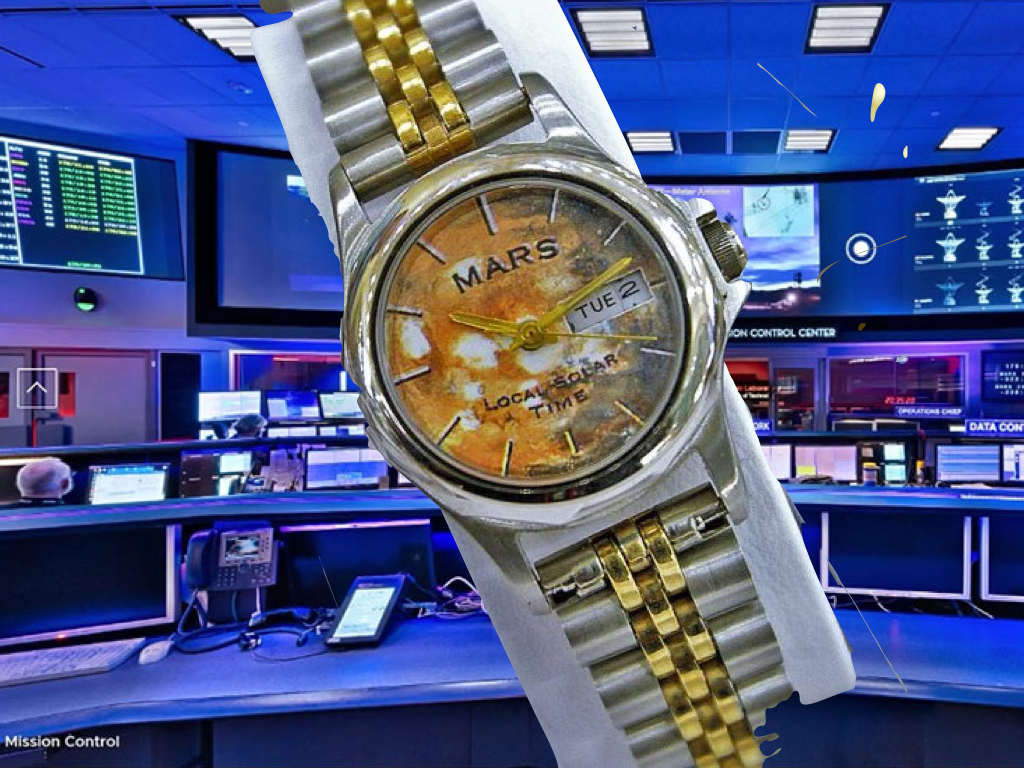
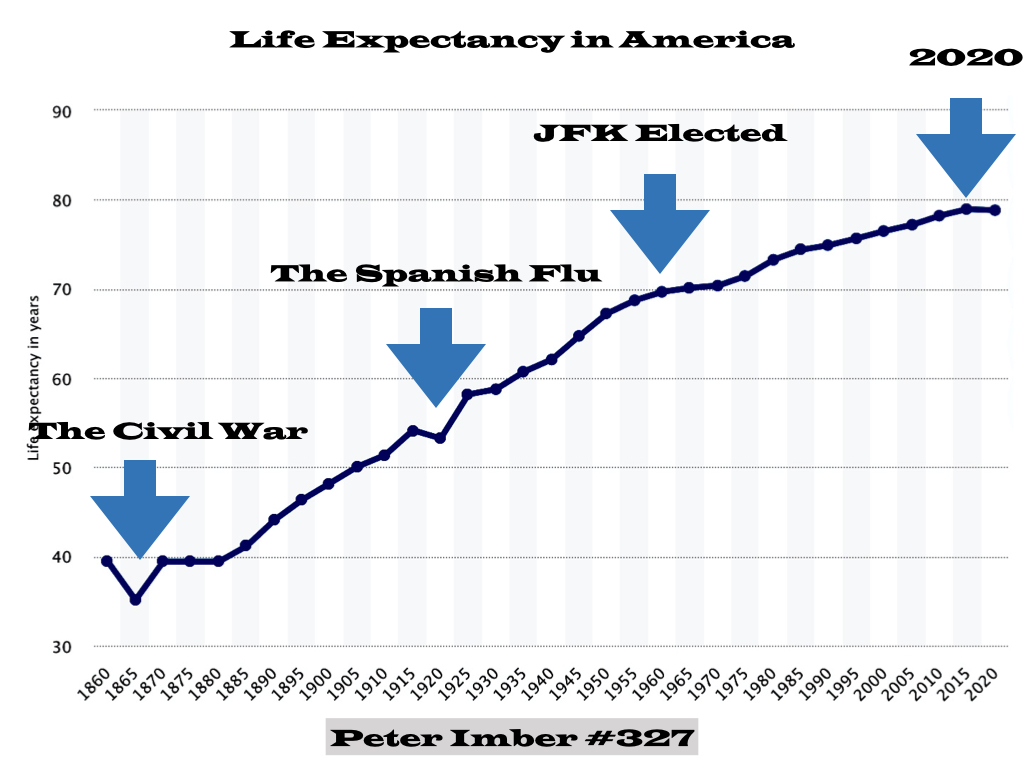



















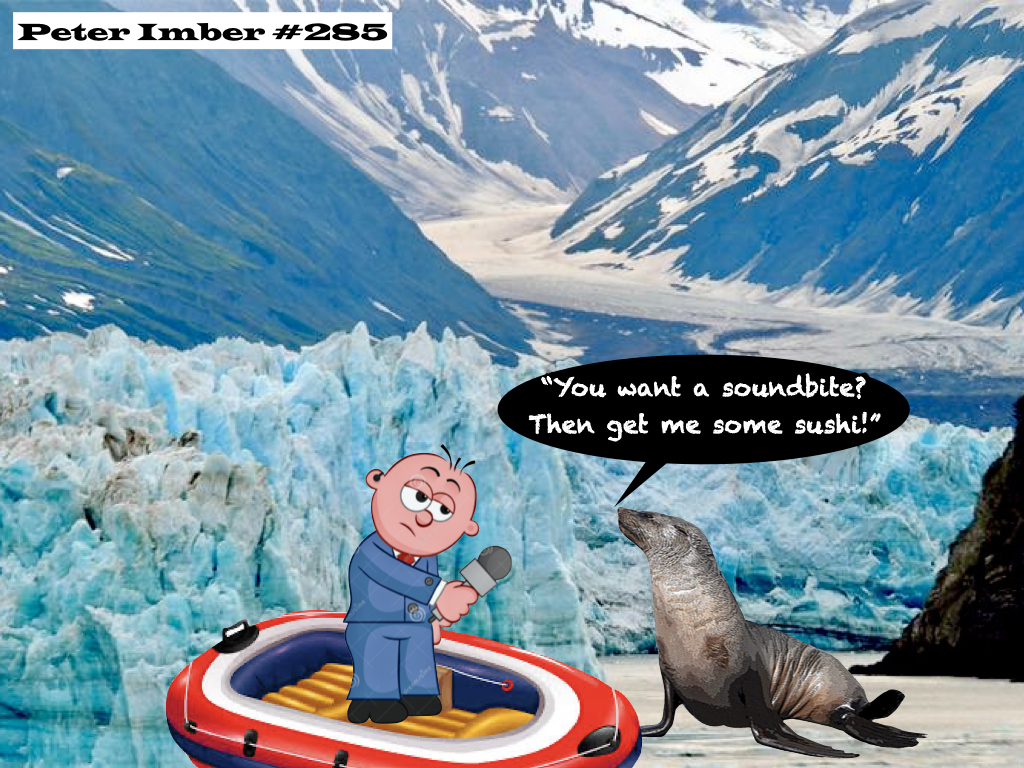




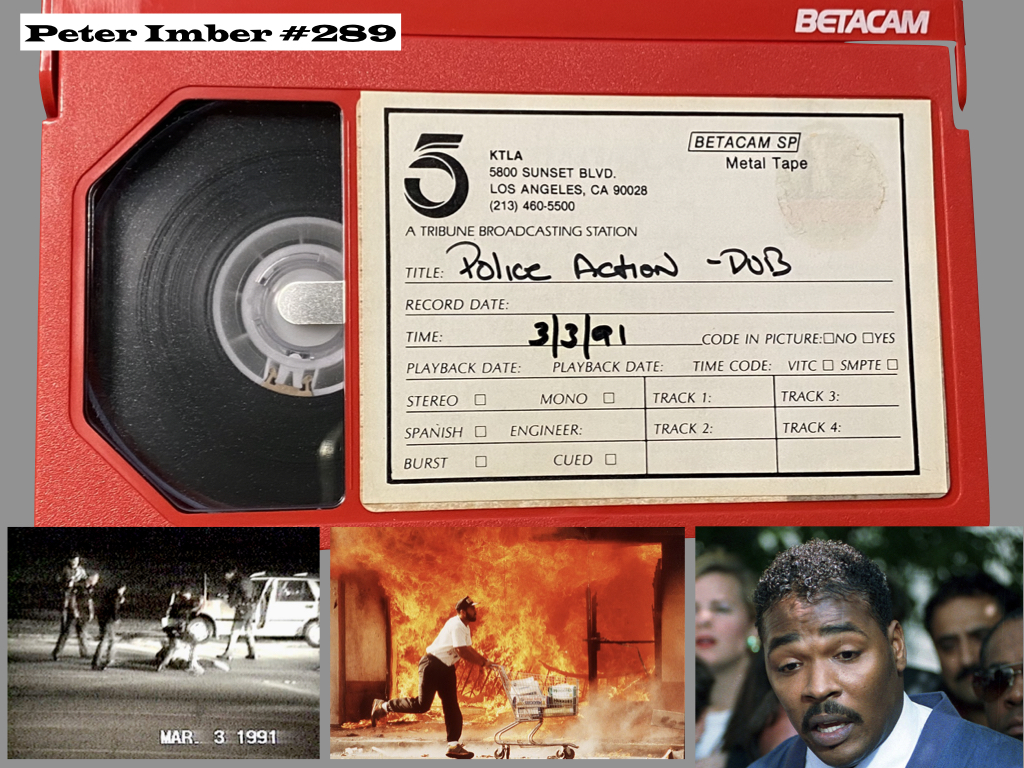




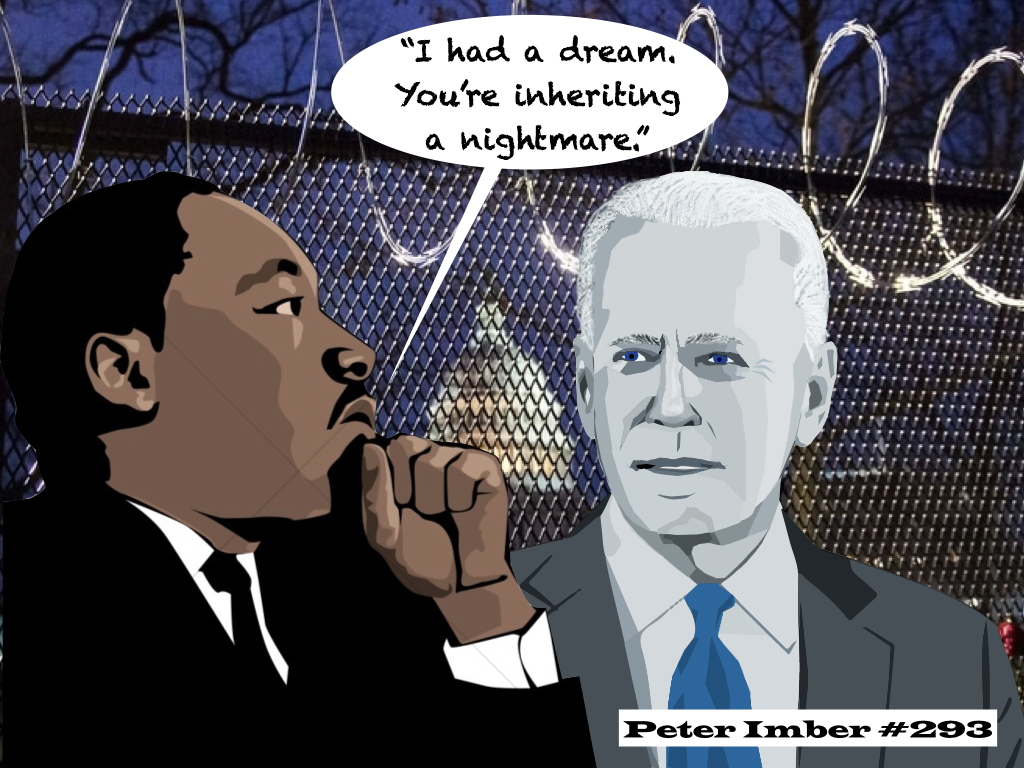




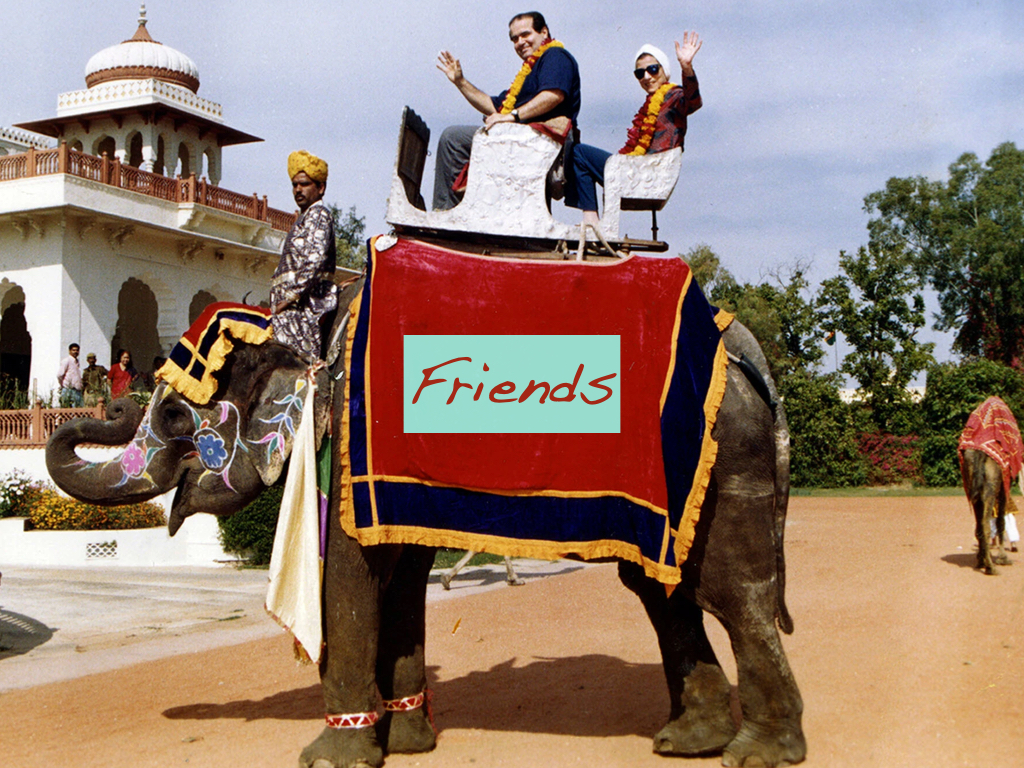
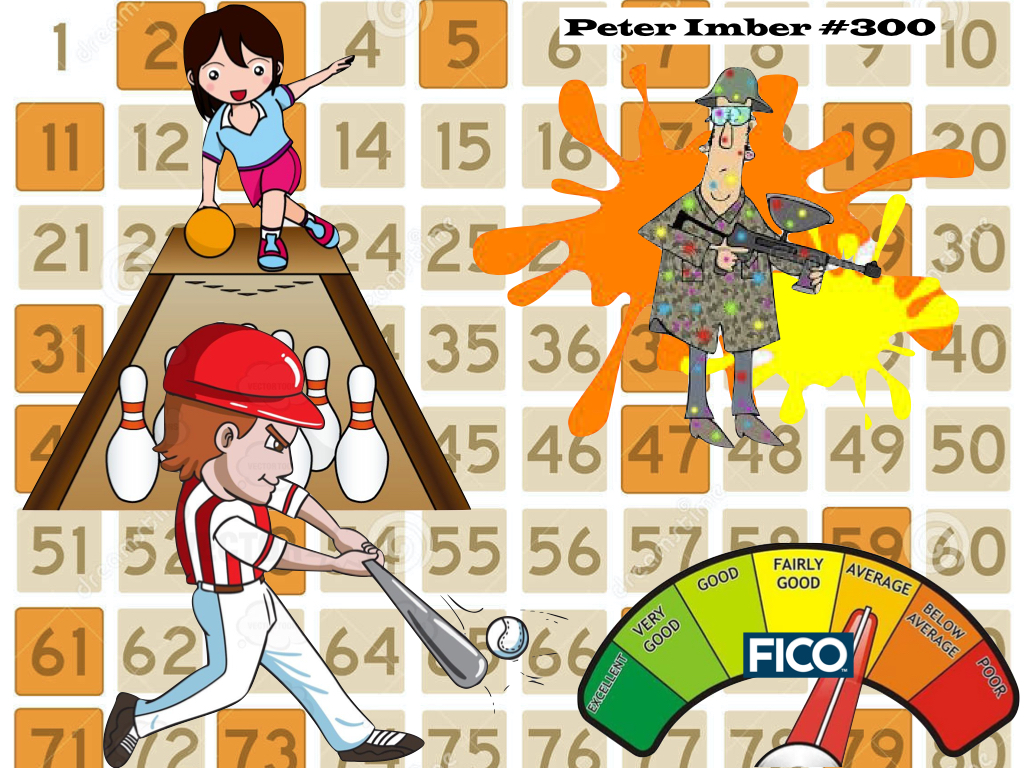













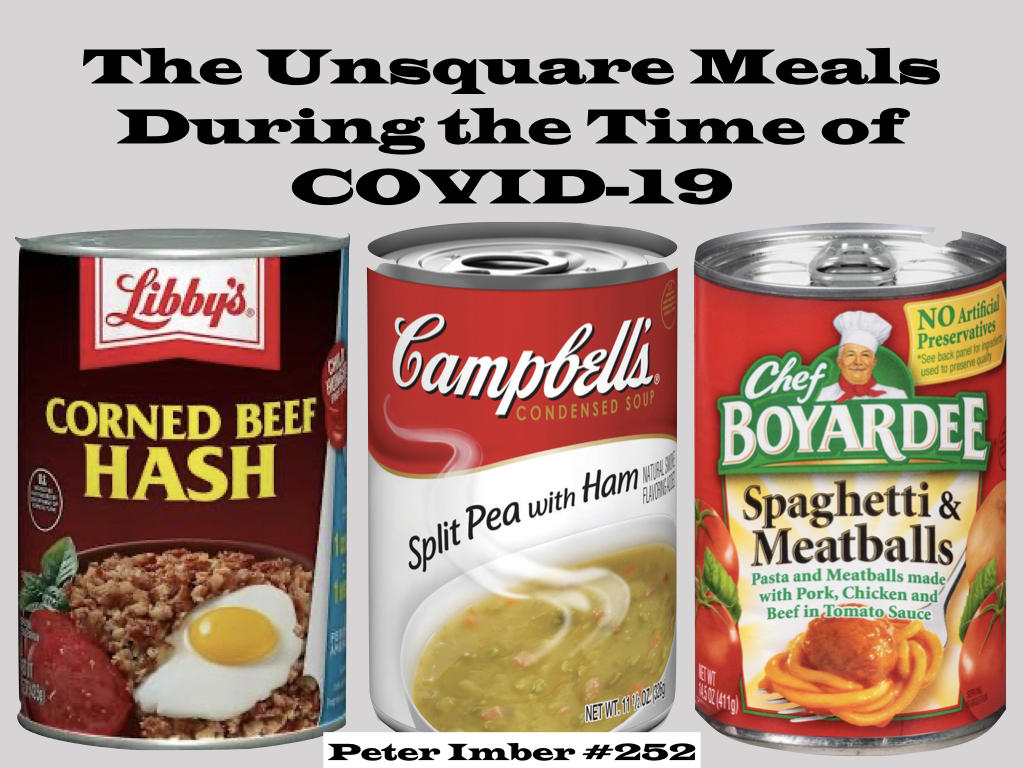







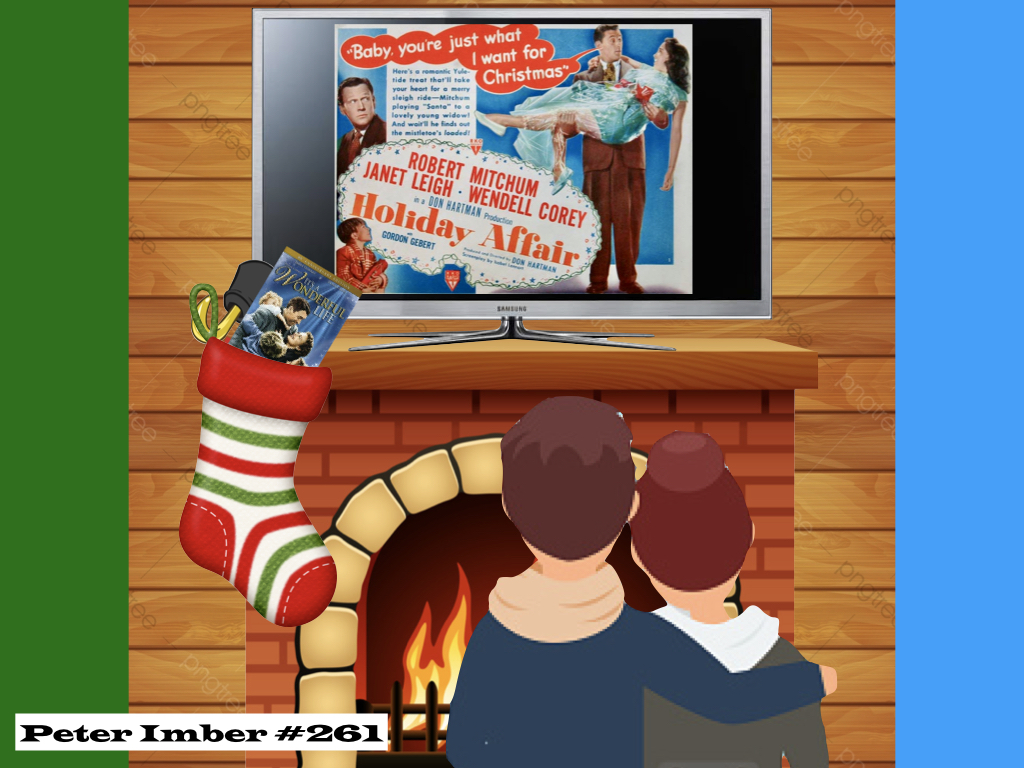











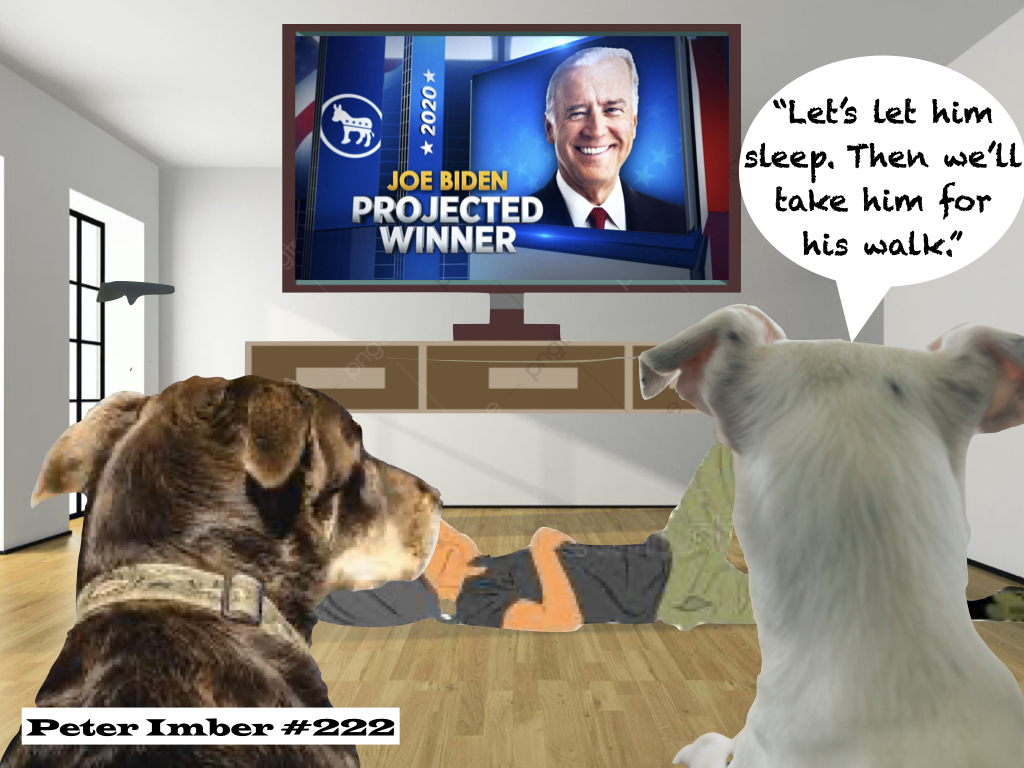





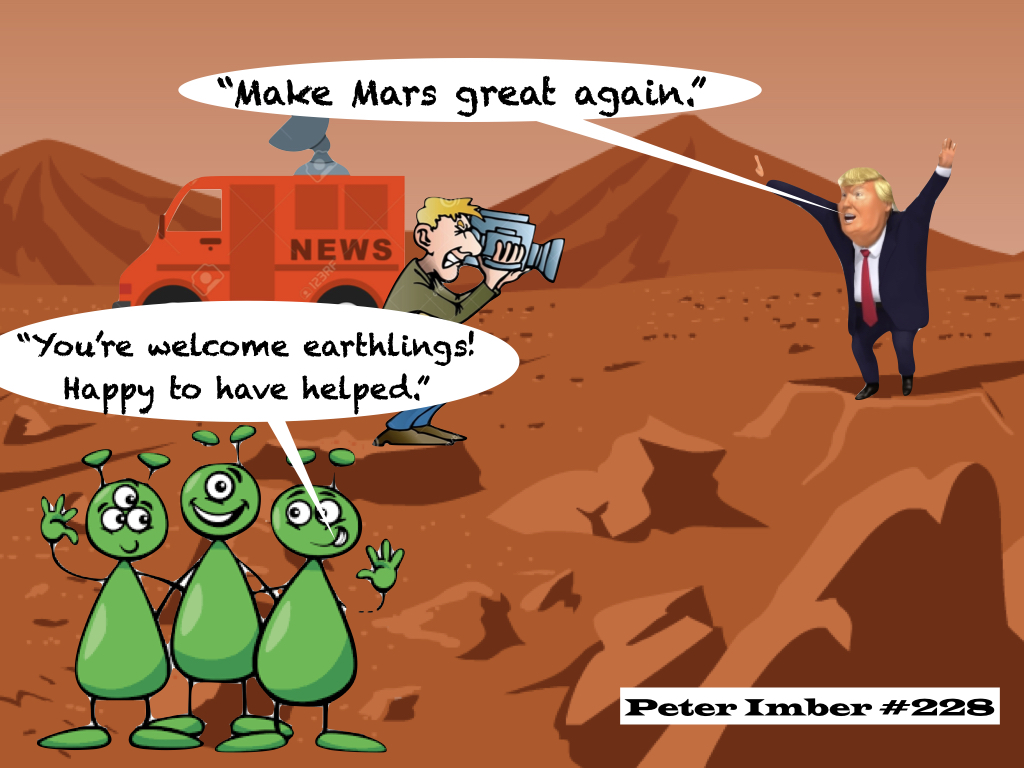

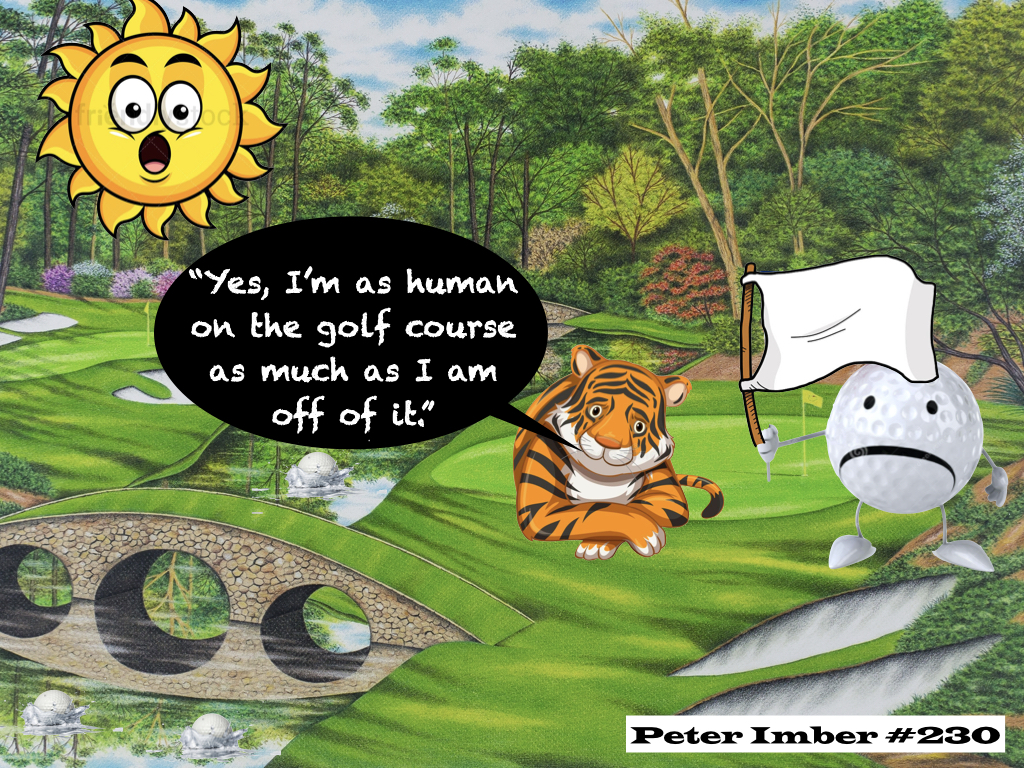









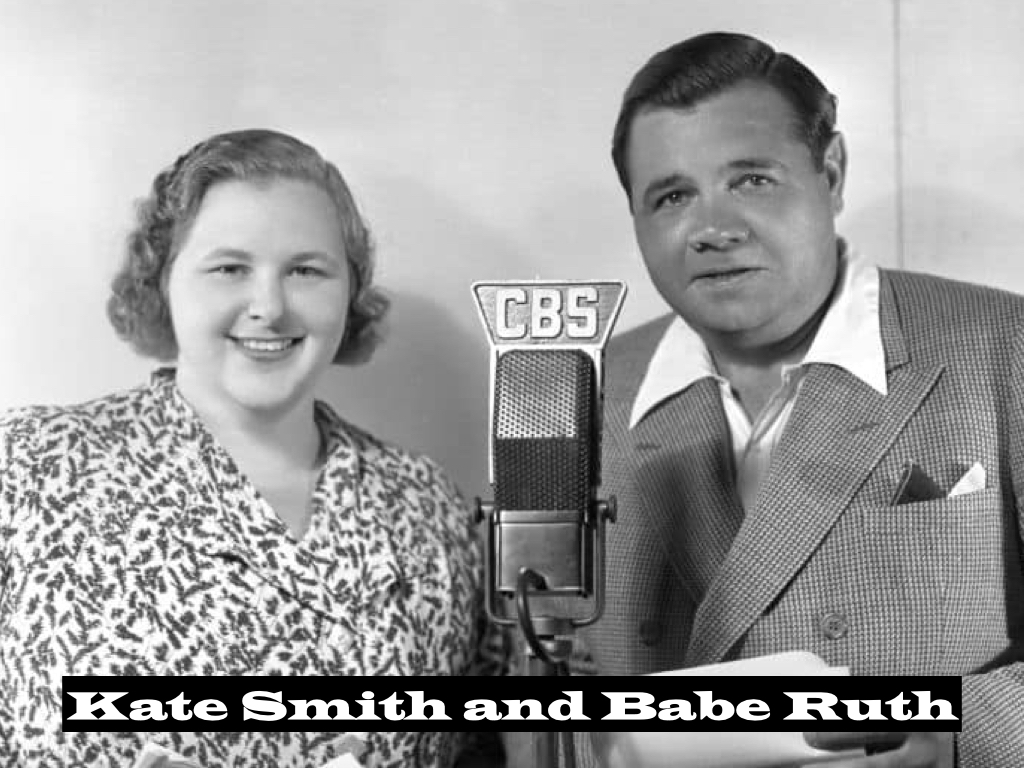
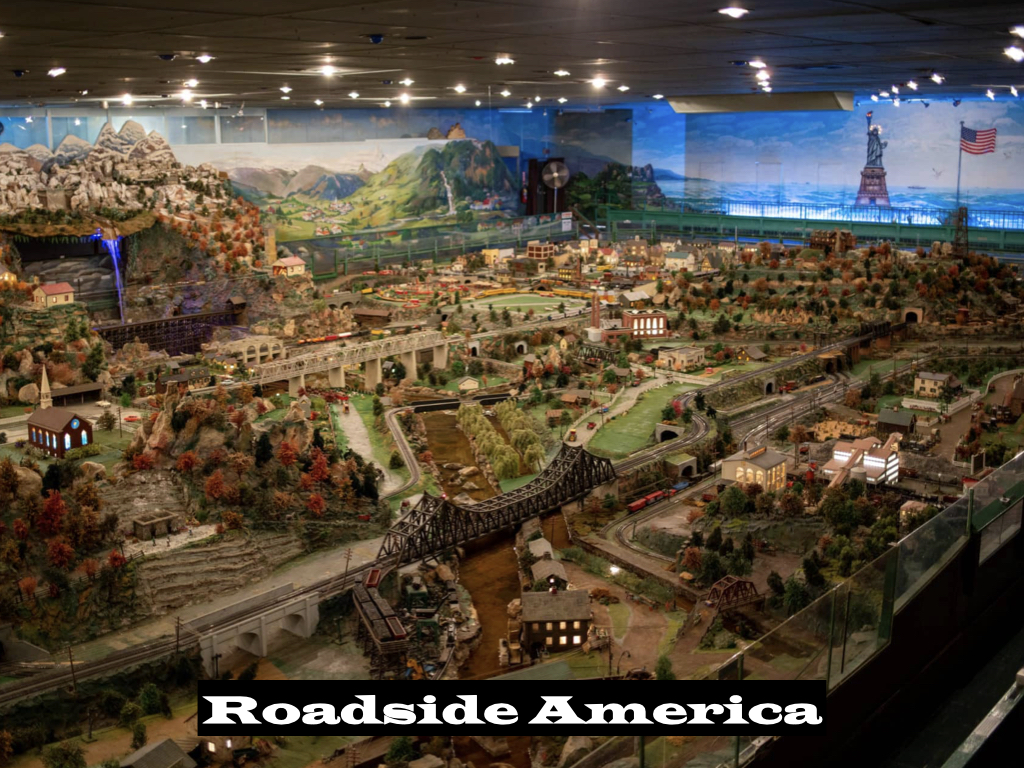





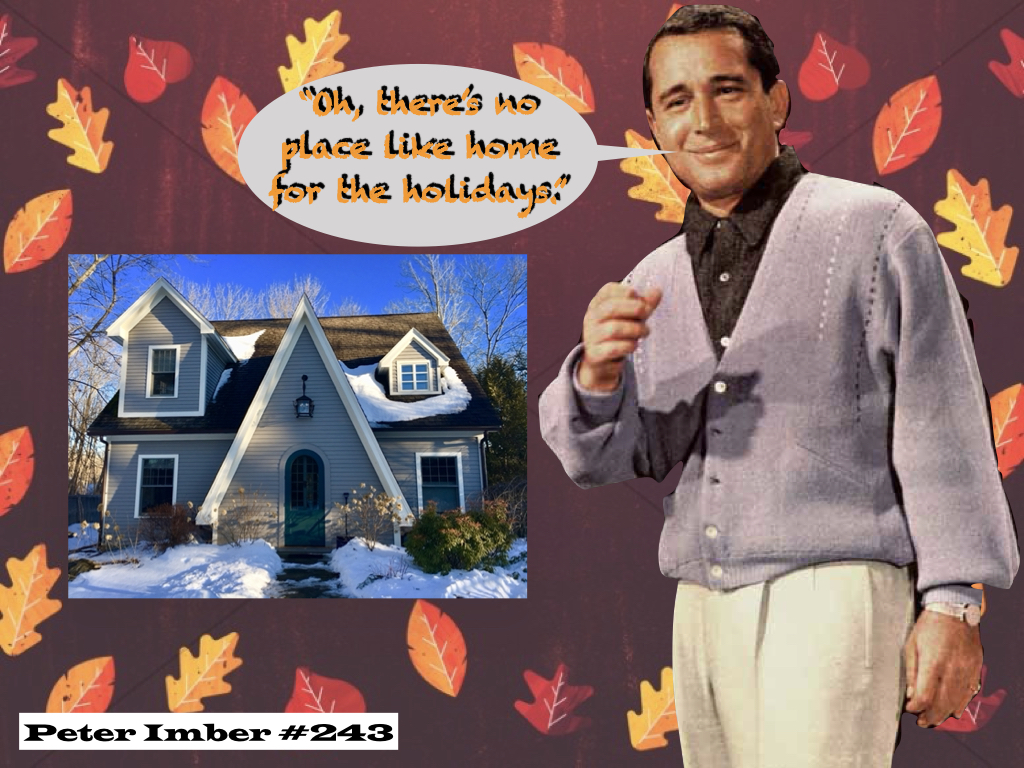



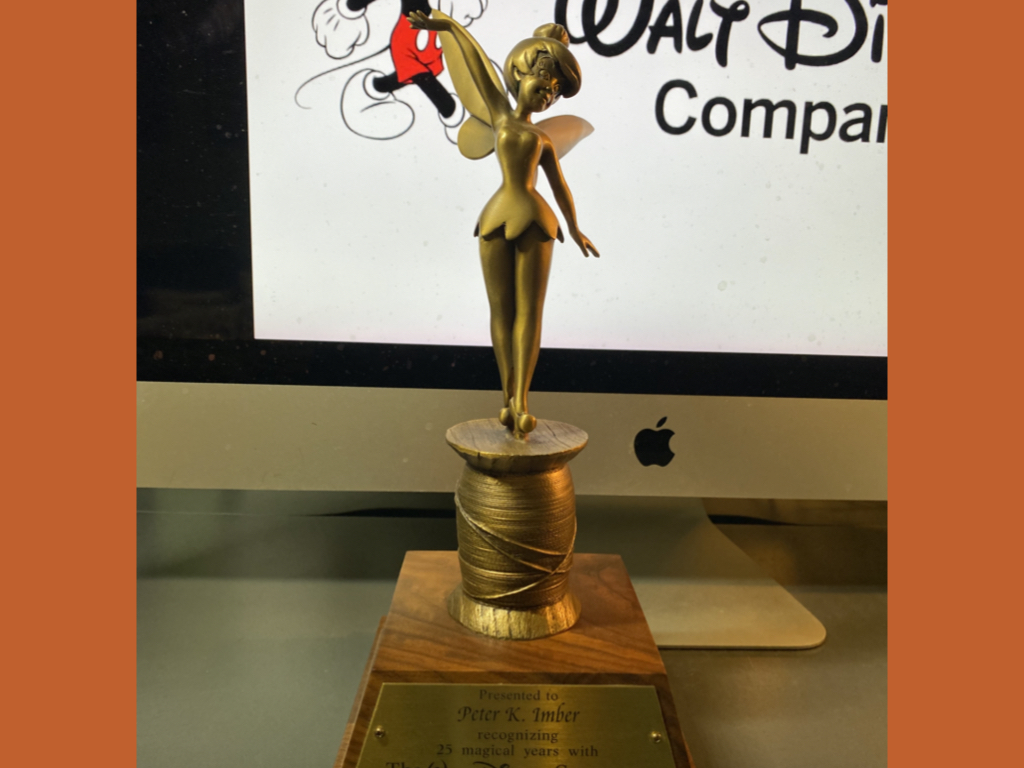
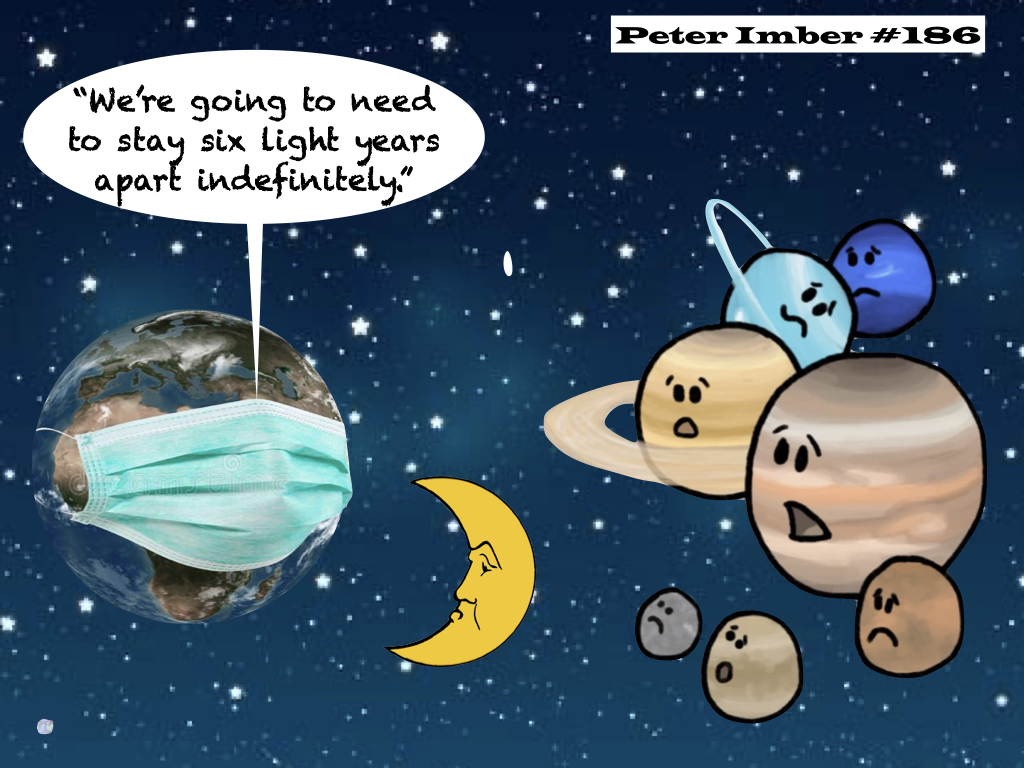






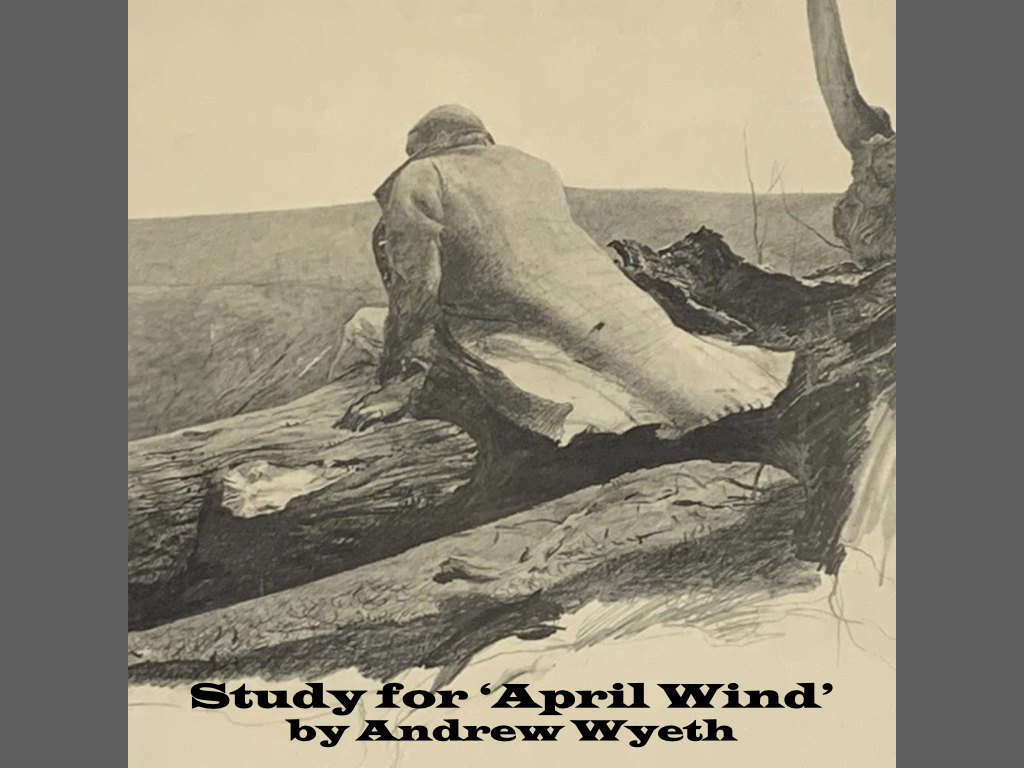


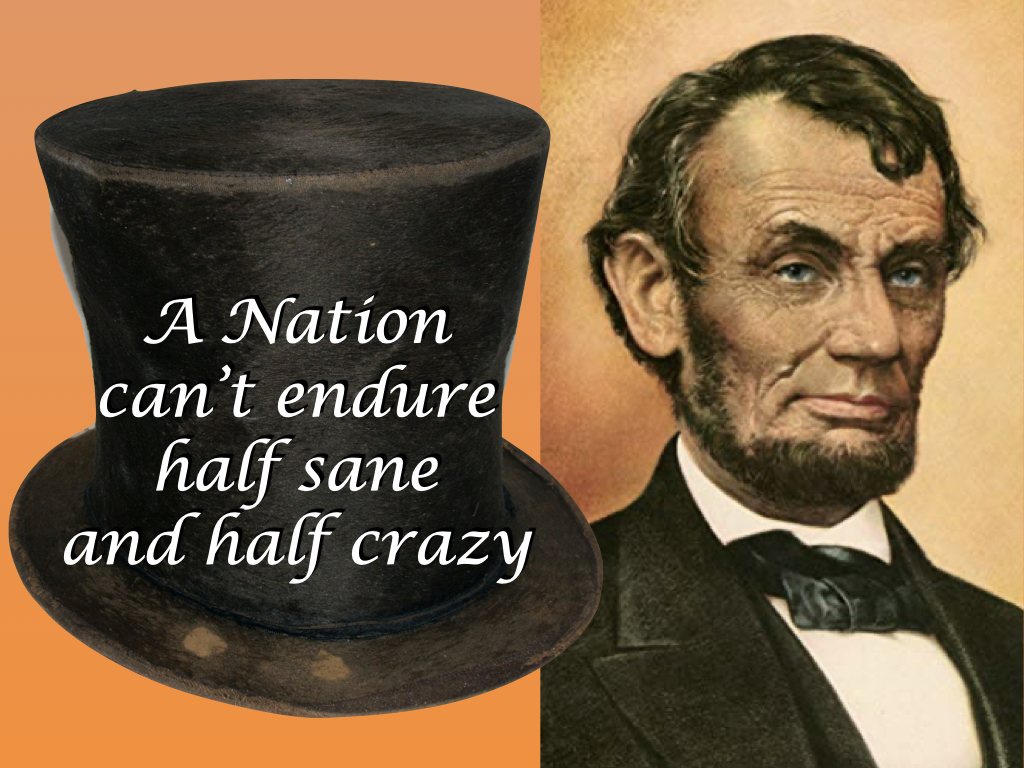
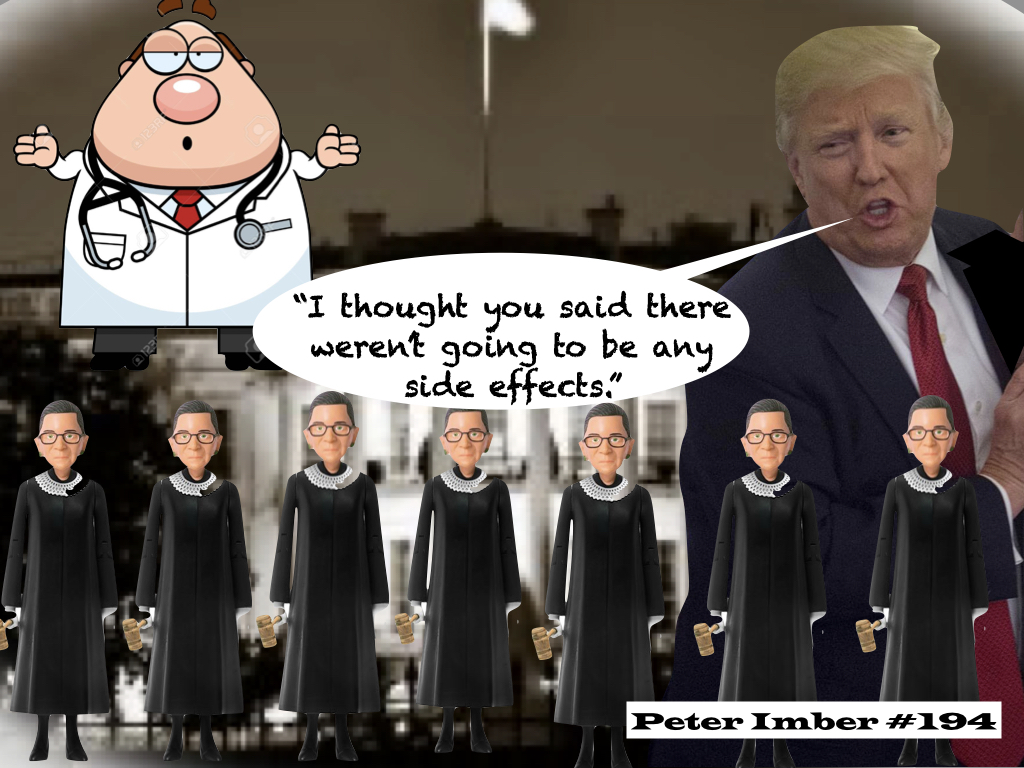










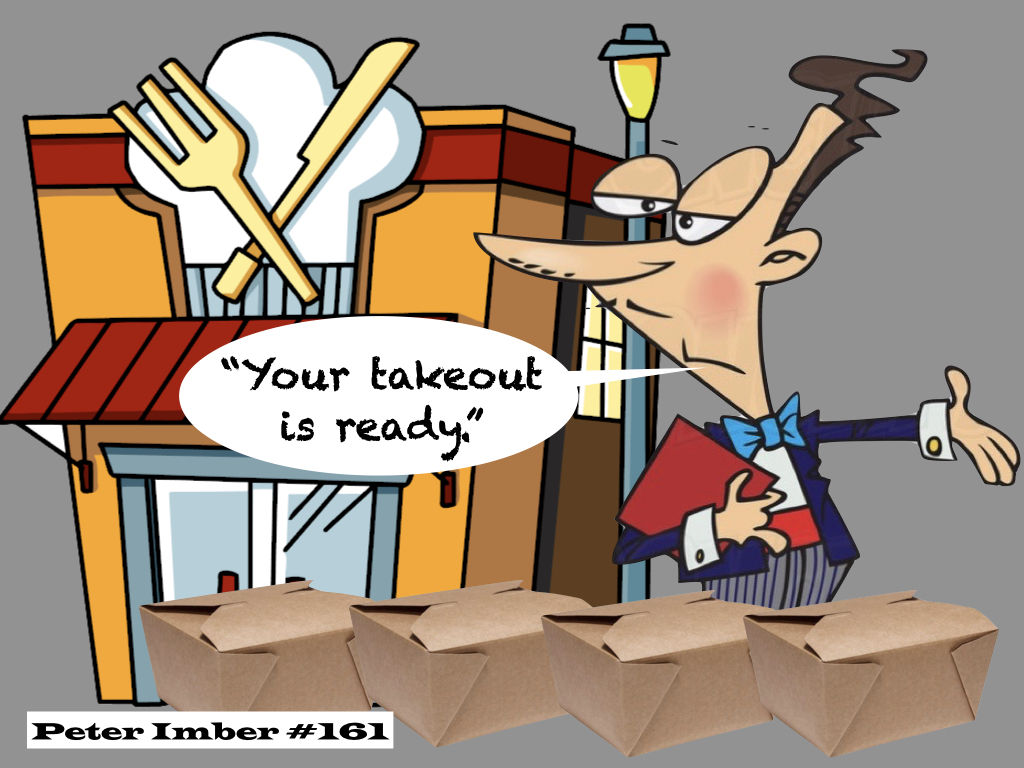

























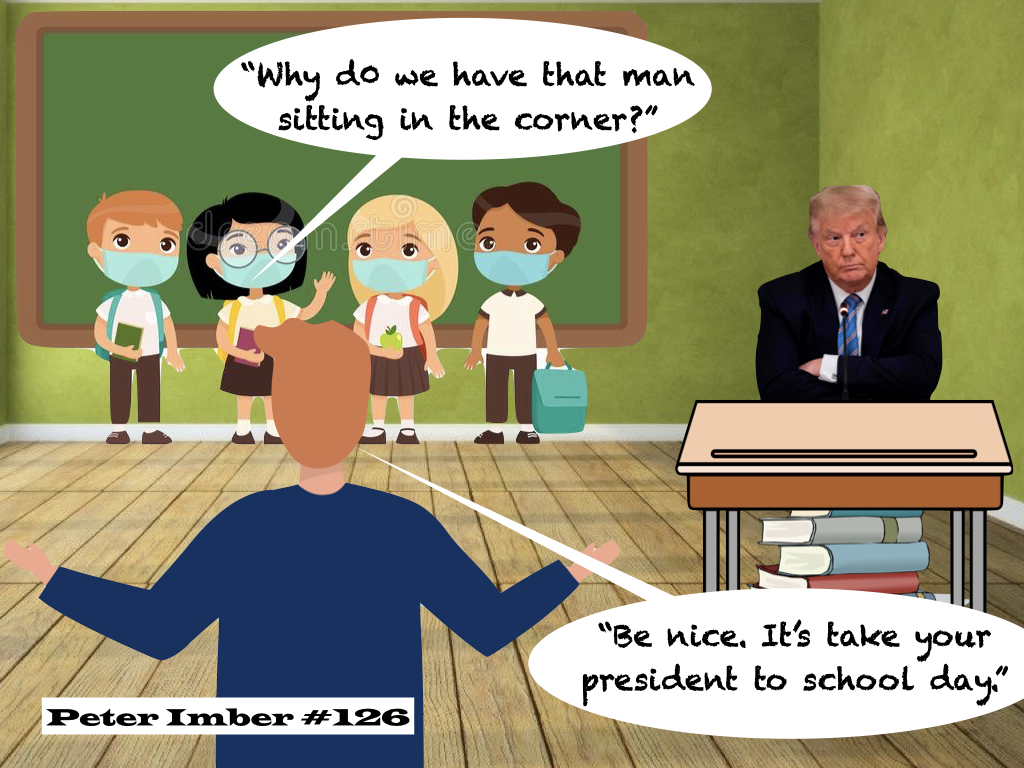

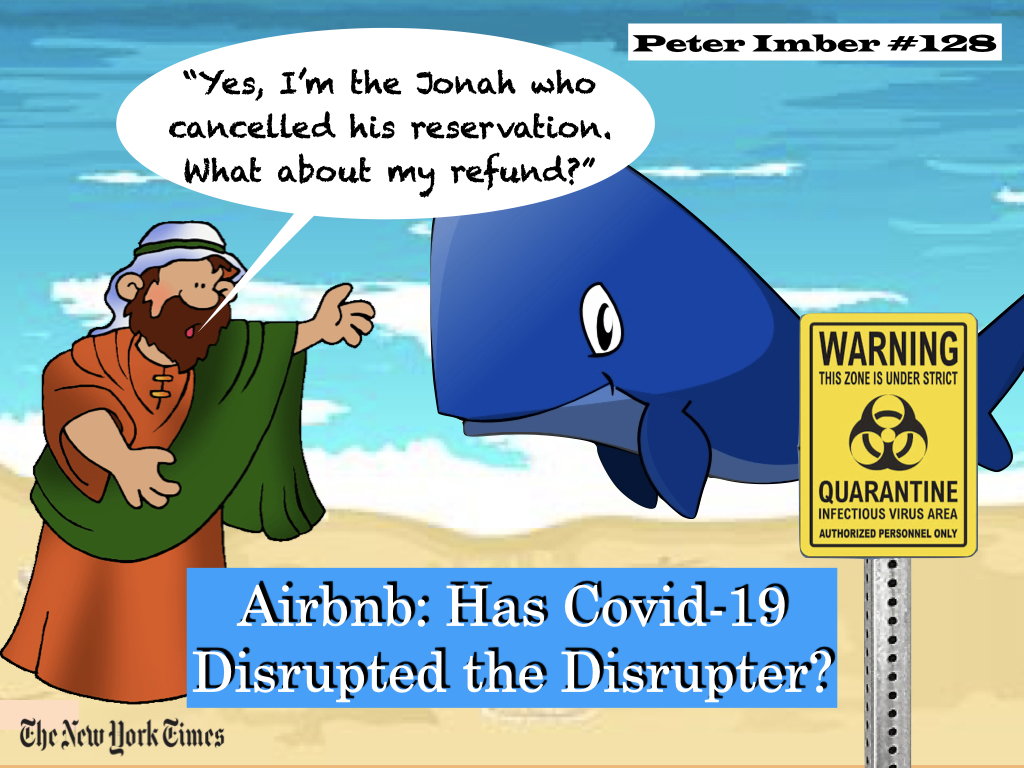
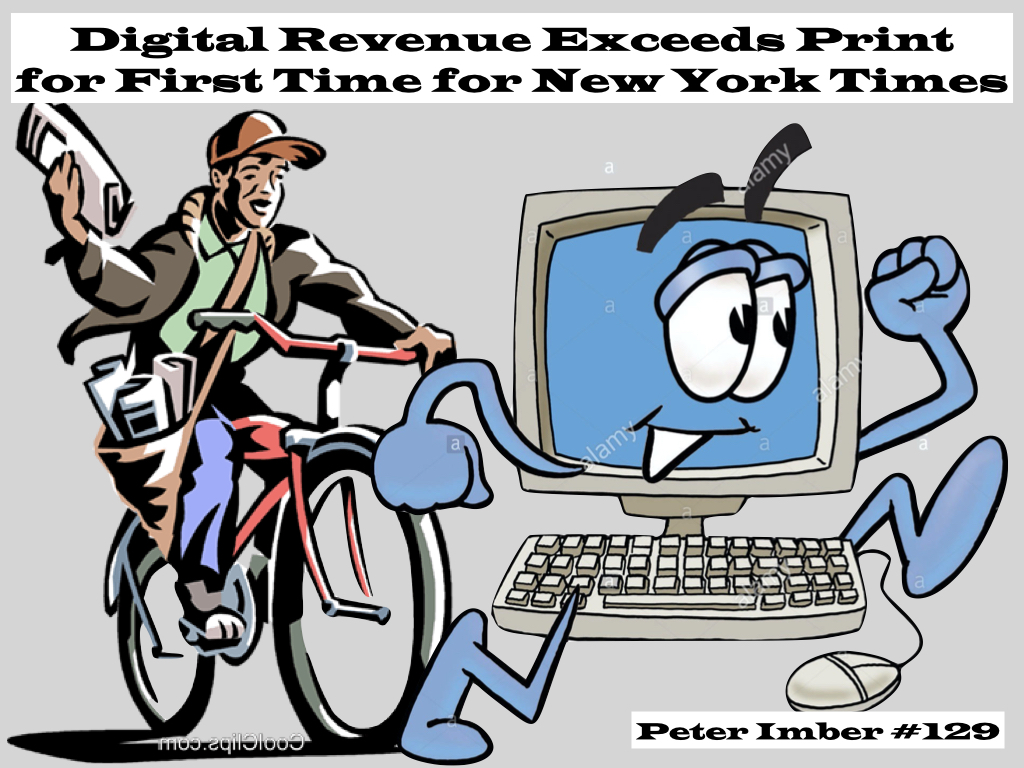





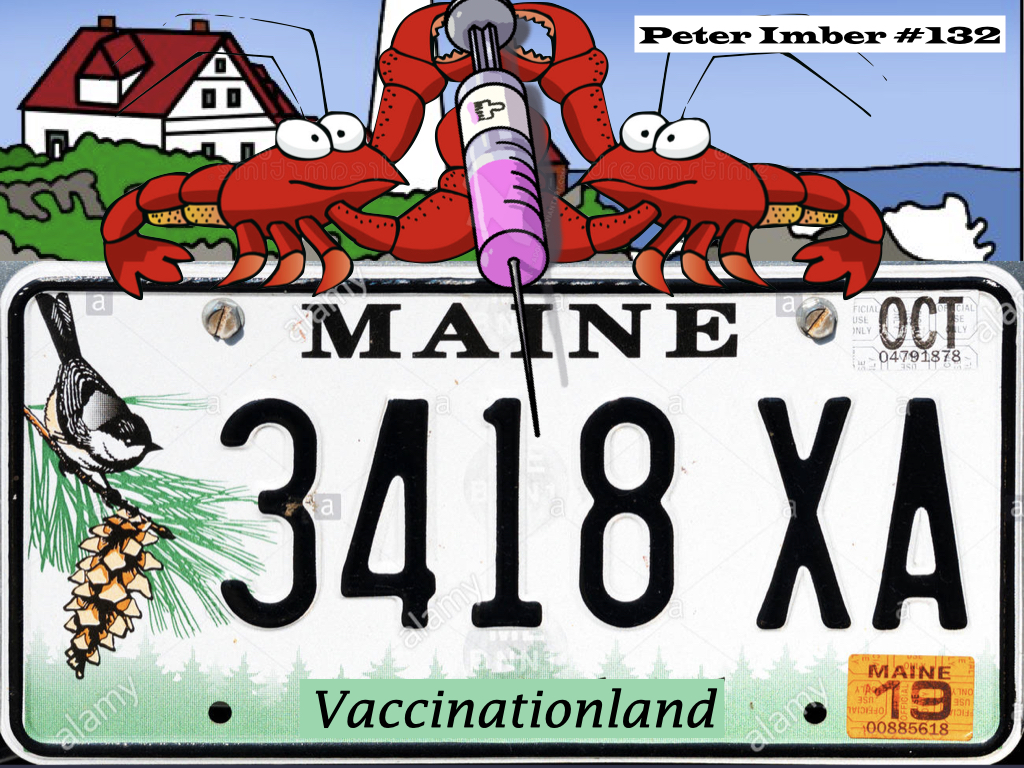
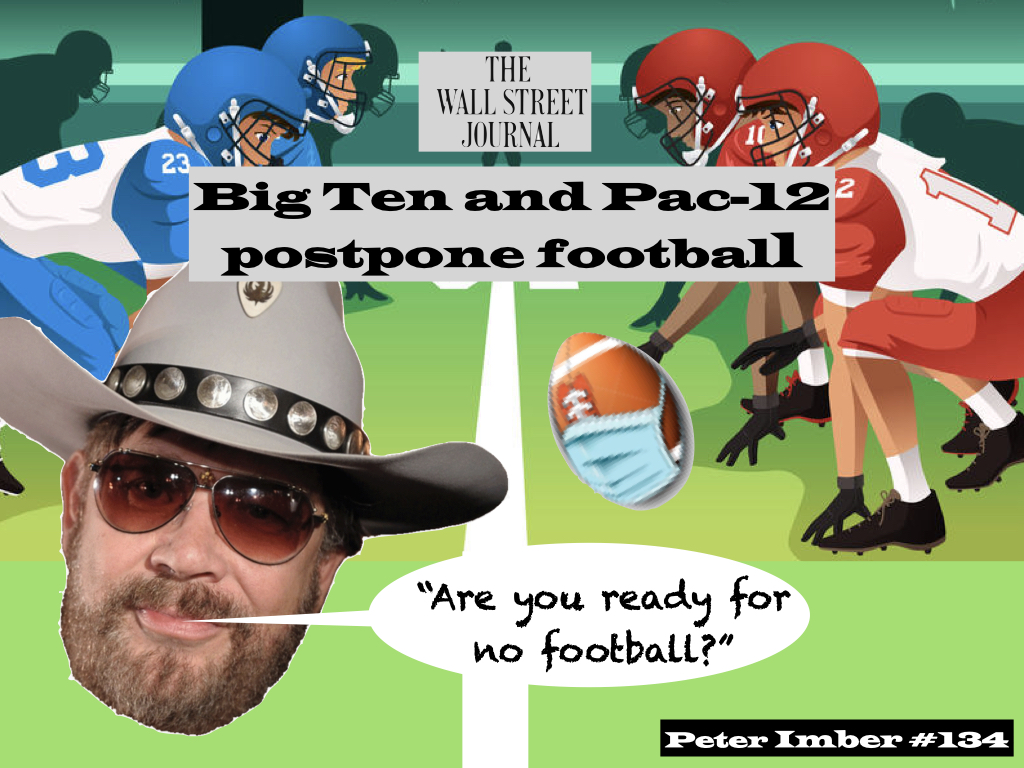
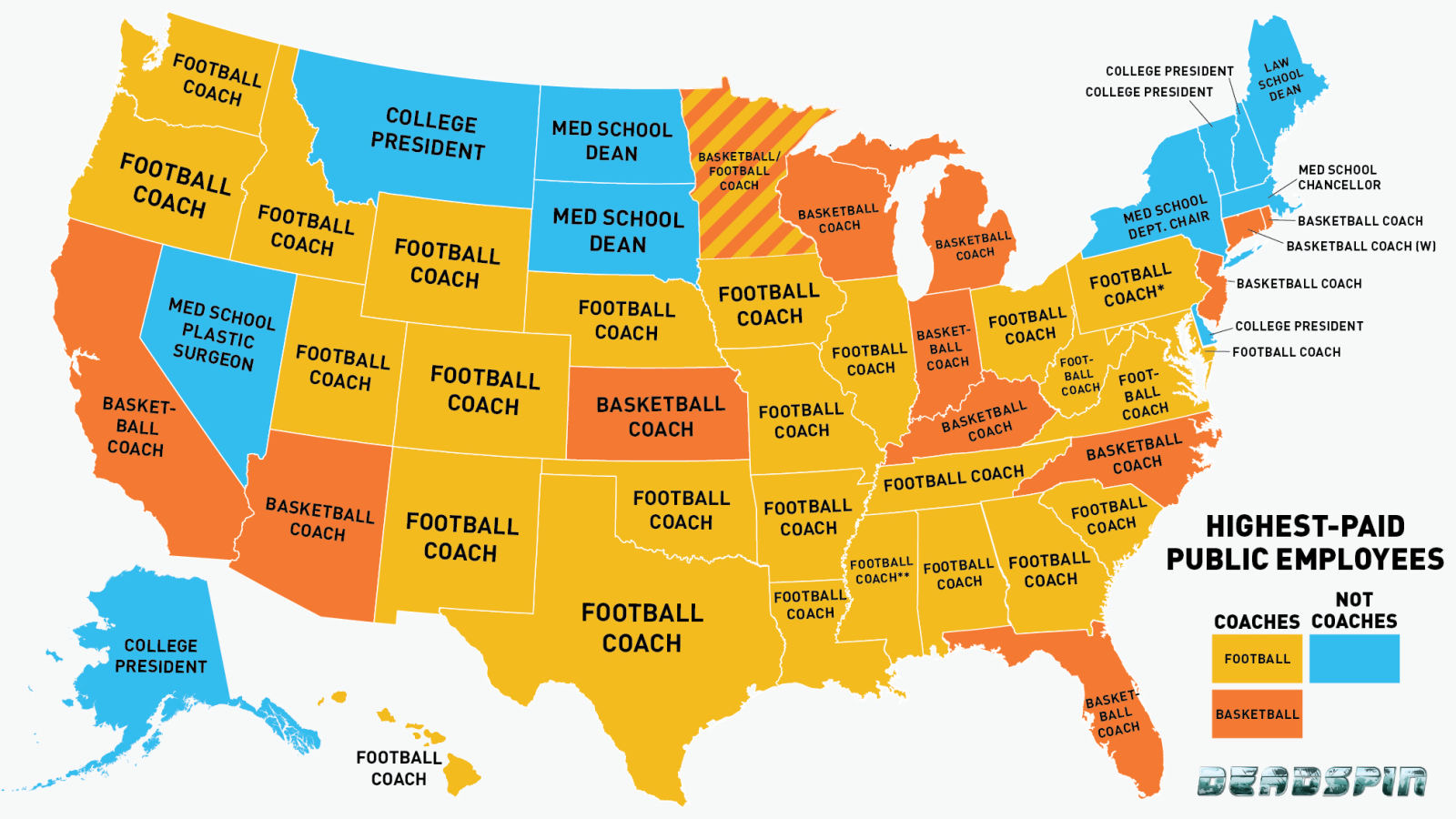
 —————–




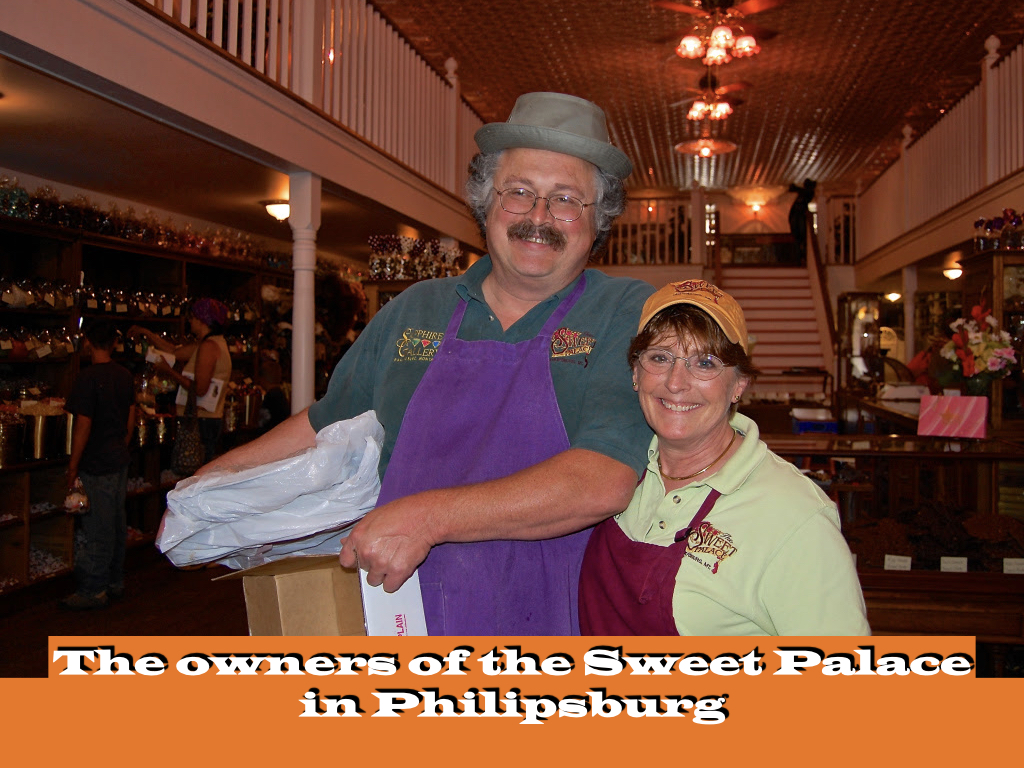
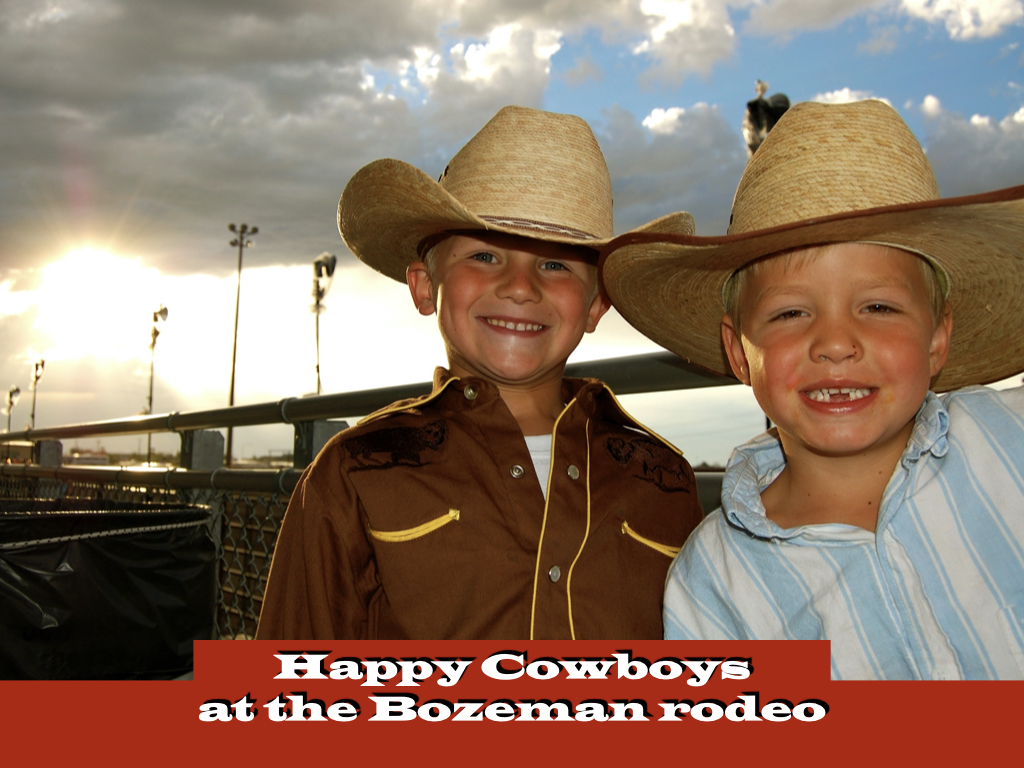



















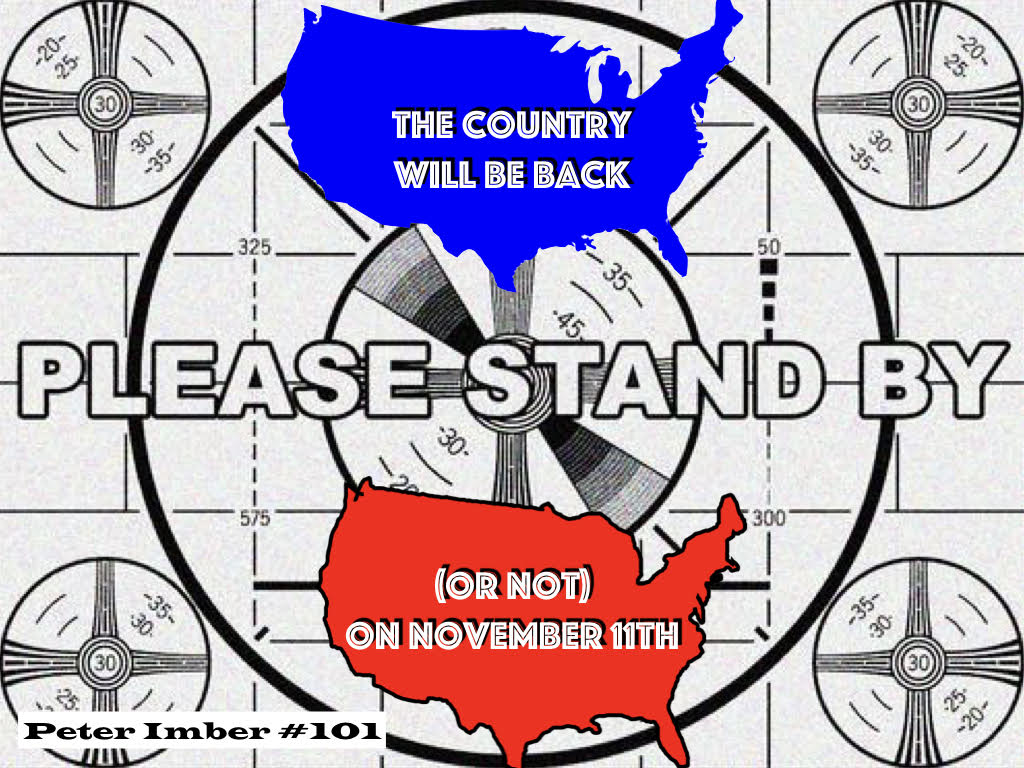








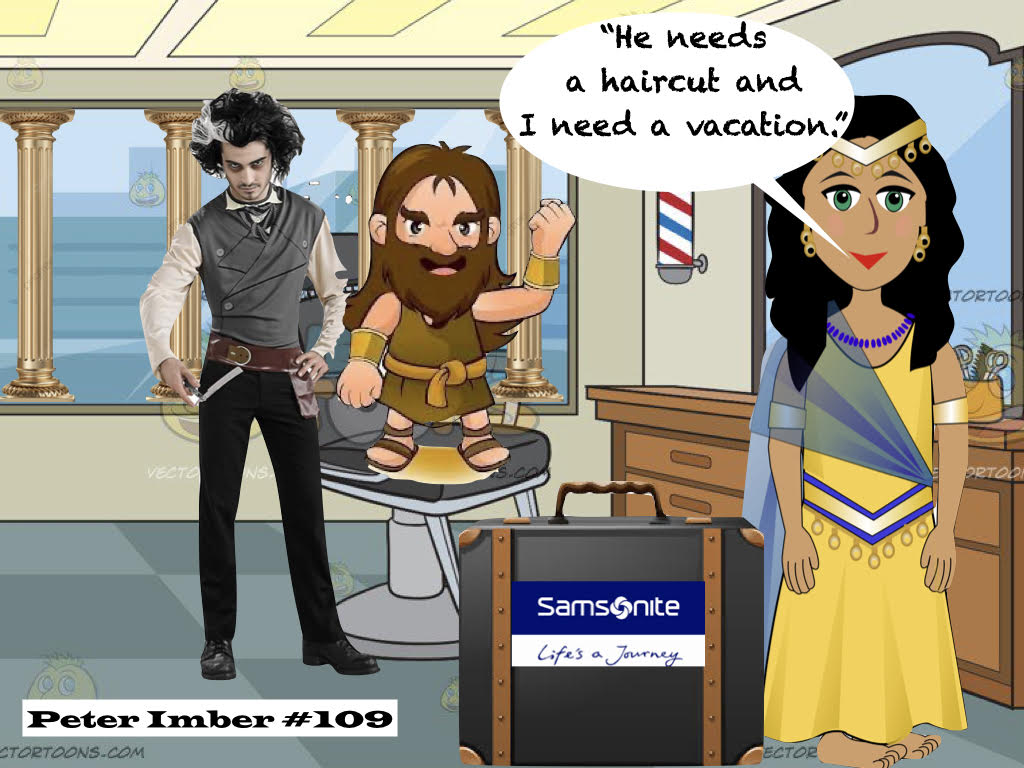

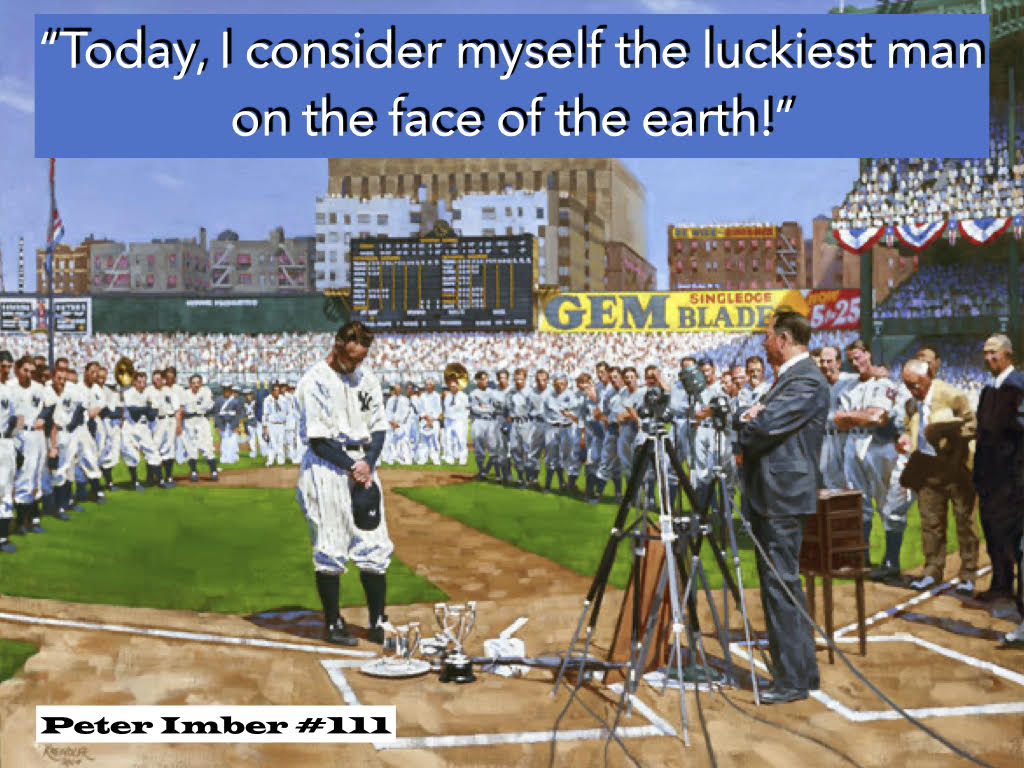
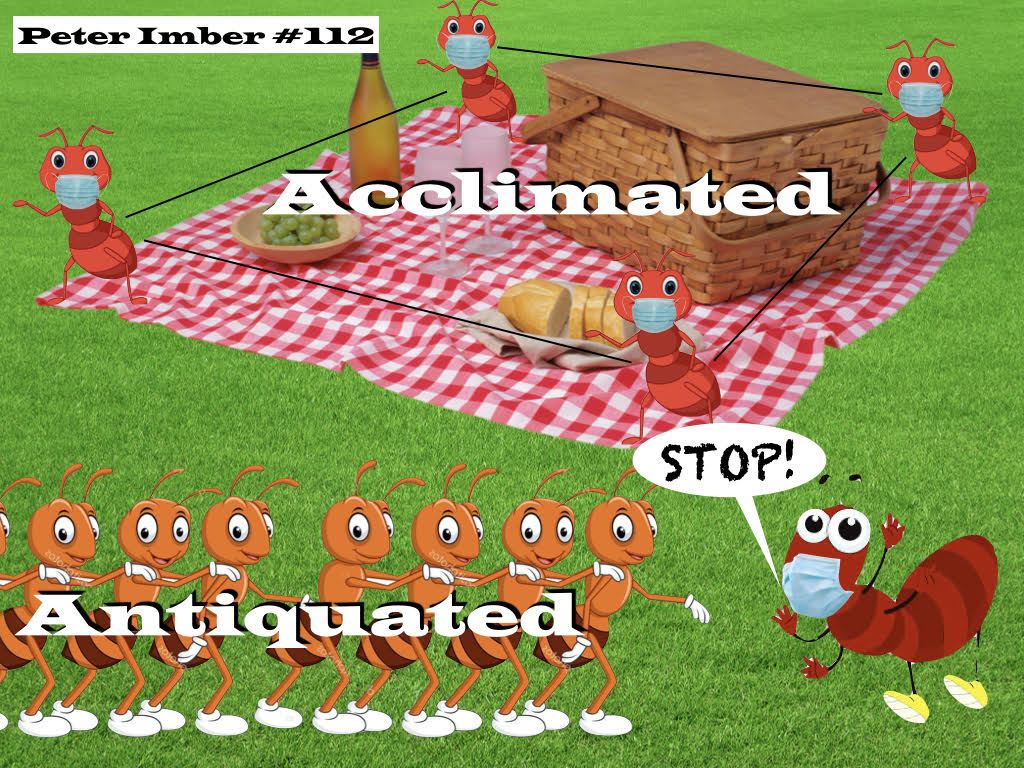
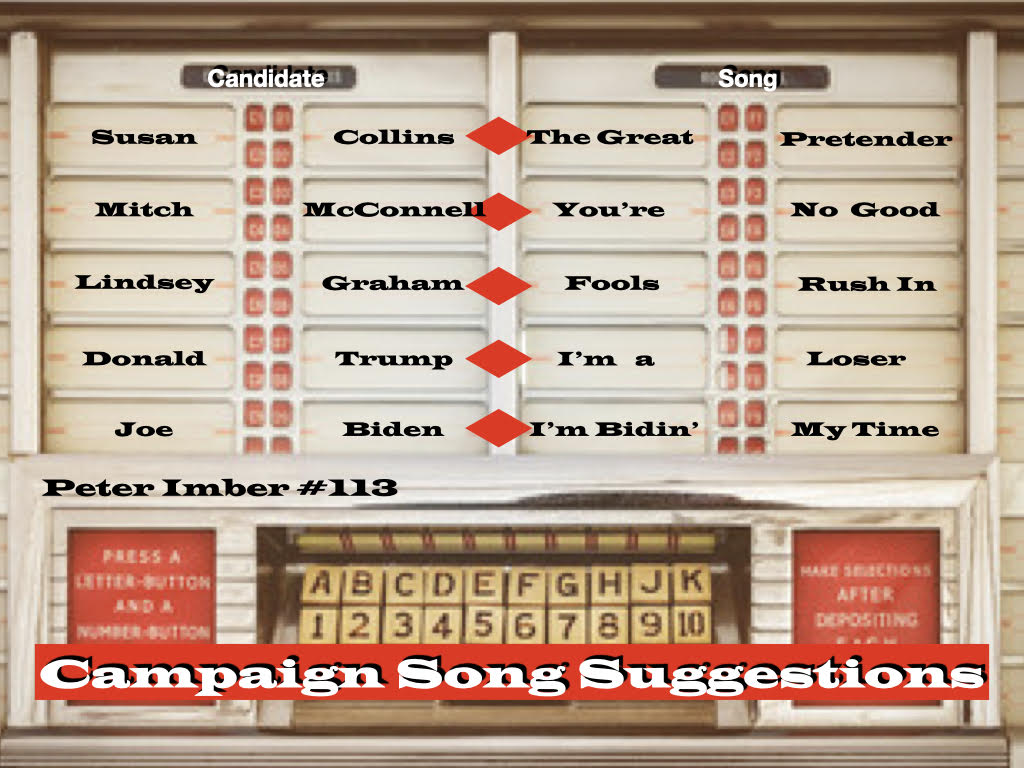

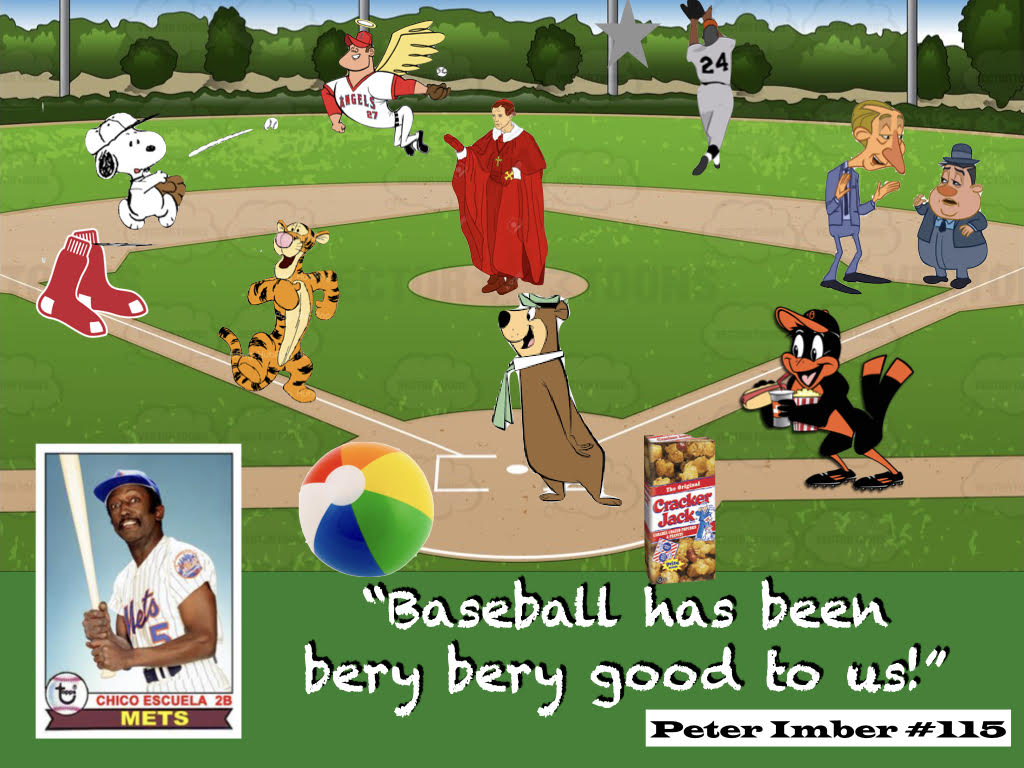
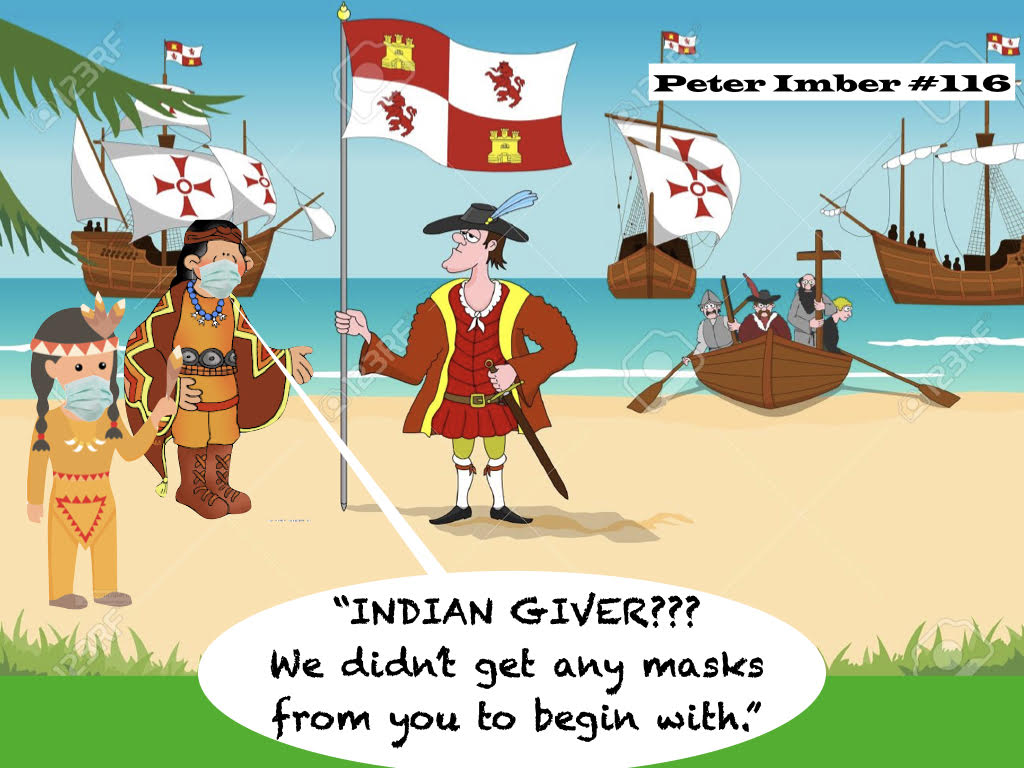

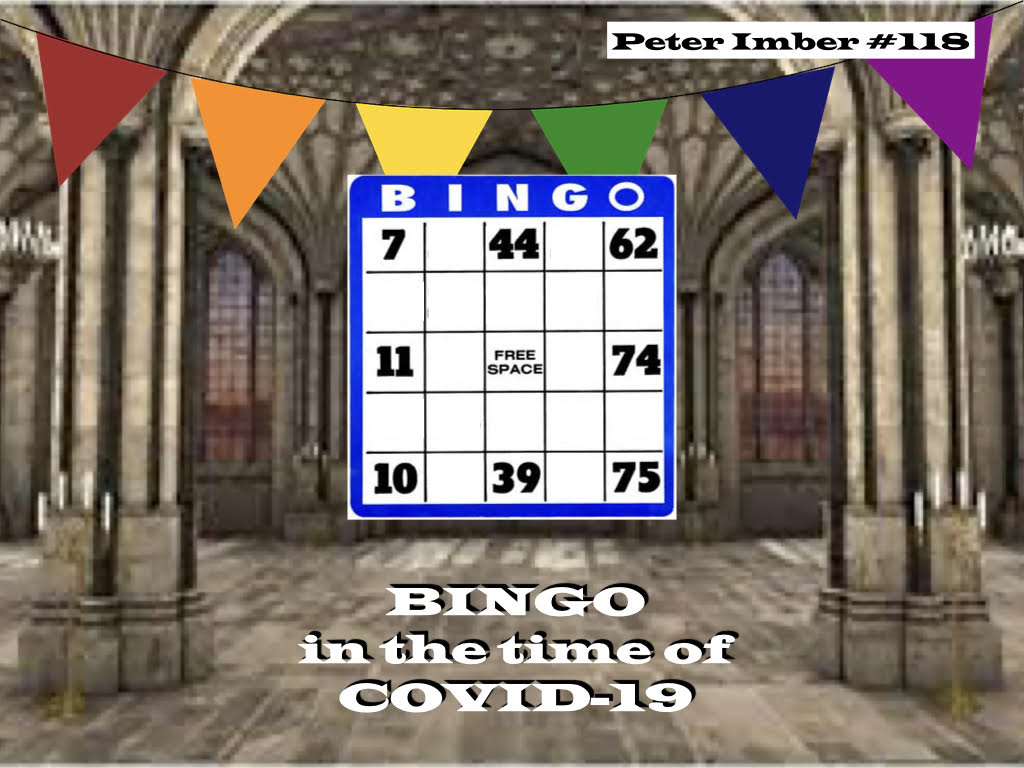 I haven’t played Bingo since I was a kid when it was an activity before the cake and ice cream at a birthday party. Now, I’ve reached a point in life when Bingo is perhaps again age appropriate but I’m not interested.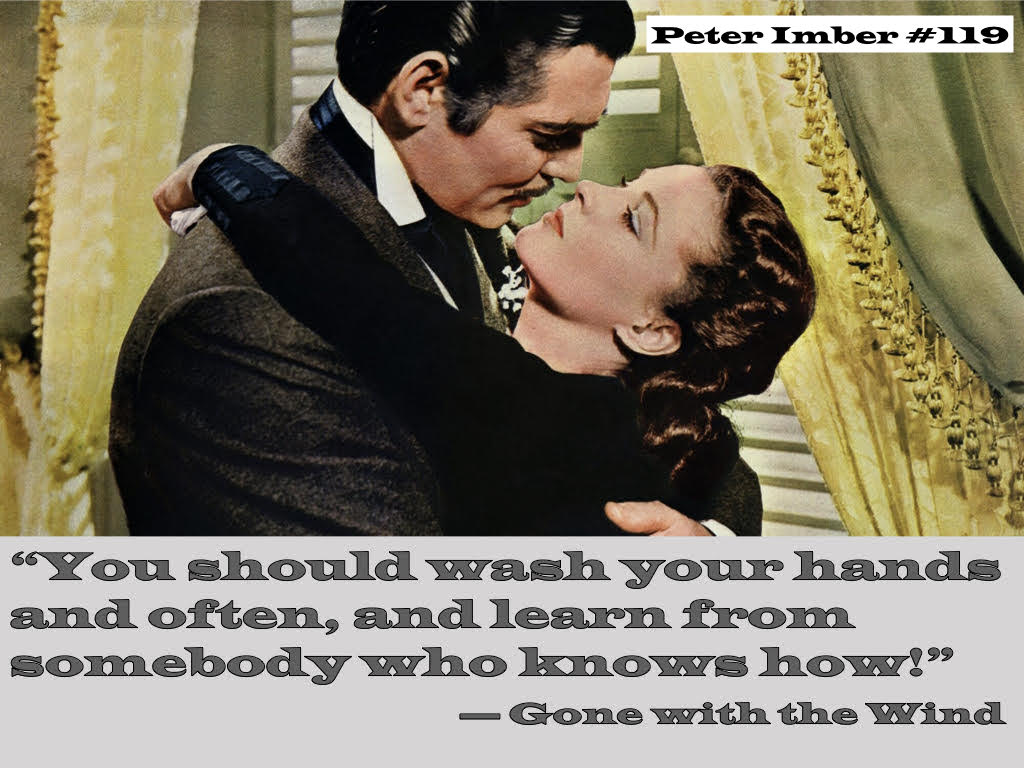
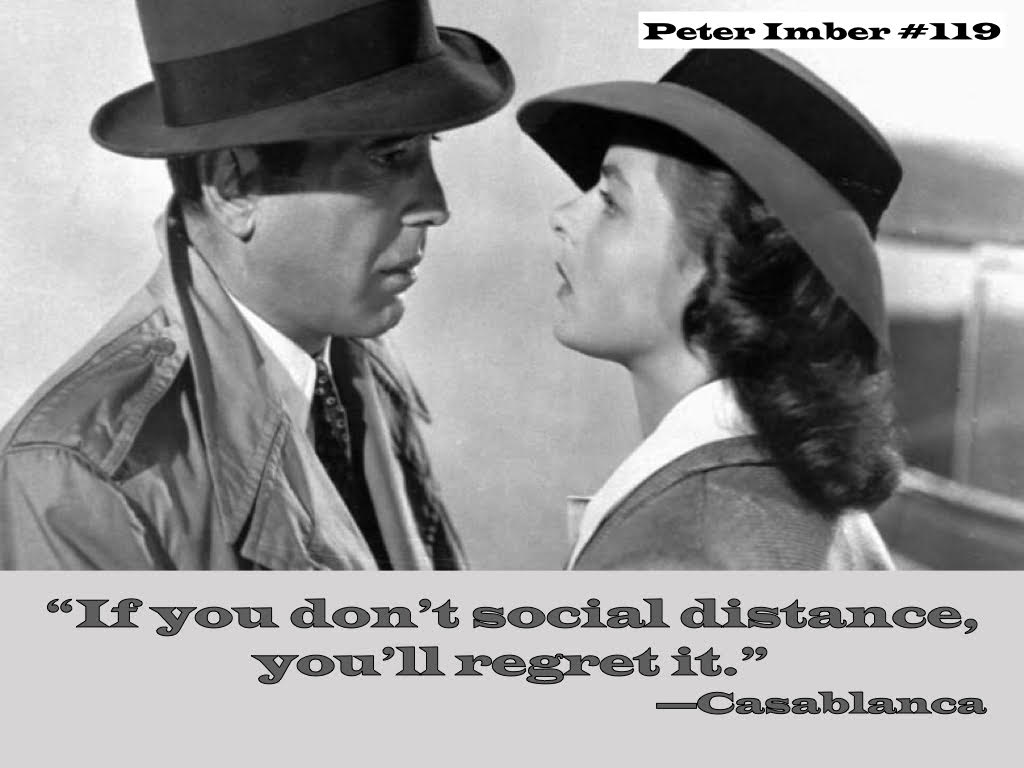
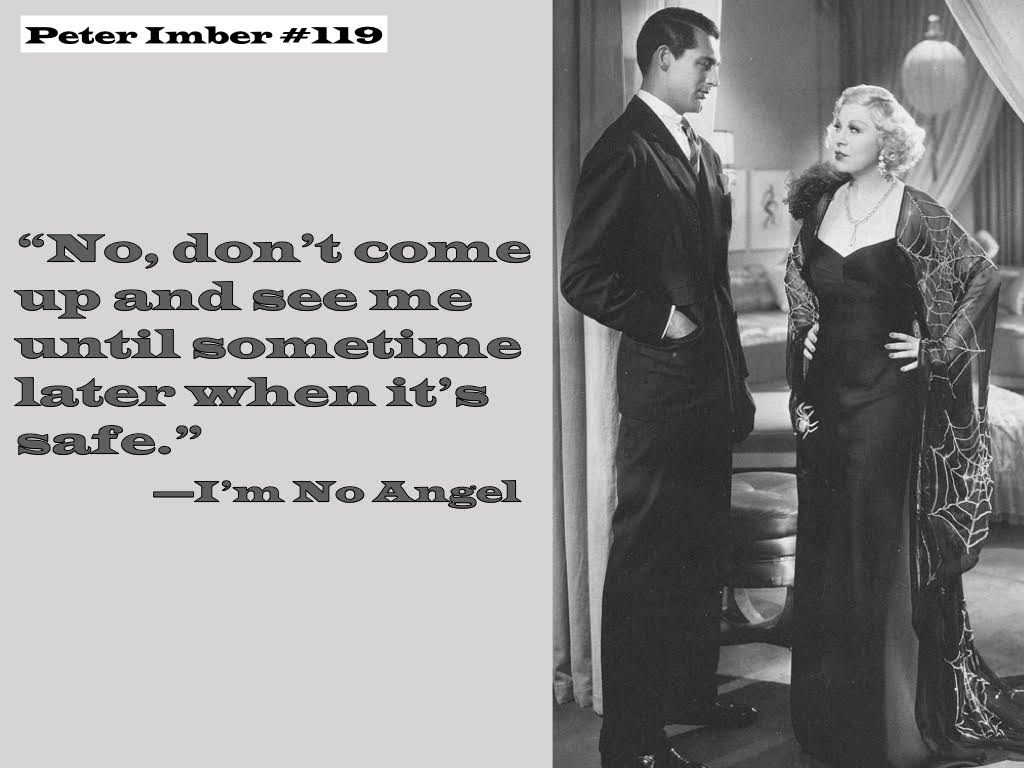
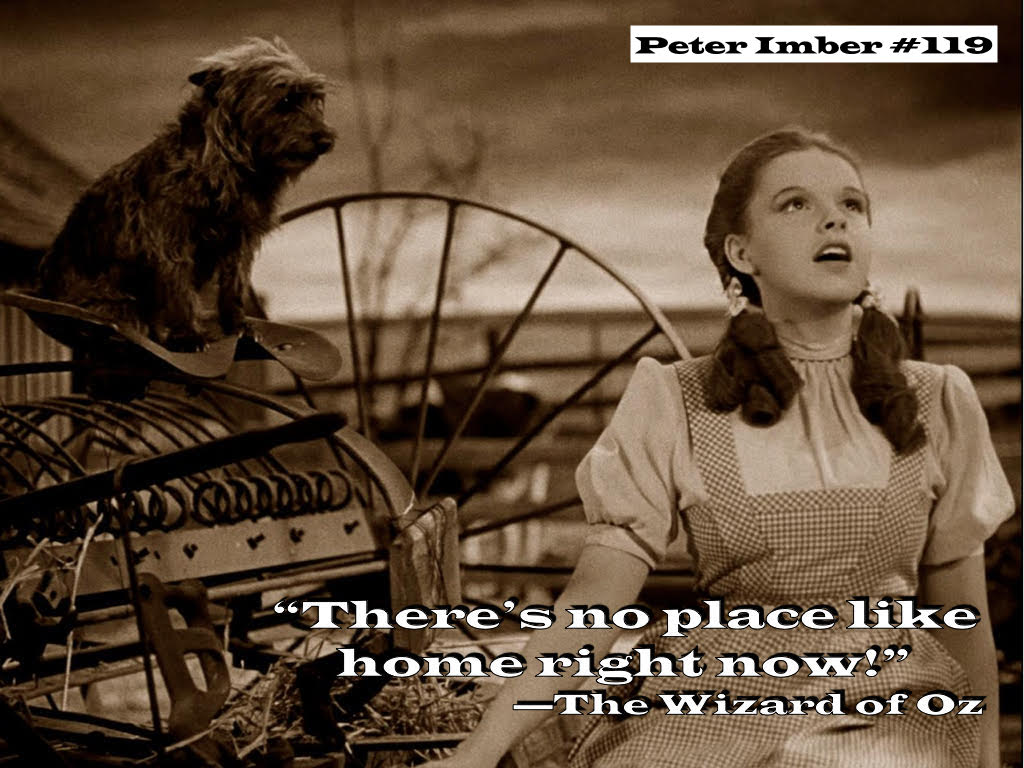



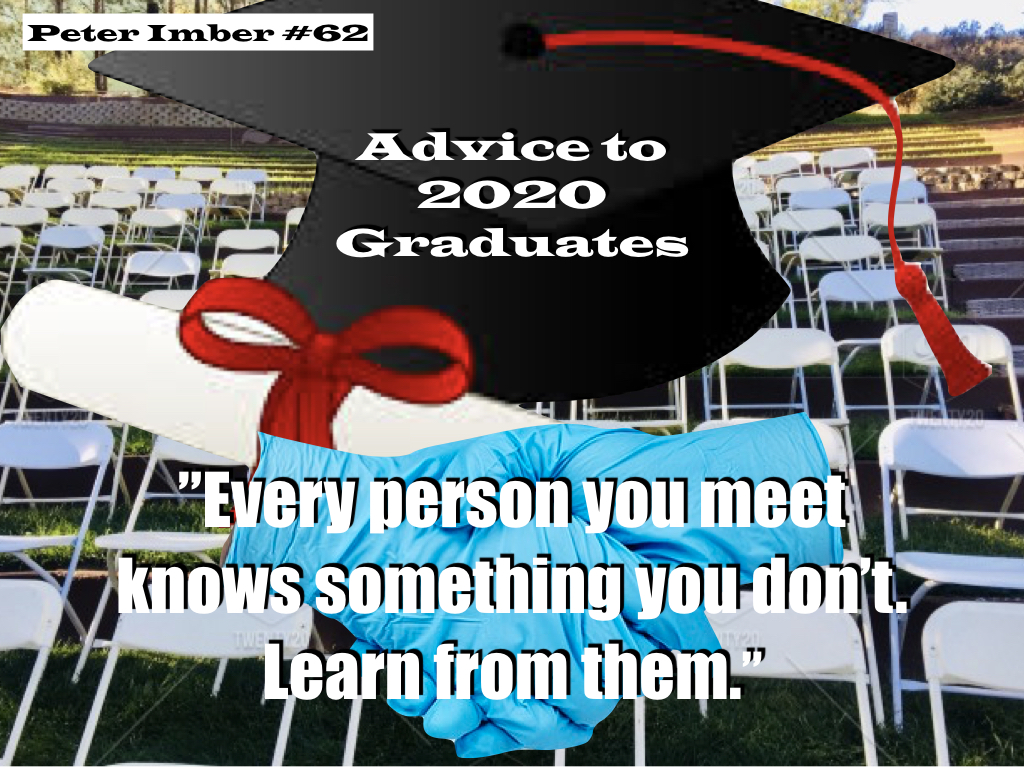






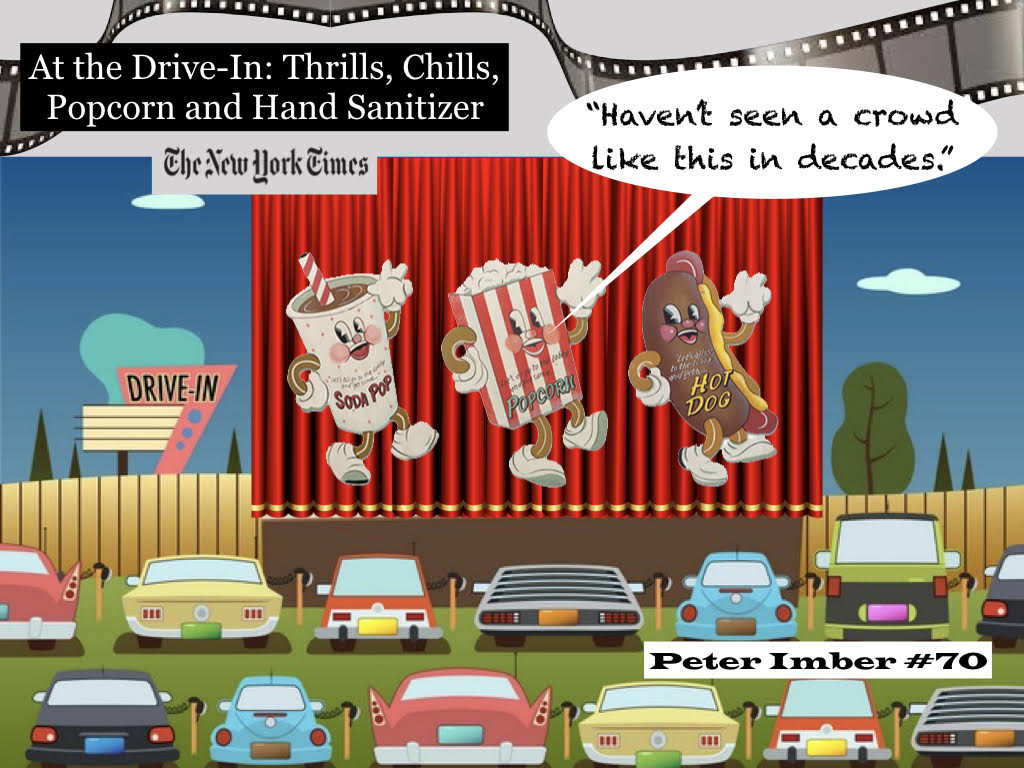

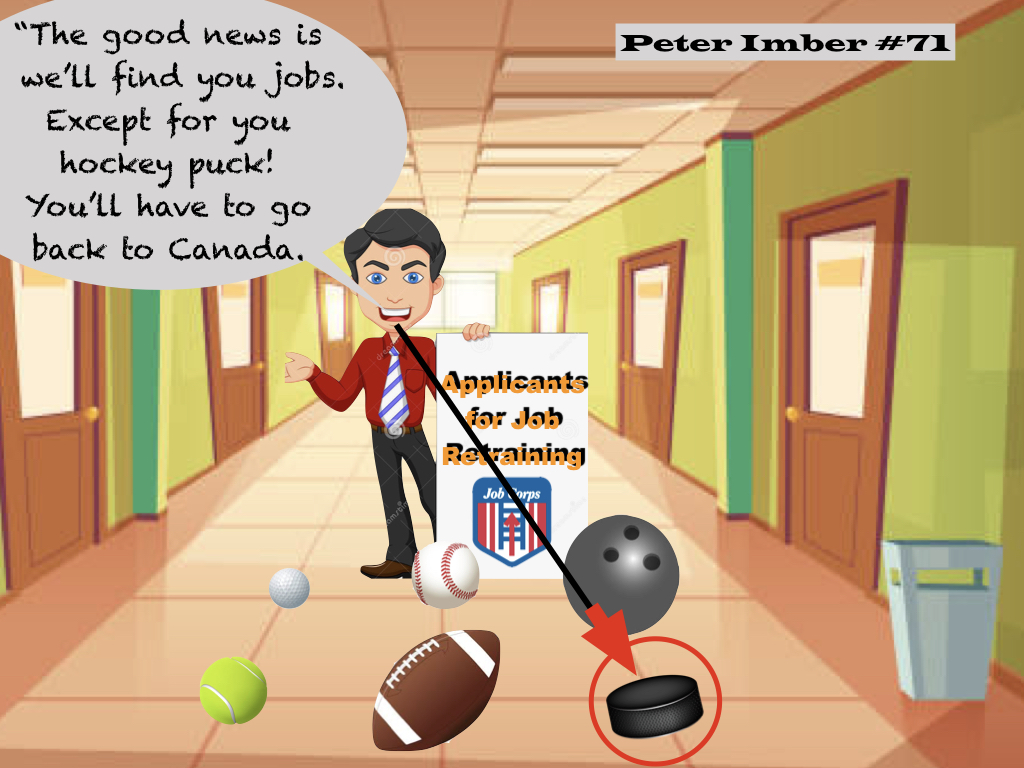

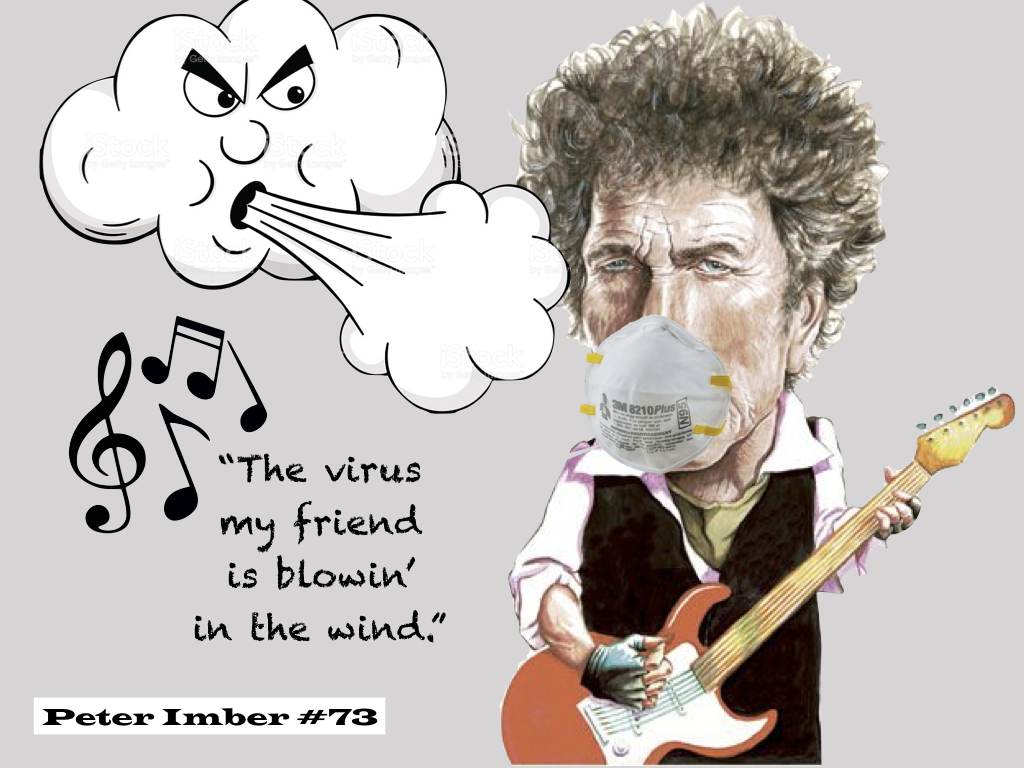


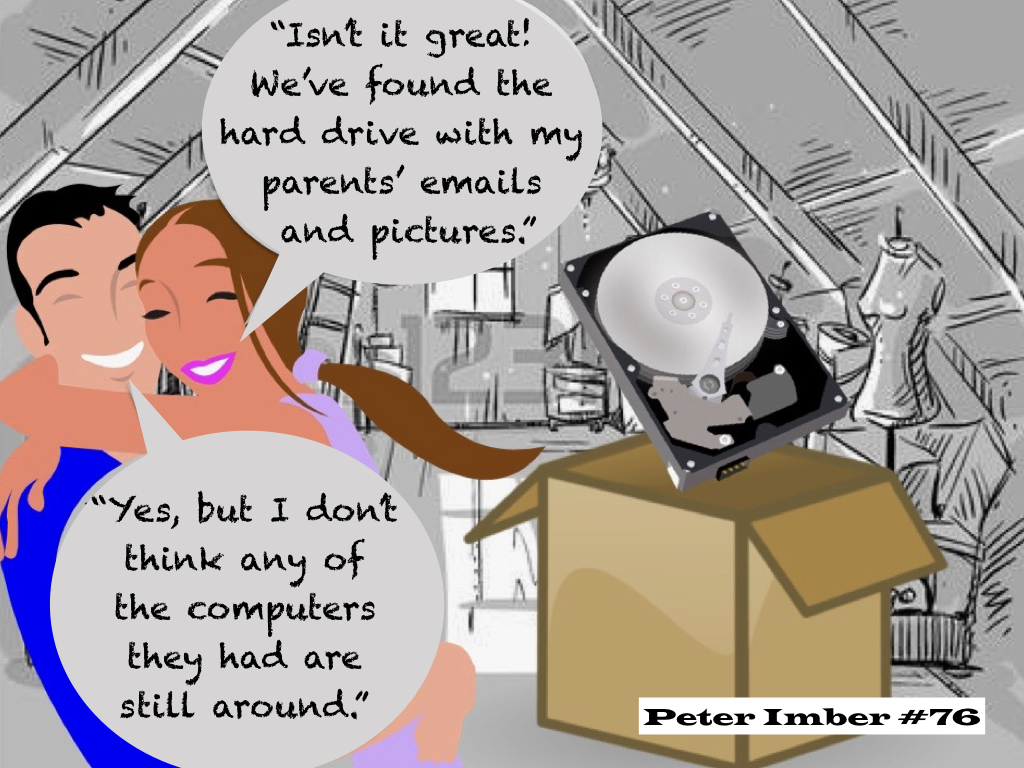
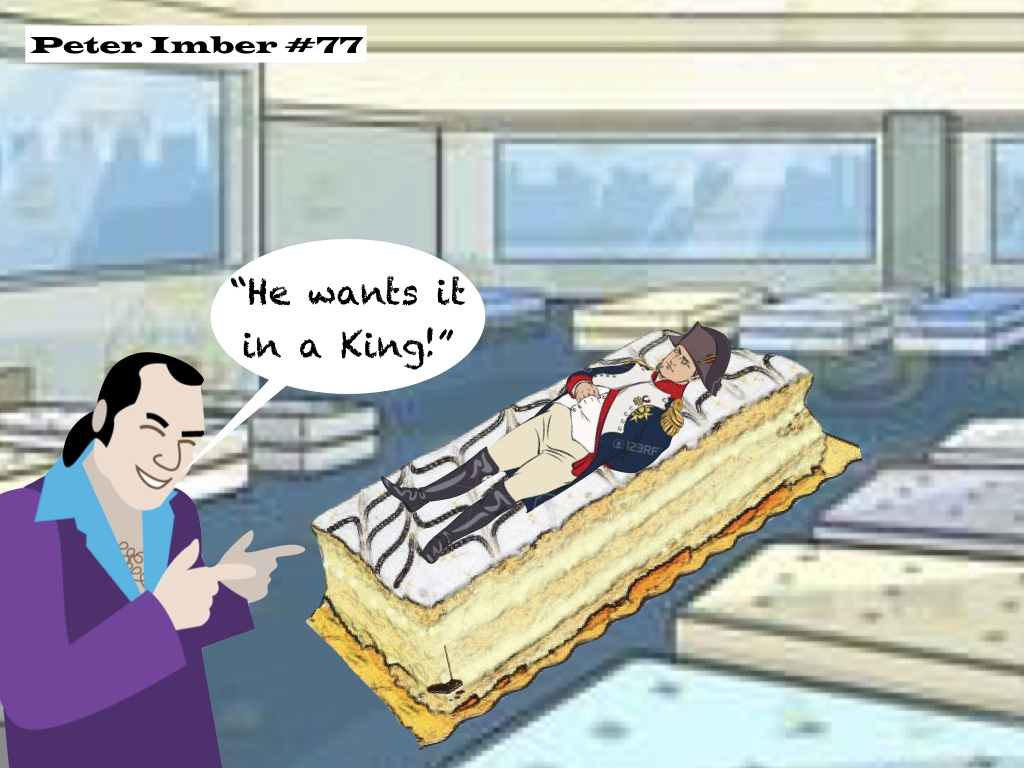


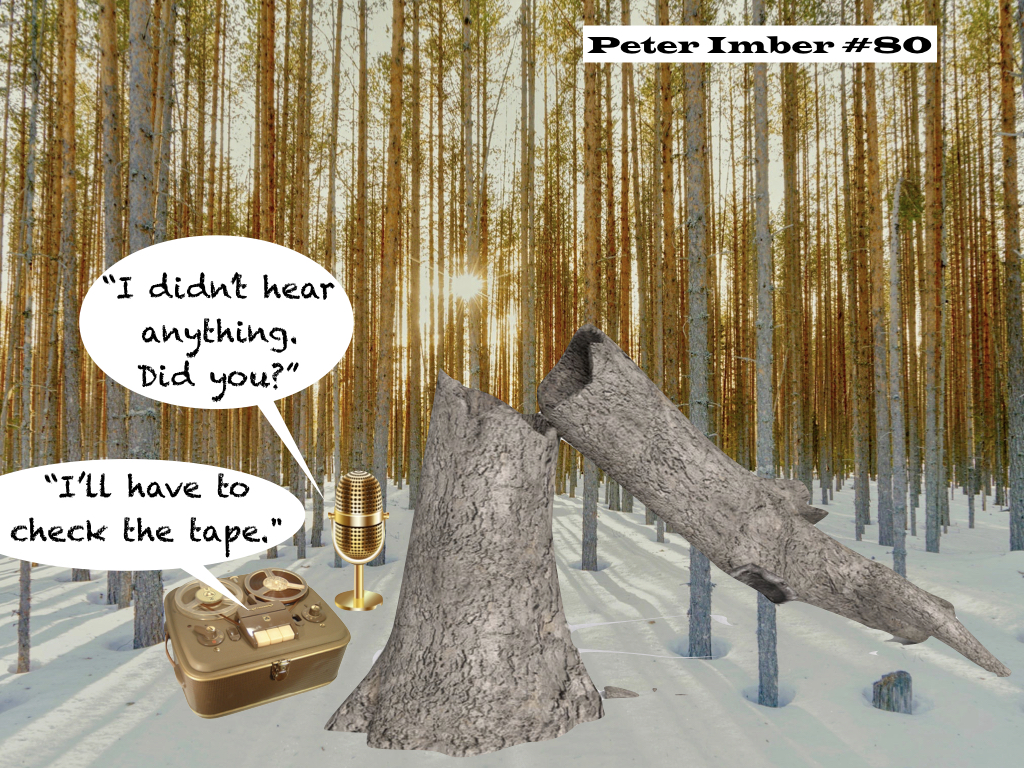




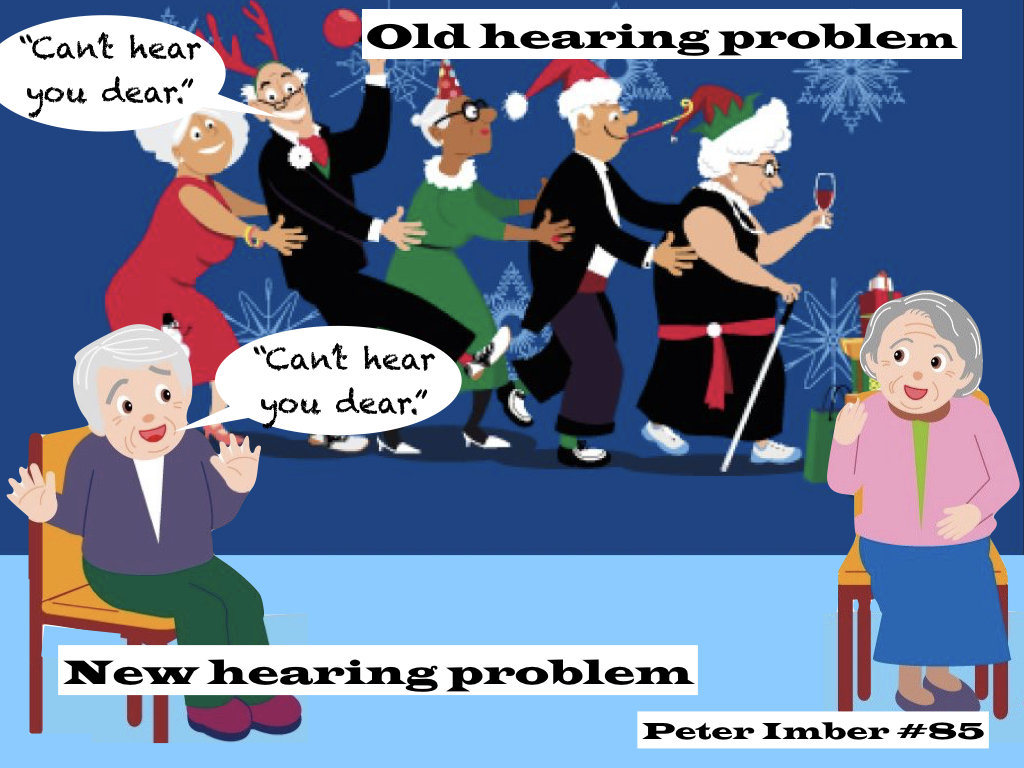

 As the co-creator of Seinfeld Larry David is now richer than God after mega syndication deals for its 180 episodes have made both him and Jerry Seinfeld the wealthiest comedians on earth.
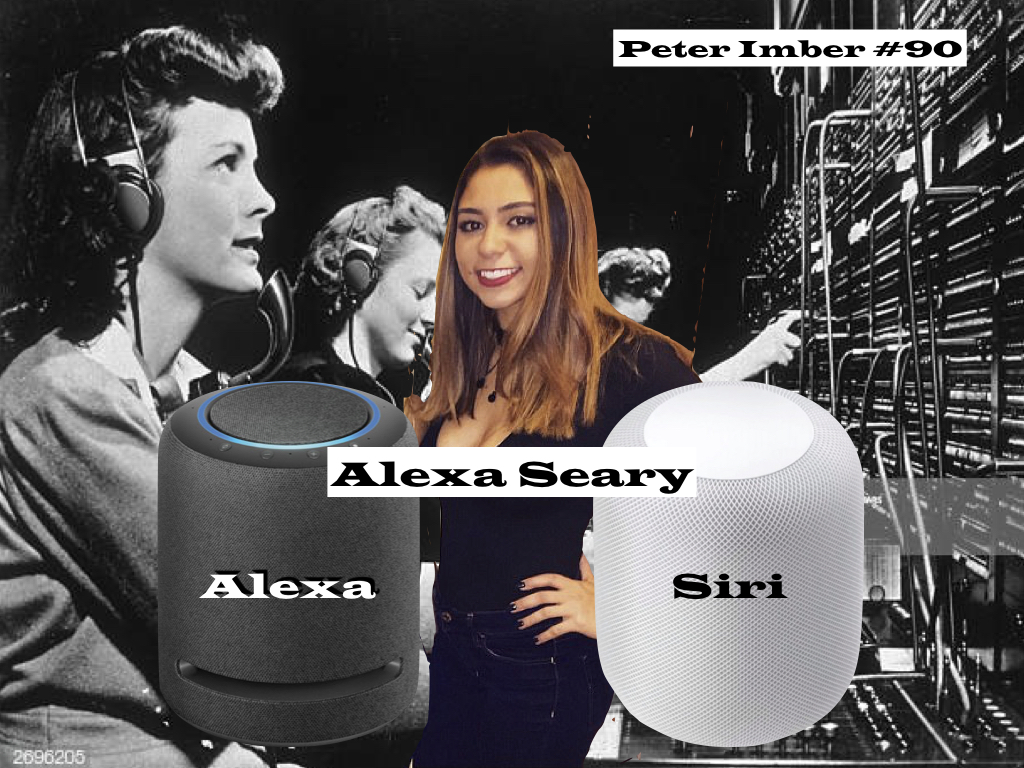
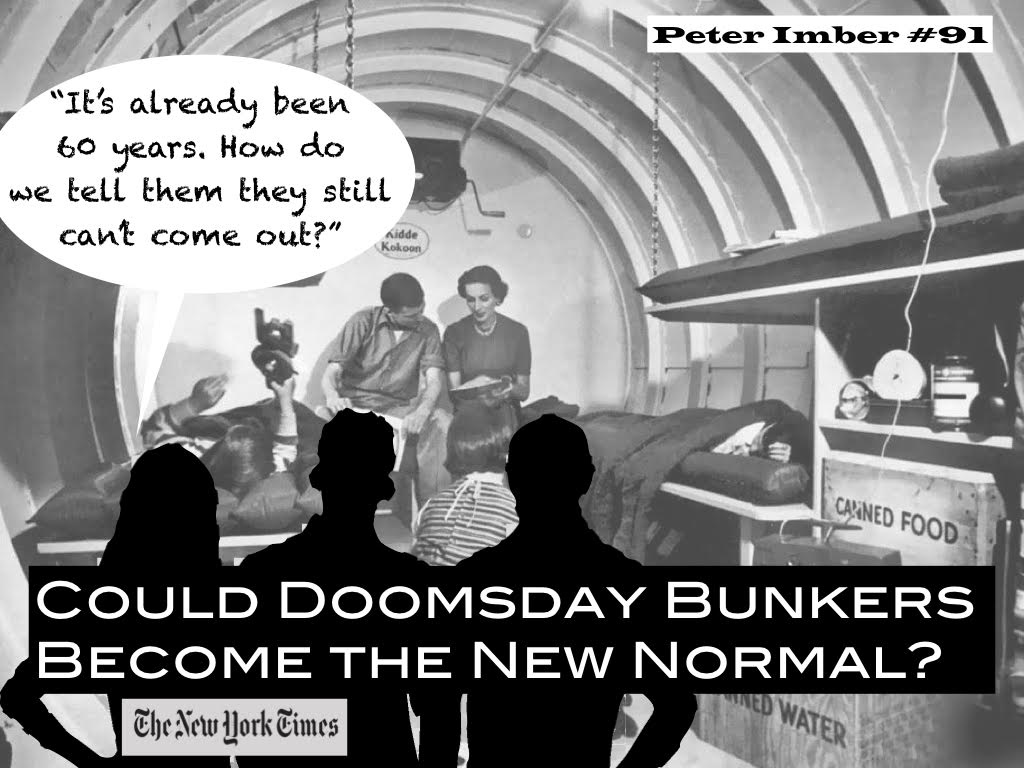
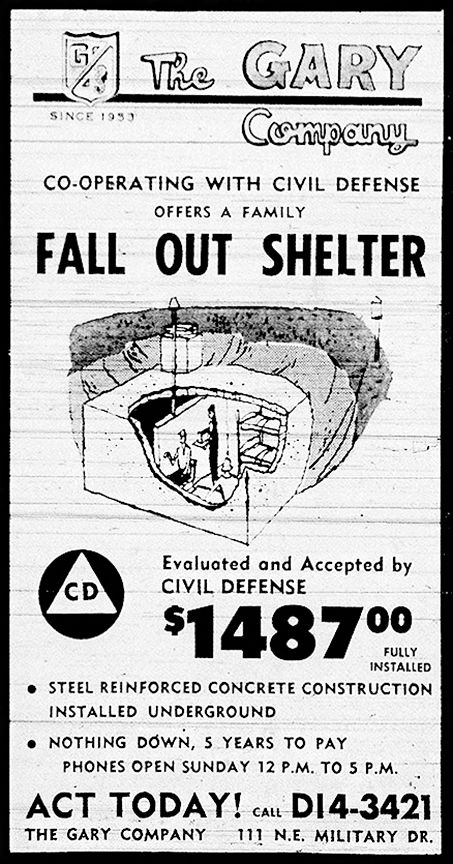




 Since today is Homemade Cartoon #40 I believe a Noah’s Ark reference is appropriate and bittersweet. Noah only had to shelter in place for 40 days.You may or may not know that in Kentucky there is a 500 foot long virtual Noah’s Ark that opened for visitors four years ago. Frankly, I don’t know what’s more unsafe a contemporary cruise ship or an ancient ark with seven– YES SEVEN –pairs of bats! Check out Genesis. It’s not just bats, the ark actually appears to have been significantly overbooked.
 “Emperor penguins are as vulnerable and important a symbolfor the effects of climate change in Antarcticaas polar bears are for the Arctic.” –Franz Lanting
 “May: This is one of the peculiarly dangerous months to speculate in stocks. The others are July, January, September, April, November, October, March, June, December, August and February.” — Mark Twain—————–
 What exactly is ‘doubling your bubble?’ It’s households picking one other household to interact with, and each of those households may then interact only with the other. They can visit with each other and be in each other’s home, share meals together, and I presume do shopping for and recreate with each other.And what could go wrong? Well, let’s say you’re elderly parents and you have several children with families that include all your grandchildren. If you pick one of your kids to double bubble with, are you hurting the feelings of the others? I’m sure there is a hornet’s nest of potentially uncomfortable scenarios that can be imagined but being Canadians don’t they have an advantage? Aren’t they supposed to be nicer than we Americans? That’s what I’ve always heard.So, I did a little looking into the question and came up with something that may help arrive at an answer. A couple years ago Bryor Snefjella, a PhD student at McMaster University in Ontario published a study that analyzed 40 million tweets over a one year period from both Canadians and Americans and concluded that “it might be the case that we construct our national identities via our linguistic choices.”How’s that? Well, here’s what he found. Words most represented in American tweets were more negative and words represented in Canadian tweets were more positive. Mr. Snefjella wasn’t even looking for this. He was initially studying differences in our dialects but found that even the tweeted emojis reflected this same divide between being naughty or nice. Just look at the two word clouds. Each represents the top 250 words tweeted by Americans and Canadians. The larger the word in the cloud the more times it appeared in tweets by those on either side of the border.Here’s America…
 And here’s Canada…
 The difference is striking, no? And it would be easy to sum up Snefjella’s work by simply calling it Great Shit.But there’s a caveat. The study relied on tweets tweeted (when you say that out loud it sounds like the name of a Looney Tunes character or a deceased Belgian harmonica virtuoso) from February 2015 to February 2016 which of course was a year that saw the rise and election of Donald Trump as President of the United States.No matter. In any event it’s kind of clear which country’s populous was and probably still is happier.—————–
 Although paper originated in China in the second century B.C., the first recorded use of paper for cleansing is from the 6th century in medieval China, discovered in the texts of scholar Yen Chih-Thui. In 589 A.D, he wrote:“Paper on which there are quotations or commentaries from the Five Classics or the names of sages, I dare not use for toilet purposes.”And for your book group’s next meeting how about a dive into excrement in the Late Middle Ages. Yes, it’s a book…Sacred Filth and Chaucer’s Fecopoetics by Susan Signe MorrisonAnd here’s praise to convince those skeptics… “Morrison’s study offers an engagingly written book that makes a convincing case for the cultural significance of the medieval fecal and that elucidates Chaucer’s poetry in thoughtful ways.” — The Medieval ReviewOr if you are thinking of springing a surprise, you can just tell them that this will be a read that will keep them on the edge of their seats.—————–
 Hey Groucho, social distancing as a means of safeguarding you or us from you has been around longer than you might think. As added protection we might be using masks right now but in the Victorian era enormous skirts inadvertently may have actually helped prevent the spread of smallpox and cholera. “Crinolinemania” –the fashion craze of the day– however, had a down side. Women actually burned to death if their giant hoop skirts caught fire. Still, this trendy style served another valuable purpose by keeping unwanted male attention at more than arm’s length pretty effortlessly.
 Will we see fashion adapt in our time of COVID-19? Well, yesterday Adobe’s Digital Economy Index, which tracks more than 100 million product varieties online showed that pajama sales spiked 143% in April from March!Hey Groucho, and remember what you said about PJs in Animal Crackers?“One morning I shot an elephant in my pajamas. How he got into my pajamas, I’ll never know.”—————–
 THE FRENCH LAUNDRYWe just started doing takeout on weekends and are lucky to have some really good options here in Midcoast Maine. So far it’s been Thai and pizza both of which are takeout standards for us. We do have a nearby KFC where a bucket of fried chicken is $14.99. The closest P.F. Chang’s is in Boston and their Kung Pao Shrimp would be $15.95. I know I could enjoy both but the takeout I’d really like to sample is 3,254 miles away from us at a place called the French Laundry.Thomas Keller opened his restaurant in Yountville, CA in 1994. The building had once been a French steam laundry, hence the name, and one would be hard pressed to find an eating establishment that’s been awarded more honors. It’s rated three Michelin stars since 2006 and been praised for being the Best Restaurant in the World by the late Anthony Bourdain among others.Now, in pre pandemic times a meal at the French Laundry would have cost you over $300 and perhaps as much as $600 a person for its prix fixe menu with or without wine pairings. Want to bring your own bottle? Fine, but the amount charged to you for drinking it will be $150.So, now in the time of COVID-19 with restaurants being kicked to the curb what’s happening at the French Laundry? Well, below is the takeout offering from Thomas Keller for last evening:
 $23 WITH REHEATING INSTRUCTIONS INCLUDED!!! Looks like a gastronomic giveaway, no? Ok, not enough perhaps to jump in the car and drive coast to coast but could I have that delivered?Jo and I once had a pastrami sandwich sent Next Day Air as a birthday present for her father from Langer’s Deli in Los Angles to Rockland, ME. The cost was a $100. Expensive? Yes. Money well spent? You bet. He loved it. But record setting? Not even close.According to the Guinness Book of World Records (Who else?) in 2006 Niko Apostolakis in Wellington, New Zealand had a pizza flown to him from Madrid, Spain, a distance of 12,347 miles as the crow flies. For its trouble the crow got the anchovies.
 —————–
 LET’S GET AWAY FROM IT ALL(with apologies to songwriters Tom Adair and Matt Dennis)You say that you’re such a big shotWhy can’t you just make a call Let’s sign a contract so we can go get packedLet’s get away from it allLet’s make the drive wearing pampersNo need to stop at a mallBut maybe Sag Harbor, you sure need a barberLet’s get away from it allWe’ll travel ’round along the SoundWe’ll check out each estateAnd act discreet but so eliteAs we our needs dictate Make sure you take your ViagraF___ me! Manhattan’s a pall Let’s leave our cage, dearIt’s all the rage, dearLet’s get away from it allCreating a parody of a song is fun and it can be a brutal vehicle for satire. This particular tune came to mind right away after reading the Times article. I certainly don’t have it in for New Yorkers. I was one for a couple years after college but the article is just such easy pickins. You know, long ago I thought that I’d still be listening to Stairway to Heaven as I got closer to climbing it but ever since we moved to Maine my musical preferences have been the Big Bands, Sinatra, Fitzgerald– the so called Great American Songbook. It certainly must reflect this stage of life. If I were to try to dance to Purple Haze now, I’d risk turning purple. Close to where I grew up in Pennsylvania was the Sunnybrook Ballroom in Pottstown. My father told me about going there to hear Benny Goodman and Glenn Miller back in the 1930s. When he talked about it I could imagine him as a young man and I sensed the energy and excitement he must have felt. But that doesn’t explain why I’m listening to his music these days and not my own. I don’t need to know why. I’m very happy time traveling. And so this was a nice opportunity to take my newfound affinity for the old standards a step further. And there’s one lyric in my parody in particular that I want to point out. It’s this one: “And act discreet but so eliteas we our needs dictate.” The great song “Body and Soul” has this: “My life a wreck you’re makingYou know I’m yours for just the taking.””MY LIFE A WRECK YOU’RE MAKING?”Whenever I hear Frank Sinatra sing that I break into a smile. And I just discovered that many native American languages place the verb at the end of a sentence and because they do they’re called “verb-final” languages.And I thought it was only Yiddish where this kind of thing you did!Here’s a link to Sinatra singing “Let’s Get Away From It All” with Tommy Dorsey and his orchestra…
 Referencing historical touchstones to fit the moment is a given when something as huge as a pandemic happens. COVID-19 has been compared to Pearl Harbor as an act of war that we must respond to and repel and it’s been called a Sputnik like event that should wake us up to seize the opportunity to fix what’s broken.But there are also cultural touchstones that are part of our heritage and The Wizard of Oz is larger than a mere stone and more like a boulder in that hierarchy. For 40 years it was shown annually on network television except for 1963 after the assassination of President Kennedy. Knowing the flaws of each of Dorothy’s fellow travelers might as well be included on a basic American civics test. So, it didn’t surprise me that when I Googled the movie and coronavirus just now I got a list of articles with headings like these:The Message Of The Wizard Of Oz Is Fit For A Pandemic
 Lysol Timeline 1889– First Lysol brand antiseptic disinfectant introduced in 1889 to help end a
  I am a big Buster Keaton fan and at the end of one of his short films, The Boat, his character is lost on the water and his wife asks, “Where are we?” He responds with the name of the boat they’re in and says, “Damfino.” That’s the answer for how long I’ll be doing these.Each of us is experiencing the pandemic in our own way and my coping mechanism turns out to be staying busy doing stuff like this and looking at our isolation as an opportunity rather than adversity.We all have our own unique story that we’ve lived which has formed us and through these cartoons I guess I’ve been telling mine. If you know someone who might like receiving them give them my email:
 I guess you might call this one an inside joke…That’s a play on words, a pun. Yeah, you didn’t want to be reminded of that. So, why do so many people grimace and moan when they see or hear a pun? Don’t they realize how little work goes into making them?I don’t know when or why I began punning but I proudly pun and because I experience the slings and arrows of outrage on occasion from those who look upon this type of wordplay as my affliction and their misfortune. I happen to think a lot of it is feigned — fake boos. But maybe I’m kidding myself.I think for me punning is almost an involuntary reflex. My mind just goes there. I can’t shut it down. I PUN therefore I AM and I will continue to pun wherever I am. Now, there is a difference between smart puns and dumb puns and maybe it’s like knowing the difference between good wine and cheap wine. For many of us that requires education and experience.The source of humor is actually nothing to laugh about. A legendary professor of mine in film school, a man named Howard Suber, summarized it this way. “Show me a happy comedian and I’ll show you someone on the way down.” Case in point… I just read an article that contended that now that Jerry Seinfeld is nearly a billionaire he isn’t funny anymore.I don’t want to over analyze “funny” but I just looked this up and someone has compiled a list of the nine types of humor they think exist:1. Physical or slapstick2. Self-deprecating3. Surreal or absurd4. Improvisational5. Droll or deadpan6. Observational7. Potty or bathroom8. Dark or gallows9. PunsSo, physical comedy is first and puns are last. Hmmm… You know I actually had an experience that combined the two once. I went to this comedy club in LA where Chevy Chase was doing a standup act or in his case a fall down one. But that night he didn’t show up and another guy came out and was terrible and even worse he was doing a lot of stupid puns.A stranger at the next table heard me being critical and complaining that this wasn’t at all what I had come to see. He was smiling. In fact he was glowing when he said to me about the performer, “He ain’t Chevy. He’s my brother.”Got ya!—————–
 Donald Trump, you might already know, is the first president in 120 years not to have a dog in the White House. Last year he explained why at a rally in El Paso.“I wouldn’t mind having one, honestly, but I don’t have any time. How would I look walking a dog on the White House lawn?”Human perhaps?Hey, it is his prerogative but maybe his son would like to have one? My family had a dog when I was growing up. She, a diva-like French poodle, was intended to be “the boys’ dog.” She quickly became our mother’s dog and I swear they used to play double solitaire together.Anyway, I’ve come up with a little poem, a doggerel if you will, that won’t make me poet laureate but could provoke a few barks from 1600 Pennsylvania Ave. and maybe some howls from the rest of you….I’m not a cat fanIn fact I can’t standThat cats could care less that I’m thereBut dogs I adoreMy faith they restoreWe’re both needy and that’s totally fairI’m happy to petThey’re happy to getMy reward is the pleasure they feelSuch a simple exchangeA cinch to arrangeIt is the true Art of the Deal—————–
  When I think of travel and especially air travel these days and in the future I think of a show tune. You know, from Oliver– “Who will buy…” I’m not at all sure when I will purchase a ticket and get on an airplane again. Flying had become enough of a horror show before COVID-19 and add the potential for psychological distress to the certainty of physical discomfort and there are officially no more friendly skies.And here’s the late great John Candy in a scene from Planes, Trains and Automobiles to sort of make the point that despite everything the skies can still be overly friendly, too…What’s notable about this bit is that it wasn’t in the final cut of the film. John Hughes, the director, left it out and apparently had shot enough footage to have made a three hour movie.., Talk about overbooking!
 When in the past had you ever heard the word zoom used? For me only two things come to mind. One is a zoom lens for a camera and the other Jackie Gleason’s The Honeymooners when ZOOM! was part of Ralph Kramden’s rants threatening Alice with physical violence.If he had followed through, it would have had her reaching the moon ahead of Neil Armstrong. How that was acceptable in comedy and on television in the 1950s seems absolutely unbelievable and crazy today.So, where does this word zoom come from? Well, it appears it’s either from the Dutch or German zoomen or the Finnish zoomata. It’s an onomatopoeia– I had to spell that word correctly to get out of the 8th grade. This is the first time I’ve done it since. Zoom is an attempt to mimic the sound of something humming or whizzing by you.Investigator that I am I looked into whether there might be a deeper meaning for zoom. Couldn’t find anything so I employed a Kabbalistic approach– a form of Jewish mysticism that has attracted dabblers from Madonna to Marla Maples.Kabbalah uses letters and numbers to explain the universe. I wasn’t traveling that far so I stuck with just the letters. Hmmm… so, when you drop the first two letters of zoom you are left with om. Now, I thought I’m on to something. Was there possibly some transcendental connection? Yes! Who can deny that we in the West often zoom when we’d be better off if we’d slow down and om.I have been doing my own daily yoga routine for months now and although I’m not perceiving any spiritual awakening my body and my back in particular are very grateful that I chose this path. With the pandemic I’ve experienced, I guess, both the zoom boom and an om boon.However, I’m afraid I’m close to being Zoomed out at this point. Zoom fatigue has set in. But two last things about the burgeoning company Zoom that’s become as indispensable to many others as… well, toilet paper. First, according to Glassdoor, which evaluates such things, in 2019 Zoom was the second best place to work in the United States. I guess so. If ever there was a company where you could just call it in…And where did the company’s name come from. It took a bit of digging but I found that out. One of the early employees took it from a book he read to his kids…
 —————–
 We’re a big country and many of us don’t have someone to remember who lost his life in a war, let alone fought in one. So what do we think of first when we hear the words Memorial Day? Little wonder that it’s a picnic or a shopping opportunity.I’m an admirer of the sculptor Claes Oldenburg. I just checked and he’s still alive and in his nineties. My absolute favorite thing of his is an idea for a sculpture that he never created. Back in the 1960s Oldenburg did a series of drawings that he called “Colossal Monuments.” One of them was a war memorial. I’m inserting a rendering he made of it below…
 It was to be a giant block of concrete as high as the buildings that surrounded it that would have been placed in the middle of the intersection of Canal St. and Broadway in Manhattan. Oldenburg would have had the names of “war heroes” carved in it.Was Oldenburg making a serious anti-war statement with his idea to disrupt New York City traffic permanently in one place? Was his intent to have people curse being inconvenienced and war simultaneously? As far fetched as it seemed Oldenburg’s conception for this memorial made sense to me when I saw his drawing for the first time. Afterward I figured it was more like a satirical aside.Since then I’ve been to the Vietnam War Memorial in Washington and was quite moved. I knew people killed in that war that I myself didn’t have to go to– nobody who was a close friend but high school and college classmates whose names I could find on the wall. Seeing all the names of those who had died was a jolt. The Vietnam War Memorial is a destination you don’t just happen upon. You know where it is and why you’ve come to see it even if you don’t know how you are going to react..In retrospect I think plugging up Canal St. and Broadway would have made a powerful war memorial but it would have needed to be a temporary obstruction and constantly moved to someplace else without any advance notice. That way it might have pissed you off when you suddenly encountered it for two reasons and you could have blamed both the traffic and all wars for your being late.Our public reminders of the cost of wars are mostly way too polite. So, what should we think of today on our nation’s Memorial Day? For a start how about this? Let’s not call it a holiday. It’s not a celebration. It’s an observance. Memorial Day is the one day a year set aside to actually remember and think about those who died in America’s wars and didn’t get to grow old and be here for the picnics and the sales.—————–
 About ten years ago I remember coming across a bizarre story. A study was published that had found that nearly nine out of ten bills circulating in the United States were tainted with traces of cocaine. Of course it wasn’t enough of the drug that you had any chance of getting high if you tried to snort your money but jeez! Drug dealers were obviously not laundering their cash with Tide.So, here we are with a current fear of contamination from just about anything and it’s potentially worse than getting busted. Can you get COVID-19 from merely touching money? The thought is that the risk is extremely low but like so many things about the pandemic many people, both buyers and sellers, are not taking any chances and using or accepting only credit cards and digital/electronic means for transactions. We were already moving on. The tag line in a credit card commercial “What’s in your wallet?” is asking about your plastic and not your Washingtons, Lincolns, Hamiltons, Jacksons or other members of this all boys club.I certainly haven’t had a need to use much cash since March and the only bills I have left are all twenties. As far as I know there are no ATM’s that dispense anything other than twenties even if I wanted smaller denominations but this lack of currency diversity really hasn’t caused any problems for me. It seems likely that COVID-19 will accelerate the demise of cash and certainly the $1 bill and even its more valued brethren may become about as useful as pennies, nickels and dimes.For now just as hands aren’t touching hands, bills don’t seem to be changing hands much either. I hope the ones tainted with cocaine have been in detox and recovery by now. I guess there’s not enough access to testing for the others. They’re in a lockdown just like us.—————–
 I’m going to brag! I have lost a lot of weight so far since COVID-19 altered so many things about our lives. Was the pandemic my inspiration to do this? Well, it certainly provided a helpful setting. It’s a hell of lot easier to focus on dieting when you don’t have a lot of the usual temptations and distractions.I am still overweight but I’m not done and getting this far hasn’t been as hard as I expected. I’ve really stepped up exercising and Jo has been making us meals that adhere to the curb the carbs approach prescribed by a dietitian I consulted.Sure, it’s on me that I got fat in the first place but you see I didn’t come from a roughage neighborhood. I grew up in the pretzel and potato chip center of the universe– the Pennsylvania Dutch Country. The airport in Reading, PA had to adapt to the fact that the residents of Berks County are heavy– and I don’t mean frequent –travelers. How did the airport adjust? Well, I haven’t measured but I’ve been told that the runway is now as wide as it is long!But seriously, if you’ve had your medical specimens sent anywhere by way of Quest Diagnostics’ fleet of airplanes, guess where their home airport is? Being located at the Reading Airport probably saves a bunch of flights. The emergency room at Reading Hospital is the 10th busiest in the country with 135,000 ER visits a year. A ranking by Gallup-Healthways called the “Well-Being Index” ranked the city as having the 10th highest percentage of obese people in the nation so there’s the evidence that if you’re overweight in Reading your heart is probably in the right place.When I was growing up Reading called itself the “Pretzel Capital of the World” and a traditional grade school field trip was to a Bachman’s pretzel factory. Downtown on the main street there were soft pretzel vendors pushing their wares and their carts into the 1960s. I’d pay a nickel and hope I was getting one that had been made that same day but even the day olds were pretty good.In the summer at our public swimming pool pretzel rods along with frozen Milky Ways were the best sellers at the snack bar. The application of a generous line of mustard on the pretzel rod was as de rigueur as the pool’s medallion patch your mother sewed on your bathing suit.As far as I’m concerned the best pretzel you can buy today is still made in Reading. The brand is called Unique and they’ve even made their way to some of the smaller markets where we live in Maine.But I was always more of a potato chip guy and the Pennsylvania Dutch Country seemed to have as many potato chip companies as startups in Silicon Valley. And yes, I do have a favorite– Diffenbach’s. Like all the best chips, they only have three ingredients all of which are deemed life threatening: potatoes, 100% lard shortening and salt. When you eat these chips your skin gets greasy enough to slip out of handcuffs. However, the websiteFooducate.com gives Diffenbach’s chips a passing grade, a D+. In Reading food is pass/fail.My best friend Ken sends me bags of Diffenbach’s every year for my birthday. I now have two in our pantry. When I hit my target weight I’ll open one. Until then I intend to remain alive.THE BEST PRETZELS(11 oz. bag 1210 calories)
 THE BEST CHIPS!(8 oz. bag has 1,217 calories)
 There’s one supermarket in Reading that actually has two entire aisles for pretzels and potato chips. One is for the national brands. The other is for the local ones. In Reading “shop until you drop” is not uttered lightheartedly.—————–
 I’ve just realized that I’ve never attempted to yodel. I don’t even try to sing either. I can’t carry a tune or even make one out and I have a story to prove it which shouldn’t surprise anyone who has been receiving my cartoons and commentary at this point.As I write right now I’m listening to WQXR– a classical music radio station in New York City. I listen to it a lot and a lot more since March. It’s soothing, a reminder that the world hasn’t yet descended into total darkness.I love classical music and the credit for that goes to my father and the Food Fair supermarket. In the late 1950s somebody had the idea that the greatest classical music could be widely marketed and I mean marketed literally. A collection called “The Basic Library of the World’s Greatest Music” totaling 24 records was sold at supermarket chains nationwide. The cost was originally less than a dollar an album.My father purchased the set of all 24 incrementally, which I guess means he made at least two dozen shopping trips to the Food Fair that my mother didn’t. I don’t remember ever being encouraged to listen to the records but when I started to I was hooked, especially by the romantic offerings like Rimsky Korsakov’s Scheherazade and Dvorak’s New World Symphony.Each album came with a booklet that included information about the music and short biographies of the composers. This well of information would eventually provide me with a well deserved lesson in humility.In my 8th grade music class part of the state mandated curriculum was an introduction to classical music and our teacher played some of the same pieces that I had already heard at home– remember when record player/radio consoles were a piece of furniture?Anyway, I couldn’t help myself and when our teacher would tell us about a work and its composer that I had read about, I chimed in with something I knew that she hadn’t mentioned. I even compounded my smart aleckeyness by volunteering to do reports on a few composers I particularly liked.At the end of the school year we took the state mandated final exam. It counted for half our grade and was a weird way to evaluate what we had learned. The teacher sat down at the piano and our task was to determine if the scales she played were ascending or descending. I couldn’t hear any difference. I really couldn’t.At our last class she was about to read out each of our final grades. but there was a pause before she began and I knew what was coming after she said this…”Not everyone this year who did the most work, did well on the final which as you know makes up half your final grade.”She started announcing them. There were a lot of A’s– we were the so-called accelerated group –but then she got to me…”Peter, D on the final, B- for the year.”I sat in the back of the room and at that moment a lot of heads turned toward me with big grins on their faces. I had earned them.Later in life I came to realize what was a huge embarrassment at the time had a silver lining. I figure it this way. Why did I love classical music more than the other kids? Easy– I hear it differently!Below is what those record albums in the World’s Greatest Music series looked like. I saw on Amazon you can purchase the whole set for $100 but of course you need a turntable hooked up to an amplifier and speakers to play them. Who has that stuff any more?
 —————–
 When I was a kid and needed a haircut my mother gave me two bucks and I rode my bike a couple miles to the barbershop. The barber was an Italian immigrant named George who worked alone. If I had to wait, it was Ok. George always had a stack of great comic books.I have one wonderful memory about getting my hair cut that goes back over 50 years. My last two years of high school were at a boarding school north of Boston where we were required to see the barber every month. He set up in a dormitory basement and appointments were scheduled every 15 minutes. A couple of mine early on just happened to be at 8 p.m. when the radio the barber brought with him was tuned to a station in New York City. “The Theme from Studio X” played and for the rest of those two years I made sure my monthly haircuts were always at 8 so I could hear it.I think I may have been the only kid in the school who looked forward to getting his hair cut. I loved that music. Thanks to the internet and YouTube “The Theme from Studio X” and I were reunited a number of years ago. It’s quite dramatic. Take a listen.
 The puzzle book series “Where’s Waldo” was called “Where’s Wally” in Britain where the books were authored and first published in the 1980s. The Wally/Waldo books have sold over 50 million copies world wide.One of them was banned for a while in parts of the United States when something held offensive was uncovered. Waldo’s creator, Martin Handford, had drawn a beach scene with a topless woman sunbather. Once he found out about the censors he participated in a coverup.But where’s Biden? Did you find him in the sushi? I’ve been calling him the designated driver candidate– the guy who didn’t drink at the party and is entrusted with getting those who did home safely. I’m not sure however, if the country can wait for that ride home. The present holder of the keys to the nation’s fate doesn’t drink but the only thing he drives is a golf cart and he won’t let us see if he’s even capable of handling that. Biden needs to get moving. Sheltering in the basement may be a safe place to be when there’s a tornado warning but the country’s on fire now. I can’t think of anything more to say about Joe other than the future of the United States will be determined by who wins the next presidential election and if I have to risk my health to vote for him I’ll do it. I try not to think about what happens if he loses.But let’s move on to sushi.I confess I am a sushi snob. Here in Vacationland I live in crustacean land where the lobster roll is king and the spicy tuna roll is an outlier and I really haven’t found sushi that compares with what I’m used to.
 pawnedaccordion
